Very Few People Realize There’s A Remarkable Wolf Sanctuary Hidden In New York
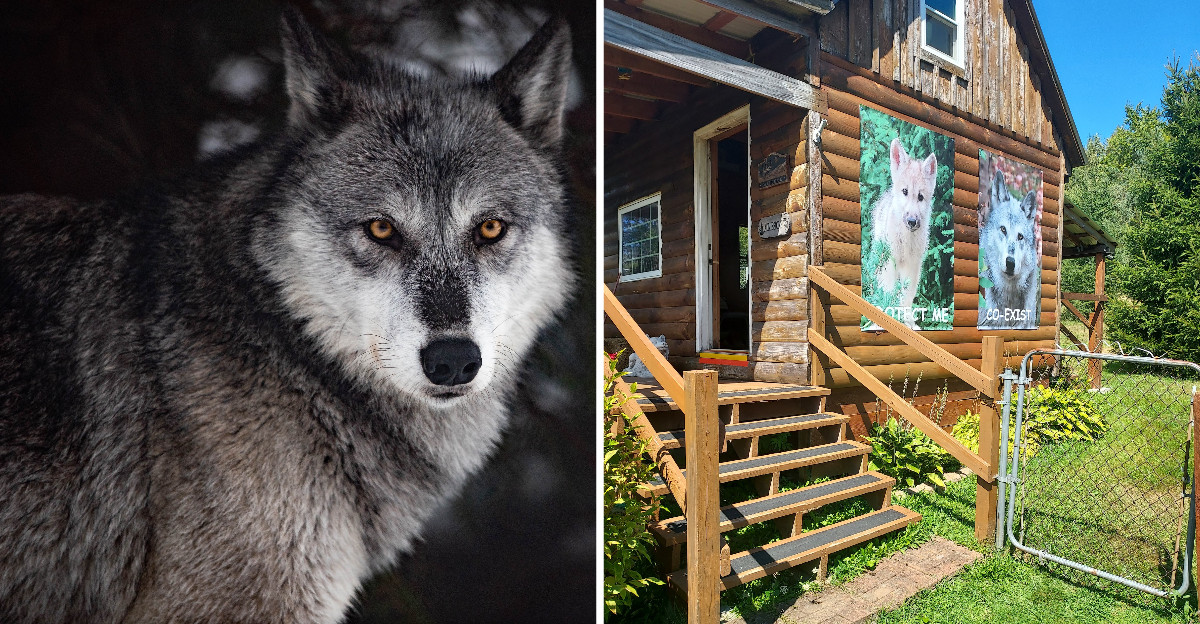
A wolf howl rolling across a quiet hillside will stop you mid-sentence. How could it not?
New York hides a sanctuary where wolves, coyotes, and foxes live in wooded habitats while visitors learn the stories behind them.
The animals are stunning, but the real connection starts once you hear how each one ended up there.
Suddenly, every look feels more personal. Then an arctic fox trots into view and completely ruins your ability to focus on anything else!
The whole visit feels wild without turning the animals into a show. That balance is exactly what makes the place so hard to forget.
A Preserve Born From Two Wolves
Big dreams sometimes start with a very small pack. When Wolf Mountain Nature Center opened to the public in spring 2006, only two wolves lived on the property.
Two decades later, the nonprofit has grown into a licensed wildlife education center spread across 70 acres of forest, meadows, and ponds. The year 2026 marks its twentieth season of welcoming the public.
Education has remained central from the beginning. Programs focus on gray wolves, eastern coyotes, and arctic, gray, red, and silver foxes while explaining how those animals fit into natural systems.
Animal behavior observation is also part of the work. Visitors hear about diets, communication, habitat needs, pack relationships, and common misconceptions surrounding wild canids.
Outreach extends beyond the hilltop through programs at schools, colleges, libraries, zoos, and community groups.
The center has expanded its wooded trails, planted roughly a thousand trees and shrubs, and created larger habitats as it has grown. The property is at 562 Hopkins Crandall Rd in Smyrna.
Meet The Furry Residents
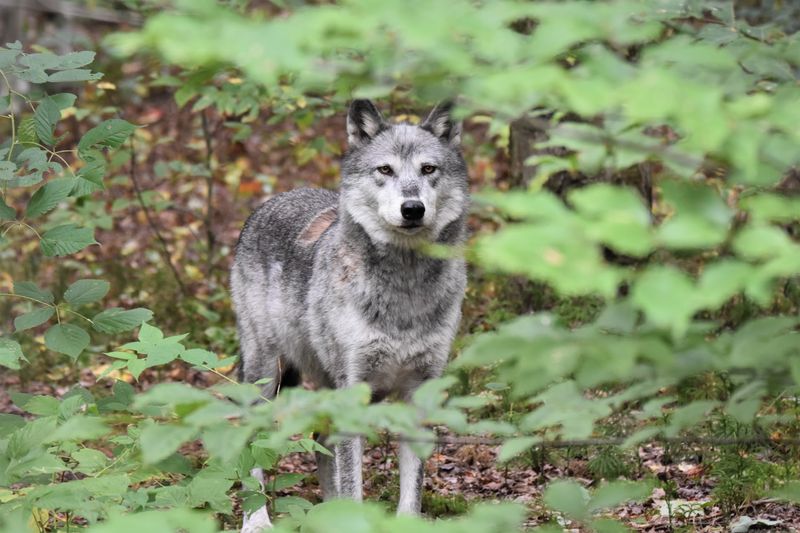
The current population includes wolves, eastern coyotes, arctic foxes, gray foxes, red foxes, and silver foxes. In 2026, 26 animals live in 13 separate enclosures across the property.
The wolf population includes Alaskan tundra wolves, timber wolves, and three Eurasian wolf pups that joined the center in 2026.
Several wolves were born there, while others arrived from other licensed facilities.
A 2019 litter produced five black-phase pups. Three remain at Wolf Mountain, while two later moved to another wolf preserve. The male from that litter is currently the largest wolf at the center.
Three eastern coyotes born at Wolf Mountain in 2012 now live in separate enclosures. Their programs focus heavily on behavior, adaptability, and coexistence.
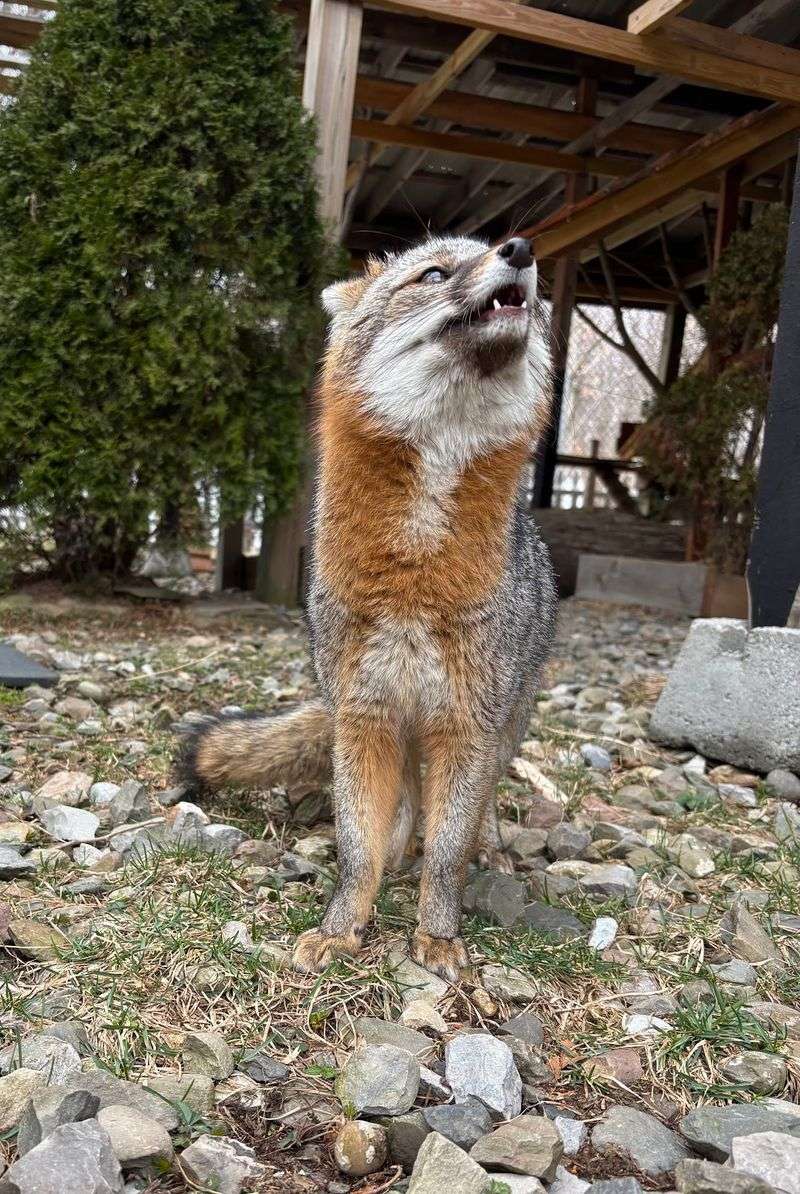
Four fox varieties broaden the visit. Arctic fox exhibits emphasize cold-weather adaptations and climate-related habitat pressures, while gray fox habitats include elevated structures that support their natural climbing ability.
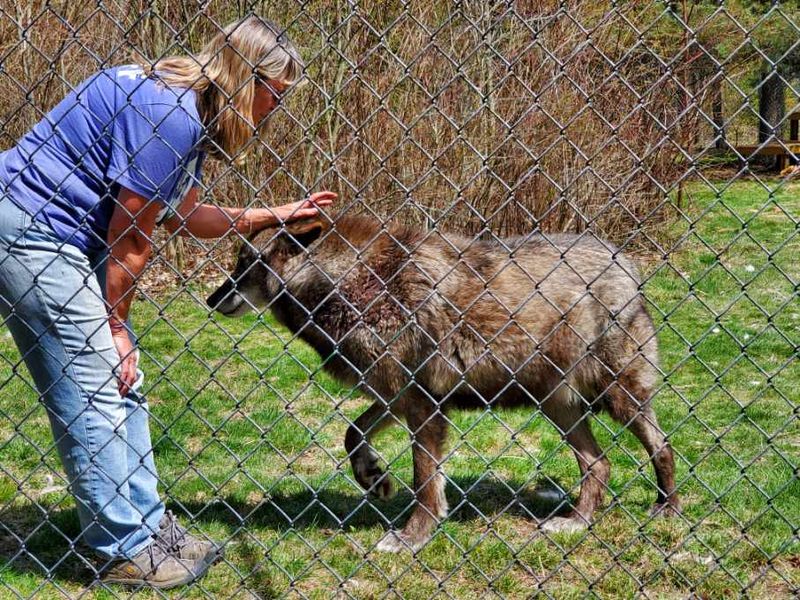
Public interaction remains limited to observation. Visitors may stand only a few feet from some habitat fences, yet New York regulations prohibit public physical contact with wolves.
Solar Power On A Hilltop
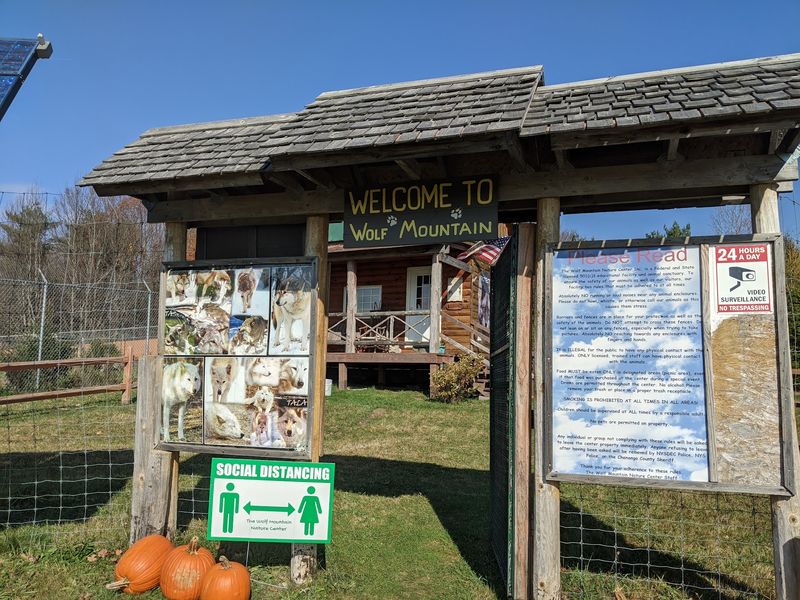
Wolf Mountain occupies a hilltop in Chenango County with forests, open meadows, ponds, and broad stretches of undeveloped land.
The center operates off-grid. Solar power supports its public facilities, while solar and wind power serve the caretaker cabin.
Some animal habitats extend as far as 9.2 acres, giving wolves room to move through wooded and grassy terrain and retreat from view when they choose.
That matters for visitors too. Seeing every animal immediately is never guaranteed because the residents can rest in tall grass, brush, or trees rather than remaining on display.
A roughly three-quarter-mile loop connects the animal exhibits over grassy and gravel paths. Benches appear along the route, and wooded nature trails extend beyond the main viewing areas.
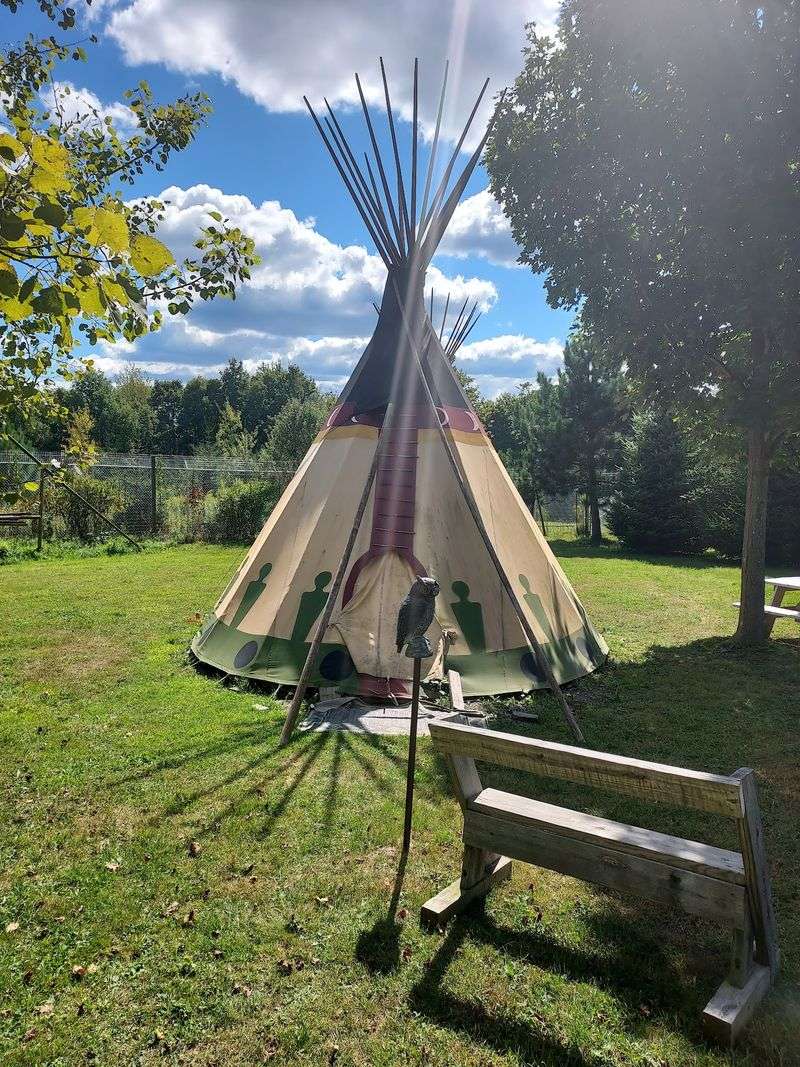
Visitors can bring their own food and use the picnic area, since regular concessions are not part of the experience. A tipi is also set up during milder weather and is used for some scheduled storytelling and educational programs.
Tours That Teach And Charm
Regular visits can be self-guided or docent-led. On Sundays, an approximately one-hour guided tour leaves the welcome area at 12:30 p.m. and stops at the animal habitats.
Self-guided visitors can use a map and informational stations, with volunteers available around the grounds to answer questions.
Programs cover diets, habitats, behavior, communication, and the ecological roles of wolves, coyotes, and foxes.
Wolf communication receives special attention. Body language, scent marking, and vocalizations all play roles in how wolves interact.
Seasonal Wolf Communication Programs go deeper into those signals and conclude with a group howl. The final scheduled program of 2026 is set for October 17.
Other talks address eastern coyotes, fox adaptations, habitat change, and coexistence with predators. The goal is to replace exaggerated fears with observable behavior and science-based information.
The animals are not treated as petting-zoo residents. They remain behind secure barriers, and only trained caretakers approved for animal work may enter their habitats.
Camping, Cameras, And Feeding Time
Special programs offer a different view of the property, although most of the 2026 seasonal sessions have already ended.
Wolf photography sessions use two elevated platforms that allow cameras to shoot above the fencing.
Both require stairs, and one also involves a short walk through the woods. Participants never enter the wolf habitats.
Camping with the Wolves is another seasonal program. The 2026 sessions have passed, and dates for 2027 have not yet been posted.
Camping is genuinely rustic. Guests bring tents, and the grounds do not provide flush toilets, hot showers, or running water. Drinking water and hand sanitizer are supplied.
Participants must be at least 12 years old, and minors need adult supervision. Programs can include guided hikes, wolf communication sessions, campfires, tipi activities, and opportunities to assist with feeding under staff direction.
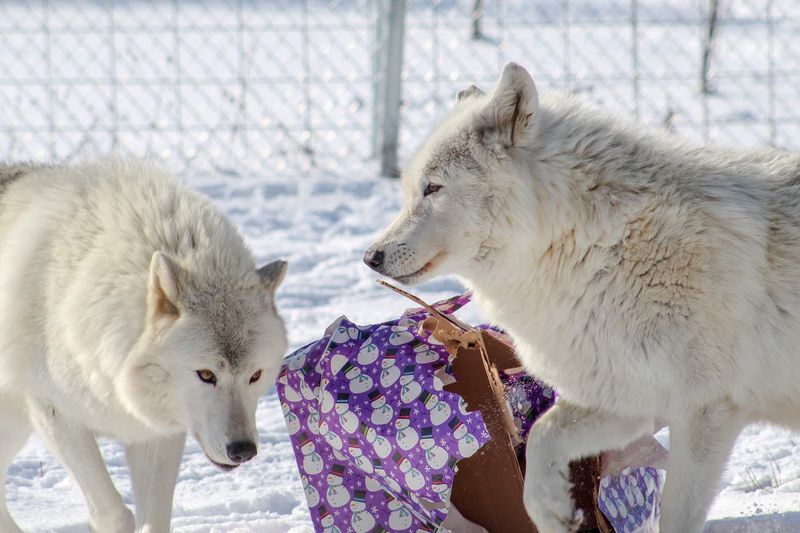
For its twentieth anniversary, Wolf Mountain also offered visitor feeding sessions on select Sundays in 2026.
One format allowed food to be tossed over the fence, while another let participants hide food in a secured section after the wolves had been moved elsewhere.
The hidden-food setup encourages hunting and foraging behavior without putting visitors in direct contact with the animals.
Speaking Up For Wild Wolves
Conservation extends beyond caring for the animals on the property.
Education focuses on the ecological value of wolves, coyotes, and foxes and on ways people can coexist with predators.
The conservation message also supports larger tracts of suitable habitat for wild wolves and better education for farmers, ranchers, and the public.
Habitat loss and changing environmental conditions remain recurring themes.
Eastern coyotes receive particular attention because they live throughout New York and often generate unnecessary fear. Programs examine their behavior, diets, territorial habits, and role in local ecosystems.
The center is a nonprofit and operates with an all-volunteer staff. Admission revenue, donations, sponsorships, and gift-shop proceeds support animal food, veterinary care, enrichment, and habitat improvements.
Education also reaches beyond regular visitors through school programs, community talks, and environmental outreach.
The broader message is consistent across the property: predators are not props or villains. Understanding their behavior is part of learning how wildlife and people can share the same landscapes.
Volunteers Behind The Fences
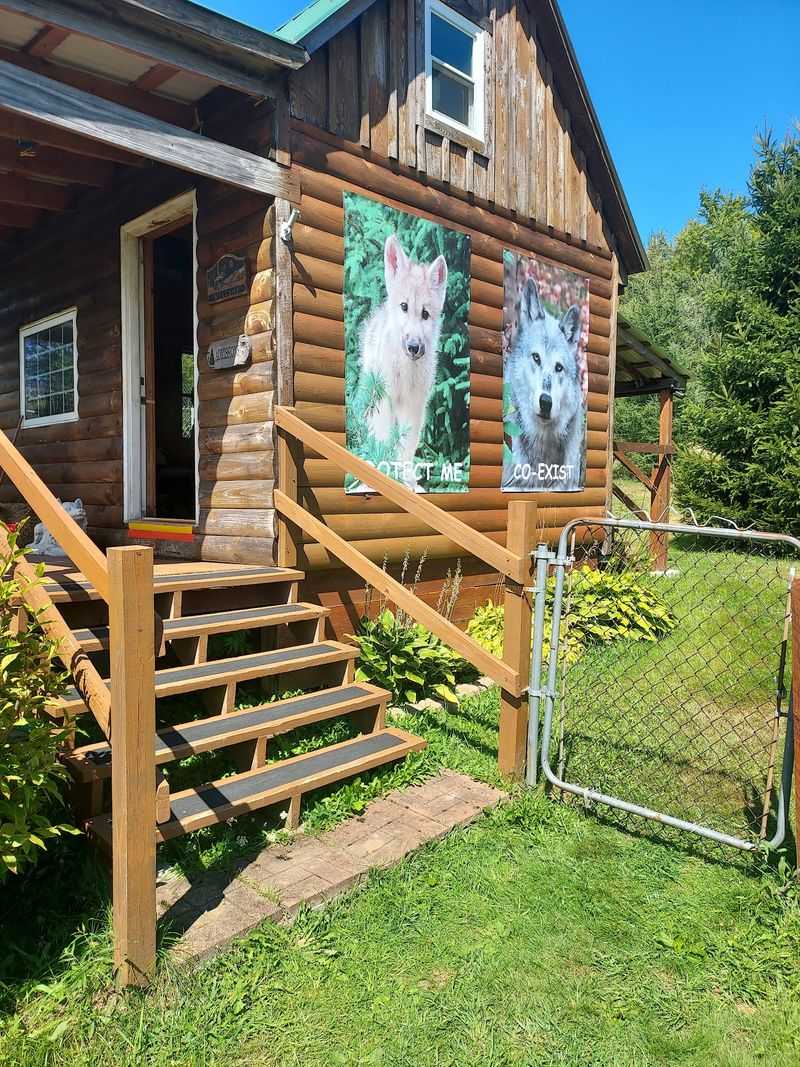
Daily operations depend on volunteers who handle far more than tours.
Their work includes feeding animals, maintaining habitats, repairing fences, caring for trails, supporting events, and helping with construction.
New volunteers do not immediately work inside animal enclosures. Training covers animal behavior, safety procedures, husbandry, and the rules of a licensed wildlife facility.
Only experienced animal caretakers who complete the required training, receive approval, and are listed on the state wildlife license may enter the enclosures. Public visitors do not enter wolf habitats.
Breeding and transfers have also been part of the center’s animal-management history. In 2017, wolf pups were exchanged with another licensed facility to introduce new bloodlines into potential breeding groups.
Two pups from a 2019 litter later moved to a wolf preserve in another state, while three remained in New York. New Eurasian wolf pups also joined Wolf Mountain in 2026.
Those connections place the facility within a broader network of captive-wolf organizations rather than an isolated rescue operation.
Seasons, Sundays, And Smart Tips
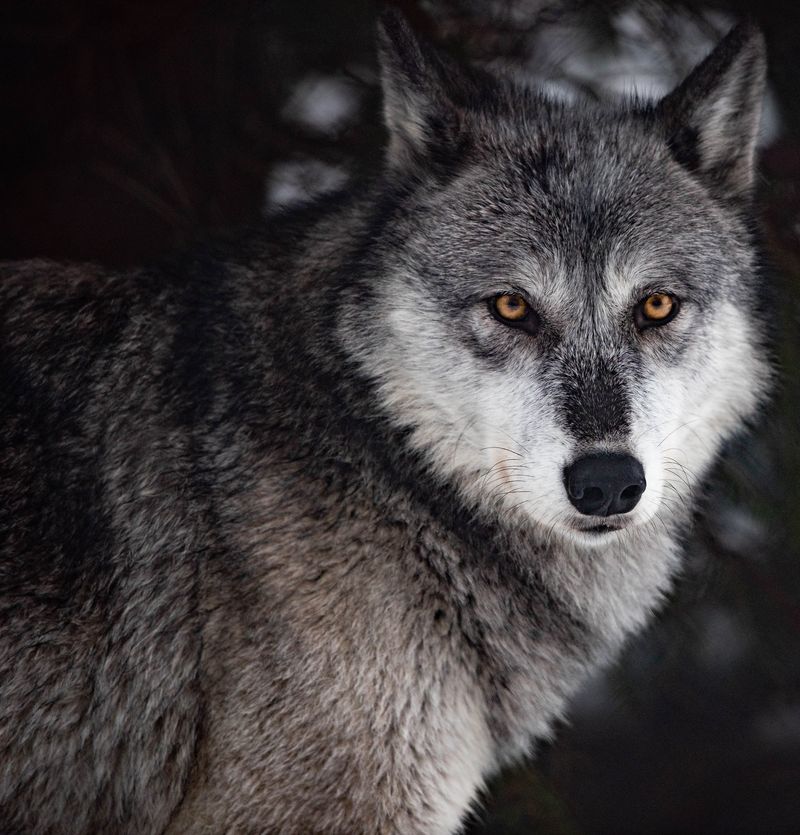
Cold weather can be one of the most interesting times to see the animals.
Wolves and arctic foxes generally become more active in cooler conditions, while their winter coats grow noticeably fuller.
Winter access requires extra planning. The packed-gravel driveway is long, steep, and rough in places, and a four-wheel-drive vehicle is required during winter conditions.
The main exhibit loop is fairly level but not paved. Grass, gravel, and occasional uneven ground make sturdy shoes useful, and benches provide places to rest.
From September through June, regular public hours are Sundays from noon to 4 p.m., with last admission at 3. The center closes from mid-December to mid-February. During July and August, it normally opens Friday through Sunday from noon to 3.
General visits do not require reservations, while special programs and private tours may require advance registration.
The twentieth annual Honoring the Spirit of the Wolf festival is scheduled for October 11, 2026, with animal enrichment, live music, sled dogs, family activities, and other demonstrations.
The current visitor policy does not permit pets or service animals on the grounds or inside parked vehicles because the resident wolves can become highly agitated by other animals.