These 10 New York Towns Look Like Time Simply Stopped
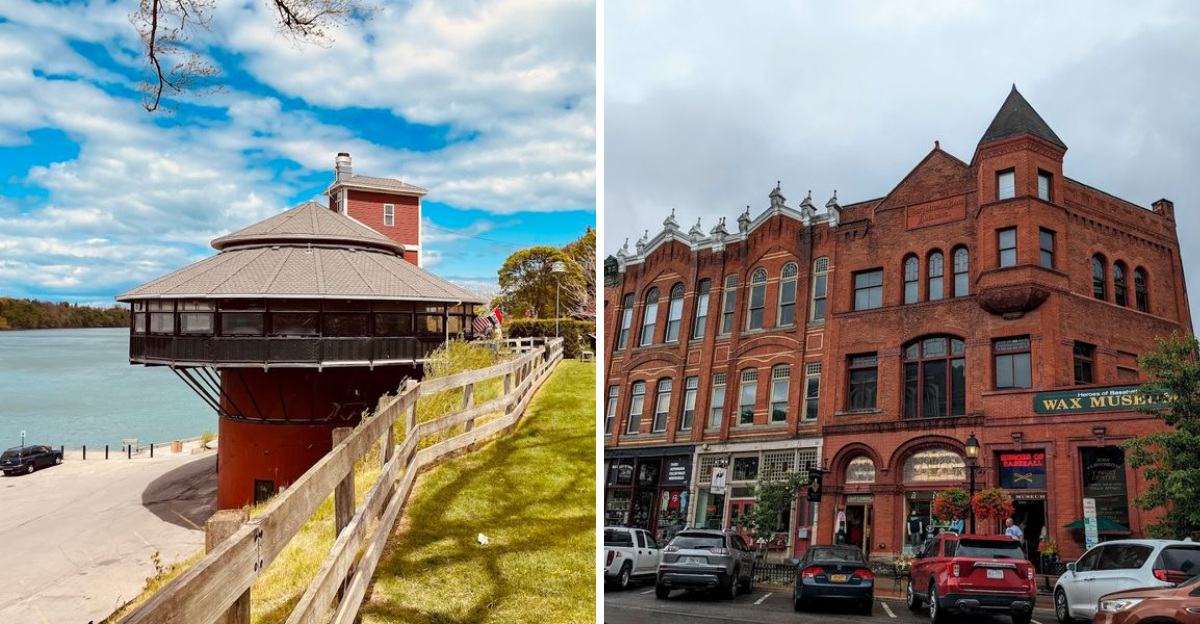
New York does not always mean skyscrapers and noise.
A surprisingly large portion of this state exists at a completely different pace, hidden into river valleys and lakeshores and hilltops where the 19th century never quite finished packing its bags and leaving.
I have driven into towns in this state where the main street looked so perfectly intact that I had to double-check I had not taken a wrong turn into a film set.
The storefronts were real, the people were real, and the sense that time had simply decided not to bother moving forward was absolutely real.
These are not ghost towns or museum pieces. They are living, breathing communities that happen to have held onto their character while the rest of the world was busy tearing things down and starting over.
New York State has more of these places than most people realize, and some of the best ones are about to make you seriously rethink your idea of a perfect weekend.
1. Cold Spring
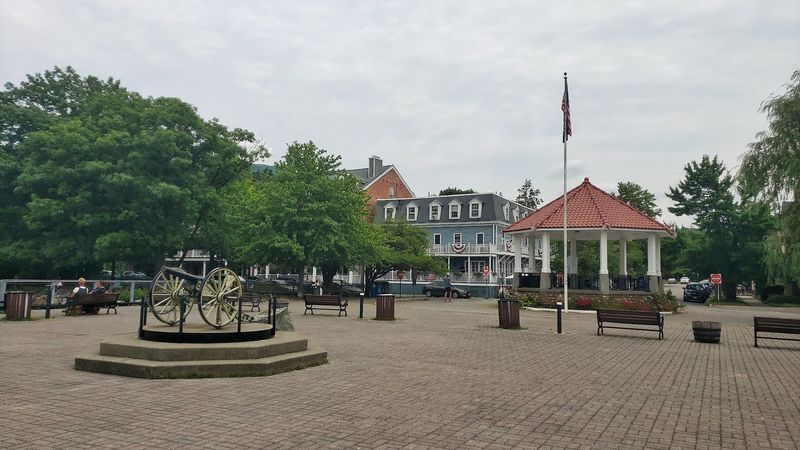
At the foot of Main Street in Cold Spring, with the Hudson River glittering at the end like a reward, you get the feeling this town was designed to make you slow down.
Every storefront looks like it belongs on a postcard from 1890, and somehow nobody seems to mind.
Cold Spring sits in Putnam County, about an hour north of New York City, and the contrast could not be more dramatic.
The town has been carefully preserved, which means the architecture still tells its original story without interference from neon signs or chain restaurants.
Antique shops, art galleries, and small cafes line Main Street without competing for attention. The whole place hums at a frequency that modern life forgot.
Hikers come for the Hudson Highlands trails, but most end up lingering on the riverfront longer than planned. Cold Spring has that effect.
You arrive thinking you will stay two hours and leave realizing three days would barely scratch the surface.
2. Rhinebeck
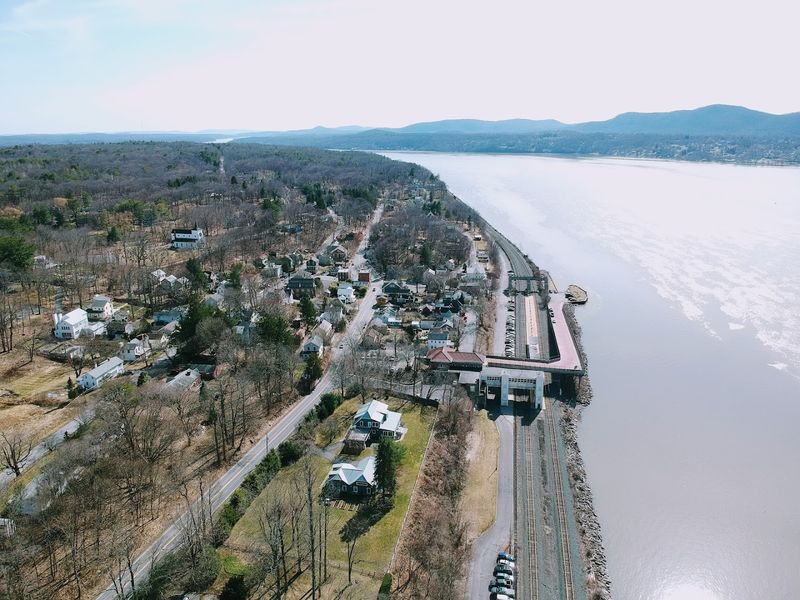
Rhinebeck operates on its own schedule, and honestly, good for it.
The village sits in the heart of the Hudson Valley, and its center looks almost exactly as it did in the 18th century, complete with wide sidewalks, Federal-style buildings, and a general sense that nobody is rushing anywhere.
The Beekman Arms, located at 6387 Mill Street, claims to be the oldest continuously operating inn in the United States, dating back to 1766.
Whether or not you stay the night, walking through its door feels like a genuinely different experience from anything a modern hotel can offer.
Rhinebeck has attracted artists, writers, and weekend visitors for decades, but it never lost its small-town personality.
The farmers market draws serious crowds on Sundays, and the surrounding countryside is dotted with orchards and farms that supply local restaurants with ingredients you can actually taste.
This is not a town performing nostalgia for tourists. It lives it naturally, with a warmth that catches you off guard every single time you visit.
3. Tarrytown
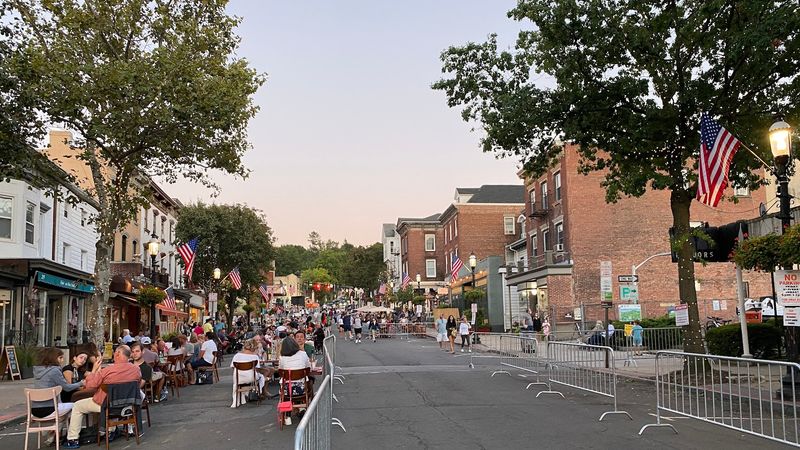
Washington Irving put Tarrytown on the literary map back in 1820, and the town has been living with that distinction ever since, quite comfortably.
The Legend of Sleepy Hollow was set just a short ride away, and the landscape still carries that moody, atmospheric quality Irving described so vividly.
What makes Tarrytown genuinely compelling is how naturally the history sits alongside everyday life.
The Lyndhurst Mansion perches dramatically above the Hudson River, and the Music Hall, one of the oldest in New York State, still hosts performances. These are not museum pieces.
People actually use them.
The downtown area along Main Street rewards slow walking. Victorian storefronts, independent bookstores, and small restaurants fill the blocks without any visible effort to manufacture charm.
Tarrytown earns it honestly. The waterfront offers sweeping views of the Tappan Zee Bridge and the Palisades across the river.
Sitting there in the late afternoon, watching the light change over the Hudson, you start to understand exactly why Irving never really left. Some places just get their hooks in you and hold on tight.
4. Kingston
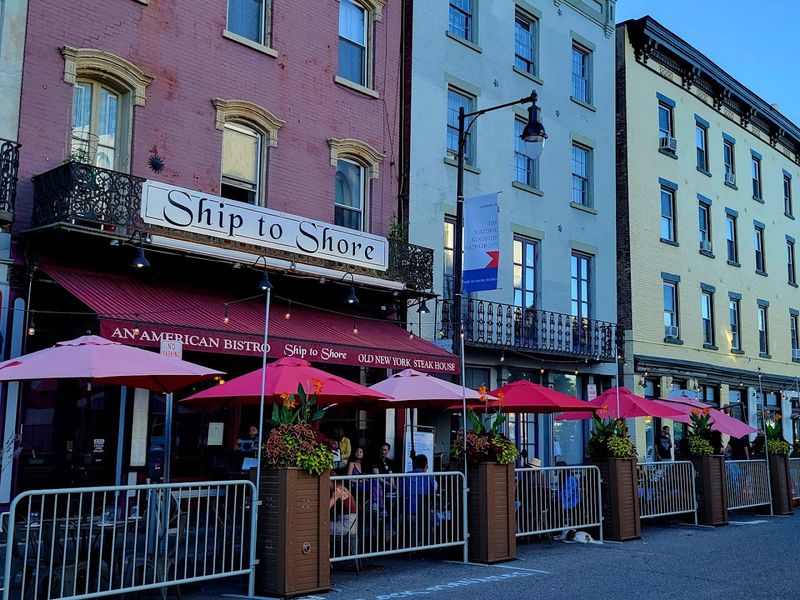
Kingston has layers, and peeling them back is genuinely one of the more satisfying things you can do on a weekend in New York State.
Founded in 1652 by Dutch settlers, it served as New York’s first state capital in 1777, which means the history here is not decorative. It is structural.
The Stockade District is the oldest part of town and contains some of the most intact 17th-century stone architecture in the entire country.
Walking through it feels less like tourism and more like trespassing on another century. The stones are thick, the streets are narrow, and the whole neighborhood carries a quiet authority.
Kingston also has a thriving arts scene anchored by the Rondout waterfront, where old warehouses have been converted into galleries, restaurants, and performance spaces.
The Hudson River Maritime Museum sits right on the creek and tells the story of the region’s boat-building past with real artifacts and genuine enthusiasm.
Kingston is the kind of city that rewards curiosity. Every block offers something unexpected, and the further you wander from the main streets, the more interesting it gets.
5. Sackets Harbor
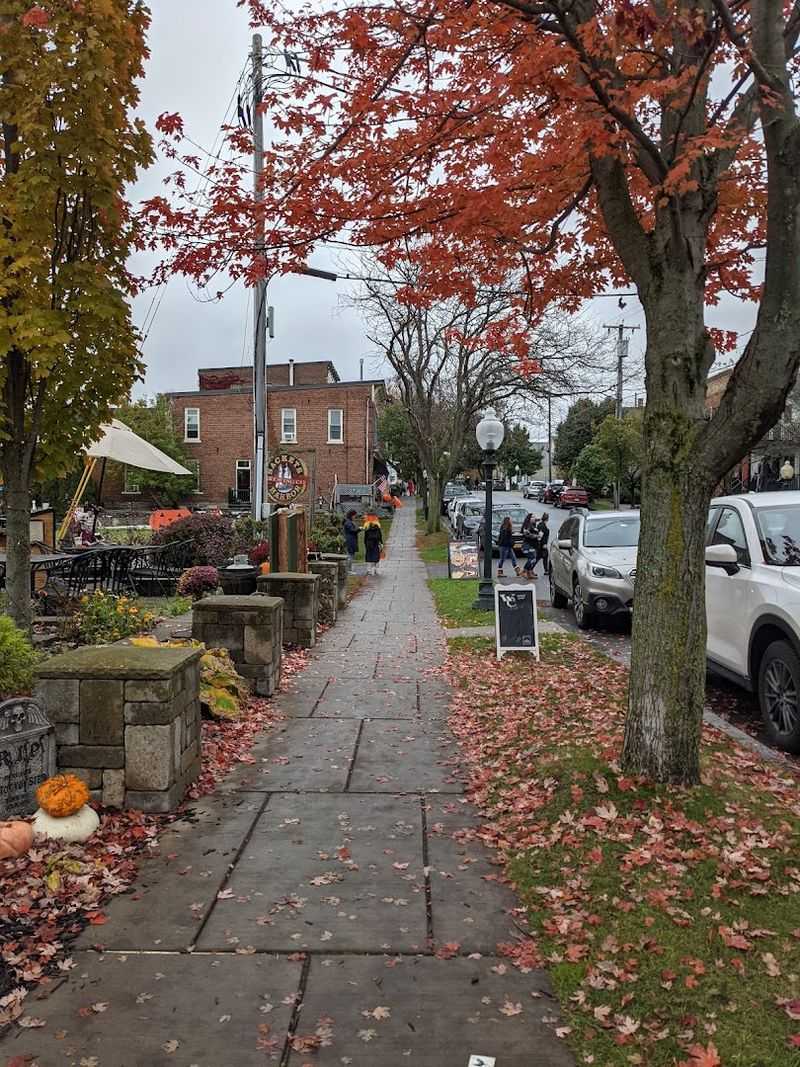
Tucked along the eastern shore of Lake Ontario, Sackets Harbor is the kind of place that makes you feel like you found something most people missed.
The village is small, the lake is enormous, and the combination creates a stillness that is almost surreal on a calm summer morning.
Sackets Harbor played a significant role in the War of 1812, and the battlefield site is preserved just outside the village center.
The Sackets Harbor Battlefield State Historic Site at 505 West Washington Street tells that story with well-maintained grounds and thoughtful interpretation. History feels accessible here rather than distant.
The main street is lined with 19th-century buildings that have been kept in genuinely good condition.
A handful of restaurants and shops operate at a pace that matches the village’s overall rhythm, which is to say, unhurried. The harbor itself is a pleasure to sit beside.
Boats move in and out quietly, the lake stretches toward Canada, and the light in the late afternoon turns everything gold.
Sackets Harbor does not demand your attention. It earns it slowly, and that is exactly what makes it worth the drive from anywhere.
6. Skaneateles
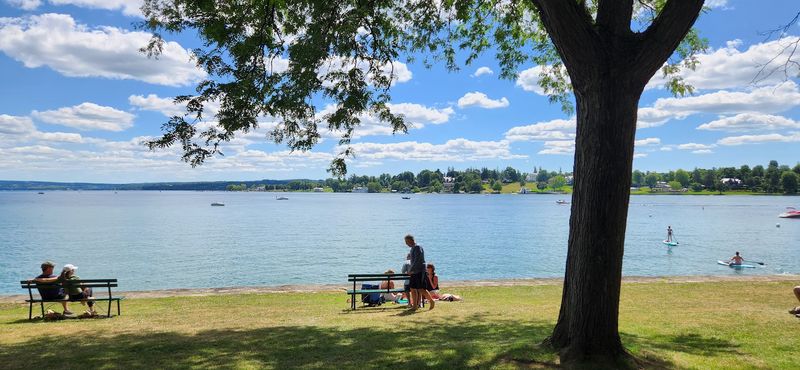
Skaneateles is pronounced SKANNY-AT-uh-lus, and locals will absolutely correct you if you get it wrong. Once you arrive, though, you will not mind the lesson.
The village sits at the northern tip of Skaneateles Lake, one of the clearest and most beautiful bodies of water in the entire Finger Lakes region.
The lake is extraordinary. Visibility reaches depths of nearly 16 feet in some areas, and the water is so clean that the city of Syracuse draws drinking water directly from it without filtration.
Walking along the waterfront on Genesee Street, with historic homes and manicured lawns on one side and that impossibly clear water on the other, feels almost theatrical.
The village itself is compact and elegant. The architecture reflects 19th-century prosperity, and the downtown has maintained that character without becoming precious about it.
Independent shops and restaurants operate alongside a real residential community.
The Sherwood Inn at 26 West Genesee Street has anchored the village since 1807, and its porch overlooking the lake is one of the better places to sit and do absolutely nothing in all of New York. Skaneateles rewards the visitors who slow down enough to actually see it.
7. Ticonderoga
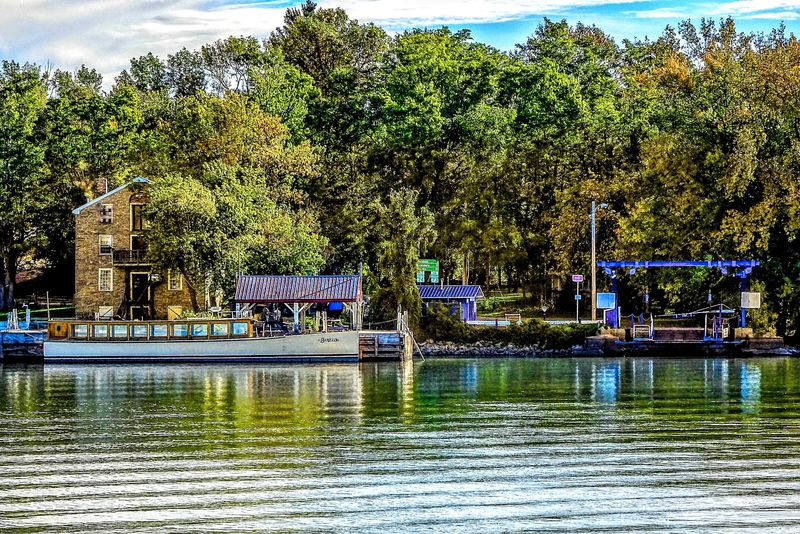
It carries a name that has serious weight in American history, and the town wears that distinction with quiet pride rather than loud commercialism.
The name itself comes from the Mohawk language and roughly translates to land between two waters, which is exactly what you see when you arrive.
Fort Ticonderoga stands on a peninsula between Lake Champlain and Lake George, and its position is as dramatic as anything in the Northeast.
The fort was captured by Ethan Allen and the Green Mountain Boys in 1775 and played a central role in both the French and Indian War and the American Revolution.
The reconstructed fort at 102 Fort Ti Road is one of the most authentically maintained historic sites in the country.
Beyond the fort, the town of Ticonderoga has a working-class character that feels refreshingly unpolished. This is not a place that has been styled for visitors.
The landscape is genuinely beautiful, with Champlain stretching north and forested hills rising on every side.
The combination of serious history and unspoiled scenery makes Ticonderoga one of those places that leaves a lasting impression, especially on visitors who arrive without expecting much and leave wanting to come back immediately.
8. Seneca Falls
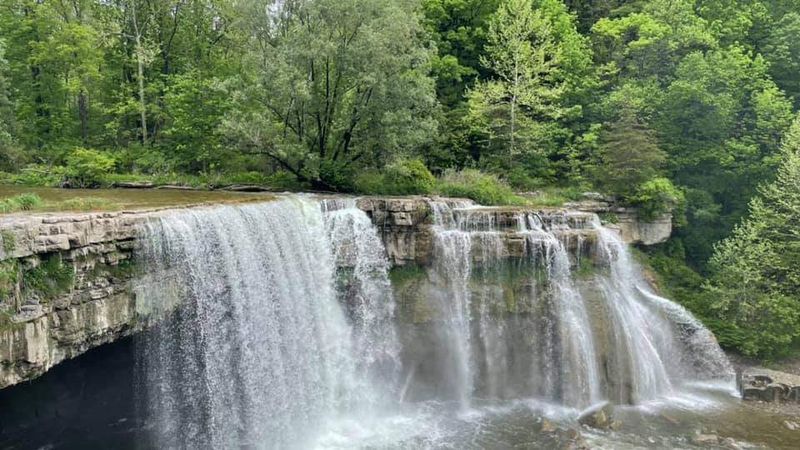
In 1848, a group of women gathered in Seneca Falls and changed the course of American history.
The first Women’s Rights Convention took place here, and the town has carried that legacy with a genuine sense of responsibility ever since.
Coming here feels less like visiting a tourist attraction and more like paying respect to something real.
The Women’s Rights National Historical Park on Fall Street preserves the Wesleyan Chapel where the convention was held, and the visitor center does an exceptional job of contextualizing what happened and why it mattered.
The park is free to enter, and the staff clearly cares about the subject deeply.
Seneca Falls itself sits along the Seneca River and has the bones of a classic 19th-century canal town.
The downtown has been working on its revitalization for years, and the results are gradually becoming visible in the form of restored storefronts and new small businesses.
Some visitors also claim that Seneca Falls was the inspiration for Bedford Falls in the film It’s a Wonderful Life, a connection the town embraces with an annual festival each December.
Whether or not the connection is definitive, it adds another layer of warmth to an already compelling place.
9. Cooperstown
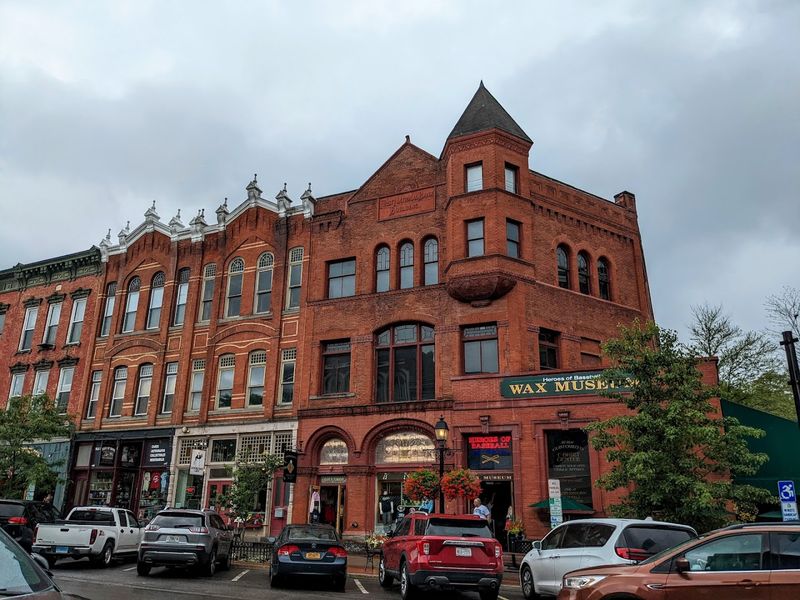
Cooperstown is baseball’s spiritual home, and if you have even a passing interest in the sport, standing on Main Street for the first time produces a feeling that is genuinely hard to describe.
The National Baseball Hall of Fame and Museum at 25 Main Street is the obvious anchor, but the town itself is worth at least as much of your attention.
The village sits at the southern tip of Otsego Lake, which James Fenimore Cooper called Glimmerglass in his Leatherstocking Tales.
The lake is stunning, and the surrounding countryside has a pastoral quality that feels almost deliberately picturesque.
Cooperstown has preserved its 19th-century character with unusual consistency, and Main Street looks like a film set that happens to also be a real place where people live.
Beyond baseball, the Fenimore Art Museum and the Farmers Museum offer deep dives into regional history and American folk art.
The Glimmerglass Festival brings world-class opera to an outdoor amphitheater every summer, which catches first-time visitors completely off guard.
Cooperstown has more going on than its famous museum suggests, and the visitors who give it more than a single afternoon almost always wish they had planned to stay longer.
10. Lewiston
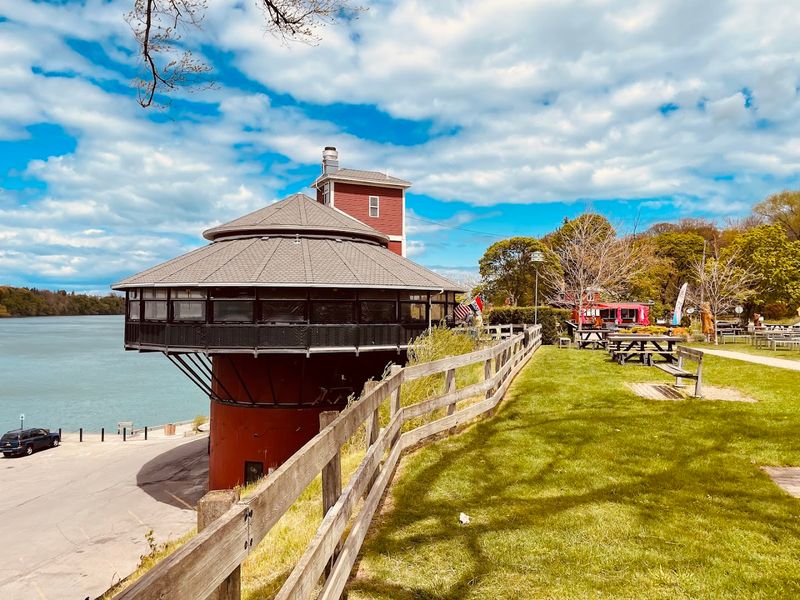
Most people blow through Lewiston on their way to Niagara Falls and never realize what they missed. That is genuinely their loss.
Lewiston sits just seven miles north of the falls along the Niagara River, and it has been quietly accumulating history since the late 1700s without making too much noise about it.
Center Street is the heart of the village, and it is lined with well-preserved 19th-century buildings that house restaurants, galleries, and shops with real local character.
The street slopes down toward the river, and the views of the Niagara Gorge from the waterfront park are dramatic in a way that sneaks up on you.
Lewiston played a significant role in the War of 1812 and was an important stop on the Underground Railroad.
The Castellani Art Museum at Niagara University, located just outside the village at 5795 Lewiston Road, holds an impressive collection that includes works by major 20th-century American artists.
The Artpark amphitheater hosts concerts and performances through the summer along the river gorge, turning the whole area into something genuinely lively.
Lewiston rewards the traveler who resists the pull of the falls long enough to actually stop and look around.