This Hillside Quarry In Idaho Lets Kids Dig For Real Fossils
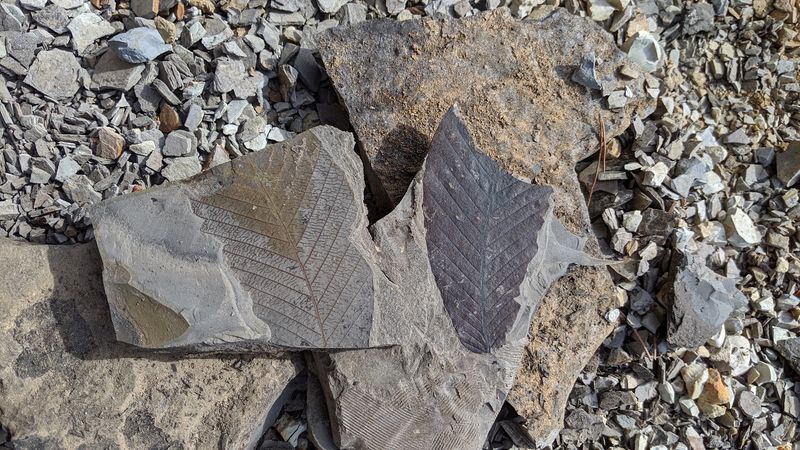
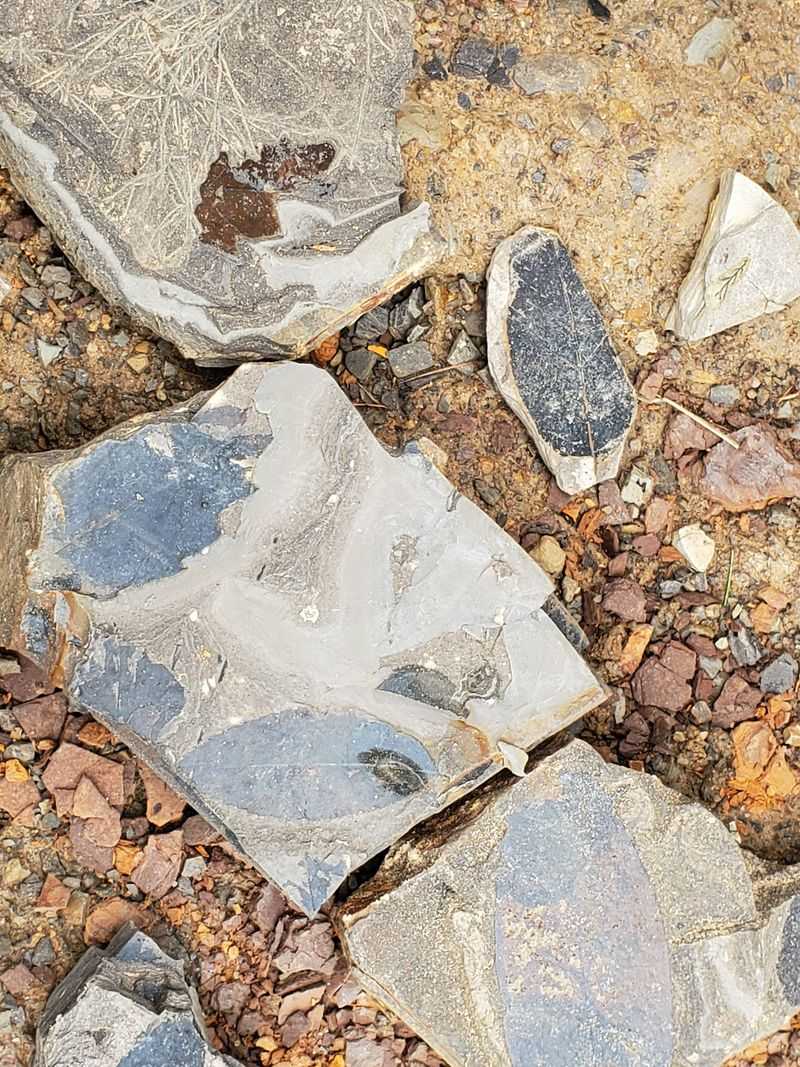
A muddy hillside off a two-lane Idaho highway does not look like a museum, but kids leave it carrying leaves that fell from trees about 15 million years ago. You split open damp gray clay with a dull knife, and sometimes a green leaf shows up before the air turns it dark.
It is one of the few places in Idaho where a family can do real fossil hunting and take the finds home. Here is what to know before you load up the car.
A Quarry Above A Panhandle Crossroads
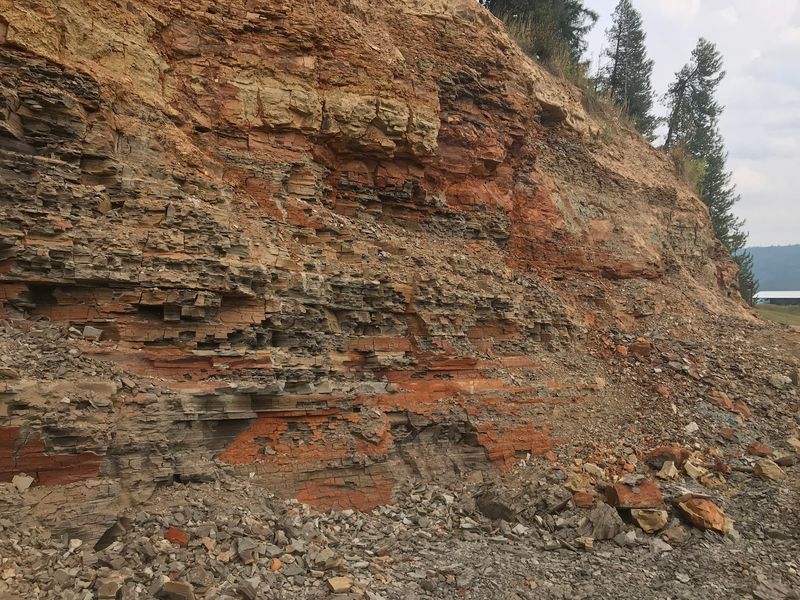
State Highway 3 winds through timber country in the Idaho Panhandle, and just outside the small community of Clarkia it passes a privately owned spot called the Fossil Bowl. From the road, it looks like a plain dirt bank.
Up close, the hillside is stacked with thin layers of gray and tan clay packed with fossil leaves.
Clarkia sits in Shoshone County, deep in forest country where logging trucks share the road with families on weekend drives. There is no visitor center with glass cases, and no gift shop full of plastic dinosaurs.
What you get is the bank itself, a few tools, and a lot of ancient plant life waiting under the surface.
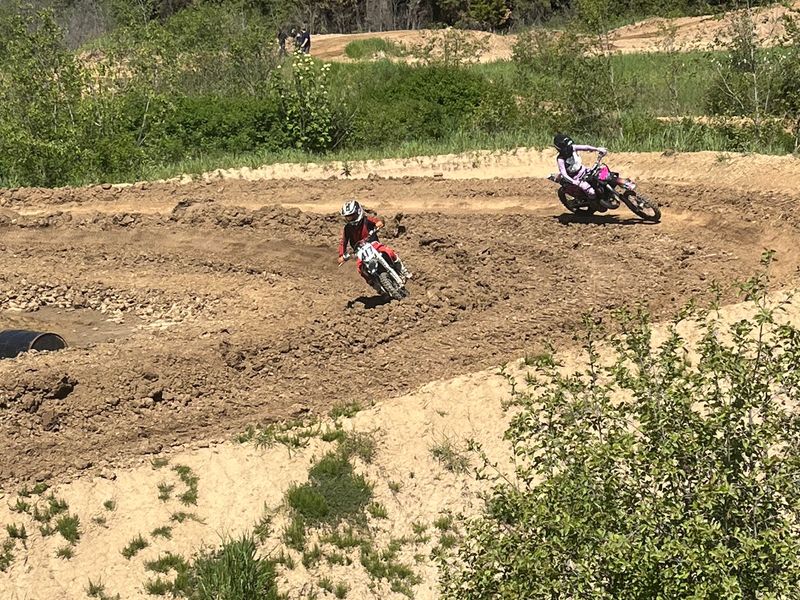
The site also doubles as an off-road racing venue with a motocross track, which surprises plenty of first-time visitors. Families come for the fossils, and some stay to hunt garnets on the same property.
Kids tend to understand the deal within minutes. You pick a spot, pry apart a slab, and look for shapes.
It is hands-on science that feels more like a treasure hunt than a field trip, even when it actually is a field trip.
Lake Clarkia And Its Lava Dam
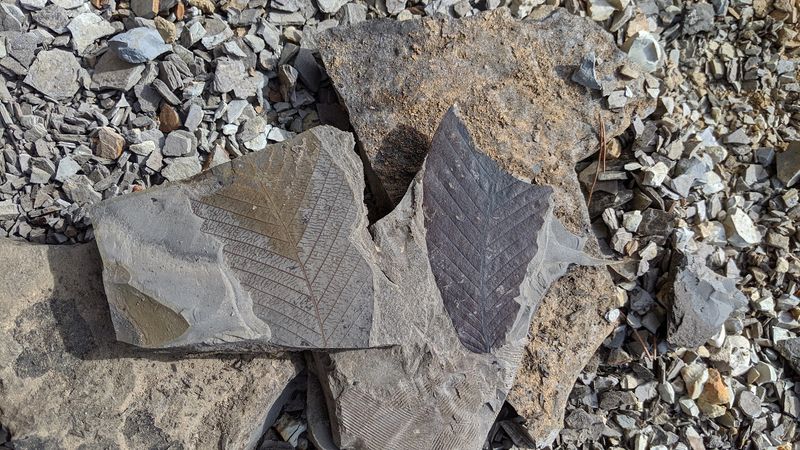
Roughly 15 to 16 million years ago, during the Miocene epoch, huge lava flows from the Columbia River Basalts spread across this part of Idaho. One flow blocked a river valley and created a natural dam.
Water backed up behind it and formed a long, deep body of water now called Lake Clarkia.
Fine silt and clay settled to the lake bottom fast. Leaves, seeds, and wood that drifted down were buried quickly, and the cold, low-oxygen water at the bottom slowed rotting.
That combination is why the fossils here keep such sharp detail.
Scientists call places like this a lagerstatte, a German word for sites with outstanding preservation. Clarkia is recognized internationally for it, and researchers have studied the beds for decades.
Back then, the climate looked nothing like today’s snowy Panhandle winters. The region was warm and wet, closer to modern subtropical southern Florida than to North Idaho.
Picture broad-leafed trees crowding the shoreline and humid air hanging over calm water.
Every slab kids split open is a page from that lake floor. That thought alone tends to quiet a car full of restless passengers.
A Snowmobile Track Turned Discovery
Some of Idaho’s best science starts by accident. In the early 1970s, Francis L.
Kienbaum was moving dirt to build a snowmobile track near Clarkia when he turned up what looked like old leaves pressed into the soil.
They were old, all right. The leaves dated back millions of years, and many were not simple stone impressions.
Much of what came out of the ground was actual fossilized plant material, sometimes still holding a hint of its original color.
Word traveled from the hillside to universities and geology circles. Researchers came to study the beds, and the spot gained a reputation far beyond the Panhandle.
Meanwhile, the land stayed private, which is part of why families today can still dig and keep what they find.
The story fits the area well. Clarkia is a place where people work with the land, whether that means timber, trails, or tracks for machines.
A fossil site born from a recreation project still carries that spirit, with dirt bikes sharing the property alongside young diggers holding butter knives.
Kids usually love hearing that a snowmobile track led to all this. It makes the dig feel possible for anyone.
Splitting Clay Like Book Pages
Forget rock hammers and chisels. The main tool at the Fossil Bowl is closer to something from your kitchen drawer, usually a dull butter knife or a flat blade.
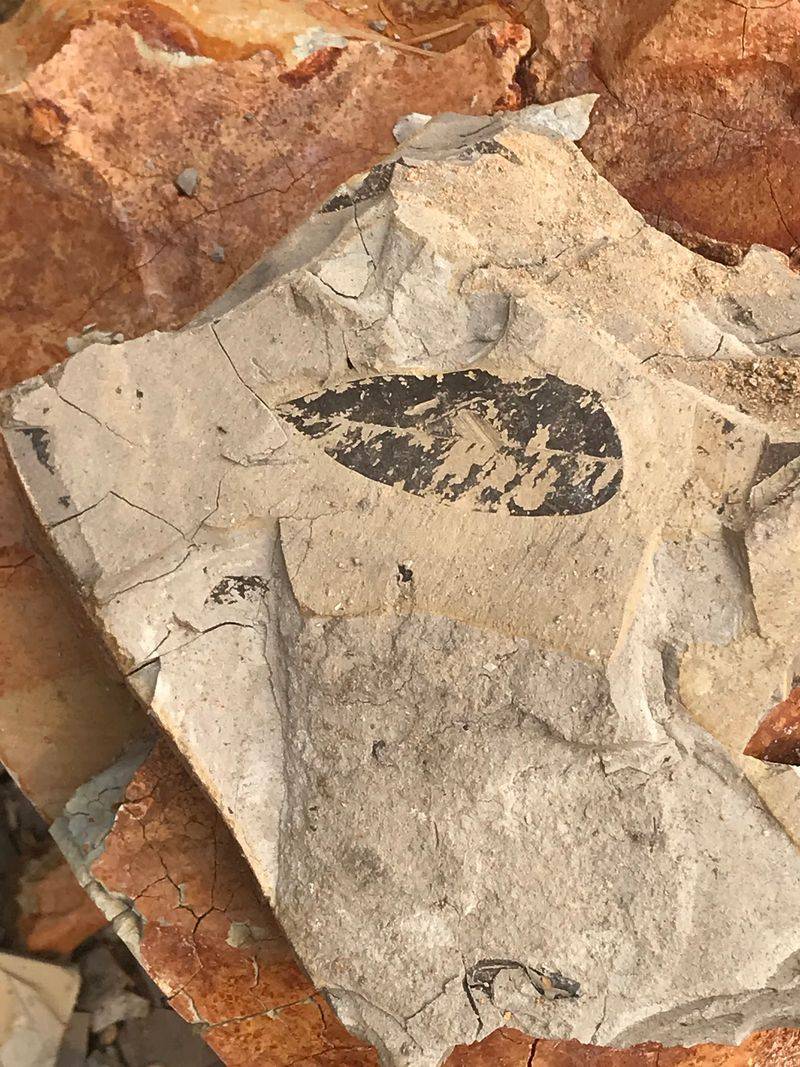
The clay comes out damp and layered. You slide the blade into a seam and gently pry, and the block opens a lot like the pages of a thick book.
Some splits show nothing. Others reveal a full leaf lying flat, veins and edges intact.
Visitors have mentioned that equipment was provided during their dig, and one family remembered a young guide showing them around. Still, bringing your own knife and some old newspaper is a smart backup.
Patience matters. One returning visitor described the frustration of breaking many fossils while chasing a single perfect one.
That happens to almost everyone, so it helps to tell kids ahead of time that cracked finds are normal and still worth keeping.
The rhythm becomes oddly calming after a while. Pry, peek, set aside, repeat.
Younger kids often treat each slab like a wrapped present, and older ones start comparing leaf shapes and arguing about which tree each one came from.
Leaves That Flash Green Then Fade
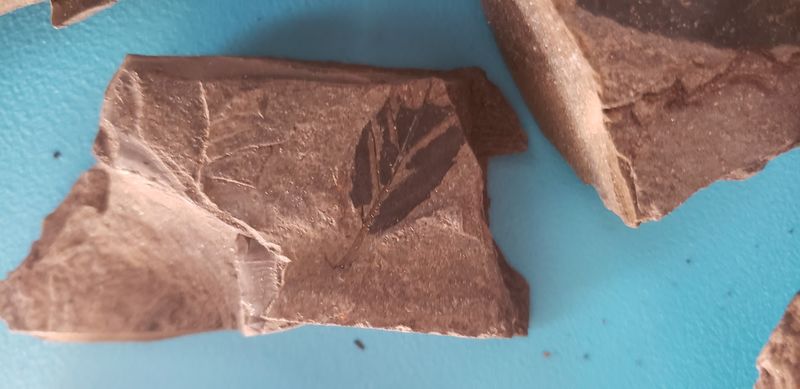
Here is the moment people talk about on the drive home. When a slab first opens, some leaves still show color, shades of green, brown, or even red.
Within moments of hitting the air, they darken toward black.
Watching that change is a small thrill. Kids get to see a leaf the way it looked when it sank into Lake Clarkia, and then they watch time catch up with it.
The most common finds are leaves from familiar tree groups such as oak, laurel, pine, and birch. Many look surprisingly close to the trees growing in Idaho backyards today, which makes for easy comparisons at home.
Seeds and pieces of fossil wood show up too. Sorting finds into piles of broad leaves, needles, and odd bits can turn into a game for younger diggers.
One visitor put it simply: it is amazing that you can unearth plant life from roughly 15 million years ago. Several noted that you will not leave empty handed, and another joked that you have to stop digging unless you want a truckload.
Abundance is part of the fun.
Rare Fish In The Shale
Ask any regular digger what they secretly hope for, and the answer is usually a fish. Fossil fish do turn up at the Fossil Bowl, though not every day and not for every family.
One visitor described a great day of finding leaves and even a fish. Another admitted heading home without one, despite hours of searching.
That mix of luck and effort is exactly what keeps people coming back.
Insects and traces of small animals have also been recorded from the Clarkia beds, though they are far less common than plant fossils. For most visitors, leaves will make up nearly the entire haul.
Setting expectations helps. Telling kids that a fish is like finding a golden ticket keeps the mood upbeat when slab after slab shows only leaves.
And if someone does spot a tiny skeleton, the whole hillside will hear about it.
The owners have kept a collection of notable finds over the years. One visitor remembered being invited into the shop at the owner’s home to see them, which offered a good look at what the lake once held beyond trees and branches.
Garnets On The Same Property
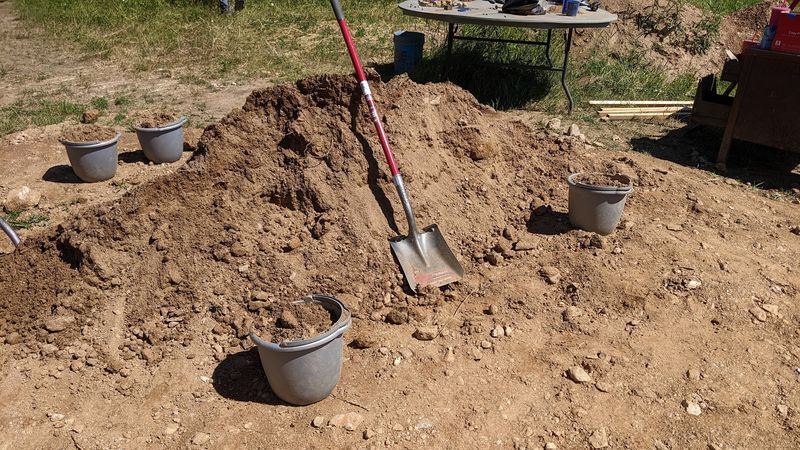
Plenty of families arrive for fossils and leave talking about gemstones. The Fossil Bowl also offers garnet digging, and garnet hunting comes up in visitor comments almost as often as fossils.
The garnets connect to Idaho’s long love affair with the stone. Idaho is one of the rare places where star garnets occur, and a few visitors reported finding them here, with plans to have them polished or set into jewelry.
Pricing works differently from the fossil side. Visitors explained that they paid only for the garnets they kept, and one family praised the owner for sorting their pile, charging for the good stones, and handing back lesser ones for free.
Not everyone came away happy. One visitor felt the stones had too many cracks to polish well.
Quality varies, so it helps to ask questions and look closely before paying.
Kids usually enjoy the switch in activity. After a couple of hours of careful clay splitting, sifting for shiny red stones feels fast and loud.
Several families spent their morning on fossils and their afternoon on garnets, which makes a full Panhandle day.
Mud, Motors, And Friendly Hosts
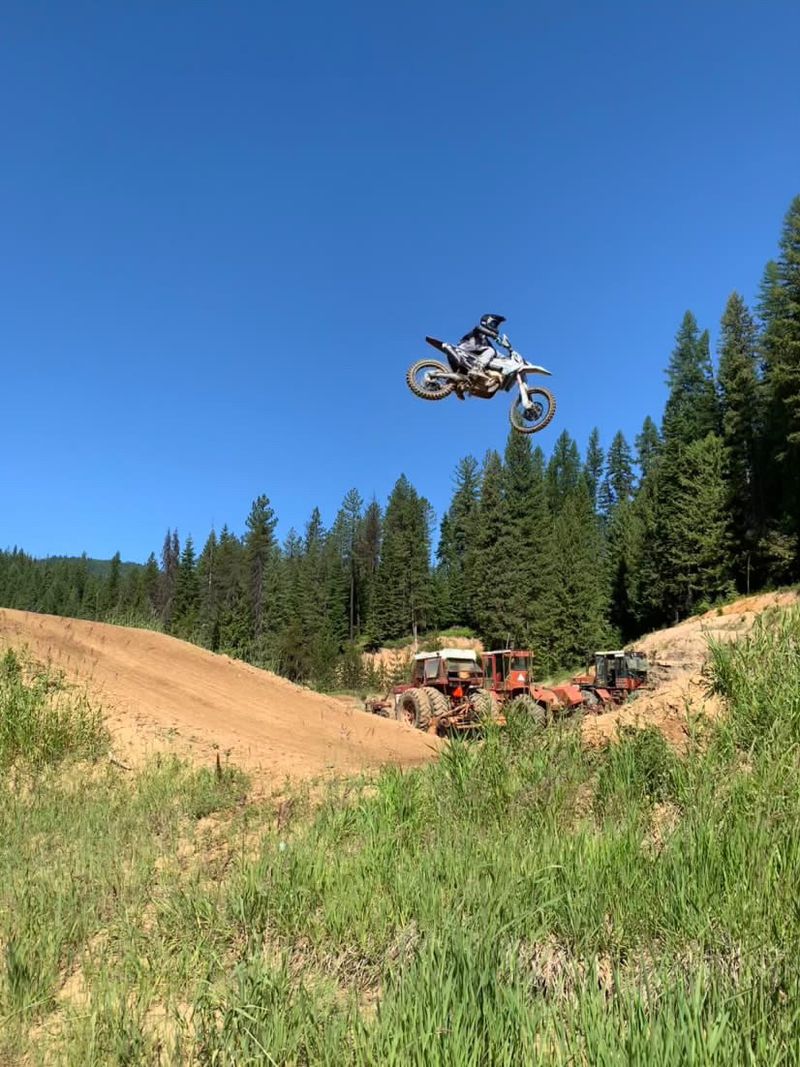
Polished it is not. The Fossil Bowl feels like a working rural property, with a motocross track, trails for dirt bikes, open ground, and plenty of mud after rain.
Visitors return to one theme again and again: the people. Many mention the owner, Kenneth, and family members by name, describing them as helpful, honest, and happy to answer questions for newcomers and veterans alike.
One recent visitor said everyone seemed like one big family.
That easygoing style has a flip side. A few visitors arrived to find nobody around, and one group got stuck in mud while searching the property.
The setup leans informal, so plan around that.
Riders love it for a different reason. One described warming up on the trails, then running sessions on the MX track and catching up with old friends.
On race days, expect noise and dust near the dig.
For families who like things a bit rugged, the mix works. Kids who enjoy getting dirty fit right in, and parents who can laugh at muddy boots will have a good time.
Pack spare clothes and towels for the ride home.
Wrapping Your Finds For Home
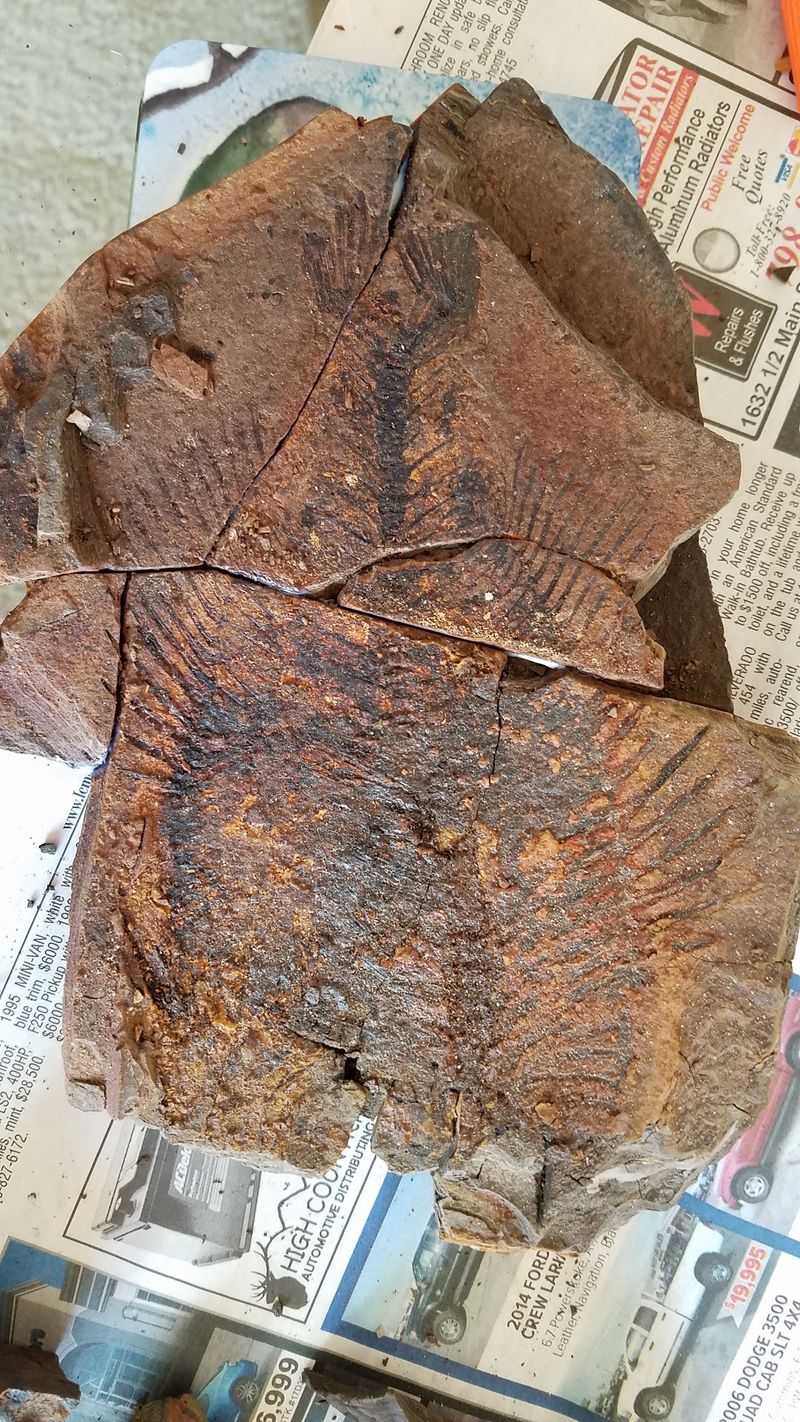
Fresh fossils are fragile, and how you pack them matters almost as much as how you dig them. Old newspaper is the go-to wrapping material, and experienced visitors say to bring a stack.
The reason is moisture. The clay comes out wet, and if slabs dry too quickly, they can curl or crack.
Wrapping them snugly and letting them dry slowly over several weeks gives them the best chance of staying flat.
A sturdy box or plastic tub keeps bundles from bouncing around on the drive. Lay the heaviest pieces on the bottom and the thin leaf slabs on top.
Once dry, fossils make great shelf displays, science fair projects, or show-and-tell items. A simple label with the date and the words Clarkia, Idaho turns each piece into a keepsake with a story.
Kids sometimes want to unwrap everything the next morning. Gently remind them that patience pays off, much like it did on the hillside.
A slow dry protects the color and detail they worked so hard to uncover, and the wait builds excitement for the big reveal.
Before You Make The Drive
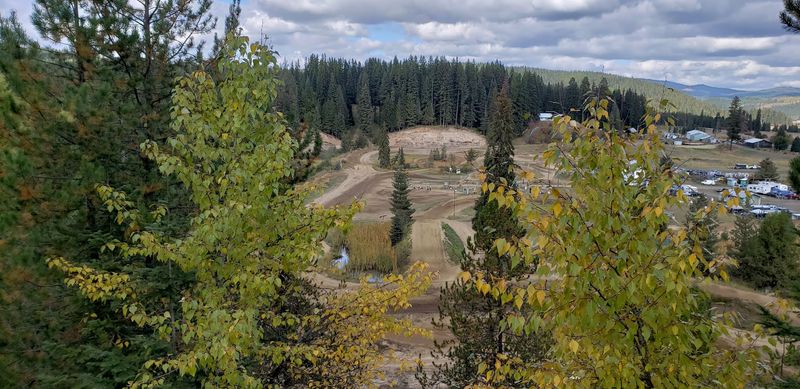
The Fossil Bowl sits at 52250 State Highway 3 in Clarkia, Idaho, a scenic drive through the Panhandle’s forested hills. Several visitors called the drive beautiful and the site easy to reach.
Calling ahead is the single most useful step. Online listings may show the property as always open, but visitors have arrived to find no one on site, including one group that drove three hours from Spokane.
Confirm your visit directly with the owners before leaving home.
Cell service is spotty for a long stretch near the site, so arrange details in advance. Download maps and share your plans with someone at home.
Fossil digging has historically cost a modest fee per person, while garnets are priced by what you keep. Rates change, so ask when you call.
Pack water, snacks, sunscreen, hats, and rain gear. One visitor recommended arriving early, and that advice fits warm summer days.
Waterproof boots help too, since mud is common after rain. A camping area is on the property, and visitors who stayed overnight said they felt safe, so a weekend trip is an option.
Worth A Muddy Afternoon
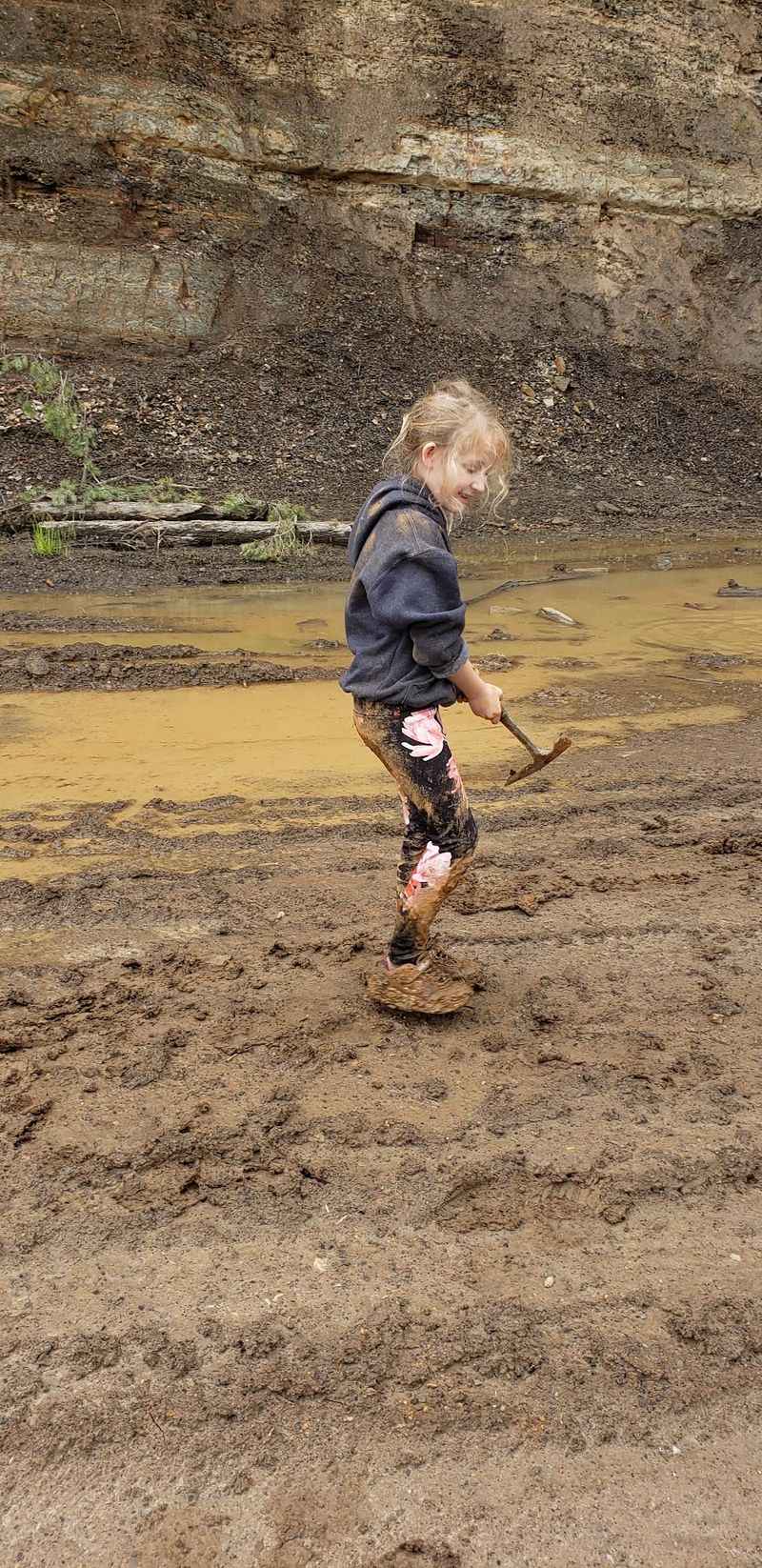
Ask kids what they remember about a summer, and a theme park ride rarely wins over something they found with their own hands. That is the real payoff at the Fossil Bowl.
The site offers something few places in Idaho can match. Families split clay to reveal leaves from a lake that vanished millions of years ago, then carry those finds home.
Add garnet hunting and friendly hosts, and the day fills up fast.
It is also honest about what it is. Expect a rural property, some mud, occasional noise from the track, and a little uncertainty about who will be around unless you call first.
Families who go in prepared tend to have the best time. Several visitors recommended it for schools, families, and anyone who likes digging in the dirt.
One adult remembered loving it on a fourth grade field trip years earlier.
For North Idaho families, it is a Panhandle day trip with a built-in story. For kids, it is the day they held something older than mountains they can name, and that tends to stick around for a long time.