This Tiny California Gold Rush Town Has Barely 100 Census Residents And A Main Street Frozen In Time
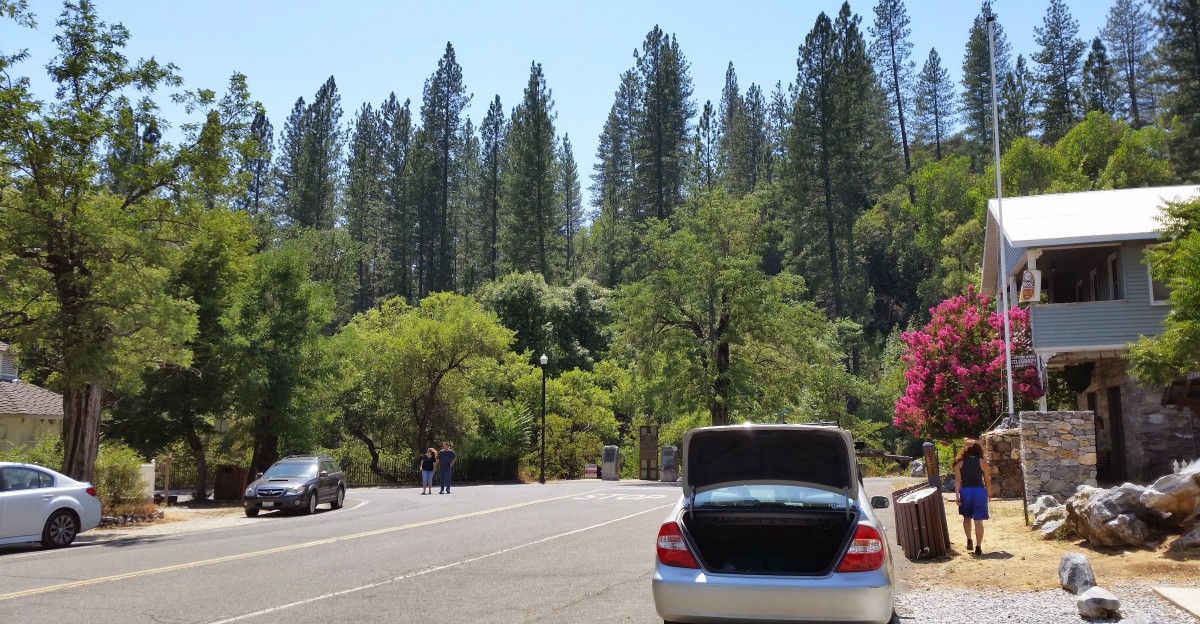
Some towns preserve history behind museum glass. In one tiny mountain community, the past still feels like part of the neighborhood.
With fewer than 100 residents, the streets rarely give off the hurried energy of modern California.
Historic buildings and Gold Rush character remain part of the everyday setting, giving the town an atmosphere that feels remarkably removed from busy highways and growing cities.
With so few neighbors around, California’s Gold Rush past gets plenty of room to linger here.
Main Street is where that feeling becomes especially hard to miss.
Rather than rows of modern storefronts and familiar chains, the surroundings hint at the era when mining settlements were appearing throughout the Sierra foothills.
Today, the gold rush is long over, but the setting has refused to lose its old-fashioned personality.
From Boomtown To Hamlet
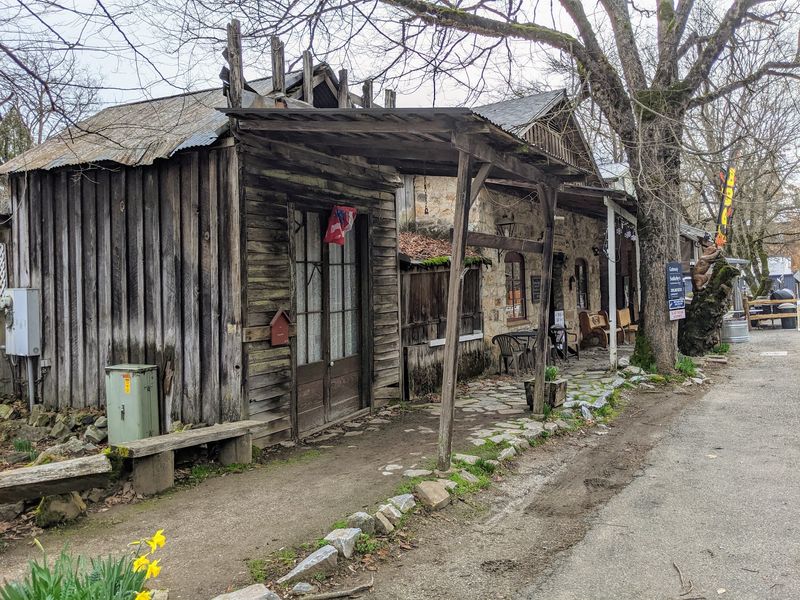
Gold changed everything for this little valley in the early 1850s. Soldiers from Colonel Stevenson’s Regiment founded the camp in 1848, and by 1853 the area was full of miners.
Hydraulic mining started in 1855 and pulled in thousands of new arrivals. At its busiest, the town is said to have held around 5,000 people.
Records describe 17 hotels, a library, and a theater serving the crowds.
Amador County tourism sources say close to 100 million dollars in gold came out of the area during the mining years.
The 2020 Census counted just 104 residents. That number is small enough that a single school gym might hold the whole town.
The gap between then and now is what makes a visit feel so unusual. Walking the streets may bring a quiet kind of wonder.
Every empty lot and old foundation hints at a building that once stood there. Shops, bakeries, and boarding houses filled spaces that are now grass or trees.
Visitors who enjoy history might want to slow down and read the markers carefully. More than 25 red plaques around town explain sites and artifacts.
Reading them in order can turn a short stroll into a self-guided history lesson.
A Name Born From A Mistake
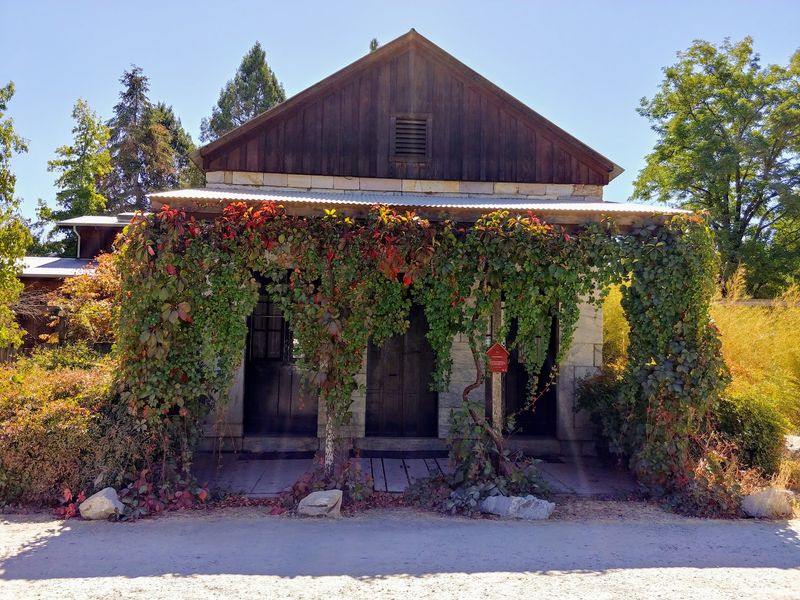
Early miners got one big thing wrong about this valley. Looking around at the round, bowl-shaped land, they believed they were standing inside an old volcanic crater.
Fog rising from the valley floor in the morning seemed to back up their guess. The mist probably looked a bit like steam drifting up from the ground.
So they named the camp Volcano, and the name stuck. Geologists later made it clear that no volcano exists here at all.
The bowl shape comes from the way the land formed, not from any eruption. Still, the name gives the town a fun bit of personality that visitors tend to remember.
Arriving early on a cool day might offer a chance to see the same fog the miners saw. Mist can settle low between the trees and slowly lift as the sun warms the hills.
Fog is never guaranteed, though, since weather changes from day to day.
Kids often enjoy hearing that a whole town was named after a misunderstanding. It can be a good conversation starter on the drive in.
Families could talk about how people long ago explained nature without modern science. The story is a reminder that even wrong guesses can leave a lasting mark.
More than 170 years later, the name still greets every traveler on the road sign. It is one geology mistake that turned into a lasting piece of local charm.
A Main Street That Barely Changed
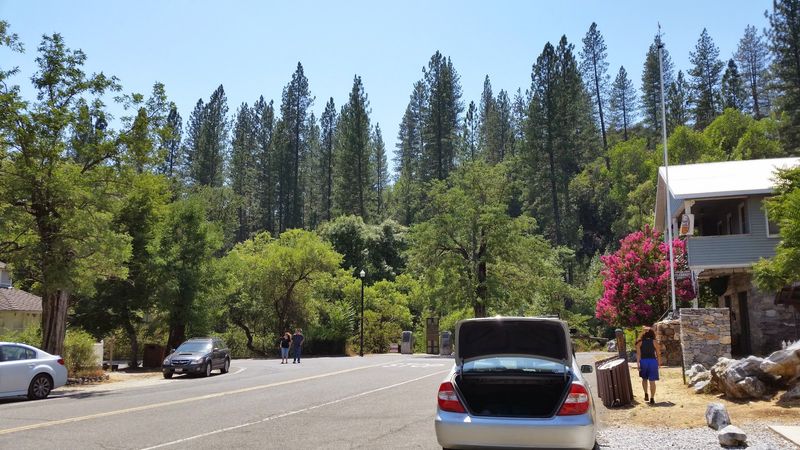
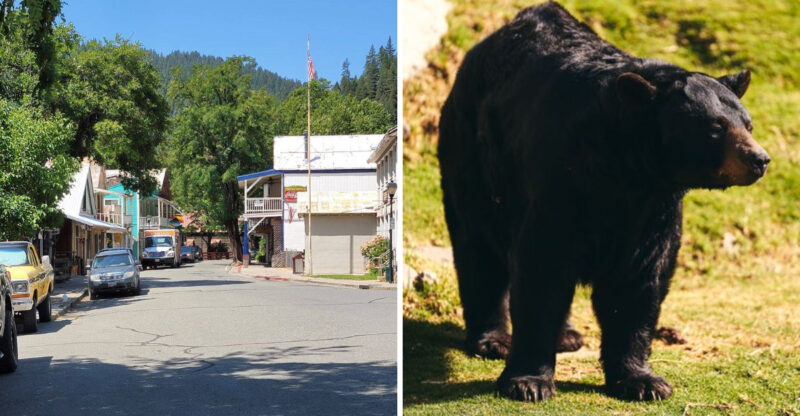
Covered wooden sidewalks set the mood right away. Shade falls across the boards, and footsteps make a soft hollow sound on the planks.
Many buildings along the street date back to the middle of the 1800s.
The historic downtown stretches only about a block and a half. That short length makes it easy to see everything without hurrying.
Thick stone walls and faded brick give the street a solid, weathered texture. Part of the reason the town kept its old look is location.
Volcano sat away from the busier Mother Lode routes, so newer development mostly passed it by. Fewer changes meant more original buildings survived.
The whole town is registered as a California Historical Landmark. Comfortable shoes are a smart choice, since some surfaces may be uneven.
Old boardwalks and stone steps were not built with modern smoothness in mind. Travelers using wheelchairs or strollers might want to plan for some tricky spots.
Afternoon light can make the stone glow in warm shades, which is nice for photos.
The street is usually quiet, so there may be moments with almost no cars around. Taking a seat on a bench and simply watching the street can be part of the experience.
There is no need to rush from place to place. Looking up at rooflines and old signs often reveals small details that are easy to miss at first.
The St. George Hotel Landmark
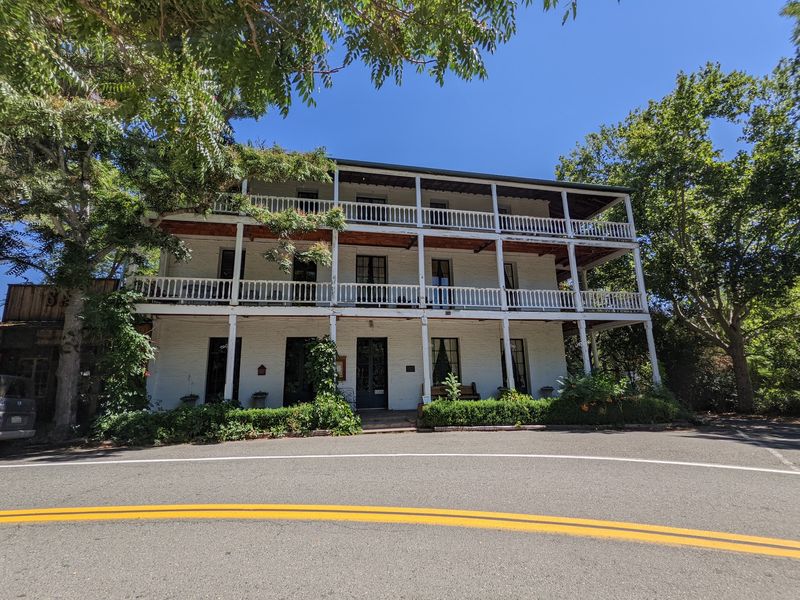
Three stories of brick rise above the rest of the tiny town center. The St. George Hotel stands at 16104 Main Street, Volcano, CA 95689, and it is hard to miss.
Its Greek Revival style and long balconies make it the tallest and boldest building around.
The current structure was built in 1867. It is listed on the National Register of Historic Places, which honors buildings with real historic value.
Earlier hotels on the site came before it, which shows how much demand there once was for rooms.
Travelers should know an honest update before planning around it. The hotel, along with its restaurant and bar spaces, is currently closed indefinitely for renovations.
No clear reopening date has been shared, so checking the official website before a trip is wise.
Even while closed, the building is still worth seeing from the street. The red brick and wooden railings offer plenty of texture for photos.
Standing across the road gives the best view of all three floors at once. Visitors should respect the property and avoid entering closed areas.
The hotel helps show how grand the town once felt during its gold years.
Live Theater In A Tiny Space
Back in 1854, residents here formed what is credited as the first amateur theater group in California.
Miners who spent long days digging still found time for plays and performances. That love of the stage never fully went away.
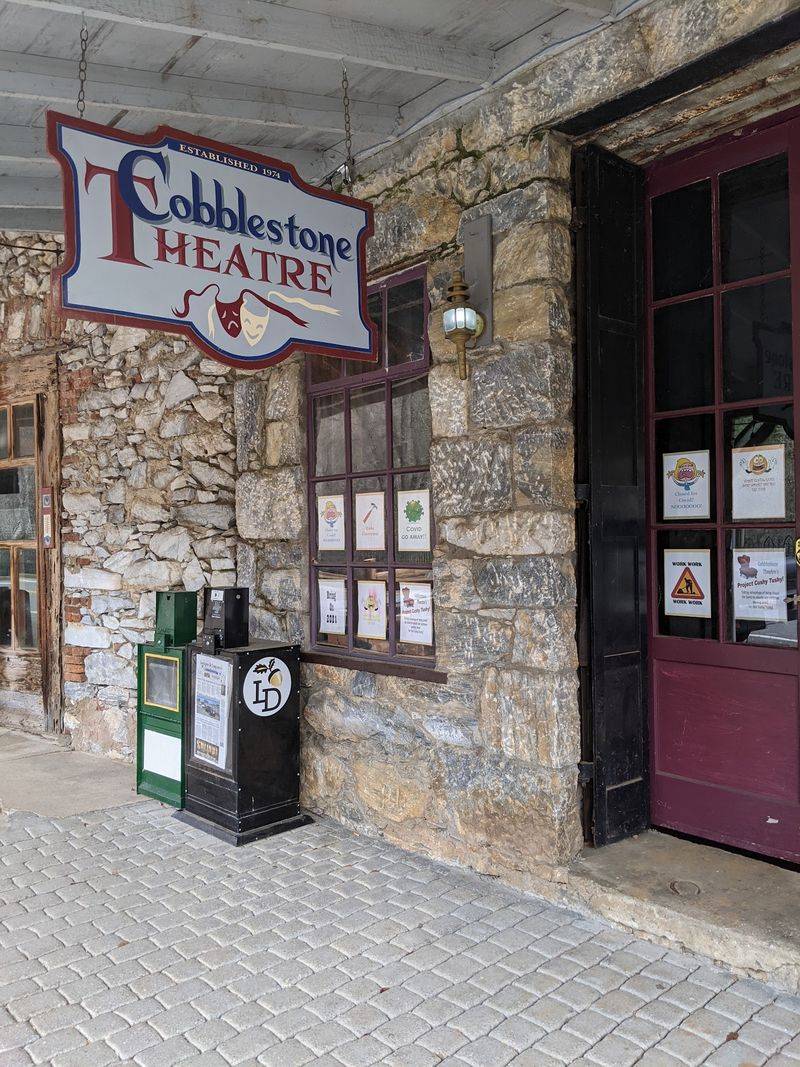
Volcano Theatre Company keeps the tradition alive today. The company is based at 16121 Main Street, Volcano, CA 95689, right in the historic center.
It has been staging live productions since 1974.
Shows happen in two very different settings. Spring and fall plays take place inside the Cobblestone Theatre, known as the smallest fixed-seat theater in California.
Summer shows move outdoors to the Volcano Amphitheater, where evening air and trees surround the stage.
The small indoor space means every seat sits close to the actors. Voices carry clearly, and facial expressions are easy to see. Seating is limited, so buying tickets ahead of time is a good idea.
Listed shows include Dr. Jekyll and Mr. Hyde from August through October 2026. On The Farce Day of Christmas is planned for November and December 2026.
Schedules can change, so checking the company website before a visit makes sense.
Books And Stars In A Mining Camp
Gold was not the only thing on people’s minds in this camp.
Residents set up a circulating library in 1854, which is often called the first of its kind in California. Some sources place it even earlier, around 1850.
A circulating library let people borrow books and return them, much like a modern public library. For a remote mining camp, that was a pretty impressive idea.
It shows that many miners cared about reading and learning, not just digging.
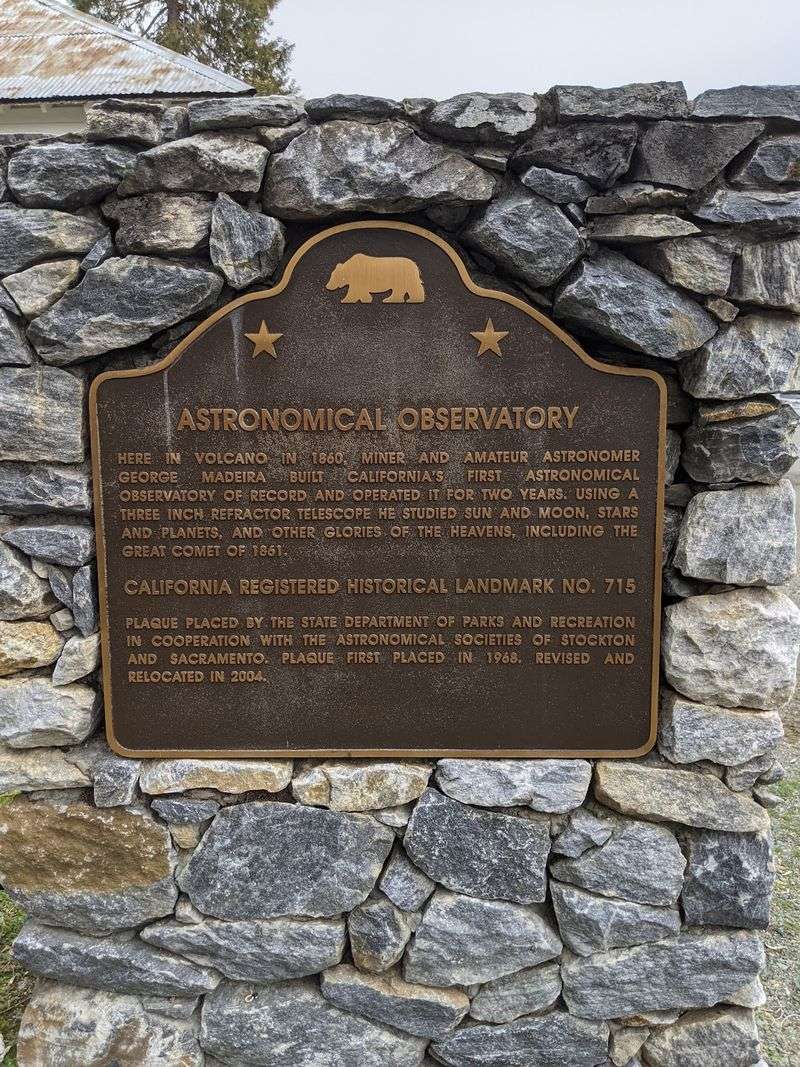
The surprises keep going. California’s first astronomical observatory was set up here in 1860 by amateur astronomer George Madeira.
He observed the Great Comet of 1861 from this small valley.
Dark skies away from big cities would have made stargazing much easier back then.
The night sky around the town can still feel quite dark today, though conditions vary with weather and moonlight.
Families staying in the area might enjoy stepping outside after sunset to look up. Red historical plaques around town help explain these firsts and others.
These achievements paint a picture of a camp full of curious minds. The town was rough, but it was also thoughtful and creative.
Lunch At A Store From 1852
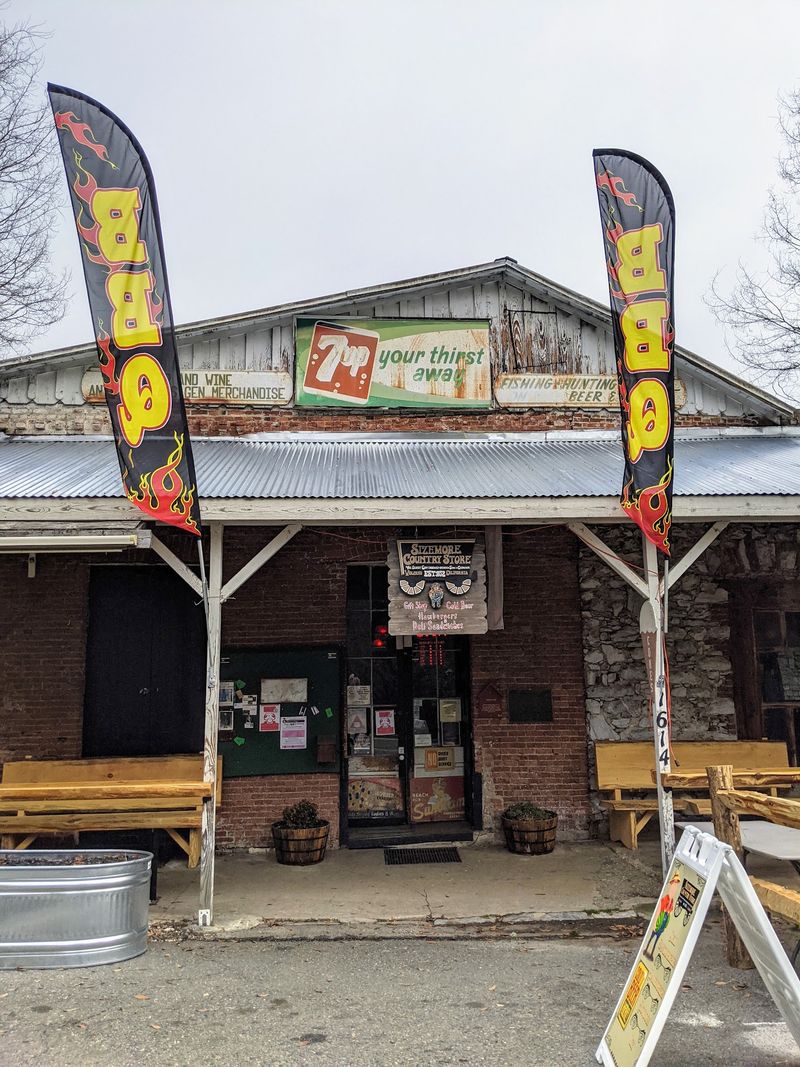
Few shops anywhere can say they have stayed open since 1852. Sizemore Country Store is known as the oldest continuously operated general store in California.
Visitors can find it at 16146 Main St, Volcano, CA, in the middle of the historic district. The store works as a gathering spot for locals and travelers alike.
Shelves hold a mix of local products, and the kitchen serves deli sandwiches and burgers. It makes a handy stop since dining options in such a tiny town are limited.
A garden patio offers a place to eat outside on nice days.
The kitchen is listed as open daily from 10:00 AM to 6:30 PM. Hours can shift, so a quick check before visiting is helpful. Planning lunch around those times can keep the day running smoothly.
Old wooden floors and the general store layout give the space a homey feel. Browsing the shelves is a nice way to pass time while waiting for food.
Grabbing a sandwich and sitting outside can be a relaxing break between walks. The store connects modern visitors to the same daily routines miners once had.
Crystals Hidden Underground At Black Chasm
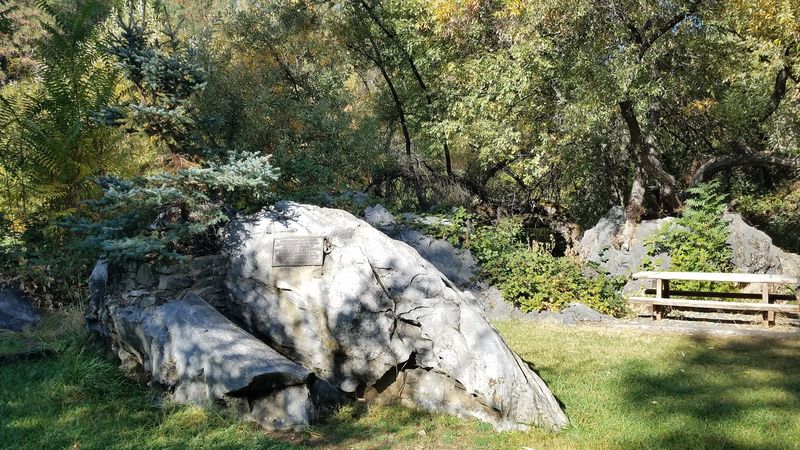
Tiny crystals that seem to twist in every direction wait just outside town. Black Chasm Cavern sits at 15701 Pioneer Volcano Road, Volcano, CA 95689.
It is a National Natural Landmark, an honor given to special natural sites.
The cave is famous for helictites. These rare formations grow sideways and curl in ways that look like they ignore gravity. Their delicate white shapes can look almost like lace under the cave lights.
Guided walking tours last about 50 minutes and go down roughly 100 feet. Guests can see three chambers, including one with a blue lake.
The temperature stays around 58 degrees Fahrenheit all year. A light sweater can make the tour more comfortable, even in summer.
Listed admission is $24 for adults 13 and up and $16 for kids ages 4 to 12, though prices may change. The cavern is open daily year-round.
Weekends and holidays could bring bigger tour groups, so arriving early may help.
Above ground, the Miners Trail offers a self-guided walk past marble rocks exposed by hydraulic mining. That trail ties the natural wonder back to the Gold Rush story.