Black Bears Show Up So Often In This Tiny Northern California Town That Locals Know To Keep Watch
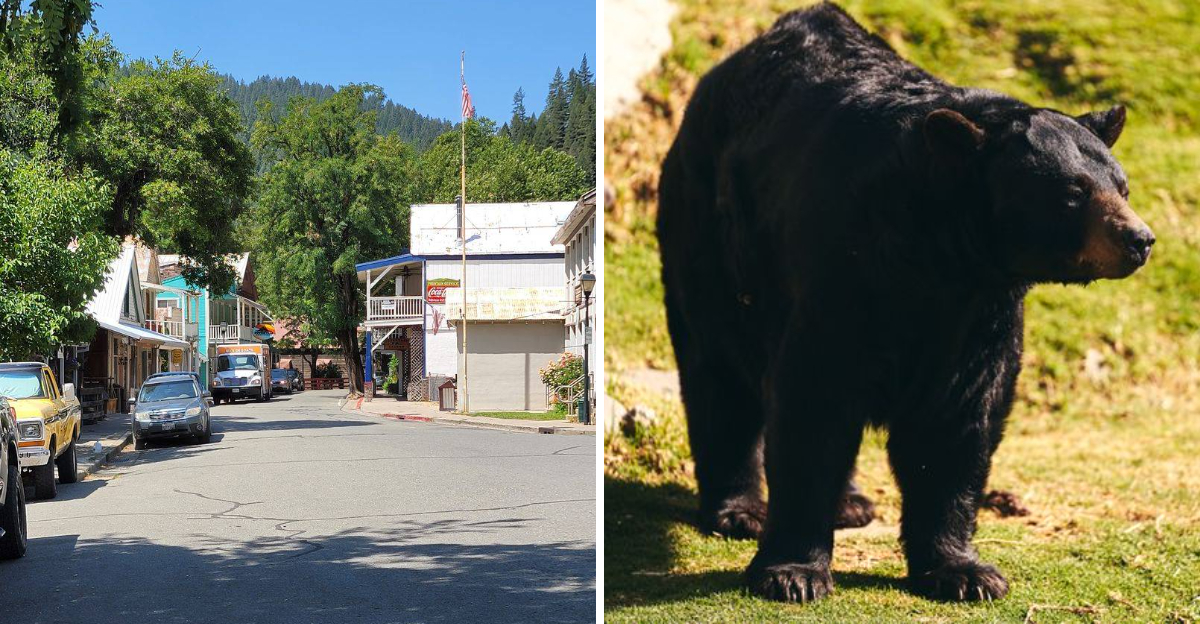
In a town surrounded by forest, the neighbor wandering past after dark might weigh 300 pounds and have four paws.
Black bear sightings are part of the reality of living in this remote Sierra community, where homes sit close to wild habitat and an unsecured trash can can become far more interesting than intended.
That does not make every walk through town a wildlife encounter.
Northern California’s mountain country is bear country, and residents learn to treat that fact with common sense rather than panic.
Food and garbage need to be secured, pets deserve extra attention outdoors, and bears should always be given plenty of space.
Visitors can still focus on what makes this tiny place worth the winding drive: forested mountains, historic streets, the river, and a wonderfully removed feeling that bigger destinations have lost.
Just remember where you are when evening settles in. Around here, keeping one eye on the tree line is simply good mountain manners.
Just How Tiny Downieville Really Is
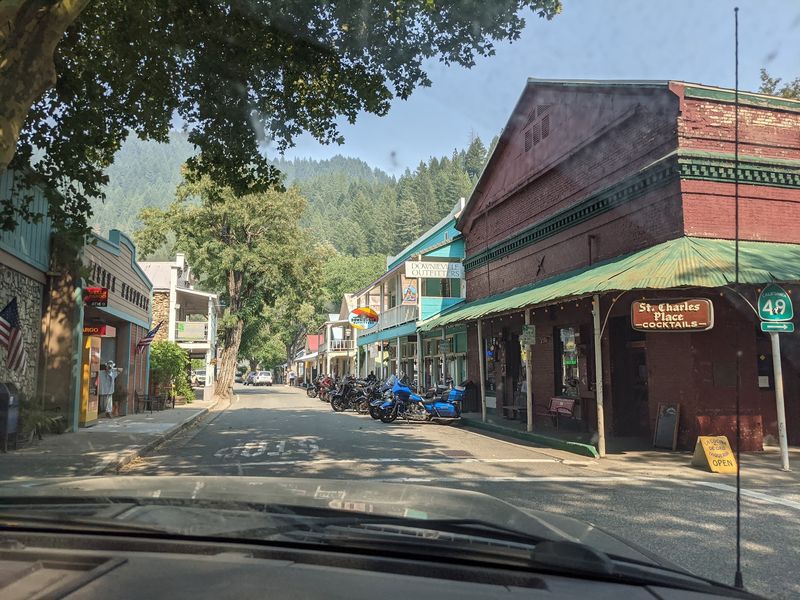
Fewer than 300 people call this riverside settlement home, and some population estimates place the year-round count closer to 126 residents.
The 2020 census reported 290 people living here, and either figure puts the community in a category most travelers rarely encounter.
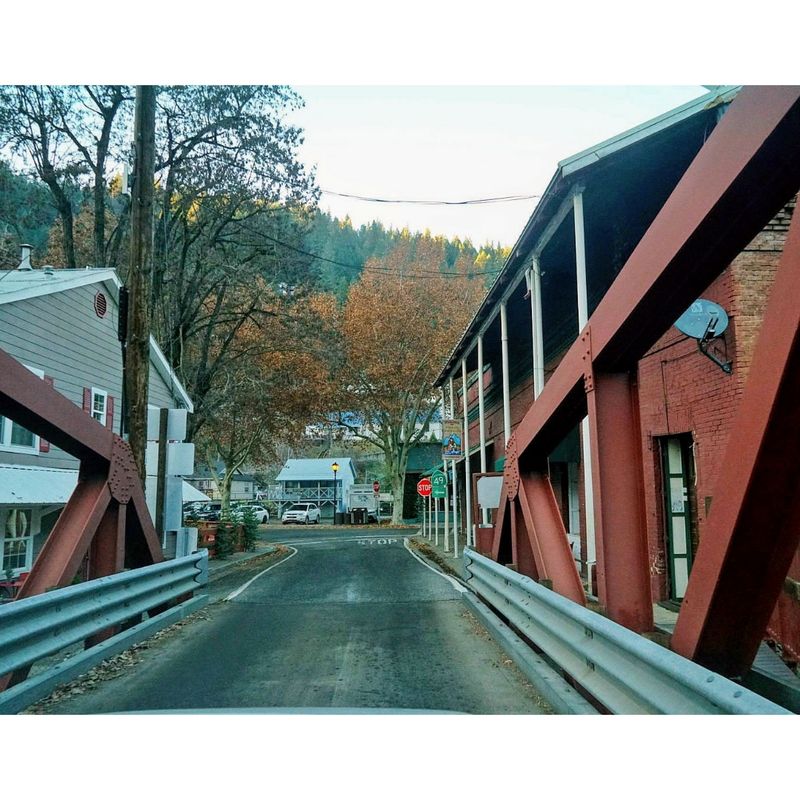
Downieville serves as the county seat of Sierra County, which sounds official until you walk the length of the main street in a matter of minutes.
The town sits at an elevation of 2,966 feet where the Downie River meets the North Fork of the Yuba River. Scale matters here because it changes how bear activity feels.
A handful of bear encounters in a large city would barely register, but in a place this small, the same number touches nearly every household.
Walking around takes very little effort, since the developed area is compact and mostly flat along the river corridor.
Sidewalks are narrow in places and some of the historic buildings date back to the Gold Rush era.
Services are limited compared to larger mountain destinations, so planning ahead for fuel, groceries, and lodging is practical rather than optional.
The quiet is genuine, especially on weekday mornings before day visitors arrive.
That same quiet is part of why wildlife moves through so comfortably.
With so little sprawl and so much forest, the boundary between town and wilderness stays remarkably thin.
Why Bears Can Wander From Forest To Town So Easily
Geography explains a great deal about the bear situation here.
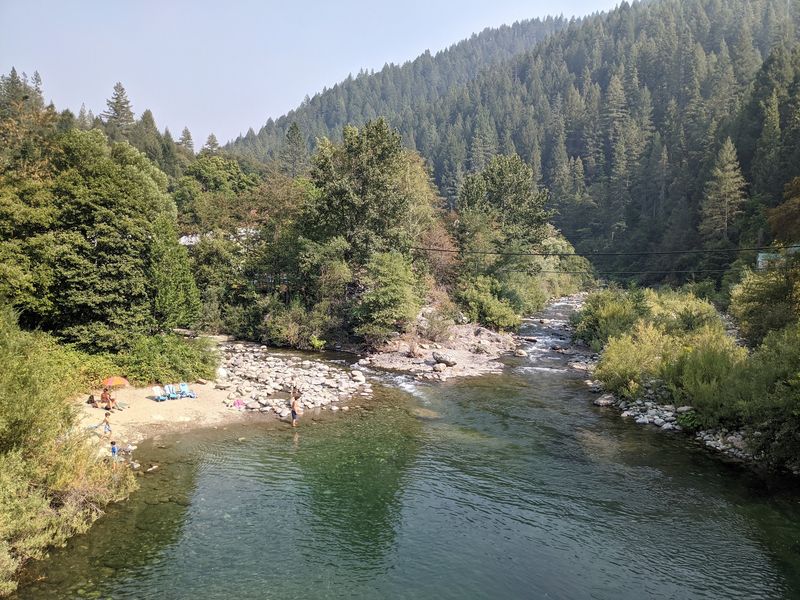
The community sits inside the rugged North Yuba landscape and is surrounded on all sides by the Tahoe National Forest.
Forested slopes rise steeply from the river canyon, and those slopes carry bear habitat right up to the edges of residential streets.
There is no buffer zone of subdivisions or shopping centers separating wild country from developed property.
A bear moving downhill in search of food can reach a backyard without crossing anything resembling a barrier.
Water access adds another draw, since the North Fork of the Yuba River runs directly through town.
Rivers and creeks act as natural travel corridors for wildlife, and this one leads straight past homes and businesses.
Seasonal food availability shifts throughout the year, and bears range widely when natural forage runs thin.
Understanding the layout helps visitors set expectations before arriving.
Staying in a cabin near the trees is not the same as staying in a hotel on a busy commercial strip.
Doors and windows deserve attention, and food left in a car overnight becomes an invitation.
None of this should discourage a trip, because the setting is genuinely beautiful and the forest access is the whole point of coming.
Awareness simply becomes part of the packing list alongside layers and sturdy shoes.
Look At The Numbers Behind Sierra County’s Bear Activity
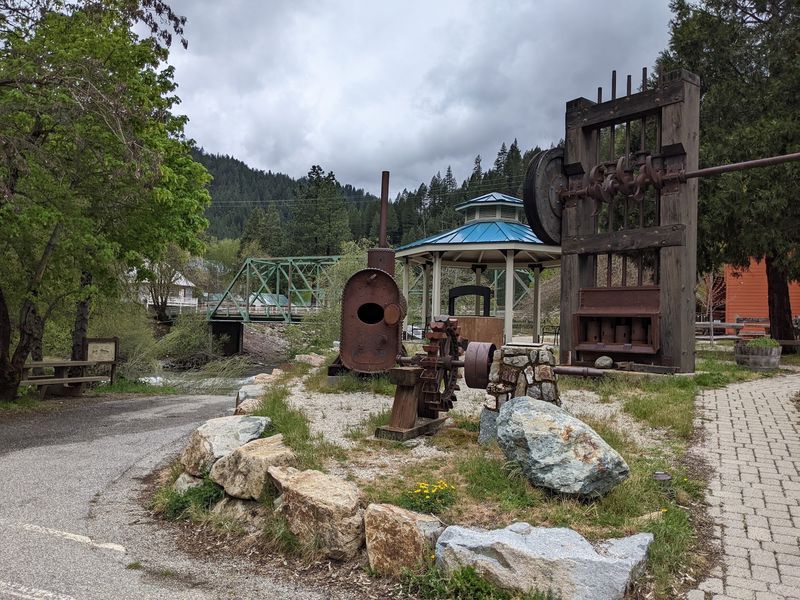
Hard figures give the story weight that anecdotes alone cannot.
In April 2025 the Sierra County Sheriff told county supervisors that his office had handled more than 100 to 150 local bear incidents during 2024.
For a county with a very small population, that volume represents a meaningful workload and a clear upward trend.
Officials described the situation as a significant increase in human-bear conflicts rather than a normal seasonal fluctuation.
Reports covered a range of situations including property damage, vehicle break-ins, and bears entering buildings.
The Sheriff’s Office became a central point of contact because bear calls arrive alongside every other public safety matter.
Numbers like these help explain why local awareness campaigns exist at all. Counties do not create dedicated wildlife resources unless residents are dealing with the issue regularly.
Visitors sometimes assume bear warnings are boilerplate language posted out of caution, and here they reflect documented activity.
Reading the local guidance before a trip takes only a few minutes and makes the rest of the visit smoother.
Activity levels shift year to year depending on natural food supply, weather, and how well attractants get secured.
Checking current county updates before traveling is a reasonable step, especially during spring and early summer when reports have historically spiked.
How Downieville Became A Particular Bear Hot Spot
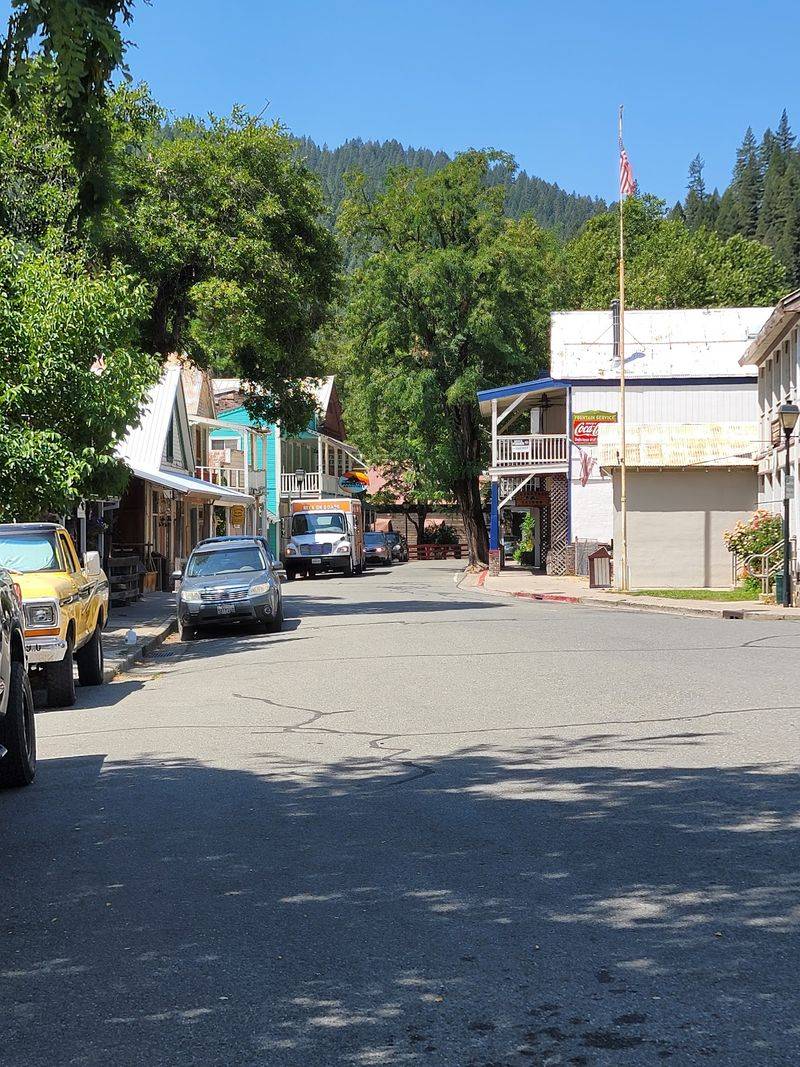
Certain stretches of time stand out in local memory more than others.
During early May 2024 the Sierra County Sheriff’s Office received daily reports from homeowners and business owners about bears breaking into residences and vehicles.
One particularly persistent bear was responsible for multiple break-ins that month and even entered the Downieville School gymnasium along with nearby homes.
Activity of that intensity is unusual anywhere, and in a town this size it affected nearly everyone.
The pattern was not limited to a single year either.
During one stretch in 2023 authorities fielded dozens of bear-related calls from communities including Downieville over just a couple of weeks.
Clusters like that usually signal an individual animal that has learned where easy calories are stored.
Once a bear connects buildings with food, it returns again and again until the reward disappears.
Knowing this history changes how a visitor thinks about small habits. Leaving a cooler on a porch or a snack wrapper in a rental car is not a minor oversight in a place with this record.
Locals lock things up because experience taught them to, not because they are overly cautious. Matching that standard while staying in town is the simplest form of respect for the community.
Take Garbage Seriously In Bear Country
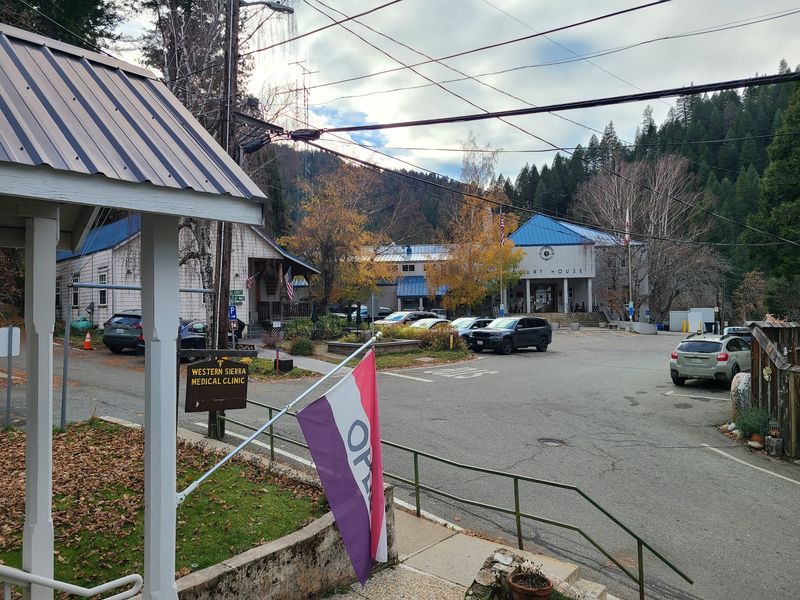
Trash management here goes well beyond standard camping advice.
Sierra County specifically directs residents and visitors toward bear-proof container guidance as part of its Bear Awareness resources.
Garbage should be stored inside a secure building, a bear-resistant container, or another location a bear cannot open.
Unsecured cans should stay indoors until the morning of pickup day rather than sitting out overnight.
Vehicles deserve the same attention as kitchens.
All food, drinks, and scented items should be removed from cars, and that includes items people rarely think about like gum and air fresheners.
A bear does not distinguish between a granola bar and a cherry-scented tree hanging from a mirror.
Rental cabins often come with posted instructions, and following them exactly is the easiest route.
Grills should be cleaned after use since grease and residue carry strong odors.
Pet food and birdseed belong indoors, and fallen fruit should be picked up rather than left on the ground.
Garage and shed doors need to stay closed and latched, and windows and doors are worth locking at night.
Habits like these take a few extra seconds each day and dramatically reduce the chance of an unwanted visitor.
Seeing A Bear Does Not Mean It Is Attacking
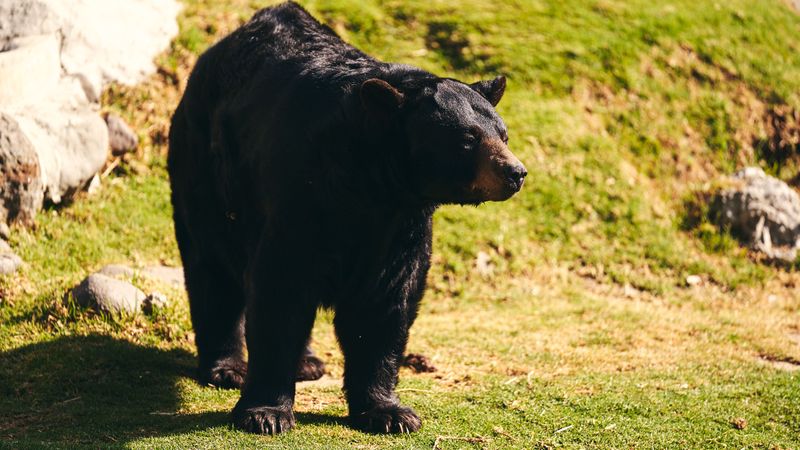
Panic rarely helps anyone, including the bear. A black bear moving through a neighborhood is not automatically behaving aggressively, and most wild animals naturally avoid or fear humans.
Curiosity and hunger explain far more sightings than hostility ever will. Recognizing the difference keeps reactions measured and appropriate.
Encouraging a bear to move along is still the right response.
Wildlife guidance suggests scaring a bear away from residential areas so it can return to a safer life away from developed property.
Making noise from a safe distance, such as from inside a building or vehicle, is generally the recommended approach. The goal is helping the animal associate town with discomfort rather than reward.
If a black bear approaches, staying calm and slowly backing away without running is the advice wildlife officials give.
Running can trigger a chase response, and turning your back removes your ability to monitor the situation. Standing tall and speaking in a firm voice helps signal that you are a person and not prey.
Managing conflicts across California relies heavily on preventing animals from becoming accustomed to people and human food in the first place.
Prevention beats reaction every single time, which is why the county puts so much effort into education rather than emergency response alone.
Give Bear Cubs More Space Than Your Camera Wants To
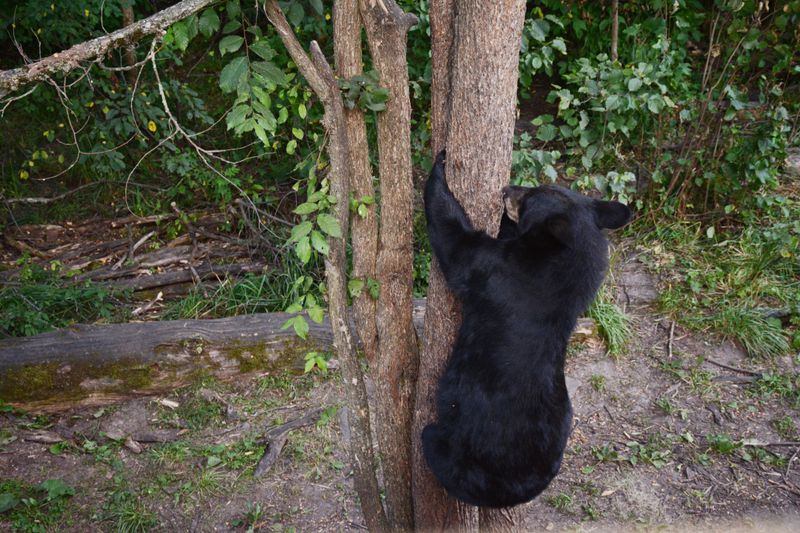
Few sights tempt a phone camera more than a bear cub, and few situations call for more restraint.
The California Department of Fish and Wildlife specifically warns people not to approach either adult bears or cubs. Distance protects the animal far more than it protects the photographer.
A cub that appears alone does not necessarily need help. Mother bears leave their young while foraging, and returning to find humans nearby changes everything.
Approaching cubs or disturbing dens can cause mothers to abandon their young, which creates orphaned bears that rarely fare well. A well-meaning rescue attempt can cause the exact outcome it was trying to prevent.
Feeding habits pass down through families as well. Adult females that become accustomed to human food sources teach that behavior to their cubs, and those young bears may never learn to forage naturally in the wild.
A single unsecured trash can influences an entire generation of animals. Watching from inside a vehicle or through binoculars gives a better view anyway and removes the risk entirely.
Zoom lenses exist for exactly this purpose. Keeping the moment brief and moving on lets the family continue whatever it was doing before you arrived.
Know Who To Call When A Bear Becomes A Problem
Reporting matters because it shapes how officials respond over time.
Sierra County advises residents and visitors to report wildlife incidents, including bear encounters and property damage, directly to the Sheriff’s Office.
The non-emergency number for the Sierra County Sheriff’s Office is (530) 289-3700. Photographs and videos of encounters or damage can be sent by email to [email protected].
Incidents can be reported through the California Department of Fish and Wildlife Wildlife Conflict Hotline at (916) 358-2917 or through the department’s online reporting portal.
Both options exist so that patterns get tracked rather than forgotten.
Immediate safety concerns are different. Calling 911 is the recommended action when there is an emergency involving a bear.
Hesitating in a genuine safety situation helps no one.
The county maintains a Bear Awareness page on its official website with reporting information and educational resources for the community.
Saving the relevant numbers in a phone before arriving takes almost no time and removes any scrambling later.
Visitors sometimes assume reporting is only for residents, and that is not the case.
A report from someone passing through can help identify a bear that has become food-conditioned, which gives wildlife managers a chance to act before the situation escalates further.