This California Mountain Road Climbs Over 9,000 Feet And Feels Cut Off From The Rest Of The World
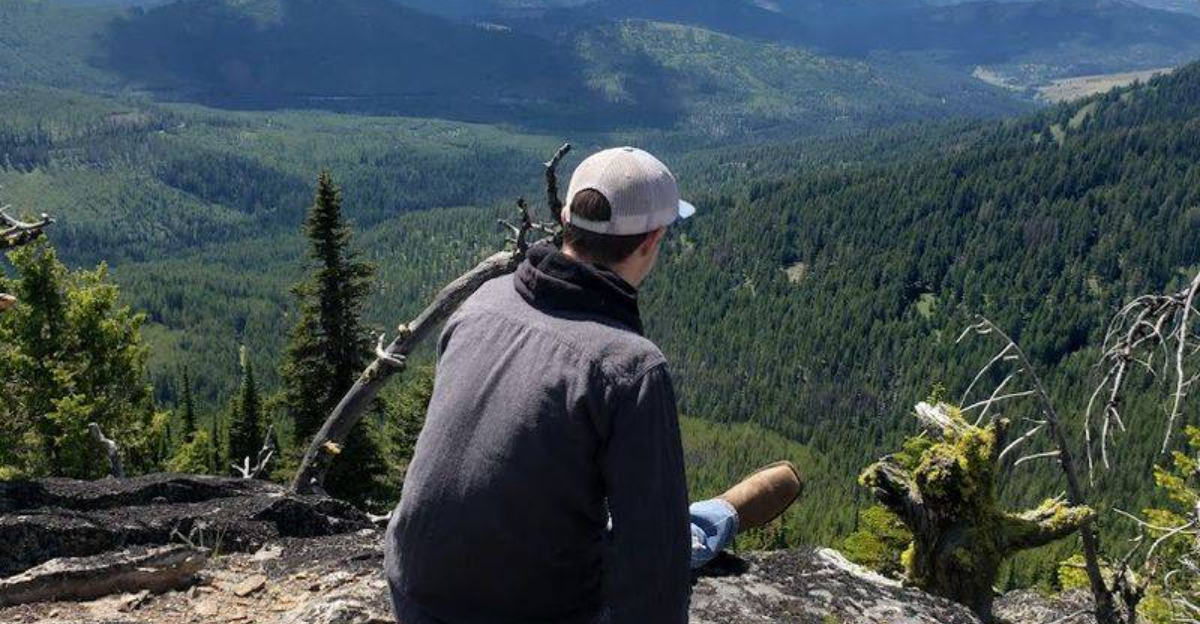
Mountain roads get serious fast when the pavement keeps climbing.
The trees thin. The air changes. The turns feel sharper than they looked on the map.
Then the road rises past 9,000 feet, and the whole drive starts feeling like it slipped away from regular life.
No busy resort mood or an easy little roadside loop.
Just high country, wide views, and the strange thrill of realizing how far you are from the nearest normal errand.
California has plenty of scenic drives, but this one feels wilder than most.
The elevation gives it drama. The remoteness gives it attitude.
Every mile seems to pull the car farther from cell service and anything that feels too polished.
That is the appeal.
A drive like this is not about rushing to the next stop.
It is about the climb and that rare feeling of being somewhere the modern world has not fully caught up to yet.
The Road Climbs To A Real 9,200-Foot Pass
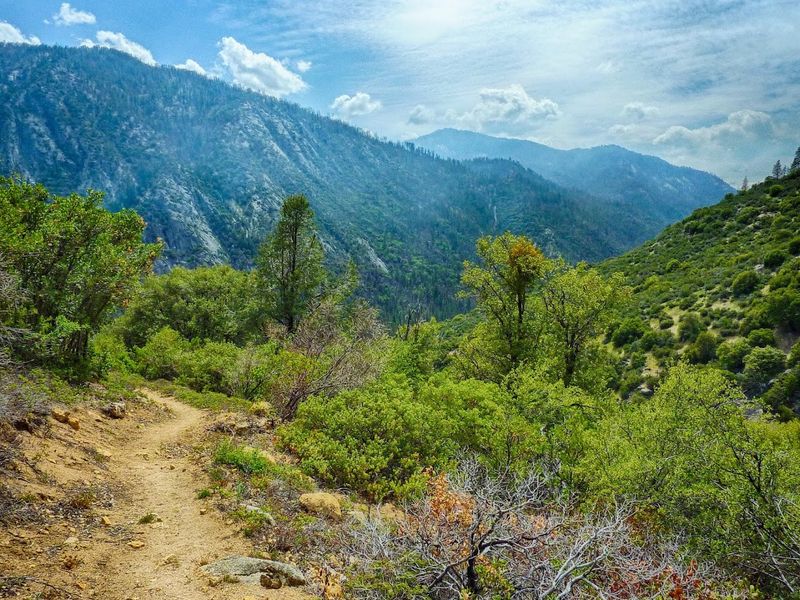
Reaching 9,200 feet above sea level is not a small achievement for a paved mountain road, and Sherman Pass Road earns that elevation honestly.
The Forest Service officially designates this route as Forest Route 22S05, and it sits as the third-highest highway pass in California, trailing only Tioga Pass and Sonora Pass.
That ranking puts it in serious company.
Most drivers who tackle Tioga or Sonora already know they are signing up for a high-altitude experience, but Sherman Pass tends to fly under the radar despite matching that same dramatic scale.
The climb feels gradual at first before the road begins to tighten and the tree line starts to thin.
By the time the summit comes into view, the air has noticeably cooled and the landscape has opened up in a way that feels almost surprising.
Some sources note the elevation at 9,140 feet, while others cite 9,200 feet, but either way the pass sits well above most of what California’s road network offers.
The physical sensation of that altitude – thinner air, cooler temperatures, and wide open sightlines – hits differently than reading a number on a map ever could.
River Canyon Turns Into High Country Fast
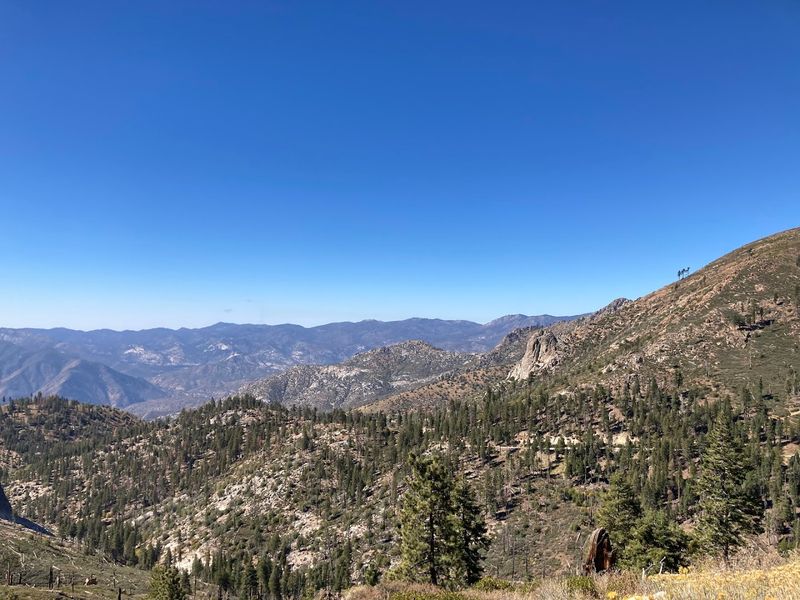
Starting from the Upper Kern River Canyon and ending near the high desert edge, Sherman Pass Road covers an almost theatrical range of terrain in a single drive.
The canyon floor sits at a much lower elevation, so the climb begins almost immediately after leaving the river behind, and the landscape shifts faster than most mountain roads allow.
Steep canyon walls give way to mixed conifer forest, which then opens into the broader ridgelines of the Kern Plateau.
That transition happens across roughly 67 to 69 miles of road, and the pacing of the landscape change keeps the drive from ever feeling repetitive. Each bend reveals something slightly different from the last.
The eastern side of the pass drops toward the Mojave Desert edge, which creates a visual contrast that feels almost cinematic when the high Sierra fades into dry, open terrain.
That sharp shift in environment is a big part of what gives Sherman Pass Road its reputation for feeling isolated and otherworldly.
Drivers crossing from west to east essentially travel through multiple California ecosystems in a single afternoon, which is a rare thing to experience on one continuous route without stopping to change plans.
Mount Whitney Appears From The Summit
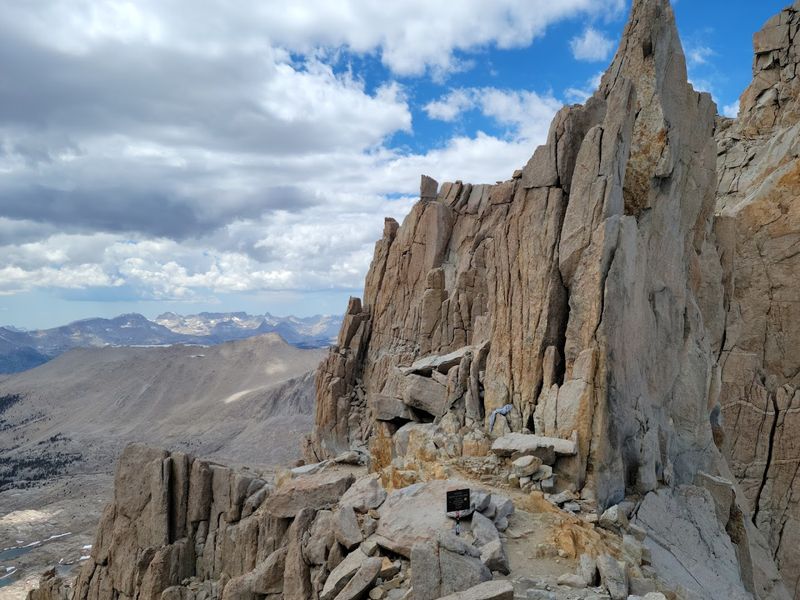
Standing at the Sherman Pass summit on a clear day, the Sierra Crest stretches out in a wide arc and Mount Whitney rises unmistakably above the rest.
At 14,505 feet, Mount Whitney holds the title of the highest peak in the contiguous United States, and seeing it from a roadside viewpoint at 9,200 feet gives the summit stop a genuine sense of scale.
The view does not require a hike or special equipment – it rewards drivers who simply pull over at the right moment.
That accessibility makes the summit one of the more satisfying payoffs on any California scenic road.
Many high-elevation drives promise panoramic views but deliver only tree canopy; Sherman Pass actually delivers open sightlines toward one of the most recognizable mountain profiles in the country.
Timing matters when planning for clear views, since afternoon clouds can build quickly over the Sierra in summer.
Morning drives tend to offer the sharpest visibility, especially in late June and July before monsoon moisture begins pushing into the range.
Bringing binoculars adds another layer to the summit stop and helps pick out specific peaks along the crest that might otherwise blur together at distance.
Forest Types Change As The Road Drops
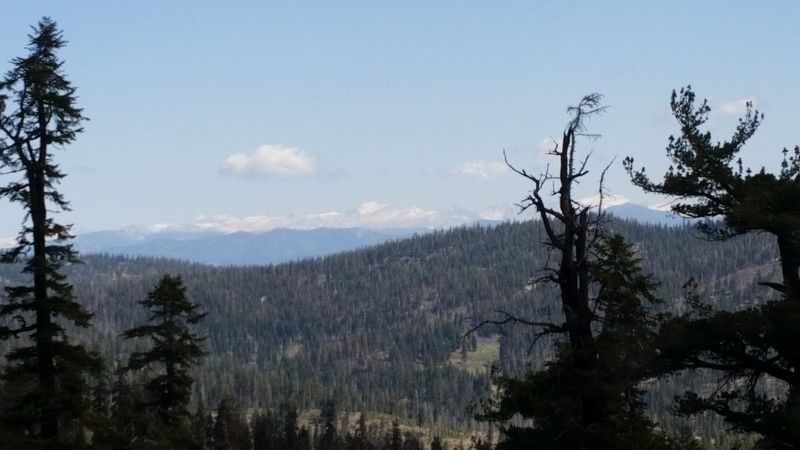
One of the quieter pleasures of driving Sherman Pass Road is watching the trees change without ever having to consult a field guide.
Red fir dominates the upper elevations near the pass, standing tall and straight with deeply furrowed bark that catches the light in late afternoon.
Lower down, mixed conifer forest takes over, filling the air with a layered, resinous scent.
As the road descends toward the eastern Kern Plateau and approaches the high desert transition zone, pinyon pine begins to appear.
The shift from dense fir forest to open pinyon woodland happens gradually but unmistakably, and each zone carries its own texture, color, and atmosphere.
Drivers who pay attention to the trees end up with a richer sense of the route’s full range.
Forest ecologists describe these transitions as elevation-driven plant communities, meaning the tree species change in response to temperature, moisture, and soil conditions rather than arbitrary boundaries.
That ecological layering makes Sherman Pass Road feel like several California landscapes stitched into one continuous drive.
Stopping at different points along the descent to simply look at the surrounding trees gives a grounded, sensory understanding of how much the terrain actually shifts between the summit and the valley floor.
The Season Is Short And Snow Decides Everything
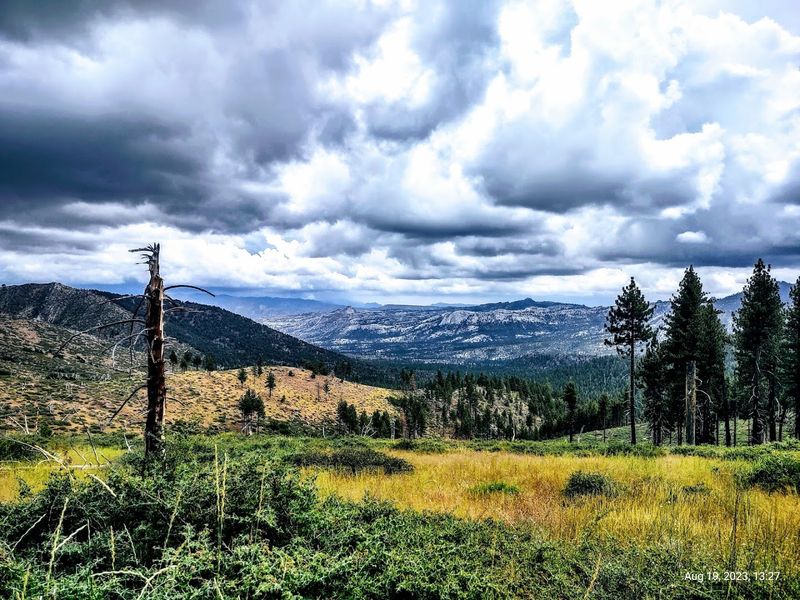
High-elevation roads in the Sierra Nevada operate on the mountain’s schedule, not the calendar’s, and Sherman Pass Road follows that rule strictly.
The route typically opens in late May or early June after snowmelt clears the pass, and it closes again in late fall or early winter when snow returns.
That seasonal window can shift by weeks depending on the year’s snowpack.
A winter with heavy snowfall might push the opening into mid-June, while a dry year could allow earlier access.
Checking conditions directly with the Kern River Ranger District before making the drive is strongly recommended, since road status can change quickly and closures are not always widely publicized on general travel sites.
Assuming the road is open just because summer has arrived is a common and avoidable mistake.
The short season also gives Sherman Pass Road a backcountry character that year-round routes simply cannot replicate.
Knowing that the road is only accessible for a few months each year adds a sense of occasion to the trip.
Visitors who plan around that window tend to arrive more prepared and end up appreciating the route more than those who stumble onto it expecting a casual afternoon detour with no advance research required.
Sherman Peak Trail Adds A Summit Hike
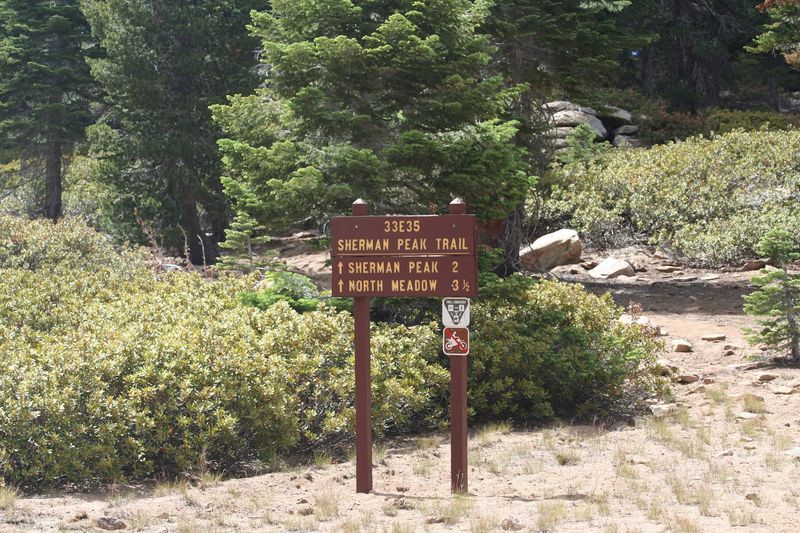
For drivers who want to stretch the experience beyond the windshield, Sherman Peak Trail offers a short but rewarding hike that starts right at the Sherman Pass Vista.
The trail runs approximately 4 miles round trip and climbs to Sherman Peak at 9,909 feet, putting hikers above the road’s own summit elevation and rewarding the extra effort with a 360-degree view.
The trailhead is easy to find because it begins directly at the vista area, which means no additional driving or navigation is needed after reaching the pass.
The hike gains elevation steadily rather than sharply, making it manageable for most reasonably fit adults and older children who are already acclimatized to the altitude.
Starting early in the day is advisable, since afternoon thunderstorms can develop quickly over exposed ridgelines in summer.
From the top of Sherman Peak, the Sierra Crest, the Kern Plateau, and the high desert spread out in every direction without obstruction.
The summit view is genuinely different from what the road offers at the pass, because the extra 700 feet of elevation clears the surrounding tree line completely.
Bringing a light jacket, extra water, and sun protection for the exposed upper section makes the hike more comfortable regardless of how warm the morning feels at the trailhead.
Small Pullouts Make The Drive Feel Even Bigger
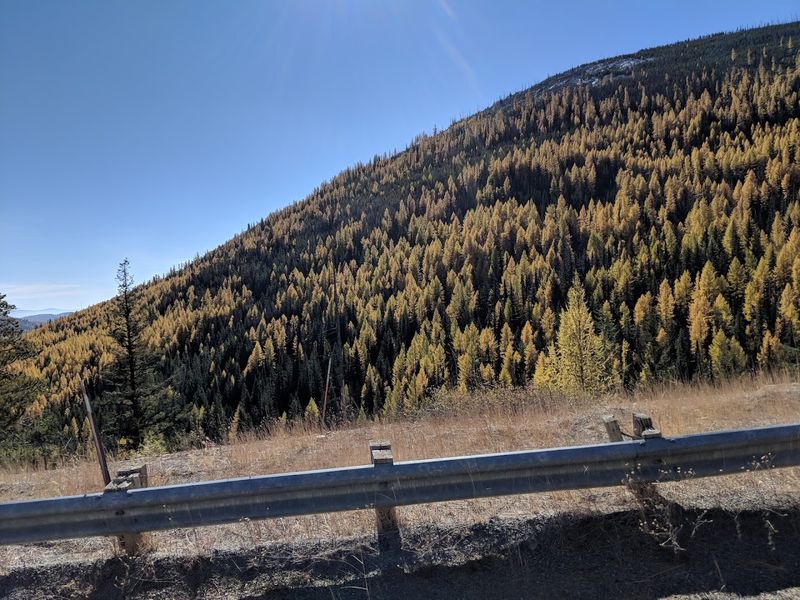
Small pullouts along Sherman Pass Road do more than give drivers a place to pause. They change the rhythm of the entire route.
Instead of rushing from one end to the other, travelers can stop long enough to hear wind moving through the trees, watch light shift across distant ridges, and notice how little human noise reaches this part of the Sierra.
Many mountain drives are built around one famous overlook, but this road works differently.
Its best moments often appear between named stops, where a bend in the pavement suddenly opens toward a wide view or a quiet patch of forest feels too peaceful to pass without slowing down.
Shoulders can be limited in places, so using established pullouts matters, especially when another vehicle appears around a curve.
That slower pace also helps the drive feel safer and more rewarding.
Sherman Pass Road is not a route to treat like a shortcut. It works best when travelers give it patience, daylight, and enough time to let the smaller roadside moments become part of the memory.
The Kern Plateau Opens Up Around It
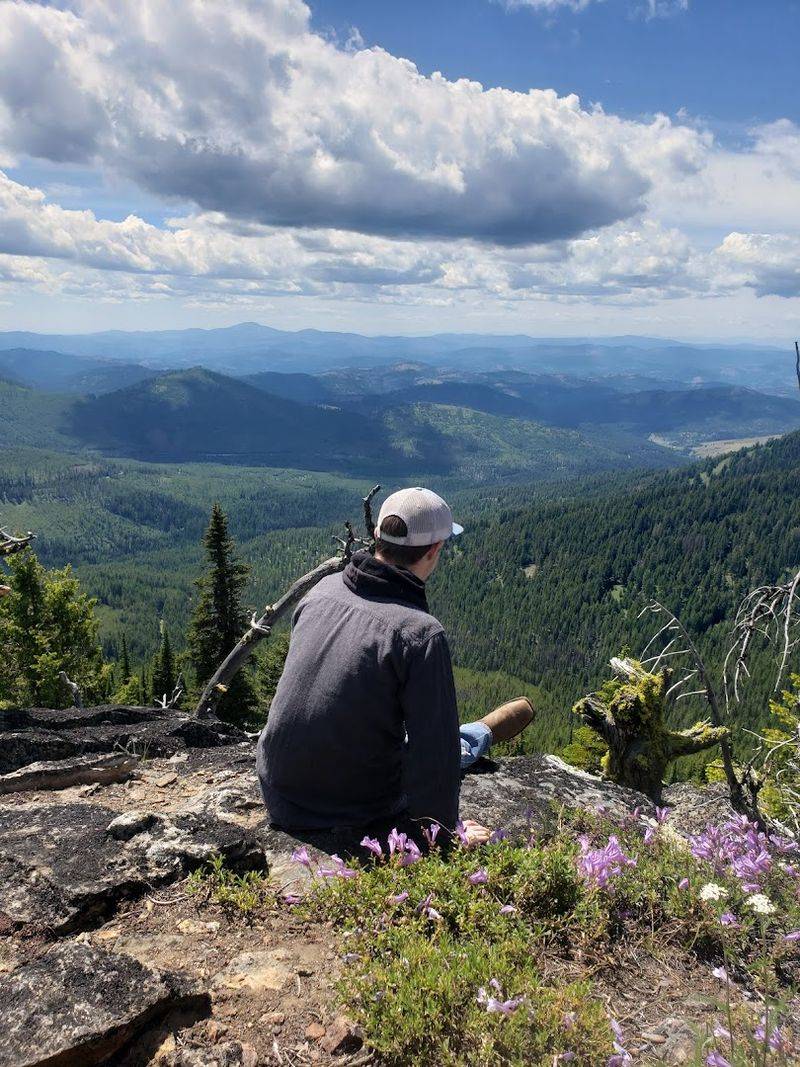
Sherman Pass Road is the spine of something much larger than a single scenic drive.
The Kern Plateau surrounding it is a vast, high-elevation region in the southern Sierra Nevada that the Forest Service describes as wild and isolated, with no commercial development to interrupt the landscape in any direction.
Hiking, backpacking, mountain biking, equestrian trails, stream fishing, dispersed camping, off-highway vehicle riding, and wildlife viewing are all available within the broader plateau area that Sherman Pass Road provides access to.
That range of activities makes the road useful as a starting point rather than just a destination. Many visitors use it as the central corridor for multi-day trips rather than a single afternoon drive.
Wildlife sightings along and around the road can include mule deer, black bears, golden eagles, and various raptor species, though sightings are never guaranteed and vary by season.
The plateau’s remoteness and lack of development make it one of the quieter corners of Sequoia National Forest, particularly compared to the heavily visited Giant Sequoia groves and developed campgrounds elsewhere in the forest.
Arriving with a flexible itinerary and a willingness to explore side roads and trailheads turns Sherman Pass Road from a drive into a genuine backcountry experience that can fill several days comfortably.