This Nebraska Hospital Started As A Two-Room Clinic And Now Treats Patients From Across The Country
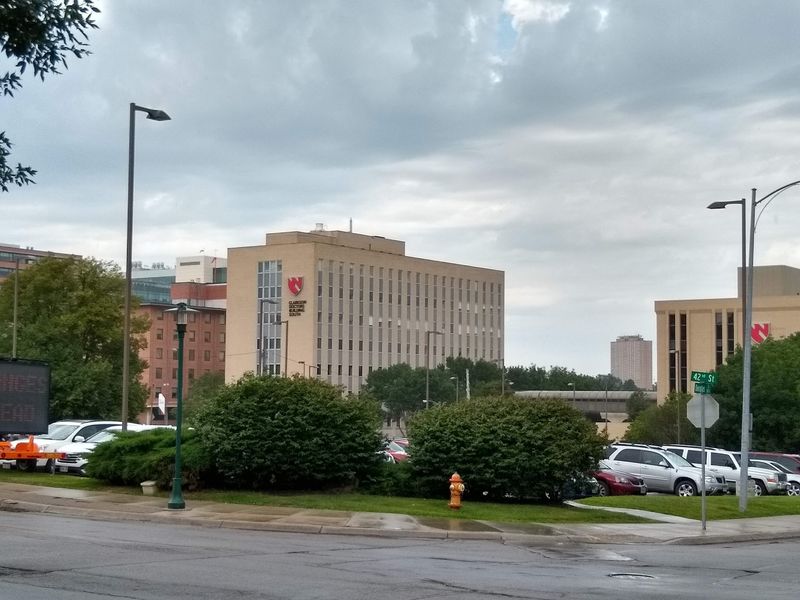
A wrong turn in a parking garage is how plenty of people first meet the biggest hospital in Nebraska. You come looking for one room and end up wandering hallways that seem to stretch for city blocks.
Behind all that size is a story about how medicine in this state grew from small, hopeful beginnings into something people drive hundreds of miles to reach. It is a place most of us hope we never need, yet it shapes care for families in every corner of Nebraska.
A Round-the-Clock Medical Campus on Dewey Avenue
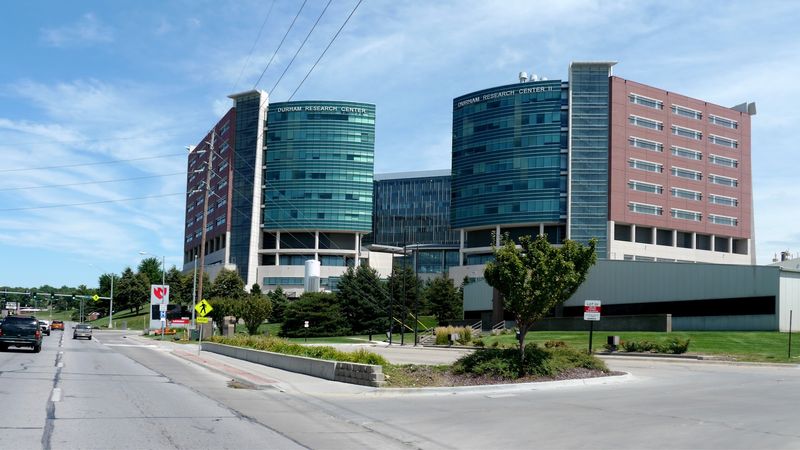
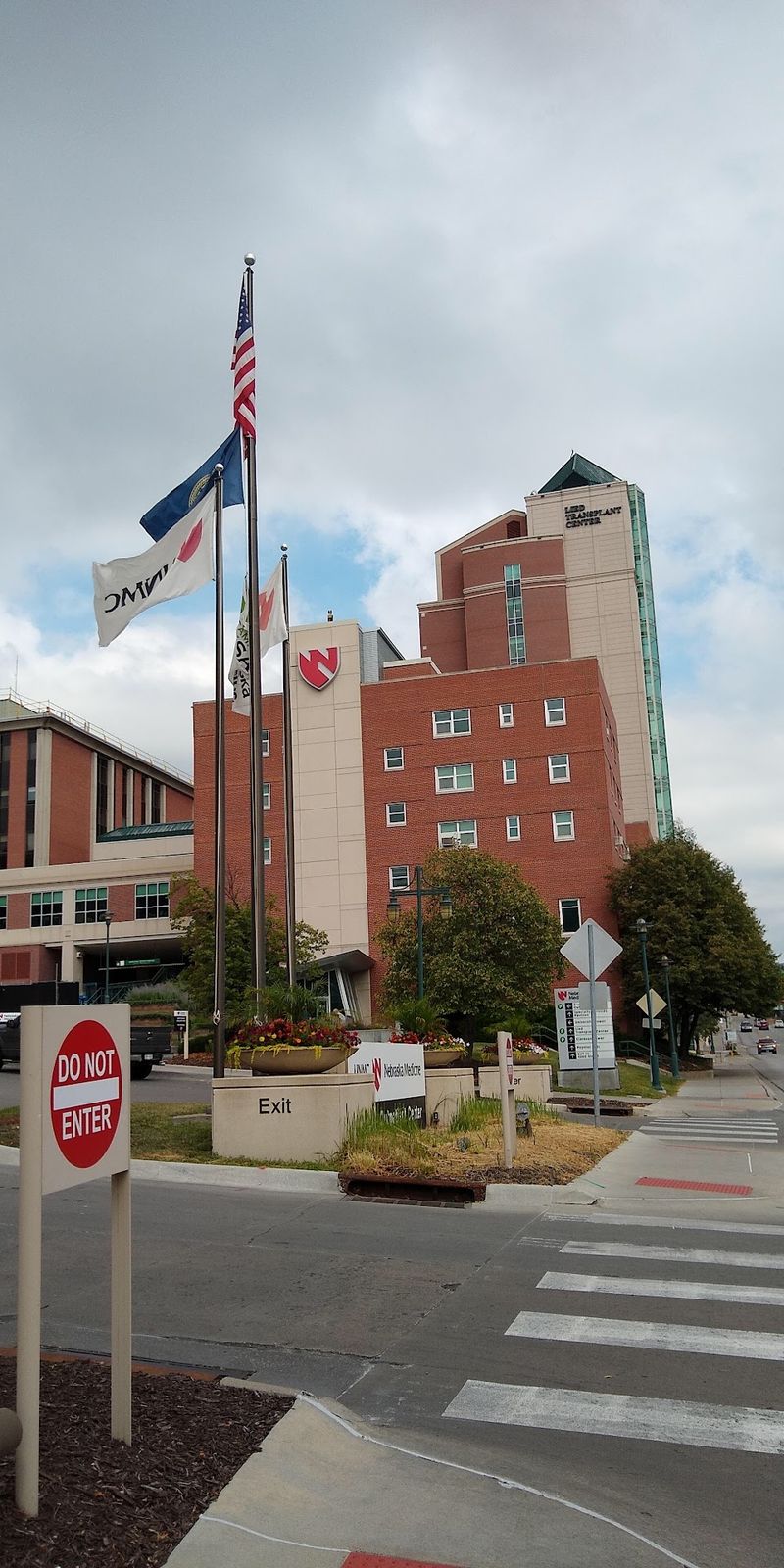
Picture a cluster of towers rising above midtown Omaha, with ambulances pulling in and shuttles looping past the entrances. That is Nebraska Medicine Nebraska Medical Center, a full hospital at 4350 Dewey Avenue that keeps its doors open every hour of every day.
The campus sits just west of downtown, close enough to the city core that you can spot it from several major roads. It works hand in hand with the University of Nebraska Medical Center, which is why many Nebraskans simply call the whole place UNMC or the Med Center.
What makes it different from a neighborhood hospital? Scale, mostly.
Under one address you will find an emergency department, trauma care, surgical units, cancer treatment, heart surgery, neurology, and a long list of specialty clinics.
For anyone in Nebraska facing a serious diagnosis, this is often the place a local doctor points toward when the next step needs more equipment, more specialists, or more experience. Patients arrive from small towns across the state and from beyond its borders, which turns the lobby into a crossroads of license plates and accents on any given afternoon.
Small Beginnings, Big Footprint
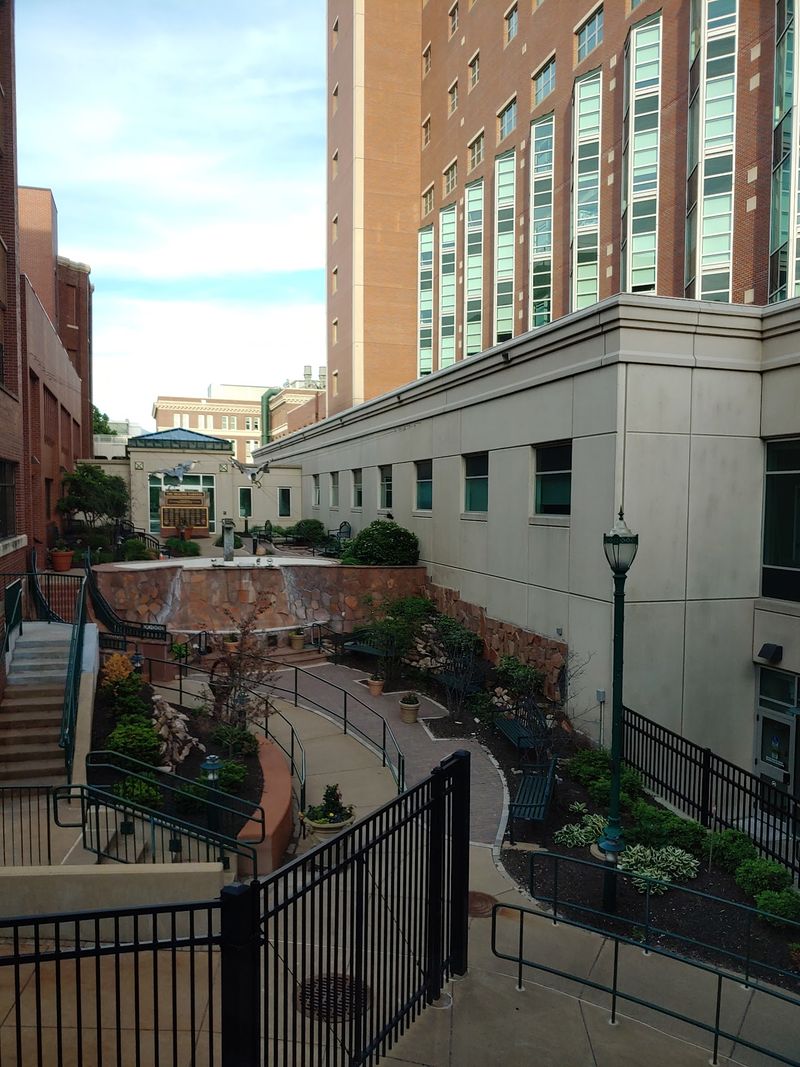
Every giant medical campus once had a front door small enough to miss. The headline story of a modest clinic becoming a national destination is the arc that defines this Omaha hospital, even if the original rooms are long gone under newer wings.
Growth like this rarely happens in one leap. It comes in layers: a new tower here, a research building there, a specialty unit added when a need became too big to ignore.
Walk the halls today and you can almost read those layers in the way older corridors connect to newer, brighter ones.
Here is a thought worth holding onto while you walk. The reason patients now cross state lines to get here is that each expansion brought something smaller hospitals could not easily offer, from advanced surgery to intensive care for the most serious injuries.
That steady build-out also explains why the place feels a little like a small city. Skybridges, garages, and clinic buildings have been stitched together over the years, so the campus you see now is the sum of many decisions rather than one master plan drawn all at once.
The Stone House and Nebraska’s Habit of Humble Hospital Roots
Kearney offers a perfect example of how Nebraska medicine tends to start small. In 1911 the state legislature passed a bill to fight tuberculosis, and by 1912 a converted family mansion became the Nebraska Hospital for the Tuberculous.
The building, which people nicknamed the Stone House for its distinct exterior, had already served as the Grothan Elmwood Sanitarium starting in 1907. Treatment there leaned on healthy food, fresh air, and sunshine, and the operation soon grew into a modern sanitarium that served patients from across the Great Plains for sixty years until it closed in 1972.
Children made up a surprising share of those patients. As many as one in four were under eighteen, some as young as five, and many came from families with very little money, so staff balanced long hours of bed rest with the restless energy of kids.
Today the Stone House stands as the G.W. Frank Museum of History and Culture on the University of Nebraska at Kearney campus.
It is a separate institution from the Omaha medical center, but it shows the same pattern: a modest building, a pressing need, and a state willing to grow something bigger.
Getting Gloriously Lost in the Hallways
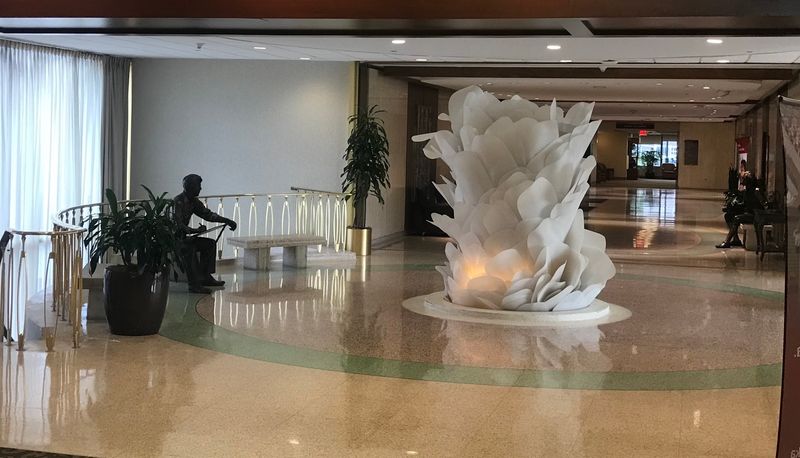
Bring comfortable shoes. The campus is enormous, large enough that first-time visitors from smaller towns, and even from overseas, can spend more time searching for a room than sitting in it.
Corridors branch into skybridges, skybridges lead to towers, and towers open onto clinic floors that look a lot alike. It is easy to lose your bearings after a single elevator ride.
The good news is that staff members seem used to spotting the wandering. Employees often step in with directions before anyone even asks, steering confused families toward the right elevator bank or patient floor with a friendly word.
A few habits make the walk easier. Write down the building name, floor, and unit before you leave the car, and snap a photo of the parking level sign so the return trip goes smoothly.
Allow extra minutes for appointments, too. Arriving early gives you a cushion for a wrong turn and a moment to catch your breath before check-in, which matters when nerves are already running high.
Trauma Bays and the Surgical ICU
When a serious car crash happens somewhere in eastern Nebraska, the trip often ends here. The trauma team handles some of the most complex injuries in the region, taking patients who arrive badly hurt and starting the long work of putting them back together.
After the emergency phase, many of those patients move to the surgical intensive care unit, known around the hospital as the SICU. Nurses there watch over people around the clock, adjusting care minute by minute while also keeping worried families in the loop.
That second part matters more than it sounds. A parent sitting beside a hospital bed at two in the morning needs clear words and a kind face as much as the patient needs machines and medicine.
Families who have spent weeks on this unit tend to remember individual nurses by first name long after discharge. That kind of bond grows from long shifts, small kindnesses, and steady updates during the scariest days a household can face.
It is not a place anyone plans to visit. Still, having a level of care this advanced within driving distance is a quiet comfort for a lot of Nebraska communities.
Heart Surgery Close to Home
Open-heart surgery used to mean a long drive out of state for many Nebraska families. At this Omaha campus, cardiac procedures happen right on site, from the operating room through recovery.
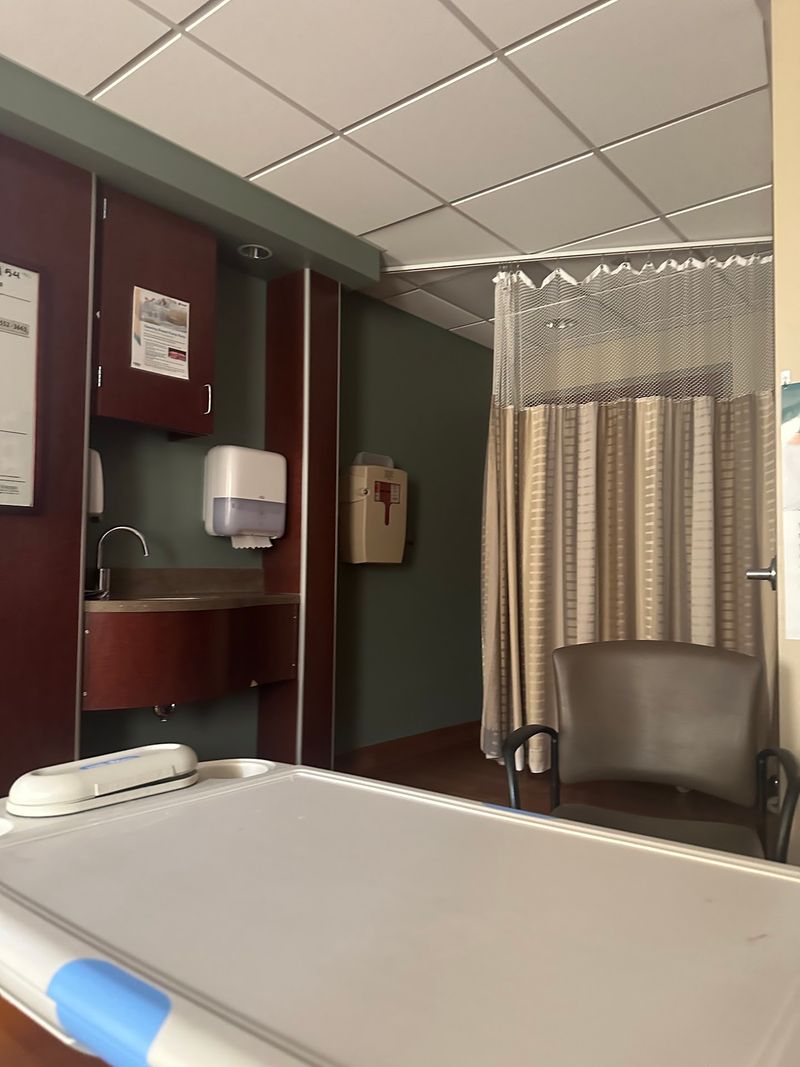
Visiting someone after heart surgery here means navigating to a dedicated unit where monitors chirp softly and nurses check vitals often. Friends and relatives can sit with loved ones during recovery, a stretch that may last several days depending on the procedure.
What surprises many first-time visitors is how much happens behind the scenes. Imaging, lab work, rehab specialists, and dietitians all play a role, and having those teams within the same set of buildings can cut down on the shuffling between appointments that wears patients out.
Families sometimes arrive with suitcases, planning to stay nearby for the whole recovery. Packing a phone charger, a sweater for chilly waiting areas, and a notebook for questions can make those long days feel more manageable.
Recovery is rarely quick. Even so, getting that level of care without leaving Nebraska saves families hours on the highway and keeps support networks close when they matter most.
Cancer Care With Room for a Little Laughter
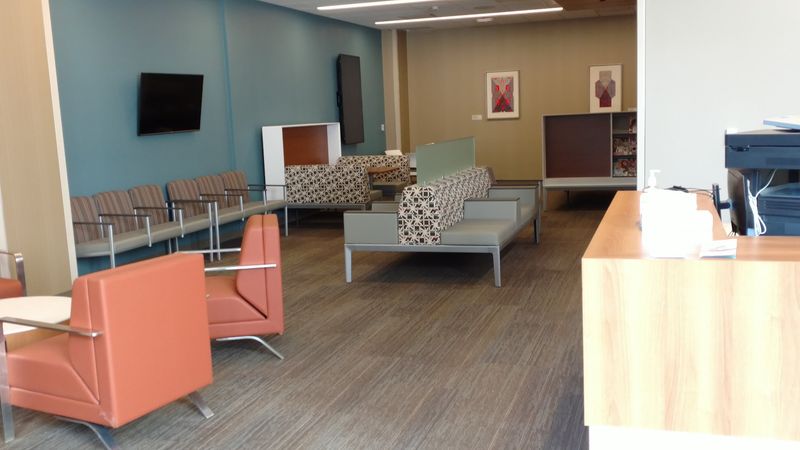
Laughter in a cancer clinic? It happens more than you might expect.
Some surgeons on staff make a point of lifting spirits during visits, so patients leave appointments smiling even in the middle of chemotherapy and major surgery.
Breast cancer treatment is part of the picture here, including mastectomy and the reconstructive procedures that can follow. Patients often move through several stages over many months, returning again and again to the same team.
That repeat contact is where bedside manner earns its keep. A doctor who remembers your story, cracks a joke at the right moment, and treats fear as a normal part of the process can make a hard season easier to carry.
Cancer brings pain, worry, and plenty of tough days. Having a care team that pays attention to the emotional side of treatment, not just the scans and lab numbers, helps patients keep going through the next appointment and the one after that.
For Nebraskans living far from a major city, the long drive can be tiring. Booking several visits on the same day, when the schedule allows, may help reduce the miles.
An Emergency Department That Never Locks Its Doors
Midnight, Sunday, holiday morning, it makes no difference. The emergency department runs every hour of the week, which is exactly what a hospital this size should do.
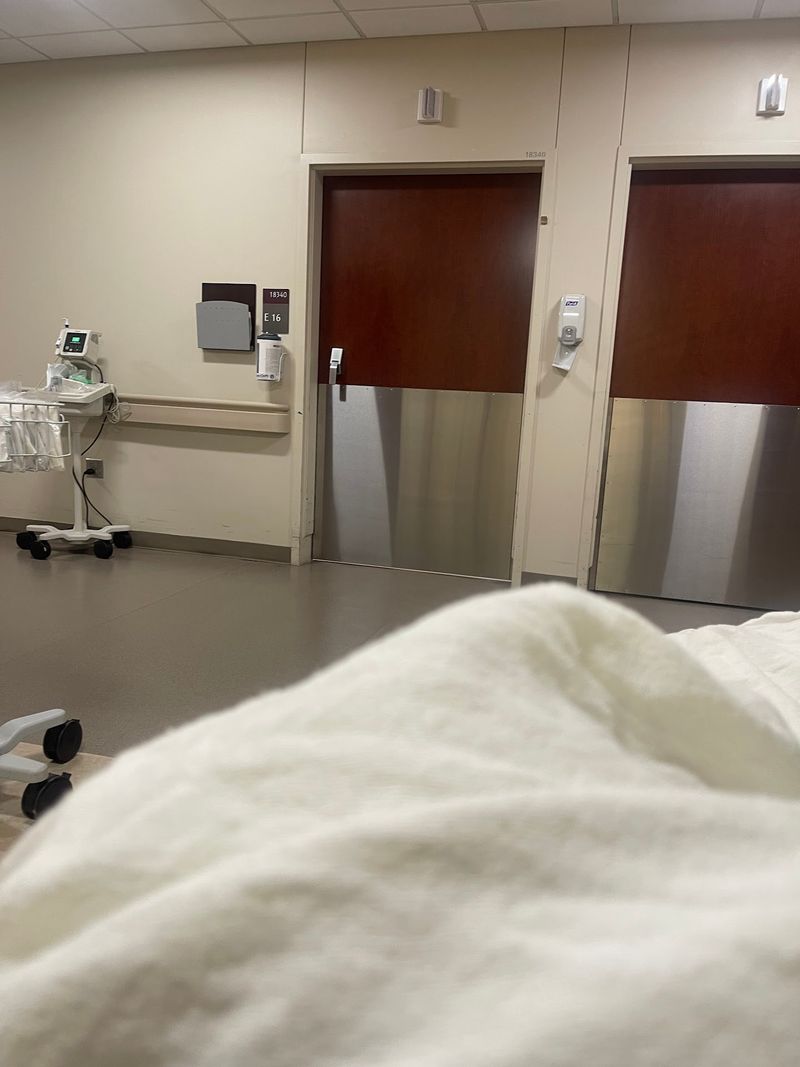
Busy nights can mean long waits, especially for anyone whose condition is judged less urgent than others arriving through the door. Triage decides the order, so someone who shows up later with a more severe problem may be seen first, and during crowded stretches patients sometimes rest on beds in the hallway until a room opens.
On the flip side, the ER team can move fast and manage pain with care when a true crisis arrives, including patients transferred from other Nebraska hospitals with serious organ problems.
A few practical tips can help. Bring a list of medications, a photo ID, and your insurance card, and if you feel your symptoms are getting worse while you wait, tell the front desk right away rather than sitting quietly.
Rules about who can join a patient in the waiting room may change depending on how busy things get. Ask staff at check-in so a companion knows where to sit.
Specialty Clinics and the Patience They Require
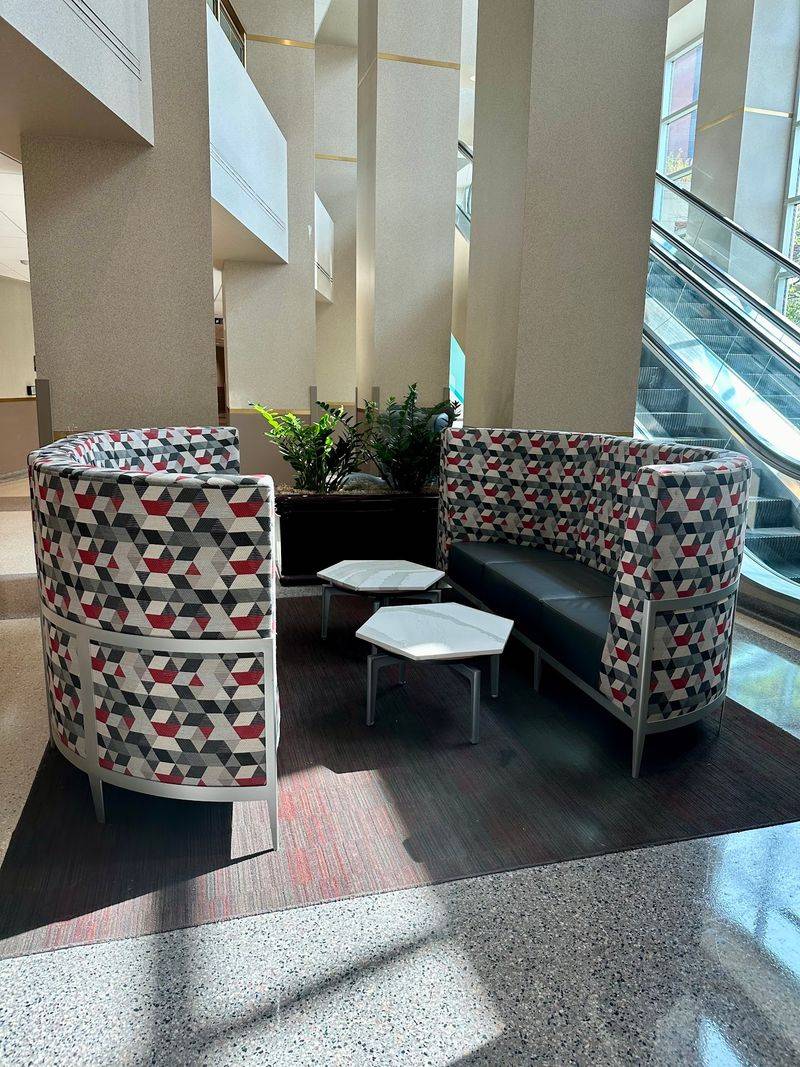
Neurology, endocrinology, orthopedics, and dozens of other specialties all have clinic space on campus. Plenty of patients arrive on referral from a hometown doctor who wants a second set of expert eyes.
Patience is part of the package. Some specialty appointments carry waitlists stretching months out, so a scheduling mix-up or a missed callback can feel like a big setback.
Here is a tip that may save frustration: before a long drive, call ahead to confirm what the visit will cover. If you are hoping a specialist will take a fresh look at an earlier diagnosis, say so clearly in advance and make sure the right records and referral paperwork are in place.
Knee replacements and other joint surgeries are also handled here. Patients with complicated health histories should share every detail about past pain control and existing conditions, and a family member or health care advocate at the bedside can help make sure that information reaches the whole team.
Big systems run on many handoffs between departments. Keeping your own notes, dates, and names of the people you spoke with makes follow-up calls go more smoothly.
Trays, Visits, and Long Days at the Bedside
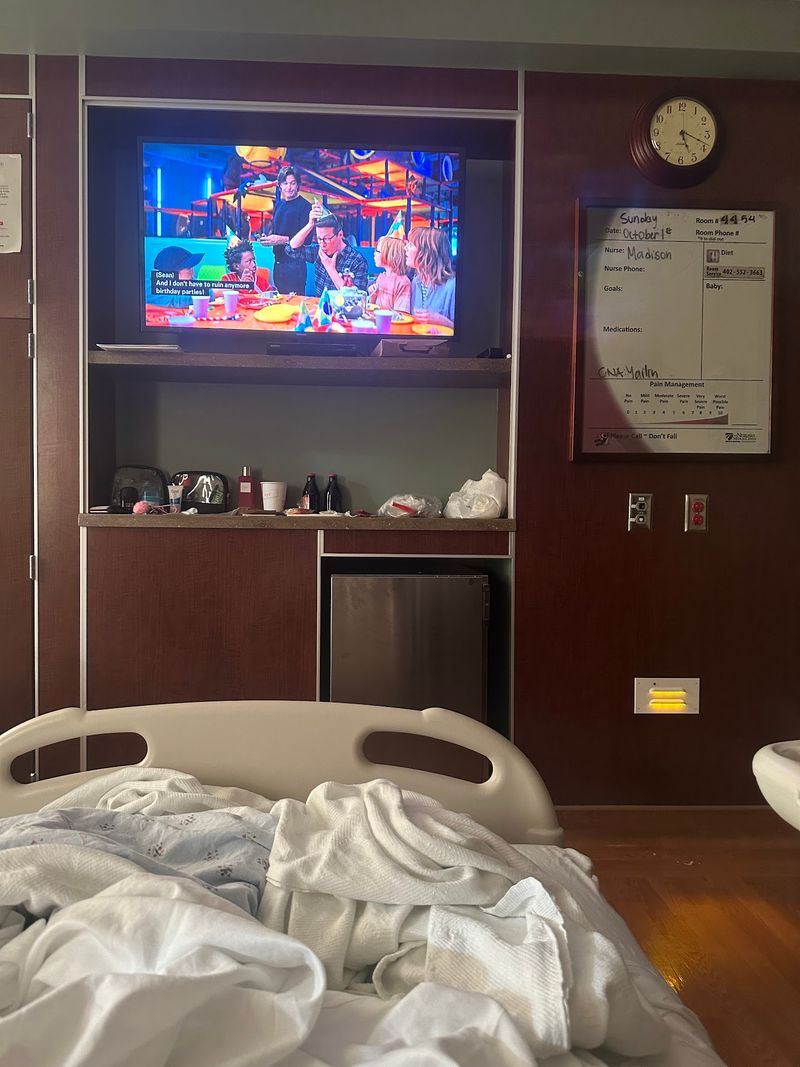
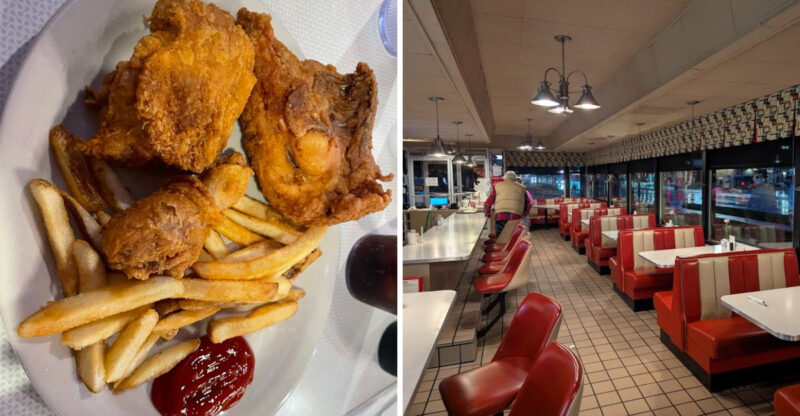
Roast beef, a scoop of corn, a roll with a pat of spread. Hospital meals here look much like hospital meals anywhere, and the quality can swing quite a bit from one stay to the next.
During some admissions the food and service feel thoughtful enough that spouses enjoy sharing a few meals at the bedside. Other stays bring trays that land closer to the bland end of the scale, so it helps to keep expectations flexible.
One practical note: rules about supplements are strict. Vitamins brought from home may be treated as medication and not allowed without an order, so ask your nurse before packing them.
Families planning to spend long hours at the bedside can bring snacks for themselves, a refillable water bottle, and something to pass the time. Call buttons can sometimes take a while to answer during busy shifts, so a companion who can speak up gently for the patient is a real asset.
Small comforts go a long way. A favorite blanket, a photo from home, or a familiar pillowcase can make a sterile room feel a touch more personal.
Bills, Insurance, and the Financial Assistance Program
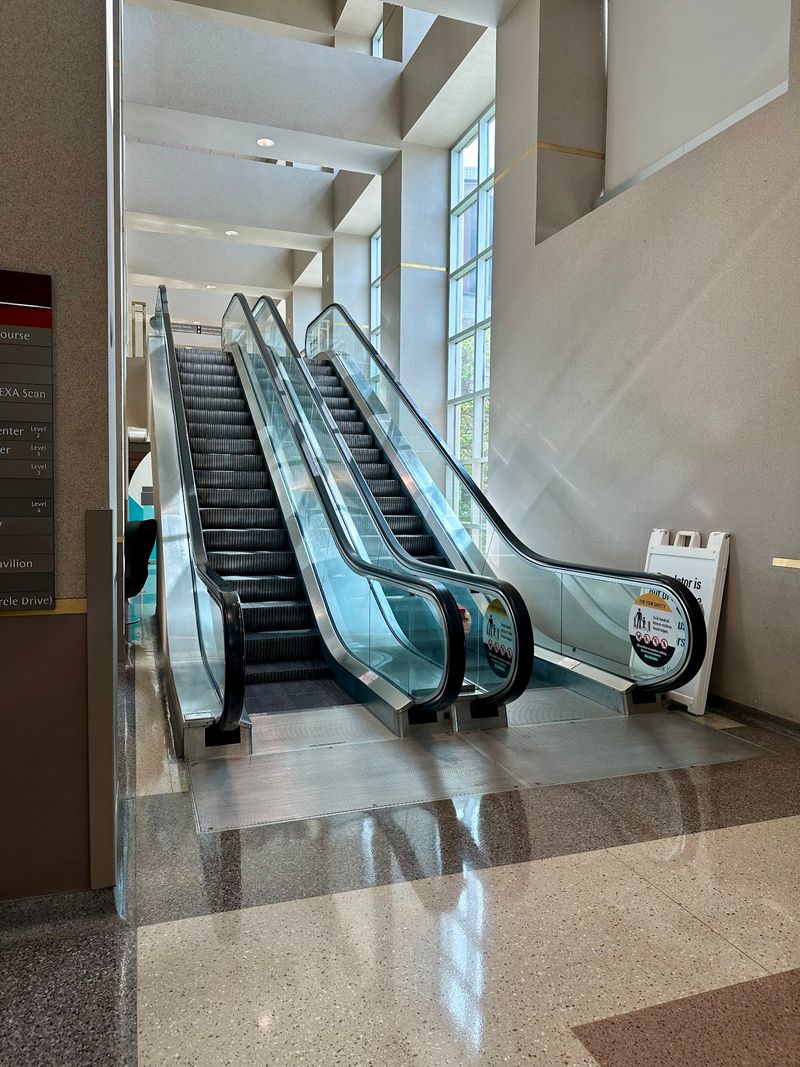
Paperwork often outlasts the hospital stay. Insurance questions come up a lot at a system this large, and separate charges for physicians and hospital services can arrive on different bills, sometimes months after the visit.
Nebraska Medicine offers a low income assistance program that can help cover costs for patients who qualify. Eligibility is reviewed using income documents such as W-2 forms, pay stubs, and bank statements, and approval in one year does not guarantee approval the next.
So what can a patient do to stay ahead of surprises? Ask for an itemized bill, keep copies of every statement, and write down the date, time, and name of each person you speak with on the phone.
If your insurance company says a claim should be covered, request that the hospital resubmit it and keep a record of that conversation too. When income has changed recently, explain the new situation up front so the review reflects your current reality.
Patient relations is the department to contact with concerns. Responses can take time, so following up in writing creates a clear trail and keeps the conversation moving.
Parking, Valet Lanes, and Wheelchair Drop-Offs
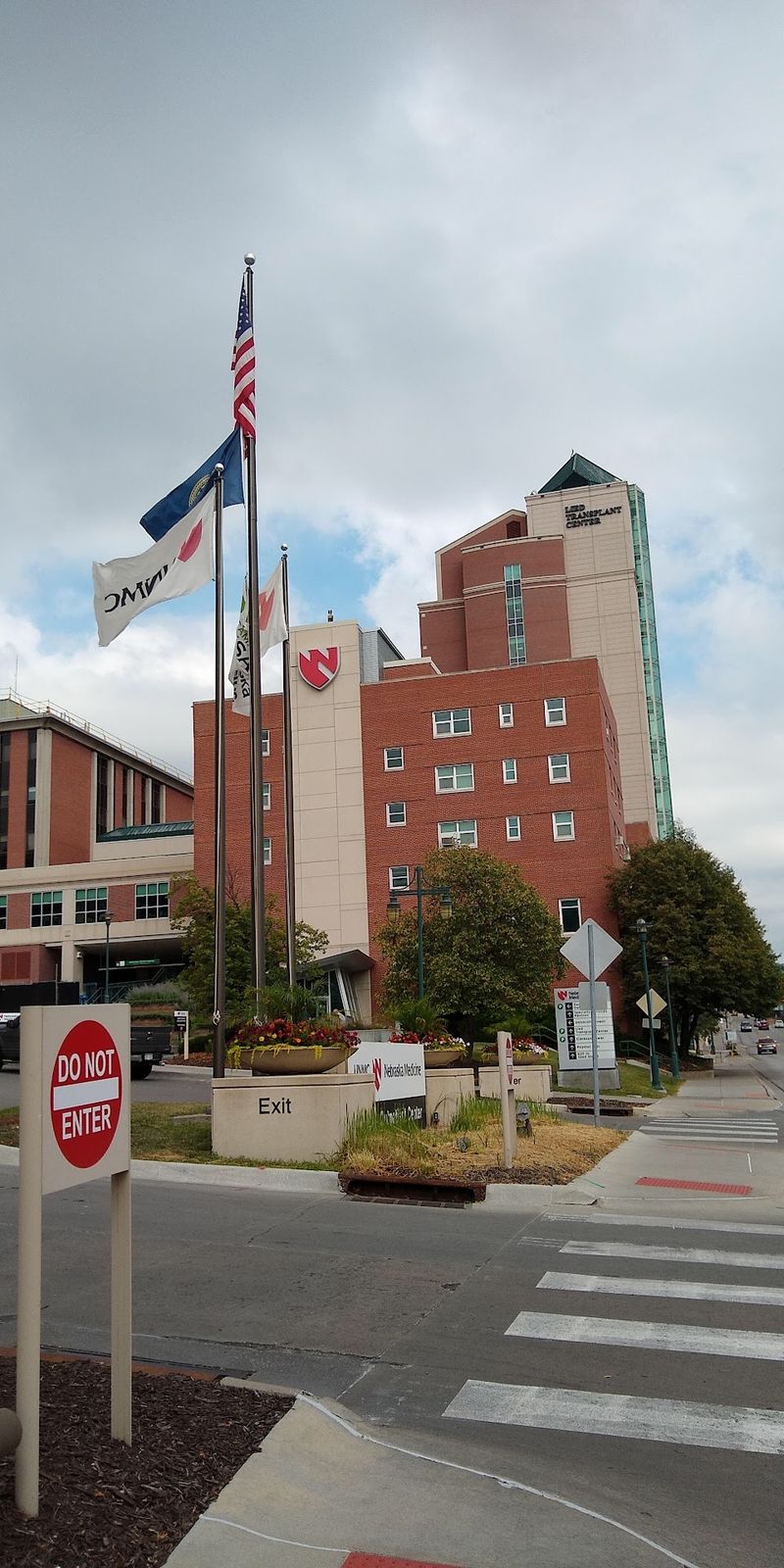
Curbside chaos is a familiar scene at big hospital entrances, and this one is no exception. Valet service operates near the doors, which can be handy on a rushed morning but also means some of the closest spots are held for valet use.
Families bringing someone in a wheelchair should plan the drop-off carefully. Look for a curb with a ramp before you stop, since not every section beside the valet lane offers an easy way to roll a chair down to the pavement.
When in doubt, ask an attendant to point out the accessible drop-off zone. Taking a minute to confirm the right spot beats wrestling a wheelchair over a curb while traffic stacks up behind you.
Parking garages connect to several buildings, so check which garage sits nearest your appointment before you arrive. That one step can trim a long walk through corridors, which matters for patients with limited mobility.
Omaha traffic on weekday mornings can slow the final stretch toward Dewey Avenue. Leaving early and building in a buffer turns a stressful arrival into a manageable one.
Who This Omaha Hospital Suits Best
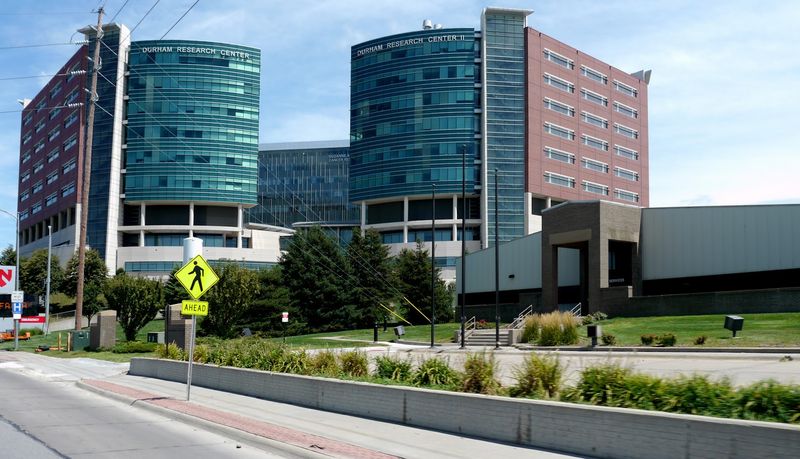
Complex cases are where this campus shines brightest. Severe injuries, heart surgery, cancer treatment, and conditions that need several specialists working together all fit the kind of care a large academic hospital is built to deliver.
Rural Nebraskans with a referral in hand often land here after a hometown clinic reaches the limit of what it can safely handle. For them, the trip to Omaha opens doors to equipment and expertise that simply are not available in every county.
Simple, routine needs can be a different story. A quick checkup or minor issue may be handled faster and more personally at a smaller clinic closer to home, without the walking, waiting, and layered communication that come with a system this size.
Patients who do best here tend to come prepared. They carry a list of questions, bring a trusted family member, and ask for clarification whenever instructions feel fuzzy.
Out-of-state patients arrive regularly too, drawn by particular specialists or programs. Their presence turns the campus into a quiet meeting point where Nebraska farm towns share elevators with families from far beyond the state line.
A Fair Final Word
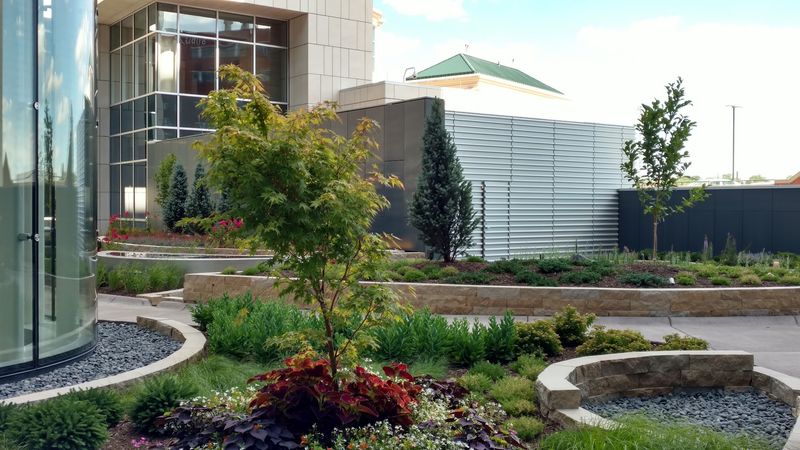
From a sanatorium in a converted Kearney mansion to towers rising over midtown Omaha, Nebraska has a long track record of turning small medical beginnings into something much larger. Nebraska Medicine Nebraska Medical Center is the most visible result of that ambition today.
It is open around the clock, packed with specialists, and capable of handling cases that would have sent families out of state not so long ago. Moments of great kindness, from trauma nurses to cheerful surgeons, sit right alongside the frustrations that come with any huge system, such as long waits, tangled billing, and hard-to-reach phone lines.
The smartest approach is to treat a visit like a project. Gather your records, write down your questions, bring an advocate, and keep notes on every call.
Nobody drives to a hospital for fun. Still, knowing what to expect before you pull into that garage on Dewey Avenue can make a hard day a little lighter.
And if you ever find yourself lost in those corridors, take heart. Somebody in scrubs will likely be along shortly to point the way.