Over 1,000 Pairs Of Spurs And Saddles Fill This Western Museum In Idaho’s Magic Valley
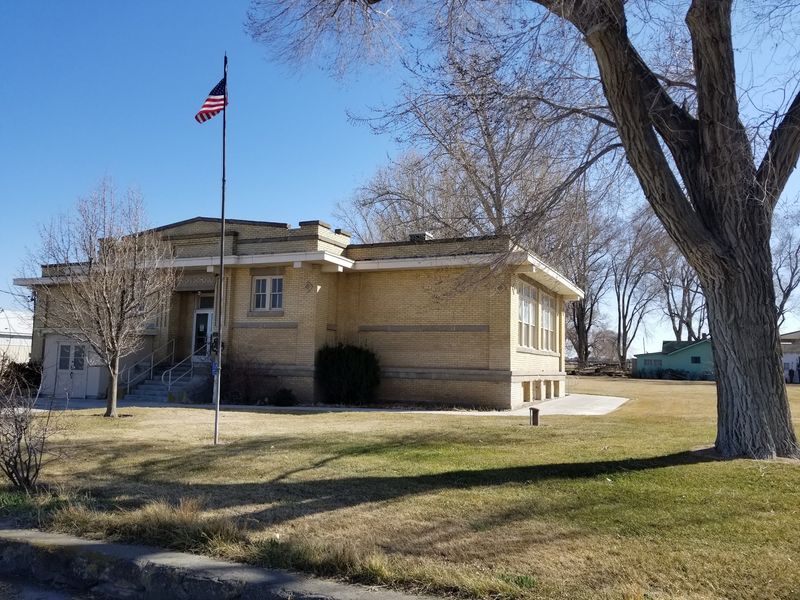
An old brick schoolhouse sits beside a busy highway in southern Idaho, and plenty of drivers pass it for decades without slowing down. Step inside, though, and the classrooms hold lace, tools, appliances, and keepsakes from the families who turned sagebrush into farmland.
Walk out the back door and the story keeps going, with outbuildings, a steel barn of big machines, and playground equipment older than most grandparents. For a free afternoon that teaches kids how Idaho ranch and farm life once worked, this little campus delivers far more than its front porch suggests.
A Schoolhouse Museum On US-30
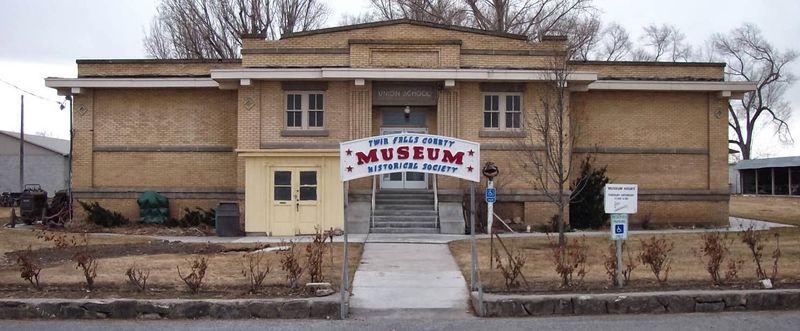
Out on US-30, between Twin Falls and Filer, a sturdy old school building sends a quiet signal to anyone paying attention. Inside and behind it, the Twin Falls County Museum keeps the early chapters of this corner of the Magic Valley on display.
Run as a home for county history, the museum gathers objects from the years when irrigation canals transformed dry Snake River Plain ground into fields and ranches. Visitors find household goods, farm tools, machinery, and personal treasures that local families have handed over to be saved rather than forgotten.
What surprises first-timers is the scale. The schoolhouse is only one piece of the property, and the grounds stretch out back with several outbuildings, a large steel structure, a lawn, and even vintage playground gear.
Plenty of travelers come for the Western heritage angle, hoping to see how cowhands, farmers, and homesteaders lived. The collection answers with practical, everyday items rather than glossy exhibits, which makes it feel grounded and personal.
Think of it less as a polished gallery and more as the county attic, carefully sorted and labeled by people who care about the region.
Curry Crossing And The Old Union School
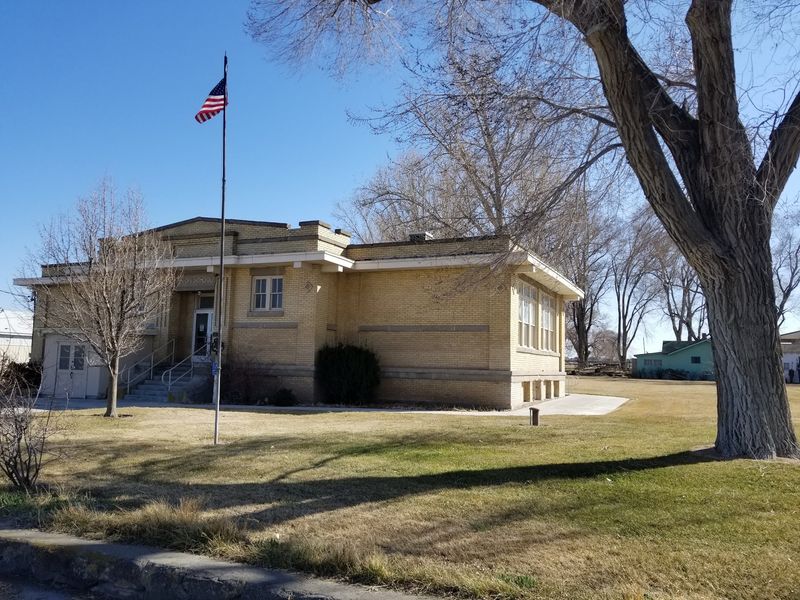
Long before it held exhibits, the building at Curry Crossing rang with recess bells. The museum lives in the old Union School, a rural schoolhouse that served farm kids from the surrounding area.
Former students still return, and their memories add a layer no placard can match. One visitor who attended in the late 1940s came back, spotted lace made by his grandmother in a display cabinet, and remembered a friend getting his tongue stuck to a frozen railing one winter.
He signed the school log before leaving, a small ritual that connects the building to the people who once sat in its desks.
The museum also hosts occasional school reunions, so the classrooms continue to gather alumni from time to time. That ongoing link keeps the place feeling lived-in rather than frozen.
Finding it is simple. The address is 21337 US-30 in Filer, right along the main highway west of Twin Falls, so it makes an easy stop on a Magic Valley drive.
Look for the brick school and the cluster of buildings behind it, since the outdoor exhibits begin just past the parking area.
Cabinets Packed With County Keepsakes
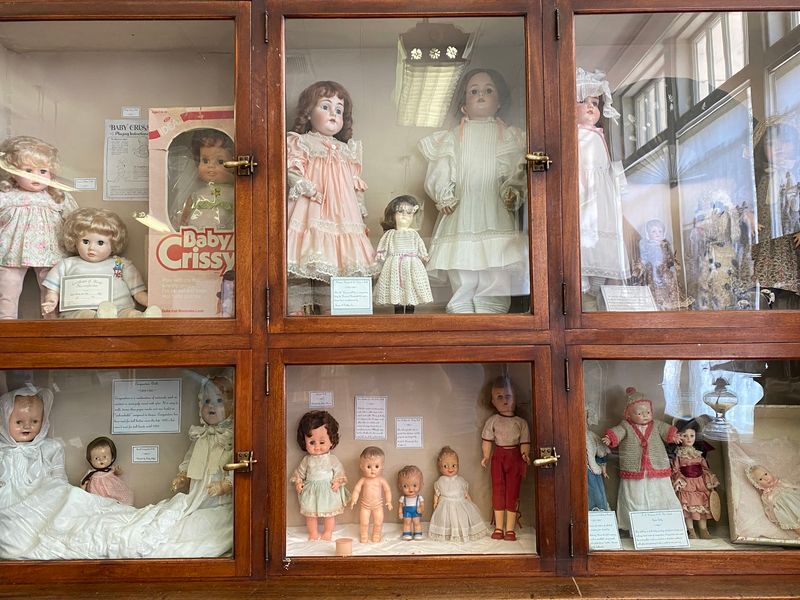
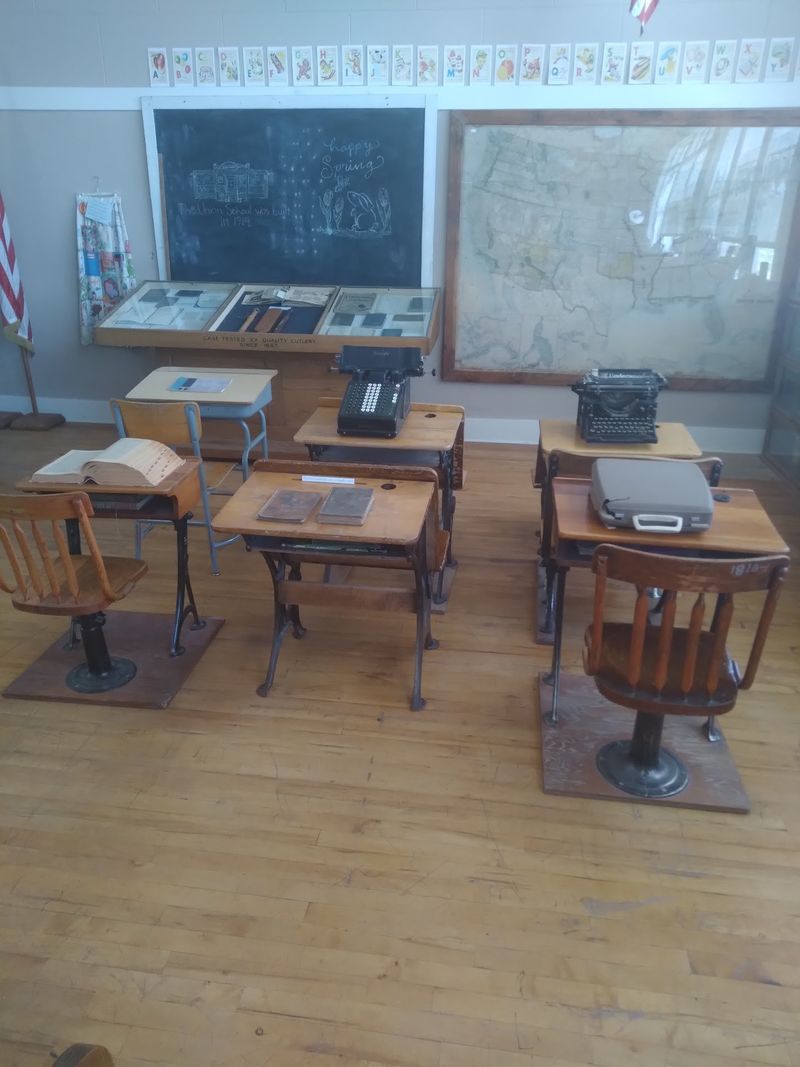
Grandmother’s lace, worn kitchen tools, faded photographs, and dishes that once sat on homestead tables fill the cases inside the main building. Visitors describe a huge number of old artifacts packed into these rooms, and the variety is what keeps people lingering.
Displays are arranged in a way guests call well laid out, with stories that explain how Twin Falls County began and how its towns and people grew through the 1900s. Rather than one big theme, the exhibits move from household life to work life to community life, giving a fuller picture of early settlement.
Antique lovers tend to slow down here most. Each cabinet seems to hold something a visitor recognizes from an old family farmhouse, which sparks plenty of pointing and storytelling among groups.
Special events sometimes fill the space with even more color. One family arrived on the day of a quilt show and found the rooms decorated with handmade pieces, a fitting match for a building devoted to Idaho craft and daily life.
Budget roughly an hour indoors if old objects speak to you. Curious kids may move faster, but the details reward a second pass.
Machines That Marked The Decades
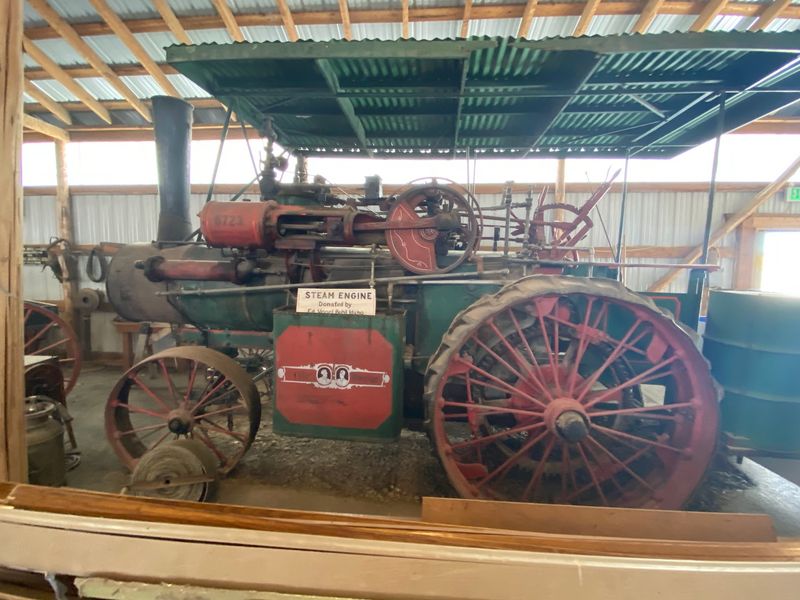
Gears, cranks, and cast iron tell a story of their own. Guests interested in how machines and appliances improved over time find the museum unexpectedly absorbing, since the collection traces that progress piece by piece.
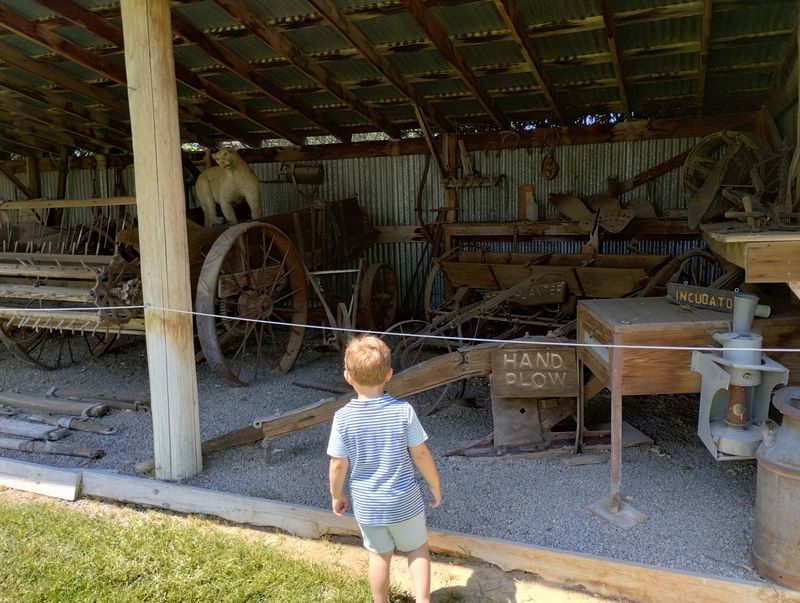
Out back, a giant steel building shelters the biggest items on the property, and visitors who wander in often call the contents huge goodies. Farm implements also sit outside on the grounds, giving a hands-on sense of the equipment that worked Magic Valley fields once irrigation water arrived.
For ranch and farm families, these tools meant everything. Planting, harvesting, hauling, and keeping a household running all depended on sturdy, practical gear, and seeing it up close helps explain why the region looks the way it does today.
Kids usually respond to the sheer size. A towering old implement makes a stronger impression than any textbook picture, and it opens easy conversations about how hard daily work used to be.
A quick tip from past summer visitors: the outbuildings can get hot on scorching days. Plan this part of the tour earlier in your visit, carry water, and save the cooler indoor rooms for later if the Idaho sun is blazing.
Out Back Among The Outbuildings
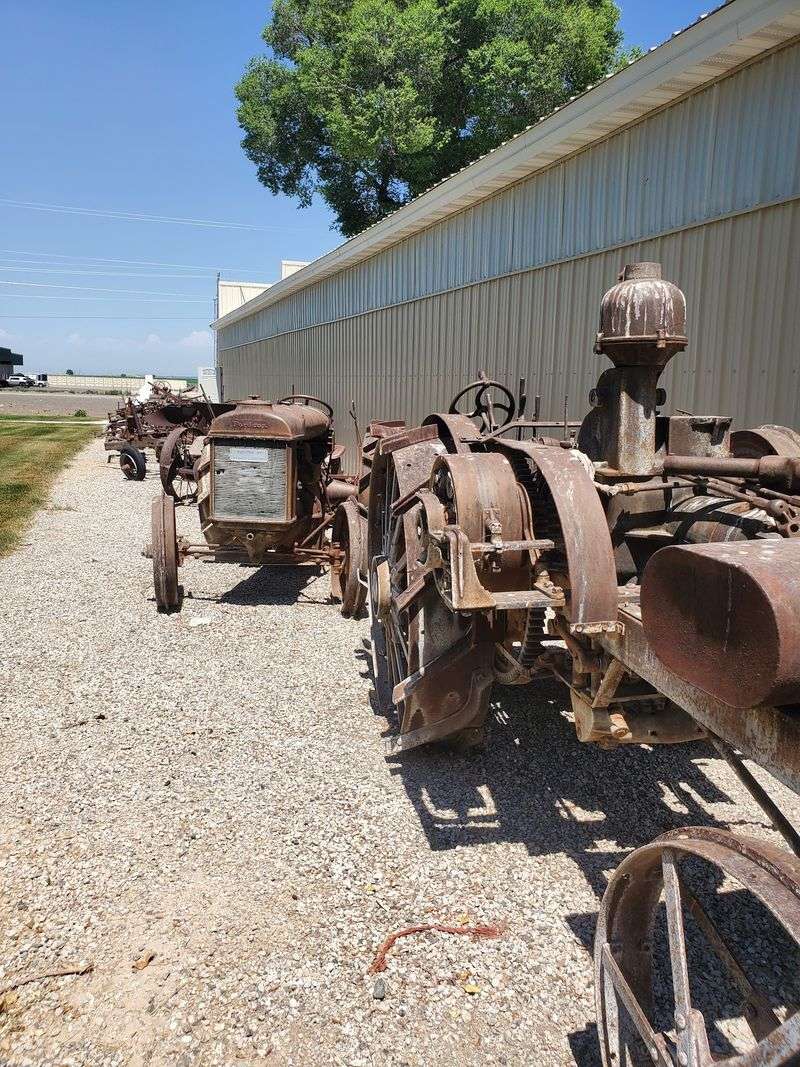
Open the back door and the museum suddenly doubles in size. One longtime local admitted to driving past for about thirty years before stopping, then being amazed at everything waiting behind the school.
Several outbuildings dot the property, and guests explore them on self-guided tours at their own pace. Each structure offers a different slice of early life, and visitors describe the history you pick up from them as both fun and eye-opening.
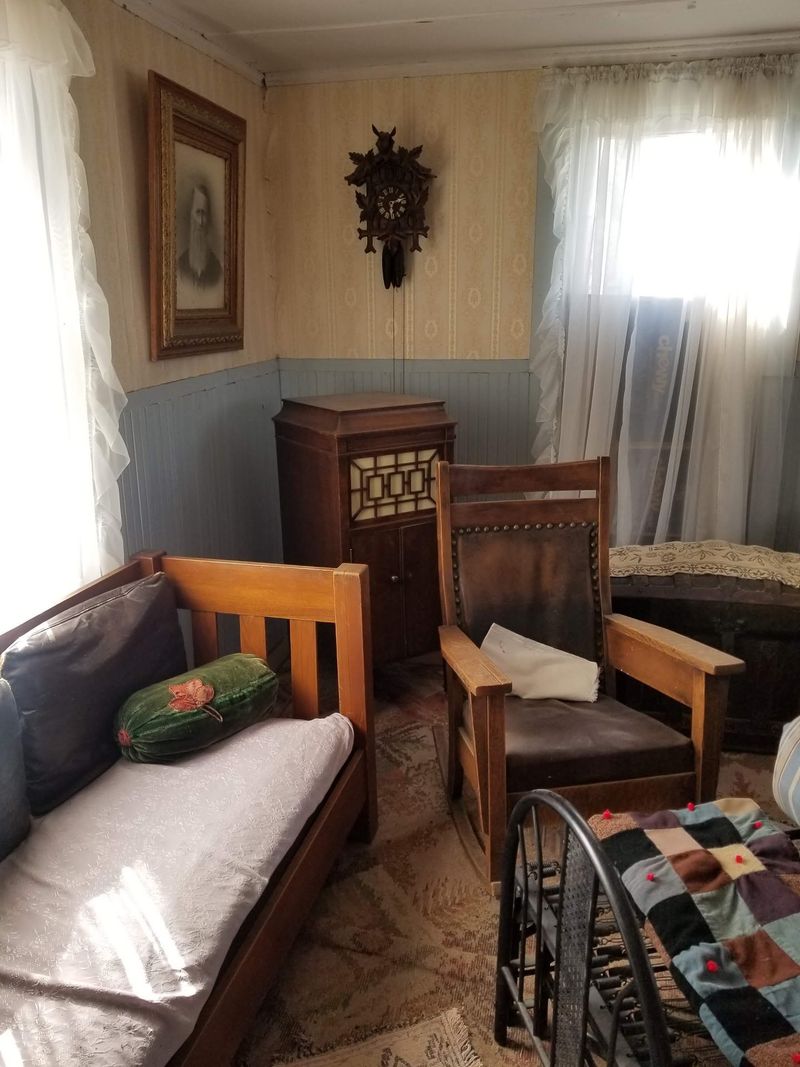
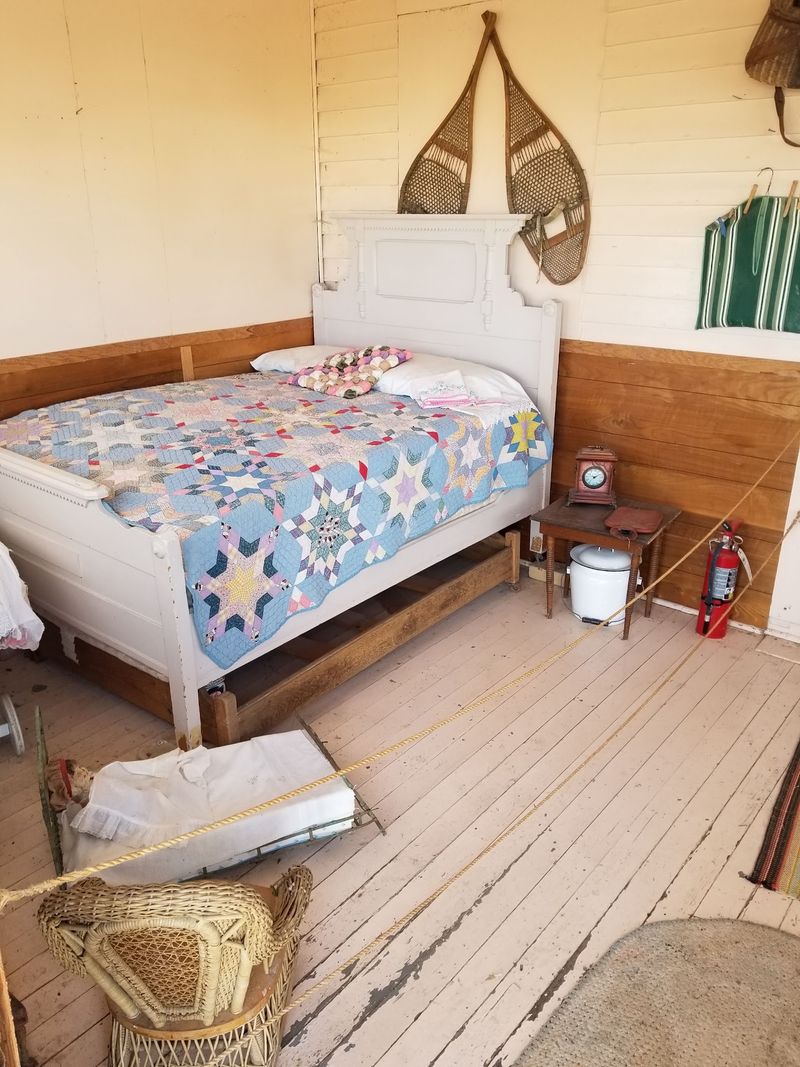
An old house in back is a particular favorite with children. Stepping into a real home from an earlier era makes the past feel close, from the cramped rooms to the simple furnishings that families once relied on.
Walking from building to building also gives a feel for the setting. Open Magic Valley sky stretches overhead, the lawn spreads between structures, and the views across the property add a sense of the farm country that shaped the county.
Wear comfortable shoes, since this part of the visit involves some strolling over grass and gravel. It is easy to lose track of time out here, so leave room in your schedule rather than squeezing it into a quick ten minutes.
Swings And Slides From Another Era
Few museums let kids climb on the exhibits, yet here that is half the fun. Old playground equipment sits on the grounds, and families mention it again and again as a highlight.
Parents describe children having a blast on the vintage gear, the kind of sturdy metal swings and climbers that once stood beside rural schoolhouses. It adds a playful break between indoor displays and lets young visitors burn off energy before the next building.
Grown-ups get something from it too. For older Idahoans, the equipment can trigger memories of their own recess days, and it quietly shows how much playgrounds have changed.
Nearby, a lovely lawn and a table offer a spot to sit and enjoy the fresh air. Bringing a simple snack and taking a pause here turns a museum stop into a relaxed family outing, especially on a mild spring or fall afternoon in the Magic Valley.
Supervise little ones closely, since this is historic equipment rather than a modern park. Still, few sights capture the spirit of the place better than kids laughing on swings that once served schoolchildren generations ago.
Who Feels Right At Home Here
Grandparents with grandkids, history buffs, and antique hunters all seem to find their rhythm on this campus. The mood is unhurried and homey, closer to visiting a friendly neighbor than touring a big city museum.
Staff earn frequent mentions for being friendly and helpful, and guests say you can tell the team truly cares about the history of Twin Falls and the surrounding area. That enthusiasm makes questions welcome and helps first-timers know where to start.
Families with school-age kids may get the most from it. The mix of indoor cases, walk-through buildings, and play space suits short attention spans, and parents note it is a strong place to teach children how life used to be.
Crowds are rarely a concern. Visitors have observed that the museum does not seem heavily visited, which means room to wander and linger without jostling.
Locals rediscovering their own backyard also fit right in. Plenty of Magic Valley residents admit they never stopped until recently, and they leave with a fresh appreciation for how their towns began.
Out-of-towners exploring southern Idaho gain a quick, honest primer on the region before heading on.
Planning Around A Small Staff
Good news first: admission is free. Visitors consistently confirm there is no entry charge, and the museum accepts donations, so dropping a few dollars in the box helps keep the collection cared for.
Hours run in the afternoon several days a week, with the museum closed at the start and end of the week. Schedules can shift, so check the museum website or call ahead before driving any distance.
That advice matters more here than at most places. The museum is a small organization with limited staff, and it occasionally closes unexpectedly, such as when an administrator attends a conference or when snow and ice make the grounds unsafe.
Some travelers have arrived to locked doors with only a small sign posted. Families coming from places like Pocatello should confirm the day before setting out, especially in winter.
Season plays a role in comfort as well. Summer heat can make the outbuildings warm, while late spring and early fall tend to offer pleasant weather for strolling the lawn.
Give yourself at least an hour, and longer if you plan to explore every outbuilding and let kids enjoy the playground.
Worth The Turn Off The Highway
Thirty years of driving past, followed by one afternoon of exploring, sums up the experience for many Magic Valley locals. The modest front of the old school hides a whole campus of stories.
Inside, cabinets of family keepsakes trace how Twin Falls County took shape. Outside, outbuildings, an old house, hefty farm machinery, and swings from another era turn history into something you can walk through and touch.
Free admission, friendly staff, and a peaceful setting make it an easy pick for families, retirees, and anyone curious about southern Idaho roots. Just check ahead, since a small team means the schedule sometimes changes without much warning.
Expectations matter too. Visitors hoping for a flashy, high-tech exhibit hall will find something humbler, yet that simplicity is part of the appeal.
The place feels honest, shaped by local donations and steady care rather than big budgets.
Pair it with a drive along US-30 or a stop in nearby Twin Falls for a full Idaho day out. For a slow, low-cost outing that leaves kids asking questions and adults trading memories, this schoolhouse on the highway earns a spot on the list.