This Missouri Italian Bakery Has Been Hand-Rolling Old-World Cannoli For Decades
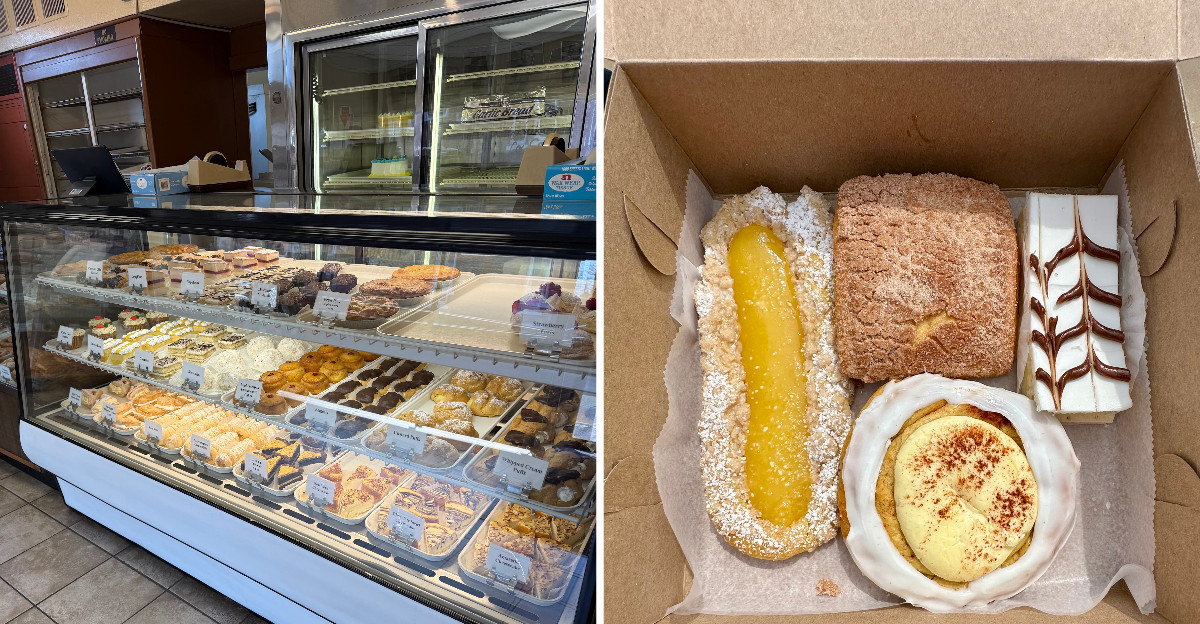
There is a very specific sound that means you chose the right cannoli: crack first, cream second.
One Missouri Italian bakery has been getting that little moment right for generations.
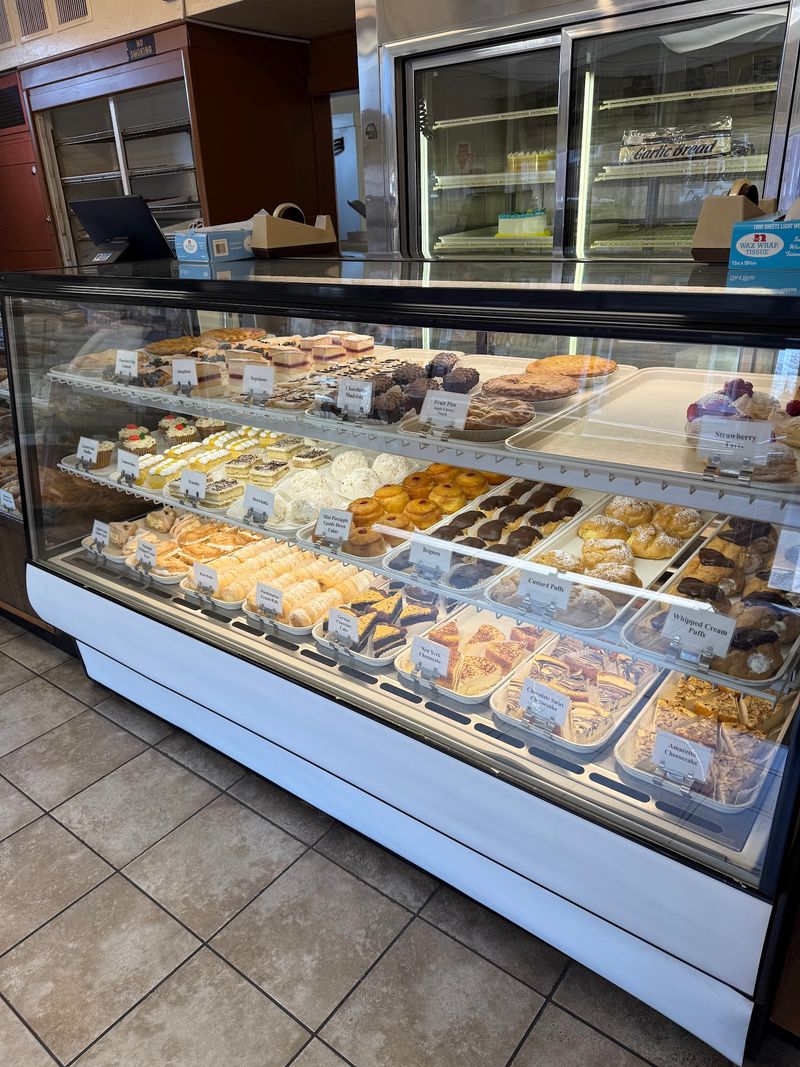
The shop is simple, the line moves, and the glass cases are packed with cookies, cakes, puffs, and old-world pastries that make choosing almost unfair.
Then the cannoli show up. Game over!
The family history adds warmth, but the sweets do not need nostalgia to carry them. They are good enough on their own.
A quick stop can easily turn into a boxful of “for later,” and we all know how long later lasts.
A Century Of Sugar And Grit
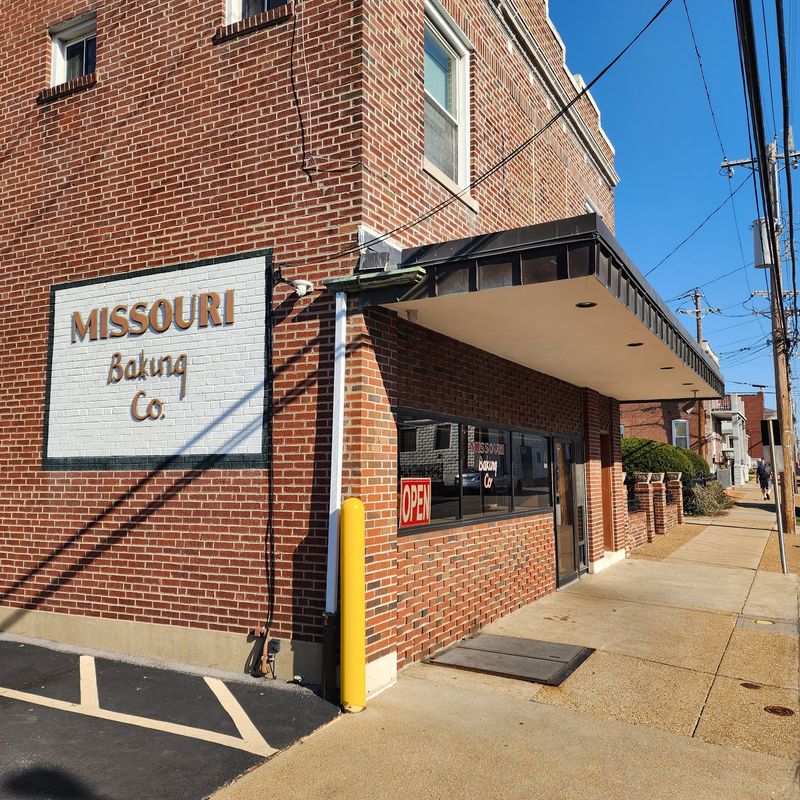
An Italian immigrant opened Missouri Baking Company in 1924, establishing a bakery that would become part of The Hill’s long Italian-American food tradition.
The founding family remains closely tied to the business more than a century later.
Current 2026 trade coverage identifies the founder’s granddaughter as the owner, while a great-grandson is also involved in carrying the bakery forward.
That continuity matters because several of the bakery’s best-known items have remained part of the operation for years. Chocolate Drops, gooey butter cakes, Italian cookies, biscotti, and cannoli still anchor the selection.
The bakery has also adjusted as ingredients, suppliers, and customer tastes have changed. New flavors appear from time to time, but older recipes and familiar specialties continue to shape the cases.
More than one hundred years have passed since the bakery opened, yet its focus remains remarkably straightforward.
The storefront still operates at 2027 Edwards St in St. Louis, right in the heart of The Hill. Current hours run Tuesday through Saturday from 8 a.m. to 4 p.m., with Sunday and Monday closed.
Cannoli Worth Crossing Town For
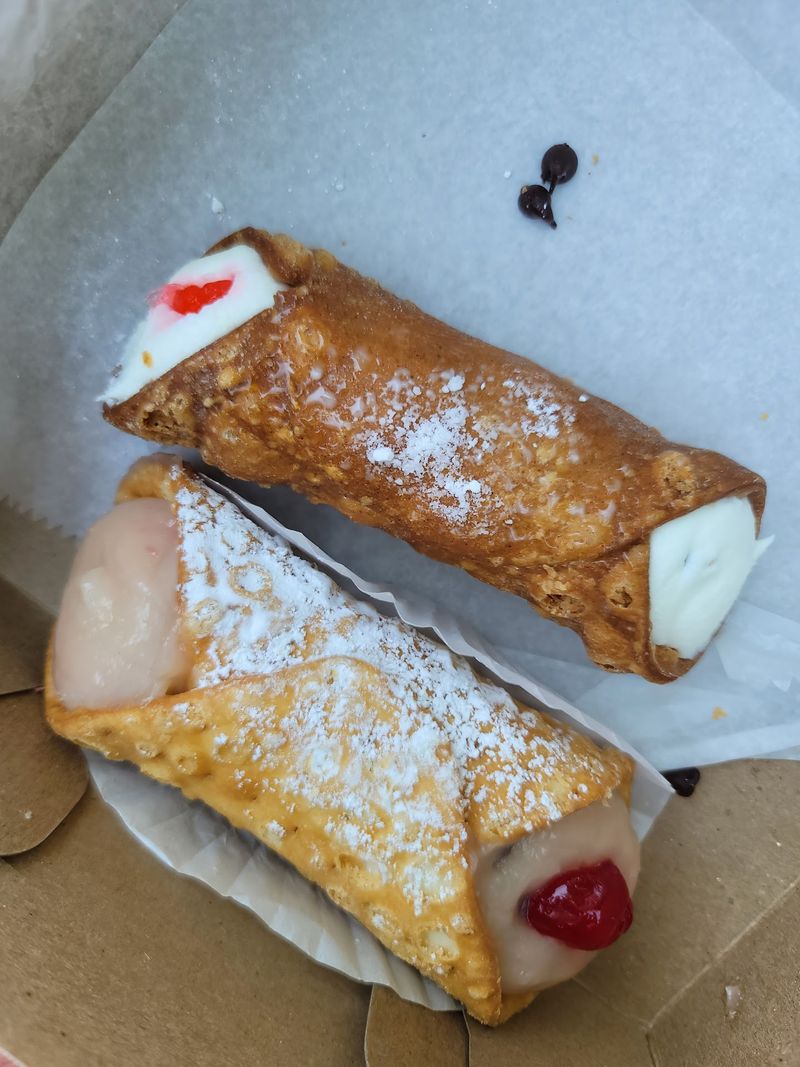
Cannoli have been part of Missouri Baking Company’s identity for decades.
A 1977 account of The Hill already noted that the bakery made several varieties, and current 2026 coverage continues to feature cannoli among its traditional Italian pastries.
Recent coverage also documents shells that are rolled by hand before they are fried and filled. That keeps the pastry connected to the old-fashioned baking methods that have long defined the shop.
Ricotta-filled cannoli remain part of the current selection, alongside other Italian-style pastry choices.
Specific finishes and fillings can vary, so chocolate chips, candied fruit, or other accents should not be treated as guaranteed on every visit.
One bit of Italian pastry trivia still fits nicely here: cannoli is plural, while one pastry is technically a cannolo.
For the best texture, cannoli are worth eating fairly soon after purchase. Once a shell is filled, moisture from the filling gradually softens it.
That balance between crisp pastry and creamy filling is exactly what makes the dessert such a lasting bakery staple.
Take A Number, Friend
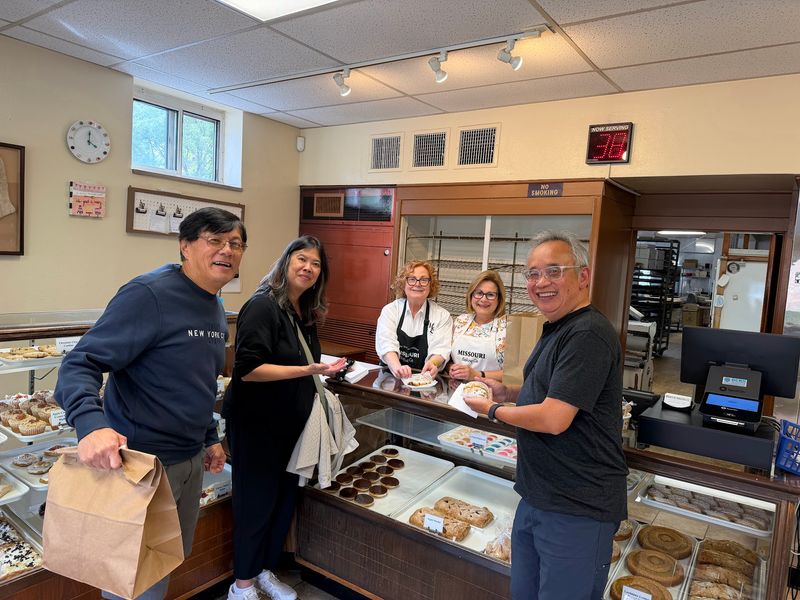
The old ticket system is still part of the bakery routine.
Customers take a number and wait for their turn at the counter, a practical setup for a shop with long display cases and a large selection.
There is no traditional sit-down café area inside. The bakery works primarily as a counter-service stop where orders are boxed for takeout.
Holiday periods can become especially busy. Current industry coverage notes that lines can stretch well beyond the storefront when seasonal orders are being collected.
That makes the waiting time useful for one simple reason: there is a lot to consider before your number is called.
Cookies occupy a large share of the cases, but cakes, pastries, Danish, breads, cheesecakes, puffs, and seasonal specialties expand the choices considerably.
The current schedule remains simple: Tuesday through Saturday from morning to late afternoon.
Visitors who remember the bakery’s older cash-only reputation should not rely on that as a current rule. Payment options have changed over time, so the counter’s posted methods are the relevant ones now.
Gooey Butter Cake Gets Serious
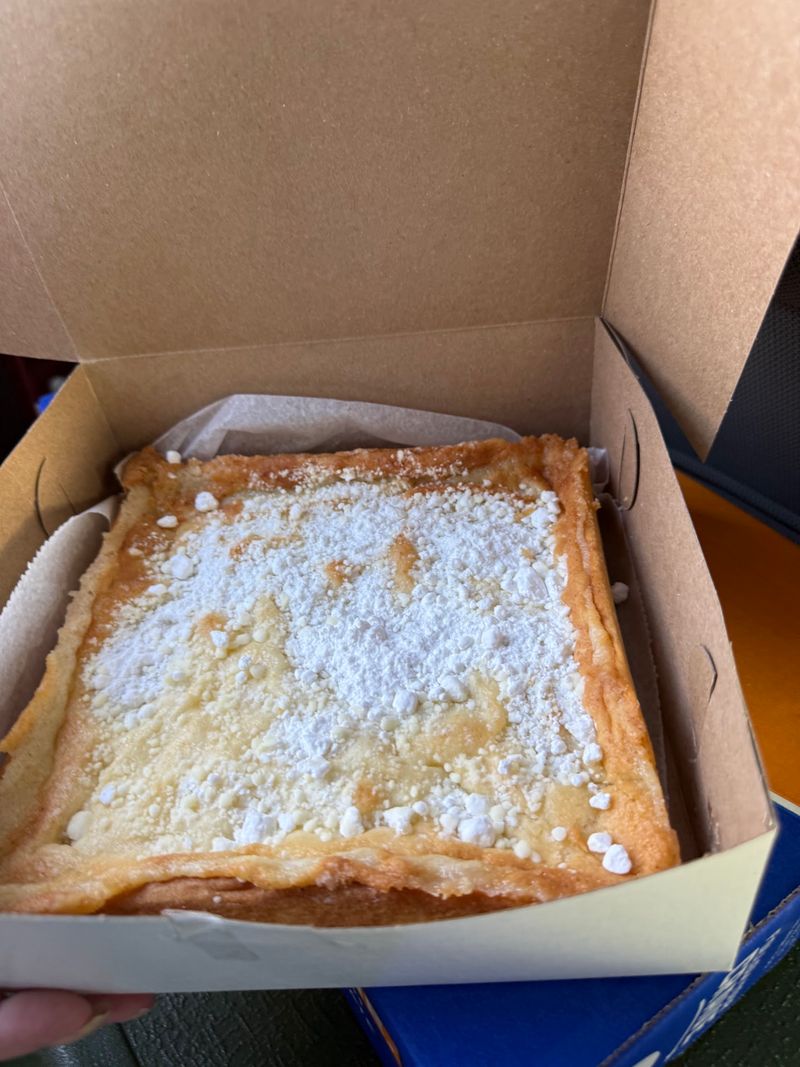
St. Louis has several foods tied closely to its identity, and gooey butter cake sits near the top of that list.
The dessert generally combines a cake or coffee-cake-style base with a soft, rich topping finished with powdered sugar.
Missouri Baking Company has made its own version for decades and continues to sell whole cakes as well as slices.
Plain and cherry remain regular flavors, while another flavor changes with the season. Chocolate chip was among the rotating versions offered in early 2026.
The dessert’s St. Louis origin is often connected to a bakery mixing error, although the exact details vary depending on the version of the story.
What is much easier to establish is its place in local baking culture. Gooey butter cake has been associated with St. Louis for generations, and Missouri Baking Company has become one of the city’s long-running producers.
Whole cakes work well for sharing, while slices make it possible to try the specialty without committing to the larger format.
It sits comfortably beside the Italian pastries as one of the bakery’s most distinctly St. Louis offerings.
Chocolate Drops Steal The Show
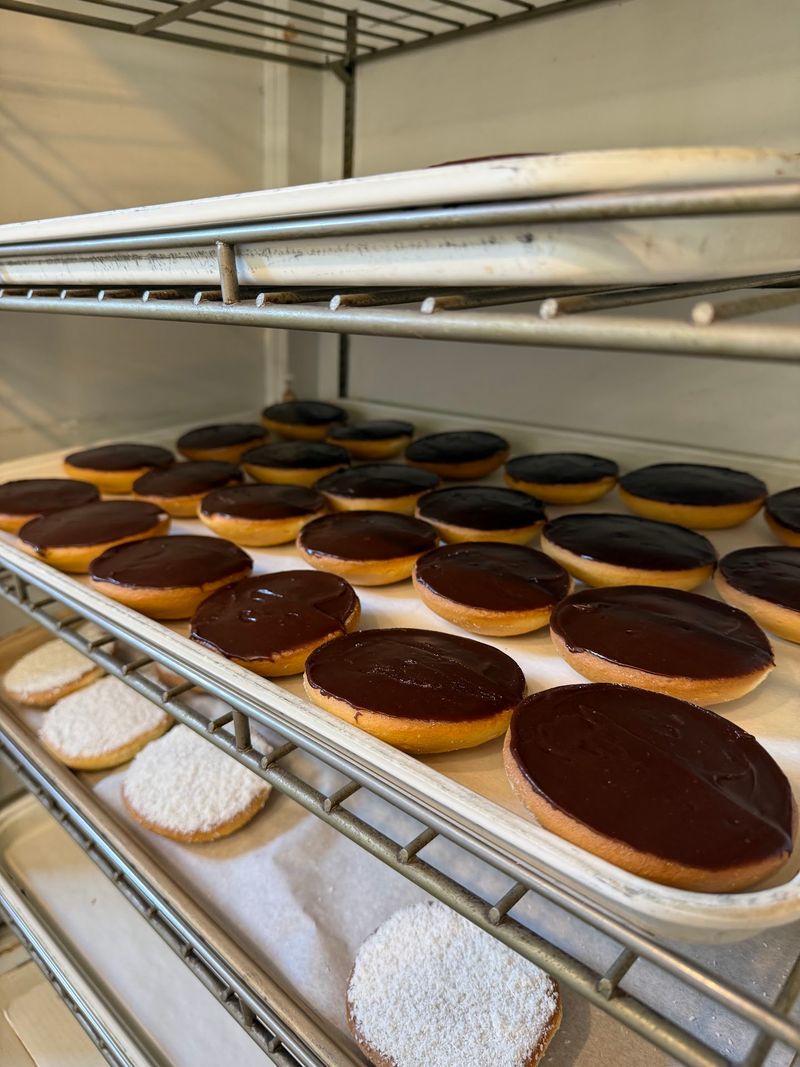
Small and round, Chocolate Drops are one of the bakery’s most recognizable specialties.
Despite their cookie-like shape, they are actually flat yellow pound cakes topped with creamy chocolate fondant.
The bakery has produced them in large quantities for years, especially around major holidays.
One especially busy Christmas Eve period saw hundreds of dozens leave the shop during only a few hours of service, which helps explain why the item remains so closely associated with the bakery.
The basic format has stayed remarkably simple.
A soft cake base carries the chocolate topping, creating a small pastry that fits naturally beside cookies in a mixed bakery box.
Current delivery listings also show Chocolate Drops continuing as an active bakery item in 2026.
They may not have the elaborate appearance of a layered pastry, but their long run on the menu gives them an importance all their own.
That is often the case in century-old bakeries: the simplest items can become the ones most closely tied to the shop.
Cookies By The Pound
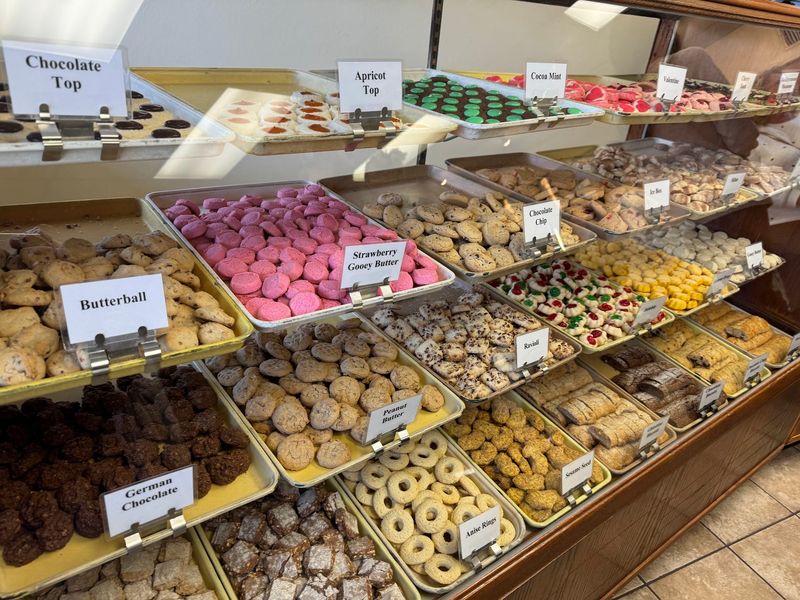
Cookie lovers have plenty to work through here.
The bakery currently makes more than two dozen varieties, many rooted in Italian baking traditions.
Small Italian cookies are sold in assorted quantities, including by the pound, making it easy to build a mixed box instead of choosing only one variety.
Amaretti combine egg whites, almond paste, and sugar. Several kinds of biscotti appear in the rotation, while sesame cookies provide another traditional option.
One of the more unusual choices is the ravioli cookie, made with short dough, coarse sugar, and pecans before being cut with a ravioli cutter.
Cuccidati also have a long connection to the bakery’s holiday lineup. These Italian cookies surround a fig-based filling with raisins, pine nuts, chocolate, and orange zest.
Holiday cookie production becomes especially intense, with large quantities prepared for seasonal gatherings.
Availability can shift from day to day, which is part of the reason the case may look different from one visit to the next.
A mixed box remains one of the easiest ways to sample several traditions at once.
Puffs, Napoleons, And Sweet Surprises
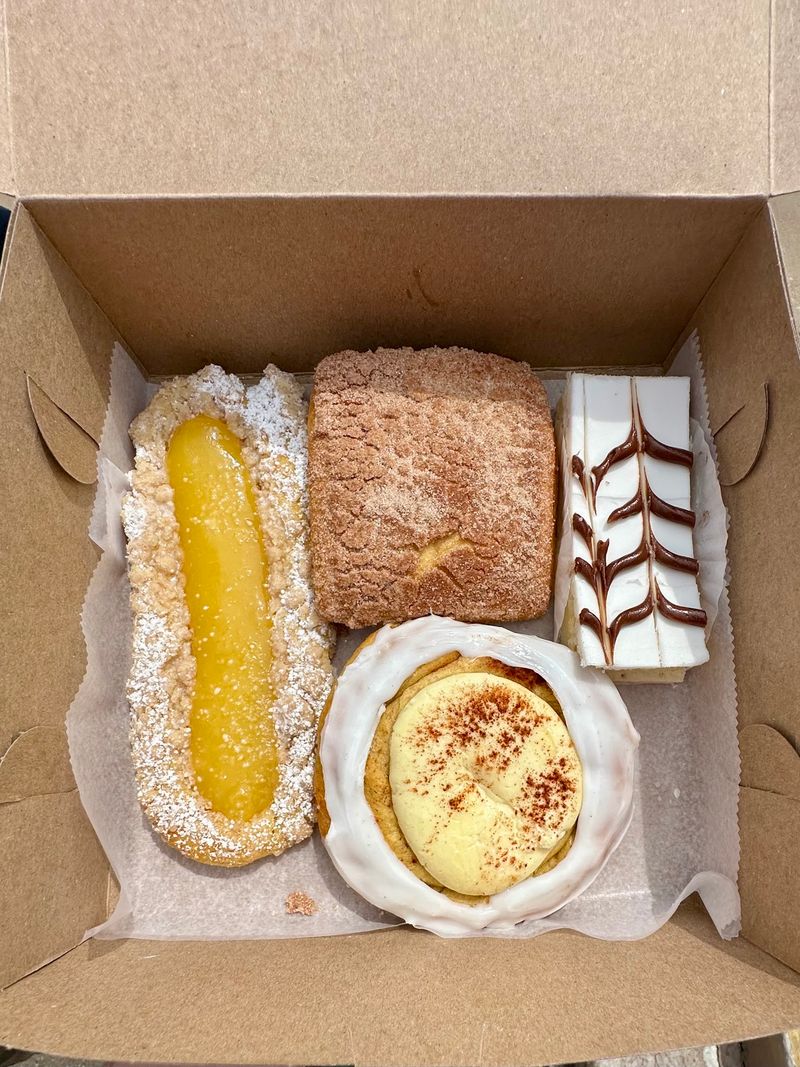
The pastry cases extend well beyond cannoli and cookies.
Custard puffs, cream puffs, Napoleons, cheesecake, Danish, muffins, stollen, cakes, and fresh bread have all remained part of the bakery’s broader selection.
Napoleons bring stacked pastry layers and cream, while custard puffs offer another classic European-style option.
Cheesecake appears in several forms, including amaretto versions, and seasonal cakes expand the selection further.
Stollen and Danish reflect the bakery’s broader European influence beyond its Italian foundation. Fresh bread gives the cases a savory counterpoint to all the sugar.
The strongest documented range remains traditional pastries, cookies, cakes, breads, and seasonal specialties.
Broad claims about gluten-free, dairy-free, or sugar-free availability should be handled carefully because the selection can change and cross-contact information is not consistently published.
Special-order cakes and holiday baking also remain part of the operation, giving the bakery a role in celebrations as well as everyday visits.
With this much variety, choosing one item may be harder than finding something appealing.
Heartbeat Of The Hill
Fire hydrants painted red, white, and green set the mood before you even park. The Hill is the historic Italian neighborhood of St. Louis.
Italian immigrants began arriving in the area in the 1880s, many drawn by work in nearby clay mines and brick operations.
By the early twentieth century, the growing community supported its own grocers, bakeries, churches, merchants, and other neighborhood businesses.
Missouri Baking Company joined that landscape in 1924 and remains at 2027 Edwards Street more than a century later.
The neighborhood still contains Italian restaurants, bakeries, specialty markets, bocce traditions, brick homes, and the distinctive hydrants painted in the colors of the Italian flag.
A bakery stop can easily pair with a walk through the surrounding blocks.
Nearby storefronts continue the neighborhood’s long food tradition, while St. Ambrose and other landmarks give the area a stronger historical context.
Missouri Baking Company is only one piece of that larger story, but its century of continuity makes it an unusually visible one.
Every cannolo, cookie, loaf, and Chocolate Drop connects the bakery’s present-day counter with a neighborhood food culture that has been evolving for generations.