Once A Railroad Depot, This Nebraska Building Now Serves Breakfast Under Its Original Ticket Window
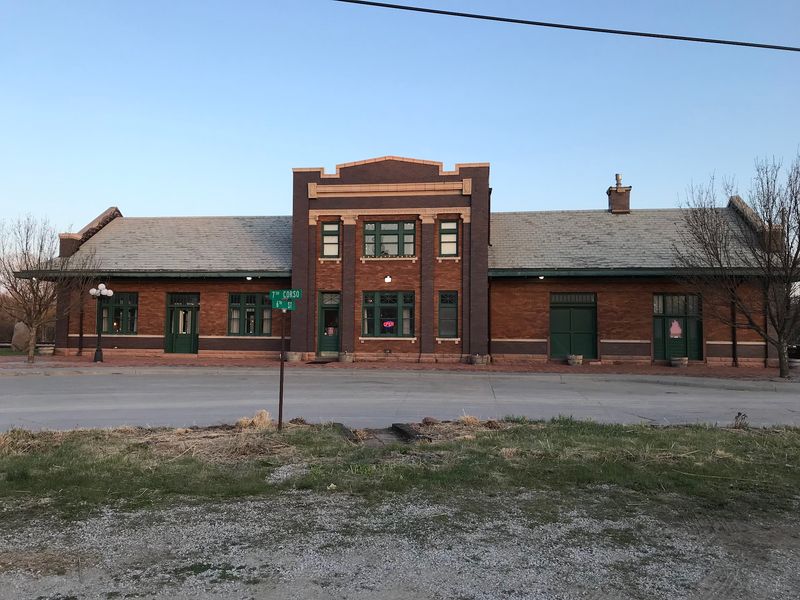
The plan was simple: find coffee, find eggs, and get back on the road through southeast Nebraska. Then a long brick building with deep eaves and railroad bones came into view, and the plan fell apart in the best way.
Inside, breakfast plates were landing on tables in a room that once sold train tickets. Some meals fill you up, and some come with a century of stories on the side.
A Brick Depot on South Sixth Street
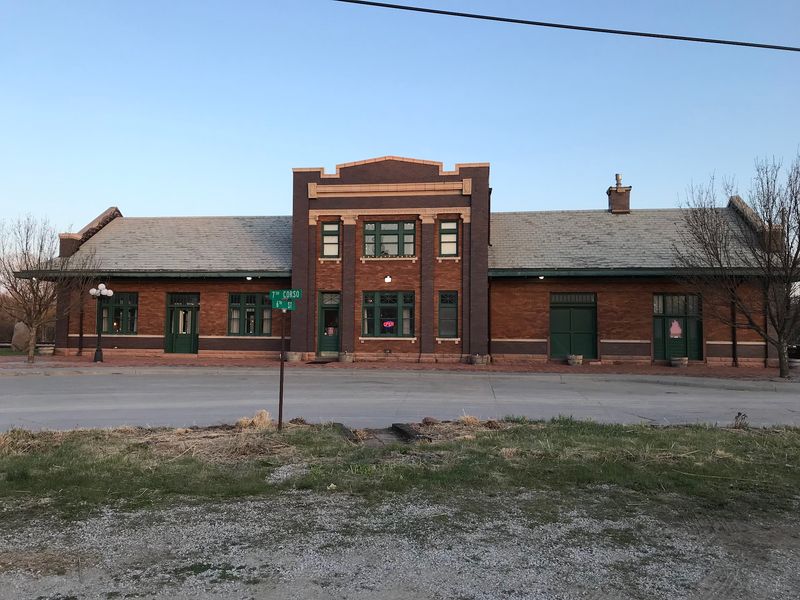
Picture a long, low brick station sitting beside the tracks at 725 South 6th Street in Nebraska City. The roofline stretches out like it is still expecting a crowd of passengers with suitcases.
From the curb, it looks more like a museum piece than a place to order pancakes.
Here is the twist. That old station is a working restaurant, and the building has fed hungry people through more than one chapter.
It has carried the name The Depot Kitchen, it has served dinners of steak and seafood, and it has even spent time as an Italian spot.
Today the newest chapter is a family-run kitchen called Grams Place, which opened in 2025 and serves breakfast every day. The tracks still run nearby, and the walls still hold the shape of the depot they were built to be.
So what exactly makes a train station a good home for a breakfast table? A lot, as it turns out.
High ceilings, big windows, and a layout built for people to wait, talk, and linger all happen to suit a slow morning meal. The sections ahead walk through the history, the food, the room itself, and the practical details for planning a stop.
The Burlington Route Years of Nebraska Rail
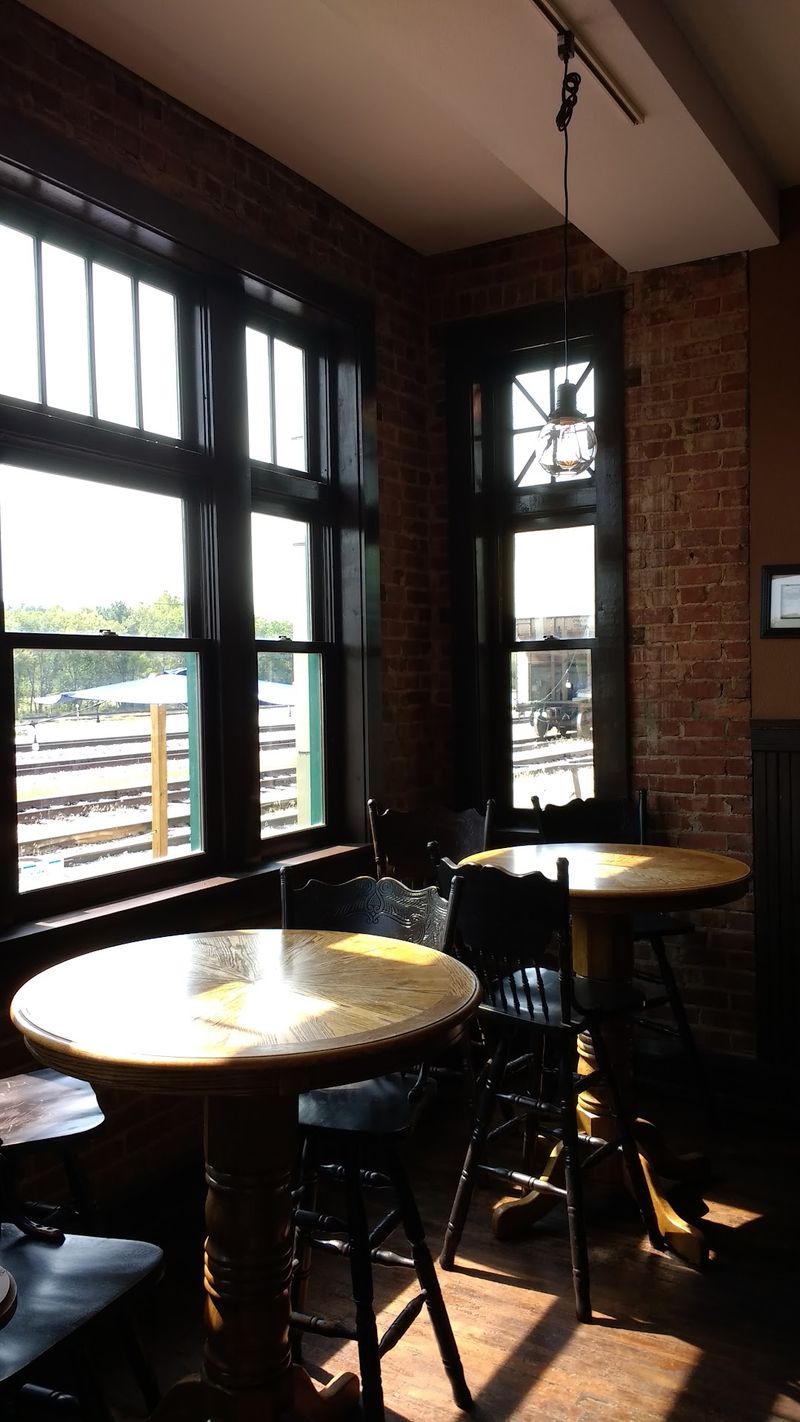
In 1912, the Burlington Railroad finished this depot, and Nebraska City gained a front door to the wider world. Trains on the Burlington Route linked the river town to a big web of destinations.
Freight came and went, and so did families, salesmen, students, and soldiers heading out or coming home.
Think about what that meant back then. Before highways crossed the state in every direction, the depot was where news arrived, where mail was sorted, and where goodbyes were said.
A trip to anywhere started with a walk up to the ticket window and a question about the next train.
Railroads shaped towns all over the state, deciding which ones grew and which ones stayed small. Nebraska City already had deep roots along the Missouri River, and the rail line tied those roots to markets far beyond.
None of that history is hidden behind glass today. It sits right in the bones of the building, in the platform side facing the tracks and in the waiting room that now holds tables.
Eating breakfast here means sitting where travelers once checked their pocket watches and listened for a whistle down the line.
Renaissance Revival Lines in Red Brick
Railroad companies in the early 1900s liked to show off, and the Burlington did not hold back here. The depot was built in the Renaissance Revival style, a look borrowed from grand European buildings and scaled down for a prairie river town.
What does that look like in person? Expect balanced, orderly proportions, careful brickwork, and windows set in neat rhythm along the walls.
The roof reaches out past the walls so passengers could stand on the platform without getting soaked in a spring storm.
Small details reward a slow walk around the outside. Look at how the corners are finished, how the trim frames each opening, and how the whole structure sits low and wide, like it was designed to stay put for a very long time.
It has done exactly that.
Many depots from this era were plain wooden boxes that eventually disappeared. A brick station with this much style survives because it was built to impress, and that sturdiness is part of why it can still host a restaurant more than a century later.
Before heading in for breakfast, give the building five minutes of attention from the parking area. The architecture is half the meal.
When Passenger Trains Stopped Calling
Cars got faster, highways got wider, and passenger rail service across the country slowly faded. Grand old depots that once bustled every day suddenly had far less to do.
Plenty of them stood empty, and many were torn down.
This one took a different path. Instead of becoming a memory, the Nebraska City depot was reused, and reused again, each new owner finding a way to keep the doors open and the lights on.
Freight trains never stopped rolling past, which gives the place an unusual advantage. Most repurposed stations sit beside abandoned tracks or walking trails.
Here, the rails are still live, so the building has never fully lost its connection to the thing it was built for.
Restaurant life has suited the old waiting room. The room was designed for people to gather, sit, and pass time, so swapping benches for dining tables was a natural fit rather than a stretch.
Different owners have put different menus inside these walls over the years, from upscale dinners to Italian plates. Each one added a layer to the story, and each one helped keep a piece of town history standing tall on South 6th Street.
A Family Kitchen Named for Gram
Every family has that one person whose kitchen felt like the center of the world. For one Nebraska City family, that person was Virginia, known to everyone simply as Gram.
After Virginia passed, her daughter Millie and son-in-law Bruce teamed up with granddaughter Barbara and her husband Adrian on a big project. They took on the retired train station and carefully transformed it into a restaurant built around her memory.
The result opened in 2025 under the name Grams Place.
The idea behind it is easy to understand. Meals here are meant to feel like the gathering at a family table, the kind where somebody always offers seconds and nobody rushes you out the door.
It is comfort cooking with a story attached.
There is something fitting about a family tribute landing inside a depot. Stations were always places where families reunited after long trips, hugging on the platform before heading home to eat together.
Now the same building hosts a different kind of homecoming. Two generations working side by side, honoring the woman who fed them, inside a landmark that has watched Nebraska City change for over a hundred years.
That is a lot of heart for one brick building.
Breakfast Under the Old Ticket Window
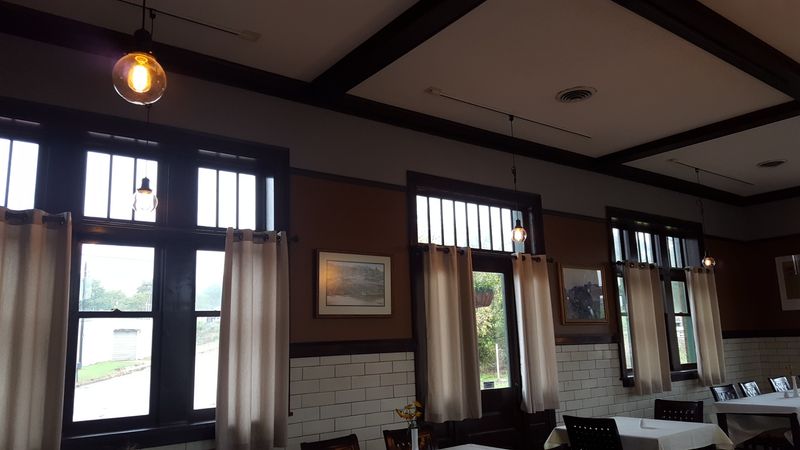
Coffee steam drifts past the spot where agents once handed over train tickets and called out departure times. That original ticket window is still part of the room, and now it watches over plates of breakfast instead of lines of travelers.
Grams Place serves breakfast daily, which makes it an easy anchor for a morning drive. It fits the start of a road trip, a slow weekend with family, or a reason to finally see the inside of the depot after years of driving past it.
Breakfast and train stations share an old bond. Early trains meant early risers, and depot lunch counters across the country once poured coffee for passengers before dawn.
Eating eggs here feels like picking that tradition back up after a long pause.
The menu leans toward diner comfort rather than fussy brunch plates. Think of the food a grandmother would set out for a houseful of hungry people, served in a room with real history on every wall.
Grab a seat with a view of the window if one is open. It is a small detail, but it turns an ordinary breakfast into a conversation starter that lasts the whole meal.
Catfish, Steaks, and Tenderloins After the Morning Rush
Breakfast is the headline, but the kitchen does not clock out once the pancakes are gone. Grams Place also serves a lineup of diner classics, along with catfish, steaks, and tenderloins.
That tenderloin deserves a special mention for anyone who grew up in this state. A breaded pork tenderloin hanging over the edge of its bun is practically a Nebraska tradition, and every small town has opinions about whose is best.
Adding this one to your personal ranking list is part of the fun.
Catfish has its own deep roots along the Missouri River, which runs just east of town. Steaks, of course, need no introduction in cattle country.
Put those three side by side, and the menu reads like a quick tour of what people around here love to eat.
Diner classics round things out, the kind of familiar plates that work for a picky eater, a hungry teenager, or a grandparent who wants something simple and filling.
The menu does not try to be trendy, and that is the point. It aims for food that feels like home cooking, served generously, in a building with far more character than the average roadside stop.
Earlier Menus Inside the Same Walls
Long before Gram’s recipes arrived, the depot spent years as The Depot Kitchen, and its dinner menu had real ambition. Steak was the star, from ribeye and filet mignon to a steak roulade rolled around spinach.
One dish combined bacon-wrapped steak with a mozzarella filling, which sounds like something you would expect in a big city. Sea scallops, mussels, and halibut over jasmine rice also showed up, along with a pork chop served with asparagus and red potatoes.
Candied Brussels sprouts became the side everyone remembers. A soft pretzel with a warm cheese dip kicked off plenty of meals, and salads came with homemade croutons or toasted pecans.
Burgers, fries, catfish, and pizza covered the casual side of things.
Dessert leaned sweet and classic. Homemade chocolate cheesecake and fried ice cream closed out many evenings in the old waiting room.
That era also had rough patches, including nights when the kitchen ran out of items and service moved slowly. Later, the building even turned Italian for a while.
Each chapter shows how many cooks have tried to match the food to the setting, and how this depot keeps inviting people back to try again.
Half Kitchen, Half Dining Room
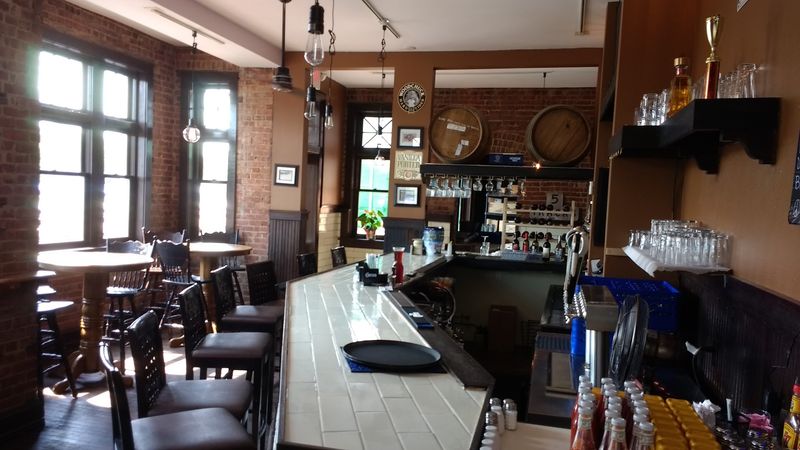
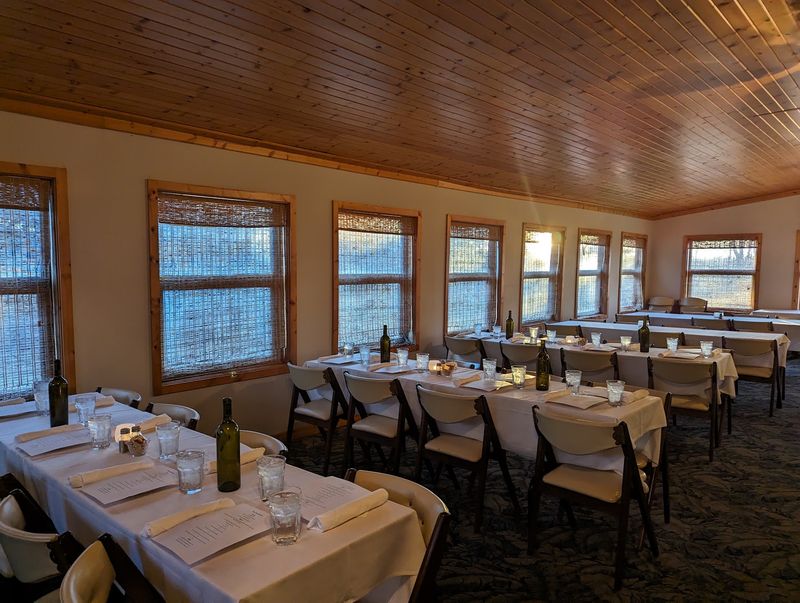
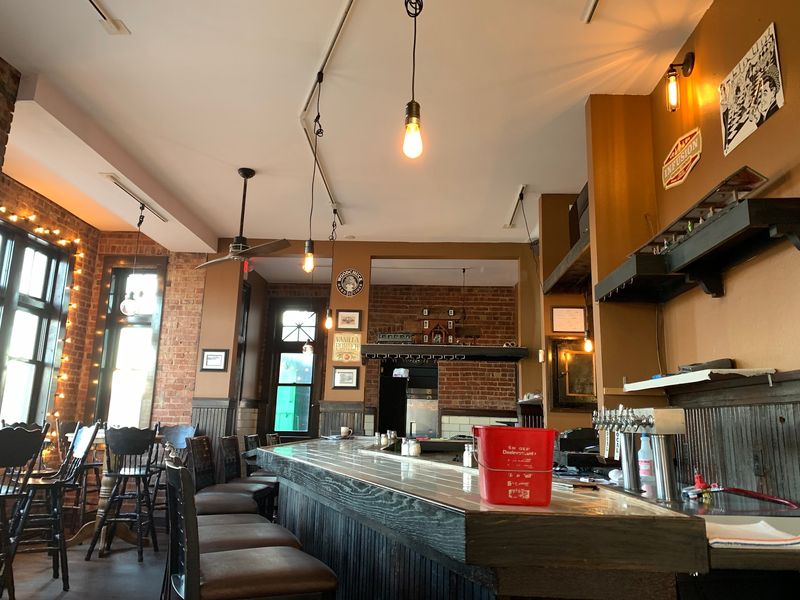
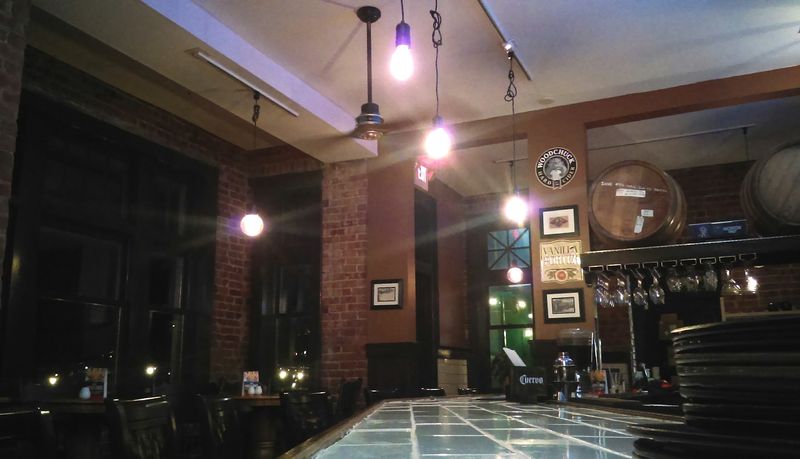
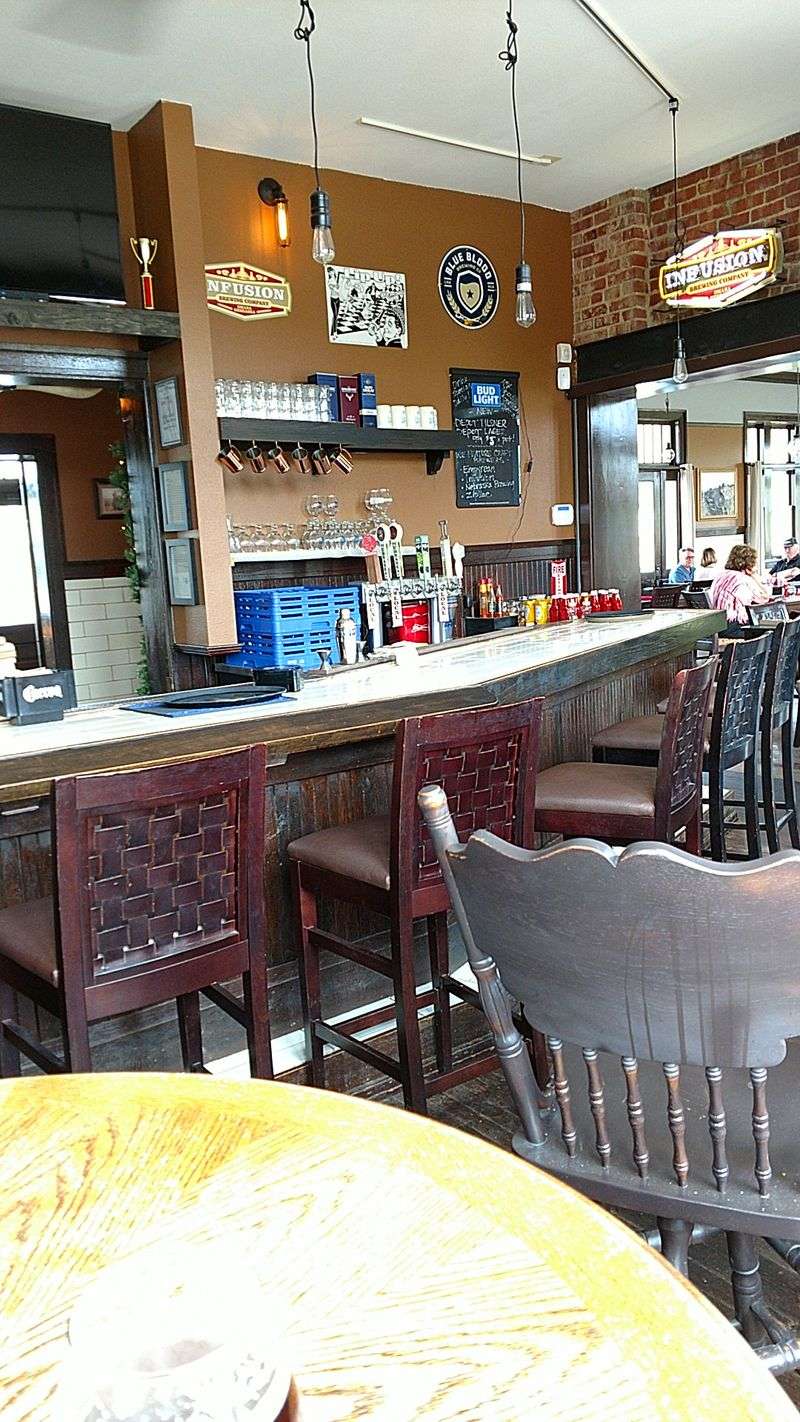
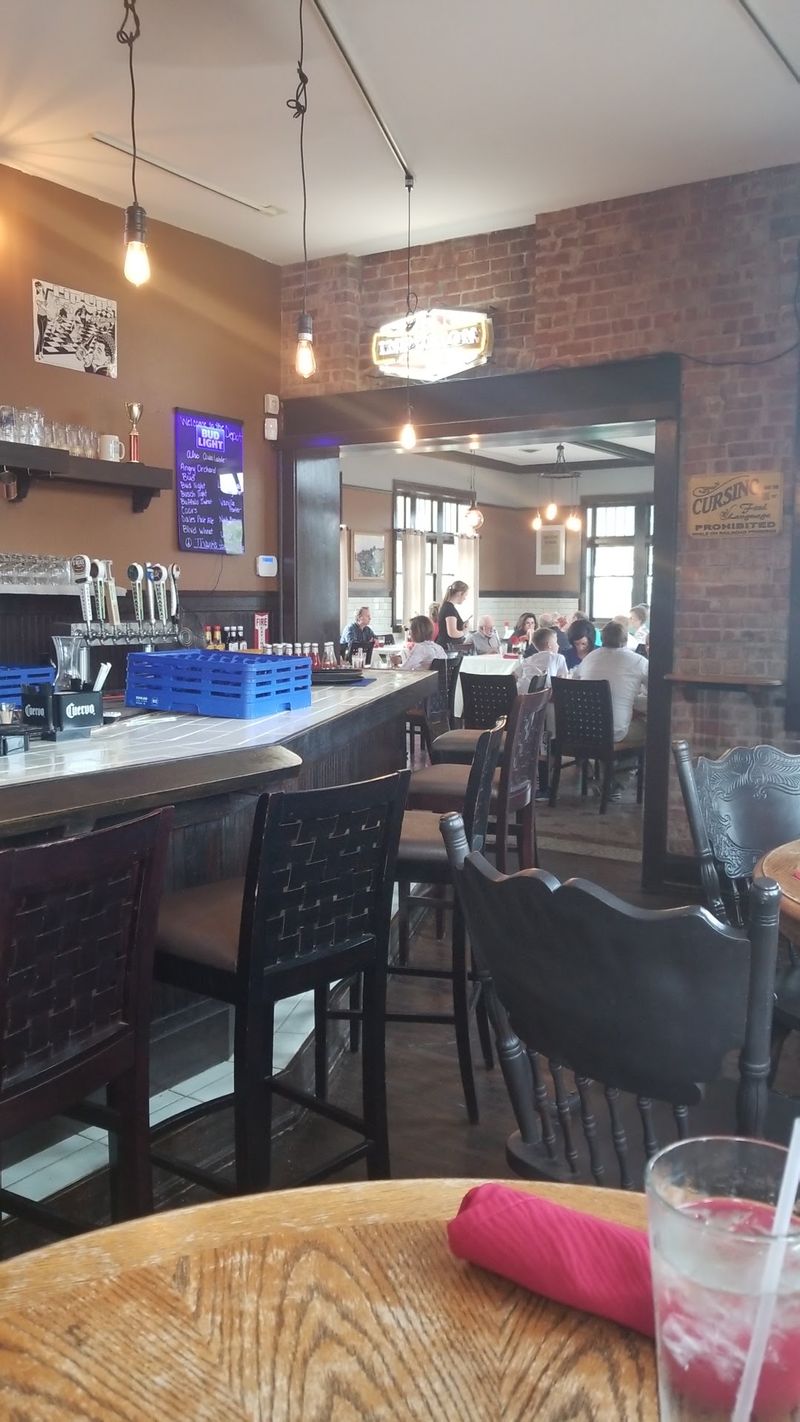
Walk inside, and the layout makes sense almost right away. The building is split roughly in two, with the kitchen on one side and the dining room on the other.
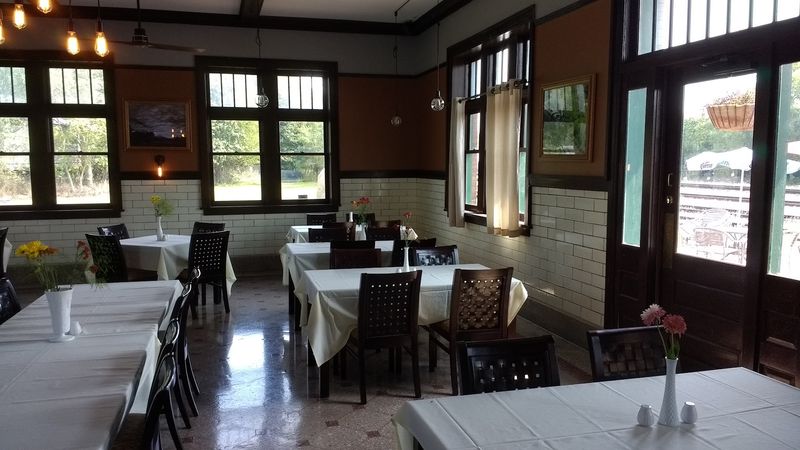
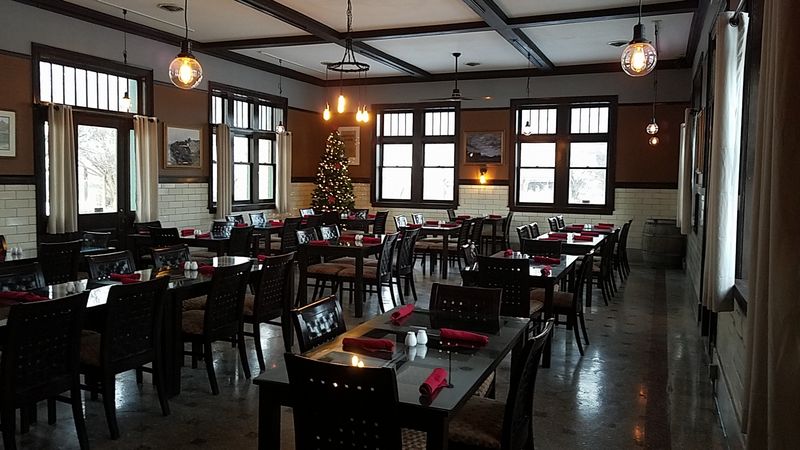
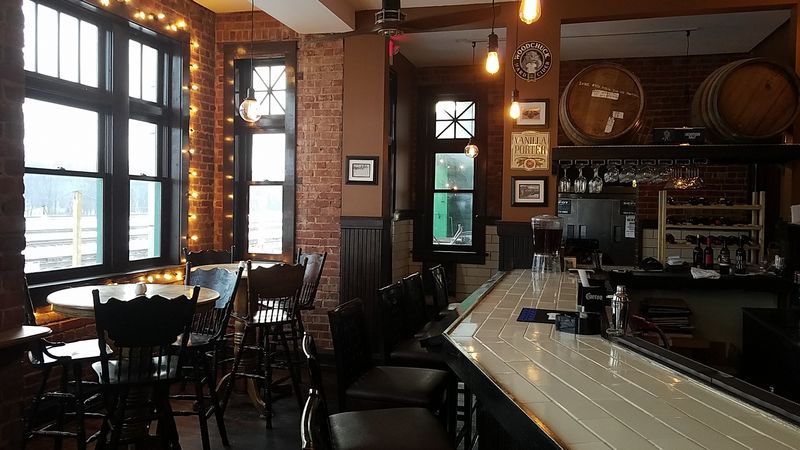
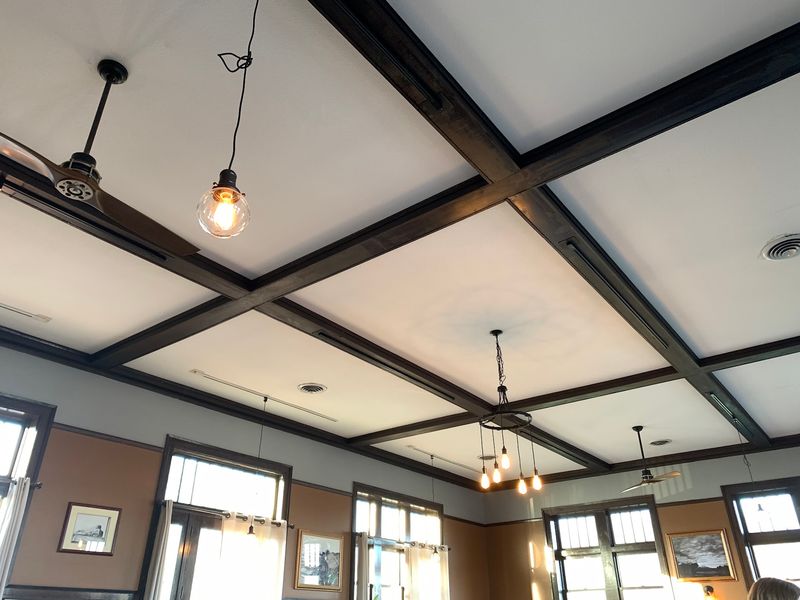
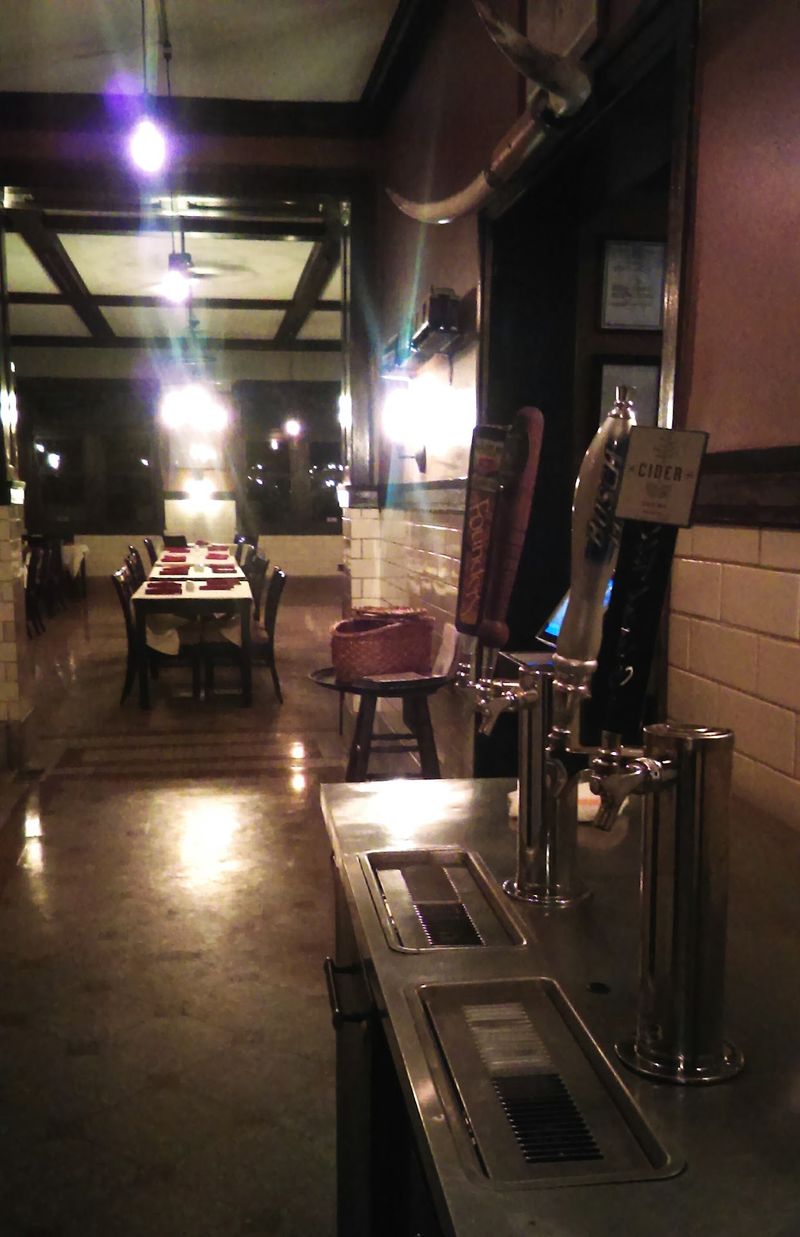
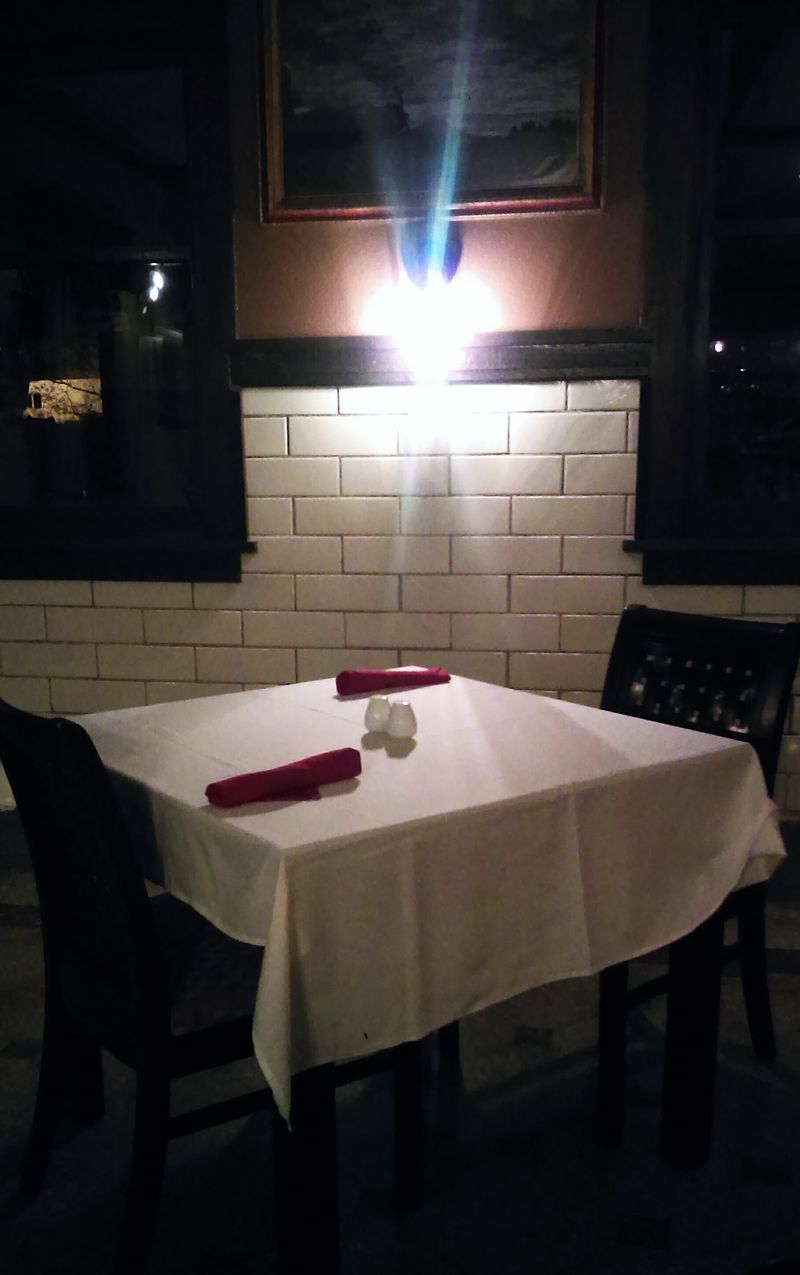
That dining space feels fancy without trying too hard. The decor leans relaxed and industrial-chic, mixing old depot features with a modern, clean look.
Plenty of light pours in, so the room feels bright and open instead of dim and dusty like some historic buildings.
It is not a huge space. A smaller room fills up quickly, especially at busy times, so a full house is common when word gets around.
On the plus side, a compact room means the kitchen is never far from your table.
High ceilings help a lot. Even with every seat taken, the old waiting room has enough air above it to keep the noise from feeling crowded.
Look up and around while you wait for your food. Railroad buildings were made with sturdy materials and solid craftsmanship, and you can spot that care in the walls, the windows, and the way the space flows.
It feels like eating inside a piece of Nebraska City history, because that is exactly what it is.
Trains Rolling Past the Patio
Rumble, rattle, whistle, and suddenly every head on the patio turns. Trains still pass right by this depot, and catching one during a meal outside is a genuine treat.
Kids tend to go wide-eyed, and plenty of adults do too. There is something about a long string of cars rolling past while you sit with a plate in front of you that makes the whole stop feel special.
The patio gives the building a second personality. Inside, the room is calm and polished.
Outside, you are right next to the action, with fresh air, open sky, and the steady possibility of a train coming down the line.
Nobody can promise a train at any given minute, of course. Railroads run on their own schedule, and that unpredictability is part of the fun.
Waiting and wondering turns a regular breakfast into a little game.
On a mild morning, a patio table might be the best seat in the house. Pair it with a hot cup of coffee and a plate of eggs, and you have the closest thing possible to a classic depot experience without needing a ticket to go anywhere at all.
Guest Books Full of Signatures
Here is a small tradition that adds a personal touch. The depot has offered books for diners to sign, letting people leave their names and notes behind as part of the building’s ongoing story.
It is a clever idea when you think about it. Stations were always places where people passed through, often never to return.
A guest book lets each visitor leave a trace, the same way travelers once scratched initials on benches or scribbled postcards on the platform.
Flipping through the pages can be just as fun as writing in them. Names from nearby towns sit beside names from far-off states, along with birthdays, anniversaries, and first dates.
Every entry is a tiny snapshot of a single meal on a single day.
For families, signing the book makes a nice moment for kids. Let them add a doodle or write where they came from, and the stop becomes something they will remember long after the plates are cleared.
Not every restaurant cares about leaving room for its diners to tell their own story. Here, the pages fill up one visit at a time, adding new chapters to a history that started more than a century ago.
Who Fits at These Tables
Road trippers heading through southeast Nebraska are an easy match. The depot works as a natural pit stop, close enough to the highway to be convenient and interesting enough to break up a long drive.
Couples have long treated the building as a date spot. The setting feels polished and romantic without being stuffy, which makes it a fine pick for an anniversary breakfast or a slow weekend morning together.
Valentine’s Day dinners have filled the room in years past.
Families fit right in too. Kids get trains, a guest book, and a building that looks like something from a storybook, while parents get a menu of familiar comfort food that everyone can agree on.
Retirees and history fans may enjoy it most of all. Anyone who remembers when depots mattered, or who simply loves old buildings, will find plenty to look at between bites.
Then there are the friends who want to linger. The pace here suits long conversations over coffee, the kind where nobody checks the clock.
If the goal is a quick grab-and-go, this is not that place. If the goal is a relaxed table and good company, it fits nicely.
Planning a Morning Stop in Nebraska City
Finding the depot is simple. Head to 725 South 6th Street in Nebraska City, a river town in the southeast corner of the state, roughly an easy drive from both Lincoln and Omaha.
Hours and menu details can shift, especially with a newer restaurant settling into its rhythm. Checking the Grams Place website or social media before you go is the smartest move, and calling ahead never hurts for larger groups.
Timing matters in a smaller room. Seats fill quickly when the place gets busy, and a full house can slow the kitchen down a bit.
Arriving a little earlier in the morning usually means a calmer table and a shorter wait.
Make a day of it if you can. Nebraska City is packed with history and orchards, and nearby bed and breakfasts make an overnight trip easy to pull off.
Pairing breakfast with a walk around town turns a meal into a full outing.
Pack a little patience and a lot of appetite. Bring cash or a card, a camera for the ticket window, and maybe a curious kid or two who wants to watch for passing trains from the patio.
A Soft Verdict on an Old Station
Some buildings get saved because of a plaque, and others get saved because people keep finding reasons to use them. This depot belongs firmly in the second group.
Since 1912, it has moved from ticket sales to fine dinners to Italian plates, and now to family breakfasts served in honor of a beloved grandmother. Not every chapter ran smoothly, and that honesty is part of its charm as a living building rather than a frozen exhibit.
What stands out most is the mix. A Renaissance Revival station, live tracks out back, a ticket window over the breakfast tables, and recipes inspired by Gram all share the same address.
You will not find that combination at a chain restaurant off the interstate.
Is it perfect? No old building is.
Small rooms fill up, and new restaurants take time to find their stride.
Still, there is real value in sitting down to eggs and coffee where Nebraskans once waited for trains that carried them across the country. Stop in, order something comforting, sign your name if a book is out, and listen for a whistle.
The depot has been welcoming people for over a century, and it is still at it.