These Nebraska Areas Have Seen The Most Tick Activity This Summer
A walk through tall grass can leave behind more than muddy shoes this summer.
Warm temperatures and recent moisture have created favorable conditions for ticks, especially around wooded edges, river corridors, and places where wildlife regularly passes.
Nebraska health officials began warning residents early in the season, while national tracking showed a high numbers of tick-related emergency visits during spring 2026.
Activity does not look the same everywhere. Habitat, rainfall, vegetation, and local animal populations can make one park, county, or recreation area noticeably busier than another.
Even maintained trails may bring hikers close to shaded grass and leaf litter where ticks wait for a passing host.
The goal is not to avoid the outdoors entirely. Long clothing, repellent, and full-body checks after returning home can lower the chance of bringing an unwanted passenger inside.
Knowing which parts of the state have reported the strongest activity makes that preparation far easier.
1. Omaha And Douglas County

Few people expect their backyard or neighborhood park to be a tick hotspot, but that reality has become hard to ignore across Omaha this summer.
Douglas County has been officially designated a High Risk Zone for ticks, a classification that reflects the established presence of blacklegged ticks, also known as deer ticks, since 2019.
Wooded river corridors, shaded green spaces, and properties bordering tall grass or dense brush all create favorable conditions for tick activity throughout the warmer months.
American dog ticks are also common throughout Douglas County, particularly in grassy fields and along wooded edges where they wait on vegetation for a passing host.
Peak activity for this species tends to occur from late spring through early summer.
A warm winter and wet April this year accelerated foliage growth, which gave tick populations an earlier and stronger start than usual.
Residents walking dogs, letting children play near wooded areas, or hiking local trails are encouraged to perform thorough tick checks after any outdoor activity.
2. Bellevue, Papillion, And Sarpy County
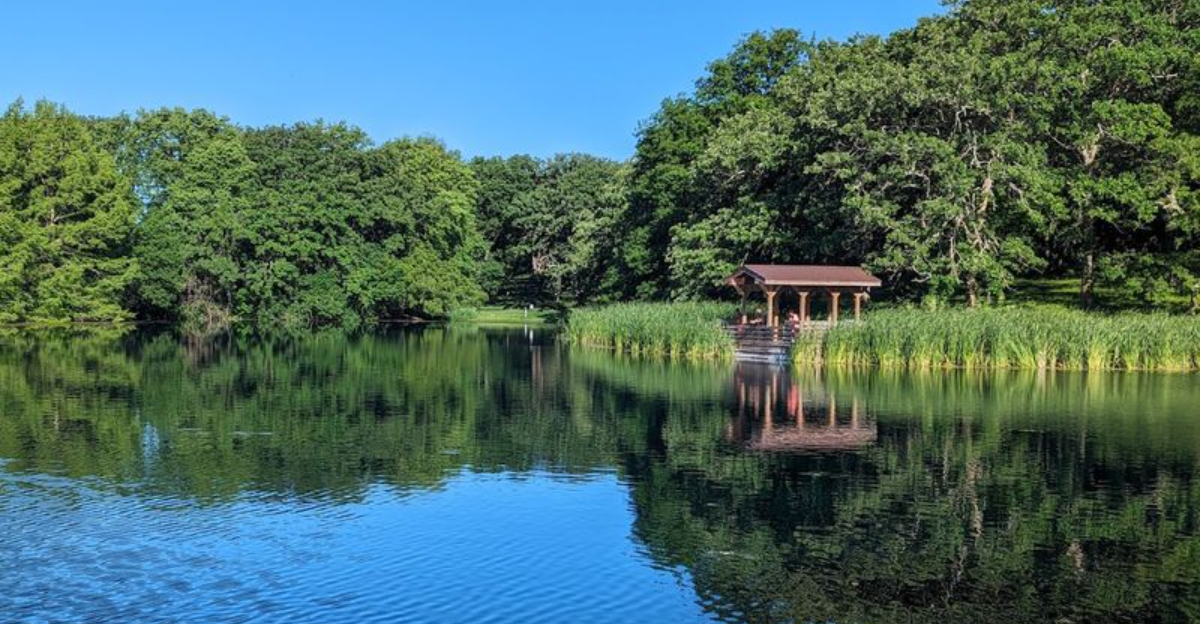
Sarpy County sits at an interesting ecological crossroads where suburban neighborhoods meet wooded river corridors, and that blend creates near-perfect tick habitat.
Blacklegged tick populations have been established in Sarpy County since 2019, placing it alongside Douglas County as a High Risk Zone for tick-borne illness in eastern Nebraska.
The steady expansion of residential development into previously wooded areas has only increased the number of contact points between people and tick-heavy environments.
American dog ticks are also active throughout the county during late spring and early summer, typically found in grassy fields and along the brushy edges where open land meets tree cover.
Residents in Bellevue and Papillion frequently report encountering ticks on pets and clothing after walks along local greenways and nature paths.
These encounters tend to spike during May and June but can continue well into August under favorable conditions.
Seasonal humidity combined with the area’s warm summers helps ticks remain active for longer stretches than in drier parts of the state.
Anyone spending time near the wooded sections of parks like Haworth Park or along the Papio Trail system should check for ticks carefully after each outing.
3. The Missouri River Corridor North Of Omaha
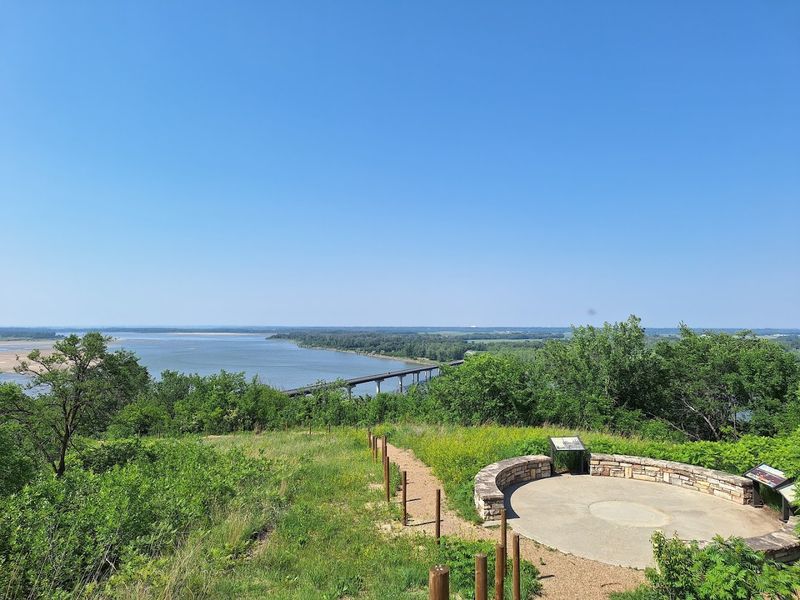
The stretch of land running along the Missouri River north of Omaha carries some of the most consistent tick pressure in Nebraska, largely because of its dense tree canopy and riverine habitat.
Wooded corridors like this one are exactly the kind of environment where blacklegged ticks thrive, as the combination of moisture, shade, and abundant wildlife creates a reliable food source and breeding ground throughout the season.
American dog ticks are equally common here, often found along transitional zones where open grassy areas give way to wooded edges.
These transitional areas are known in tick research as ecotones, and they tend to support the highest concentrations of questing ticks waiting for a host to pass by.
Hikers, anglers, and birdwatchers who spend time along this corridor are among those most frequently exposed.
The record-warm winter of 2025 to 2026 allowed tick populations to survive at higher rates than in colder years, contributing to an earlier and more widespread season.
Checking gear, clothing, and skin thoroughly after any time spent along the river is one of the most effective ways to catch ticks before they have a chance to attach.
4. Thurston County And The Lower Missouri Bluffs
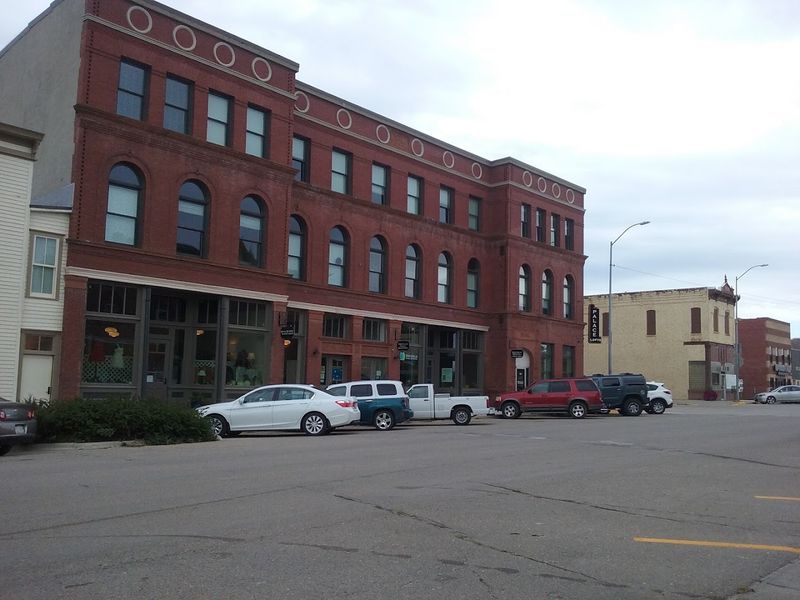
Thurston County might not always make the headlines, but its landscape tells a clear story about tick risk.
Blacklegged tick populations were officially identified as established in Thurston County in 2021, adding it to a growing list of eastern Nebraska counties where transmission is a genuine local concern.
The forested bluffs that define much of this area provide the moisture, shade, and leaf litter that ticks depend on to survive between feedings.
Towns like Walthill and Rosalie sit within a landscape where forest cover ranges from 18 to 56 percent, creating pockets of high-risk habitat scattered across the county.
Midsummer brings active deer tick nymphs and adult American dog ticks simultaneously, which means the risk profile shifts depending on the specific trail or terrain being explored.
Nymphal blacklegged ticks are particularly concerning because their small size makes them easy to miss during post-outing checks.
The humid conditions along the Missouri Bluffs allow ticks to quest on vegetation for extended periods without drying out, which extends their window of activity compared to ticks in drier inland areas.
Wearing long sleeves and checking skin, hair, and clothing folds carefully after time outdoors in this county is a practical habit worth building during the summer months.
5. Saunders County And The Platte River Woodlands
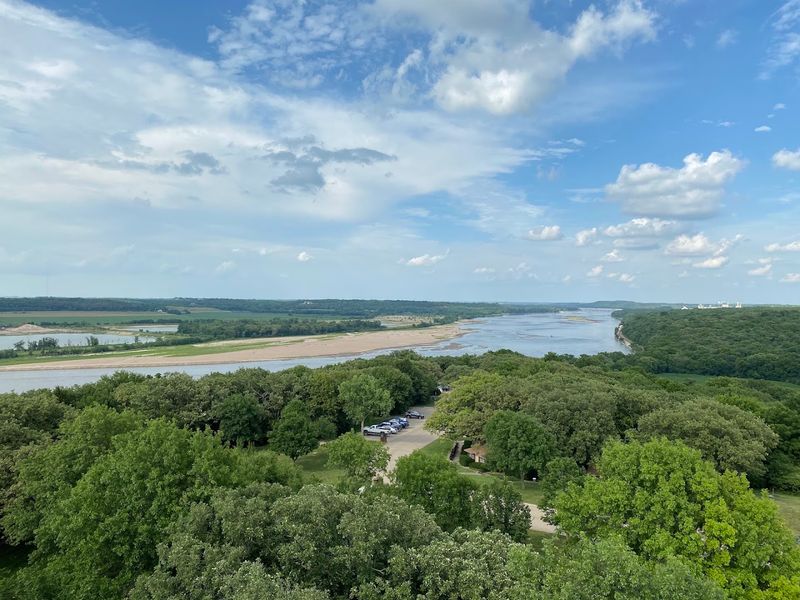
Established blacklegged tick populations were confirmed in Saunders County back in 2019, making the Platte River Woodlands one of the longer-standing tick concern areas in central-eastern Nebraska.
The wooded corridors that follow the Platte River provide dense vegetation and a steady stream of wildlife hosts, both of which are essential for sustaining tick life cycles across multiple seasons.
American dog ticks are also prevalent in the open and semi-open areas of Saunders County, particularly in grassy fields and along trail edges where brushy growth creates natural questing zones.
Hikers and cyclists using trails through these woodlands can pass through multiple tick habitat types within a single outing, which increases cumulative exposure.
The varied landscape of this county, ranging from open farmland to dense riverside forest, supports a wider range of tick species than more uniform terrain.
Checking clothing and skin immediately after leaving wooded or grassy areas is especially useful in environments like this, where tick density can shift dramatically within a short distance.
Showering within two hours of outdoor activity has also been shown to reduce the likelihood of tick attachment, making it a simple and effective post-outing routine.
6. Nebraska City And Otoe County

Southeastern Nebraska has earned particular attention this tick season, and Nebraska City along with Otoe County sits squarely within the region carrying the greatest risk in the state.
The eastern sixth of Nebraska has been highlighted by health officials as the zone with the most elevated tick activity in 2026, driven by a combination of warm winter survival rates and a wet spring that accelerated vegetation growth.
That lush undergrowth provides exactly the kind of shaded, humid environment where ticks wait for passing hosts.
Lone star ticks have been expanding their range into this corner of Nebraska and are now considered an established presence in the southeastern part of the state.
Unlike some other tick species, lone star ticks are notably aggressive in their host-seeking behavior, actively moving toward warmth and carbon dioxide rather than simply waiting on vegetation.
They are capable of transmitting ehrlichiosis and have been linked to Alpha-gal Syndrome, a red meat allergy triggered by their saliva.
Wooded parks, orchard edges, and brushy areas near Nebraska City are the kinds of spots where encounters with lone star ticks are most likely during the summer months.
Visitors exploring the area’s natural spaces should apply repellent to both skin and clothing before heading out and should perform a full-body tick check promptly after returning indoors.
7. Falls City And Richardson County
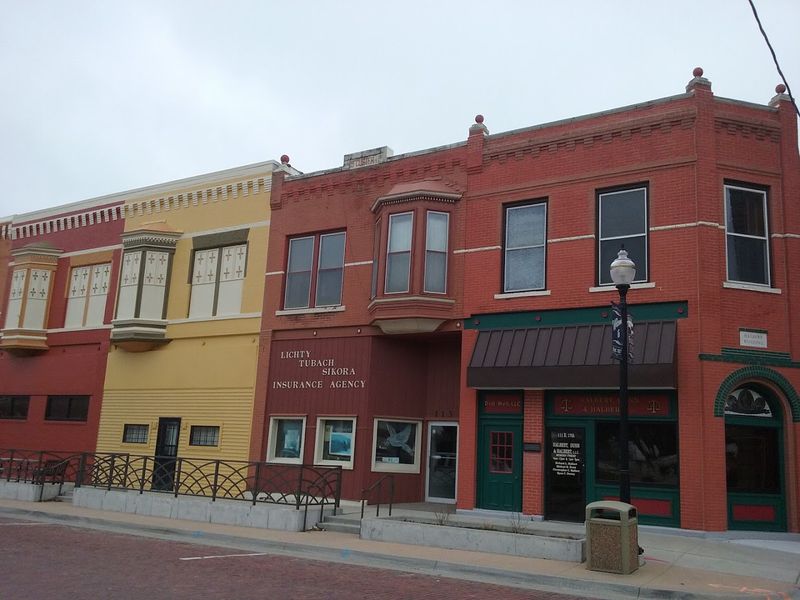
Richardson County sits in the very southeastern corner of Nebraska, a region where the landscape tilts toward dense forest and rolling hills rather than the open plains associated with the rest of the state.
With approximately 30 percent forest cover, Falls City and its surrounding land provide ample questing habitat for ticks across multiple species.
The southeastern corner of Nebraska is one of the primary areas where lone star ticks have been expanding their range, and Richardson County falls directly within that zone.
Current risk assessments for Falls City during midsummer indicate active deer tick nymphs in wooded areas alongside adult American dog ticks in grassy zones and along trail edges.
Though the overall risk rating for the area may read as lower compared to some urban counties, the presence of multiple active tick life stages means encounters remain a realistic possibility for anyone spending time outdoors.
Nymphal deer ticks are especially tricky because they are roughly the size of a poppy seed, making them easy to overlook.
Richardson County’s natural character, with its mix of timber, creek drainages, and rolling terrain, draws hikers and hunters who should treat tick prevention as a standard part of their outdoor preparation.
8. Indian Cave State Park And The Surrounding River Bluffs
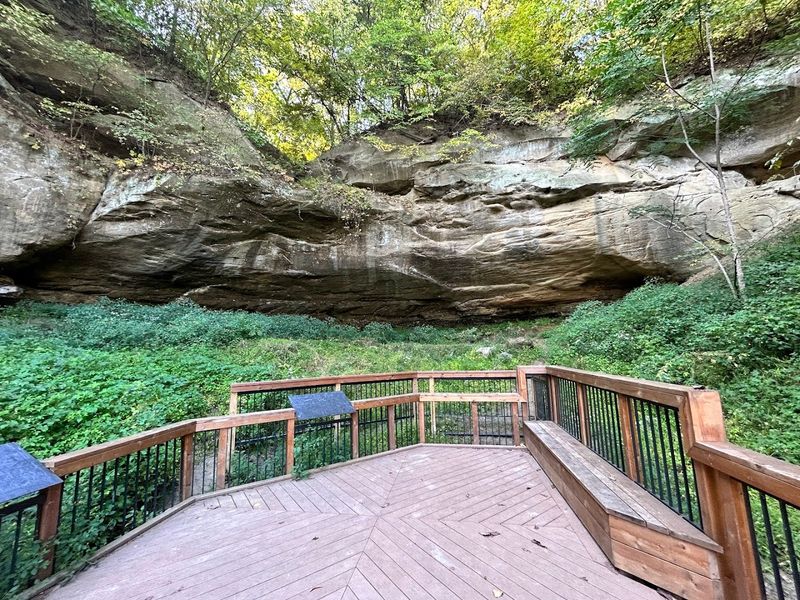
Indian Cave State Park has been explicitly named as a known tick hotspot in Nebraska, a designation that carries real weight for anyone planning a visit to this southeastern corner of the state.
The park stretches across rugged Missouri River bluffs covered in dense hardwood forest, offering miles of hiking trails that wind through some of the most tick-prone terrain in the region.
That combination of shaded canopy, moist leaf litter, and abundant deer populations creates near-ideal conditions for multiple tick species to complete their life cycles.
Both blacklegged ticks and American dog ticks are likely present throughout the park’s trail system, and the expanding range of lone star ticks in southeastern Nebraska means that species may also be encountered here.
The park’s remote and heavily wooded character means visitors spend extended time in high-exposure environments, which increases the importance of applying tick repellent before entering the trails rather than after.
Long pants tucked into socks and permethrin-treated footwear can meaningfully reduce the number of ticks that make contact with skin.
The park remains a genuinely worthwhile destination for nature lovers, with its sandstone cave formations and river overlooks offering experiences that are hard to find elsewhere in the Great Plains.
9. Platte River State Park And The Louisville Area
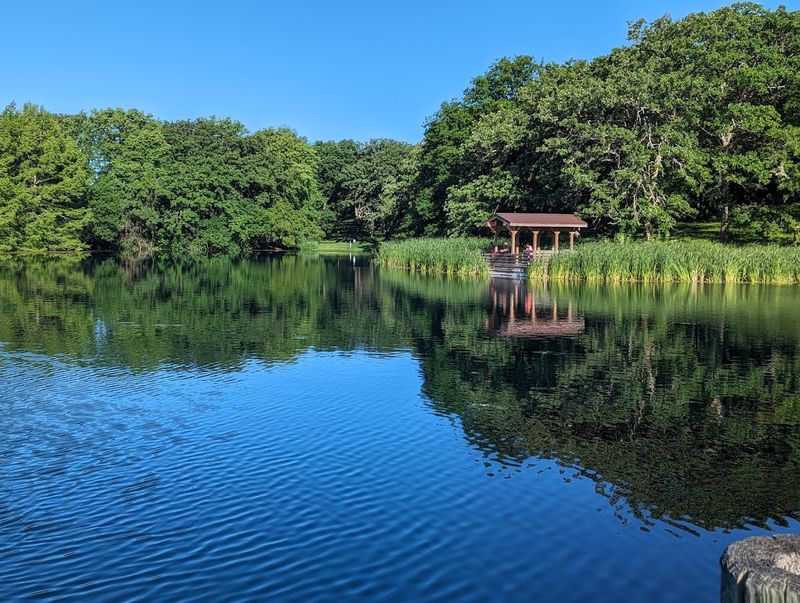
Tucked into the Platte River woodlands between Omaha and Lincoln, Platte River State Park sits within a landscape that checks nearly every box for tick habitat.
Saunders County, which borders the Louisville area where the park is located, has had established blacklegged tick populations since 2019.
The park’s terrain includes creek drainages, shaded ridgelines, and dense woodland edges that collectively support a range of tick species.
American dog ticks are also active throughout this area during summer, particularly in the open meadow sections and along brushy trail margins.
Visitors using the park’s equestrian trails, cabins, and group camping areas move through multiple habitat types, which means tick exposure can come from several directions during a single visit.
Horses and dogs brought to the park should be checked carefully after any time on the trails, as animals tend to collect ticks that are then carried back into vehicles and gear.
The park is genuinely scenic, with its rolling wooded hills offering a peaceful contrast to the surrounding agricultural landscape.
Planning ahead with repellent and appropriate clothing means visitors can focus on the natural setting rather than worrying about what they might be bringing home.
10. Wooded Recreation Areas Along Eastern Nebraska’s Creeks And Rivers
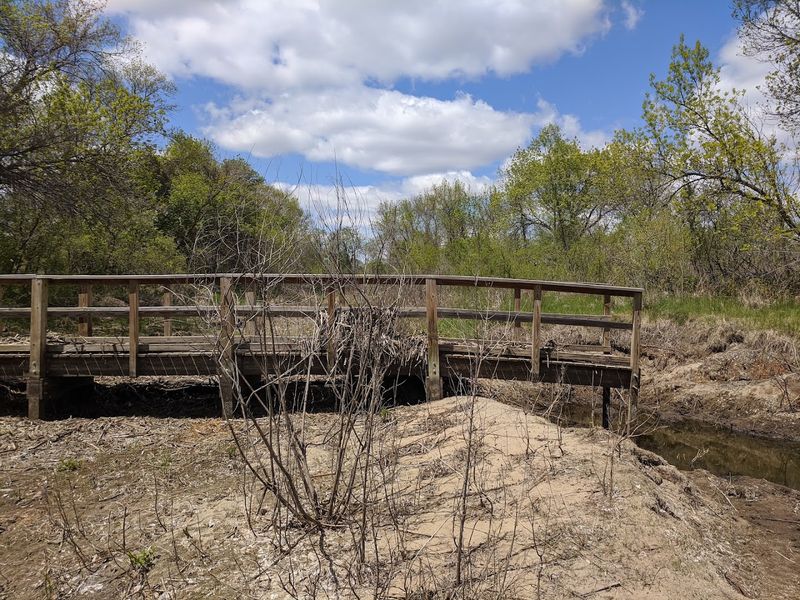
Scattered across eastern Nebraska’s creek drainages and river bottoms, wooded recreation areas have collectively experienced an early and aggressive tick season in 2026.
The wooded corridors of the Platte, Niobrara, and Missouri rivers are consistently identified in tick research as prime habitat zones, and the smaller creek systems that feed into them carry similar conditions on a more localized scale.
Many of these spots serve as weekend destinations for families, anglers, cyclists, and trail runners who may not think of them as high-risk environments.
Urban parks in Omaha and Lincoln that run along creek corridors have seen consistent tick reports from residents walking dogs or letting children play near wooded edges.
The same conditions that make these spaces pleasant, shade, moisture, dense vegetation, and wildlife activity, are precisely what sustains tick populations through the warmest months of the year.
Grassy and brushy areas within these recreation zones tend to harbor the highest tick concentrations, particularly near trail edges and along the transition zones between mowed and unmowed land.
The 2026 season’s combination of a mild winter and wet spring gave tick populations across eastern Nebraska an unusually strong start, and these creek and river recreation areas have felt that impact directly.
Building a habit of tick checks after every outdoor outing, regardless of how brief the visit, is the most reliable way to stay ahead of the risk throughout the rest of the summer.