Nearly Every Grain Of Nebraska’s Sandhills Sits On Water And This Lake Valley Holds 12 Lakes Inside One Refuge
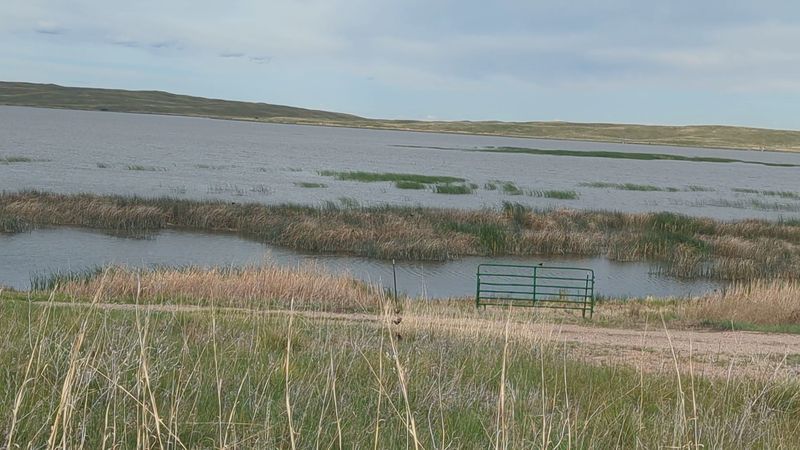
Twelve lakes sit inside one wildlife refuge, and every one of them is fed by water hiding under sand dunes. Those dunes are grass-covered hills that soak up rain like a giant sponge.
The refuge covers more than 45,000 acres. Bald eagles nest there, pronghorn roam the prairie, and over 200 bird species pass through on their seasonal trips.
I like how this corner of Nebraska flips the script on sand. Most people hear the word and think of dry deserts.
Here, sand means water, and water means life everywhere you look.
The roads are rough, the cell service is thin, and the quiet is enormous. I can’t imagine a better reward for a long gravel drive.
So what does a lake valley in the middle of the dunes actually look like up close?
A Sandhills Refuge Where The Lakes Outnumber The Neighbors
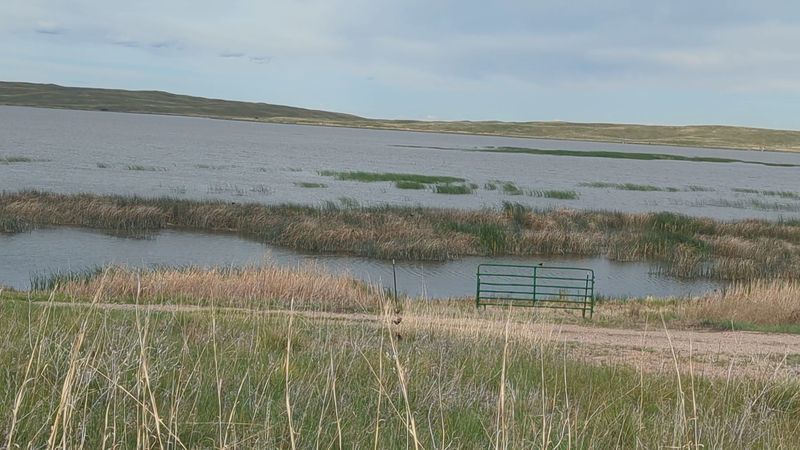
Out in the Nebraska panhandle, roughly 28 miles north of Oshkosh, sits Crescent Lake National Wildlife Refuge. It’s a federal preserve in Garden County, and it spreads across about 45,818 acres of rolling grass and water.
That acreage holds a dozen small lakes plus a scattering of ponds. Every one of them sits in a low spot between dunes, where the land dips below the water table.
The U.S. Fish and Wildlife Service manages the refuge.
Its main job is protecting nesting and resting habitat for migratory birds, though plenty of four-legged residents benefit too.
You won’t find a gift shop or a snack bar here. Restrooms near the northern end are about as fancy as the amenities get, so pack like you’re heading somewhere truly remote.
And remote is the right word. The refuge sits deep in the Sandhills, far from any sizable town, with gravel and one-lane roads leading in.
That distance is part of the appeal. When a place takes real effort to reach, the payoff feels earned, and this one pays out in lakes, birds and open sky that seems to go on forever.
The Underground Ocean Holding Up Every Dune
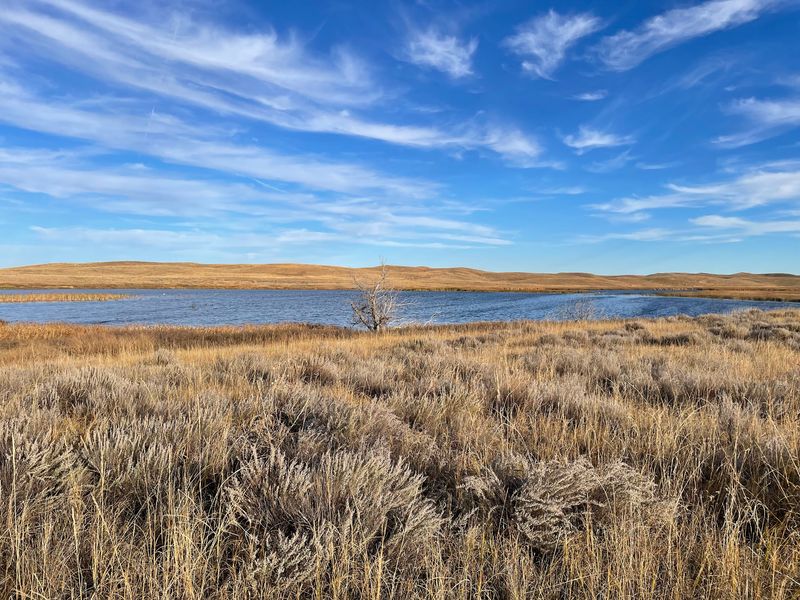
Sand usually means dry. In the Sandhills, it means the opposite, because the whole region sits on top of the massive Ogallala Aquifer.
The sandy soil lets rain soak straight down instead of running off. That water recharges the aquifer below, keeping the water table remarkably close to the surface in many low areas.
Where the ground dips below that water line, a lake simply appears. No dams, no pipes, no human plumbing required.
That’s how the Sandhills became one of the largest wetland systems in the country. Thousands of square miles of grass-stabilized dunes cradle ponds, marshes and lakes that stick around year after year.
Crescent Lake National Wildlife Refuge shows off this trick better than most places. Its lake valley packs a dozen water bodies into one protected area, each one a window into the aquifer underneath.
Think of the dunes as a lid on a giant underground tank. Wherever the lid sags low enough, the water peeks through.
It’s a neat bit of Nebraska geology. Once you understand it, every shimmering lake out there starts to look like a small miracle of sand and rain working together.
Nearly A Century Of Saving Space For Birds
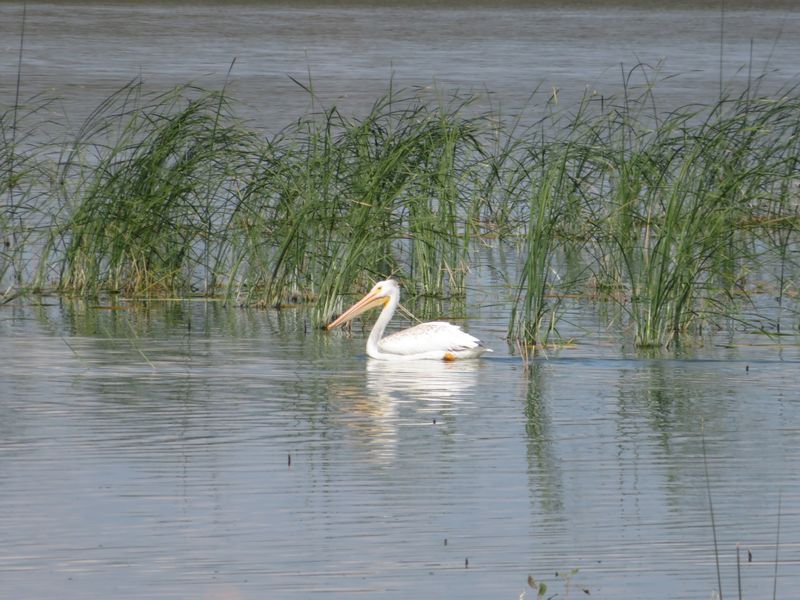
Back in 1931, the federal government set this land aside for the birds. That makes the refuge more than 90 years old, and its purpose hasn’t wavered since.
The goal was simple. Protect a critical breeding ground for migratory birds and other wild animals in the heart of the Sandhills.
Plenty has changed across Nebraska since then. Towns have grown, roads have spread and farmland has shifted, yet this lake valley still looks much like the prairie birds knew long ago.
That steady protection matters. The refuge gives ducks, shorebirds and eagles a reliable place to land, nest and refuel year after year.
Some fans even wonder aloud whether it ranks among the oldest refuges in the country. It isn’t, but its age still impresses for a spot so far from everything.
The refuge also faced a recent setback when wildfire burned parts of the surrounding area. Grass and wildflowers have already started bouncing back in many spots, which the Sandhills tend to do.
Standing beside one of these lakes, you’re looking at a promise kept since 1931. Not many places can say that with a straight face.
More Than 200 Bird Species Use This Flyway Pit Stop
Binoculars, check. Field guide, check.
Patience, absolutely essential.
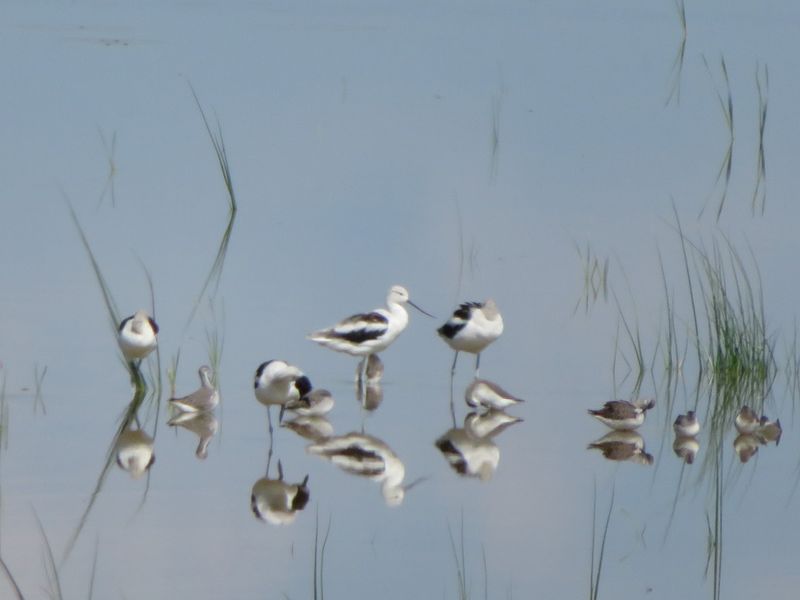
Crescent Lake National Wildlife Refuge sits right in the Central Flyway, one of the big migration highways across North America. More than 200 bird species have been recorded passing through or staying awhile.
Shorebirds and waterfowl are the headliners. Spring and fall migration bring waves of ducks and sandpiper types working the lake edges and shallow marshes.
Birding comes up again and again as the main draw here. Serious birders plan trips around shorebird season, and casual watchers usually leave with a longer list than expected.
The lakes help a lot. With a dozen of them spread across the valley, there’s always another shoreline to scan and another flock to sort through.
Quiet helps too. Fewer cars and fewer people mean birds feel less pressure, so you may get closer looks than at busier spots in Nebraska.
Bring a spotting scope if you own one. A long lens for photos never hurts either, since some of the best action happens out on the open water.
Honestly, you may need a second notebook.
Bald Eagles Nesting Over Sandhills Water
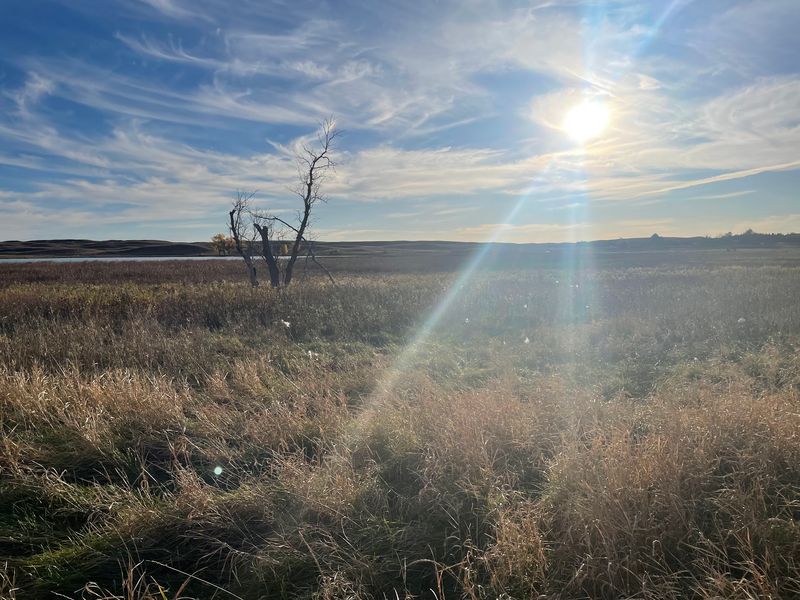
Up to twenty nesting pairs of bald eagles. Out here, in the middle of the dunes, that number feels almost unreal.
The refuge offers crucial habitat for these big raptors. Lakes full of fish and waterfowl give them a steady food supply, and the remote setting gives them peace.
Eagles spend part of each year within the refuge boundaries. Scanning tall trees and open shorelines is your best bet for spotting one.
A soaring adult is hard to mistake. That white head and tail flash against the sky, and the wingspan makes nearby hawks look modest.
Please keep a respectful distance, though. Nesting birds need space, and a good zoom lens lets you enjoy the view without disturbing anyone.
It’s a pretty great reminder of how far bald eagles have come. Seeing them nesting across a quiet Nebraska lake valley shows what protected habitat can do over time.
Kids especially tend to light up at the sight. An eagle sighting turns a long drive into a story that gets retold at dinner for weeks.
Keep your eyes up near the water. You might just catch one fishing.
Pronghorn, Deer And A Busy Cast On Four Legs
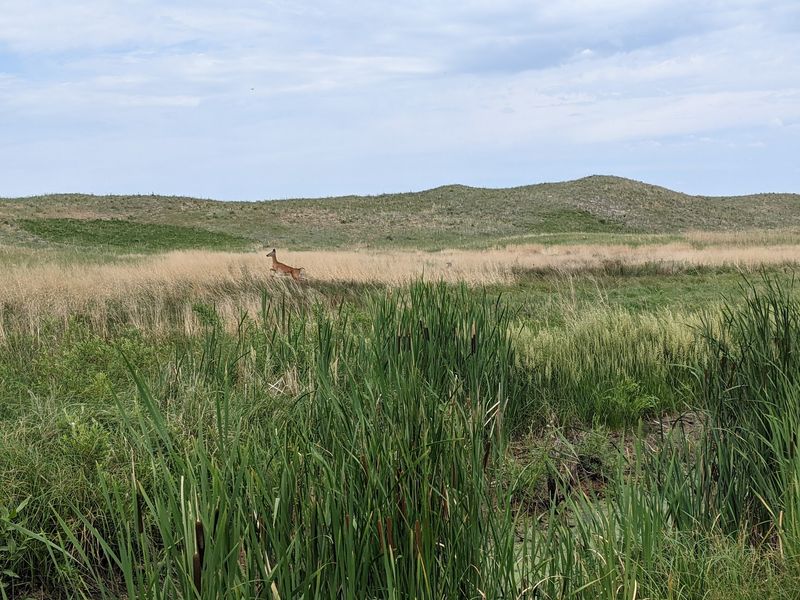
Birds may grab the spotlight, but the supporting cast deserves applause. Pronghorn roam the open prairie, often moving across the grass at a surprising clip.
White-tailed deer and mule deer graze the meadows too. Early morning and evening drives tend to be the best times to catch them out feeding.
Smaller residents keep things lively. Prairie dogs, cottontail rabbits, raccoons and beavers all make homes in the refuge’s mix of grassland and wetland.
Coyotes and the occasional bobcat round out the list. Spotting either one feels like winning a small prairie lottery.
Wildlife sightings come easily here because the landscape is so open and so lightly traveled. Ducks and deer show up in big numbers for patient watchers.
Beavers are worth a special look near the lakes. Their lodges and chewed branches are clues that busy builders live nearby.
Drive slowly and keep binoculars on the dashboard. Many animals appear right beside the road, and a quick stop can turn into a twenty-minute show.
It all adds up to one of the wildest corners of Nebraska. Every bend in the road could hold a surprise.
Walleye, Bass And Perch In Aquifer-Fed Lakes
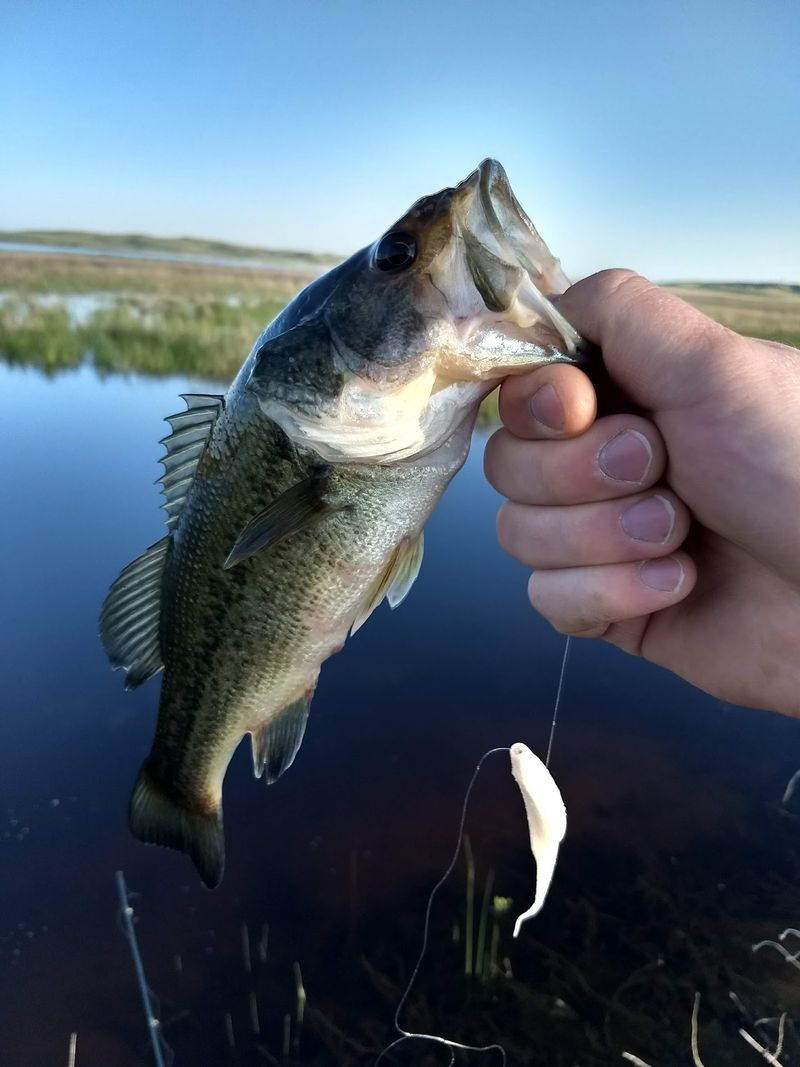
Fish in the middle of the sand dunes sounds like a punchline. It’s actually a solid reason to pack a rod.
Some of the deeper lakes at Crescent Lake National Wildlife Refuge hold walleye, largemouth bass, bluegill, yellow perch and carp. That’s a lineup that keeps beginners busy and gives experienced anglers a challenge.
Boating has rules worth knowing before you go. Only non-motorized boats or those with electric motors are allowed on refuge waters.
Got a boat with a permanently attached gas engine? It has to be rendered inoperable while you’re on the water, so plan ahead.
Those rules keep the lakes calm for nesting birds and for everyone else. A kayak or canoe fits the setting perfectly.
Check current Nebraska fishing regulations and refuge rules before your trip. Some lakes and areas may have specific limits or seasonal closures.
Picture a quiet morning on the water with eagles overhead and ducks paddling nearby. That’s a pretty good fishing trip even when nothing bites.
And if something does? You caught dinner from a lake the aquifer built.
You’ll Want A Tough Vehicle For These Sandy Roads
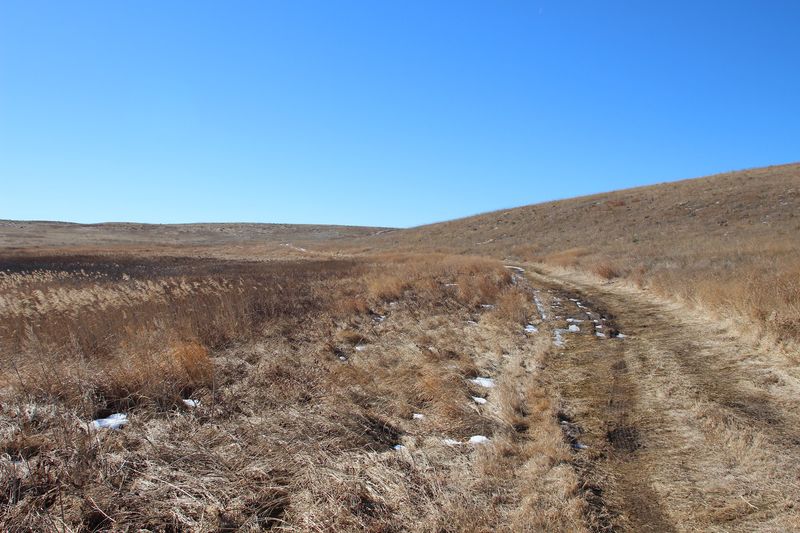
Getting there is half the adventure, and sometimes more than half. The roads range from asphalt to potholed gravel to deep sand in spots.
Most of the routes are single lane. Expect slow going, often 15 to 25 miles per hour, and plan for a long drive through open range.
Direction matters. The southern approach from Oshkosh can get sandy and rough, so four-wheel drive or a capable all-wheel-drive vehicle is the smart choice.
The northern route is partly paved, though still bumpy. Motorcycle riders who dislike sand will likely prefer coming in from that side.
Inside the refuge, the posted speed limit is 35 miles per hour. Mowed two-track trails reach the interior, but many of them call for four-wheel drive.
Pulling a regular travel trailer through here is a tough ask. Leave it in town if you can.
Fill the gas tank, pack water and download maps before you lose signal. Help can be a long way off in this part of Nebraska.
Treat the drive as part of the experience. Slow roads mean more time spotting pronghorn along the way.
Quiet So Deep You Can Hear The Grass Move
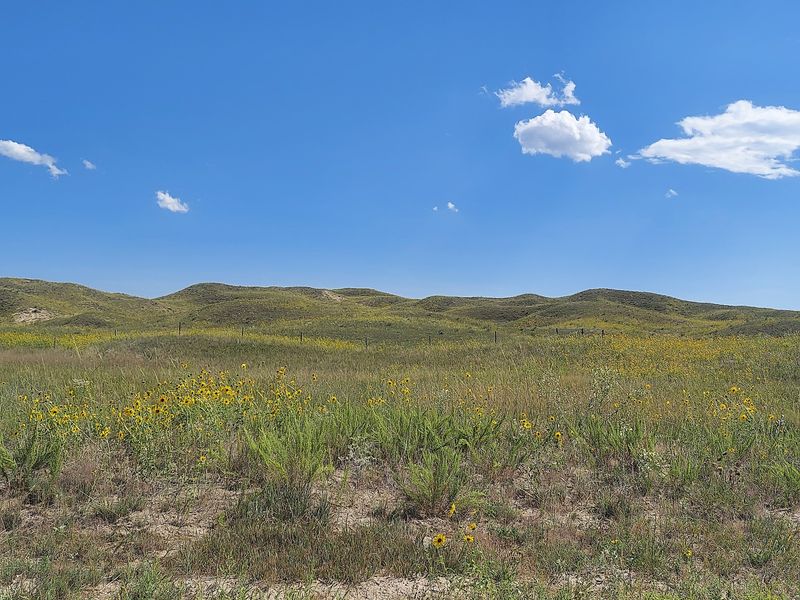
Silence is the souvenir here. The refuge ranks among the most peaceful places you can reach in the state.
Solitude comes up constantly when people describe it. On some days you might see only a vehicle or two over many miles of road.
That makes it ideal for certain folks. Birders, photographers, hikers and anyone craving true Sandhills solitude will feel right at home.
Hiking is allowed in all areas open to the public. Climbing a grassy rise and looking out over the lakes gives you a real sense of how big this country is.
Leashed dogs are welcome, which makes it a nice outing for pet owners. Hunting dogs get an exception during designated seasons.
Families with curious kids can have a blast spotting animals from the car. Just set expectations, since there’s no playground or snack stand waiting.
Wear long pants and check for ticks afterward. Tall grass is tick territory, and they’re known to show up near the visitor area.
A little bug spray is a small price for this much calm. Your ears may need a minute to adjust.
Daylight Hours, No Campfires And Other Handy Details
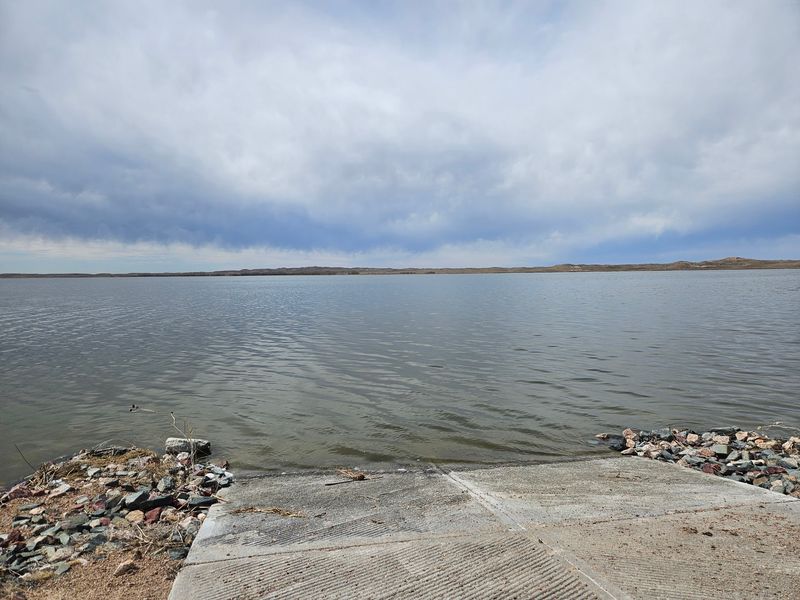
Good news first. The refuge grounds welcome visitors daily from sunrise to sunset.
The refuge office keeps weekday business hours and closes on weekends and federal holidays. Swing by during the week if you want maps, advice or current road conditions.
You’ll find the office at 10630 Road 181, Ellsworth, NE 69340. Calling ahead before a long drive is a smart move, especially after heavy rain.
Camping and open fires aren’t allowed anywhere on the refuge. Plan to stay in nearby towns like Oshkosh or Alliance.
Remember, restrooms are limited, mostly near the northern end. Bring your own food, water and anything else you’ll need for the day.
Pets must stay leashed, except hunting dogs during their designated seasons. Respecting these rules keeps the habitat healthy for the birds and animals that depend on it.
Visiting is a low-cost outing too. With no lodges or restaurants inside, a picnic cooler and a full tank are your main expenses.
Toss in sunscreen and a wide-brim hat. Shade is scarce on open prairie, and Nebraska sun doesn’t mess around.
A Long Gravel Drive That Pays Off In Wild Water
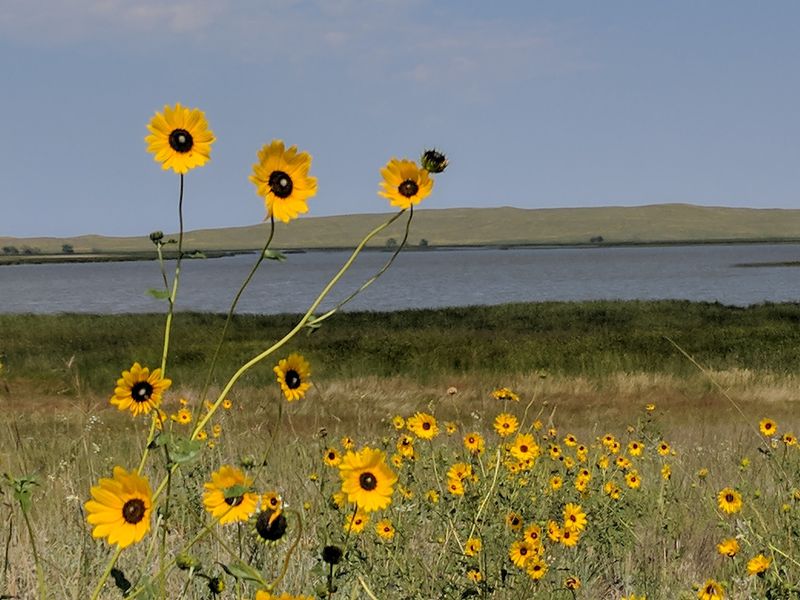
So, is it worth the bumpy roads? For anyone who loves wildlife, wide-open space or a good geology story, the answer leans strongly toward yes.
Crescent Lake National Wildlife Refuge packs a lot into one valley. You get twelve aquifer-fed lakes, eagles, pronghorn and more than 200 bird species.
It isn’t for everyone, and that’s fine. Travelers who want restaurants, campgrounds or smooth highways should probably pick another weekend plan.
But if quiet sounds like a luxury, this place delivers plenty of it. Few spots in Nebraska feel this untouched.
Timing helps. Spring and fall migrations bring the busiest bird action, while summer offers long days for fishing and exploring.
Plan for a full day, a sturdy vehicle and plenty of snacks. Early starts give you the best light and the most active animals.
Mostly, it’s a chance to see the Sandhills from the inside. Those grassy dunes stop looking like empty land once you notice the water, birds and life tucked between them.
Sand that holds up lakes? Nebraska really does keep a few surprises up its sleeve.