A Massive New Project Is Transforming This Georgia Town, And It Could Change The Area Forever
Small towns rarely change overnight. They change slowly.
A new diner here. A fresh coat of paint there.
A stoplight that takes years of debate. That’s what makes this story so unusual.
In one Georgia town, open land is about to become something much bigger. Construction is reshaping the landscape.
New jobs, new homes, and new neighbors are on the horizon. For a place used to a gentle pace, it’s a lot to take in.
I find moments like this fascinating. You rarely get to watch a community at the exact point where its future starts to take shape.
Longtime residents are curious. Newcomers are already paying attention.
And one thing seems clear. This town will look very different in a few short years.
Here’s what’s happening, and why so many people across Georgia are keeping a close eye on it.
A Quiet Country Road Leads To Something Enormous
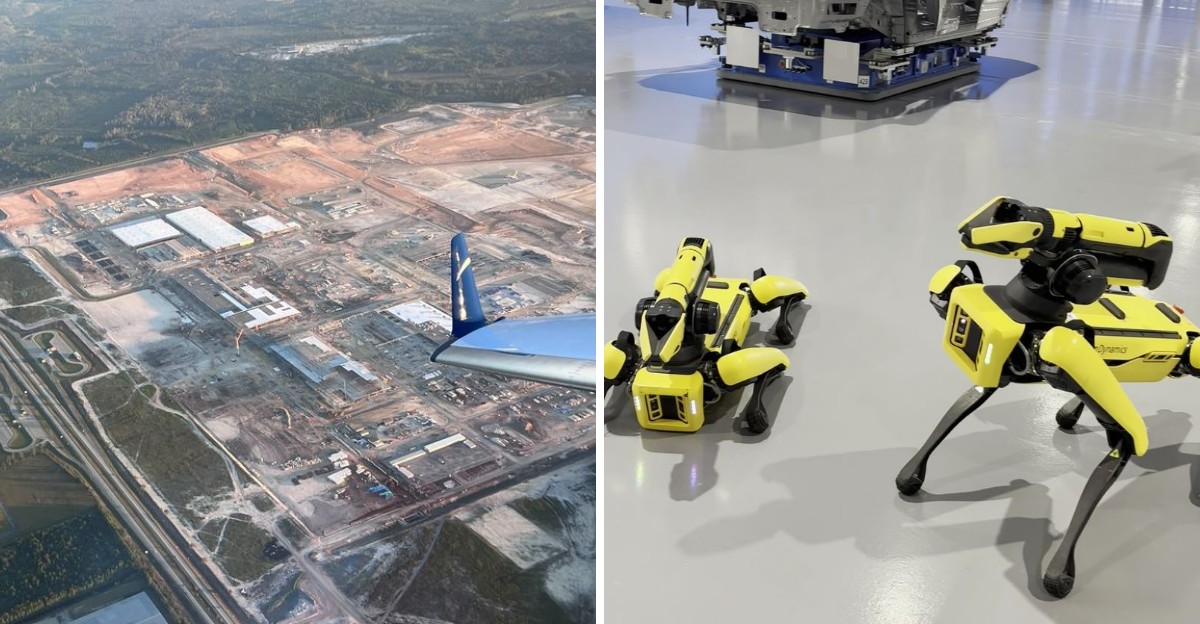
Pine trees and open fields do not usually prepare you for a jaw drop. One minute I was hunting for coffee, and the next I was staring at buildings that seemed to stretch forever.
The scale is hard to picture until you see it in person. The site covers thousands of acres in Bryan County, which is a lot of ground for a place that used to feel so calm.
Big projects often start with a sign and a dirt lot. This one feels more like a small city that grew up almost overnight.
Roads, roundabouts, and fresh pavement now guide traffic toward the main gates. Signs point drivers off Interstate 16 and onto a route that did not exist in this form a few years ago.
My best advice is simple. Plan your trip, pay attention at the roundabout, and know exactly where you are headed before you go.
Workers and delivery drivers come and go from early morning on weekdays. Weekday traffic around the plant can be busy as employees, suppliers, and deliveries move through the area.
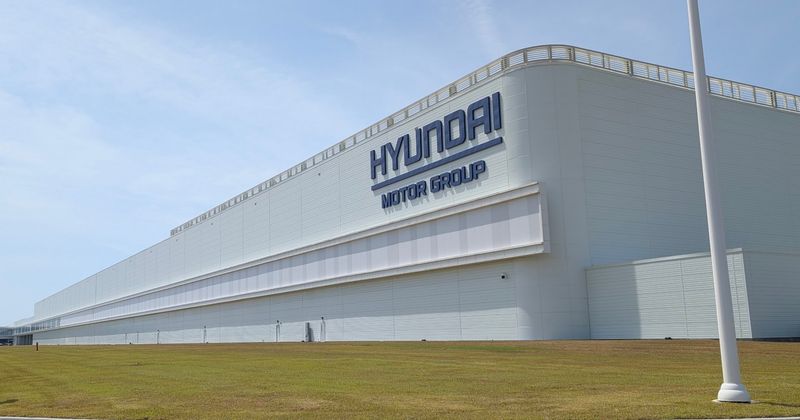
If you have ever wondered where an electric car starts its life, this is a great example. Even the factory address, 1500 Genesis Dr, Ellabell, GA 31308, sounds like the opening scene of a road trip movie.
Electric Cars Get A Brand New Home
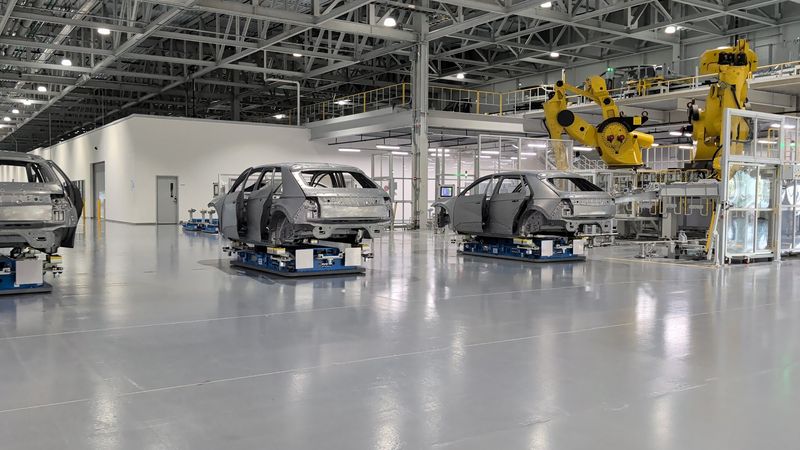
Gas stations might start feeling a little lonely around here. This factory is the first in the United States built by its parent company mainly for electric and hybrid vehicles.
That makes it a big deal for car fans and curious drivers alike. I like knowing the cars of tomorrow are being built right down the road.
Production officially kicked off in October 2024. The very first vehicle off the line was the Hyundai IONIQ 5, a sleek electric SUV with a futuristic look.
A few months later, in March 2025, the larger IONIQ 9 joined the lineup. That three-row SUV gives families more room without needing a gas tank.
Here is a fun detail I did not expect. The factory can build different brands and different power types on the same line.
Hyundai, Kia, and Genesis models can all come from this one site. That kind of flexibility helps the plant change with what drivers want.
Robots And People Share The Work
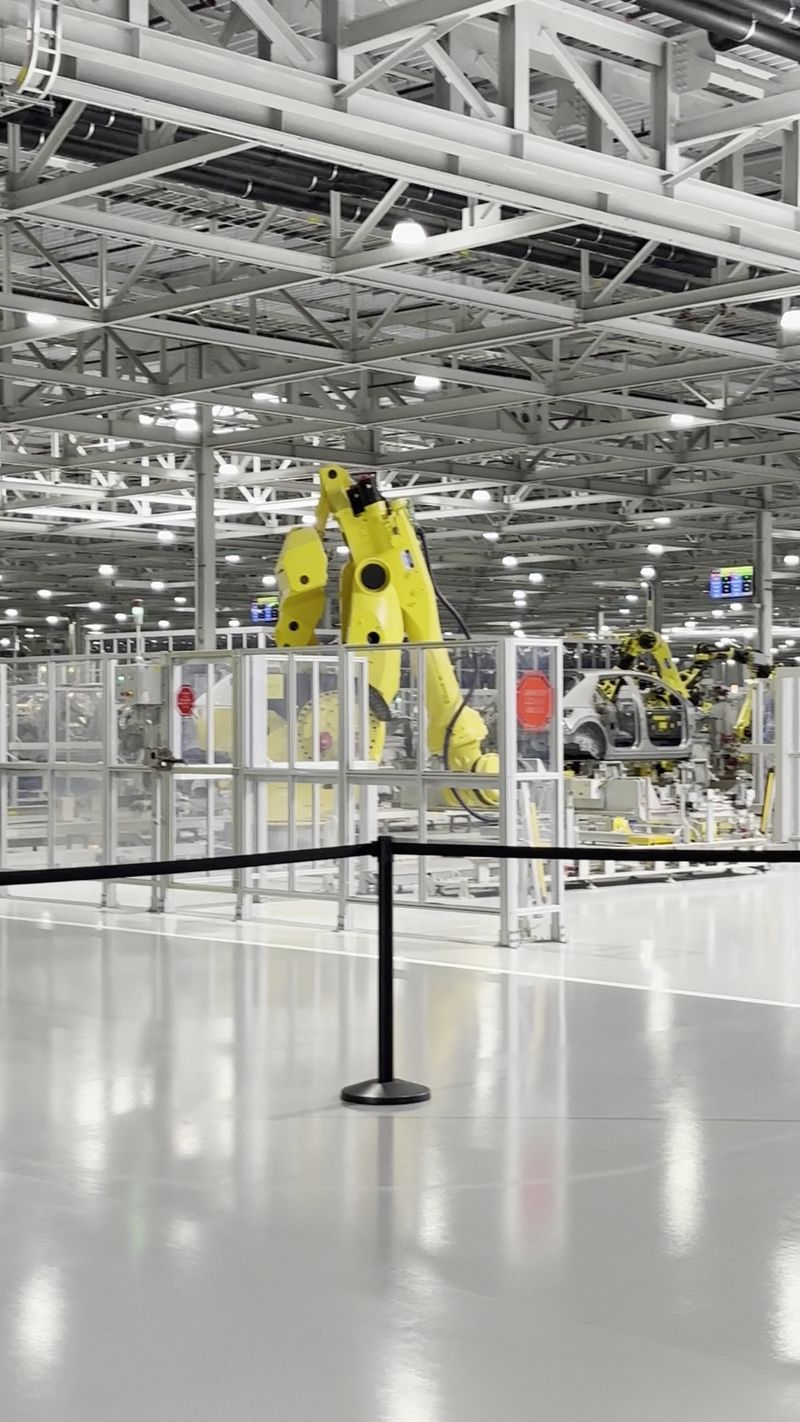
Picture a dance where half the dancers are robots. That is the best way I can describe how this smart factory works.
Advanced automation handles many heavy and repeated tasks. Artificial intelligence and real-time data help plan each step, from ordering parts to building finished cars.
Machines are clever, but they still need a coach. The employees here are called Meta Pros, and they guide and manage the high-tech equipment.
I love that name because it sounds like a team of superheroes. It also shows that people stay at the center of the action.
The company calls the factory human-centered. That means the space is designed to help workers stay safe and work smarter, not just faster.
The facility was designed as a highly automated, modern manufacturing environment. When a car factory is cleaner than my kitchen, I take notice.
For students who love science and technology, this place is a real-world classroom. Coding, robotics, and engineering are not just school subjects here.
They are the tools that build actual cars every single day. That makes learning those skills feel a lot more exciting.
Thousands Of New Jobs Are On The Way
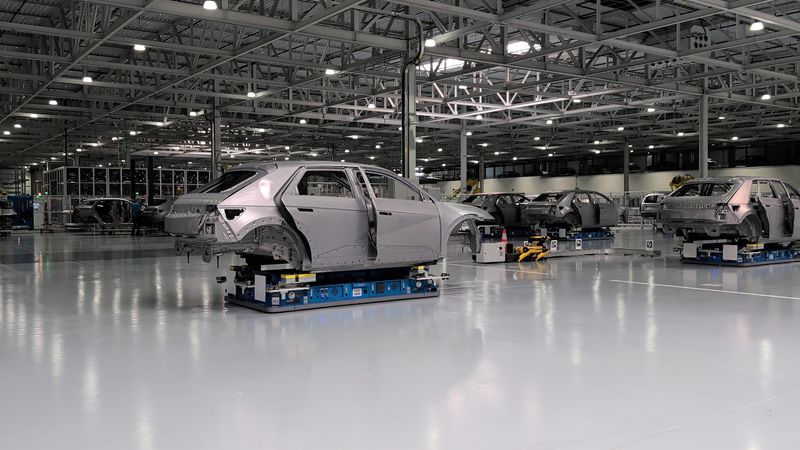
Help wanted signs rarely come in this size. The plant expects to create at least 8,500 direct jobs on site by 2031.
These are advanced manufacturing roles, the kind that build real skills. For families in the region, that means fresh paths close to home.
The good news does not stop at the factory gates. Nearly 6,900 more jobs have already been sparked at supplier companies around Georgia.
Suppliers make parts, move materials, and support the main plant. Every car needs thousands of pieces, so that chain gets busy fast.
Altogether, the project is expected to support close to 40,000 direct and indirect jobs across the state. Those jobs add up to billions of dollars in yearly earnings.
When I think about that number, I picture restaurants filling up and new shops opening. Money earned here gets spent at local businesses too.
If you are job hunting, my tip is to check the official website for openings. Workforce training programs in the area also help people prepare for these roles.
A new skill can open a door you did not even know existed. This factory is putting a lot of those doors in one place.
A Record Breaking Investment
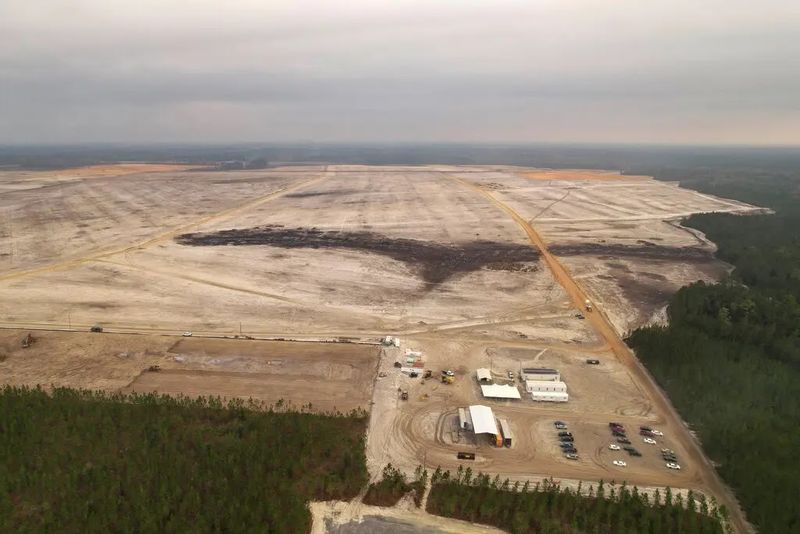
Some numbers are so big they make my calculator nervous. The investment in this project has grown to about $7.59 billion.
That makes it the largest economic development project in Georgia history. No other single project in the state has topped it.
I tried to picture what billions of dollars look like. The closest answer I found was standing outside and staring at the buildings.
Money like this pays for land, buildings, machines, roads, and training. It also signals that the company plans to stay for the long haul.
The bigger picture is even wider. Total Hyundai Motor Group investments in the United States are expected to pass $40 billion by 2028.
Georgia sits right in the middle of that plan. The state is becoming a major name in the electric vehicle world.
So why does this matter for everyday people? Large investments often bring better roads, more services, and stronger local budgets over time.
The project is expected to have a significant economic impact on communities across the region. That money can help support schools, parks, and public projects.
It is a lot like planting an orchard. The trees take time, but the harvest can feed a whole community.
Green Ideas Built Right Into The Walls
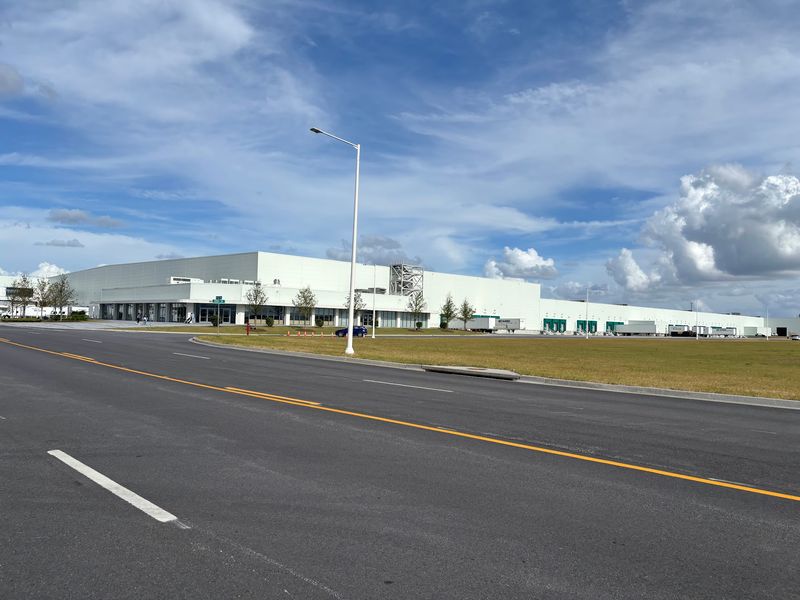
Building cars and caring for nature can actually be friends. The design here includes solar arrays that help power the facility.
Green panels on the buildings also show the plant’s focus on the environment. It is a factory that tries to make a smaller footprint.
Next door sits an Ecological Park. It blends the industrial site with natural space, so the area keeps some of its outdoor charm.
I appreciated that touch. Coastal Georgia has beautiful wetlands and waterways, and they deserve some care.
Environmental planning has been part of the site’s development, alongside efforts to preserve natural areas around the facility.
That kind of planning is easy to miss. Still, it makes a real difference for fish, birds, and the families who enjoy local water.
Of course, the cars themselves are part of the green story too. Electric and hybrid vehicles help cut down on tailpipe pollution.
If you care about cleaner air, this factory is worth paying attention to. It shows how big business can include nature in its plans.
A factory with a park beside it was not on my bingo card. Now it feels like a smart idea.
Why This Corner Of Georgia Won The Prize
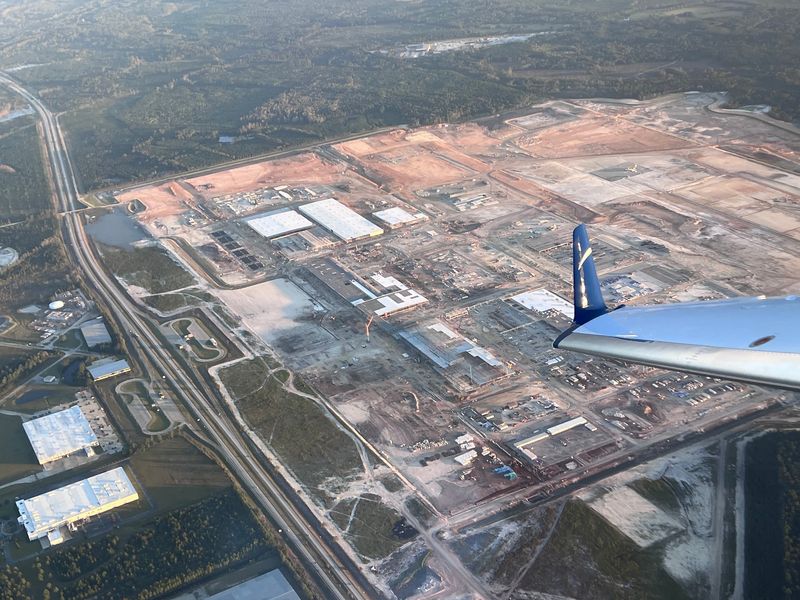
Location is the secret ingredient in almost every success story. This site sits right off Interstate 16, which makes moving people and parts much easier.
Rail links run nearby as well. Trains can haul heavy loads without crowding the highways quite as much.
Then there is the Port of Savannah, one of the busiest in the country. Being close to it helps ship cars and parts around the world.
I live by the rule that good planning saves headaches later. The people who picked this spot clearly felt the same way.
Quality of life played a role too. The region offers small-town charm with easy access to the city of Savannah.
Existing workforce training programs were another big reason. Companies want places where people can learn new skills quickly and well.
Here is a practical tip if you visit. Morning traffic near the exits and local highways can get heavy as workers arrive.
Give yourself extra time, stay patient, and drive safely. A calm drive makes the whole trip more enjoyable.
Roads, rails, ships, and people all meet here. That mix turned a quiet patch of land into a perfect fit.
Neighbors Are Feeling The Ripple Effect
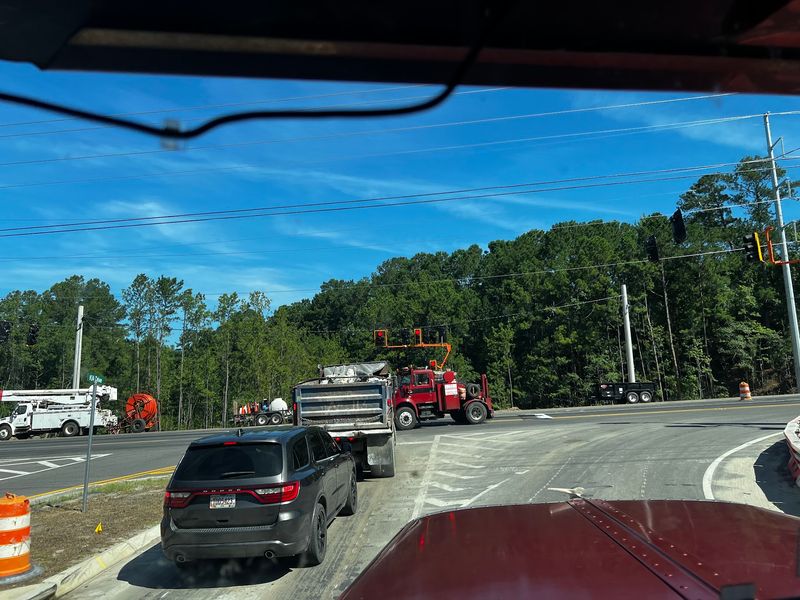
Ripples spread far when you drop a very large stone in the pond. The towns around the plant are already seeing growth in housing and retail.
New homes and stores are popping up to meet rising demand. More people means more need for places to live, eat, and shop.
Giving back is part of the story as well. Hyundai has supported organizations and community programs in and around Bryan County.
The plant has even hosted community events, including a blood drive. Moments like that show a factory can also act like a good neighbor.
Change can feel exciting and a little bumpy at the same time. Busier roads are one sign that the area is growing fast.
I think the key is planning together. When companies, leaders, and residents work as a team, growth feels much smoother.
If you live nearby, local meetings are a good way to stay informed. Your voice can help shape new roads, parks, and services.
Small towns have a special spirit worth protecting. With care, the region can keep its charm while welcoming new chances.
That balance is what makes this story so interesting to follow.
What The Future Could Look Like Here
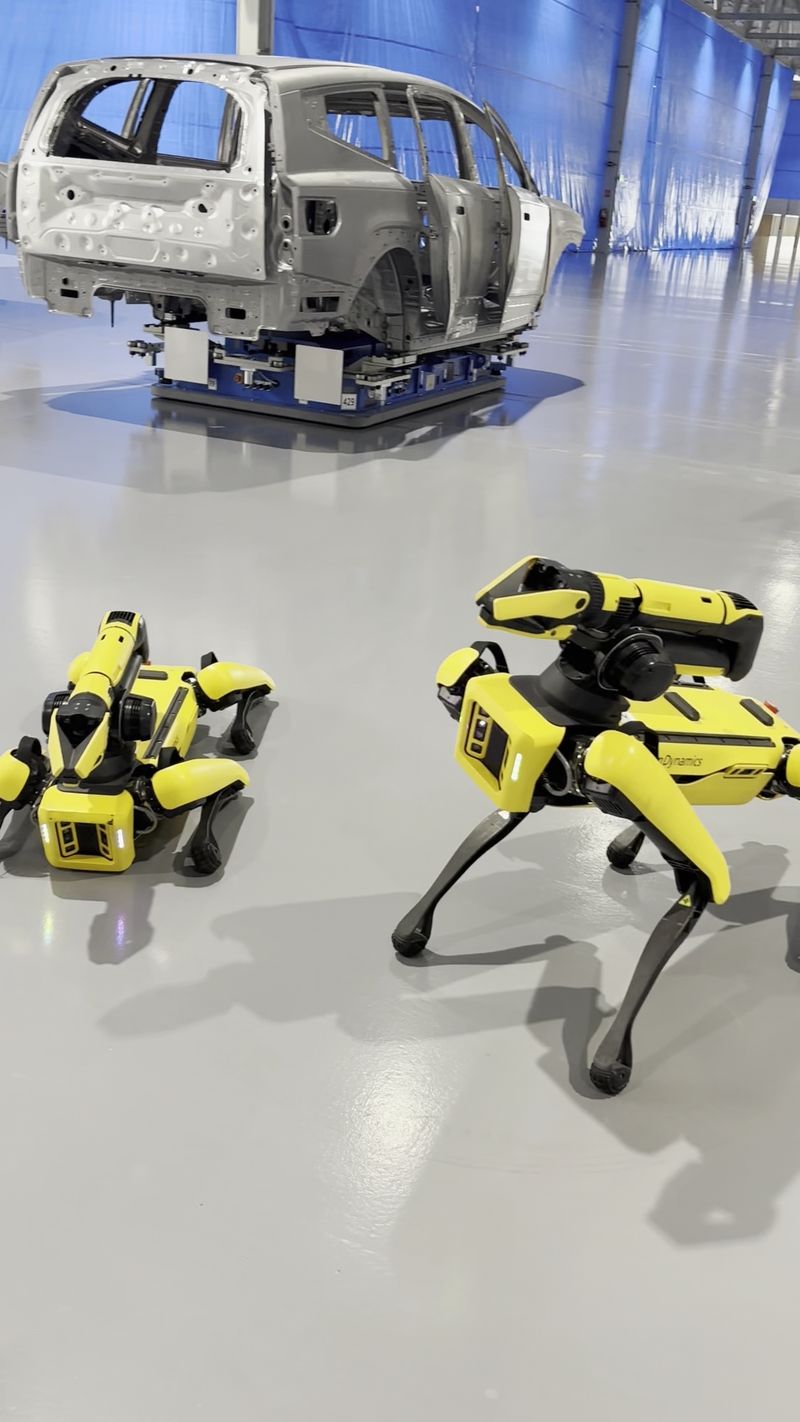
Dreams this big usually come with a countdown. When fully running, the plant aims to build 500,000 vehicles every year.
That is half a million cars rolling out of one Georgia location. I tried counting cars on my drive home and gave up after twenty.
More models are joining the lineup too. The Kia Sportage Hybrid joined the plant’s production lineup in June 2026.
Each new model adds more work and more chances for growth. It also shows how the plant can keep up with changing drivers.
Kids growing up nearby today may build tomorrow’s cars here. That idea gives me a real sense of hope.
Schools and training programs can connect students to careers in tech and manufacturing. A future job might be just a few miles from home.
For travelers, the region is worth a fresh look. Pair a visit with a trip to nearby Savannah for history, food, and river views.
I came for a snack and left with a story about change. Driving away, I felt like I had seen the first pages of a new chapter.
Some places just stay with you, and this one surely did.