This California City Is Growing Fast And Could Be The Place Everyone Wants To Move To In 2027
Fast-growing cities usually have something working in their favor.
Jobs, housing, schools, location, or quality of life can start pulling people in, and before long a place that once flew under the radar becomes much harder to overlook.
One city appears to be heading into 2027 with that kind of momentum.
New residents continue arriving while expanding neighborhoods and businesses give the area the energy of a place still figuring out just how big it might become.
For people hunting for their next California hometown, one fast-growing city is making a stronger case for itself every year.
More residents can mean busier roads and pressure on the laid-back qualities that attracted people in the first place. Still, that tension is part of what makes the city interesting right now.
It sits at the point where opportunity and rapid change meet, which could put it on plenty more moving shortlists in 2027.
More New Residents Than Any California City Under 300,000
Numbers rarely tell a whole story, but this one makes people stop and look twice.
The California Department of Finance estimates that Roseville grew from 161,162 residents in 2025 to 165,455 in 2026. That adds up to 4,293 new people in a single year.
No other California city with fewer than 300,000 residents added more people in raw numbers during that stretch.
To put it simply, a crowd big enough to fill a small town showed up in about twelve months.
Growth like that usually does not happen by accident. People tend to move where they can find work, safe streets, decent schools, and room to breathe.
When thousands choose the same spot at once, it often means many of those boxes are getting checked.
Still, fast growth comes with real trade-offs worth thinking about. Busier roads, crowded shopping centers on weekends, and higher demand for homes can all follow a population jump.
Newcomers may notice more construction and some neighborhoods that still feel brand new, with young trees and fresh pavement.
Anyone thinking about a move could start by visiting a few different parts of town on a weekday and again on a weekend.
Driving the roads at rush hour can show how the growth actually feels. Walking a neighborhood in the evening can reveal how quiet or lively the streets become once the workday ends.
Locals Seem Genuinely Happy Here
Ask residents how they feel about their hometown, and the answers here come back surprisingly upbeat.
In the city’s National Community Survey, 97 percent of respondents rated Roseville a good or excellent place to live. On top of that, 92 percent said they would recommend living there to others.
Those are strong numbers for any community.
Surveys like this ask about things people deal with every day, such as safety, cleanliness, parks, and how the city is run.
When almost everyone gives a thumbs up, it usually points to a place where daily life runs fairly smoothly.
Of course, no survey can capture every experience. Renters, newer arrivals, and longtime homeowners may all see the city a little differently.
Someone struggling with housing costs might feel less cheerful than a family that bought years ago.
A good way to get a real sense of the local mood is to spend time in shared spaces.
Farmers markets, library events, and park gatherings can give a feel for how friendly and relaxed people seem.
Listening to the background chatter at a busy playground or coffee shop often says a lot about a community.
A Daytime Population That Tops 200,000
Every weekday morning, the city quietly swells far beyond its official size.
Roseville reports that its daytime population climbs above 200,000 because so many people commute in for work.
City demographic data lists roughly 90,200 jobs and more than 6,800 businesses.
Many suburbs work the other way around. Residents leave each morning to work somewhere else, and the streets go quiet until evening.
Here, a large share of jobs sits right inside city limits, which gives the place a busier and more self-supporting feel.
Health care, retail, technology, and professional services all play a part in the local job picture.
Hospitals, office parks, and big shopping centers employ thousands of people across many skill levels.
Having work close by can mean less time stuck in traffic and more time at home. For job seekers, a smart first step is looking at local listings before moving.
Checking which industries hire the most can show whether a career fits the area well.
Remote workers might also enjoy the mix of coffee shops, libraries, and quiet parks that can serve as a change of scenery.
A city with its own strong job base can also feel more stable when the wider economy shifts, though nothing is guaranteed.
A $1.9 Billion Bet On Semiconductors
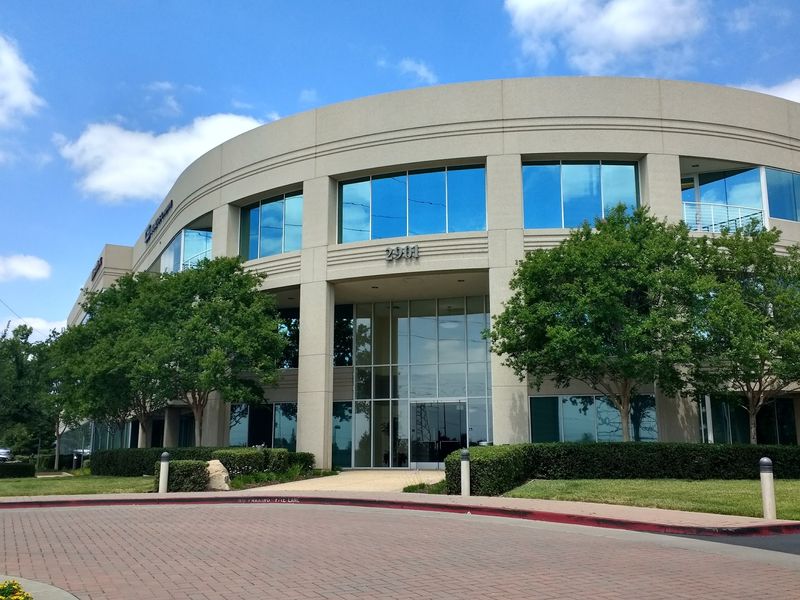
Tiny computer chips might seem like an odd reason to move somewhere, yet they could shape the city’s future in a big way.
Bosch is investing about 1.9 billion dollars in its Roseville semiconductor facility. The project is also receiving 225 million dollars through the federal CHIPS and Science Act.
Semiconductors power nearly everything, from phones and laptops to cars and home appliances. The federal CHIPS program was created to bring more chip making back to the United States.
Landing a share of that support puts Roseville on a short list of places tied to this national push.
Big factory upgrades like this often bring construction work first, followed by longer-term jobs for technicians, engineers, and support staff.
Local shops and restaurants can also benefit when more workers spend money nearby. The full impact may take years to show, so it helps to keep expectations realistic.
For anyone working in manufacturing, engineering, or skilled trades, keeping an eye on hiring news makes sense.
Even people outside the industry might notice the ripple effects over time, such as new businesses opening or more demand for housing in nearby neighborhoods.
Over 100 Miles Of Trails To Explore
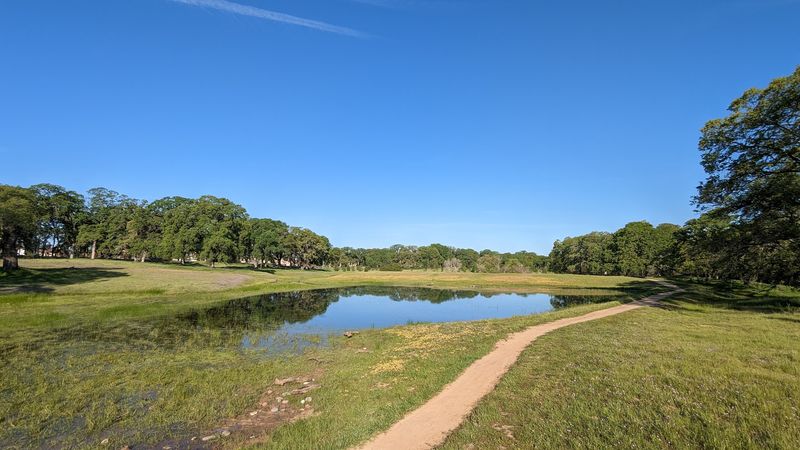
Lacing up sneakers and heading out the front door can lead to a surprising amount of open space here.
Roseville currently maintains more than 45 miles of bike and multi-use trails, including the nationally designated Miner’s Ravine Trail.
That network gives residents plenty of ways to get outside without driving across the region.
Many paths follow creeks and green belts, so walkers often hear birds and rustling leaves instead of engines.
Paved surfaces make the trails friendly for strollers, scooters, and casual bikers. Some stretches pass under shady oaks, which can be a welcome break during hot summer afternoons.
Trails like these can also work as everyday routes. Kids might ride to a friend’s house, and adults could pedal to a nearby park or shopping area.
Having safe paths separated from busy roads tends to make short trips feel easier and more relaxed.
Wildlife sometimes appears near creeks, so keeping pets on a leash helps protect both animals and people.
Checking the city’s trail maps before heading out can also help in planning loops that match energy levels and available time.
Parks Around Nearly Every Corner
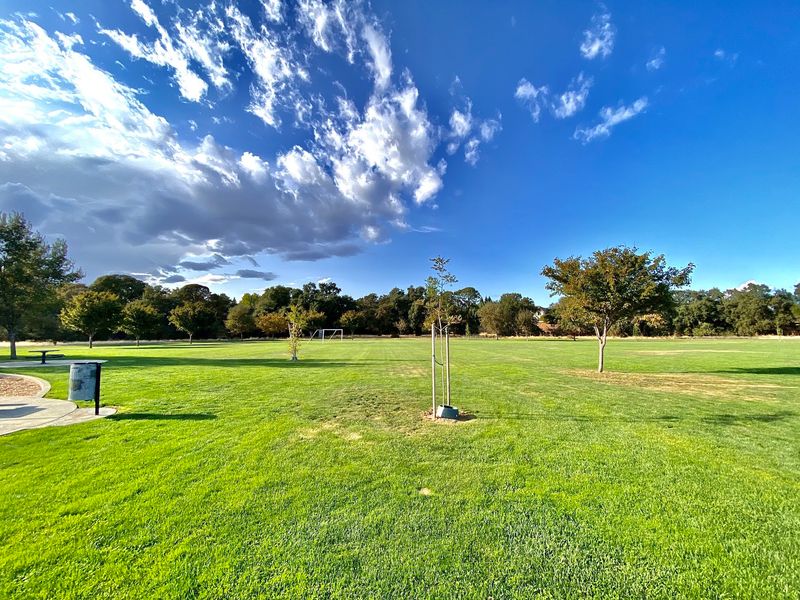
Kids tend to judge a town by how close the nearest playground is, and grown-ups often are not far behind. Roseville manages 90 parks and more than 4,000 acres of natural areas.
The city also runs pools, golf courses, and libraries that round out its recreation offerings. That much green space can change how daily life feels.
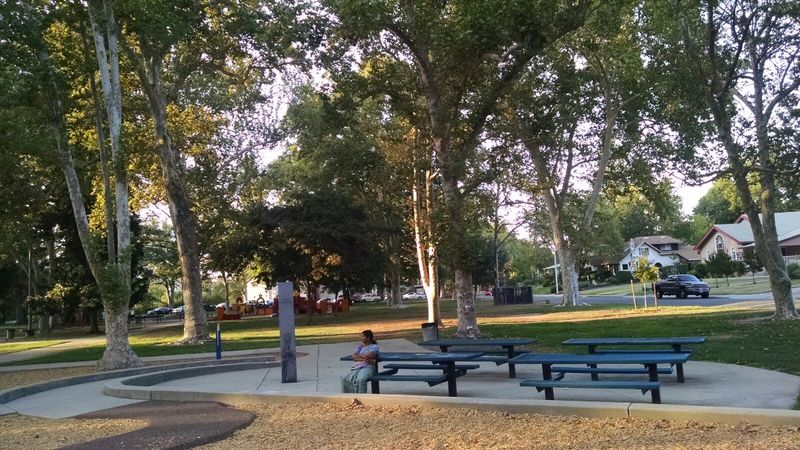
A quick after-school stop at a playground, a lunchtime walk under oak trees, or a weekend picnic may all be possible without a long drive.
Open fields give room for soccer practice, kite flying, or simply stretching out on the grass.
Natural areas add something different from tidy lawns. Creeks, wetlands, and oak woodlands provide homes for birds and other wildlife, and they offer quieter places to slow down.
Active retirees might enjoy walking these areas at an easy pace, while families can turn them into simple nature lessons.
Here is a practical tip for newcomers. Checking the city’s recreation guide can reveal swim lessons, summer camps, and classes that often fill up quickly. Signing up early may help secure a spot.
Pool schedules and program times can change by season, so confirming details before heading out is always a good habit.
Pricey Homes, But Not Bay Area Pricey
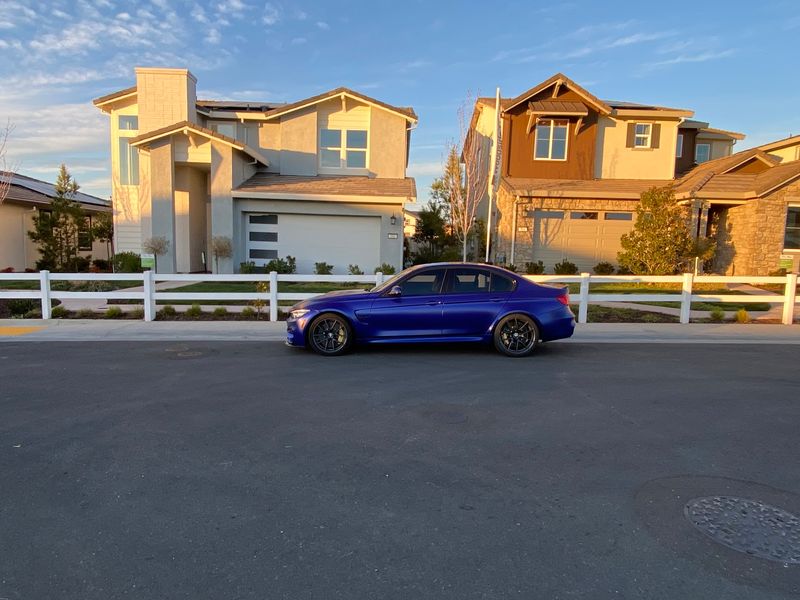
Honesty matters here, because nobody should expect bargain housing. Roseville is not a cheap place to live.
Redfin reported a median home sale price of about 645,573 dollars in August 2026. That number can feel steep for first-time buyers or families on tight budgets.
Rents in newer complexes may also run higher than in older parts of the region. Monthly costs such as property taxes, insurance, and neighborhood fees can add up quickly, too.
Context helps, though. Buyers leaving pricier areas along the California coast, especially the Bay Area, may see the trade-off as worthwhile.
Similar money might buy more space, a yard, or a newer home here compared with many coastal cities.
Home prices change often, so any figure is only a snapshot in time. Checking recent sales in specific neighborhoods gives a clearer picture than a citywide median.
Talking with a lender early can also help set a realistic budget before falling in love with a house.
Renting first could be a smart move for anyone unsure about neighborhoods.
Spending a few months in the area may reveal which parts of town fit best, from commute times to nearby parks and shopping.
A Downtown Still Finding Its Groove
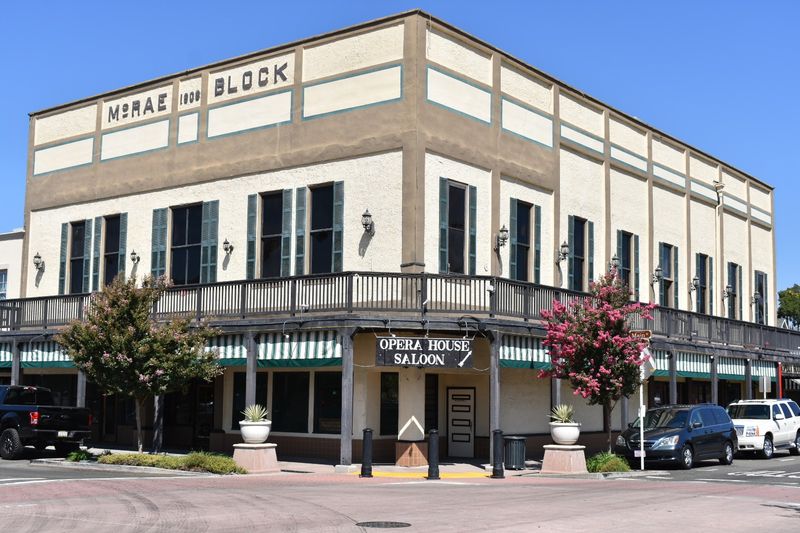
Endless rows of shopping centers are not the whole story here, and the older core of town proves it.
Roseville has been encouraging more housing, restaurants, retail, and mixed-use buildings downtown.
The city has also been working to connect the Vernon Street District with Historic Old Town. Downtown carries a different feel from the newer suburbs.
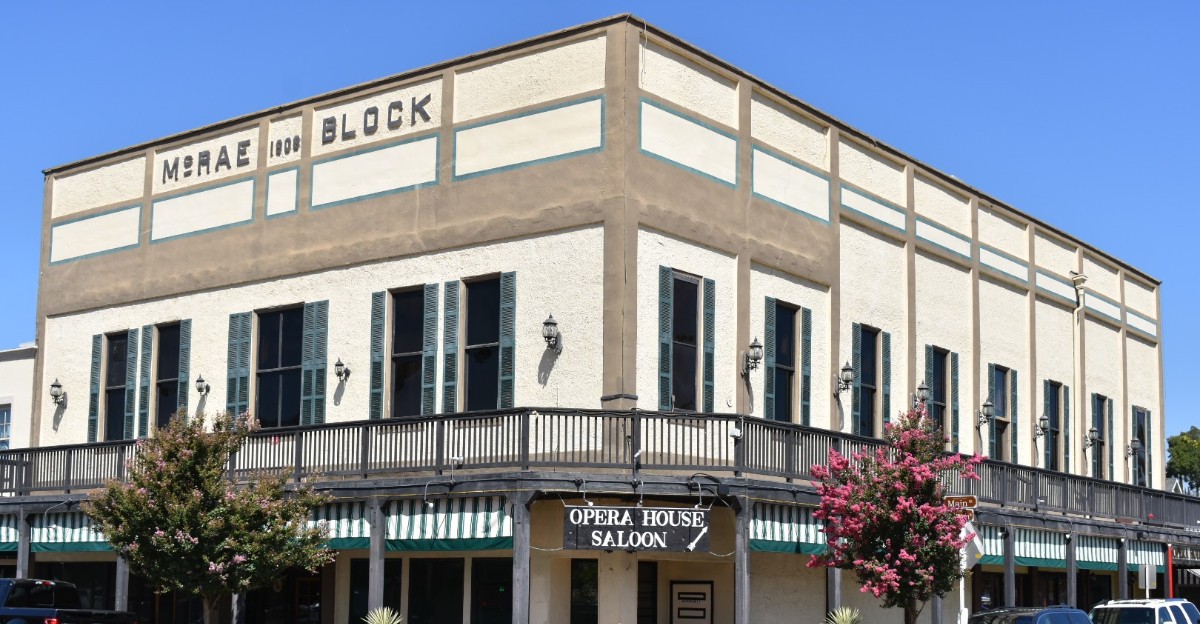
Older brick buildings, railroad history, and smaller storefronts give the streets a sense of character that newer areas may still be building.
Evenings can bring soft lights, the hum of conversation, and a slower pace that suits casual strolling.
Historic Old Town grew up around the railroad, which played a big role in the city’s early days. Trains still rumble through the area, and that sound has become part of the local soundtrack.
The Vernon Street side often hosts community events that pull people together throughout the year.
Change is still happening, so some blocks may feel more finished than others. Visitors might spot new projects or empty lots waiting for their next chapter.
A relaxed walk is the best way to explore, with time to peek into shops and check posted event calendars.