This Old-School California Fabric Store Has Been A Sewing Paradise For More Than 70 Years
Fabric stores have changed plenty over the decades, but serious sewers still know the thrill of standing in front of shelves packed with possibilities.
One historic shop has been feeding that obsession for more than 70 years.
Inside, the appeal goes well beyond grabbing material for a quick project. Fine fabrics, buttons, and sewing notions turn browsing into the kind of afternoon where one idea quickly leads to another.
Seven decades of California sewing projects have started with someone spotting the perfect fabric and refusing to leave it behind.
That longevity gives the store an old-school character newer craft shops cannot manufacture overnight.
Generations of designers, home sewers, costume makers, and curious beginners have wandered through looking for exactly the right material.
It Has Been Family-Run Since 1952
Few shops in any big city last seventy years, and fewer still stay in the same family the whole time.
Martin and Lucy Spector opened Britex in San Francisco in 1952. Before that, the couple had worked in fabric in New York, so they arrived with real know-how.
Their goal was simple and steady: offer good textiles and helpful notions to people who love to sew.
More than seven decades later, the business is still family-run. Leadership passed to their daughter, which keeps the store tied to its roots.
That kind of long care may explain why the shop feels settled and personal rather than rushed.
The city has noticed, too. Britex was named a San Francisco Legacy Business in 2016, an honor given to long-standing shops that add to the life of the community.
The title helps protect and celebrate places that shape a neighborhood over many years. For visitors, the history adds a quiet layer to the trip.
You can find it at 117 Post Street, San Francisco, California 94108.
Rainbow Walls Built From Fabric Bolts
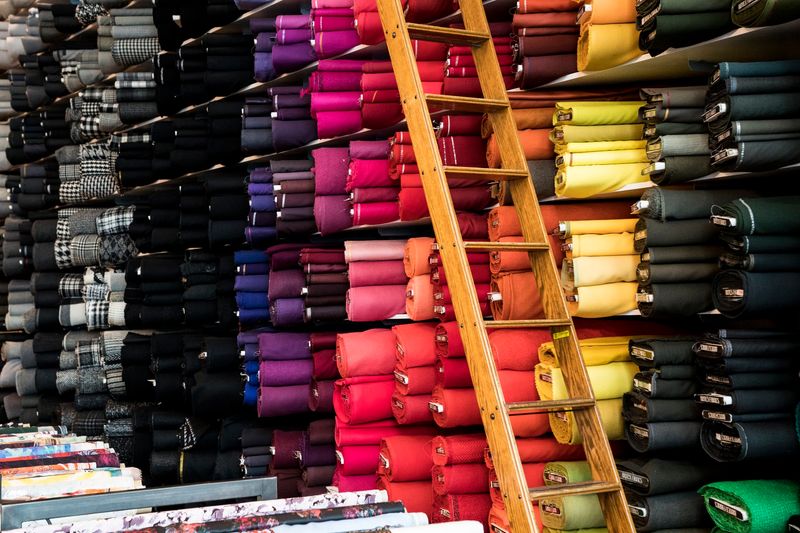
Color hits first, before any price tag or label comes into view.
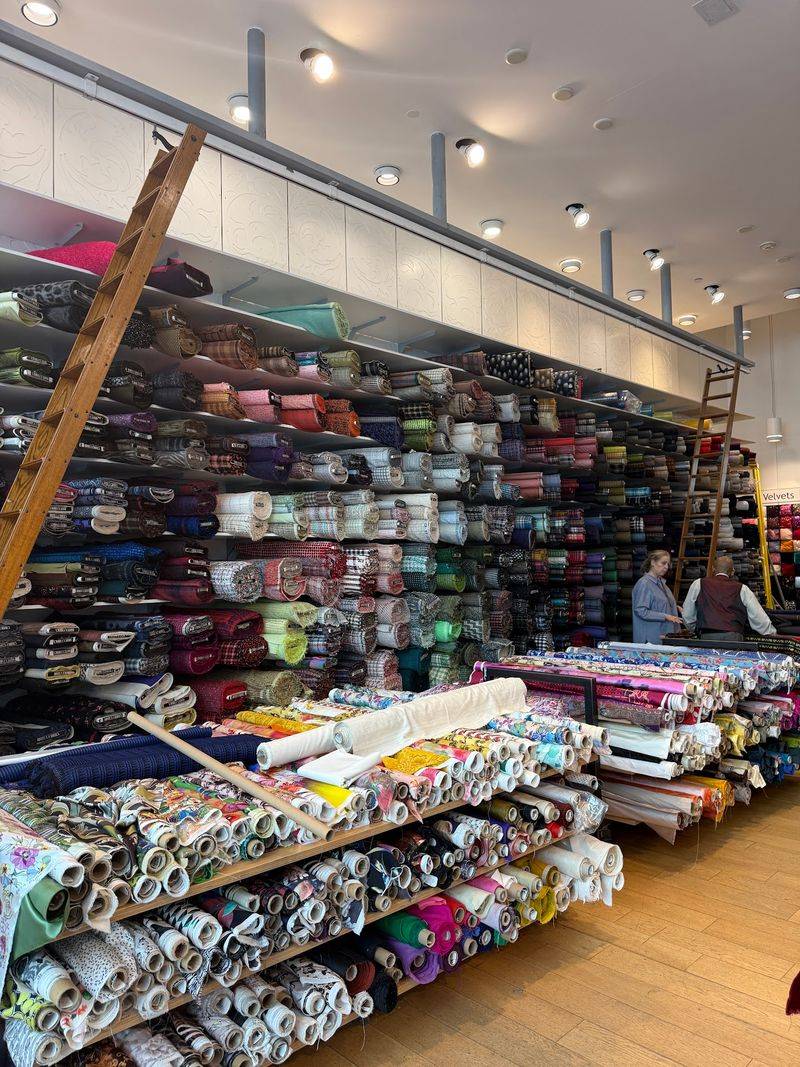
Britex arranges groups of fabrics by color, following a European tradition. The result is a set of tall, floor-to-ceiling displays that shift from soft creams to deep blues and bright reds.
Sorting by color is not only pretty. It can make shopping easier for anyone trying to match a shade, since similar tones sit side by side.
A shopper holding a swatch of navy wool can head straight to the blue area and compare dozens of options at once.
Fabrics are also grouped by type, so silks and wools are not jumbled together at random. That mix of color and category helps keep a huge selection from feeling overwhelming.
Natural light plays a role here as well. The main floor has high ceilings and plenty of light, which may help colors look closer to how they will appear outdoors.
Fabric viewed only under dim bulbs can surprise people later, so good light is a real bonus.
A practical idea is to bring a small swatch, a thread sample or even a phone photo of the project.
Comparing colors in person is far more reliable than guessing from memory, and the color-sorted walls make that side-by-side check simple.
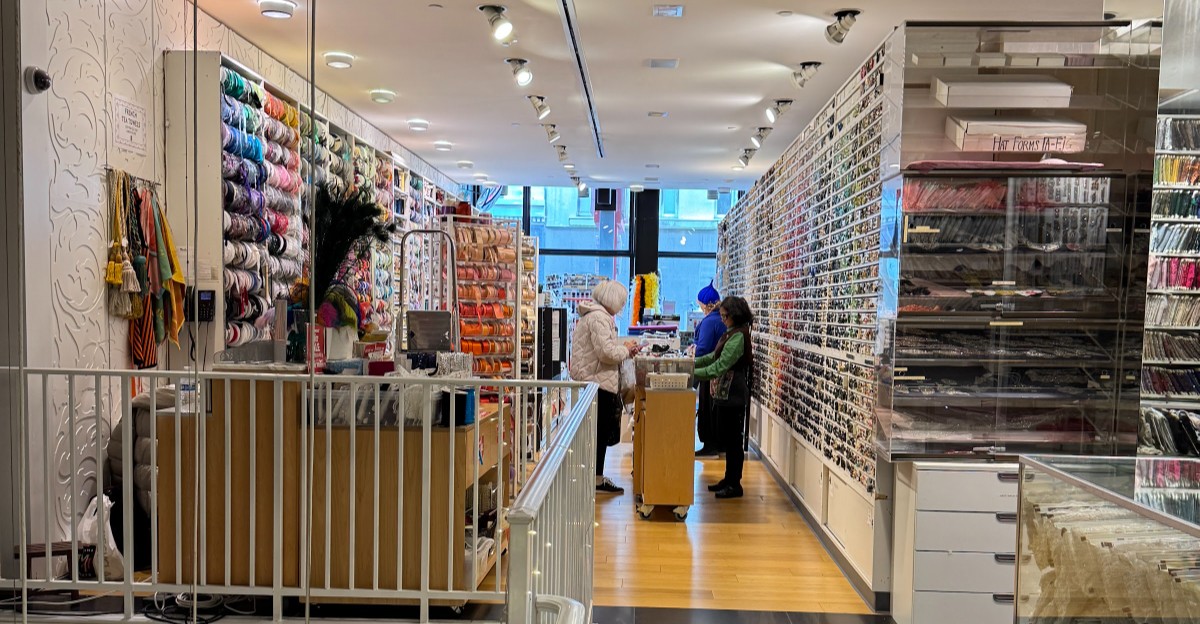
More Than 75,000 Button Styles
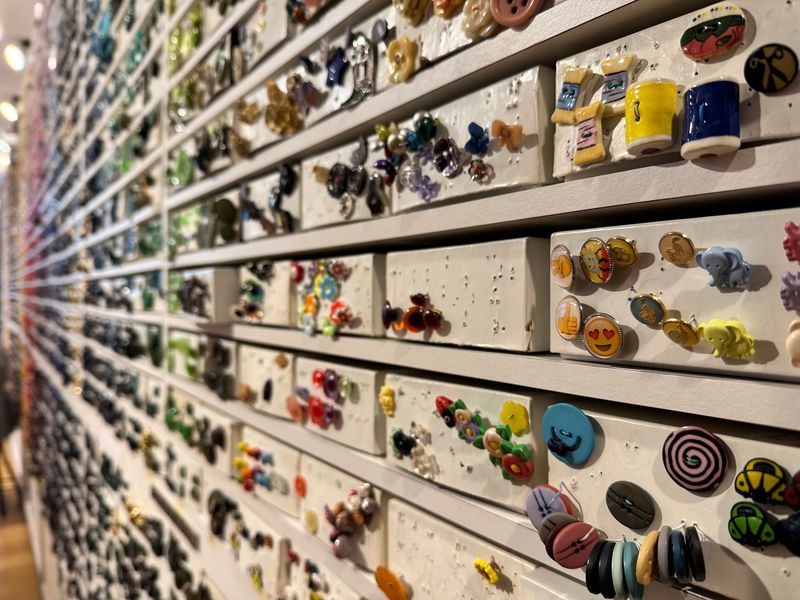
Seventy-five thousand is a wild number for something that fits on a fingertip.
Britex says its famous button collection holds more than 75,000 styles. That is not a typo, and it is one of the main reasons people climb the stairs to the second floor.
The mix goes far beyond plain plastic. The collection includes vintage glass and Bakelite buttons, which offer a peek into design history.
There are also buttons made from shell, horn, wood, metal, leather and corozo nut, a natural material that looks a bit like ivory.
Some choices lean fancy, such as rhinestone styles and gold-plated blazer buttons. Others are fun novelty shapes that could brighten a child’s jacket or a simple cardigan.
Swapping buttons is one of the easiest ways to upgrade clothing without sewing a whole new piece. A store-bought coat can look custom with a fresh set of horn or metal buttons.
Here is a helpful habit for this section. Bring the garment along or measure the buttonhole first, since size matters more than looks when it comes to fit.
Counting how many buttons are needed before arriving also saves a second trip, because popular styles may sell out.
Silk Takes Center Stage
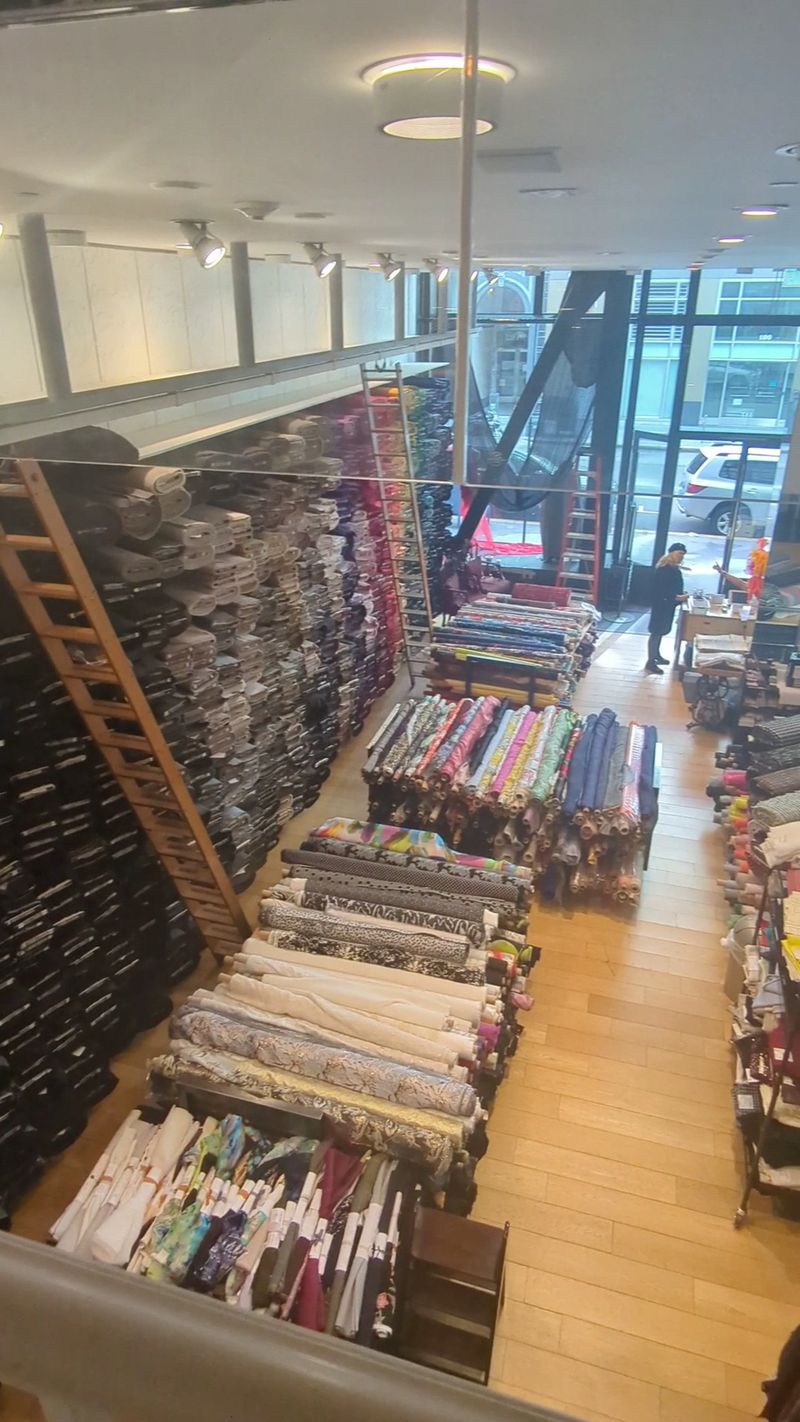
Silk has a way of catching light that photos never quite capture. That is one reason silk stands out as a specialty at Britex.
Shoppers can browse a wide range, from airy silk chiffon to heavy Duchess satin, with plenty of unusual and high-end choices in between. Many of these silks sit on the bright main floor.
Each type behaves differently. Chiffon is light and floaty, which suits scarves and soft overlays.
Charmeuse feels smooth and slippery, often used for slips and blouses. Duchess satin has body and weight, so it can hold the shape of a formal gown.
Other options may include crepe de chine, dupioni, shantung, taffeta and organza. Dupioni has a slightly bumpy texture, while organza feels crisp and see-through.
Silk often costs more than everyday fabric, and prices here can vary widely by type and source.
Buying the exact yardage a pattern calls for, plus a small extra amount for mistakes, may help keep spending in check.
Touch matters a lot with silk. Running fabric between the fingers and holding it up to the light shows drape and sheerness in a way a screen cannot.
Staff can usually explain which silk fits which project, which is handy for first-time silk sewers.
Runway Roots In The Fabric Racks
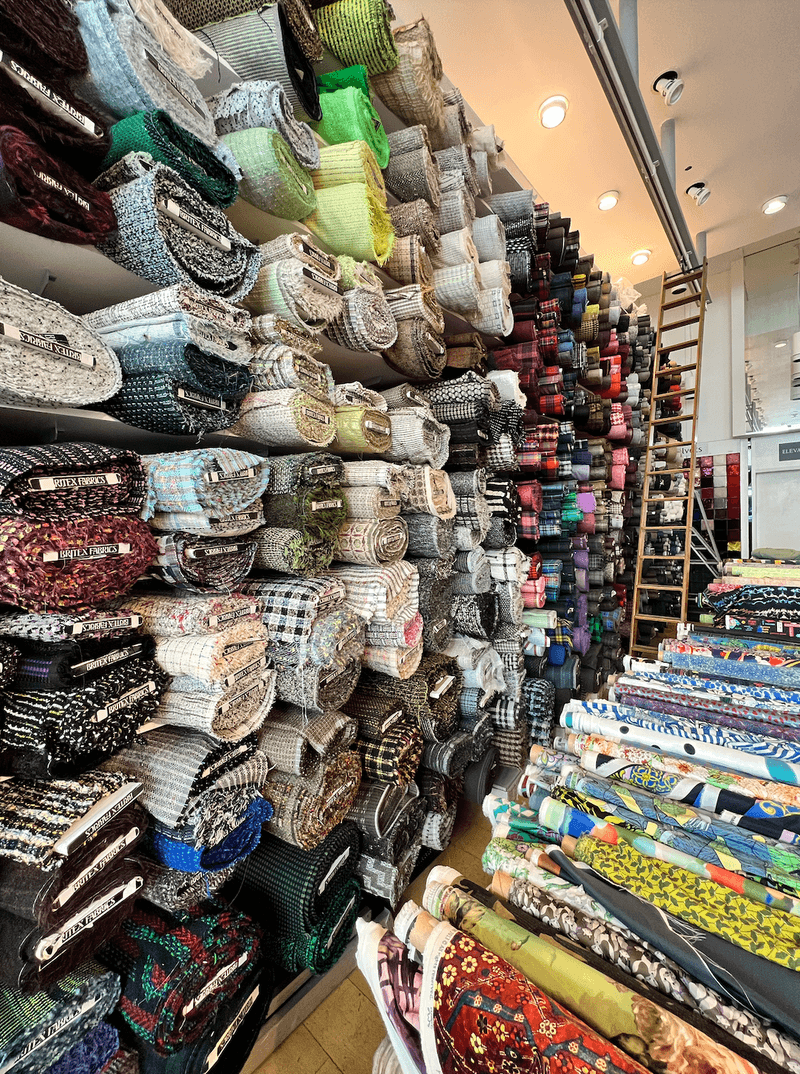
Some of the bolts here have traveled a path that started near a fashion runway.
Britex describes part of its collection as fabric sourced from fine fashion houses. That detail makes the store especially interesting for serious sewers and clothing makers.
It offers a chance to work with materials that were made for high-end design.
These fabrics are often hand-selected, which means the stock can change and some pieces may not come back once sold.
Seeing a special bolt and waiting too long might mean missing it. On the other hand, new arrivals can show up on a later visit.
Designer-sourced fabric is not always flashy. Sometimes the magic is in the weave, the weight or the way the material moves.
A well-made wool may press crisply and hold a sharp seam, which can make a homemade jacket look polished.
For students, the experience can be a lesson in quality. Comparing a fine designer fabric with a basic one side by side shows how fiber and finish affect the final look.
Labels and prices can vary, so asking staff about a fabric’s background and care needs is wise.
Some fancy materials need dry cleaning or careful handling. Knowing that before cutting keeps a special project from turning into a costly mistake.
A World Tour In Textiles
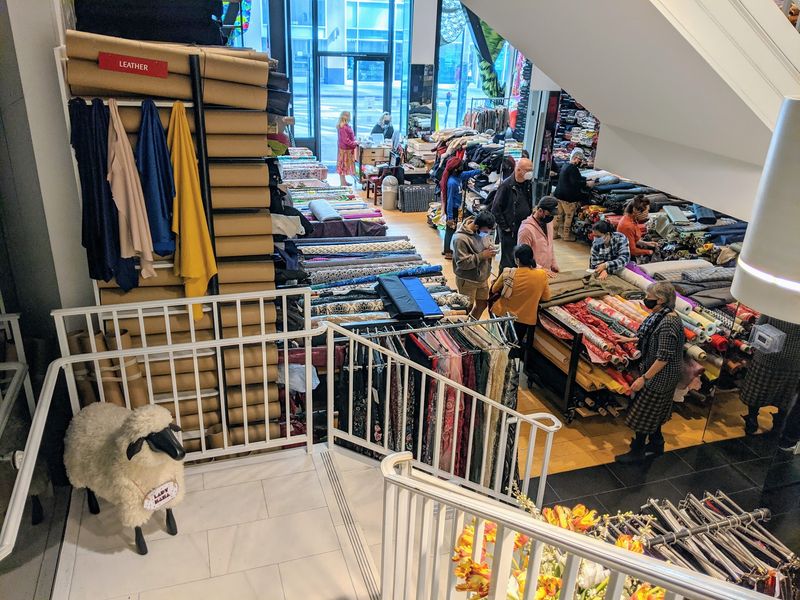
A single afternoon of browsing can feel like a trip around the globe.
Britex carries imported textiles from many places.
The list includes Japanese indigo, Liberty of London cotton lawn, African Dutch wax prints, European designer prints, Guatemalan stripes and Italian denim. Each one brings its own history and look.
Japanese indigo often has deep blue shades that may soften over time. Liberty cotton lawn is thin, smooth and known for tiny floral prints, which works well for blouses and summer dresses.
Dutch wax prints are bold and bright, with strong patterns on sturdy cotton.
Guatemalan stripes can add cheerful color to bags or pillows. Italian denim may suit jeans, jackets or skirts for anyone ready to try heavier sewing.
Learning a little about a fabric’s origin can make a project more meaningful. A dress sewn from Liberty lawn or a tote from wax print fabric becomes a small connection to another part of the world.
Washing habits matter with imported cotton and denim. Some fabrics can shrink or bleed color the first time.
Pre-washing a small piece at home, or asking staff about care, may save frustration later.
Buying a little extra yardage can also help cover any shrinkage and still leave enough for the pattern.
Ribbons, Sparkle And Feathers Galore
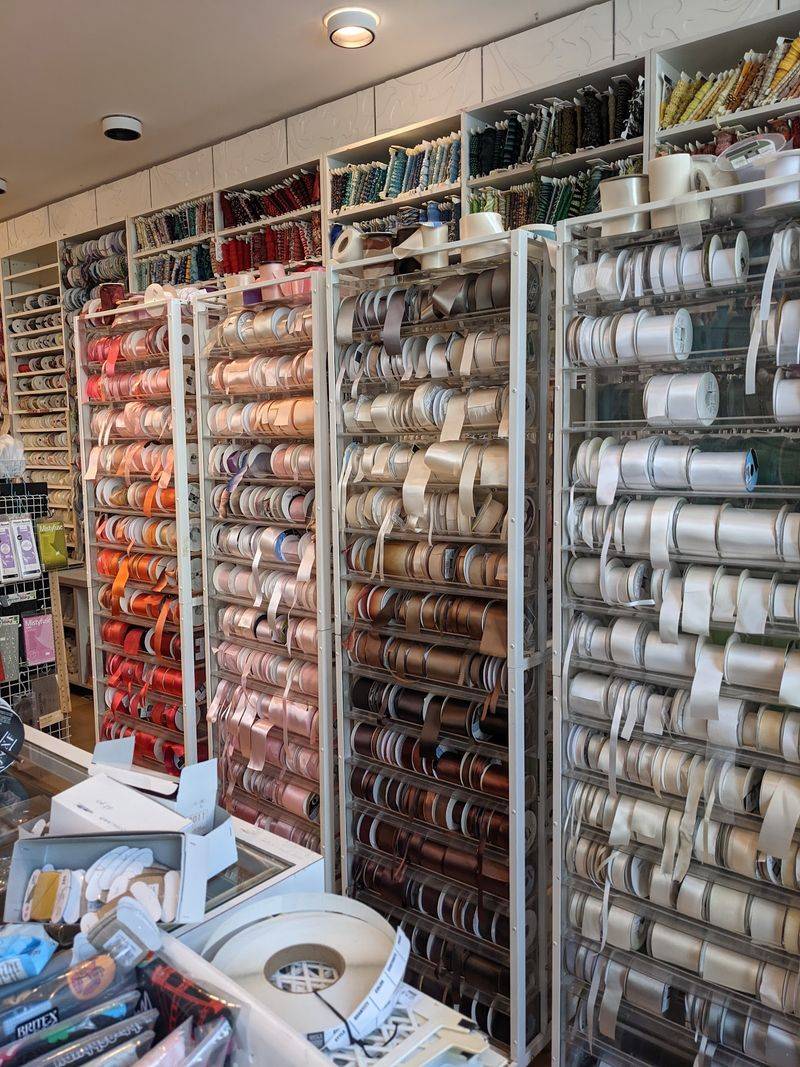
Ribbons hanging in long rows can make even a plain shopping list feel festive. The trims section at California’s Britex is so large that it almost works as its own shop.
Hand-dyed silk ribbons, velvet ribbons and Petersham grosgrain line the displays. Appliqués, sequins, rhinestones and feathers add even more sparkle.
Petersham is a sturdy ribbon with a fine ridged texture. It is often used on hats and waistbands because it can bend gently without losing its shape.
Trims are a playful shortcut to style. A strip of velvet ribbon can dress up a hat, and a simple appliqué can cover a small hole in a favorite jacket.
Home trims such as fringe, cording and tassels may also be found for curtains and pillows. Bridal shoppers can look at lace trims and accessories for a special day.
Ribbon is usually sold by the yard, so measuring first saves money. Wrapping a measuring tape around the item at home gives a solid number.
Adding a few extra inches for knots, bows or folding under the ends is a simple way to avoid coming up short.
Small Notions That Save A Project
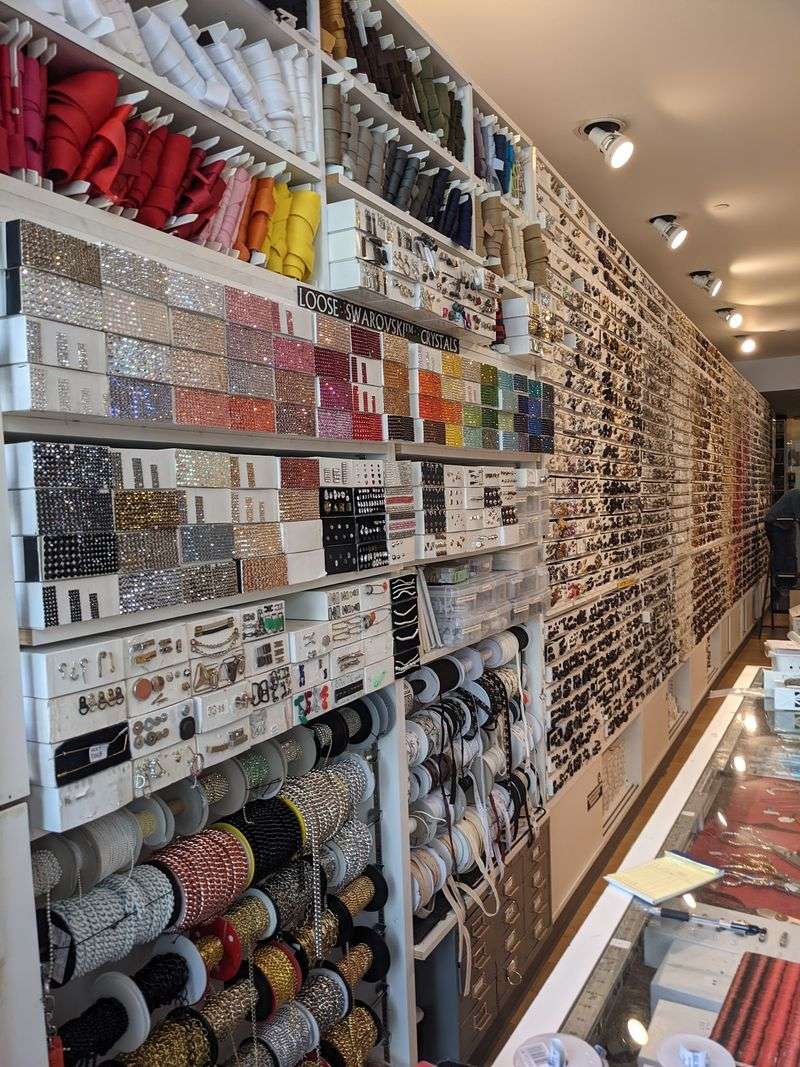
Ask any sewer about a stalled project, and the culprit is often one tiny missing part. Britex stocks a deep range of notions for exactly that reason.
Needles, thread, zippers, pattern paper, bobbins, boning, corset-making supplies and handbag hardware are all on hand. Dozens of other specialized items fill the shelves too.
Boning is a flexible strip sewn into garments to help them hold shape, often in corsets or strapless tops.
Handbag hardware includes rings, clasps and buckles that make a homemade bag look store-bought. These items can be tough to find in one place.
Thread choice matters more than many beginners think. Strong polyester thread works for many fabrics, while silk thread can blend nicely into delicate silk projects.
Zippers come in several types, including invisible, metal and separating styles for jackets. Picking the wrong one can make a finished piece look odd or fail to close.
A handy trick is to bring the pattern envelope along. The back usually lists every notion needed, from zipper length to button count.
Staff can often suggest the right closure or tool, even one a shopper may not have known existed, which makes this section a calm problem-solving stop.
Two Floors Packed Wall To Wall
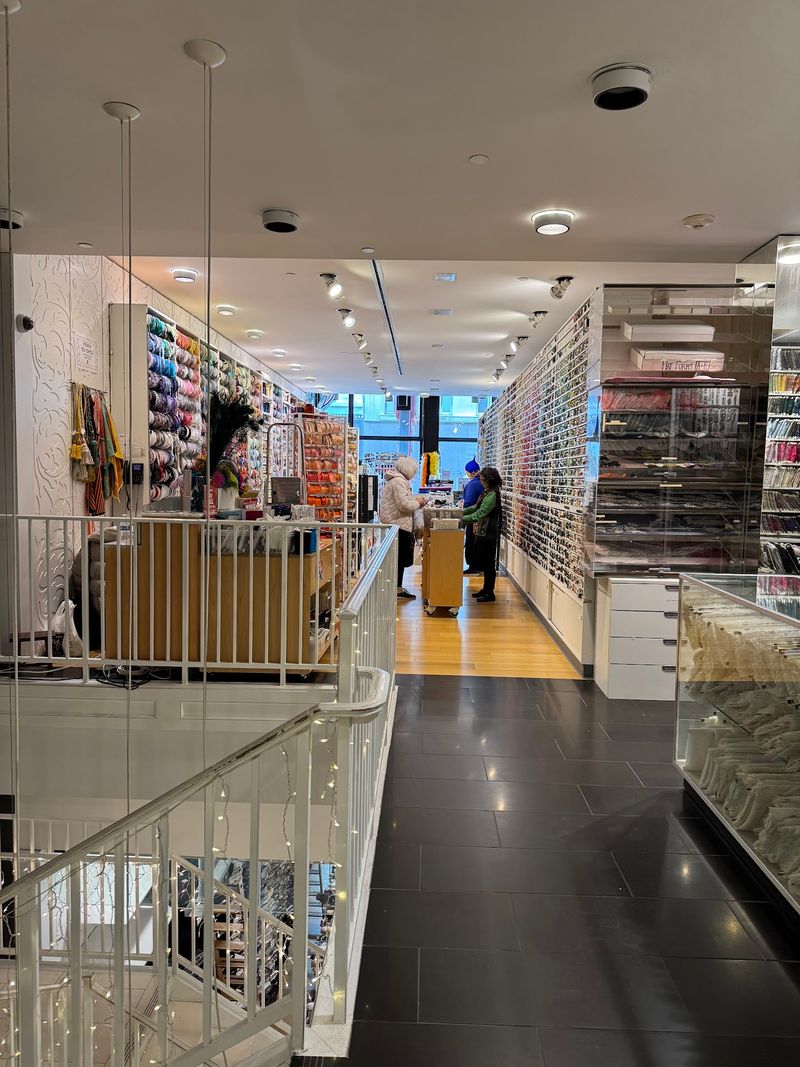
Climbing the staircase feels a bit like turning to a new chapter of the same book.
Britex describes its current home as two floors filled with fabrics, lace, trims, buttons and other textile supplies.
This California store moved around the corner from its longtime Geary Street spot several years ago. The newer layout is wider and more open than the older, narrow building.
The main floor has high ceilings and plenty of light. Wools, silks, linings and evening wear fabrics have generally been found there.
The space can feel bright and roomy, which makes browsing large bolts easier.
Upstairs tends to feel cozier. Buttons, zippers, ribbons, thread, patterns, cotton fabrics, knits and home décor fabrics have been housed on that level.
An elevator near the cashier offers another way up besides the stairs, which helps anyone who prefers not to climb.
From the upper floor, visitors may catch a view of the silks below. On a sunny day, the light across the colorful bolts can be a lovely sight.
Exact layouts can shift over time, so asking staff where a certain item sits is a quick fix.
Starting upstairs for notions and then heading down for fabric can be a smart way to stay organized.