Elk Herds Bugle Across Open Meadows In Idaho Right Now, And Drivers Need To Give Them Room
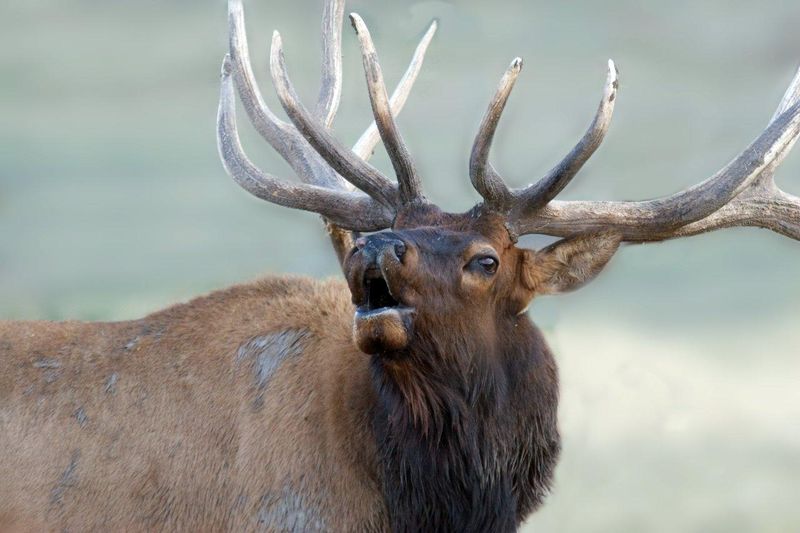
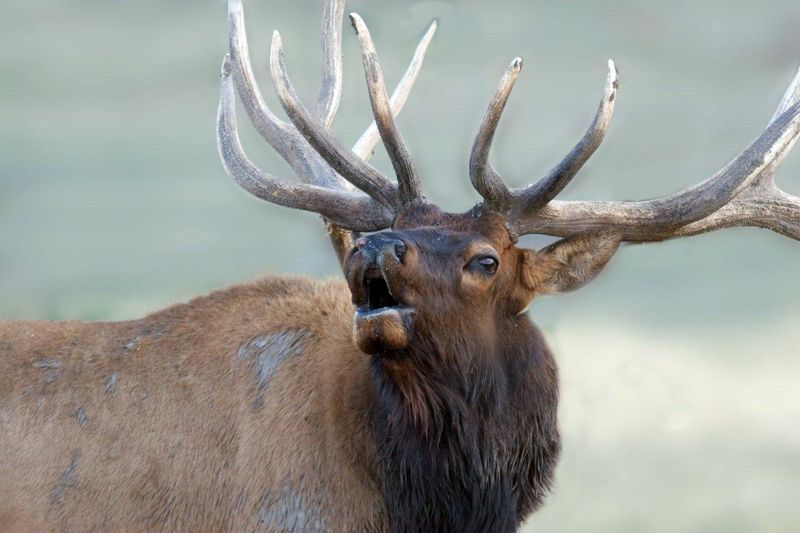
A bull elk can weigh up to 700 pounds, and right now he’s using his voice like a squeaky trumpet. That high whistle mixed with deep grunts is called a bugle.
It’s how bulls call to cows and dare rival bulls to come closer.
Idaho’s elk rut runs from late August into mid-October. The peak lands around the fall equinox in late September.
Some bulls keep bugling into early November.
I love that the loudest show happens at dawn and dusk. Those are the same hours many of us are driving to work or heading home.
So the meadows get noisy, and the roads get busy with very large animals.
That overlap is the whole story. You can hear one of nature’s wildest sounds from a quiet pullout.
But you also need to know where elk gather and how to share the road. Ready to find them?
1. Harriman State Park
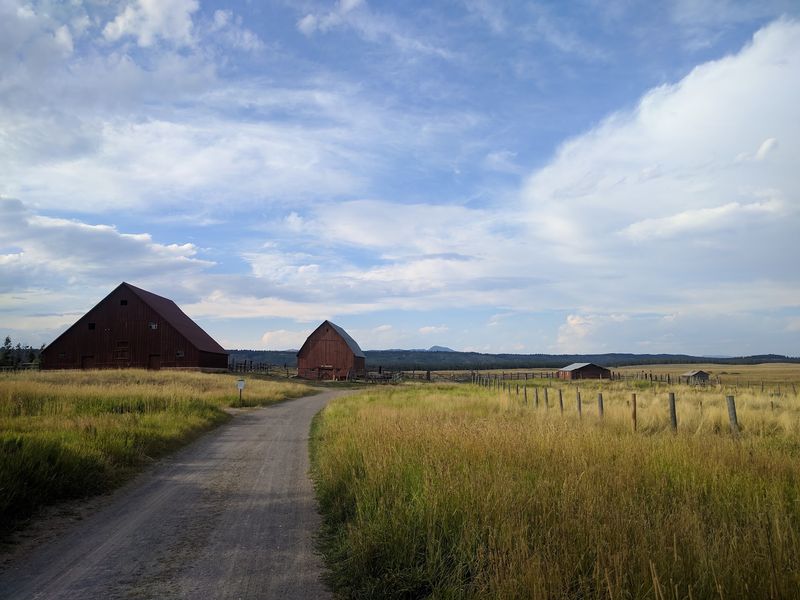
Few parks in Idaho put out a better fall soundtrack than this one in Island Park. Its big open meadows are a prime spot for watching elk during the rut.
The Meadow Loop and the Big Bend Loop are good places to start. Dawn and dusk give you the best odds of seeing herds out in the grass.
Here’s a rule worth taping to your dashboard. The park asks visitors to stay at least 75 feet away from elk at all times.
Another request may surprise you. Please don’t try to imitate their calls during the rut, even if your bugle impression is honestly impressive.
Bulls are stirred up this time of year, and a fake challenge can bring one your way. That’s not the kind of attention you want from a 700-pound animal with sharp antlers.
Leave the dog at home for this trip. Pets aren’t allowed on the trails inside the park.
The setting along the Henrys Fork makes early mornings feel extra peaceful. Bring a thermos, a pair of binoculars, and a little patience.
Slow down on the roads around the park too. Elk often cross in the same low light you’ll be driving through.
Address: 3489 Green Canyon Rd, Island Park, ID 83429
2. Sawtooth National Recreation Area
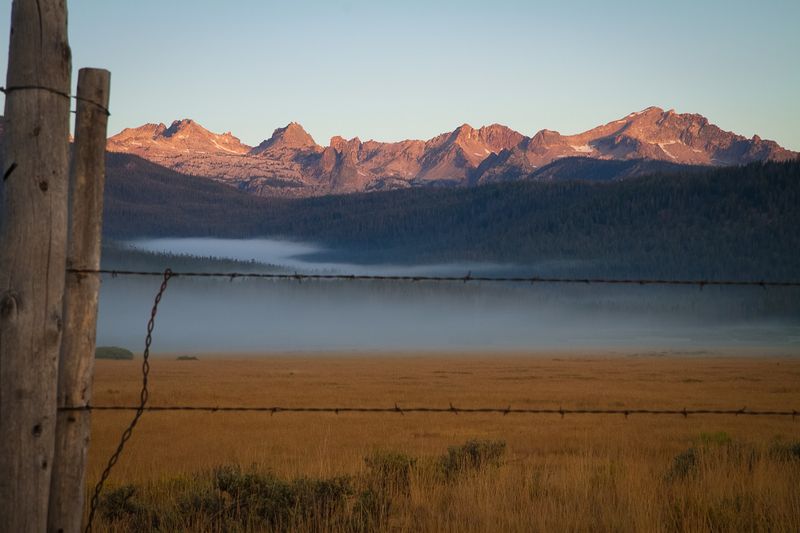
Jagged peaks make a pretty dramatic backdrop for a bugling bull. Around Stanley, elk often gather in open meadows of the Stanley Basin at dawn and dusk.
The Sawtooth National Recreation Area mixes alpine meadows, forests, and rivers. That combo gives elk room to graze and space to move between cover and grass.
Chilly mornings here can carry bugles across the basin. Sound travels well in that crisp mountain air, so listen before you look.
Highway 75 and Highway 21 both pass through this elk country. That means you’ll share long stretches of road with animals that don’t read traffic signs.
Keep your speed reasonable after sunset. A dark elk on a dark road is tough to spot until it’s suddenly right there.
When you want a better look, use a safe pullout. Stopping in a travel lane to snap a photo can cause trouble for drivers behind you.
Binoculars and a long camera lens are your best friends here. They let you enjoy the show while giving bulls plenty of space.
Fall weather can change quickly in the high country. Check road conditions before driving, especially later in the season.
Address: 5 North Fork Canyon Rd, Ketchum, ID 83340
3. Highway 21 and the Cervidae Peak Wildlife Overpass
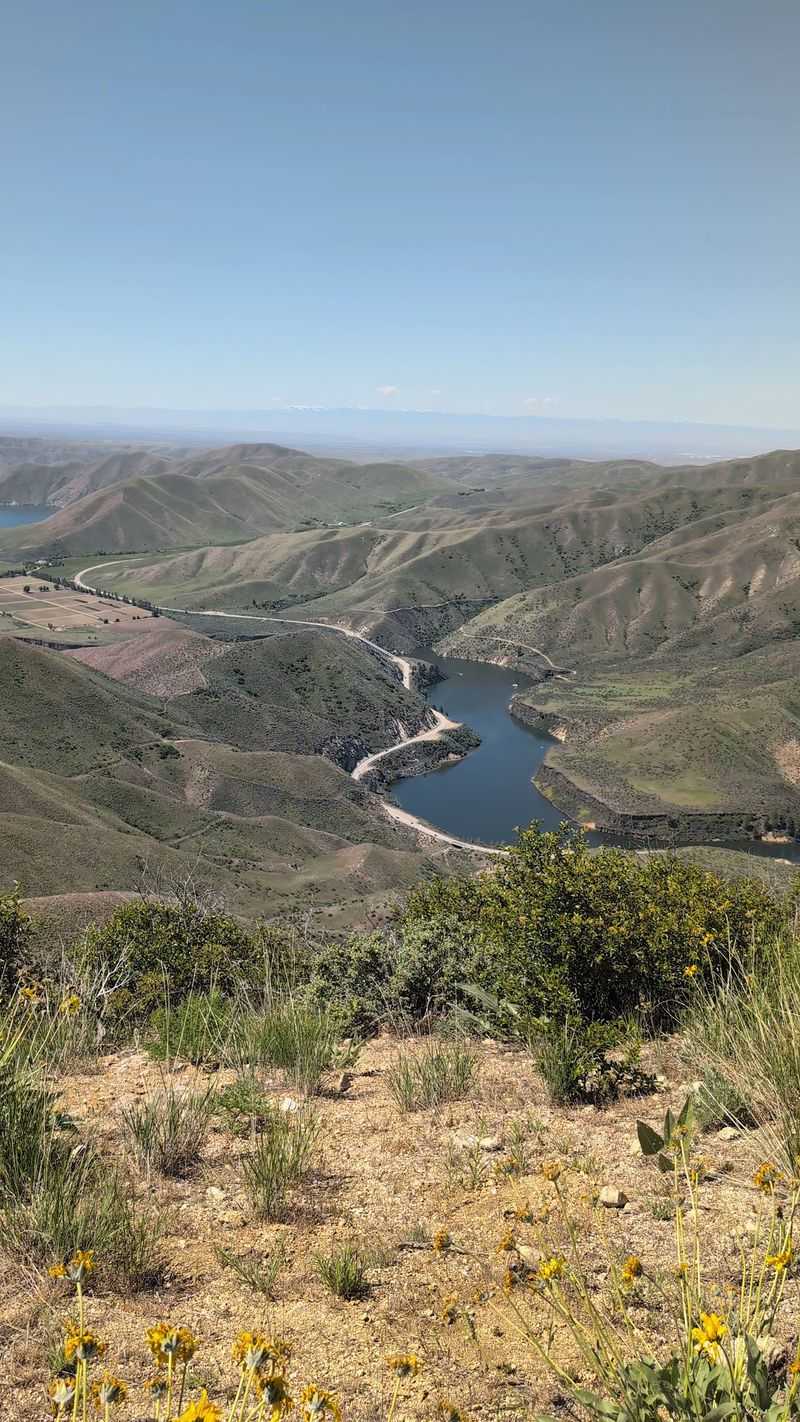
Elk got their own bridge east of Boise, and that’s no joke. The Cervidae Peak Wildlife Overpass now spans Highway 21 for animals on the move.
This stretch sits between the Mores Creek Lucky Peak Bridge and Robie Creek. It crosses major migration routes used by thousands of mule deer and elk each year.
Before the overpass, animals had to cross the pavement itself. The new structure aims to make that trip safer for both wildlife and drivers.
Still, a bridge can’t catch every animal. Some elk and deer will keep wandering onto the road, especially near dawn and dusk.
Watch the shoulders as you drive this corridor. Movement near the edge of the road is often your first clue.
At night, look for glowing eyes in your headlights. That reflection can show up well before you see the body of an elk.
Wildlife crossing signs here mean business. They mark areas where animals cross often, so ease off the gas when you see them.
For Treasure Valley folks, this is your closest lesson in elk-aware driving. It’s also a cool example of Idaho building with wildlife in mind.
Address: Idaho State Highway 21, Boise, ID 83716
4. Teton Valley
Big sky, big valley, big animals. Teton Valley, near Idaho’s eastern border, offers wide open spaces where elk herds are often visible.
That openness works in your favor. You can scan long distances without trees blocking the view.
The Teton Range rises to the east, giving fall evenings a gorgeous skyline. When bulls start bugling at dusk, it feels like the valley has its own sound system.
Open country also means elk can show up anywhere. Herds may move across farm fields and roads as the light fades.
Here’s a smart habit for valley drives. If one elk crosses in front of you, slow down right away and expect more to follow.
Elk travel in groups this time of year. During the rut, a bull gathers cows into a group called a harem, and they often move together.
Give yourself extra following distance too. If the car ahead stops suddenly for elk, you’ll want room to brake.
Driftwood-colored fields and dark elk shapes can blend at twilight. Using high beams helps, as long as you dim them for oncoming drivers.
Address: Teton Valley, Driggs, ID 83422
5. North Idaho Panhandle Back Roads
Evening drives in the Panhandle can turn into an elk scavenger hunt. A route from St. Maries to Fernwood, Clarkia, Bovill, and Deary is a recommended path for sightings.
North Idaho keeps strong elk populations. The mix of timber, meadows, and small farm openings gives herds lots of places to feed.
These are rural two-lane roads, though. Curves, trees, and dips can hide an elk until the last moment.
So keep your speed down, especially as daylight fades. Slower driving gives you more time to react when something big steps out.
Here’s the tip that matters most. Don’t swerve to avoid an elk.
Brake firmly and try to keep your vehicle on the road. Swerving can send you into trees, ditches, or other cars, which can be worse than hitting the animal.
That advice feels backward until you think about these narrow roads. There often isn’t anywhere safe to swerve.
If a collision causes injuries, call 911. Animals left along the road can be reported through Idaho Fish and Game.
Small towns along this route make nice stops for a stretch. Just be off the road or extra alert by dusk.
Address: Idaho State Highway 3, St. Maries, ID 83861
6. Chain Lakes Region
Lakes, marshes, and wildlife all in one drive? East of Coeur d’Alene, the Chain Lakes region is a hotspot for elk and deer.
The area follows the Coeur d’Alene River through a string of lakes and wetlands. Open edges near the water give elk easy places to feed.
Fall colors make this a pretty trip in its own right. Spotting a herd along the way feels like a bonus prize.
Highway 3 runs through much of this country. It’s a scenic route, but it winds, so keep both hands on the wheel and your eyes moving.
Scan ahead constantly instead of staring at the bumper in front of you. Look at the roadside, the ditches, and the field edges.
Elk don’t always come running out. Sometimes they just stand there, calmly chewing, right at the shoulder.
If you stop to watch, choose a real pullout well off the road. Then stay in or near your car, which makes a handy viewing blind.
One more friendly reminder for anyone tempted. Feeding elk can draw them closer to roads, raising the risk for animals and drivers alike.
Address: Idaho State Highway 3, Medimont, ID 83842
7. Big Wood River Near Ketchum
Ketchum may be famous for skiing, but elk don’t care about lift tickets. The Big Wood River area near town often brings elk sightings, especially in the evenings.
River corridors give wildlife water, cover, and easy travel routes. Cottonwoods along the banks turn gold in fall, which makes elk easier to frame in a photo.
Evening is the time to watch. It’s also when lots of people are driving Highway 75 between towns.
That mix calls for a little extra patience behind the wheel. Ease off the speed as the light dims, even if you know the road well.
Familiar routes can lull you into autopilot. Elk don’t stick to a schedule just because you drive this way every day.
Keep a safe distance if you see one on foot. Idaho Fish and Game recommends staying at least 30 yards from rutting bulls.
Thirty yards is more than a quick hop. It’s roughly a third of a football field, so let that picture guide you.
Bulls in the rut can be unpredictable. A calm-looking elk can move fast if it feels crowded.
Address: Big Wood River, Ketchum, ID 83340
8. Silver Creek Preserve
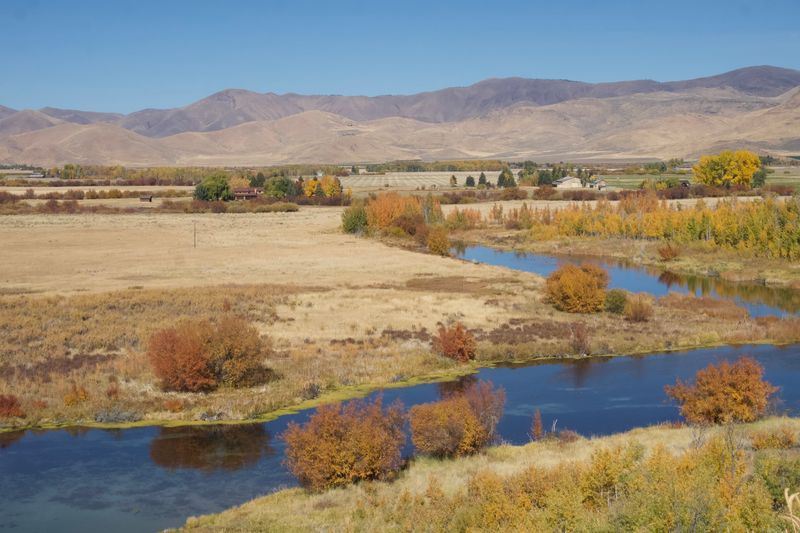
Fly fishers know this Blaine County spot for its spring creek. Wildlife watchers know it for something else in October.
Silver Creek Preserve is noted for elk sightings in fall, set against seasonal colors. The preserve is managed by The Nature Conservancy in the Wood River Valley area near Picabo.
The landscape here feels gentler than the high mountains. Winding water, wetlands, and grassy flats open up long views.
That makes it a nice choice for families who want a calmer outing. Kids can scan with binoculars while you keep an eye on the clock for golden hour.
Stay on designated paths and respect any posted rules. Preserves protect sensitive habitat, and that care helps keep elk coming back.
The drive out runs through open farm and ranch country. Elk can cross these roads too, especially near dawn and dusk.
Watch for wildlife crossing signs on the way. They mark spots where animals cross often enough to earn a warning.
Check before driving for current visitor details. Then enjoy a slower, quieter version of Idaho elk season.
Address: 165 Kilpatrick Bridge Rd, Picabo, ID 83348
9. Yellowstone National Park in Idaho
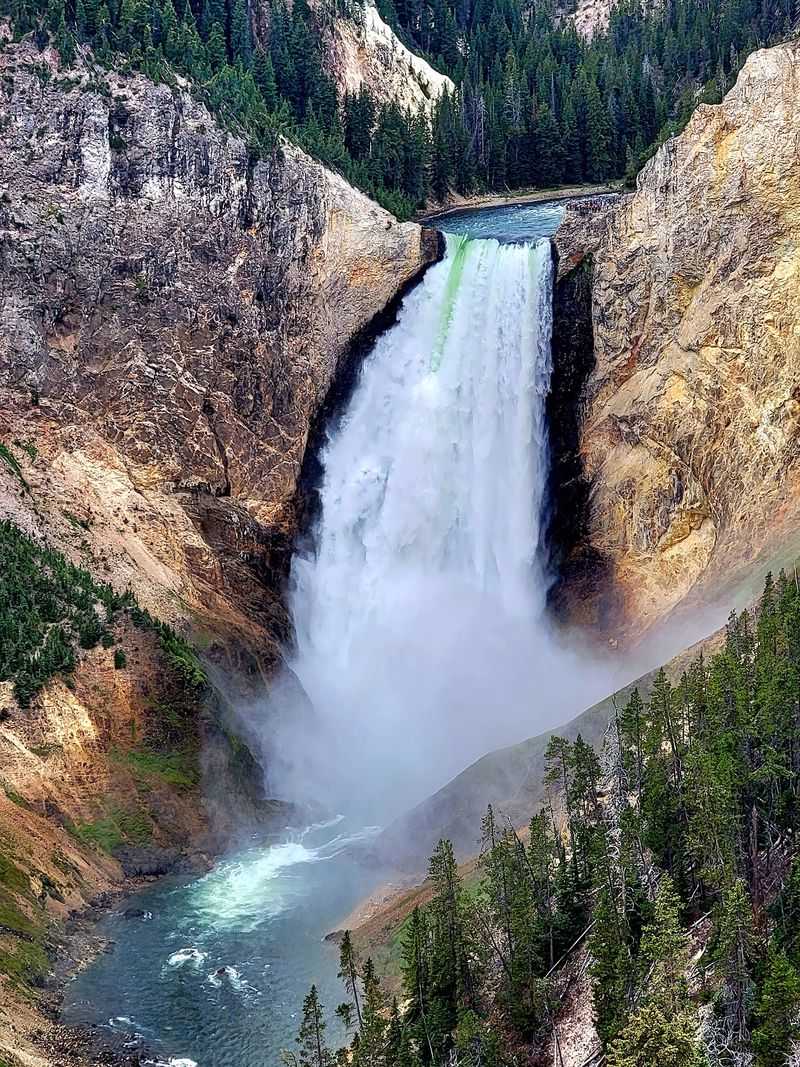
Most people forget that a slice of Yellowstone sits in Idaho. That small strip along the park’s western edge is part of some excellent elk country.
Yellowstone is famous for its fall rut. Bulls bugle, gather cows, and show off their antlers across meadows and river valleys.
Antlers are a big part of the show. Only bulls grow them, and they can weigh up to 40 pounds before being shed and regrown each year.
Bulls also wallow in mud and rub antlers on trees and shrubs. These moves display dominance and help strengthen their necks for sparring.
Crowds can form fast when a big bull appears near the road. Pull fully off the pavement, and never block traffic for a photo.
The park has its own distance rules, so check them before your visit. Staying far back keeps you safe and lets the elk act naturally.
From eastern Idaho, Island Park makes a handy jumping-off point. It pairs nicely with a stop at Harriman State Park on the same trip.
Keep driving carefully after dark. Elk may bugle and move throughout the night.
Address: Yellowstone National Park, Yellowstone National Park, WY 82190
10. Camas County and Central Idaho Meadows
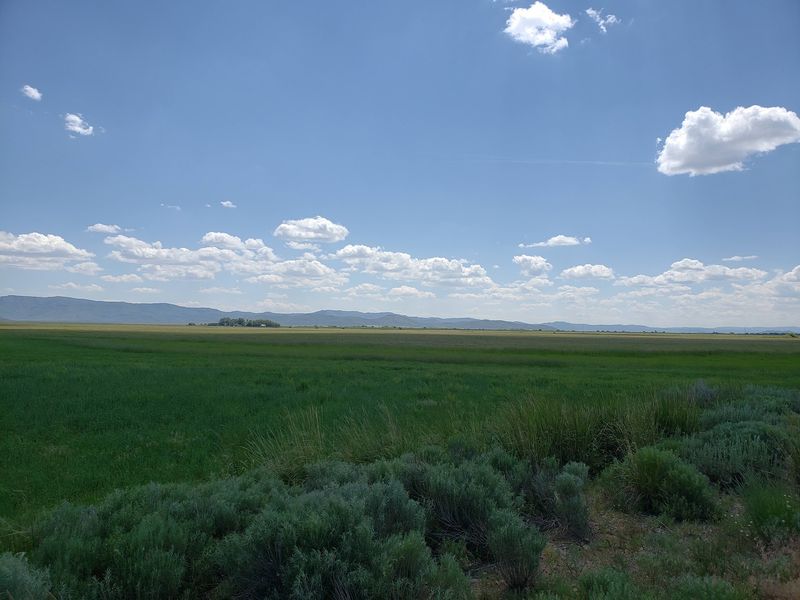
On a cold morning, you might hear an elk before your coffee cools. Camas County and central Idaho meadows hold active herds, and bugles often echo through mountain basins.
Elk thrive in many Idaho landscapes, from sagebrush to dense forest. Idaho Fish and Game calls the Rocky Mountain elk the state’s premier big game animal.
Here’s a fun bit of history. Elk numbers in central Idaho have climbed since the mid-1970s, with a statewide estimate near 120,000 in early 2013.
That growing herd is great news for viewers. It also means more chances to meet one on the road.
Highway 20 crosses the Camas Prairie through this region. Wide, straight roads can tempt you to speed, so stay alert.
Elk are bigger than many drivers expect. A cow can weigh up to 500 pounds and stand about 4.5 feet at the shoulder.
Rut season is a short window, so plan your outing soon. Early mornings and late afternoons give you the best soundtrack.
Give these animals room, both on foot and behind the wheel. The bugles will still reach you from a safe distance.
Address: Camas County, Fairfield, ID 83327