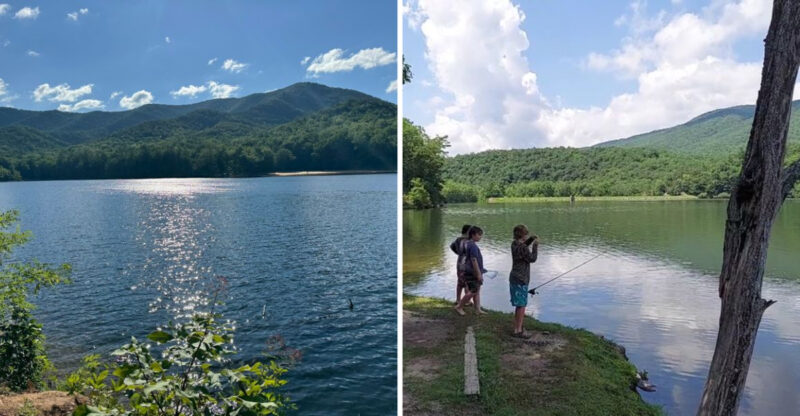
Take A Walk Through This Eerie Virginia State Park That Looks Straight Out Of A Thriller
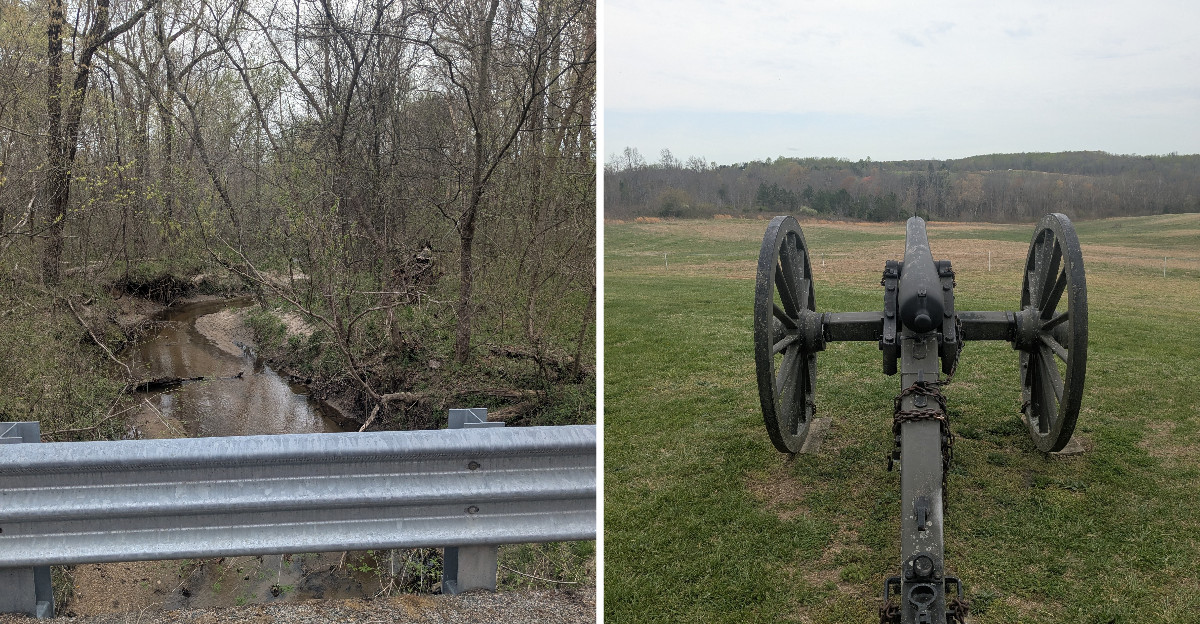
Nothing is chasing you. Nobody is hiding behind the farmhouse. Yet somehow this Virginia park still feels like the opening scene of a thriller.
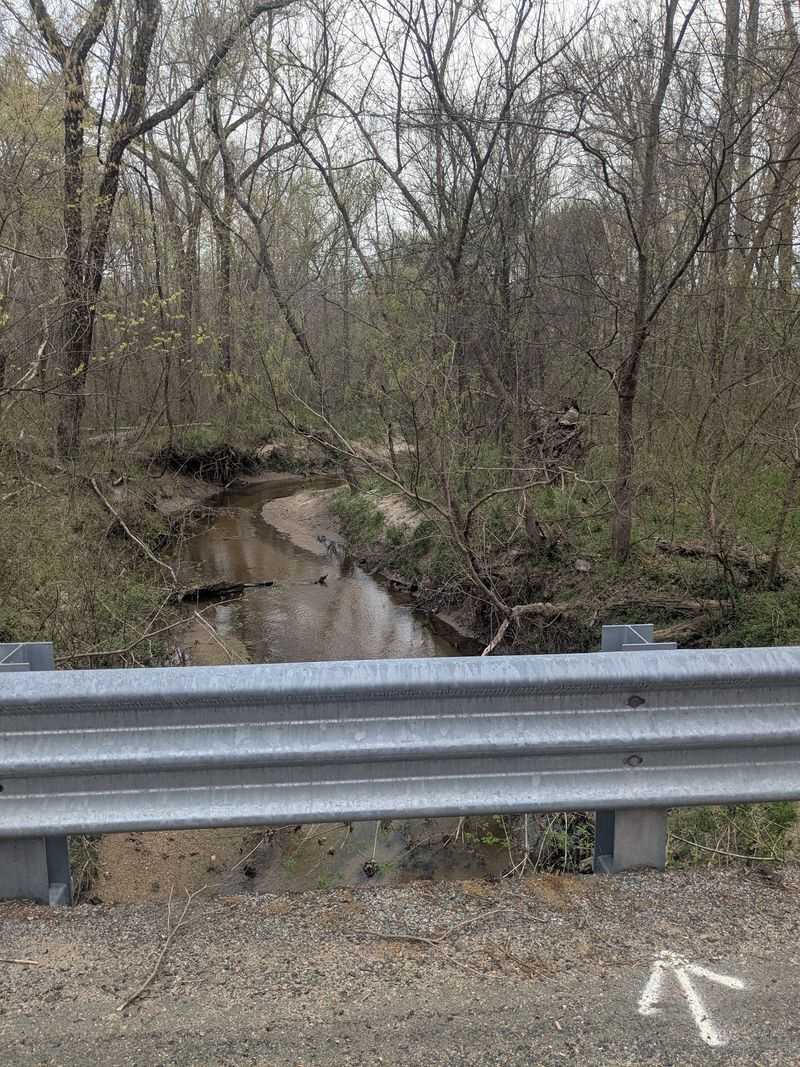
Morning fog hangs low, a quiet creek slips through the landscape, and open fields stretch across ground tied to the final days of the Civil War.
That history changes the silence.
Suddenly, an ordinary trail feels heavier. The museum adds context, but the landscape itself does much of the storytelling.
There are no jump scares here. There does not need to be.
The eeriness comes from knowing something enormous happened in a place that now looks so completely calm.
The Day That Changed Everything
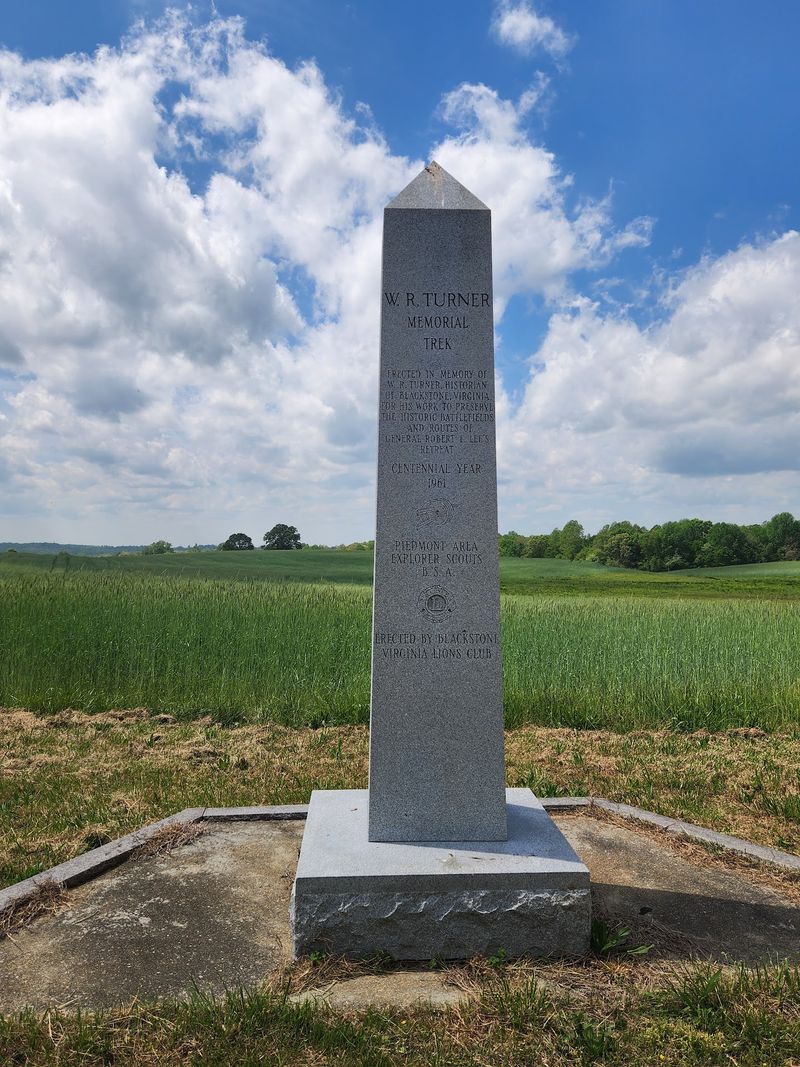
Some places hold their history quietly, and this battlefield is one of them.
On April 6, 1865, Confederate forces under Robert E. Lee were moving west after leaving Petersburg and Richmond.
Union forces caught up with portions of the retreating column around Sailor’s Creek. Three separate engagements unfolded across the area that afternoon.
The results were significant. About 7,700 Confederate troops were lost from Lee’s army, including eight generals who surrendered.
That setback left the army badly weakened. Three days later, Lee surrendered to Ulysses S. Grant at Appomattox Court House.
Standing on the open fields today, it can be difficult to connect the quiet landscape with the scale of what happened here.
The contrast is part of what gives the park its unusual atmosphere.
The day’s events were not one single clash. They unfolded at Hillsman Farm, Lockett Farm, and Marshall’s Crossroads on the same afternoon.
Before you go, set your map to the official spot. You will find Sailor’s Creek Battlefield State Park at 6541 Saylers Creek Rd, Rice, VA 23966.
A Farmhouse With Haunting Floors
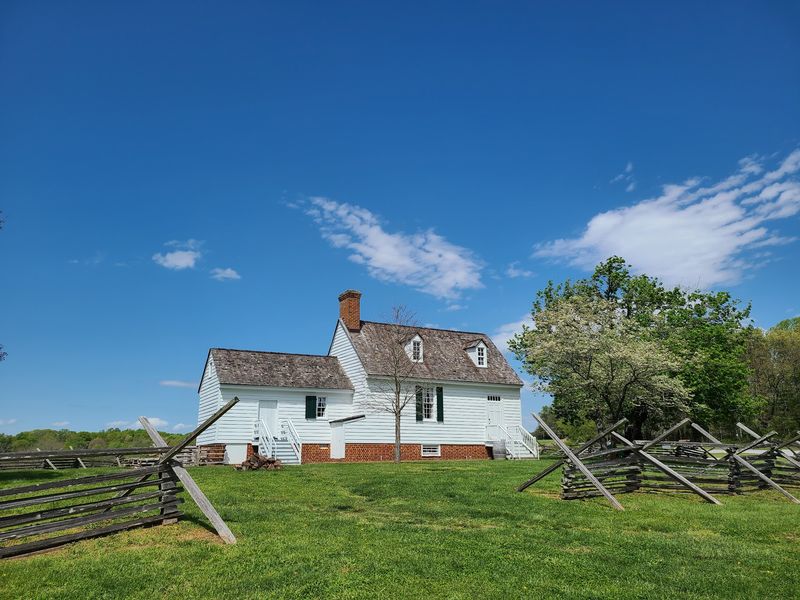
The Overton-Hillsman House looks calm from the outside, but its story reaches well beyond ordinary farm life.
The core of the historic farmhouse dates to the 18th century, with later additions made before the 1865 campaign.
During and after the April 6 events, the property became a medical station for troops from both sides.
Park records state that about 358 Union and 161 Confederate troops received care in the house and on the surrounding lawn.
The rooms have been restored and furnished to interpret both the Hillsman family’s home and its temporary medical role.
Original floorboards remain visible inside, carrying physical evidence of the building’s intensive use during those days.
That detail gives the small rooms a very different weight from an ordinary furnished historic house.
There is another important story tied to the property. The farm was the birthplace of Robert Russa Moton in 1867, who later became a major Black educator and national leader.
Tours of the Hillsman House are available by request. Calling the Visitor Center before arriving is recommended because access depends on staffing and conditions.
Trails Named After Commanders
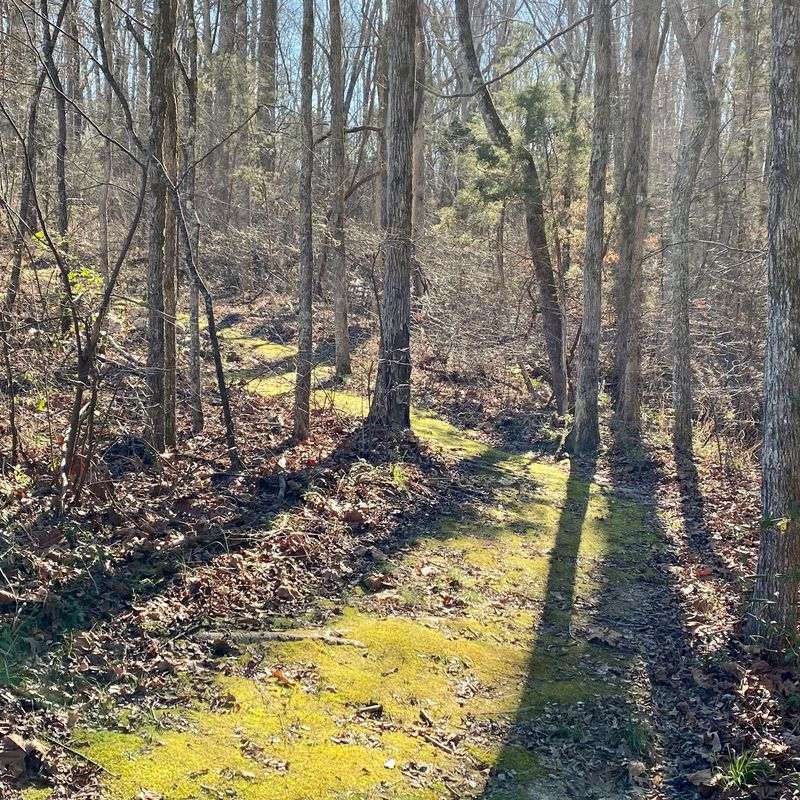
Lace up your shoes, because the best way to understand the landscape is on foot. Sailor’s Creek Battlefield State Park has six self-guided trails with historic markers.
Each trail carries the name of a commander connected to the events here. Look for Kershaw, Custis Lee, Wheaton, Stagg, Seymour, and Pickett.
The routes cross the same fields, woods, and changes in elevation that shaped movement across the site in 1865.
The Wheaton Trail forms a 0.7-mile loop from the Hillsman House toward Little Sailor’s Creek, with a short nature spur available along the way.
Most routes range from easy to moderate. Terrain varies between grassy, sandy, shaded, and open sections with some elevation changes.
Virginia summers can make the open field sections feel much warmer than the wooded stretches. Water, sunscreen, and closed-toe shoes are practical additions.
Bug spray is also recommended for the warmer months, especially when grass and vegetation are high.
Pets are welcome on the trails. They must remain controlled on a leash no longer than six feet.
Cruise The Battlefield Driving Loop
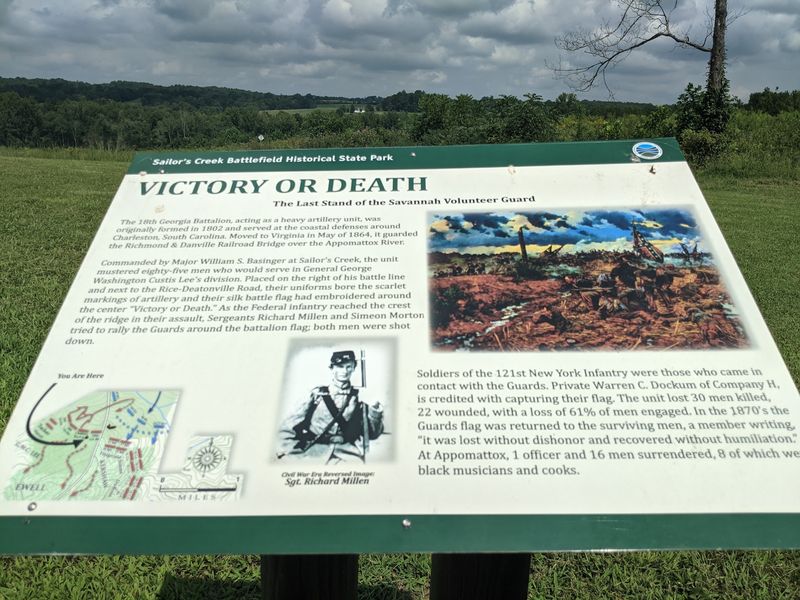
The car can add another layer to the visit without replacing the walking.
The park’s self-guided battlefield loop covers about 10 miles and forms one section of the larger Lee’s Retreat Driving Tour.
Five principal stops help explain how events unfolded across a landscape much larger than the museum grounds.
Wayside exhibits and interpretive panels provide maps and short explanations at each location.
Stops include Marshall’s Crossroads, the Hillsman House, Holt’s Corner, the Lockett House, and Double Bridges.
Drivers continuing along the broader Lee’s Retreat route can also use AM 1610 for historical narration at designated stops.
That audio component makes it easier to connect the roads, fields, and crossroads with the larger campaign.
The loop works especially well for visitors who want a broader sense of the terrain without covering every section on foot.
Go at your own pace and use the marked pull-offs. The countryside in central Virginia is part of the experience, so there is little reason to hurry.
A Museum Packed With Context
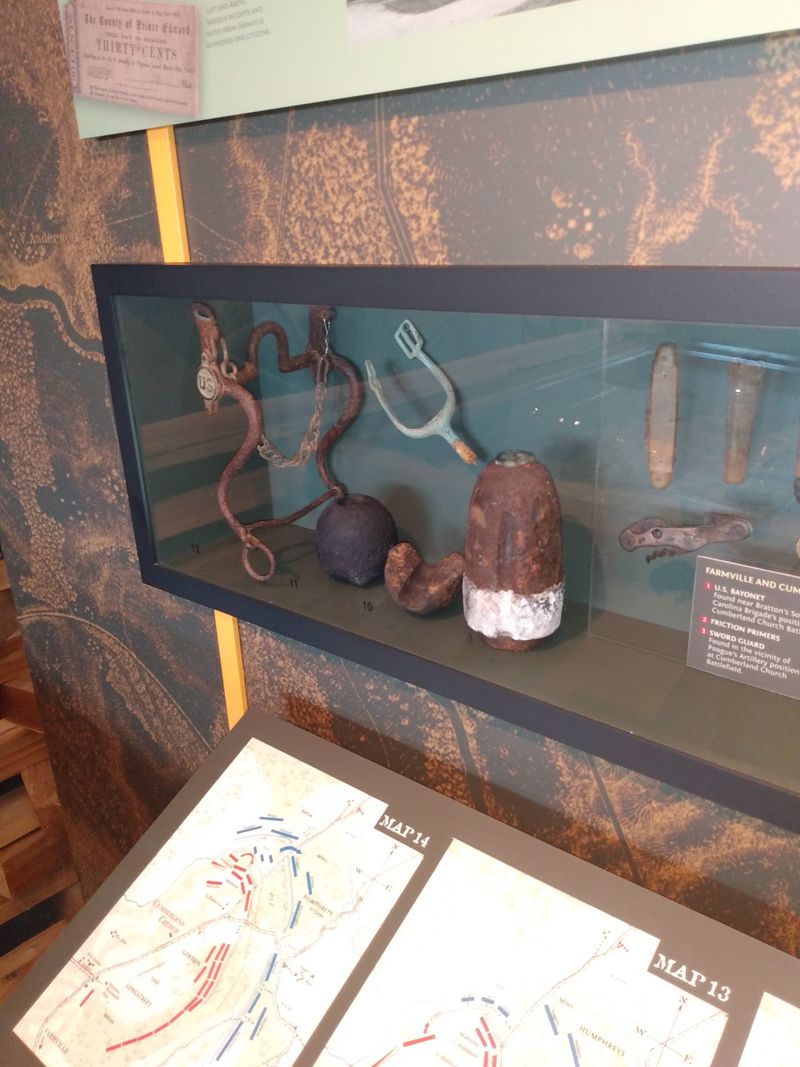
Start your day indoors, and the rest of the park will make much more sense. The Visitor Center holds a self-guided museum about the Appomattox Campaign.
The exhibits follow a clear timeline. They begin on April 2, 1865, when Confederate forces left Richmond and Petersburg.
From there, the story moves day by day to April 8. That was the day before the surrender at Appomattox Court House.
Display cases hold original artifacts connected to the campaign and the site.
Large colorful maps break down the complicated movements into easier pieces. Holographic storytellers add another interpretive layer.
A research library is available by appointment. The current collection contains about 2,000 titles related to the era and the Appomattox Campaign.
Park staff can also provide brochures, modern maps, historic maps, and orientation for visitors who want more context.
The gift shop carries books and other educational materials connected to the site and surrounding history.
Wild Neighbors On The Battlefield

A quiet walk can shift quickly from history to wildlife. The park’s woods, fields, and creek corridors support a broad mix of animals.
White-tailed deer, squirrels, chipmunks, rabbits, raccoons, opossums, foxes, and wild turkeys are among the species visitors may encounter.
Birdwatchers have plenty to watch for as well. Cardinals, hawks, bald eagles, owls, woodpeckers, wrens, sparrows, great blue herons, and eastern bluebirds are all documented in the park.
The open fields also support butterflies, while a pollinator garden near the Visitor Center attracts bees and other beneficial insects.
In warmer months, wildflowers and meadow plants add color across parts of the landscape.
That natural activity creates a gentler counterpoint to the historical interpretation found elsewhere in the park.
Early morning can be especially pleasant for a quieter walk, particularly when temperatures are cooler.
The creeks here eventually feed into the Appomattox River system, connecting the park to a much larger watershed. A pair of binoculars can add plenty to the visit without adding much weight to a daypack.
Events That Bring History Alive
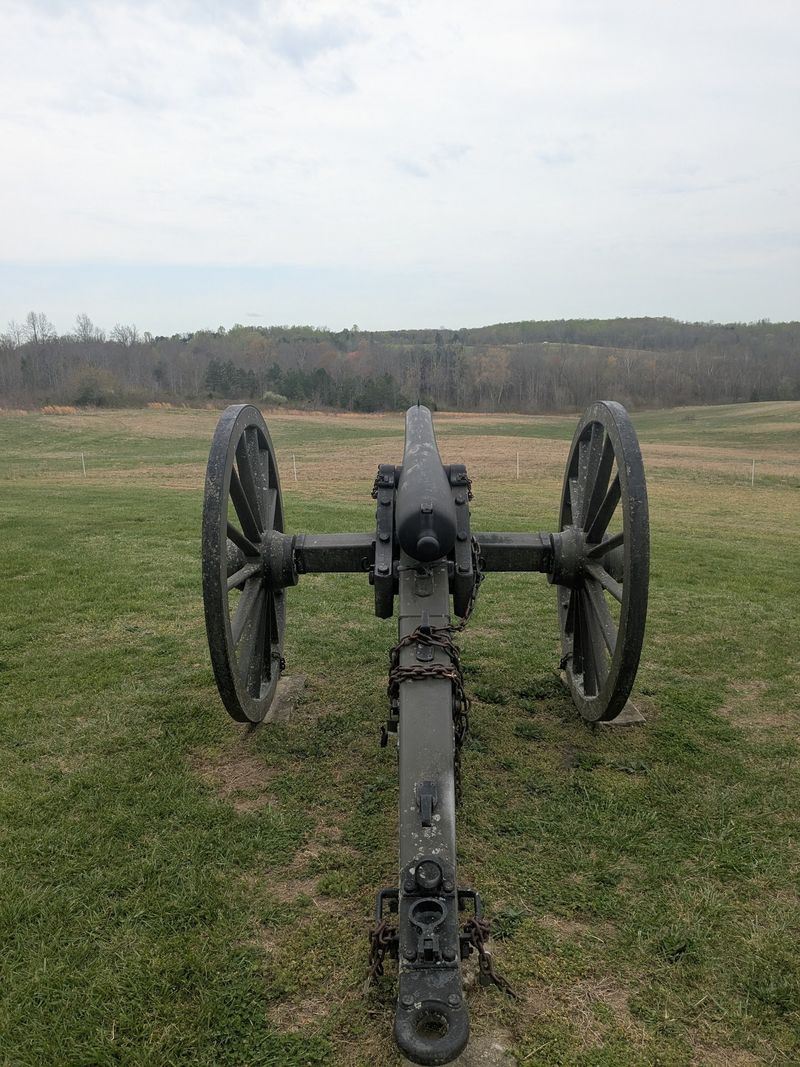
Special programs add another way to understand the site beyond signs and museum cases.
The park’s 2026 calendar included a 161st-anniversary weekend in April, with guided hikes, living-history encampments, period music, and lectures.
Summer programming also included astronomy events and the annual Butterflies on the Battlefield nature festival.
The 2026 Butterflies on the Battlefield event took place on August 22 and focused on pollinators and the park’s natural environment.
Later in the year, the Veterans Day Luminary is scheduled for November 14, with illuminated paths and historical interpretation.
December brings the Antebellum Saint Nicholas program, scheduled for December 12, with family activities split between the Hillsman House and Visitor Center.
Programs change from year to year, so the calendar is worth checking before a trip.
Some events focus closely on the 1865 campaign, while others use the park for astronomy, wildlife, and seasonal interpretation.
Planning around one of these programs can add context without changing the rest of the visit.
Smart Tips Before You Go
Trust me when I tell you that only a little planning goes a long way here. The park grounds open daily from sunrise to sunset.
The Visitor Center runs from 9 a.m. to 4 p.m. each day. It closes on Thanksgiving and Christmas, so plan around those holidays.
Picnic tables and grills sit near both the Hillsman House and the Visitor Center. Packing lunch can make sense if you want to spend several hours moving between trails, the museum, and the driving route.
Wear comfortable clothes and closed-toe shoes. Sunscreen, water, and bug spray are useful in the warmer months.
Winter visits bring a more open view through the trees, while spring and fall usually offer milder walking conditions.
Cool mornings can also bring fog across low areas, adding atmosphere without changing the practical side of the visit.
The park is managed by the Virginia Department of Conservation and Recreation. Want to make a weekend of it? Nearby High Bridge Trail State Park and Twin Lakes State Park pair easily with the trip.
History, trails, wildlife, and quiet roads all fit into one corner of the state without requiring a packed schedule.