This California Railroad From 1897 Has A History Straight Out Of Hollywood
Most movie stars get their big break in front of a camera. Some of Hollywood’s hardest-working performers, however, have wheels and a habit of making dramatic entrances.
One historic railroad has spent decades playing a part in that world, with vintage locomotives and railway equipment that look ready for another scene in a classic Western.
But its story began long before film crews arrived, back when steam engines were essential to everyday life and industry.
California’s railroad history gets an unexpected Hollywood twist when century-old trains become stars of the silver screen.
What makes this place especially interesting is that the movie connections are only part of its appeal.
You do not need to be a serious train enthusiast to appreciate it.
After all, how often can you visit a piece of transportation history that also has its own film career?
A California Railroad With Roots Dating Back To 1897
Gold Country was still a rugged place when a new railroad company set out to connect it with the wider world. The Sierra Railway Company of California was incorporated on January 1, 1897.
Railtown 1897 State Historic Park sits at 10501 Reservoir Road, Jamestown, CA 95327, where the old railroad facilities still stand.
Construction started that same year, and the first train reached Jamestown by November. That is a fast pace for building a railroad through hilly land with the tools of the time.
The new line quickly became a key link for the Sierra Nevada foothills. Trains carried U.S. mail, passengers, and freight in and out of the region.
The railway helped shape the economy of Tuolumne County and nearby Calaveras County.
Small towns that once felt cut off suddenly had a steady way to send goods and receive supplies.
The pace is unhurried, so visitors can take time to read signs and look closely at the details.
A short look at the history before arriving can make every building and track feel more meaningful.
Hours change by season, so checking the official park website before a visit helps avoid surprises.
A Railroad That Became A Hollywood Filming Location
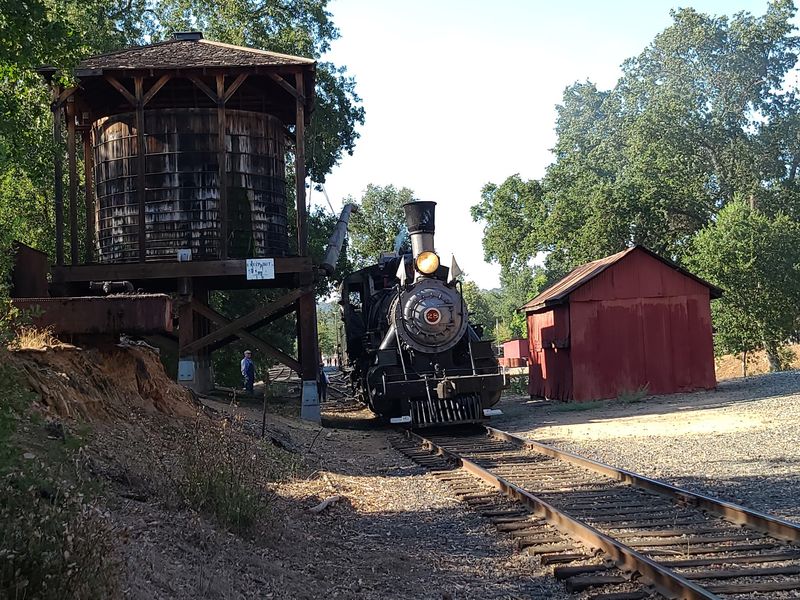
Long before streaming services and big digital effects, movie studios needed real trains in real places. The Sierra Railway turned out to be a near perfect match.
Since 1919, the railroad and its historic trains have been a popular site for motion picture and television filming.
That long run earned it the nickname The Movie Railroad. Film crews liked the rolling hills, the old-fashioned equipment, and the open land that looked untouched by modern life.
All of that made it easy to film stories set in the 1800s without building everything from scratch.
The filming work actually helped the railroad survive. Money and attention from Hollywood gave the old trains a reason to stay in use instead of being scrapped.
Visitors today can see how industry and entertainment blended together on the same tracks. Exhibits inside the park share stories about the many productions filmed on the line.
Fans of old movies may enjoy spotting familiar scenery and equipment from favorite films.
Younger visitors who have never seen a classic Western might still get excited learning that a real train became a screen star.
The Famous Train From Back To The Future Part III
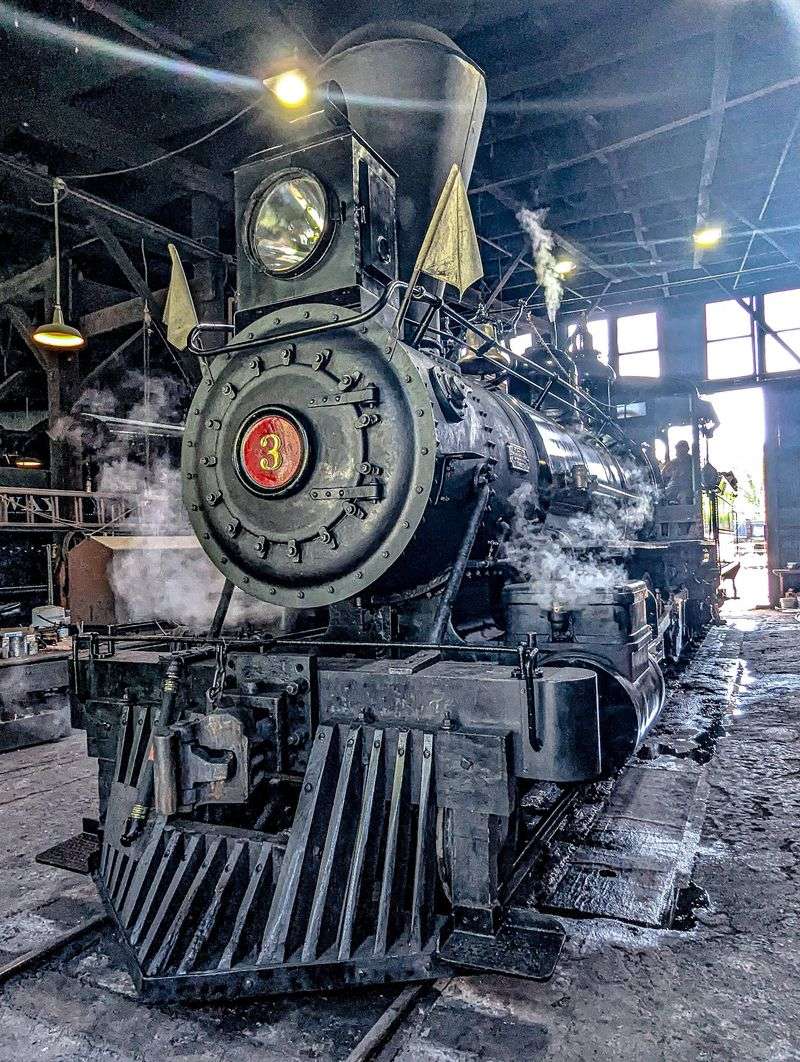
Time travel fans, take note. Sierra Railway No. 3 played the locomotive in the 1990 film Back to the Future Part III.
That role turned an already well-known engine into a true piece of pop culture.
The movie used the train in its Old West storyline, and the engine fit right in with its classic look.
Production stills taken on location at the park show how the railroad became part of the film’s world.
Many people who visit today grew up watching that trilogy, so seeing the real engine can feel a bit surprising.
Standing near the locomotive gives a sense of its true size, which can be hard to judge on a screen. The dark metal, the big wheels, and the tall stack all feel much more solid in person.
Bringing a camera or phone is a good idea since many visitors want a photo with this famous engine.
Seeing it operate is a special treat, but it might be resting in the roundhouse during some visits.
The Railroad’s Connection To Little House On The Prairie
Family television nights in many homes once included stories of pioneer life on the frontier.
Historic trains and railroad facilities linked to Railtown appeared in the beloved series Little House on the Prairie. For longtime fans, that connection can make a visit feel warm and familiar.
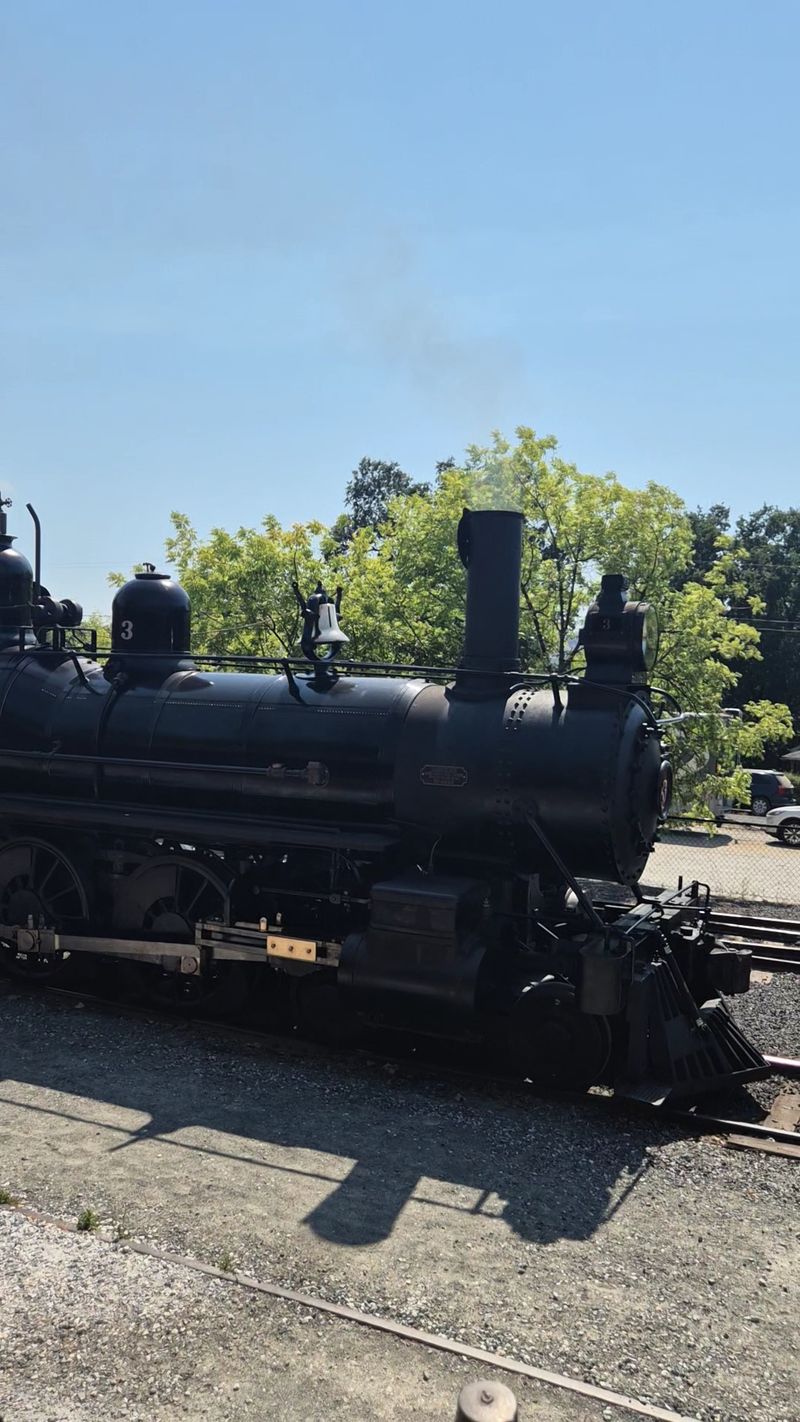
The show was not the railroad’s only small-screen role. Sierra No. 3 and Sierra coach number 5 played the Hooterville Cannonball in the TV series Petticoat Junction.
A water tower seen in that show still stands along the train ride route.
Grandparents and parents who remember these shows might enjoy sharing stories with younger family members during a visit.
That kind of conversation can turn a history stop into a fun bonding moment.
Kids may not know the shows, but they can still enjoy seeing real coaches and engines up close.
The wooden passenger cars have a simple, sturdy feel that matches the era shown on screen.
Visitors who want the most from this part of the story can look for exhibits about television productions.
A 45-Minute Train Ride Through California Gold Country
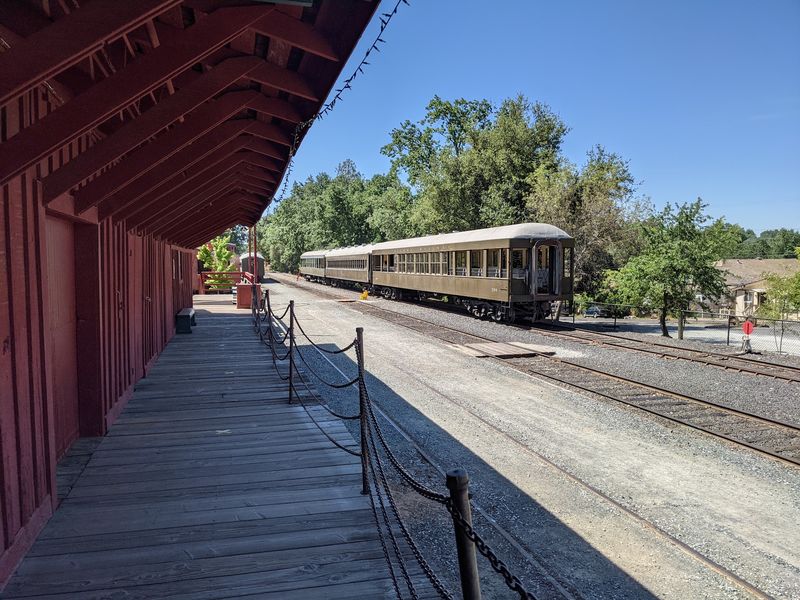
Sitting back in a vintage coach while the hills slide past is a lovely way to spend part of an afternoon. The excursion train covers about six miles round trip and takes around 45 minutes.
Historic passenger cars carry riders through the Sierra foothills.
Trains may be pulled by steam or diesel locomotives. The engine for any given day can change due to weather, mechanical issues, or staffing.
Anyone set on riding behind steam should check the schedule before the trip.
Along the way, the route passes the water tower from Petticoat Junction. Rugged hillsides of the Mother Lode country fill the windows.
The gentle rocking of the cars and the clack of wheels on rails create a relaxing rhythm. Train tickets include park admission, which makes planning a bit simpler.
Limited wheelchair and accessible seating is available, and calling ahead about specific needs is encouraged. Pets are not allowed on the train, though service animals are permitted.
Special themed trains run during certain times of year and may sell out, so booking early helps.
Five Historic Steam Locomotives Dating From 1891 To 1925
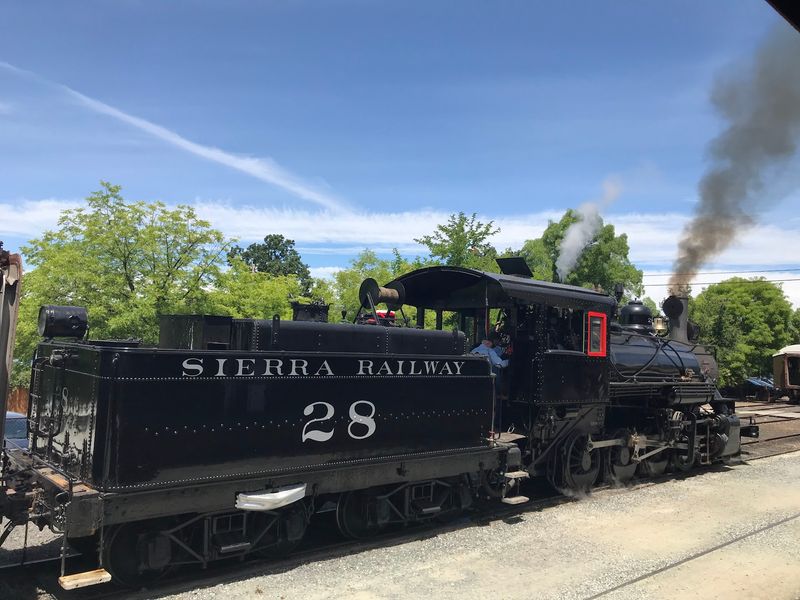
Railroad fans often find themselves lingering longer than planned once they see the engine collection.
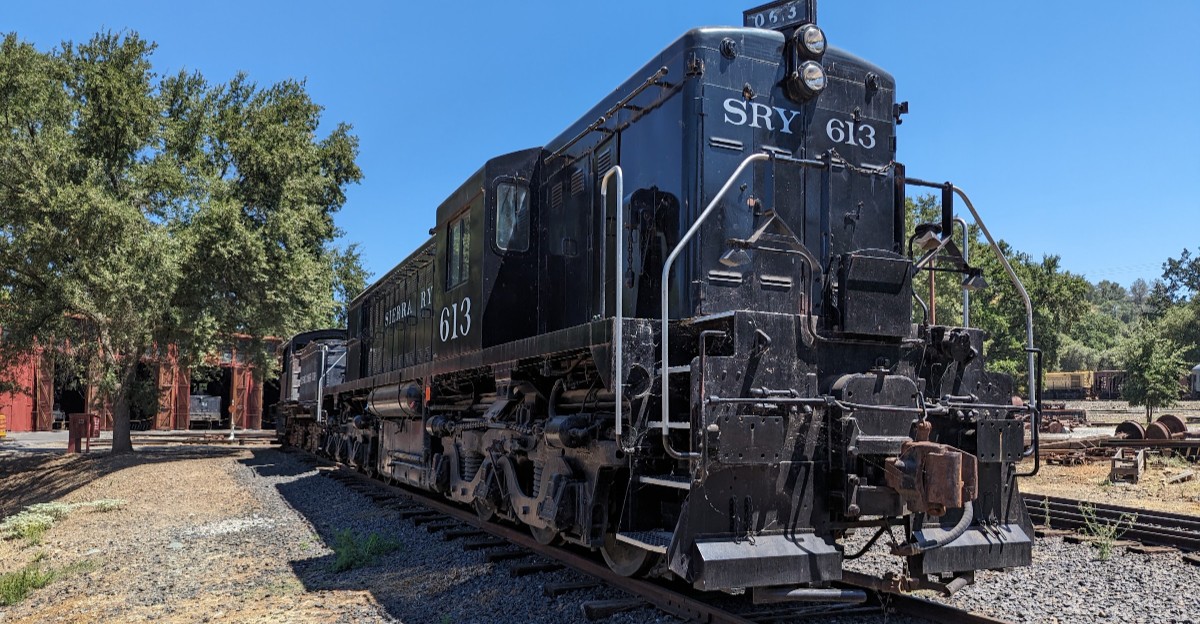
Railtown preserves five steam locomotives built between 1891 and 1925. Each one offers a slightly different look at how steam power changed over time.
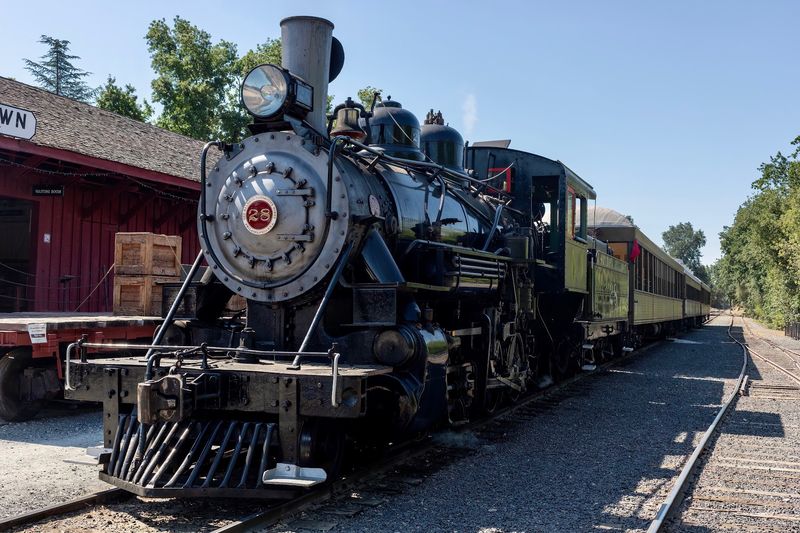
Sierra No. 3, built in 1891, is the oldest and most famous of the group. Sierra No. 28 is a Baldwin locomotive acquired by the Sierra Railway in 1922.
Sierra No. 34, built in 1925, needs extensive restoration before it can return to service. Three of the five steam locomotives originally worked on the Sierra Railway during its all-steam years.
That gives the collection a strong local connection rather than feeling like random engines brought in from elsewhere.
Not every locomotive is running at all times. Some may be undergoing maintenance or restoration, which is part of caring for machines this old.
Seeing an engine in pieces can actually be just as interesting as seeing one in action.
Visitors who enjoy comparing details might notice differences in size, wheels, and design between the engines.
Bringing a small notebook or snapping photos can help kids keep track of which engine is which.
Original Movie Props From Back To The Future Part III
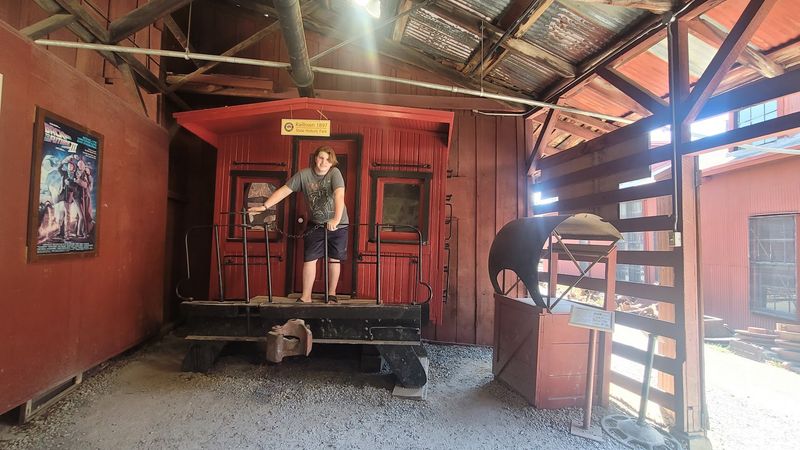
Movie magic often depends on clever fakes that look real on camera. Railtown has a few of those treasures on display.
The guided tour includes movie props and artifacts from feature films, TV shows, and commercials.
One crowd favorite is a mock-up of an 1880s caboose. That caboose was used during filming for Back to the Future Part III.
Seeing a prop up close can show how filmmakers built pieces that pass for the real thing on screen.
Some details that look perfect in a movie may appear simpler in person, which is part of the fun.
Kids might enjoy guessing which parts are real and which were made just for the camera. Adults may appreciate the craftsmanship that went into making something look old and worn.
The interpretive center also features a timeline exhibit of movies and TV shows filmed on the Sierra Railway.
That timeline pairs nicely with the props and helps tie the whole Hollywood story together. Taking a few extra minutes to read through it can be rewarding.
A Historic Railroad That Became A California State Park In 1982
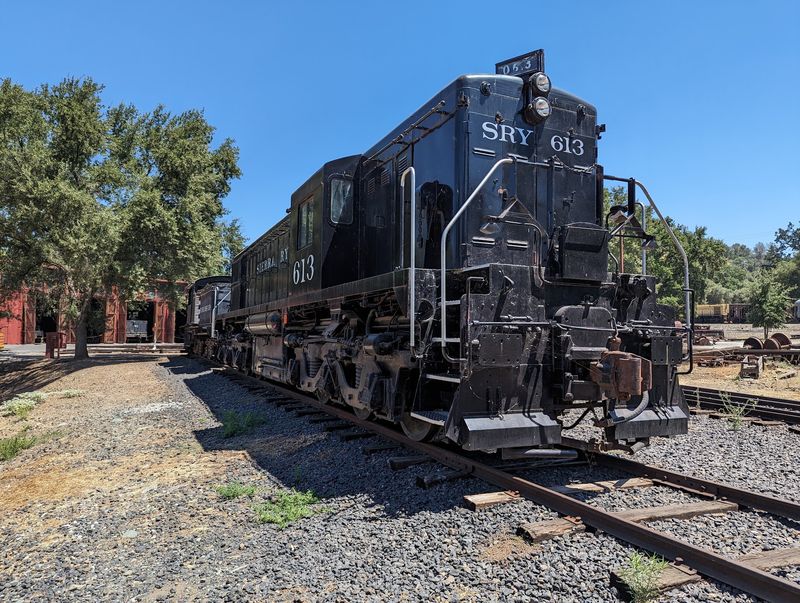
Plenty of old railroads faded away as trucks and highways took over. The Jamestown shops found a different path.
The state of California acquired the railroad complex in 1982, helping protect its equipment and buildings.
The property was transferred to the California Department of Parks and Recreation in 1983. Later, in 1992, the California State Railroad Museum took responsibility for the park.
Local supporters and rail fans played a big part in saving the site. The maintenance facilities are remarkably intact and still work much as they did over 100 years ago.
That rare condition earned a listing on the National Register of Historic Places as the Sierra Railway Shops Historic District.
Visiting today feels like stepping into living history rather than a quiet display.
The park has been open daily year-round except Thanksgiving, Christmas, and New Year’s Day.
Hours have typically been 9:30 a.m. to 4:30 p.m. from April through October. Winter hours from November through March have been shorter, running 10:00 a.m. to 3:00 p.m.
Hours and train days can change, so checking the official website before visiting is wise.
Parking is available onsite, which makes arrival fairly easy.