Every Fall Sandhill Cranes Gather By The Thousands In The Fields Of This Idaho Valley
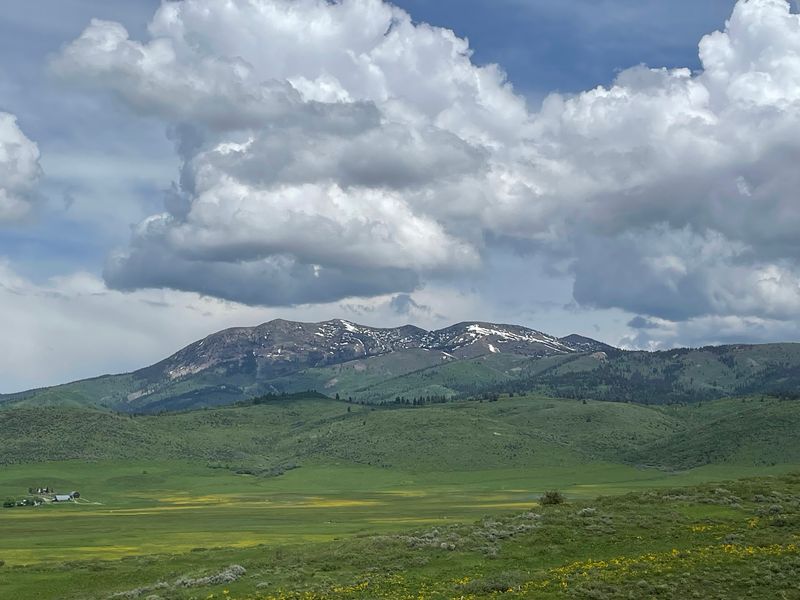
Up to 3,000 sandhill cranes can fill one Idaho basin at the same time each fall. Some of these birds stand four feet tall.
Their wings can stretch six feet across.
That is a lot of bird. Even one crane makes you stop and stare.
Now multiply it by thousands, all crowding the grain fields before heading south.
I like how this show happens far from any big city. It plays out in a quiet, high valley in southeastern Idaho.
The marsh here holds a record that most people have never heard about.
I can’t imagine a better excuse for an autumn road trip. You get wide skies, open fields, and a front-row seat to an ancient migration.
So where exactly is this place, and when should you go?
A Quiet Idaho Valley With A Very Loud Fall Guest List
Grays Lake National Wildlife Refuge sits in a high basin in southeastern Idaho, north of Soda Springs. The U.S.
Fish and Wildlife Service manages it as protected habitat for cranes and other migratory birds.
On a map, it looks like a big blank spot of wetland. In person, that blank spot turns out to be one of the busiest bird hangouts in the state.
The refuge wraps around a sprawling marsh. County roads circle the edges, and grain fields stretch out beyond the water.
That setup matters more than you might expect. The cranes use the marsh for safety and the nearby fields for food, so the whole valley becomes their stage.
Nobody comes here for gift shops or snack bars. You come for open space, wide sky, and the chance to watch thousands of very tall birds go about their business.
It’s a straightforward kind of place. The scenery does the talking, and the cranes handle the sound effects.
For Idahoans who enjoy a good day-out with a real payoff, this valley earns a spot on the fall calendar. Just bring binoculars and some patience.
The Record Most Idahoans Never Knew Their State Held
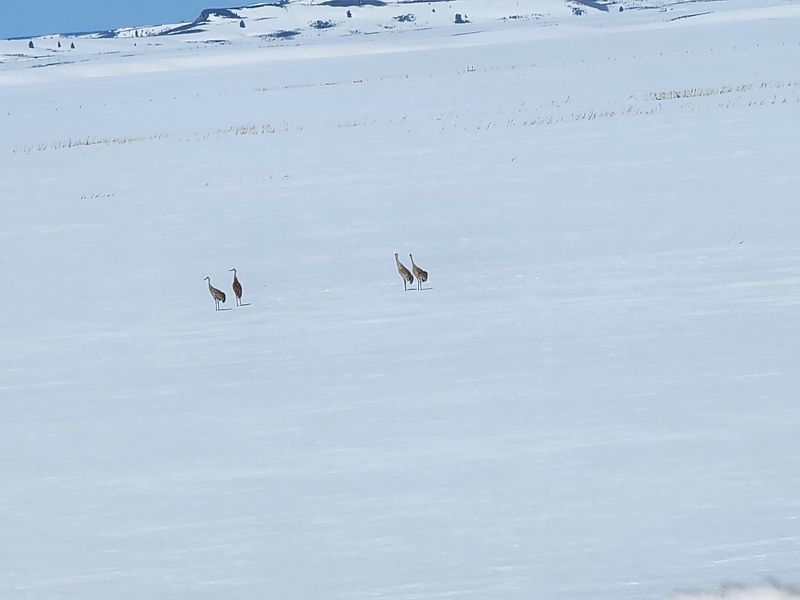
Here’s a fun one for your next trivia night. Grays Lake holds the largest breeding population of sandhill cranes in North America.
Some sources go even further and suggest it could be the largest in the world. Either way, that’s a serious claim to fame for a quiet corner of Idaho.
Breeding is the key word. Plenty of places see cranes passing through, but these birds actually raise their young right here.
That means the basin isn’t just a rest stop on a long highway in the sky. For many cranes, it’s home base during the warmer months.
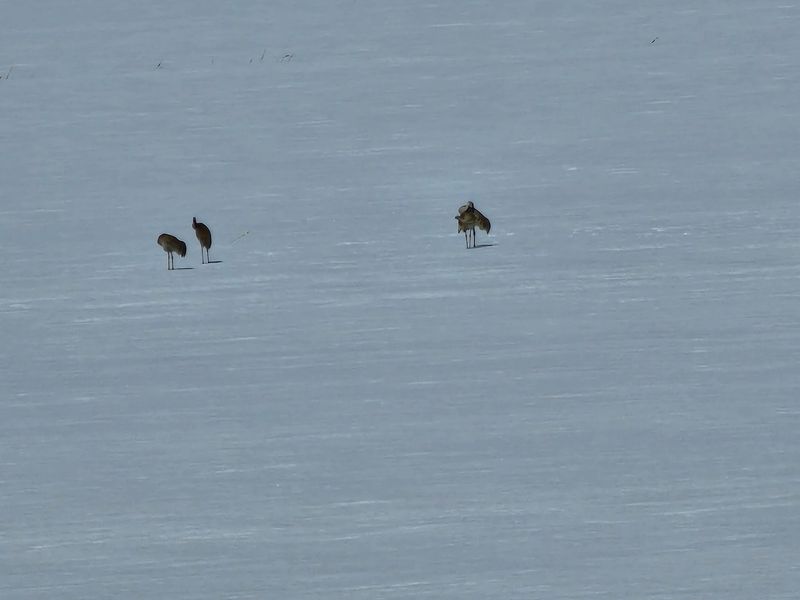
By May, the basin hosts roughly 700 to 800 cranes. Those numbers keep climbing through summer as families grow and more birds arrive.
Then September rolls around, and things get crowded. The local residents are joined by travelers fueling up for the long trip south.
Knowing all this makes a visit feel different. You aren’t just spotting random birds in a field.
You’re looking at one of the most important crane neighborhoods anywhere on the continent, and it happens to be in Idaho.
Late September Is When The Crowd Really Shows Up
Mark your calendar for late September through the first half of October. That’s the window when the biggest crane gatherings fill this valley.
During that stretch, up to 3,000 cranes might be seen at any given time. That’s not a typo, and it’s not counting the same bird twice.
Why then? The cranes are fattening up before their journey south, and the fields around the marsh offer plenty to eat.
So the timing is really about appetite. Think of it as a giant pre-trip buffet with a very long guest list.
Spring has its own appeal, too. Cranes start arriving in early April to rest on their way north.
Still, spring numbers don’t match the fall surge. If sheer volume is what you’re after, autumn wins easily.
A smart plan is to aim for that early October sweet spot. The weather in a high Idaho basin can turn quickly, so pack layers and check road conditions before driving.
A warm jacket costs you nothing in the trunk, and it might save the whole afternoon when the wind picks up.
Four Feet Tall With Wings Wider Than Your Couch
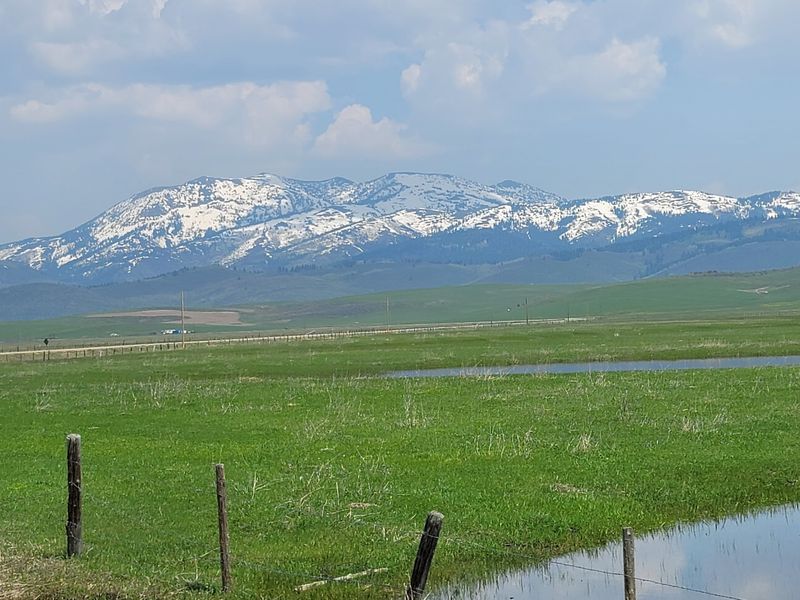
Size is the first thing that grabs you. Sandhill cranes can stand around four feet tall, which puts some of them eye level with a fourth grader.
Their wingspans can stretch about six feet. That’s roughly the length of a sofa, flapping overhead.
One crane by itself is impressive enough. A field holding hundreds of them looks like a scene from a nature documentary.
When groups lift off together, the sky fills fast. Those long wings move slowly and steadily, so it’s easy to follow them with binoculars.
Cranes also make themselves heard. Their calls carry across open country, so you may notice them before you spot them.
That’s part of the fun at Grays Lake National Wildlife Refuge. Ears and eyes both get a workout.
Kids especially tend to connect with animals this big. It’s hard to shrug off a bird that could look you in the face.
Bring a field guide or a birding app if you like details. Comparing these giants to the ducks and gulls nearby makes their scale even clearer, and it turns a simple outing into a mini science lesson.
North America’s Biggest Bulrush Marsh Hides In Plain Sight
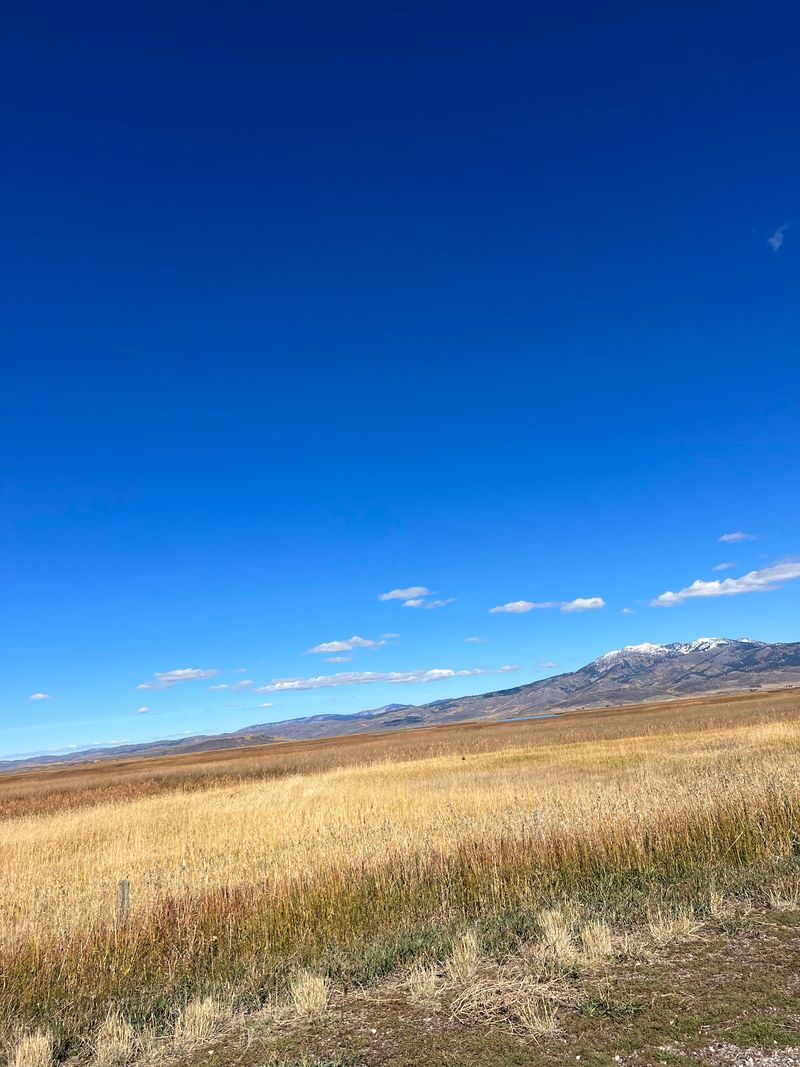
Bulrush might not sound exciting. But the refuge holds the largest hardstem bulrush marsh in North America, and that’s a big deal for wildlife.
These tall, sturdy plants grow thick across the high-elevation basin. They create cover, nesting spots, and quiet hiding places for all sorts of creatures.
For cranes, a marsh like this is a safe zone. The water and vegetation give them a buffer from anything sneaking up on them.
The surrounding fields provide food. Put the two together, and you’ve got the ideal crane real estate package.
The basin’s elevation also shapes the experience. Summers stay mild, and fall arrives early, which helps explain the timing of the big gatherings.
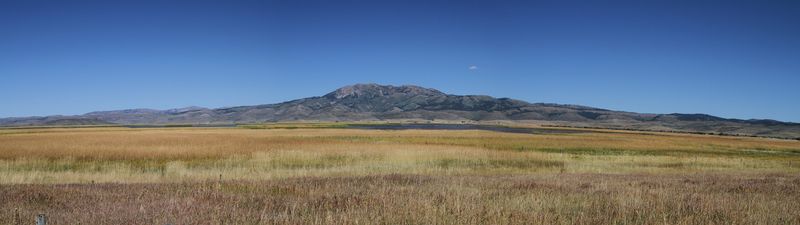
From the roads, the marsh looks like a vast golden sea in autumn. You won’t see every corner of it, and that’s the point.
Much of the habitat stays undisturbed so the birds can do their thing. Your job is simply to enjoy the view from the edges.
Once you understand the marsh, the whole valley makes more sense. It’s the engine that powers this entire wildlife show.
Trappers Spotted This Wildlife Jackpot Long Before 1965
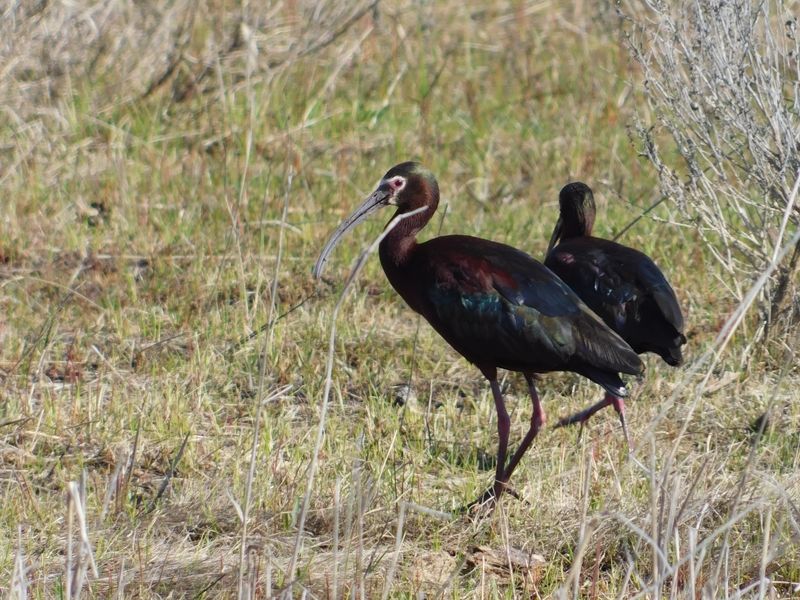
Long before it had a sign out front, this basin had a reputation. Early trappers and pioneers noted the abundant wildlife in their diaries.
That’s a pretty strong early review for a marsh. People clearly noticed that something special was happening here.
Official protection came in 1965. That year, Grays Lake National Wildlife Refuge was established to protect and restore habitat for waterfowl production.
Sandhill cranes and other migratory birds were part of that mission from the start. The goal was simple: keep this critical wetland working for the birds.
Decades later, that decision looks pretty wise. The refuge now supports the huge crane population that draws visitors every fall.
History here isn’t about old buildings or famous battles. It’s about land that people chose to protect, then kept protecting.
I believe that kind of story deserves more attention in Idaho. It shows how a quiet choice can shape a valley for generations.
So when you watch thousands of cranes settle into the fields, remember the backstory. Those birds are enjoying the results of a plan set in motion more than half a century ago.
The Odd Experiment Where Sandhills Raised Whooping Cranes
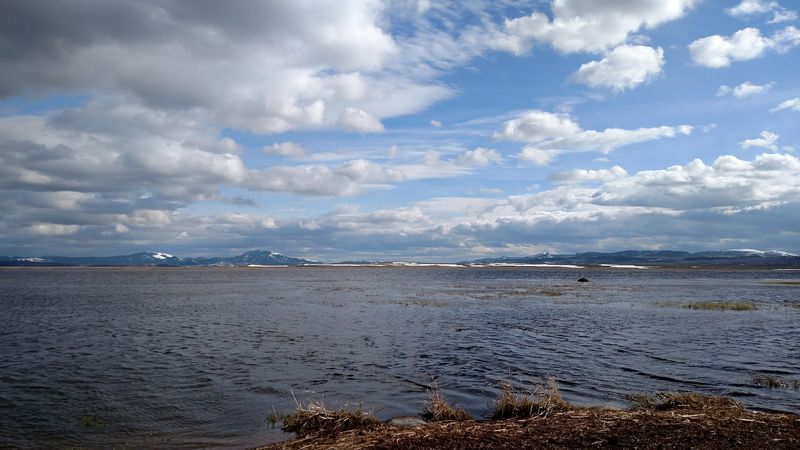
Some refuge history reads like a nature mystery novel. In the 1970s and 1980s, Grays Lake became a reintroduction site for endangered whooping cranes.
The twist? Sandhill cranes served as foster parents for the young whoopers.
Yes, really. Researchers turned to the local sandhills to help raise a completely different and very rare species.
It was a pioneering conservation effort. The idea was that sandhill parents could teach whooping cranes how to live and migrate in the wild.
Picturing a gray sandhill crane leading a white whooping crane chick is delightful. It’s the kind of fact that gets a reaction at any dinner table.
The program is part of what makes this refuge stand out in wildlife circles. Few places can claim such an unusual chapter.
For Idaho families, it’s a great teaching moment. It shows how scientists sometimes try creative solutions when a species needs help.
You won’t find foster whoopers here today, so don’t go hunting for them. Still, knowing the story adds depth to every sandhill you spot, since their ancestors once played babysitter to one of America’s rarest birds.
Your Car Doubles As The Best Bird Blind In The Valley
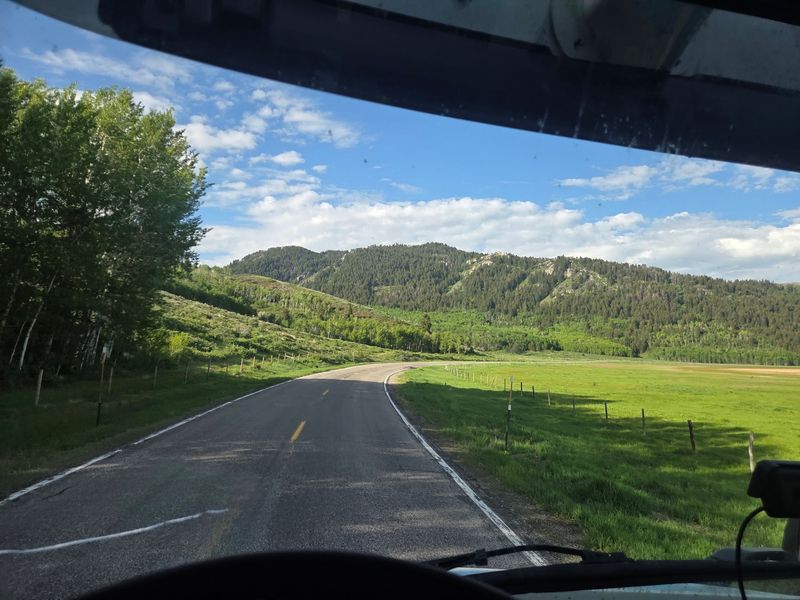
Good news for anyone who prefers comfortable seats. The best way to watch cranes here is often from your vehicle.
County roads encircle the sprawling marsh. Driving them slowly gives you close views without spooking the birds.
Cranes tend to stay calmer when people remain inside their cars. Step out, and the whole flock might decide it’s time to leave.
So think of your car as a rolling bird blind. Crack the window, grab the binoculars, and let the show come to you.
This approach also works well for families and older visitors. Nobody needs to hike miles to see something memorable.
Pull over safely and keep an eye on traffic, since these are working roads. Farm equipment and livestock can share the route.
A full loop takes some time, so plan for a relaxed pace. Rushing defeats the purpose when the cranes might be anywhere in the fields.
Bring snacks, water, and a full tank of gas. Services are limited out here, and a slow afternoon of crane spotting can easily stretch longer than planned.
Honestly, that’s the best kind of problem.
Three Viewing Spots Worth Pulling Over For
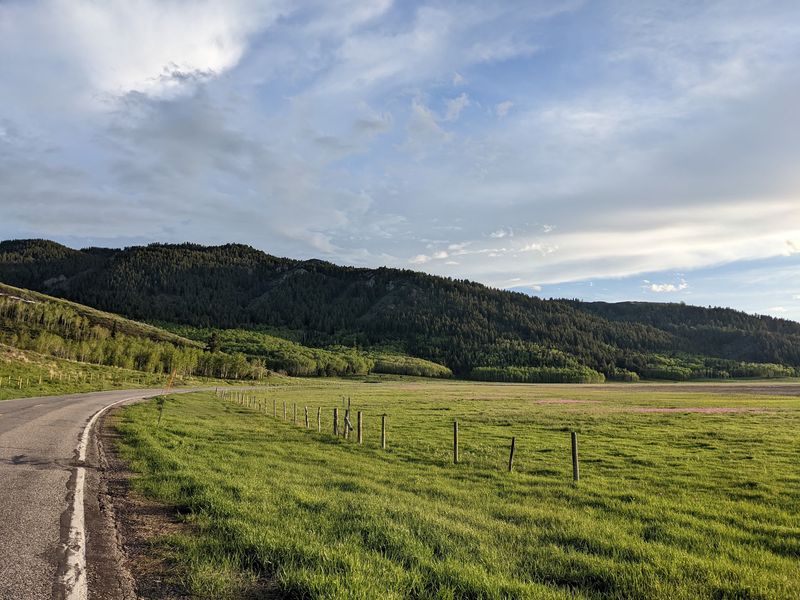
Knowing where to stop makes all the difference. A few spots around the refuge consistently give you a better shot at the action.
Start with the overlook above the Refuge Headquarters. It offers a broad look across the marsh and helps you get your bearings.
Next, check the grain fields along Grays Lake Road. Look about 0.8 miles from its intersection with Highway 34.
Those fields are prime feeding territory in fall. Hungry cranes love a good grain field, and they aren’t shy about showing up in numbers.
On the east side of the refuge, there’s a lookout with interpretive signs. They explain the landscape and the wildlife you’re seeing.
That stop is especially helpful for first-timers. It turns a pretty view into something you actually understand.
Information on site can feel limited, so do a little homework before you go. A quick call to the refuge office can point you in the right direction.
Bird activity shifts with weather and time of day. Early and late daylight hours are classic times for wildlife watching, so build some flexibility into your plan and keep scanning.
Forty Thousand Gulls And A Swan Comeback Story
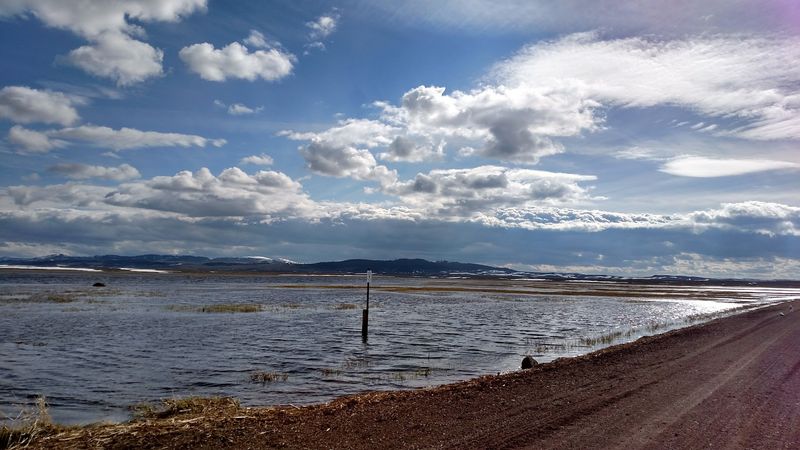
Cranes get top billing, but the supporting cast is huge. Almost 250 bird species have been documented at the refuge.
Around 100 of those species are known to nest within its boundaries. That’s a busy nursery by any standard.
Franklin’s gulls are one of the big surprises. Their colonies here can number up to 40,000 birds.
Yes, forty thousand. That’s more gulls than people in many Idaho towns.
The refuge also serves as a reintroduction site for trumpeter swans. Seeing these elegant white birds on the water feels like a bonus prize.
Canada geese and a range of duck species round out the wetland crowd. Birders can easily fill a checklist without trying too hard.
Overhead, keep watching for hawks. Various species soar above the open fields and perch along the roads.
Photographers often find plenty of subjects while waiting for cranes to appear. A long lens comes in handy here.
Even if the cranes are being shy that day, you probably won’t leave empty-handed. Grays Lake National Wildlife Refuge has a way of filling in the gaps with feathers of every shape and size.
Moose, Badgers, And Other Furry Neighbors On The Edges
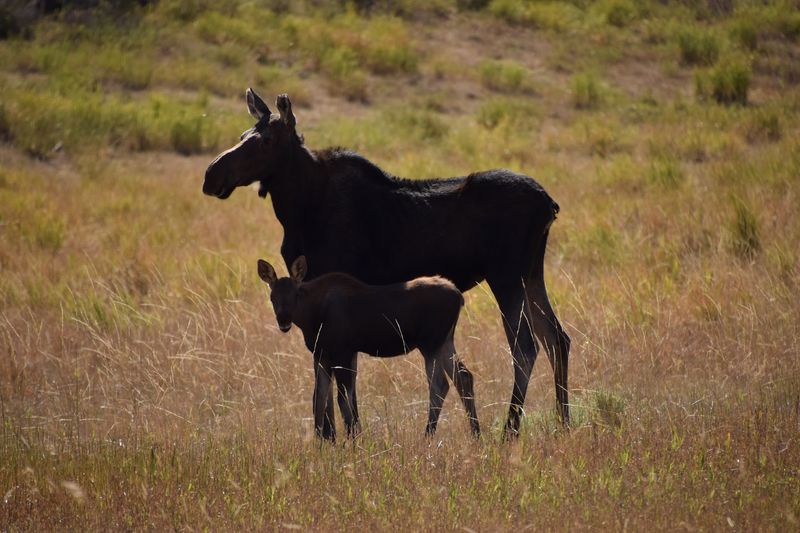
Birds aren’t the only residents worth spotting. The refuge also supports a lineup of mammals that would make any road trip more exciting.
Moose top the list for many visitors. Spotting one near the marsh edges is a real Idaho moment.
Elk and mule deer also use the area. Scan the open ground and hillsides, especially early or late in the day.
Smaller creatures deserve attention too. Muskrats work the wetlands, while badgers and ground squirrels stick to drier ground.
Badgers can be tricky to find, so count yourself lucky if one shows up. Ground squirrels are usually far easier to catch in action.
Keep a respectful distance from everything you see. Moose in particular are big, powerful animals, and they deserve plenty of space.
Your car remains the best viewing platform for mammals as well. Stay inside, and you’ll likely get better looks anyway.
This variety makes the refuge feel like a full wildlife tour. You might come for cranes, then drive home talking about a moose standing in the reeds.
That kind of surprise is part of the charm of wide-open southeastern Idaho.
Getting There Takes A Little Effort And Zero Dollars
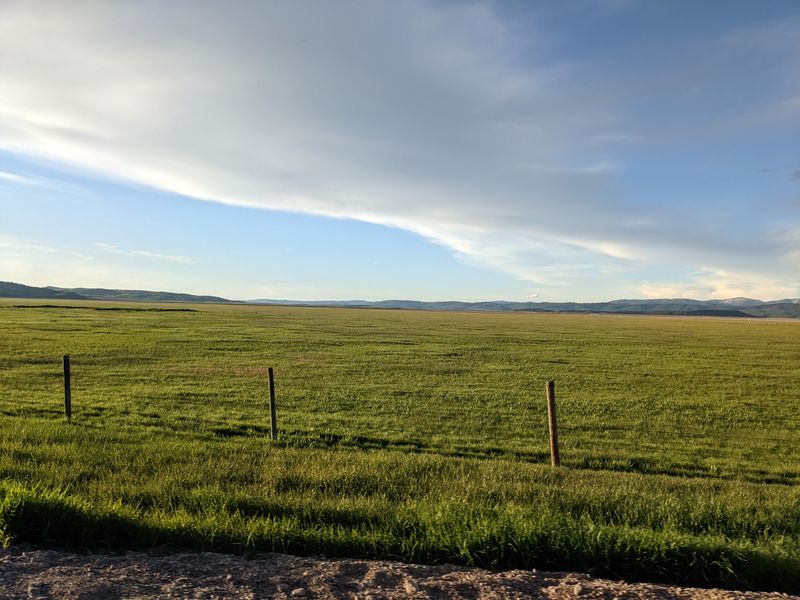
Plug 74 Grays Lake Road, Wayan, ID 83285 into your GPS. That’s the address for the refuge office and visitor area.
Expect a drive of roughly 27 to 33 miles north of Soda Springs. You’ll head out along Highway 34.
The turnoff from Highway 34 is signed. From there, it’s about three miles north to the refuge office, visitor center, and overlook.
Best part for your wallet? There’s no charge to visit.
The refuge is open from sunrise to sunset. Plan your timing around daylight, especially in fall when days shorten quickly.
The visitor center offers self-serve indoor and outdoor exhibits seasonally, generally from early May through mid-November. Hours can change, so check before driving.
Some roads and gates may be closed at certain times. Calling ahead helps you avoid an unexpected dead end.
Cell service and amenities can be sparse in this part of Idaho. Fill up in Soda Springs and pack what you need.
A little planning goes a long way here. Once you arrive with the right expectations, the open valley and its birds make the miles feel worthwhile.
Snowshoes, Picnics, And One Valley Worth The Detour
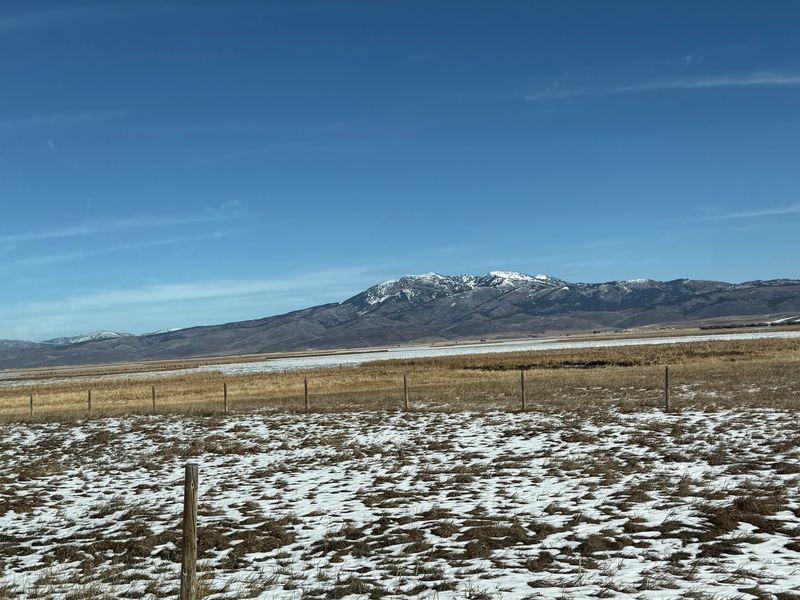
Feel like stretching your legs? From September 20 through March 31, hiking opens on the Bear Island trail and in the north half of the refuge.
From April 1 to September 19, some areas close to foot traffic. That protects nesting wildlife during their most sensitive season.
Winter brings a quieter kind of adventure. Cross-country skiing and snowshoeing are options when snow blankets the basin.
The cranes will be long gone by then. Still, a snowy marsh offers its own peaceful reward.
Picnicking is allowed in designated areas too. Packing lunch turns a quick crane check into a relaxed afternoon outing.
So, is this refuge worth the drive? For fans of wildlife, wide skies, and free outings, I’d say absolutely.
It isn’t fancy, and it doesn’t try to be. Grays Lake National Wildlife Refuge simply offers one of Idaho’s great natural gatherings without the crowds of a big park.
Go in early October if you can. Bring binoculars, layers, and a little patience.
Then let thousands of four-foot birds remind you how much wild magic still lives in this quiet corner of the state.