Nebraska Has A Free Museum Of Ancient Weapons And Armor That’s As Fascinating As You’d Hope
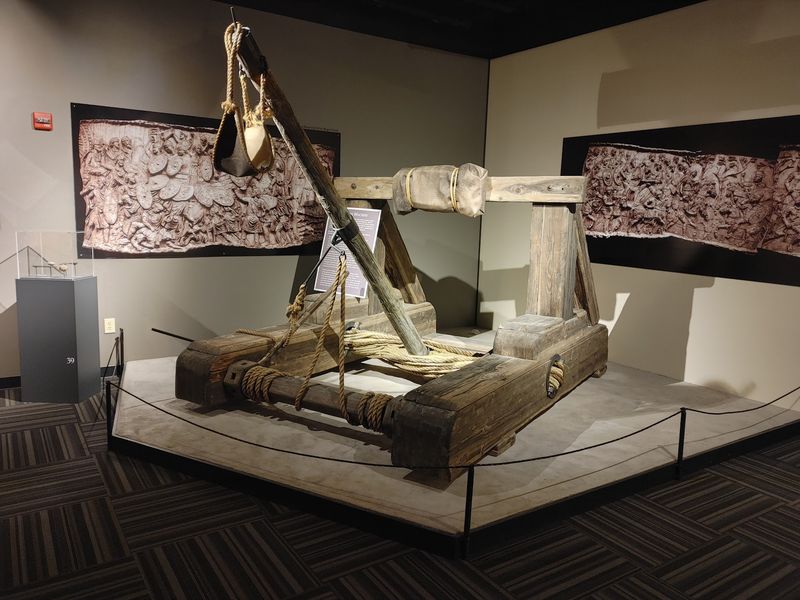
A full-size Roman siege machine sits in a college basement in Nebraska. It’s called an onager, and no, it is not a catapult.
Admission to see it costs nothing at all.
The same rooms hold a Roman legionary helmet and the weapons of a Roman soldier. There are coliseum admission tokens too.
Some artifacts in the collection reach back to around 6500 B.C.
I love how casually this place drops thousands of years of history into a small-town campus. You can wander from ancient Mesopotamia to the Roman Empire in one easy stop.
Kids even get their own space to dig for treasure.
I can’t imagine a better way to break up a long drive. So how did a collection like this end up in the middle of the Great Plains, and what else is waiting downstairs?
An Ancient World Waiting Under A York Campus
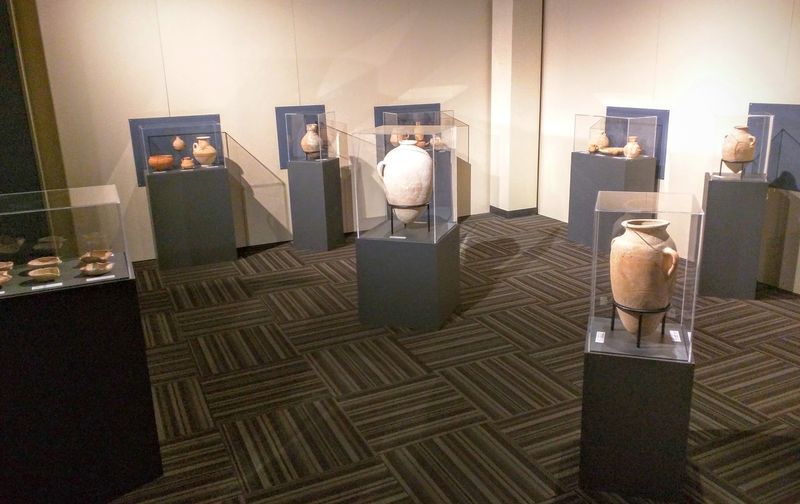
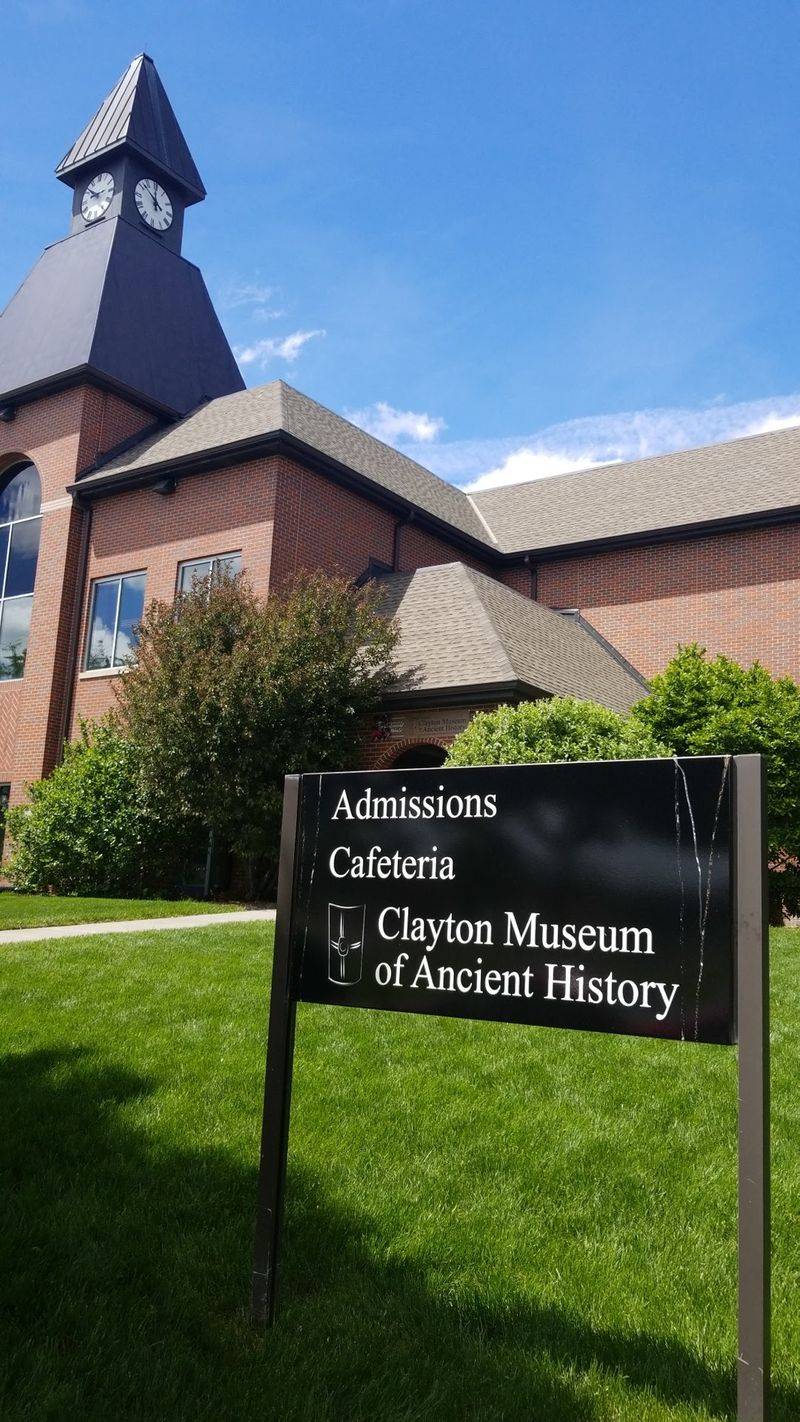
Few college basements can claim a Roman helmet. The Clayton Museum of Ancient History sits on the lower level of the Mackey Center at York University in York, Nebraska.
It’s a free museum devoted to the ancient world. Exhibits cover the Ancient Near East, Rome, and Biblical history, all under one roof.
The heart of it all is the C. Foster Stanback Collection.
Its artifacts stretch from around 6500 B.C. into the 17th century, which is a pretty wide window.
That range means you can see objects older than written history in the same visit. A few steps later, you’re looking at items from the age of early printed books.
The location surprises people, and honestly, that’s part of the fun. York is a classic Nebraska stop along Interstate 80, not a place most folks connect with Babylon or Rome.
Yet here it is, quietly holding thousands of years of human stories. The museum is also a stop on the Nebraska Passport program, so travelers collecting stamps have an extra reason to swing by.
Plan on a basement that feels much bigger once you start reading. Time moves differently down there.
Gear Fit For A Roman Legionary
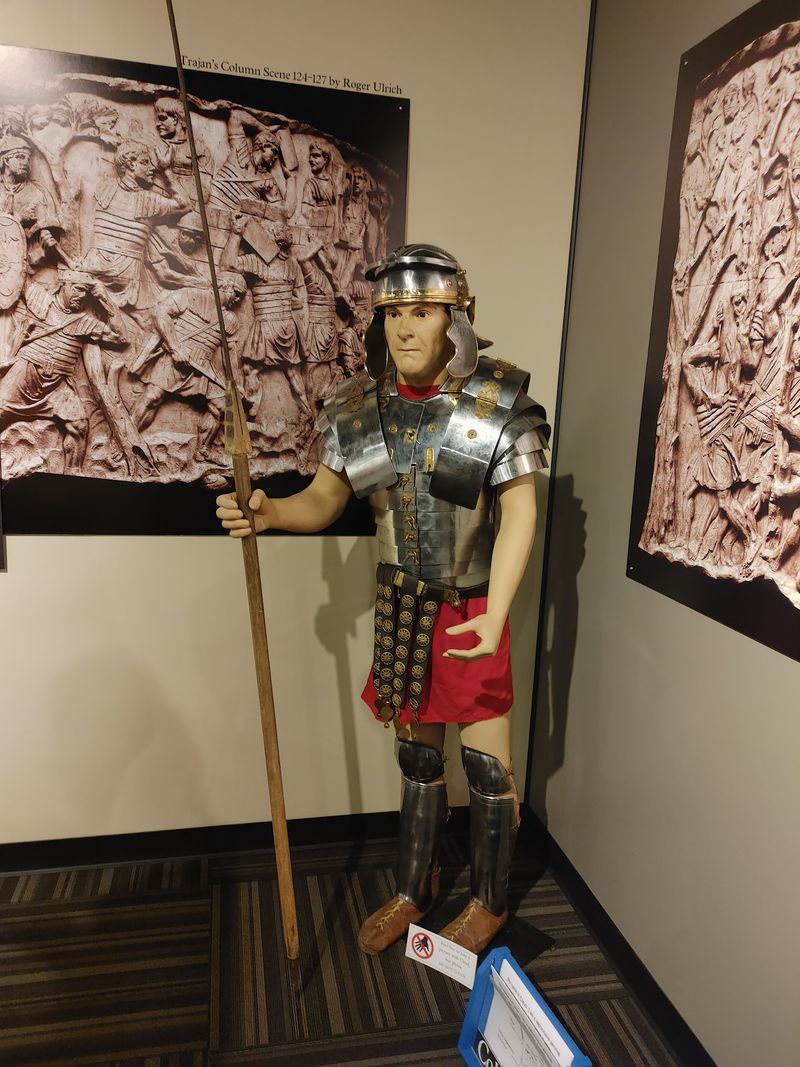
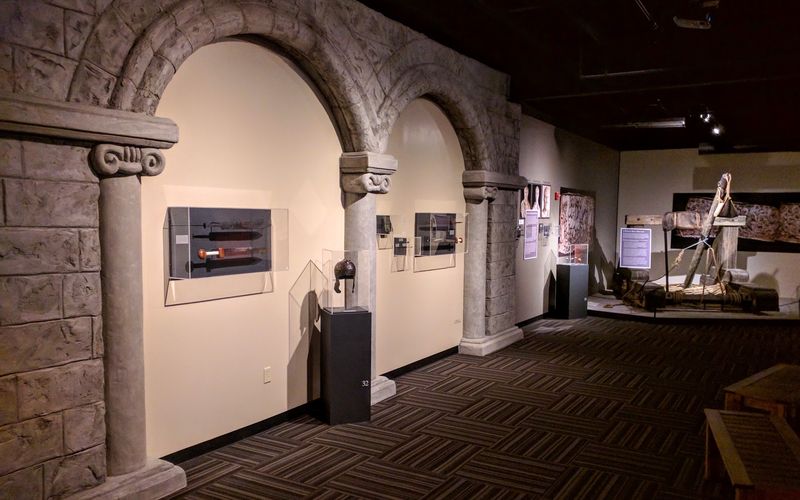
Here’s the part the title promised. The museum displays the authentic weapons of a Roman soldier, giving you a close look at what the ancient army actually carried.
A Roman legionary helmet ranks among the standout pieces. Seeing real protective gear behind glass makes those textbook illustrations suddenly feel solid and heavy.
Armor tells you a lot about the people who wore it. It shows how they moved, what they feared, and how much craftsmanship went into everyday military life.
The pieces sit inside the museum’s larger Rome story, so they don’t feel like random trophies. You see how the soldier fit into a much bigger empire.
Weapons and coins also share space throughout the collection. That mix helps you picture a full society instead of just a battlefield.
Fans of history documentaries will want extra time here. Kids who love knights and castles might be thrilled to learn the Romans had impressive gear centuries earlier.
Bring curiosity and a good set of questions. A helmet that once protected a real person tends to spark them fast, especially from younger visitors who suddenly want to know everything.
The Onager That Everyone Calls A Catapult
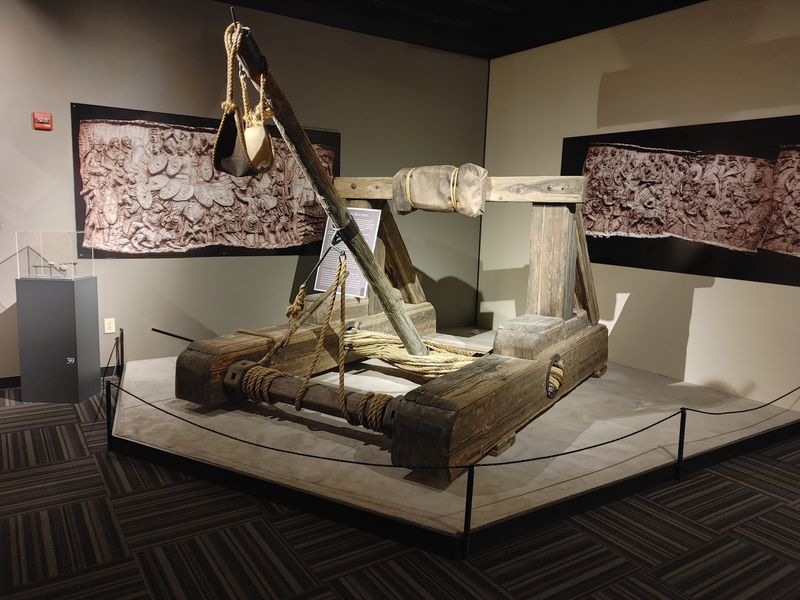
Call it a catapult, and someone may gently correct you. The museum’s full-size Roman siege machine is properly known as an onager.
It’s a replica, but the scale is the point. Standing next to it gives you a real sense of how big ancient siege equipment could be.
The name comes from the Latin word for a wild donkey. Supposedly the machine kicked like one when it fired, which is a pretty great bit of trivia for the car ride home.
Engineering fans will appreciate the design. The onager shows the planning and mechanical thinking Roman forces brought to their campaigns.
It also works as a natural conversation starter for families. Kids tend to ask how it worked, and that question leads straight into physics, history, and a little bit of showing off.
Of everything in the building, this might be the easiest piece to remember. A helmet fits in a case, while a siege engine owns the room.
Snap a photo with it if photos are allowed. Your friends back home will want proof that York, Nebraska, keeps one of these around.
Two Thousand Years Of Rome In One Gallery
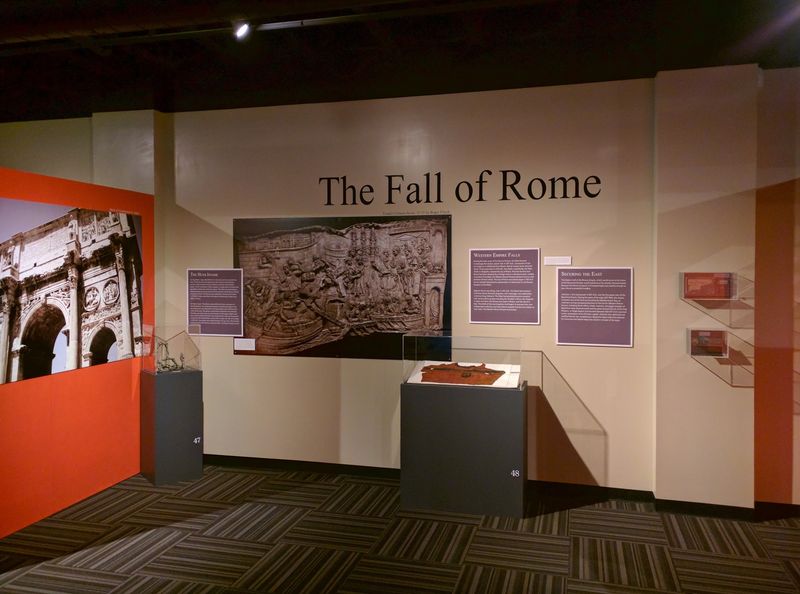
Rome didn’t rise or fall in a day, and this gallery doesn’t rush it either. The Rome: Rise to Fall section spans nearly 2,000 years of history.
That’s a lot of ground to cover in a basement. The exhibit handles it with a broad, approachable overview of how Rome grew and shaped the world.
Coliseum admission tokens are a quirky highlight. They’re a small reminder that ancient Romans needed a ticket to the big show, just like fans heading to a game today.
The gallery also touches on the period when Christianity developed. That thread links the Roman story to other parts of the museum in a thoughtful way.
Coins, artifacts, and replicas work together throughout the space. Each one adds a different angle on daily life, power, and belief in the empire.
History buffs can read every panel and stay a while. More casual visitors can skim the highlights and still leave knowing far more than they did walking in.
Either approach works. The layout is easy to follow, even for anyone whose last Roman history lesson came during middle school.
Mesopotamia Gets Its Moment Between Two Rivers
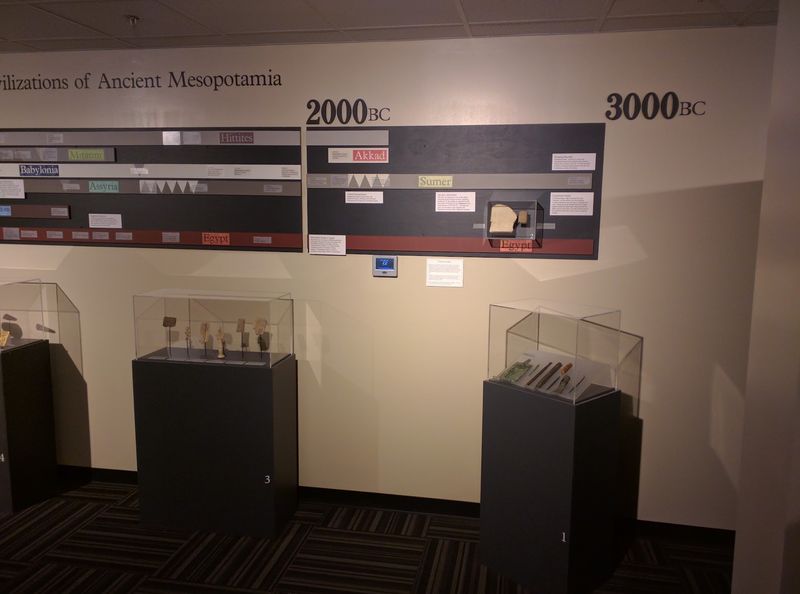
Long before Rome, there was the land between the Tigris and Euphrates. The museum’s Between Two Rivers gallery tells that story, covering roughly 3000 BC to 500 BC.
Mesopotamia often gets a quick mention in school and then disappears. Here it gets real space and real attention.
The exhibit walks through the civilizations that shaped the region. Sumerians, Babylonians, Assyrians, and Persians each take a turn in the spotlight.
Those names can feel like a pop quiz waiting to happen. The gallery lays them out clearly, so you can follow along without any background in ancient history.
That clarity matters. It turns a confusing pile of empires into a story with a beginning, middle, and handoff to the next power.
Some of the oldest ideas in human life took shape in this region, from early cities to written records. Seeing artifacts tied to that era adds weight to what might otherwise be abstract.
Give this room a few extra minutes. It sets the stage for everything else in the museum and makes the Roman galleries feel even richer afterward.
Old Bibles And A Wall Built For Prayers
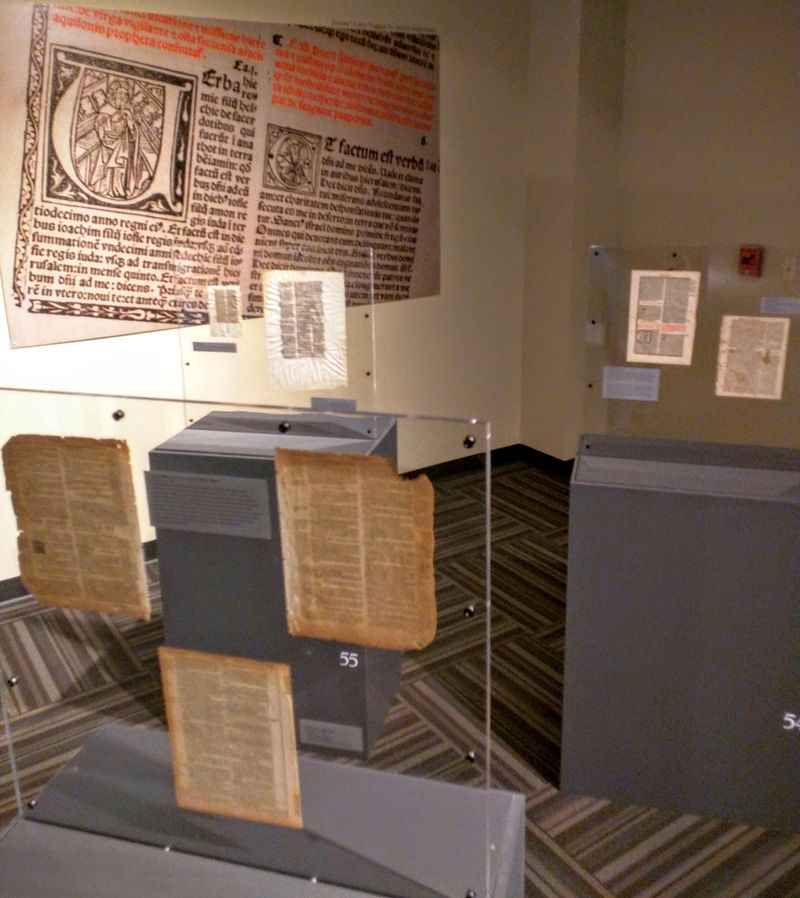
Not every exhibit here is about armor. The Sacred Manuscripts display features early printed Bibles and handwritten texts dating back to the 1200s.
Handwritten pages from that era are rare sights in any small museum. Looking at the careful lettering, you can almost sense the hours each page required.
Then there’s the replica of Jerusalem’s Western Wall. Visitors can write a prayer and leave it at the wall, adding a quiet and personal moment to the trip.
That touch sets the Clayton Museum of Ancient History apart from many regional museums. It invites you to participate instead of only observing.
The wall sits near the end of the walk-through. It makes a reflective final stop after all that Roman engineering and Mesopotamian history.
Faith-minded travelers will likely find this area especially meaningful. History lovers will appreciate it too, since these texts and places shaped centuries of culture.
Bring a pen in your pocket, just in case. A small note on a wall in York, Nebraska, might end up being the part of the visit you remember longest.
Little Kingdom Hands Kids A Shovel
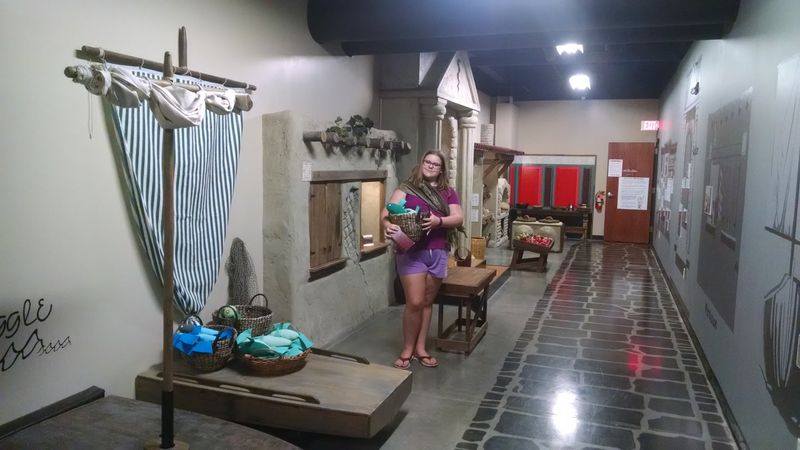
Kids don’t just look at history in the Little Kingdom. They dig it up, shop in it, and walk right through it.
This interactive space lets young visitors dig at a pretend archaeological site. They can also walk a Roman road and explore a recreated Israelite home.
There’s a Roman-style marketplace for bartering and playing store. Dress-up clothes and a boat for pretend fishing add even more ways to burn off energy.
The museum’s own team has called the Little Kingdom a favorite. It’s open to kids of all ages, including grown-ups who are young at heart.
Parents of toddlers and tweens alike can relax a bit here. The space works for a wide range of ages, which is handy for families with kids spread across grades.
It also makes a smart reward after the galleries. Little ones who patiently looked at coins and helmets get to finally touch, build, and pretend.
Homeschool groups and grandparents on babysitting duty should keep this one in mind. Few free stops in this part of Nebraska offer this much hands-on play tied to real history.
Free Admission And A Few Smart Timing Tips
Good news first. Self-guided visits to the Clayton Museum of Ancient History are free, though donations are encouraged to support the museum.
You’ll find it at Mackey Center, 1125 E 8th St Basement, York, NE 68467. It sits on the York University campus, with free parking nearby.
The museum is closed on Sundays and Mondays. It opens Tuesday through Friday with weekday hours, plus shorter hours on Saturday.
Hours have changed over the years, and older printed guides may not match. Check the current schedule before you drive, especially if you’re chasing a Nebraska Passport stamp.
Plan on roughly 30 to 60 minutes for a visit. Families who let kids loose in the Little Kingdom may want to budget extra time.
Groups can also book optional guided tours for a small fee. That’s a nice choice for classes, church groups, or homeschool co-ops wanting deeper context.
Since it’s a campus building, the entrance is easy to miss. Look for the Mackey Center and head downstairs, and you’ll be standing near ancient Rome within minutes.
Worth The Exit Off Interstate 80
Road trips across Nebraska can blur into fields and fuel stops. A free hour with Roman armor and Mesopotamian history is a fine cure for that.
The Clayton Museum of Ancient History packs a lot into a modest space. Weapons, a siege engine, sacred texts, and a kids’ dig site all share one basement.
It suits a surprising mix of people. History buffs, families, homeschoolers, and faith-curious travelers will each find a corner made for them.
It isn’t flashy, and it doesn’t try to be. The appeal comes from clear exhibits, real artifacts, and a welcoming price tag of zero.
York locals may already know it’s here. Plenty of other Nebraskans have probably driven past the campus without realizing what’s downstairs.
Next time you’re heading through York, Nebraska, consider giving yourself an hour. Check the hours, bring the kids, and maybe pack a pen for the prayer wall.
You’ll leave knowing what an onager is. Few souvenirs are better than a fun fact you can pull out at your next family dinner.