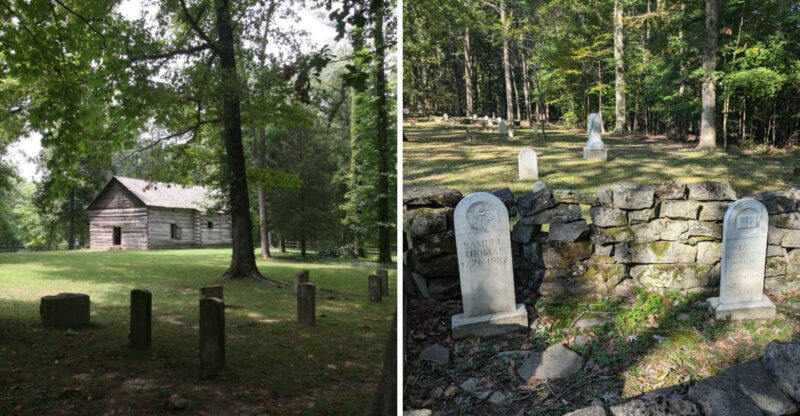
This Kentucky Fall Festival Brings Frontier Salt-Making, Costumed Reenactors, And Local Artisans To An Ice Age Site
Salt is probably the least exciting thing in your kitchen. You shake it, you forget it, and you never wonder where it came from.
This fall, you might finally change your mind. Thousands of years ago, mastodons and other Ice Age giants wandered across northern Kentucky for a taste of mineral springs.
Pioneers later showed up with big kettles and bigger ambitions. Now you can watch that same frontier salt making come back to life on the very same ground.
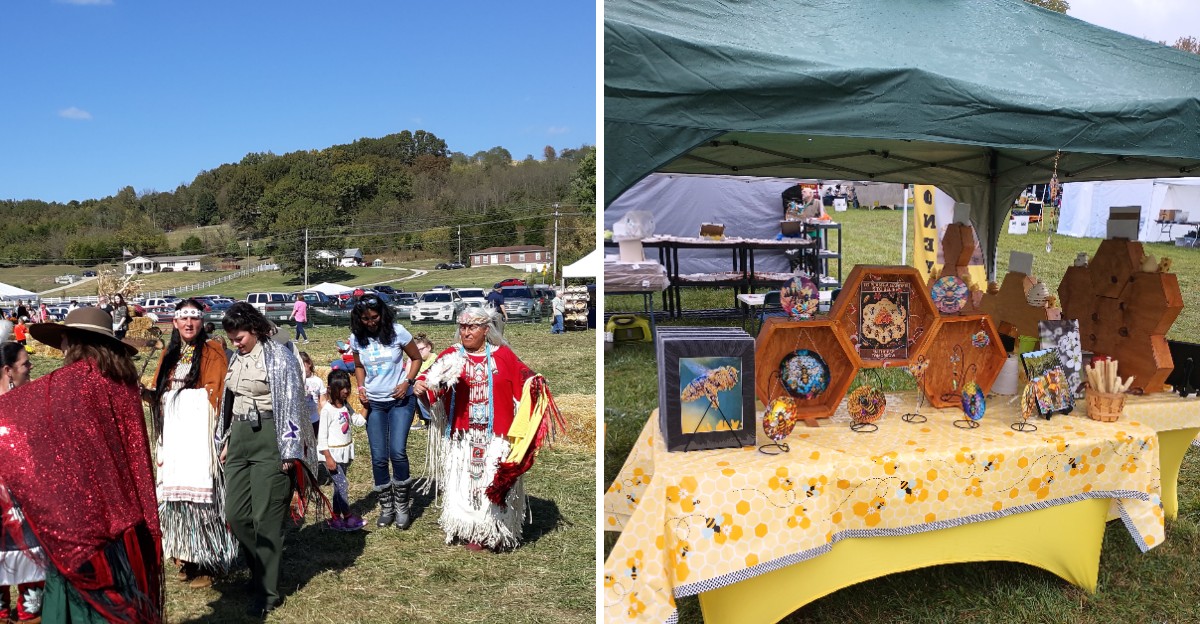
Costumed reenactors will happily explain pioneer life while you resist asking if they miss the internet. Local artisans fill the grounds with handmade treasures that are hard to walk past.
Food vendors make sure nobody explores on an empty stomach. The kids will be fascinated, and honestly, so will you.
Pack your curiosity, your appetite, and your comfiest shoes. Your salt shaker will never look boring again after this weekend.
Where Mammoths Once Lined Up For Salt
Long before snack aisles existed, mammoths traveled miles for a salty treat.
During the Ice Age, over 10,000 years ago, huge animals gathered here. Mammoths, mastodons, and giant ground sloths all came for the minerals in the water.
Many of them got stuck in the soft, marshy ground. Their bones stayed behind, waiting for curious people to dig them up.
Those discoveries earned the park a big nickname. It is called the Birthplace of American Vertebrate Paleontology, which is a fancy way of saying fossil science started here.
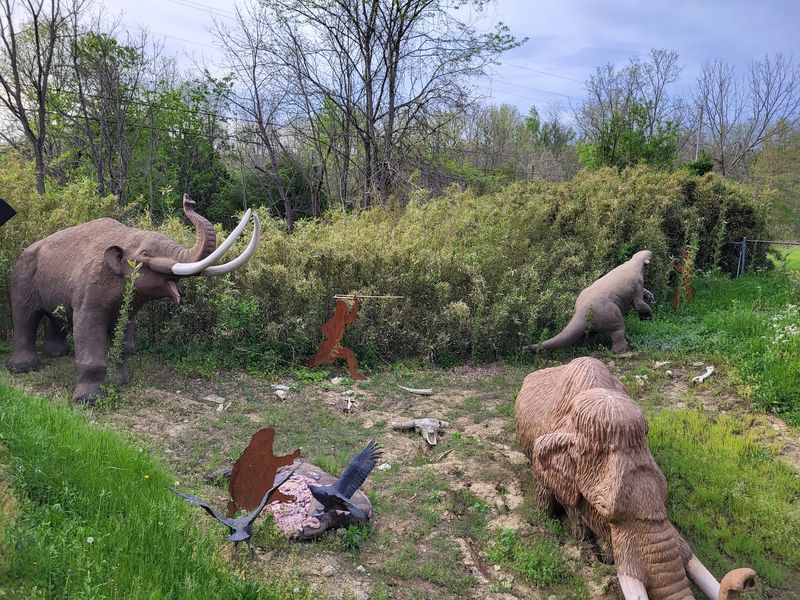
You can still see active salt springs bubbling today. A recreated Pleistocene marsh shows life-sized mammoth and mastodon replicas standing right where their real cousins once stood.
The honors keep piling up, too. In 2009 the site became a National Natural Landmark.
Then in 2024, it was named a National Historic Landmark. Only 16 places in the country hold both titles, so you are visiting a rare club.
Knowing this backstory makes the festival at 3380 Beaver Rd, Union, Kentucky feel richer. Every kettle of brine and every story told connects to that same salty ground.
Take a moment near the springs before the crowds arrive. Imagine the giants who stood there first, and the whole weekend gains a little extra wonder.
A Fall Party Forty-Plus Years In The Making
Few parties last more than a night, but this one has run for over four decades. The Salt Festival at Big Bone Lick State Historic Site reaches its 42nd year in 2026.
The event spans three full days each October. Recent dates include October 18 to 20 in 2024 and October 17 to 19 in 2025.
For 2026, mark October 16 to 18 on your calendar. Fall colors usually frame the park nicely around then.
Tickets are friendly to family budgets.
Little ones 5 and younger get in free. That makes it easier to bring the whole crew, including the toddler who naps in the wagon.
Friday has a special twist called School Day. Preregistered schools receive discounted admission, so expect lots of excited students soaking up history.
If you prefer smaller crowds, plan around that busy school rush. Saturday and Sunday often suit families who want a slower stroll.
The park also runs a shuttle during the festival. Your legs will thank you after a day of exploring tents, trails, and demonstrations.
Dress in layers and wear shoes that can handle grass and gravel. October weather in Kentucky can change its mind by lunchtime.
Boiling Brine The Old-Fashioned Way
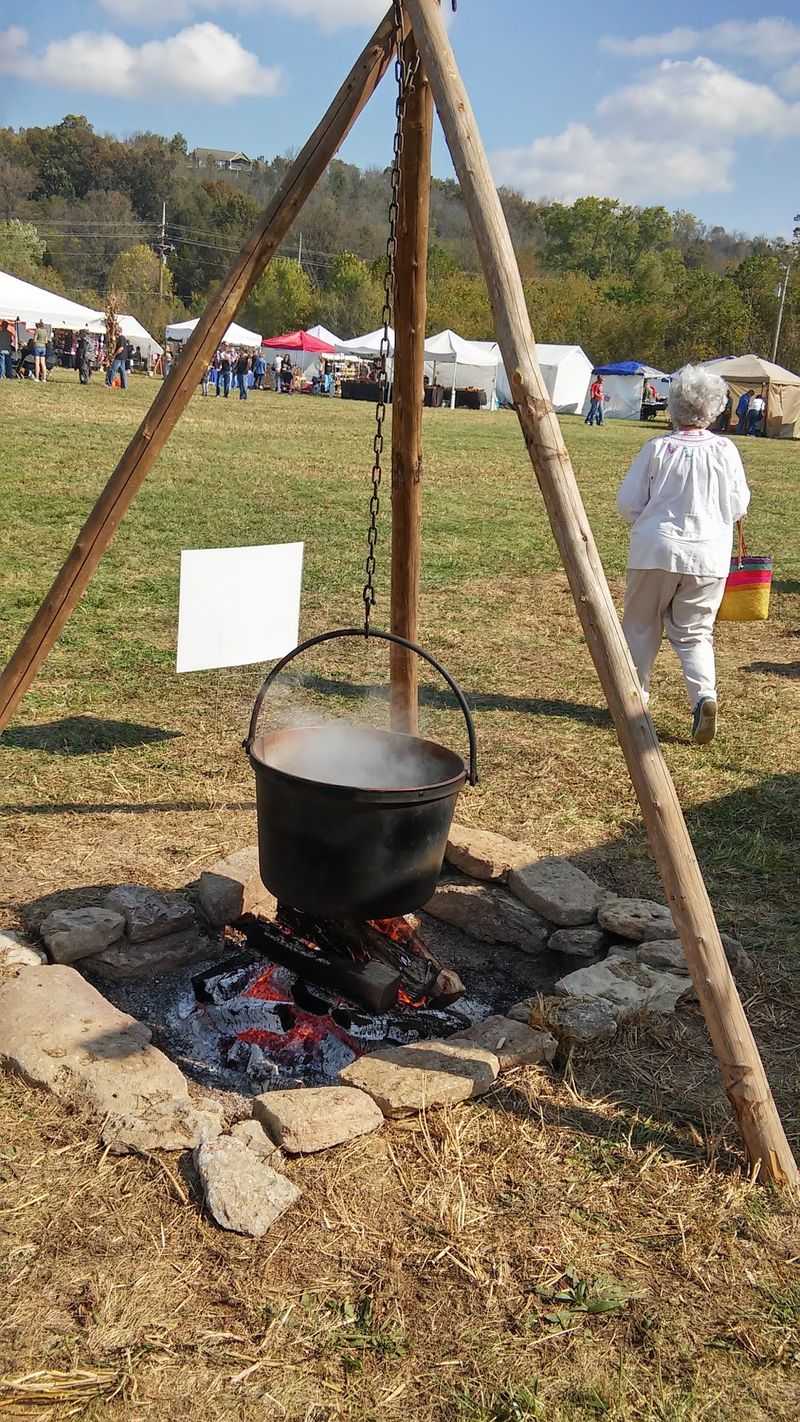
Salt shakers make seasoning look easy, but frontier folks earned every pinch. At the Salt Festival, you can watch how pioneers turned spring water into precious salt.
The process starts with salty water from the springs. Workers pour it into big kettles and keep a fire burning underneath.
As the water boils away, salt crystals slowly appear. It sounds simple, but it takes patience and a lot of firewood.
Here is the wild part. Early salt makers needed huge amounts of water just to produce one bushel of salt.
That effort explains why salt was so valuable. People used it to preserve meat, tan hides, and keep families fed through long winters.
A real salt industry operated at this site from 1756 to 1812. Those decades shaped how settlers lived and traded across the region.
Standing near the steaming kettles helps the history click. You can smell the wood smoke and feel the heat on your face.
Bring your questions, because demonstrators love explaining their craft. Kids often ask how long it takes, and the answer usually surprises them.
After watching, you may never grab table salt the same way. That little white sprinkle suddenly feels like a hard-won treasure.
Stepping Into A Living Frontier Camp
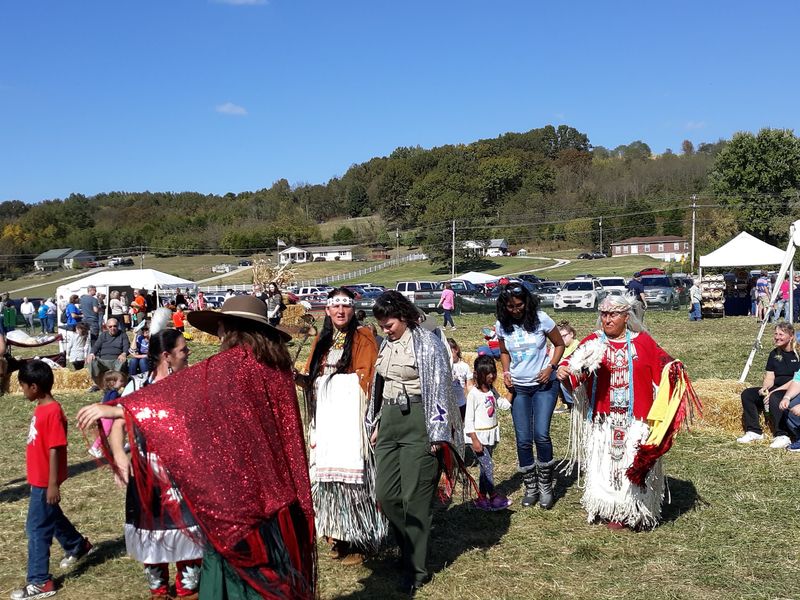
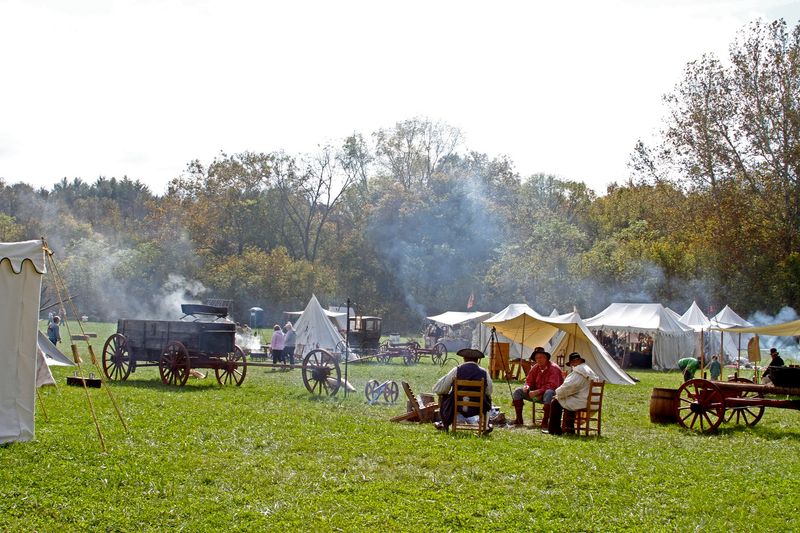
Time travel is not invented yet, though the reenactors come pretty close. Dressed in period clothing, they show you how European settlers lived on the Kentucky frontier.
Their camps feel like small windows into another century. Canvas tents, cooking fires, and handmade tools fill the scene.
You can see traditional skills done by hand. These are the jobs settlers needed to survive, long before stores lined every road.
The best part is how close you can get. You are not stuck behind glass in a museum case.
Instead, you can watch hands at work and hear the stories behind each task. That kind of learning sticks better than any textbook chapter.
Kids especially love asking reenactors about daily life. What did they eat, where did they sleep, and how did they stay warm?
Friendly answers often lead to more questions. Before long, your family has spent an hour in the 1700s without noticing.
Take your time moving from camp to camp. Each one may highlight a different skill or piece of frontier life.
Honestly, I think this is where history feels most real. Seeing it done in person turns old facts into living memories.
Drums, Dance, And Indigenous Traditions
Feel that steady beat in your chest? It comes from the Indigenous drum and dance circle, one of the festival’s most moving moments.
Long before settlers boiled brine here, Native peoples knew this land well. The festival honors their lifeways and skills alongside frontier history.
The drum circle brings music, movement, and tradition together. Dancers and drummers share customs that have been passed down through generations.
Watching quietly is a great way to show respect. Listen for the rhythm and notice how the dancers’ steps match the beat.
Demonstrations of Indigenous skills add even more depth. They show how people lived with the land, using what nature provided.
This part of the weekend reminds you that history has many voices. The story of Big Bone Lick did not begin in 1756.
Families often leave this area with fresh curiosity. Kids may want to learn more about the first people of Kentucky.
That curiosity is a gift worth feeding at home. A library trip after the festival can keep the learning going.
Find a spot early if you want a clear view. The circle tends to draw a crowd, and nobody enjoys peeking over tall hats.
Aim, Throw, And Gather Round For Tales
Ever wanted to throw a tomahawk without getting grounded? The Salt Festival gives you that chance in a safe, supervised setting.
Archery, spear throwing, and tomahawk throwing all appear on the activity list. Each one shows skills people once relied on for daily life.
Your first throw may wobble a bit. Do not worry, since nearly everyone’s first try looks a little silly.
Instructors help you learn the right grip and stance. With practice, that satisfying thunk on the target becomes a lot more likely.
Spear throwing ties in nicely with the park’s deeper past. Ancient hunters may have used similar tools around these same salt springs.
When your arm needs a break, storytelling offers a cozy change of pace. Gather close and let a good tale carry you somewhere else.
Storytellers bring the past to life with voices and details. Younger kids often sit spellbound, which gives parents a welcome breather.
Mixing action with stories keeps energy levels balanced. One moment you are aiming, and the next you are leaning in to listen.
Bring a little patience for lines at popular stations. Waiting your turn gives you time to study the pros and plan your throw.
Handmade Finds In The Crafters’ Corner
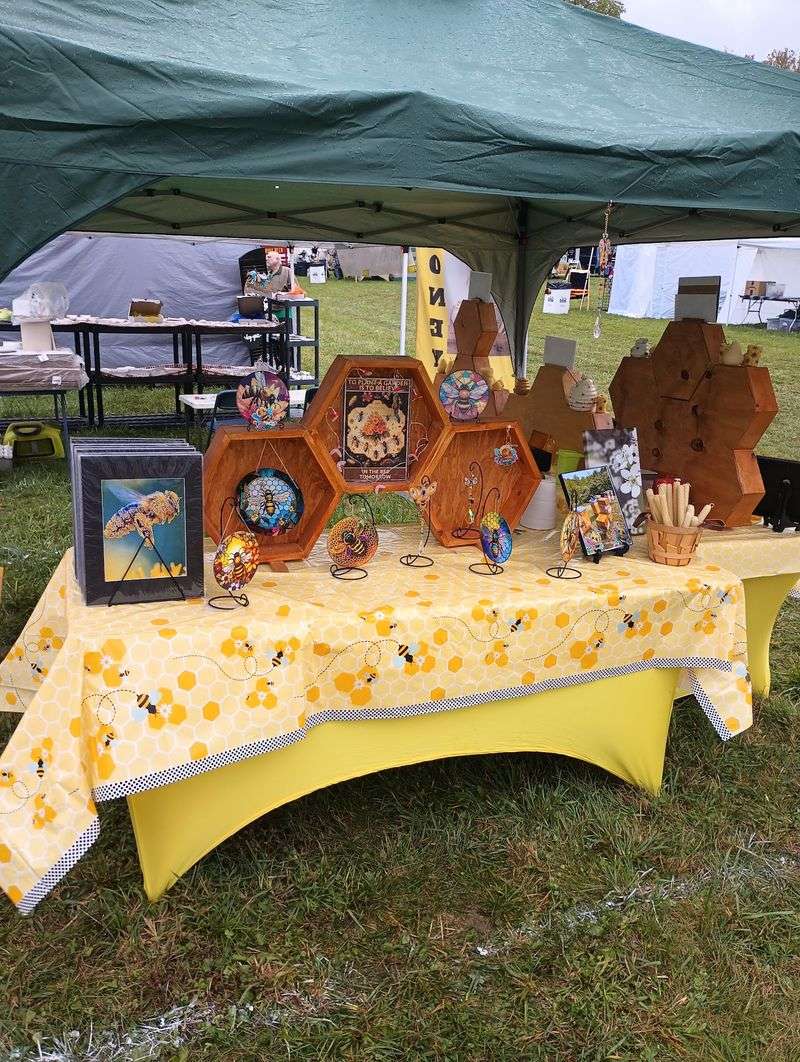
Your wallet may want to hide once you spot the crafters’ corner. This section of the festival is packed with unique, handmade items for sale.
Local artisans set up booths full of creative work. Browsing feels like a treasure hunt, since no two tables look the same.
Handmade goods carry a special charm. You can often tell someone spent hours shaping, stitching, or carving each piece.
Shopping here also supports local makers. Your purchase helps keep traditional crafts and small businesses going strong.
Think ahead about holiday gifts while you wander. October is a smart time to grab something thoughtful before the December rush.
Bring a sturdy tote bag for your finds. Juggling fragile items while chasing kids is a challenge nobody needs.
Talking with crafters adds to the fun. Many enjoy sharing how they make their work and what inspires them.
Those little conversations give your souvenir a story. Every time you use it, you will remember that crisp fall day by the salt springs.
Plan to circle back before you leave. That item you passed up in the morning has a funny way of calling your name by afternoon.
Bluegrass Tunes, Pony Rides, And Bison Views
Banjos, pumpkins, and bison make an odd trio, yet they fit together here perfectly. The festival wraps up its history lessons with plenty of pure fun.
Live folk and bluegrass music drifts across the grounds. It sets a cheerful soundtrack while you snack and explore.
Speaking of snacks, a food court offers a variety of eats. Grab something warm and find a spot near the music.
Little ones get their own children’s area. A petting zoo, pony rides, and haybale climbing keep tiny explorers busy and happy.
Pumpkin painting and games add even more seasonal cheer. Expect colorful hands and proud smiles at this station.
History fans should not skip the museum tent. You can view prehistoric artifacts that connect straight back to the Ice Age giants.
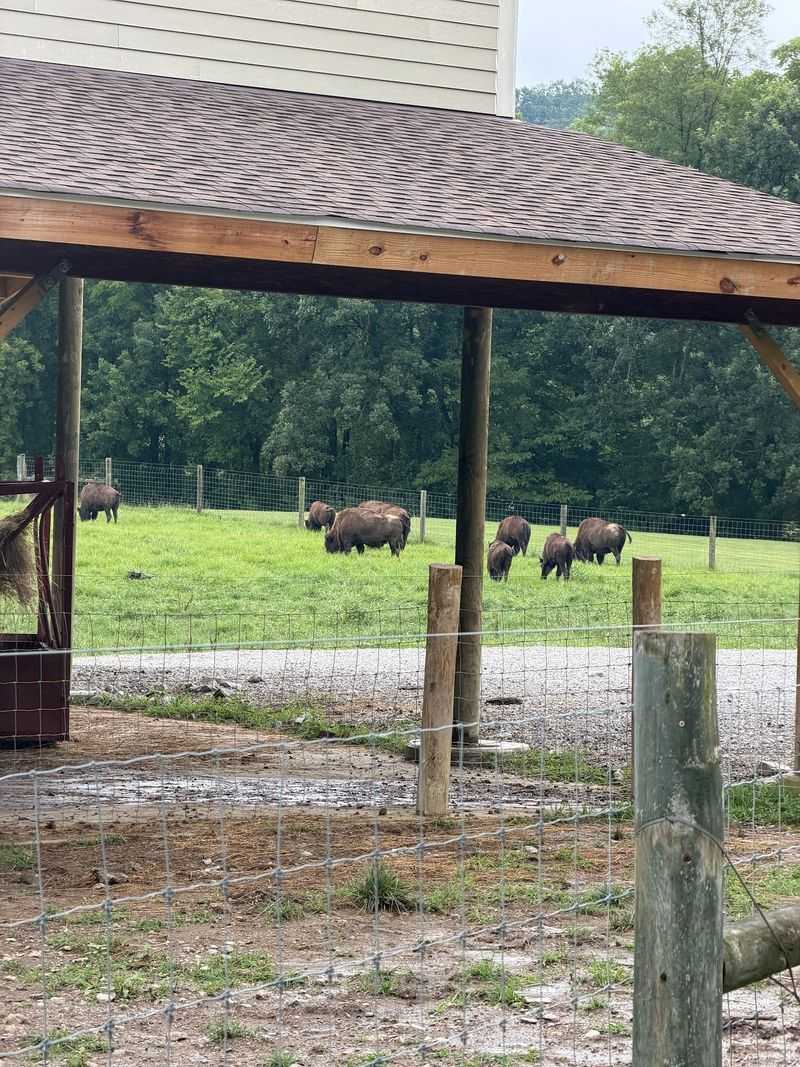
Before heading home, visit the park’s bison herd. These animals are a living link to the prehistoric creatures that once roamed here.
A paved path leads to a viewing pavilion with binoculars and benches. Morning visits often bring better luck spotting the herd.
If I had to pick one closing moment, it would be watching those bison graze. It ties the whole salty, ancient story together beautifully.