This Georgia Airport Was Just Ranked Among The 20 Most Stressful In America
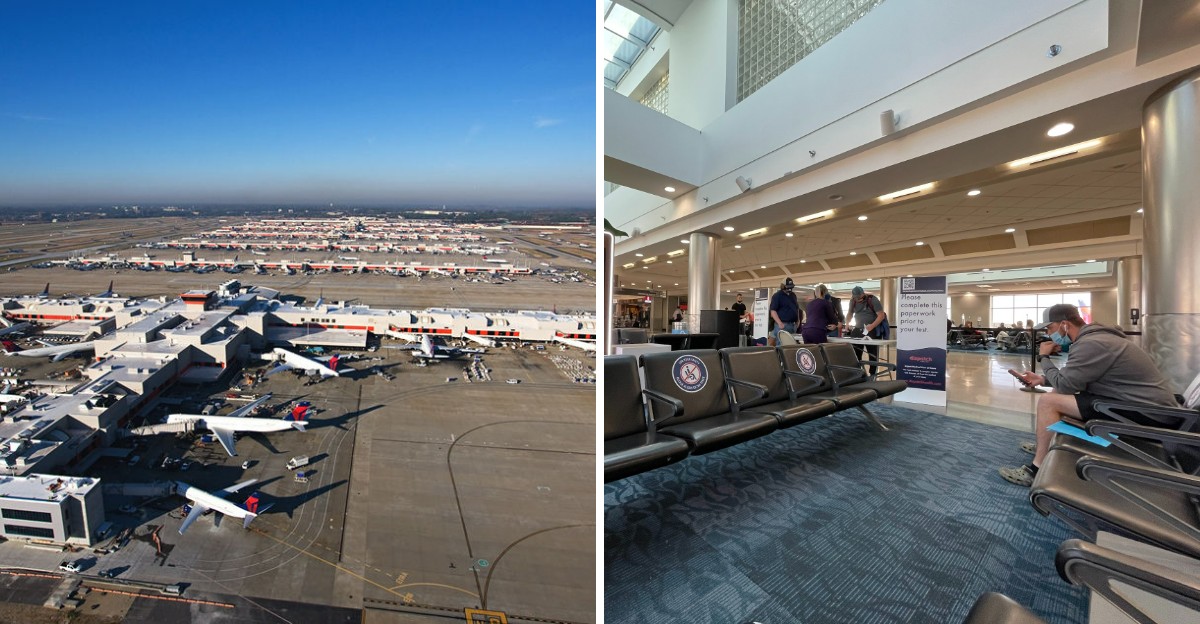
Airports test a special kind of patience. Long lines.
Sprinting travelers. A gate change announced the second you finally sit down.
Every trip starts with a small act of faith, and Georgia has one terminal that asks for more faith than most. A new national ranking just placed this sprawling Southern hub among the 20 most stressful airports in America.
That news won’t shock anyone who has watched a security line curl around three corners at dawn. Still, a label only tells part of the story.
Millions of travelers pass through these gates every year and make their flights just fine. The secret usually comes down to timing, a few smart habits, and knowing what to expect before you arrive.
So grab your boarding pass and keep reading. Here’s why this Georgia airport earned its spot on the list, and how to make your next trip through it a lot calmer.
The Ranking That Got Everyone Talking
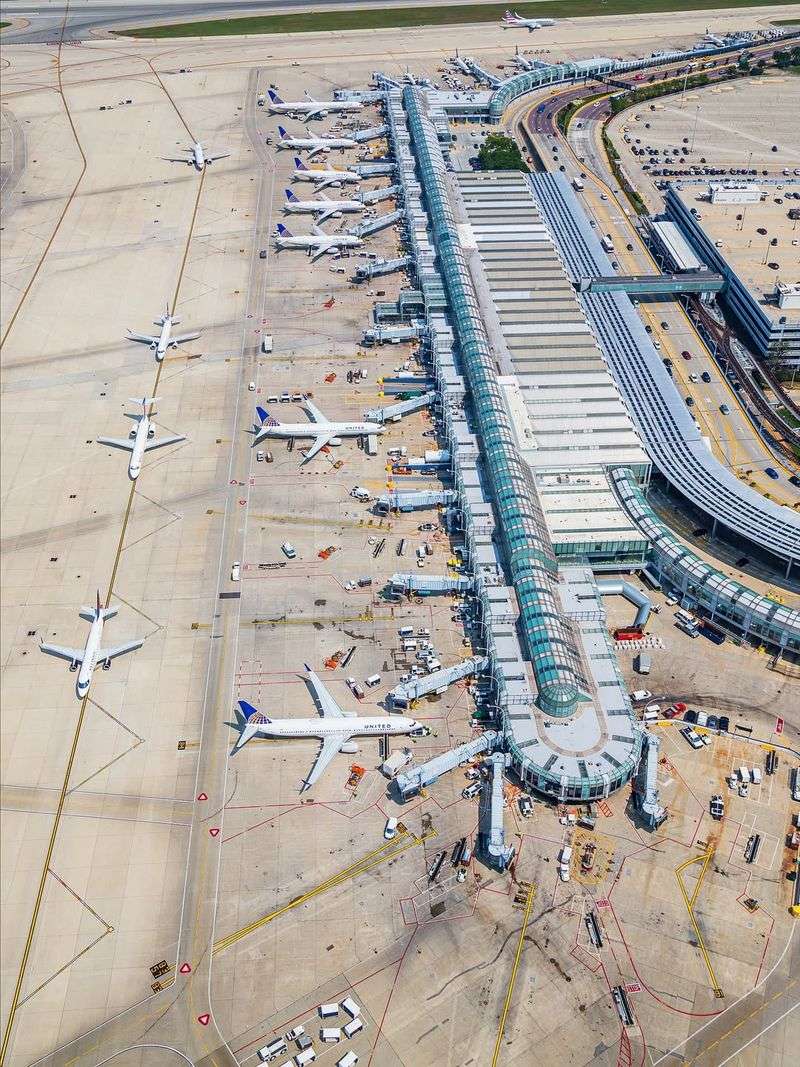
Nobody wakes up hoping their home airport makes a stress list. Yet in September 2025, a ranking from the CBD company Mood.com put one Georgia giant at number 10.
My first reaction was a laugh, followed by a knowing nod. Anyone who has sprinted between gates here understood the score right away.
Rankings like this usually blend several factors together. Delays, crowd size, security waits, and how hard it is to find your way all count.
So the label tells only half the story. Stress and satisfaction can sit side by side in the same terminal.
That mix is exactly what makes this topic worth a closer look. Over the next sections, I will walk you through the causes, the surprises, and the smart fixes.
Think of it as a friendly survival guide with a few fun facts sprinkled in. Grab a snack you will not drop, and let us start with the airport behind the headlines, Hartsfield-Jackson Atlanta International Airport, located at 6000 N Terminal Pkwy Ste 4000, Atlanta, GA 30320, United States.
Crowds Bigger Than Some Cities
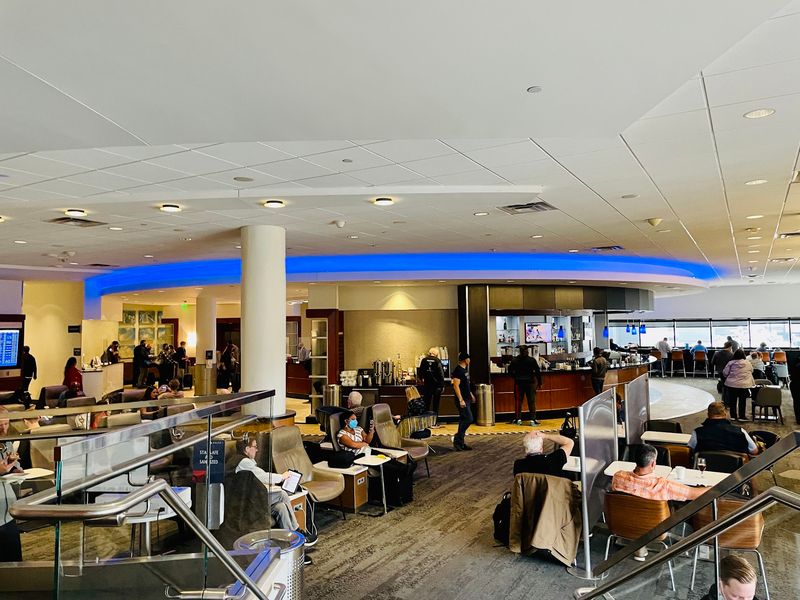
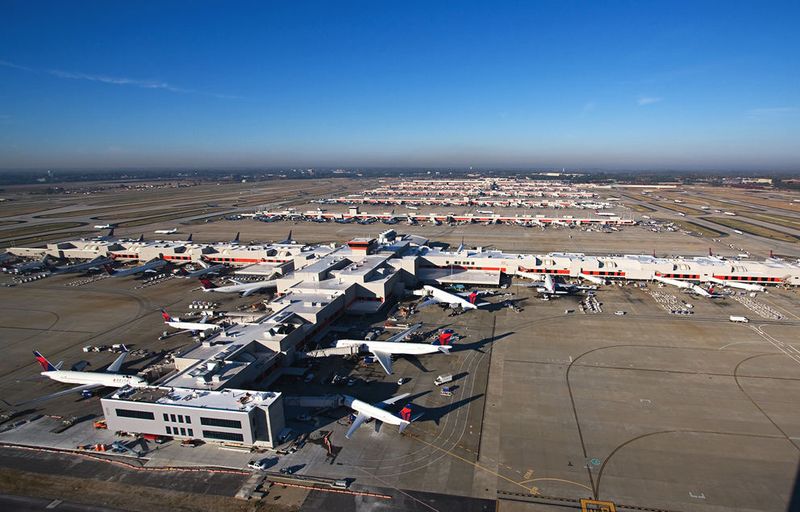
Picture a stadium crowd that never goes home. That is roughly what daily life feels like at the busiest airport in the world by passenger traffic.
Yes, the whole world, not just the country. Year after year, more people pass through these doors than any other airport on Earth.
Big numbers bring big lines, and that is the main reason stress rankings keep circling back here. Every coffee counter, restroom, and gate area serves a steady flood of people.
I remember standing at a departure board and counting flights until I lost track. The screen kept scrolling like a never-ending movie credit roll.
Massive volume also has a bright side. It means tons of flight options, frequent departures, and lots of nonstop routes to choose from.
Many travelers connect here simply because it links so many places. Some flyers never even leave the building and still call it a regular stop.
My advice is simple. Expect company, stay patient, and remember that the person in front of you probably wants a calm trip too.
A Second Study Joins The Chorus
One ranking can be a fluke, but two start to look like a pattern. Another report also raised concerns about airport stress, although its exact ranking and methodology remain unclear.
Interestingly, that list came out months before the Mood.com one. Different researchers, similar conclusion.
I find it oddly comforting when experts agree with my sore feet. It proves I was not imagining that long walk to my gate.
Studies like these often look at public data. Delay numbers, passenger counts, and traveler feedback all help shape the final order.
Landing at 9 and 10 on two lists is not exactly a gold medal moment. Still, it is far from the very top spot, which counts for something.
The key takeaway is that the challenges here are real and steady. They show up across different studies, seasons, and methods.
That consistency is actually useful for travelers. If you know the trouble spots ahead of time, you can plan around them instead of getting surprised at the curb.
Security Lines That Test Your Patience
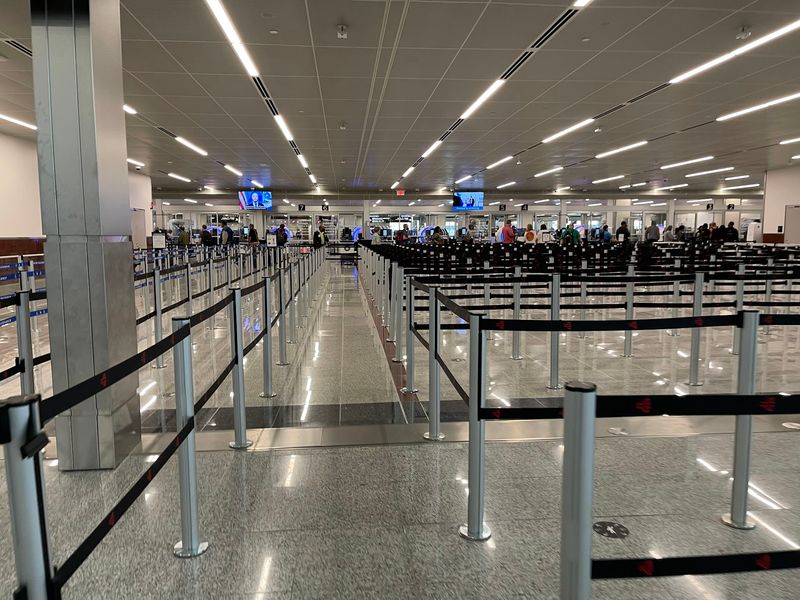
Shoes off, laptop out, deep breath in. Security is where many travelers feel the stress meter climb the fastest.
Long checkpoint lines show up again and again in reports about this airport. With so many passengers, a small slowdown can grow into a big wait.
Timing changes everything here. Some travelers breeze through in under 10 minutes, while others face crowded lanes during peak hours.
I once arrived on a quiet weekday morning and felt like I had won a prize. A week later, a Friday afternoon line wrapped around like a theme park ride.
Packing smart makes the process smoother. Keep liquids in a clear bag near the top, and wear shoes that slip off easily.
Empty water bottles are your friend. You can carry one through and refill it at a water station after screening, saving money and plastic.
Also, check posted wait times when you arrive. Different checkpoints can move at different speeds, and a short walk might save you a long stand.
Walking Paths With A History Lesson

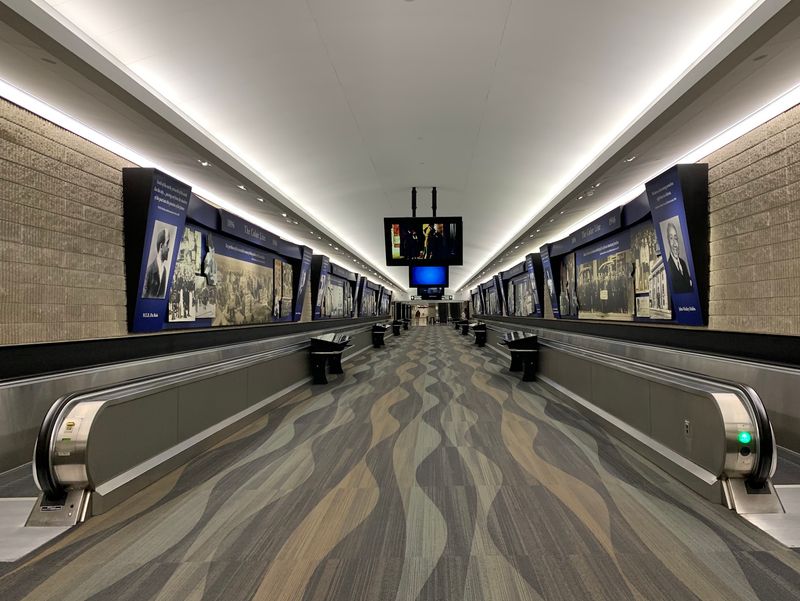
Not every trip between concourses needs wheels. Walkways run alongside the train route, and signs even show estimated times for walking or riding.
If you have time, the walk can be surprisingly enjoyable. It turns waiting into a little bit of sightseeing.
One highlight is the exhibit called A Walk Through Atlanta History. It shares stories about the city along the path.
I took the walk once during a long layover. My legs thanked me after hours of sitting, and I learned something new.
Walking also lets you check out shops and restaurants in other concourses. Your gate area might have only a few choices, but the next one could have your favorite.
Comfortable shoes make a big difference here. Sneakers beat fancy boots every time when the distance adds up.
Keep an eye on the clock, though. Walking takes much longer than riding, so only choose it when your boarding time is comfortably far away.
How The Mega Airport Report Card Looks
Report cards are not just for kids with backpacks. The JD Power North America Airport Satisfaction Study grades airports too, and this one landed 15th out of 20.
That list only includes mega airports. To qualify, an airport must serve at least 33 million passengers every year.
Being compared with the biggest players makes the score more interesting. These are all crowded hubs dealing with similar headaches.
Fifteenth place sits in the lower half, no sugarcoating there. However, it shows some room to grow rather than total chaos.
I like to think of it as a solid student who talks too much in class. The talent is there, and the energy just needs better direction.
Satisfaction studies usually ask travelers about things like check-in, security, food, and the overall feel of the terminal. Each piece adds to the final grade.
For you, the lesson is practical. The weak spots are mostly about waiting and moving around, which are the exact areas you can prepare for with a few smart habits.
Speed Passes For The Security Line
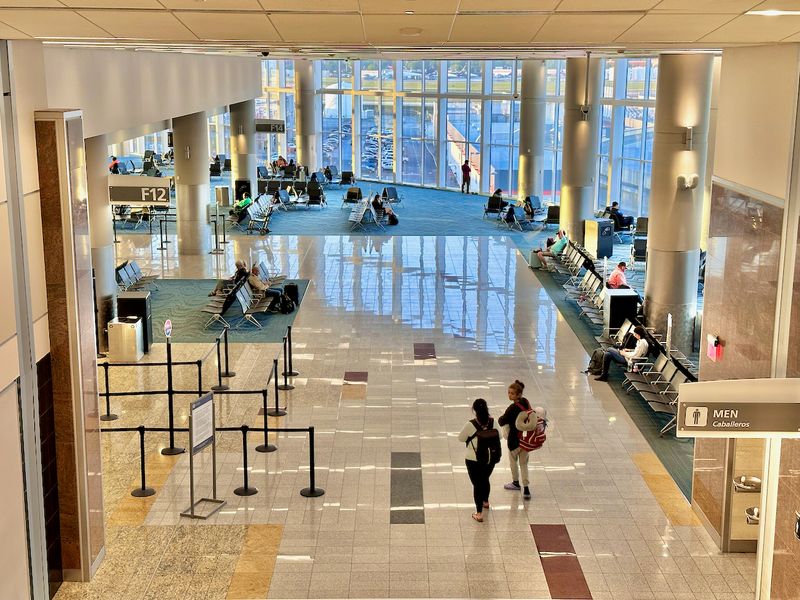
Imagine skipping the shoe shuffle entirely. Programs like TSA PreCheck and CLEAR are popular ways to move through security faster here.
TSA PreCheck often lets you keep your shoes, belt, and light jacket on. Laptops and small liquids can usually stay in your bag too.
CLEAR uses your eyes or fingerprints to confirm who you are. It helps speed up the identity check at the front of the line.
When I finally signed up for PreCheck, I wondered why I had waited so long. The first time I kept my sneakers on felt like a small victory.
Both programs require an application and a fee. Some credit cards even help cover the cost, so check your benefits.
For frequent flyers, the payoff adds up quickly. A few saved minutes on each trip turn into hours over a year.
Even occasional travelers might find it worth it. At one of the busiest airports anywhere, a faster lane can be a real mood booster.
Staying Charged And Connected
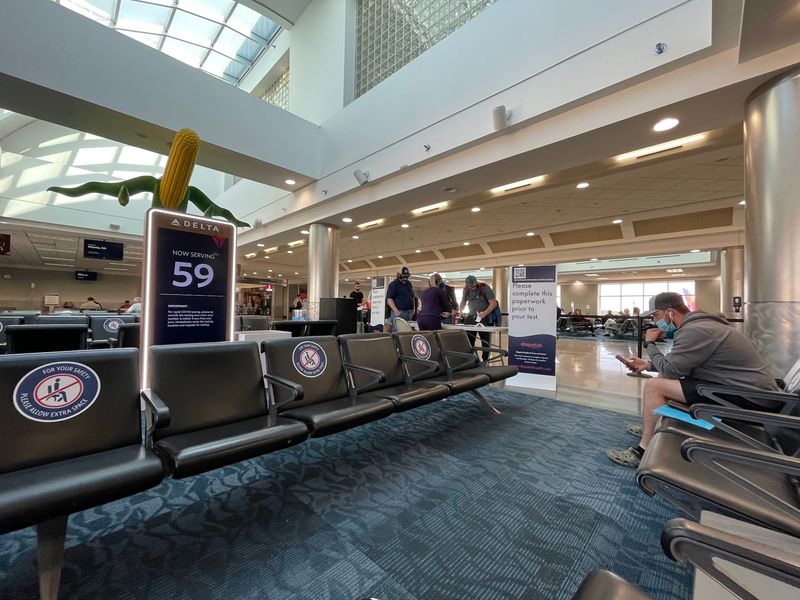
A dead phone at the airport feels like losing your map and your wallet at once. Luckily, charging stations are available throughout the terminals.
During peak hours, you might need to look around for an open outlet. Walking a bit away from crowded gates usually helps.
Free Wi-Fi gets good marks from many travelers. It is described as fast and reliable, which matters when you are checking flight updates.
I always pack a small portable charger as backup. It has saved me more than once when every outlet seemed taken.
Staying connected also means getting gate change alerts in real time. That alone can prevent a lot of stress.
If you work while traveling, find a quieter seat away from main walkways. Gate areas farther down a concourse are often calmer.
Download your boarding pass and entertainment before you arrive, just in case. A little digital prep keeps you relaxed even if the signal dips.
Fresh Upgrades And A Smarter Game Plan
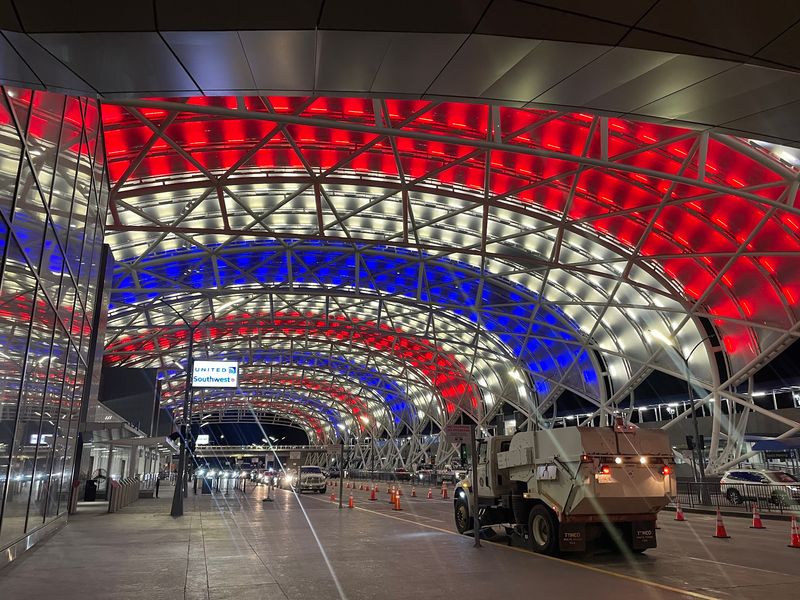
Good news travels slower than bad news, but it still arrives. Recent upgrades, including a huge steel canopy over the curbside drop-off, have impressed many visitors.
Lit up at night, the canopy looks striking. It also shields passengers from rain and harsh sun while unloading bags.
Newer renovated sections feel bright and modern too. Some construction still continues, so expect a few work zones.
Plane fans get a treat as well. Watching several aircraft land on parallel runways can turn a delay into a mini airshow.
I have learned that stress here is mostly about preparation. Once you know the tricks, the place becomes far friendlier.
Arrive early, ride the Plane Train, and keep your airline app handy. Add PreCheck or CLEAR and consider MARTA for an even smoother day.
A spot on a stress list does not have to define your trip. With a solid plan, you might leave smiling and even look forward to flying through again.