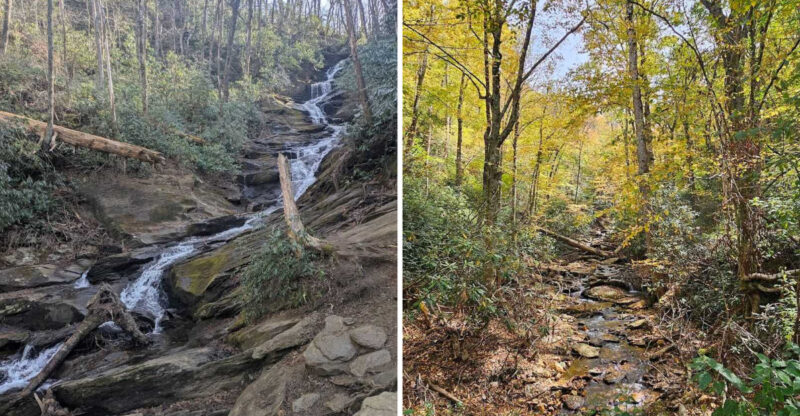
Since 1978, This Quirky North Carolina Festival Has Been Predicting Winter In The Strangest Way
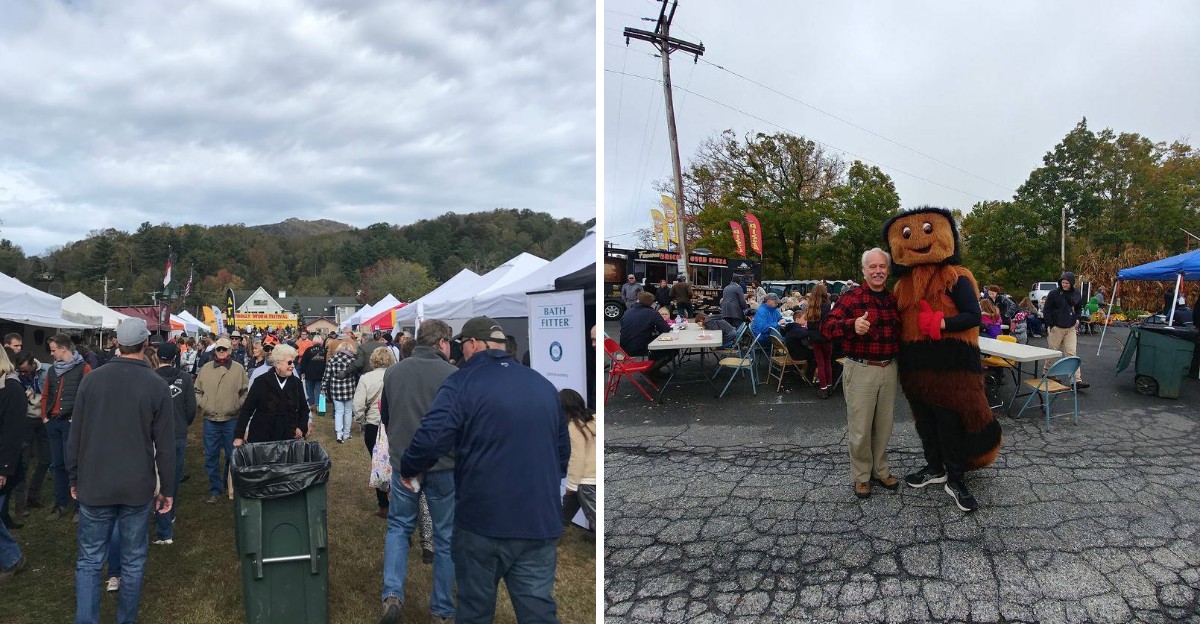
Move over meteorologists.
Every October, North Carolina hands the winter forecast to a caterpillar with excellent hair.
At this wonderfully weird mountain festival, woolly worms race up strings while crowds cheer like the future of snowfall depends on it.
According to local folklore, the winning worm’s fuzzy bands can predict what kind of winter is coming.
Scientific? Maybe not. Entertaining? Absolutely.
The tradition has been wriggling along since 1978, turning a tiny creature into one of fall’s biggest celebrities.
Add mountain color, plenty of laughter, and spectators taking worm racing far more seriously than anyone expected, and you have a weekend that is completely off the weather charts.
Honestly, this forecast is looking fuzzy with a strong chance of fun.
The Winning Woolly Worm Gets To Predict 13 Weeks Of Winter Weather
Forget satellites and radar screens.
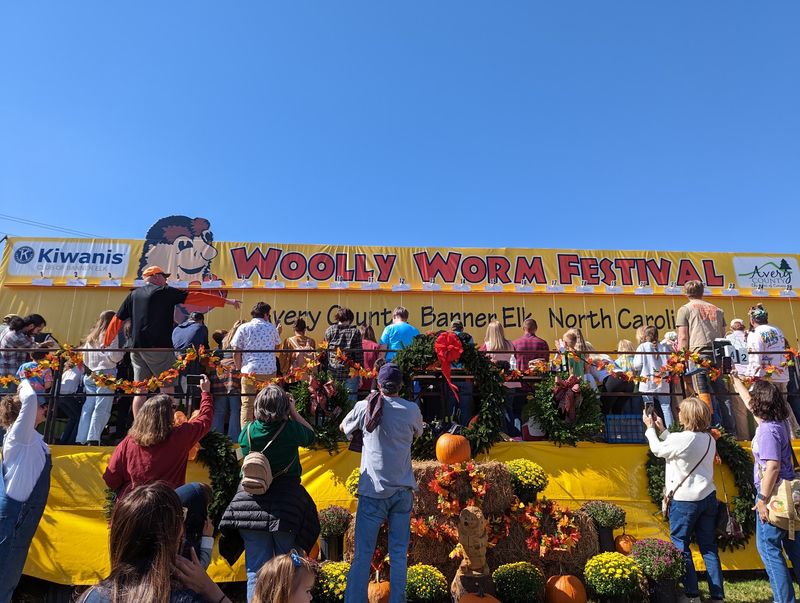
In Banner Elk, one champion caterpillar gets the final word on how cold the coming months will feel across the High Country.
The Woolly Worm Festival takes place on the greenspace in front of the town’s historic school, a grassy spot ringed by mountain ridges. Co-hosted by the Avery County Chamber of Commerce and the Banner Elk Kiwanis Club, it welcomes families with open arms.
After the Saturday finals, the winning worm is studied closely by festival officials.
Its thirteen body segments are matched to the thirteen weeks of winter, one segment for each week. Dark bands point toward bitter, snowy stretches, while lighter brown bands hint at gentler days.
Locals take the forecast with a smile, yet many still glance at it before stacking firewood or buying new boots.
Kids love hearing that a bug can be a weather reporter. Grown-ups enjoy the playful wink at old Appalachian ways.
Stick around for the announcement.
Hearing the crowd react to a predicted snowy January is half the fun, and you will have a story to tell all season long.
You can find the festival grounds at 185 Azalea Circle, Banner Elk, NC 28604.
This Strange Mountain Tradition Has Been Racing Caterpillars Since 1978
Long before anyone built a racing string, mountain families watched woolly worms crawl across porches and gravel roads. Grandparents swore the stripes could tell you whether to expect a hard winter or a soft one.
There was one problem, though.
No two worms looked exactly the same, so neighbors often argued over whose caterpillar had it right. Enter Jim Morton, an editor at Mountain Living Magazine in the late 1970s.
He noticed how wildly the patterns varied and figured the High Country needed one official forecaster.
His solution was simple and clever: hold a race and let the fastest worm speak for everyone.
The very first festival in 1978 was a modest affair.
Only a few heats ran that day, and just a handful of vendors set up shop.
Still, people laughed, cheered, and came back the next year with friends. Word spread from valley to valley.
Decades later, the event has grown into a beloved yearly ritual that honors folklore while raising money for local schools and children’s programs across Avery County.
Think back to that first small crowd the next time you stand in the bustling field.
Every cheer today echoes theirs.
Nearly 1,000 Worms Can Compete For A Shot At Forecasting The Season
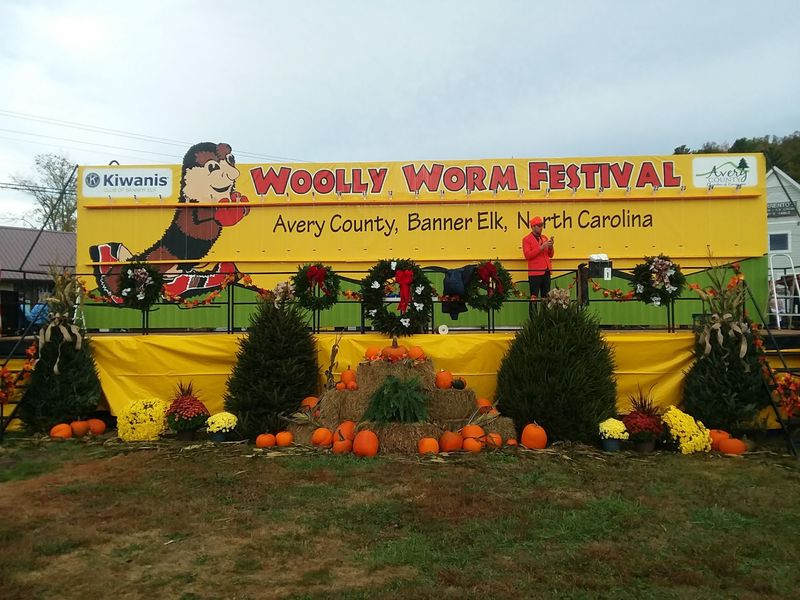
Imagine a field full of tiny athletes, each one curled up in a child’s palm and waiting for its big moment.
That is the scene as racers line up to register their fuzzy hopefuls.
Around 1,000 woolly worms compete over the weekend, sometimes even more.
Many families hunt for their caterpillars in the days before the event, peeking under leaves along fences and trails. Others simply buy a worm right at the festival, which makes joining in easy for first-timers.
Racers often give their worms bold names.
You might hear cheers for a speedy little fellow called Thunder or a slow climber named Snowball. Each heat holds 25 worms.
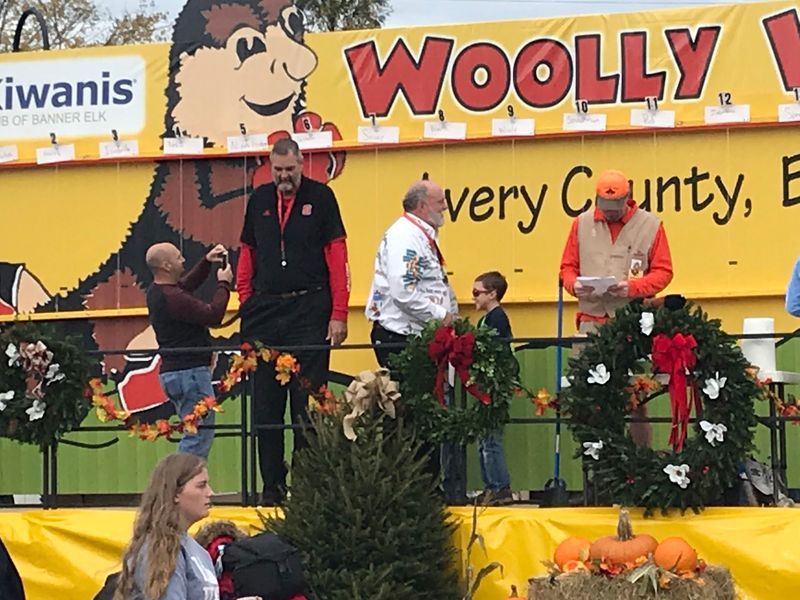
Winners move forward through round after round until only the swiftest remain for the Saturday grand final. The prize is worth the effort.
The champion’s owner takes home $1,000, plus the honor of having their caterpillar deliver the official winter forecast. Sunday races offer their own excitement and prizes for those who missed out.
A handy tip: handle your worm gently and keep it in a ventilated container with a few fresh leaves.
A happy, rested caterpillar tends to climb with more pep when its turn finally arrives.
Each Colored Body Segment Supposedly Reveals What One Week Of Winter Will Bring
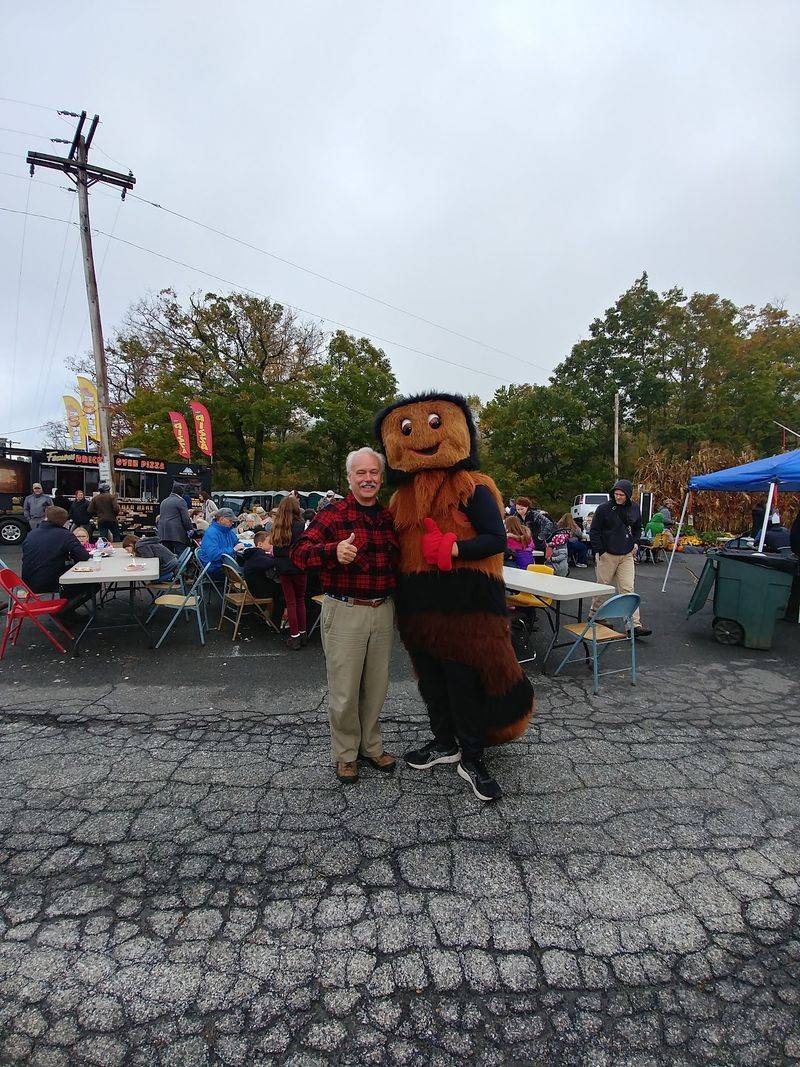
Look closely at a woolly worm and you will see a striped coat that seems almost painted on.
Bands of inky black sit beside sections of warm, rusty brown, like a tiny fuzzy calendar. Mountain lore says that coat holds a secret.
A woolly worm has thirteen segments, and winter in the High Country is counted as thirteen weeks.
So each segment stands for one week, read from head to tail. Here is how the reading works.
A deep black band suggests a frosty, possibly snowy week.
A lighter brown band points to milder weather, a little break from the chill.
Some folks also say a wider brown middle means a softer winter overall. Scientists will tell you the colors depend more on the caterpillar’s age and food than on the weather ahead.
Did you know? The fuzzy worm eventually turns into an Isabella tiger moth, a pale orange flier.
Even so, reading the stripes is a joyful tradition. Grab a festival worm, count its bands with your kids, and make your own guess.
Then compare notes with the official forecast and see whose caterpillar wins the bragging rights by spring.
More Than 20,000 Visitors Turn This Tiny Race Into A Huge Fall Weekend
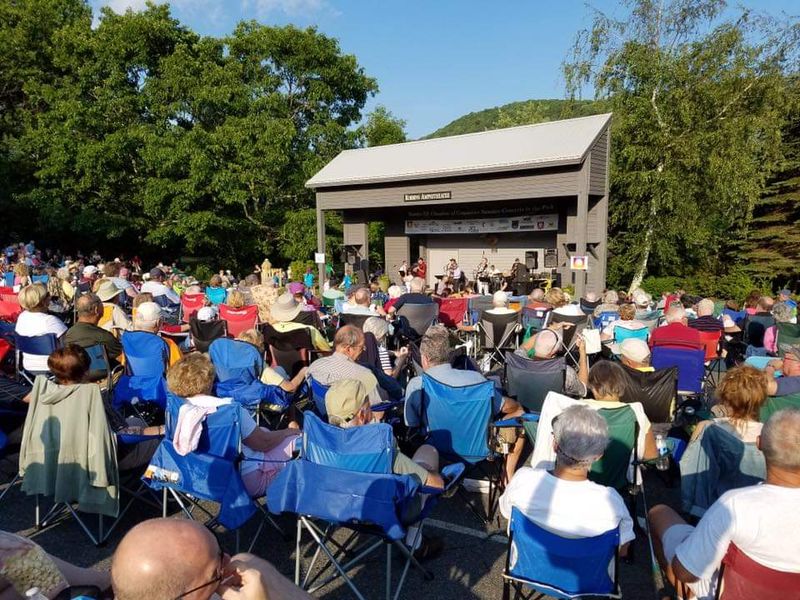
Most weekends, Banner Elk remains a small mountain town, with North Carolina’s latest municipal estimate putting its population at about 1,260 residents.
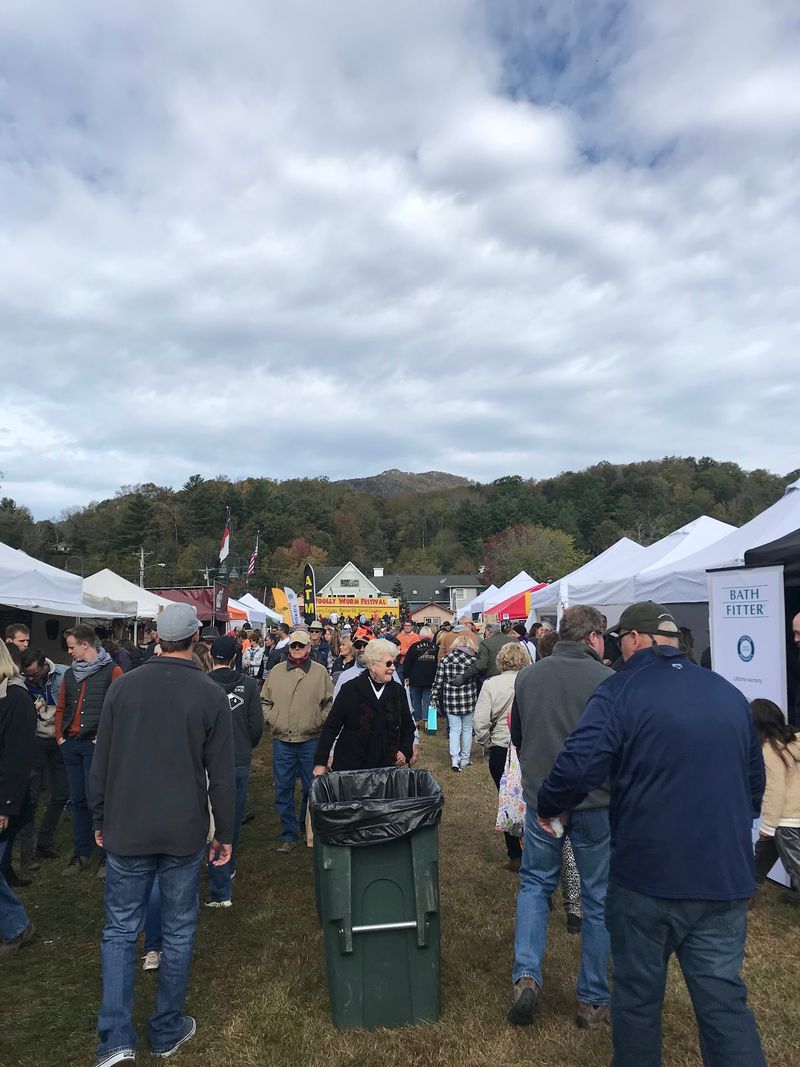
Come the third weekend of October, though, the little mountain town bursts into life. More than 20,000 visitors pour in for the festival.
They arrive from across the country and sometimes from overseas, all curious to see a caterpillar race in person.
The result is one of the biggest yearly gatherings in Avery County. The setting helps explain the draw.
Ridges around town blaze with scarlet maples and golden poplars, and the crisp air smells of fallen leaves and wood smoke from distant chimneys.
Sugar Mountain rises to the south, and Beech Mountain stands to the north.
Inside the festival field, the mood feels like a giant family reunion.
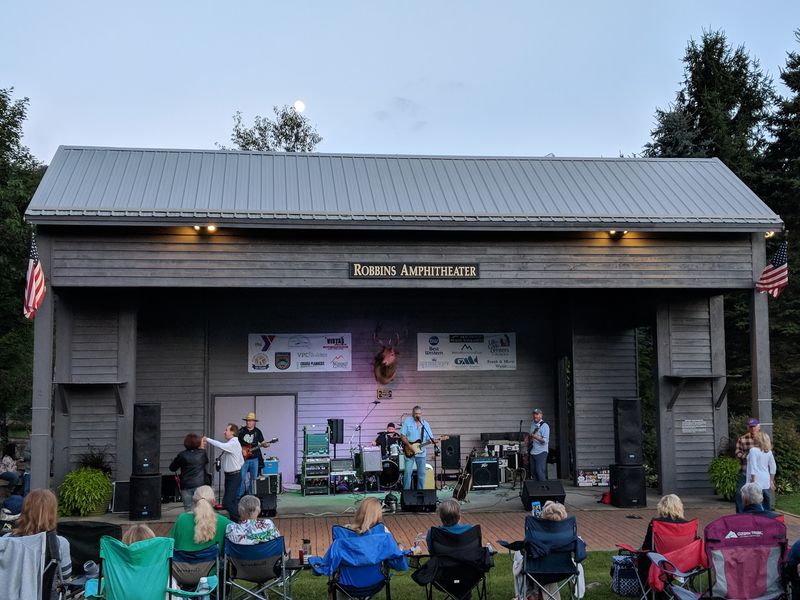
Strangers cheer for each other’s worms, kids giggle at costumed mascots, and music drifts between the tents. Big crowds call for smart planning.
Book a cabin or inn early, since rooms around the High Country fill fast.
Wear layers, because mornings in the mountains of North Carolina can feel chilly before the sun warms the valley.
Comfortable shoes will carry you happily from race stage to vendor rows.
More Than 100 Vendors Fill The Festival With Crafts, Food And Local Finds
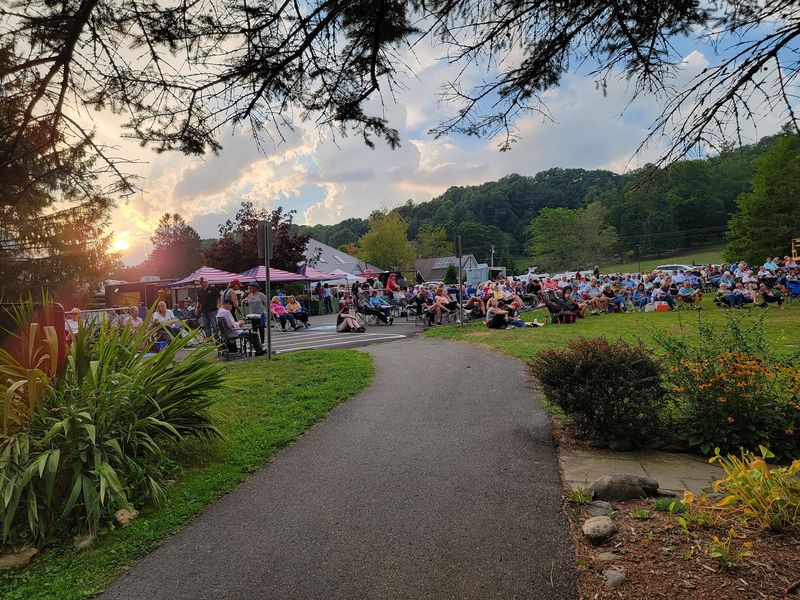
Follow your nose and you will soon find the food row.
Sweet kettle corn, sizzling sausages, and warm funnel cakes dusted with powdered sugar fill the cool mountain air with tempting smells. Between races, the festival turns into a lively open-air market.
Anywhere from 100 to 175 vendors set up booths, so there is always something new around the corner.
Food trucks serve hearty bites like barbecue sandwiches, loaded fries, and steaming cups of apple cider or hot chocolate. Craft tents are a treasure hunt of their own.
You might spot hand-stitched quilts, carved wooden toys, pottery glazed in earthy greens, and jewelry inspired by mountain wildflowers.
Plenty of booths offer woolly worm souvenirs too, from plush caterpillars to striped T-shirts. Shopping here does more than fill your bag.
Many sellers are regional makers, and festival proceeds support schools, children’s programs, and tourism in the area.
A practical idea is to bring some cash, since a few smaller booths may prefer it.
Grab a snack early before lines grow around lunchtime.
Then find a sunny patch of grass, unwrap your treat, and watch the next heat of worms start their climb.
The Worms Race Straight Up Three-Foot Strings Instead Of Across The Ground
Caterpillars, it turns out, are terrible at running in a straight line.
Set one on a flat table and it may wander in circles or simply stop for a nap.
Jim Morton, one of the festival founders, spotted this early on. He noticed that woolly worms seemed far more eager to climb than to crawl forward.
So he flipped the racecourse upright, and the famous string race was born.
Each worm gets its own three-foot string hanging on a frame. Owners set their caterpillars at the bottom, and when the signal sounds, the climb begins.
The first worm to reach the top wins the heat. Watching is surprisingly thrilling.
Some worms zip upward like tiny fuzzy elevators.
Others pause halfway, turn around, or dangle in midair while the crowd groans and laughs.
Racers are allowed to cheer and gently coax their worms. Some blow softly or wave their hands, hoping for a burst of speed.
Races start around 10:00 AM on Saturday, and heats run all day until the grand final.
Find a spot near the stage early so little ones can see every inch of the action.
October 17 And 18 Are Your Only Chances To Catch The 2026 Festival
Circle the third weekend of October on your calendar.
For 2026, that means Saturday, October 17, and Sunday, October 18, and the worms will not wait for latecomers.
Gates open at 9:00 AM both days. Saturday wraps up at 5:00 PM, while Sunday ends a bit earlier at 4:00 PM.
Admission costs $10 for adults and $5 for kids ages 6 to 12, and children 5 and under get in free.
Parking takes some planning. Several lots near the grounds are run by local nonprofits, so your fee helps good causes.
A remote lot with a shuttle runs from Lees-McRae College, which saves you from circling crowded streets.
One rule surprises some visitors.
Pets must stay home, since the only animals allowed are the racing woolly worms.
Make a whole trip of it while you are in North Carolina.
The Banner House Museum dates to 1865, but its published visitor season ends in September, so it is normally closed during Woolly Worm Festival weekend.
Wildcat Lake offers a beach and pier for a peaceful break, and Grandfather Mountain, southeast of town, features the Mile High Swinging Bridge.
With golden leaves overhead and a forecast in hand, autumn here feels complete.