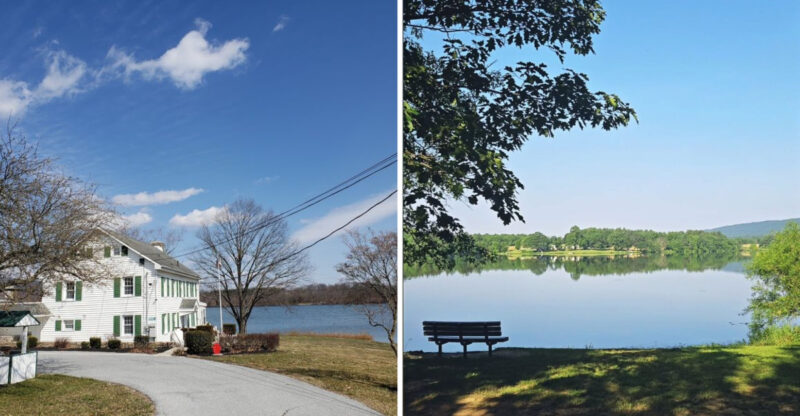
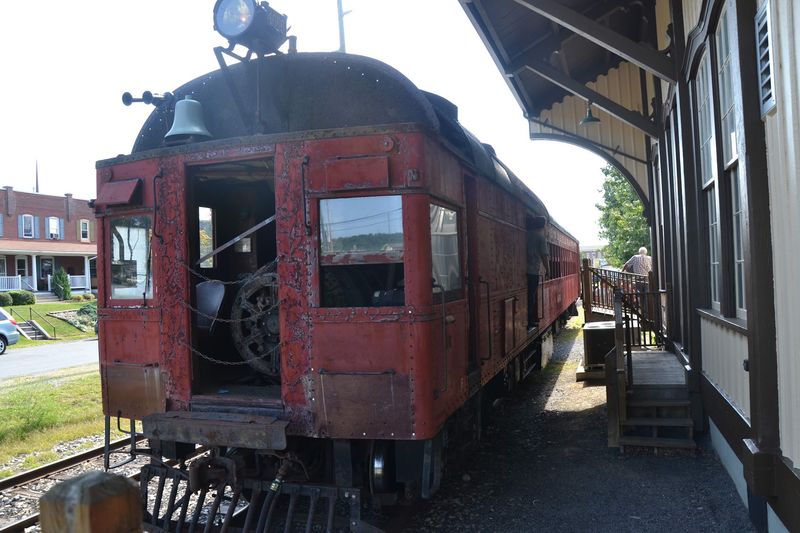
This Little-Known Pennsylvania College Campus Doubles As An Arboretum, With Small Classes And Free Tutoring
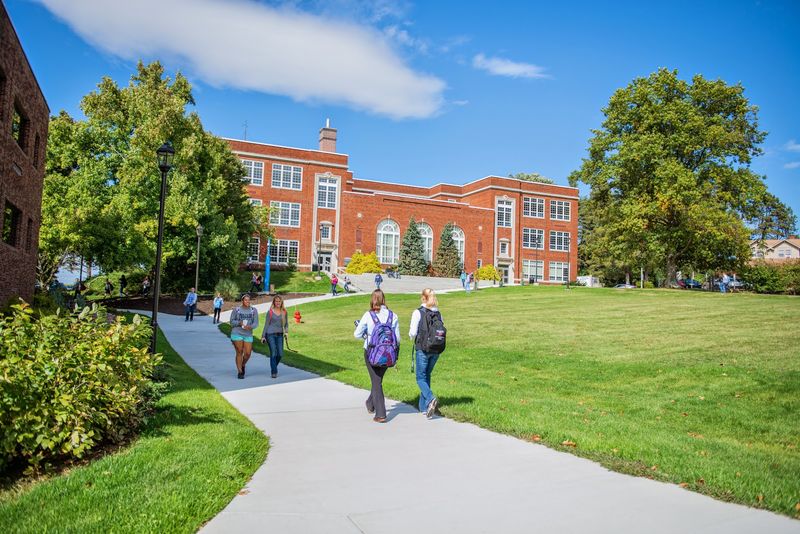
A college campus where the trees are part of the curriculum sounds like a daydream. Yet one small Pennsylvania campus treats its grounds as a living arboretum, open for strolling and studying.
The roots run deep, too. This spot grew from one of the earliest forestry schools in the country, back when protecting woodlands was a brand-new idea.
I like how the learning here stays personal. Classes stay small, and students can get tutoring help for free through an academic support center.
That combination feels rare in a world of giant lecture halls.
So why haven’t more people heard of it? Maybe because it sits quietly at the edge of a mountain forest, far from any big-city buzz.
I believe that quiet is part of its charm, and it’s worth learning about while you still can.
A Mountain Campus Where Penn State Meets The Forest
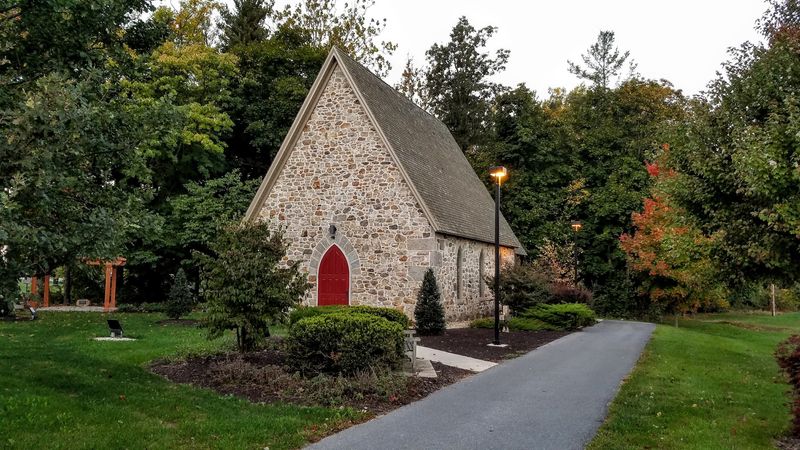
Penn State Mont Alto sits in the small borough of Mont Alto, Pennsylvania, at the foot of South Mountain. It’s one of the Commonwealth Campuses of Penn State, the giant university most folks link with State College.
Size is the big difference here. Instead of crowded quads and packed stadiums, you get a compact campus with forest views in nearly every direction.
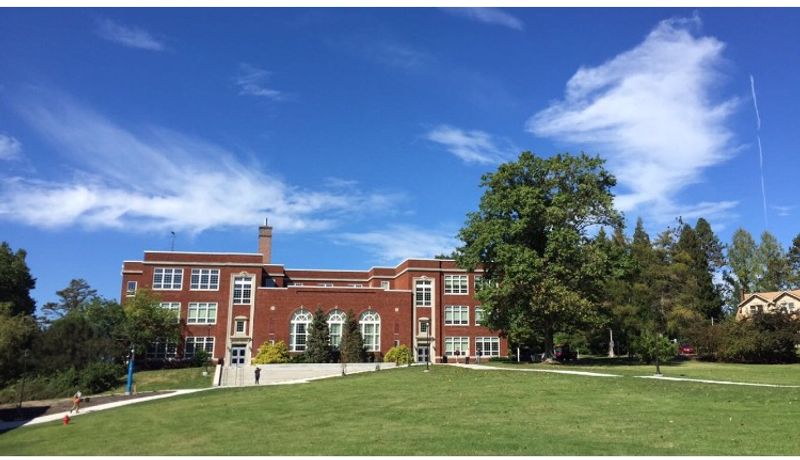
The grounds double as a campus arboretum, which means the trees count as more than decoration. They’re part of the identity, the history, and even the coursework for some students.
Neighbors include Mont Alto State Park and the wide stretch of Michaux State Forest. That makes the setting feel more like a mountain retreat than a typical college address.
Students here can start a Penn State degree in a much smaller setting. Many begin at a branch campus like this one before moving on to finish elsewhere in the system.
Bigger schools have their perks, of course. Still, a campus where students can see real forest from class has a pull that’s hard to match.
Penn State has announced plans to close this campus after the spring 2027 semester. That news makes the place feel even more worth knowing right now.
Forestry Roots That Go Back More Than A Century
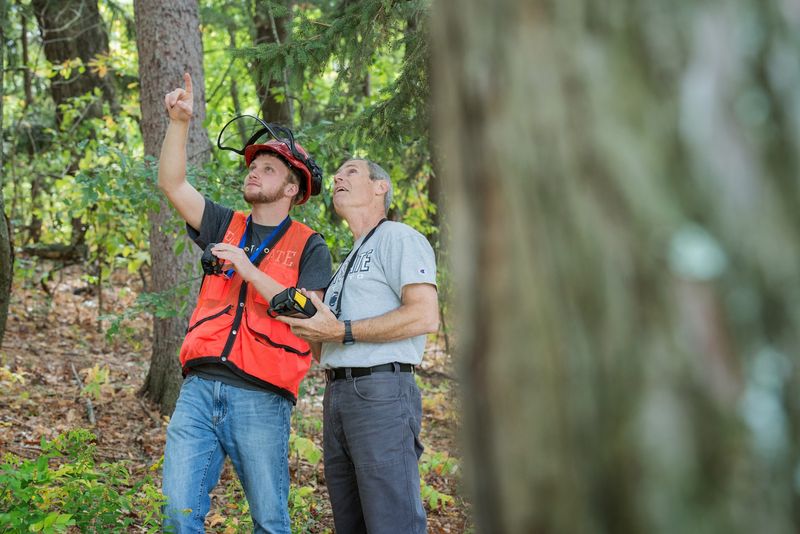
Long before Penn State arrived, this ground trained some of the country’s earliest professional foresters. The Pennsylvania State Forest Academy opened here in 1903.
Dr. Joseph Rothrock, often called the father of Pennsylvania forestry, championed the idea. At the time, much of the state’s woodland had been cleared for lumber and iron-making.
Iron furnaces once needed huge amounts of charcoal, and that meant cutting forests across the region. The academy aimed to train people who could bring those forests back.
In 1929, the academy merged with Penn State. That move set the stage for the branch campus that exists today.
Forestry never left the story either. Penn State Mont Alto has long been linked with forest technology education, keeping that original mission alive.
Isn’t it fitting that a school built to restore trees now has an arboretum for a campus? The landscape basically tells its own history.
History buffs will enjoy connecting the dots on a visit. The academy, the nearby state park, and the surrounding forest all share the same conservation roots.
Strolling An Arboretum Between Classes
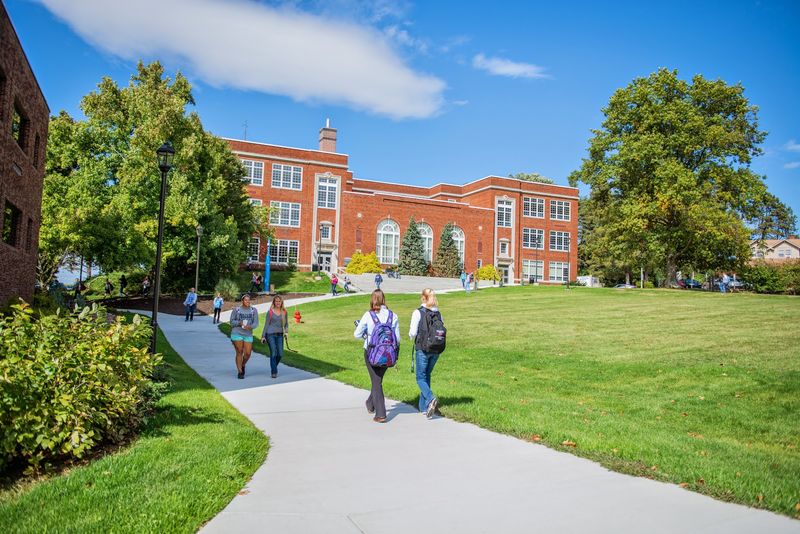
Shade trees, lawns, and walking paths stitch the campus together. The whole thing works like an outdoor museum where the exhibits happen to grow.
Penn State Mont Alto maintains its grounds as an arboretum. For a forestry-rooted school, that choice makes perfect sense.
Students heading to class pass living examples of the trees they might study. That’s a pretty handy study aid, and it never needs charging.
Walking trails also run around the area, giving everyone a reason to slow down. The mountain backdrop adds a calm, peaceful mood.
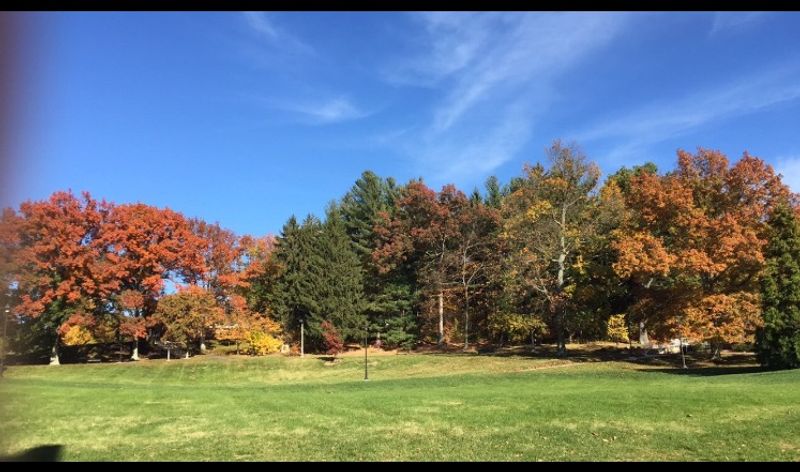
Fall brings an extra treat in this part of Pennsylvania. South Mountain turns gold and red, and a tree-filled campus makes a natural front-row seat.
Plant fans may want to bring a field guide or a tree app. Identifying species becomes a fun little game during a stroll.
Pace yourself on the slopes, since the campus sits at the base of a mountain. Comfortable shoes are a smart call for anyone planning to wander the grounds.
Nobody needs a degree in botany to enjoy it, though. A quiet walk under big trees works for just about everyone.
Small Classes Where Professors Learn Your Name

Lecture halls with hundreds of seats don’t really fit the vibe here. Penn State Mont Alto keeps its classes small, which changes how learning feels.
Picture fewer faces in each room and more chances to speak up. Professors can actually notice when a student looks lost.
Office hours become easier to use, too. With fewer students competing for time, getting one-on-one help feels less intimidating.
That personal attention can be huge for first-year students. Starting college is a big jump, and a smaller setting can soften the landing.
It’s also a Penn State education in a more intimate package. Students earn credits within the same university system while skipping the giant crowds.
Not every major lives at every branch campus. Students should check which programs are offered before planning their whole path.
Still, the small-class model has clear benefits. Discussions feel more like conversations, and connections with faculty can form quickly.
For shy students, that matters a lot. Being one of a handful of people in a room makes raising a hand much less scary.
Free Tutoring That Takes The Panic Out Of Exams

Struggling with chemistry at midnight is a rite of passage. Struggling alone doesn’t have to be.
Penn State Mont Alto offers an academic support center where students can get tutoring for free. Extra help comes without an extra bill.
That’s a big deal for budgets. Private tutoring can get expensive fast, so built-in support makes a real difference for families.
Free tutoring also pairs nicely with small classes. Students can ask a professor during office hours, then reinforce the lesson with a tutor later.
Why does that combo work so well? It gives students more than one way to hear an idea until it finally clicks.
Asking for help is a skill, and college is a great place to practice it. A friendly support center makes that first step much easier.
Tutoring options and schedules can change from semester to semester. Students should check with the campus for current details once classes begin.
Either way, the message is clear. Help is available, and nobody should feel embarrassed using it.
State Parks Practically Next Door
Some colleges brag about nightlife. This one could brag about trailheads.
Mont Alto State Park sits close by, and it carries a fun claim. It’s considered the oldest state park in Pennsylvania, dating to the early 1900s.
Michaux State Forest also spreads across the surrounding mountains. That means woods, streams, and trails are within easy reach of campus.
Hikers will find plenty of routes in the region. The Appalachian Trail passes through Michaux State Forest, which adds serious bragging rights.
Caledonia State Park is another nearby option for outdoor time. Students and visitors can mix study breaks with fresh mountain air.
Small towns round out the area as well. Waynesboro and Chambersburg are nearby, and Hagerstown, Maryland, is a short drive south.
Getting around does take planning, since this is a rural setting. A car makes errands and adventures much simpler.
Outdoor fans might see that as a fair trade. Fewer traffic jams, more trees, and a state park that feels like a backyard.
Who Feels At Home On A Quiet Campus
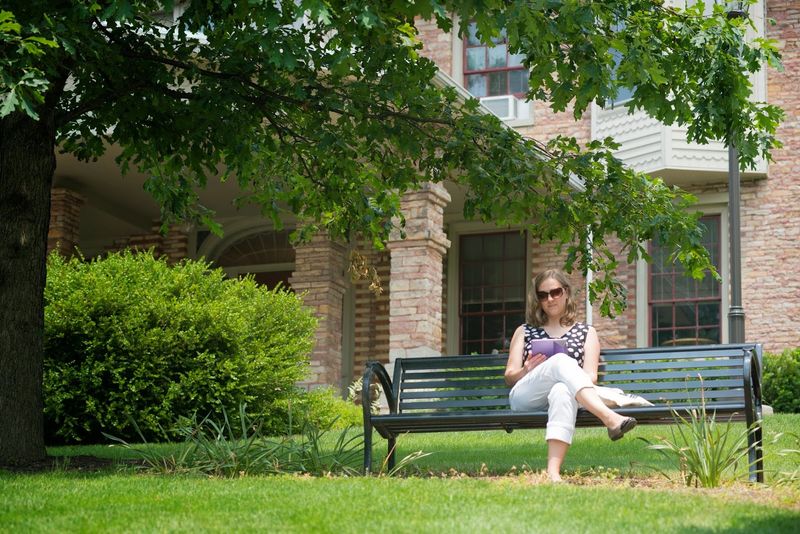
Quiet suits certain people perfectly. Penn State Mont Alto offers plenty of it, thanks to its rural mountain setting.
Students who love nature may thrive here. Trees, trails, and parks make the outdoors part of everyday life.
First-year students who feel nervous about a giant university could find this size reassuring. A smaller community can make it easier to meet people.
Commuters from nearby towns also benefit from the location. They can earn Penn State credits without moving far from home.
On the flip side, city lovers may miss the buzz. Shopping, restaurants, and entertainment require a drive.
Families visiting for a tour might want to bring walking shoes and a little curiosity. The campus layout and the scenery reward a slow look around.
Visitors who simply enjoy trees are welcome to appreciate the arboretum feel, too. It’s a pleasant stop for anyone exploring this corner of Pennsylvania.
Calm, green, and close-knit sums it up nicely. Not every college needs to be huge to leave a big impression.
Plan Your Visit Before The Chapter Closes
Mark the address first: 1 Campus Dr, Mont Alto, PA 17237. The campus sits along the edge of South Mountain in Franklin County.
Campus hours run 8 a.m. to 6 p.m., Monday through Friday. It’s closed on Saturdays and Sundays, so weekday visits work best for questions or tours.
Driving is the easiest way in, since public transit is limited in the area. Plan ahead and give yourself time for country roads.
Tours and admissions info are worth arranging in advance. Schedules can shift, so check current hours before making the drive.
Timing matters more than usual here. Penn State has announced the campus will close after the spring 2027 semester.
That gives this place a bittersweet glow. A forestry school born in 1903 has grown into a leafy campus with small classes and free tutoring.
Is it worth a look before that happens? For tree lovers, history fans, and future students, the answer leans toward yes.
Bring a camera and some curiosity. The trees have been telling this story for more than a century.