This California Bakery Serves A Turkish Breakfast Dish Most Americans Have Never Tried
Breakfast gets a lot more interesting when you venture beyond the usual eggs, toast, and pancakes.
Especially when you discover a dish that has been enjoyed in another part of the world for generations.
One bakery is bringing a taste of Turkish breakfast traditions to the table, and the result might surprise anyone expecting an ordinary morning pastry.
It is the kind of discovery that makes you curious before you have even taken your first bite.
California’s diverse bakery scene offers delicious opportunities to discover breakfast traditions that rarely appear on familiar American menus.
Part of the appeal is trying something without knowing exactly what to expect.
Different ingredients and a whole new approach to the morning meal can make a simple bakery visit feel like a small culinary adventure.
And who says breakfast has to follow the same routine every day?
Çılbır Is The Traditional Turkish Breakfast Dish That Steals The Show
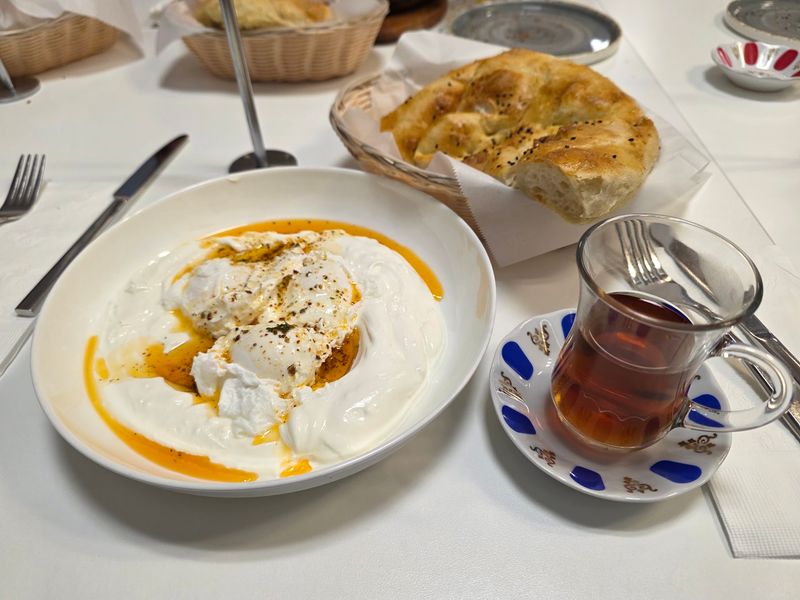
Sultans in the Ottoman palace are said to have enjoyed a version of çılbır as far back as the 1400s.
Nahita Bakery serves the dish today at 1334 S Mary Ave, Sunnyvale, California 94087, inside a casual shopping center.
The plate pairs poached eggs with garlic yogurt and a drizzle of red spiced butter.
Guests usually receive it with pide flatbread for dipping. The bread tends to be firm and chewy, which helps it hold up to soft yolk and yogurt.
Many first timers notice that the bright red oil looks fiery, yet the seasoning often turns out gentle.
Çılbır works well for people who like eggs but want something beyond the usual scramble or omelet. The flavors feel familiar and new at the same time.
Tangy yogurt reminds some diners of sour cream, while the butter adds a warm, toasty note. Hours run from 8:30 AM to 9 PM on weekdays and from 8 AM to 9 PM on weekends.
Weekend mornings may bring a line, so an earlier arrival could mean a shorter wait.
Anyone visiting for the first time might order çılbır alongside a shared plate of bread and cheese.
Menemen Offers Another Delicious Way To Enjoy Turkish Eggs
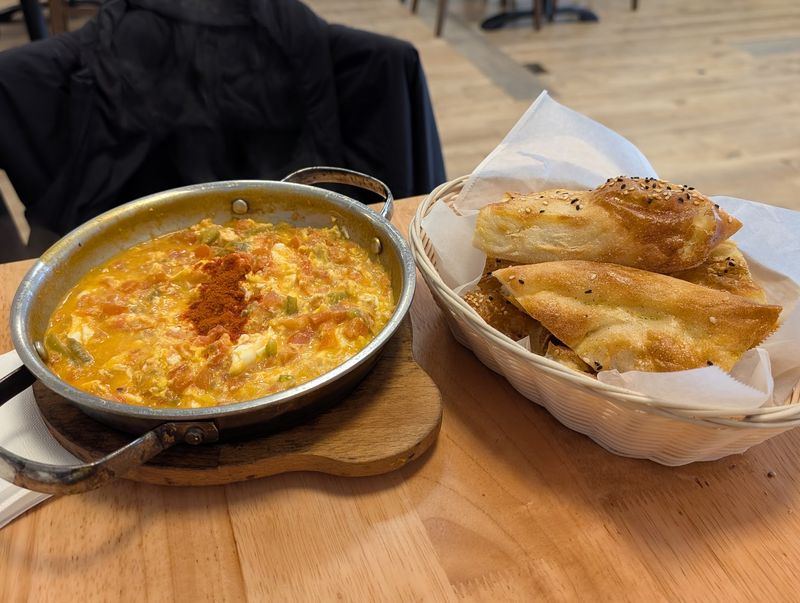
Not every egg lover wants yogurt in the morning, and menemen fills that gap nicely. The dish starts with tomatoes and peppers cooked down in olive oil or butter.
Lightly beaten eggs are then stirred in until they turn soft and slightly runny. Onions, red pepper flakes, black pepper, and paprika often join the mix.
Some versions add tomato paste for a deeper color and flavor. The result sits somewhere between scrambled eggs and a chunky tomato sauce.
Menemen is traditionally served hot, often straight from the pan. Fresh bread on the side makes scooping easy and keeps the meal filling.
The texture can feel cozy on a cool morning.
At Nahita Bakery, menemen shows up as one of the egg choices people mention when ordering a breakfast plate.
Guests sometimes pick it as the egg option with the house special breakfast spread.
Opinions on balance may vary, since some people want more tomato and others want more egg. Ordering both menemen and çılbır for the table is a smart way to compare.
The two dishes show how different Turkish eggs can be. One is cool and tangy while the other is warm and saucy.
Fresh Simit Brings A Taste Of Istanbul To Sunnyvale
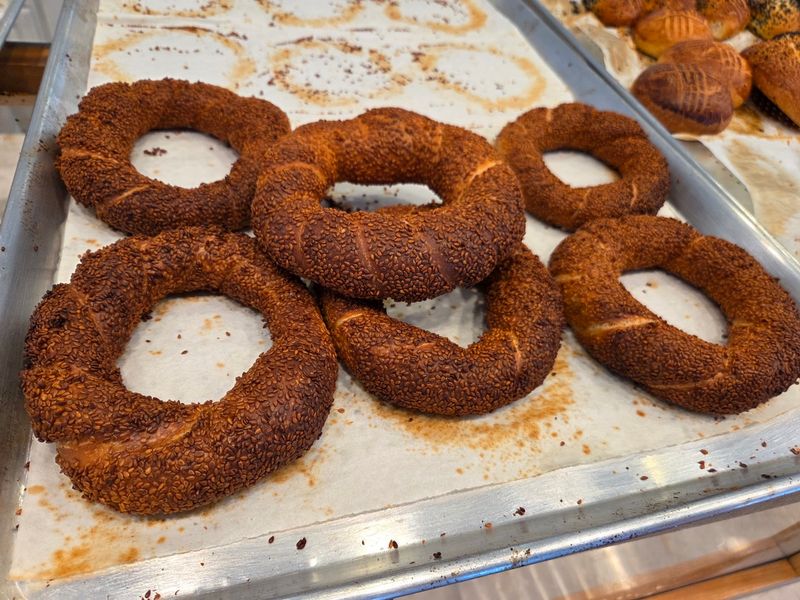
Street vendors in Turkey have been selling simit for centuries, with records going back to at least the 1400s.
The bread is a ring coated in sesame seeds with a crisp outside and a soft middle. Many people call it a Turkish bagel, though it feels lighter than a typical bagel.
Bakers shape the dough into rings and dip them in a molasses-based coating. A thick layer of sesame seeds goes on before baking.
The molasses helps the crust brown and gives a faint sweetness. Toasted sesame adds a nutty smell and a pleasant crunch.
Each bite tends to be chewy without being heavy. The texture pairs well with soft white cheese or a little honey.
Nahita Bakery offers simit plain, with Turkish tea, or as part of a simit plate. The plate includes cheeses, olives, honey, and jam for building small bites.
Simit is a good pick for a quick visit or a light snack later in the day.
Turkish Breakfast Is About More Than Eggs And Toast
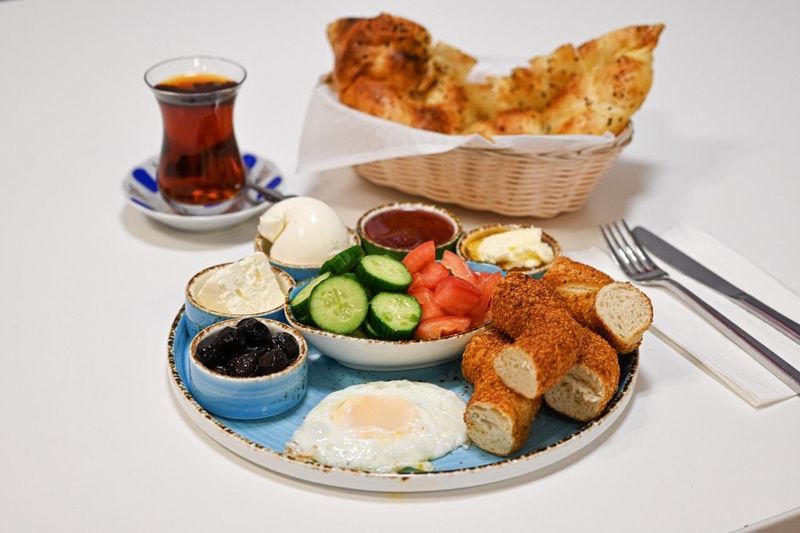
Small bowls are the stars of a Turkish breakfast table. The meal is called kahvaltı, and it usually features many little dishes instead of one big plate.
Bread, cheese, olives, butter, honey, and jam are common pieces of the spread. Cheese choices often include beyaz peynir, a soft white cheese, and kaşar, a milder yellow cheese.
Black and green olives add a salty bite. Sliced tomatoes and cucumbers bring a fresh crunch next to richer items.
Breakfast plates at Nahita Bakery have been served with ramekins of creamy cheese, crumbly cheese, olives, jam, and honey.
Kaymak, a thick clotted cream, sometimes appears mixed with honey. Sucuk, a spiced Turkish sausage, may also show up on the plate.
Eating this way feels more like snacking than finishing a single meal. People can build bites however they like.
A piece of bread with cheese and tomato tastes completely different from one with kaymak and honey. Guests who are picky eaters may appreciate the variety.
Portions are often described as generous, and a plate meant for two may stretch further than expected.
Savory Pastries Make The Bakery Worth Visiting Beyond Breakfast
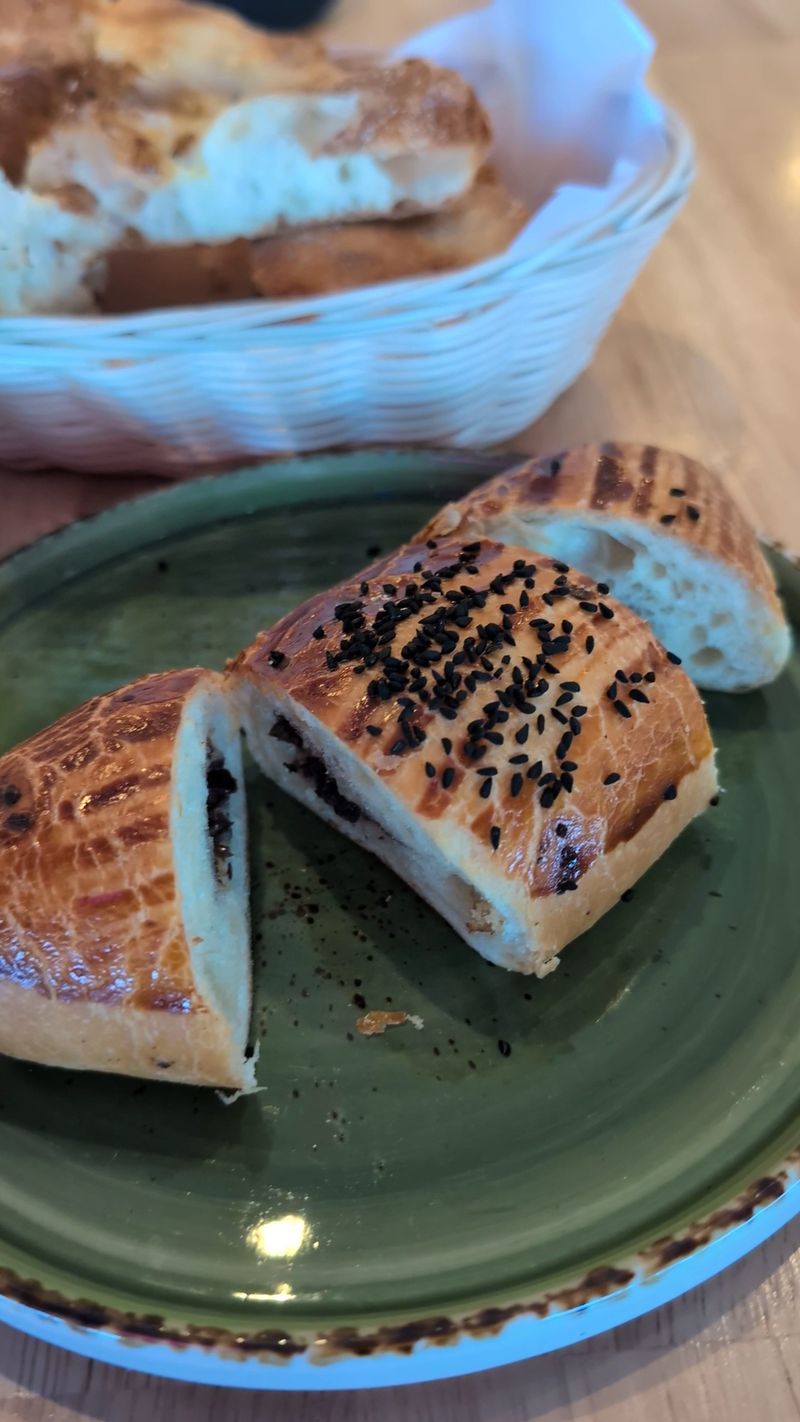
Late afternoon can be a great time to stop by, even after the breakfast rush fades. The bakery keeps a range of savory baked goods that work well as snacks or light meals.
Achma is one popular choice, shaped a bit like a bagel and soft inside. Fillings for achma may include cheese or olives, and a chocolate version is also offered.
Pogacha, sometimes spelled poğaça, is a soft and fluffy bun filled with cheese. The olive pogacha gets mentioned often by regulars too.
Pide bread is another staple at the counter. A seasonal Ramadan pide comes topped with sesame and nigella seeds. Nigella seeds add a slightly peppery, onion-like taste.
The dining area is spacious, with open seating and wifi. Some guests settle in with tea and a pastry for a relaxed afternoon break.
The room can feel calmer later in the day compared with busy weekend mornings. Hours stretch until 9 PM every day, which gives plenty of flexibility.
Picking up a box of pastries to go is an easy option for busy days.
Fillings and freshness may change from batch to batch. Asking which items just came out of the oven is a helpful habit.
Börek Introduces Visitors To A Classic Turkish Pastry
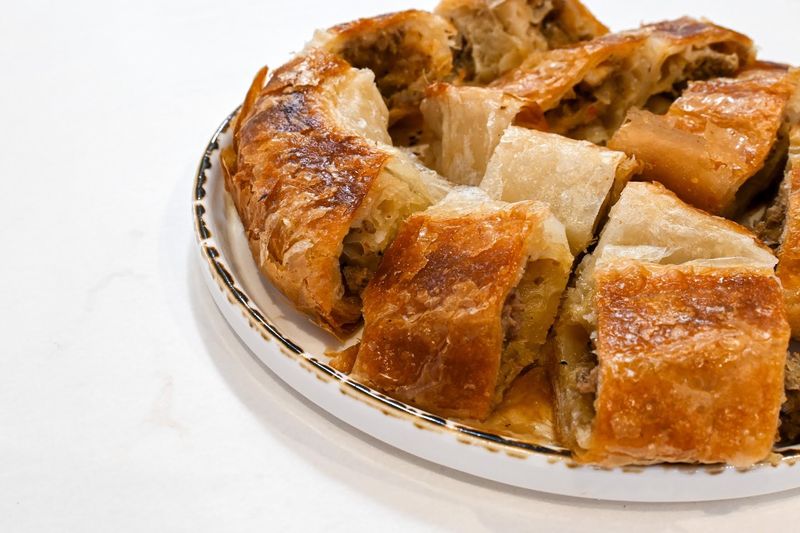
Ask regulars which item they order most, and börek tends to top the list. The pastry uses very thin dough called yufka or phyllo layered with savory fillings.
Butter brushed between the layers helps it bake up golden and flaky. Common fillings include cheese, spinach, potato, and ground beef.
Some börek bakes in a big pan and gets cut into squares. Other versions are shaped into individual pieces.
Nahita Bakery lists several styles, including classic börek and su böreği, also called water börek. Su böreği uses handmade filo soaked in an egg and milk mixture with feta.
The menu also features Kurdish börek, made with layered ultra-thin dough and different fillings. Texture is the big reason people love it. Warm börek has crisp edges and soft, tender layers inside.
Served cooler, the layers can feel denser, so eating it fresh makes a difference.
Börek fits breakfast, lunch, tea time, or a simple snack. Spinach and cheese is a friendly starting point for first timers. Beef börek offers a heartier option for bigger appetites.
Traditional Turkish Tea Completes The Breakfast Experience
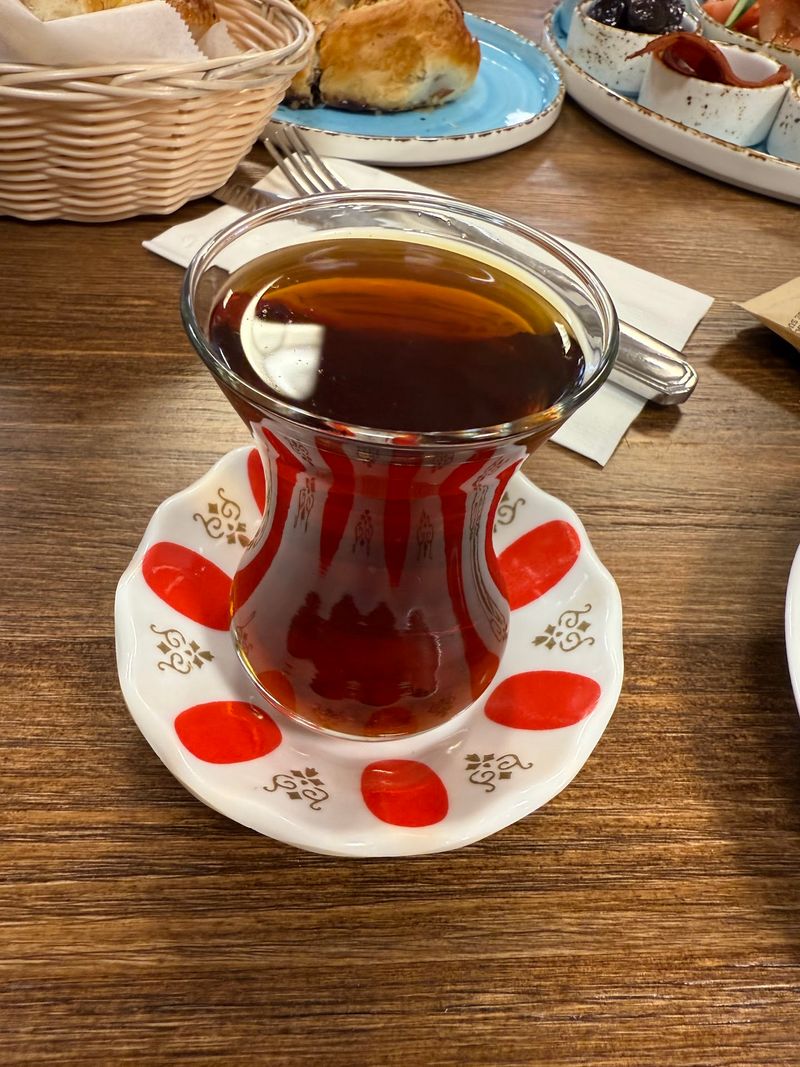
Few things feel as Turkish as a small tulip glass of dark tea. Turkish tea is a strong black tea served hot and clear. The shape of the glass shows off its deep amber color.
Many Turkish families drink several glasses during a single breakfast. Tea can be enjoyed plain or with sugar.
Its slightly bitter taste helps cleanse the palate between salty cheese and sweet honey.
California’s Nahita Bakery offers unlimited Turkish tea, and that feature comes up often in conversations about the place.
The tea is paid for upfront, and guests may refill it themselves in the dining room. Some tables receive tea in a samovar-style pot.
Strength is easy to adjust. Traditionally, the strong brew gets diluted with hot water to suit each person. Lighter tea may be a good start for anyone new to the flavor.
Unlimited refills encourage people to slow down and stay a while. The habit fits the relaxed Turkish style of breakfast.
Sweet Pastries Give Visitors Something To Enjoy After Breakfast
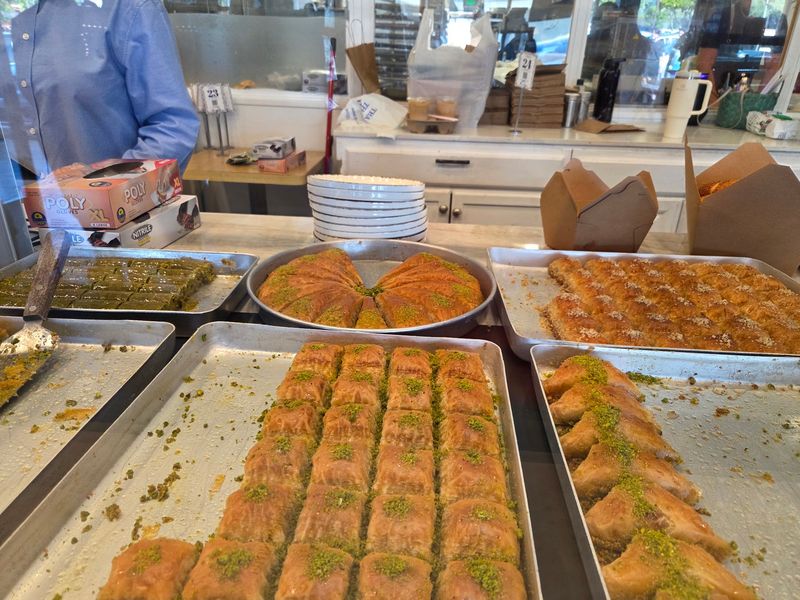
Saving room for dessert is a good idea here. Baklava is the most famous sweet on the counter, made with thin pastry, nuts, and syrup. Each piece tends to be crisp on top and soft underneath.
The bakery carries several styles of baklava. Options include carrot slice, or havuç dilim, and mussel shaped, or midye baklava.
Şöbiyet and chocolate baklava round out the selection. Pistachio and walnut versions give different flavors.
Pistachio feels slightly sweeter and more colorful, while walnut tastes earthier. Trying one of each makes for an easy comparison.
Other traditional sweets have appeared too, such as revani, a semolina cake soaked in syrup. Tulumba, a fried dough treat, and sütlaç, a rice pudding, also get attention.
Newer additions like tiramisu sit alongside the classics.
Baklava boxes may make a thoughtful gift for neighbors or hosts. Many people buy extra pieces to share at home.
The Bakery Offers A Different Experience From A Typical American Breakfast Spot
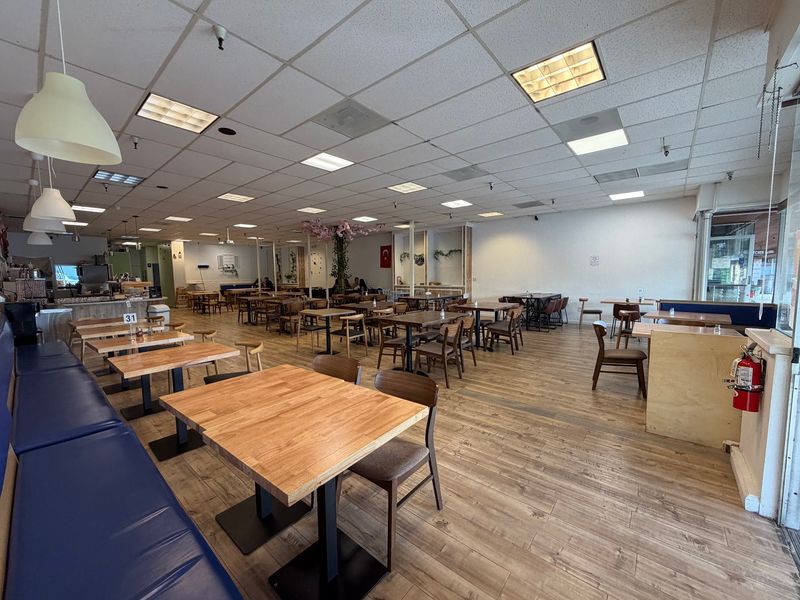
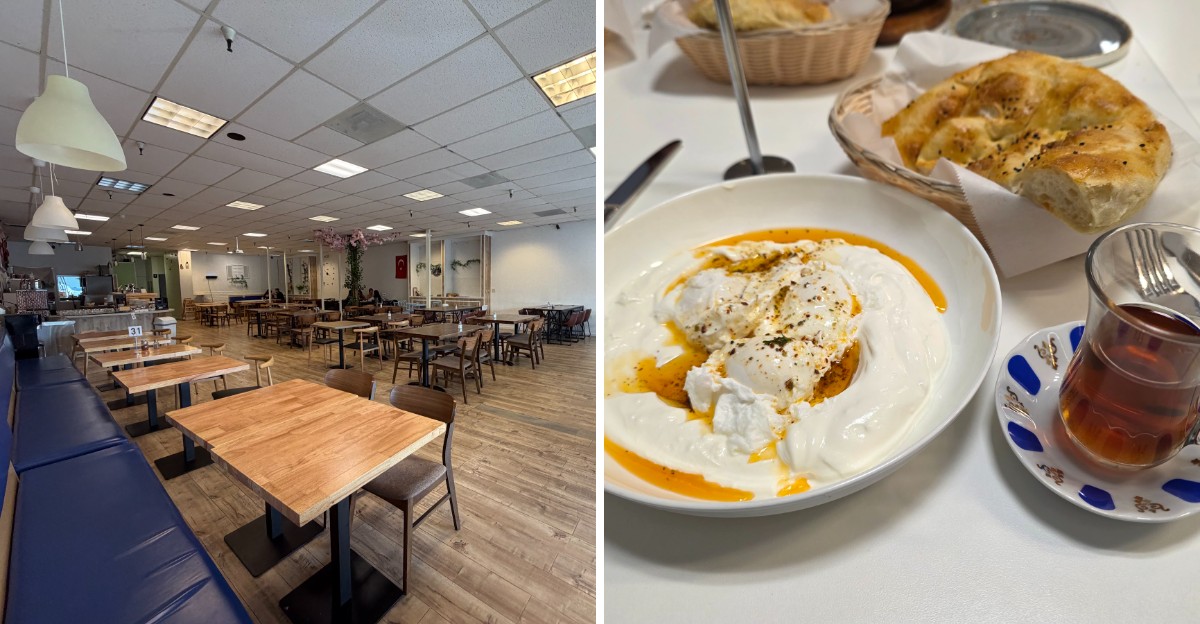
Walking inside this California spot feels nothing like entering a busy pancake diner. A small storefront counter opens into a surprisingly large dining room.
Guests usually order at the counter rather than waiting for table service. Food often arrives fairly quickly once the order goes in.
Staff may bring plates out, though the setup feels more casual than a full-service restaurant. Asking at the counter is the simplest way to request more bread or help.
The decor is simple and practical rather than fancy. The focus stays mostly on food, tea, and conversation.
Noise levels can rise during weekend brunch hours when groups fill the tables. Quieter afternoons may suit people who want to read or work.
Waits can stretch on weekend mornings, especially after 11 AM. Patience helps, since the counter can get busy during peak times. Pace is relaxed, and guests are rarely rushed out after eating.