Over 1,000 Pieces Of Prairie Pottery Line The Shelves Of This Restored Nebraska Mansion
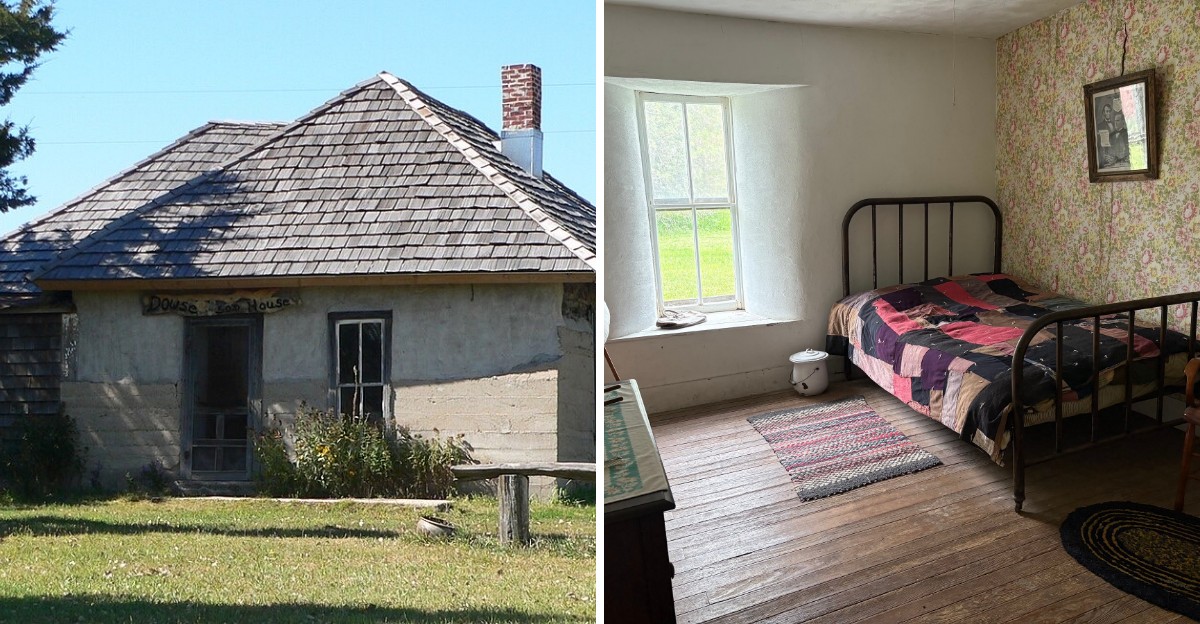
A house built from blocks of prairie earth has stood in central Nebraska since 1900, and one family still keeps it standing. That alone made me stop scrolling.
Most homes like it crumbled back into the grass a long time ago.
This one earned a place on the National Register of Historic Places. Relatives have patched it, updated it, and protected it for generations.
A brand new roof was even on the way recently, which is a pretty strong sign of devotion.
I like how the story here feels personal rather than polished. You won’t find flashy exhibits or a busy gift shop out here.
You get a quiet homestead, open sky, and people who simply refuse to let it fade.
Even the outhouse comes with a backstory worth hearing. So how does a house made of dirt outlast so many wooden ones?
A Pioneer Home That Refused To Blow Away
Out in the rolling grassland of Custer County sits the William R. Dowse House, a homestead built in 1900.
It ranks among the most treasured pioneer homes in this corner of Nebraska.
The house sits near the small village of Comstock, far from any interstate rush. Getting there feels like a gentle step back to the settler era.
What makes it special is simple. The William R.
Dowse House is a sod house, built from strips of prairie earth instead of lumber.
Early settlers on the Great Plains often had few trees to work with. So they cut the ground itself into blocks and stacked them into sturdy walls.
Most of those homes are gone now, lost to weather, time, and newer houses. That makes a surviving example feel almost like a magic trick.
The Dowse place is listed on the National Register of Historic Places. That honor recognizes it as a piece of history worth keeping for future generations.
Think of it as a living chapter of Nebraska’s homesteading story. And it’s still standing right where it was built more than a century ago.
The Settler Who Built With The Ground Beneath His Boots
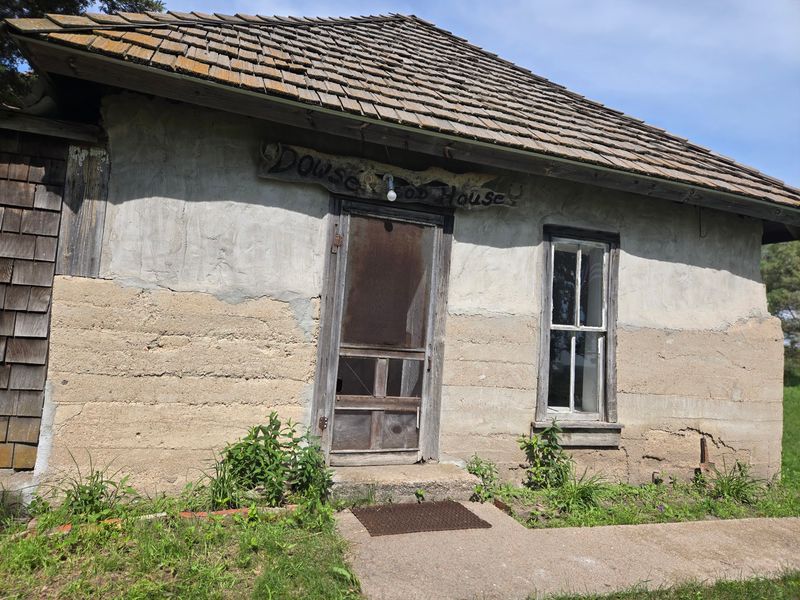
William R. Dowse ranks among the earliest settlers in the county.
When he raised this house in 1900, the prairie around Comstock was still young farm country.
Homesteading back then meant making do with what the land offered. On treeless plains, the land offered thick, root-bound sod and not much else.
Builders sliced that sod into long bricks, often with a special plow. Then they stacked the bricks like oversized building blocks, grass side down.
The result could be surprisingly cozy. Those thick walls helped hold back summer heat and winter wind on the open prairie.
It’s a smart design born from necessity, not style. Yet it carries a quiet beauty once you understand the effort behind every layer.
Dowse’s choice to build this way ties his home to thousands of Nebraska pioneer stories. His house just happens to be the one that survived to tell them.
Knowing a real person stacked these walls makes the place feel personal. You’re not looking at a replica, you’re looking at one family’s actual beginning.
Generations Of Family Have Kept The Walls Standing
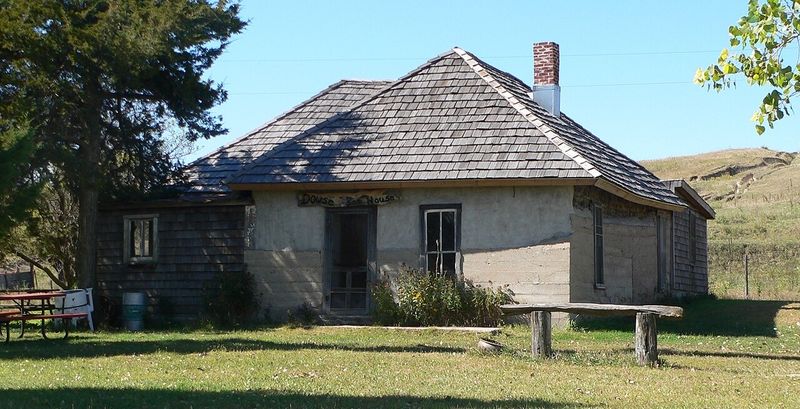
Here’s a twist most historic sites can’t claim. The Dowse family itself has loved and preserved this house for well over a hundred years.
That kind of care doesn’t happen by accident. Sod homes need steady attention, or the weather slowly wins.
Over the years, the house has been updated to help it last. Those efforts keep the original spirit while giving it a fighting chance against Nebraska seasons.
Recently, the family was even preparing to give it a new roof. That’s a big commitment for a house built in 1900.
I can’t imagine the patience it takes to guard a home made of earth. Every repair is a small promise to the generations still coming.
The pride shows in how the story gets shared. Tours focus on the house’s history and the people tied to it.
It feels less like a museum and more like a family heirloom. Only this heirloom happens to have walls, windows, and a prairie view.
Thick Earthen Walls Worth Seeing Up Close
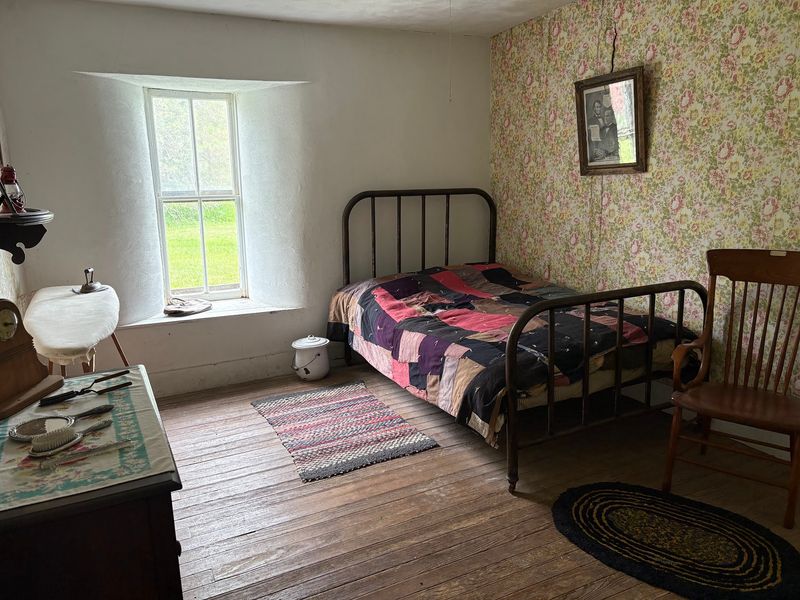
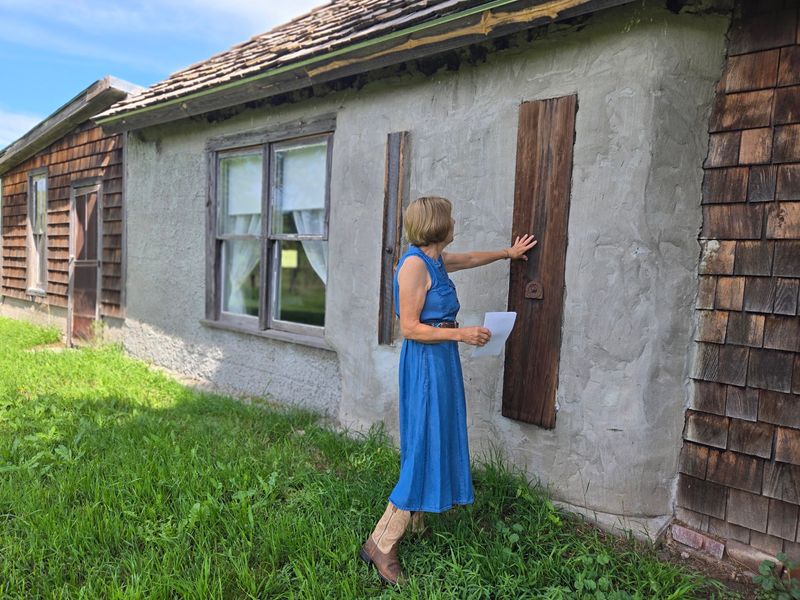
Sod walls look nothing like brick or siding. Up close, you can appreciate how much earth went into making one livable room.
Pioneer builders laid each strip carefully and staggered the seams. That pattern helped the walls stay strong and steady for years.
Window openings in sod homes tend to sit deep in the walls. It’s a visible reminder of just how thick these structures had to be.
The William R. Dowse House has been updated over time, so not everything looks frozen in 1900.
Still, its roots as a true sod home remain the heart of the visit.
Seeing it in person helps the history click. Textbooks mention sod houses, but standing beside one tells you far more.
Kids especially tend to find the idea wonderfully strange. A house made from the yard?
That sounds like a dare, not a home.
Bring curiosity and a few good questions. The family’s stories fill in what the walls can’t say on their own.
An Outhouse With A Surprisingly Good Story
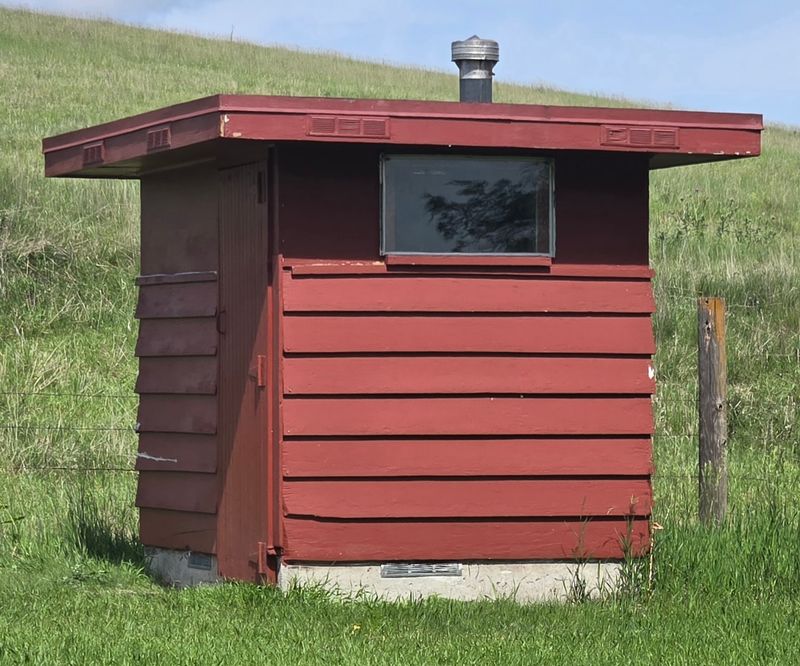
Not every outhouse earns a spotlight. This one absolutely does, thanks to a little family resourcefulness.
Another property had an outhouse it planned to give away. Family members stepped up and moved it to the Dowse homestead.
The newcomer turned out to be a real upgrade. It’s in much nicer shape than the original that stood there before.
Honestly, that might be the most Nebraska move possible. Why let a perfectly good outhouse go to waste when there’s a historic farm that could use one?
It also adds to the full picture of homestead life. A sod house tells only part of the story without the outbuildings around it.
Outhouses were everyday essentials for prairie families. Seeing one on site helps you picture chilly morning walks across the yard.
Go ahead and grab a photo. It may be the only time an outhouse becomes a highlight of your weekend drive.
Quiet Prairie Air That Slows Everything Down
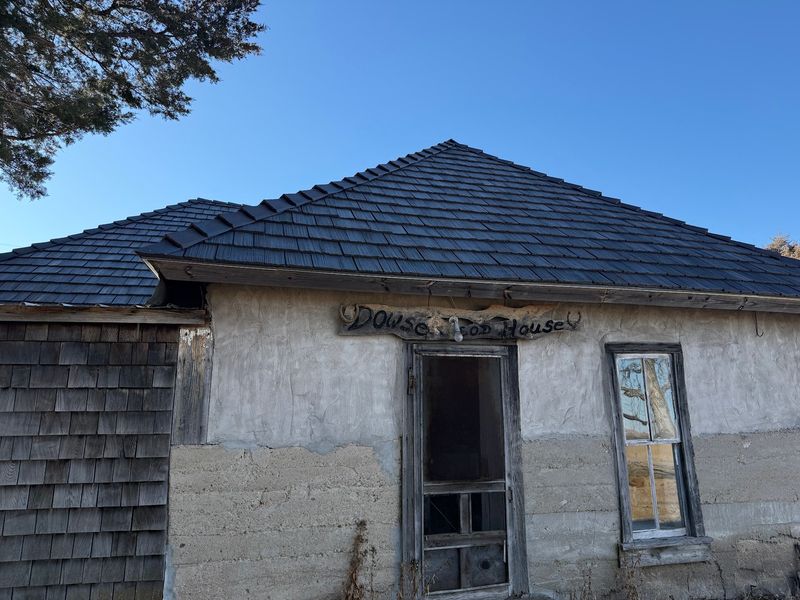
Peaceful is the word that keeps coming up with this place. Out here, the loudest sound may be the wind moving through the grass.
Custer County is wide-open country with big skies and long horizons. The setting adds a lot to understanding why settlers built the way they did.
You can stand outside and imagine 1900 without much effort. Few modern distractions crowd the view.
That calm makes the William R. Dowse House a natural fit for slower travelers.
Retirees, history buffs, and curious families all tend to find something to enjoy.
Photographers will appreciate the simple lines against the sky. Early morning or late afternoon light can make the earthen walls glow warmly.
Young kids may need a little setup before arriving. Tell them they’re visiting a house built from dirt, and watch the questions start.
Leave the rush behind for an hour or two. The prairie has its own pace, and it’s worth matching.
A National Register Honor In A Tiny Village
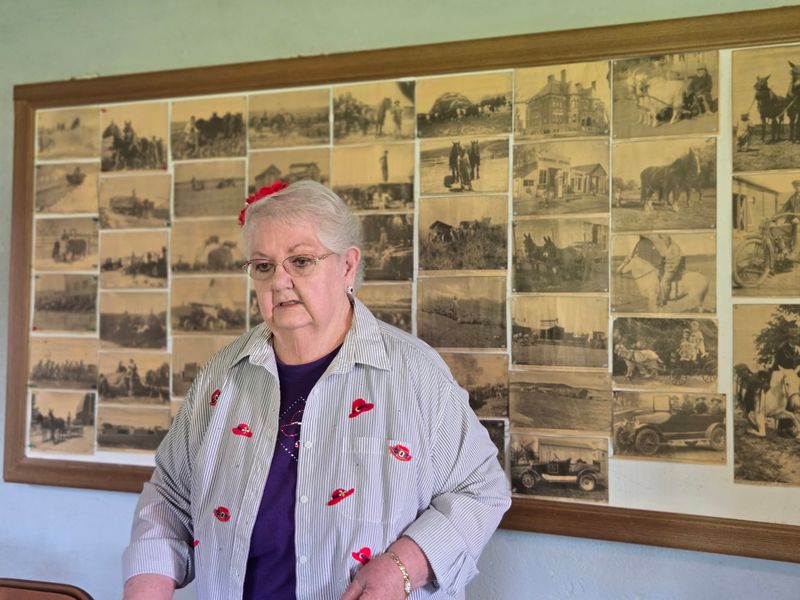
Comstock is a small village, but it holds a big piece of state history. The National Register listing puts this homestead in impressive company.
That designation goes to places considered significant to the country’s story. For a pioneer home made of earth, that’s quite the achievement.
Nebraska has a deep connection to the sod house era. Custer County, in particular, is closely tied to that chapter of homesteading.
So the Dowse home works as a kind of ambassador. It represents countless families who carved out lives on the open plains.
If you grew up nearby, you may have heard about it for years. Maybe you’ve driven the roads around Comstock and never stopped.
This could be the year that changes. Few places let you stand beside something this rare without a long road trip out of state.
It’s a point of hometown pride that deserves more visitors. And it shows how much history can hide in a quiet rural spot.
Plan Ahead Before You Point The Car Toward Comstock
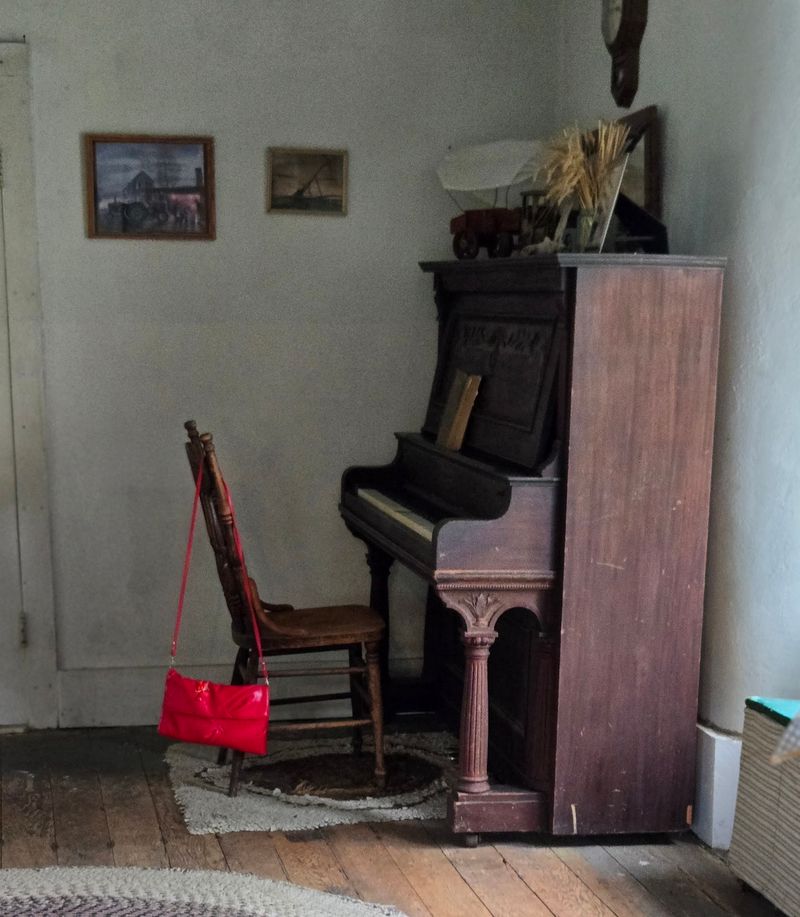
Good planning makes this trip smoother. The homestead sits in rural Custer County, so a little prep goes a long way.
Use the plus code address GP6Q+CF, Comstock, Nebraska 68828 for navigation. Plus codes work well in mapping apps when traditional street addresses get fuzzy.
The William R. Dowse House is a family-preserved historic landmark rather than a staffed museum.
Tours have been offered, but set hours aren’t widely posted.
Reaching out locally before you go is a smart move. Area visitor resources or community contacts in Comstock can help confirm access.
Pack water and snacks, since services nearby are limited. Wear comfortable shoes for grass and uneven ground.
Fill your tank before heading deep into the countryside. Rural Nebraska distances can stretch longer than they look on a map.
Treat the grounds with respect, since this is a cherished family property. Leave it just as peaceful as you found it.
Why This Little Earth House Earns A Spot On Your List
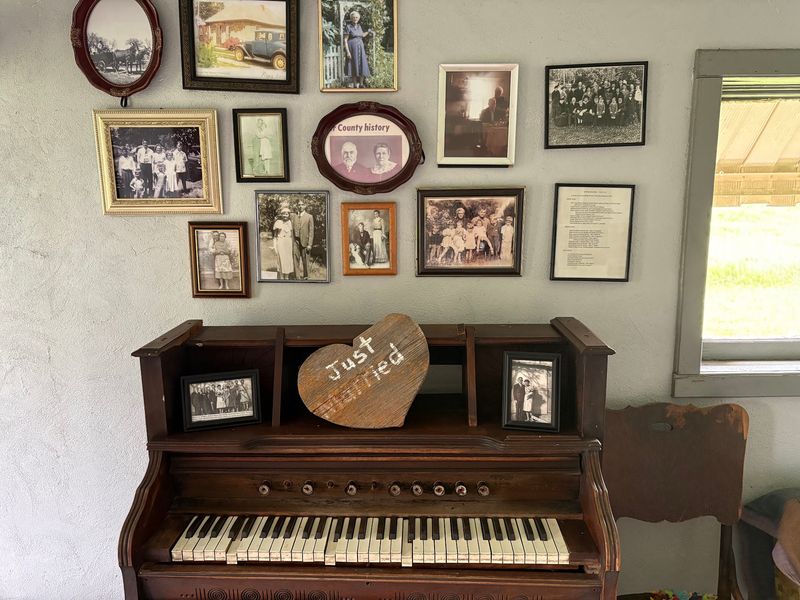
Big attractions get the headlines, but small places often carry the real story. The William R.
Dowse House fits that idea perfectly.
It’s a 1900 sod home, still standing, still loved, and still teaching. That’s a rare combination anywhere in the country.
The family’s devotion may be the best part. New roofs, careful updates, and even a rescued outhouse show a commitment you can feel.
You won’t leave with a bag of souvenirs. You’ll leave with a clearer picture of how Nebraska pioneers actually lived.
I believe that kind of understanding sticks around longer than any gift shop magnet. It turns a quick stop into a real conversation on the drive home.
Pair it with a scenic loop through Custer County for a full afternoon. Rolling hills and quiet roads make the trip part of the reward.
Sometimes the most impressive house in the county is made of dirt. And this one has earned every bit of its century-plus story.