This Once-Laid-Back Nebraska Lake Town Is Buckling Under Its Summer Crowds
Summer can make a small town feel as though somebody invited half the highway over without mentioning where everyone would park.
Coolers appear at gas stations before breakfast. Boats line up behind pickup trucks.
Grocery aisles empty faster, restaurant tables fill earlier, and quiet streets begin carrying a steady stream of visitors headed toward Nebraska’s largest reservoir.
The seasonal rush brings welcome business, but it can also test the patience of residents who remember when errands did not require strategy.
Life near the water changes once beach weather arrives.
Campers, anglers, swimmers, and weekend groups pour into the area chasing broad sandy shorelines and long days outdoors.
The crowds eventually thin, and the familiar pace returns. Until then, summer belongs partly to the people who live here and partly to everyone arriving else.
For a laid-back town, that is a lot of company.
Ogallala Is The Main Gateway To Lake McConaughy
Few small towns carry as much logistical weight as Ogallala does every summer.
Positioned right off Interstate 80, the community functions as the last major stop before visitors reach the lake, meaning nearly everyone heading to Big Mac passes through here first.
Fuel stations, grocery stores, hardware shops, and fast-food restaurants all see a dramatic uptick in traffic once the warm months settle in.
The lake’s visitor center sits roughly eight miles north of town along Highway 61, so the town itself becomes an unavoidable part of almost every lake trip.
That geographic reality shapes everything about how summer feels here.
Parking lots that sit mostly empty in March are packed by late May, and checkout lines at local stores stretch noticeably longer than residents are used to.
For visitors, understanding that Ogallala is a working gateway town rather than a polished resort hub helps set realistic expectations about pace, availability, and the general rhythm of getting to and from the water.
A Town Of Roughly 5,000 Handles A Much Bigger Summer Population
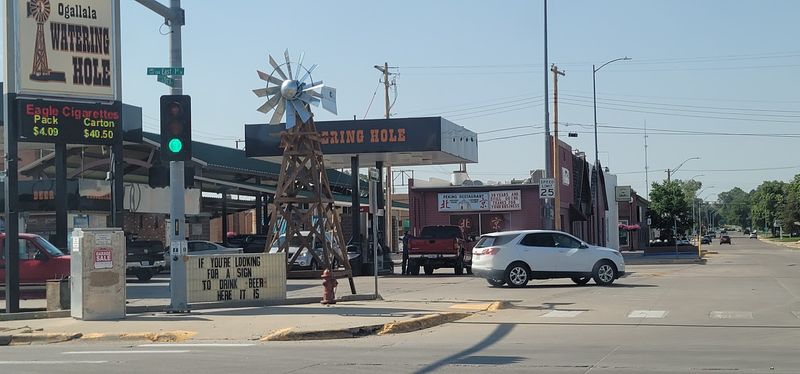
There is something almost jarring about watching a community of 5,100 people absorb what feels like several times its own population over the course of a single holiday weekend.
Ogallala was built for a quieter existence, and the infrastructure reflects that reality in ways that become obvious fast.
Gas stations run out of certain fuel grades.
Restaurant wait times climb well beyond what locals consider normal. Roads that handle daily commuter traffic just fine suddenly feel congested with trucks hauling boats and campers stacked with gear.
The seasonal surge is not a rumor or an exaggeration but a measurable, visible shift that residents navigate every year.
For visitors, the practical takeaway is simple: plan for delays and build in extra time for errands in town.
Stopping for supplies on a Friday afternoon before a holiday weekend will almost certainly take longer than expected.
Shopping on a weekday morning or arriving mid-week rather than right before a major holiday can shave a significant amount of stress off the start of a lake trip.
Lake McConaughy Has Nearly 100 Miles Of Shoreline
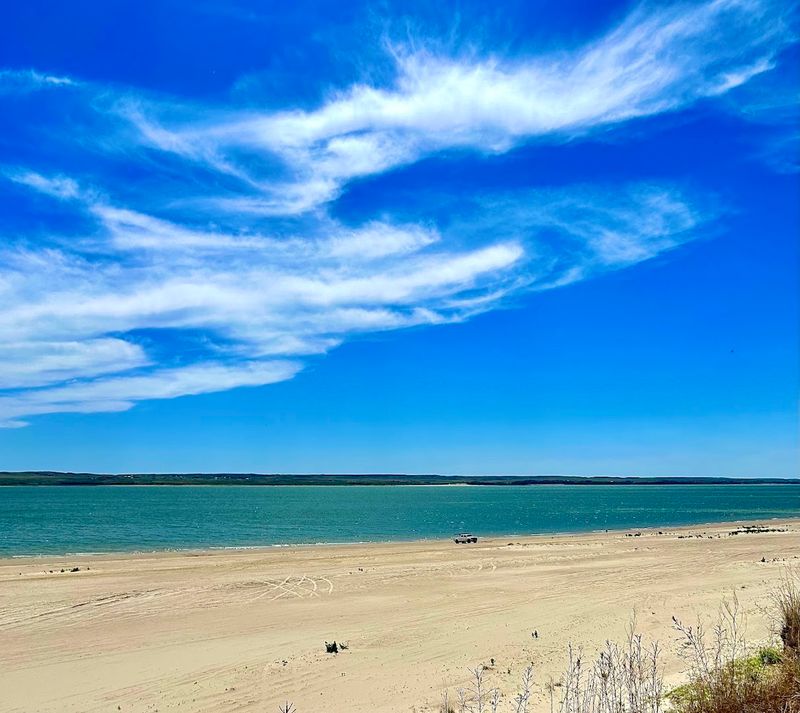
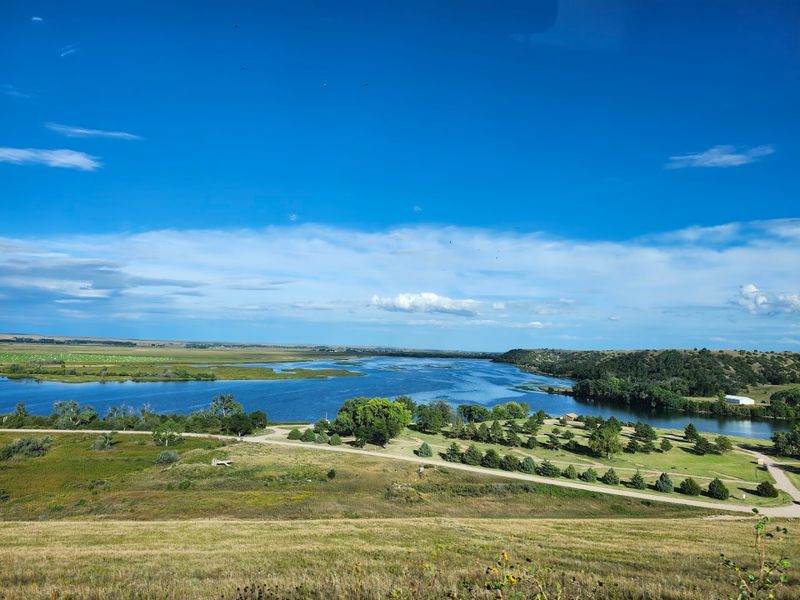
Stretching approximately 22 miles from end to end, Lake McConaughy is Nebraska’s largest reservoir by a considerable margin.
The nearly 100 miles of shoreline it offers is part of what makes the lake so appealing, because that much space means crowds tend to spread out across multiple access points rather than piling into one tight area.
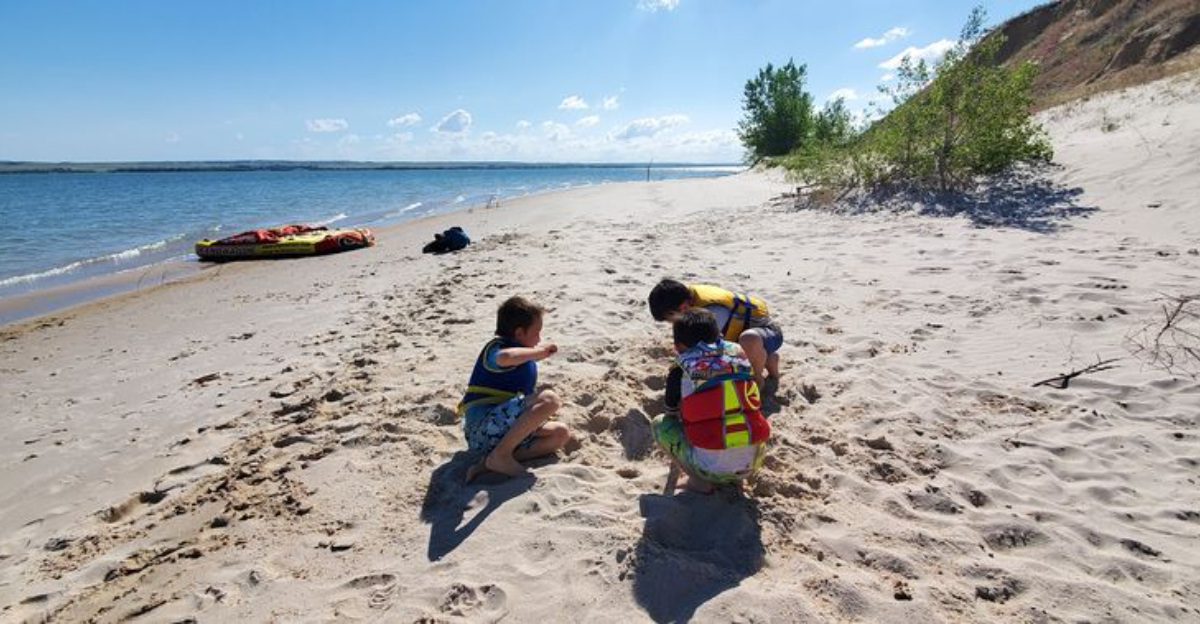
The sandy beaches here are genuinely striking, featuring white sand that feels more coastal than landlocked prairie.
Boaters, anglers, swimmers, and campers all share the water and the shoreline, creating a lively but manageable mix of recreational energy across different coves and camping zones.
First-time visitors are often surprised by the sheer scale of the place.
Expecting a modest reservoir and arriving to find something that looks almost oceanic from certain vantage points is a common experience.
That size is actually one of the lake’s best features during peak season, since a crowded beach on one stretch of shore often means a quieter stretch is accessible just a short drive further along the access road.
Peak-Season Camping Now Requires Advance Reservations
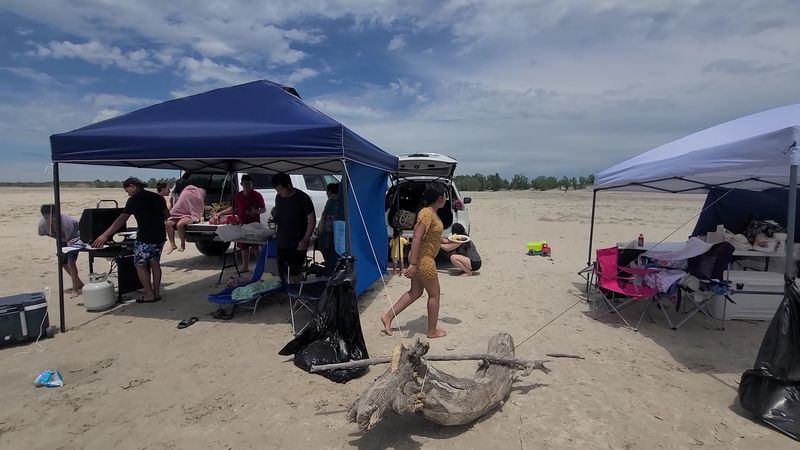
Spontaneous lake weekends used to be a defining feature of the Big Mac experience, and for decades, pulling up without a plan and finding a decent campsite was entirely realistic.
That era has effectively ended for the peak season window running from May 20 through September 10.
Overnight camping at Lake McConaughy and neighboring Lake Ogallala now requires a reservation during that stretch, covering both developed campgrounds and designated beach camping areas.
The shift came in response to overcrowding, safety concerns, and the kind of chaotic scene that made the lake less enjoyable for everyone involved.
Beach campsites can be reserved up to 30 days before a planned stay, while developed campground spots open up as far as 180 days in advance.
Knowing those windows matters enormously for anyone hoping to secure a specific location or arrive during a holiday weekend.
Checking the Nebraska Game and Parks reservation system well ahead of a planned trip is now a fundamental part of the planning process rather than an optional step.
Major Holiday Weekends Put The Greatest Pressure On The Area
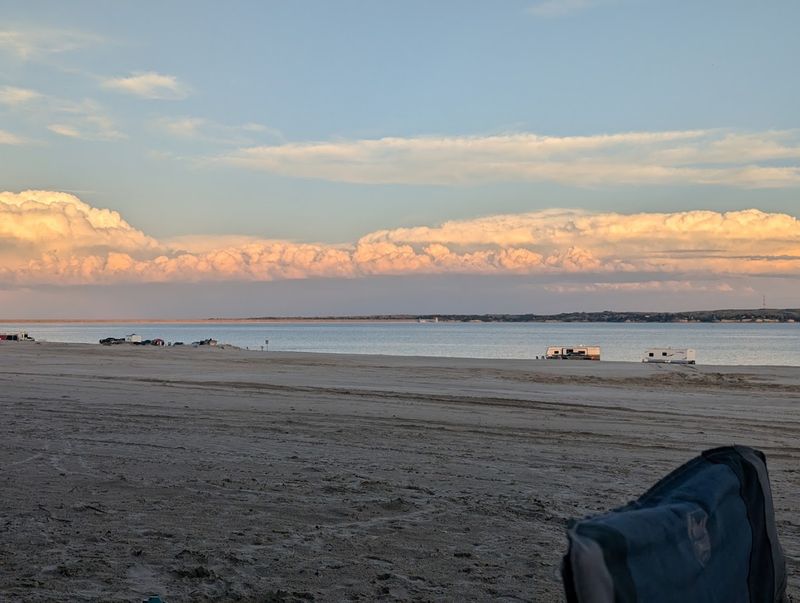
Memorial Day, Independence Day, and Labor Day each function as a kind of stress test for the entire Ogallala area, pushing local infrastructure to its limits in ways that ordinary summer weekends do not.
Traffic along Highway 61 thickens noticeably, with long lines of vehicles towing boats and trailers moving steadily northward toward the lake.
Popular beaches become significantly busier, campgrounds fill to capacity well before the holiday itself, and local businesses face demand that can overwhelm even well-staffed operations.
Gas stations occasionally run low on certain grades, and grocery shelves see rapid depletion of high-demand items like ice, charcoal, and bottled water.
The practical advice for anyone set on visiting during one of these peak weekends is to treat the logistics with the same seriousness as a trip to a major national park during summer.
Reservations should be locked in months ahead, supplies should be purchased before leaving home or at least before reaching the final stretch of Highway 61, and arrival timing should account for slower-than-usual road conditions.
Arriving Thursday evening instead of Friday afternoon can make a noticeable difference in the overall experience.
Officials Introduced Changes To Create A More Family-Friendly Lake
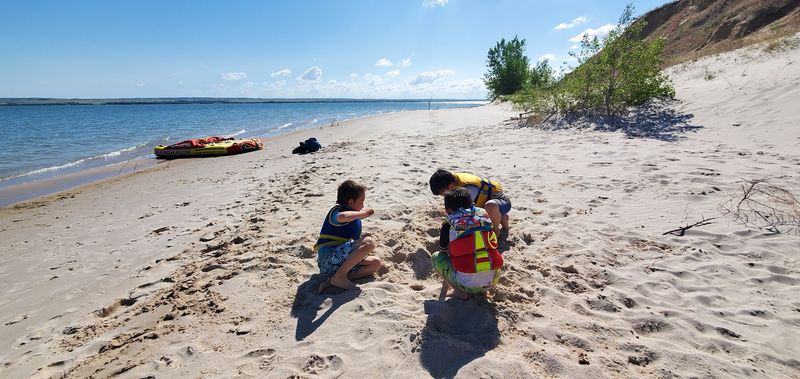
The reservation system and increased enforcement presence were introduced as part of a coordinated effort by the Nebraska Game and Parks Commission to reshape the experience at Lake McConaughy.
Updated visitor guidelines accompanied the new rules, covering everything from noise management to waste disposal and campsite conduct.
The goal was to address the friction that had been building between the lake’s growing popularity and the comfort of visitors who came looking for a relaxed outdoor setting rather than a chaotic scene.
The results have been gradual but measurable in terms of the general tone of the recreation area during peak season.
Families with young children tend to feel more comfortable setting up at beach camping areas knowing that certain behavioral guardrails are in place.
Longer-term visitors who have been coming to the lake for decades describe a noticeably different atmosphere compared to the mid-2010s, when crowding and conduct issues were more pronounced.
The trade-off is that the lake feels more managed now, which suits some visitors well and sits less comfortably with those who preferred the older, looser version of the experience.
The Town’s Western Character Can Get Overshadowed
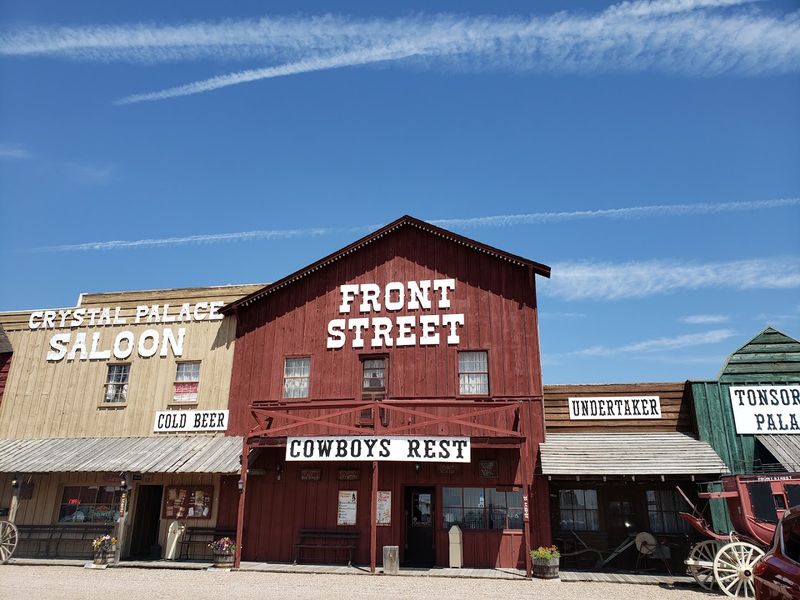
Ogallala carries a genuinely interesting history that has nothing to do with the lake.
The town developed as a significant stop along the Western Cattle Trail during the late 1800s, earning its Cowboy Capital identity through decades of ranching culture and frontier-era activity that shaped the entire region.
That heritage is still present in the town’s downtown character, its signage, and the attractions it promotes to visitors who take the time to look past the lake traffic.
During summer, however, the volume of lake-bound visitors can make the historical identity feel like background noise rather than a defining feature of the Ogallala experience.
The practical effect is that many visitors pass through town without ever engaging with the western history that makes Ogallala worth knowing beyond its role as a supply stop.
Spending even a few hours exploring downtown rather than treating the town purely as a logistical waypoint reveals a community with a distinct personality and a story that predates the reservoir by several decades.
The contrast between the cattle-trail past and the summer lake frenzy is part of what makes Ogallala genuinely interesting as a destination in its own right.
Lake Ogallala Provides A Calmer Alternative Nearby
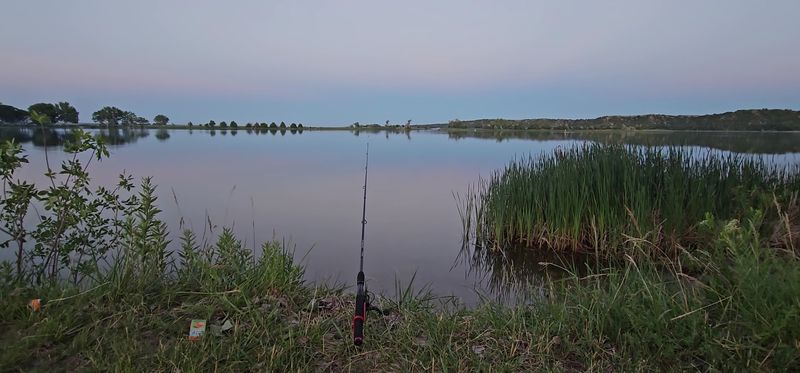
Directly below Kingsley Dam, Lake Ogallala offers a noticeably different atmosphere from its massive neighbor just upstream.
At roughly 320 acres, the lake is substantially smaller and benefits from a sheltered position that keeps the water calmer and the general vibe considerably more subdued than what visitors encounter at Big Mac during peak season.
Trout fishing is the main draw here, and the lake has a well-established reputation among anglers who appreciate the cooler, clearer water that comes from releases below the dam.
The fishing experience tends to attract a quieter crowd compared to the boating and beach scene that dominates Lake McConaughy throughout the summer months.
For families with younger children or visitors who find the energy of the main lake a bit overwhelming, Lake Ogallala functions as a genuinely useful pressure valve.
The access road and facilities are less congested, the noise level is lower, and the pace of the visit tends to slow down naturally in a way that feels more consistent with the easygoing experience many originally had in mind.
It rewards those who seek it out specifically rather than stumbling upon it by accident.
Crowds Bring Money Along With Frustration
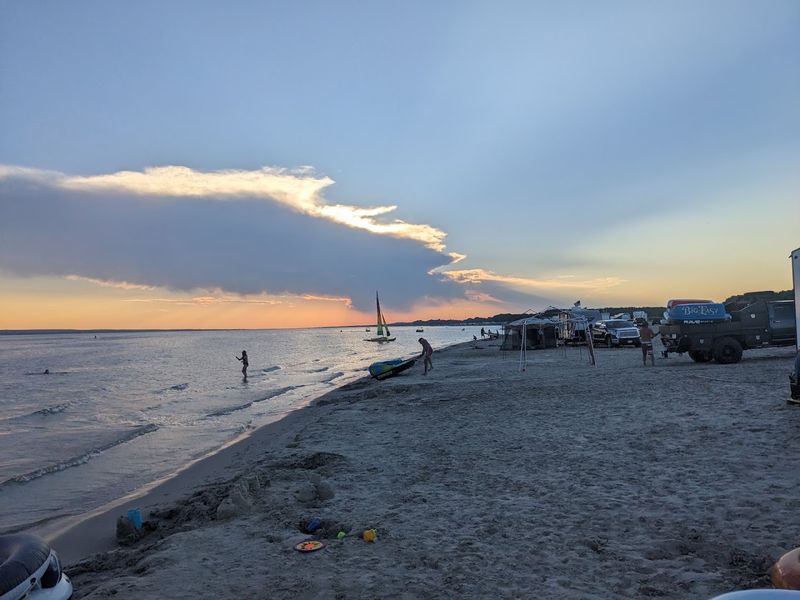
The economic relationship between summer crowds and Ogallala’s local businesses is genuinely complicated, and residents tend to hold both sides of that tension at the same time.
Hotels fill up weeks in advance during major holiday weekends, restaurants run through their weekly food orders in a matter of days, and service stations log revenue numbers they will not see again until the following summer.
That financial reality matters enormously for a small community where the tourist season is short and the off-season economy is comparatively modest.
Summer spending supports jobs, keeps local businesses viable through quieter months, and funds services that the year-round population relies on well past Labor Day.
At the same time, the pressure that comes with absorbing thousands of additional people into a town built for a fraction of that number creates friction that is hard to ignore.
Infrastructure designed for 5,000 residents strains under the weight of peak-weekend demand, and the noise, litter, and congestion that accompany large crowds affect the quality of daily life for people who live there year-round.
The balance between welcoming visitors and protecting the community’s livability is a conversation that Ogallala, like many gateway towns, continues to navigate without a clean resolution.