The Stunning Castle In Nebraska That You’ve Probably Never Heard Of
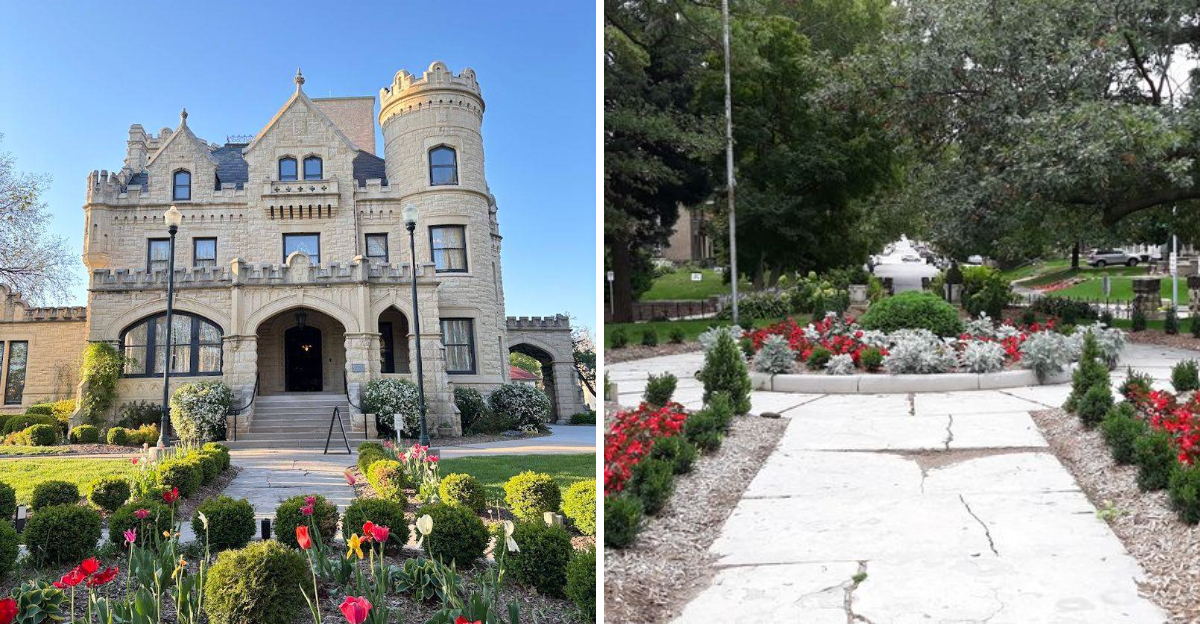
Nebraska is not the first place most people associate with castles, which is exactly why this one lands with such force.
A place like this can feel almost surreal at first glance, rising with the kind of beauty and presence that makes you wonder how it stayed out of the usual conversation for so long.
History gives it weight, but the setting does plenty too.
Stone, gardens, and old-world drama come together in a way that feels both grand and strangely intimate. That balance is what makes it memorable.
You do not expect to find a castle here. Then suddenly there it is, and Nebraska starts feeling a little more surprising than it did an hour earlier.
A Castle Built For A Newspaper Magnate
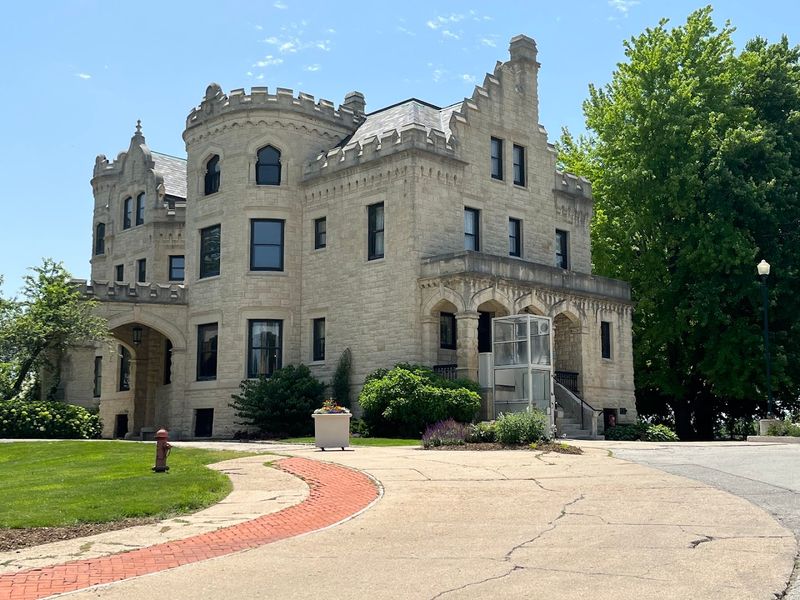
Back in 1903, completing a 35-room mansion in roughly 18 months was no small feat, and the price tag of $250,000 at the time reflects just how serious the ambition was.
That figure translates to approximately $9 million in today’s money, which helps explain why the finished result feels so dramatically grand.
The estate was the private home of George and Sarah Joslyn, and George had built his fortune through the Western Newspaper Union, a publishing powerhouse that made him the wealthiest man in Nebraska by the time of his death in 1916.
The Joslyns called their home “Lynhurst,” though the rest of Omaha quickly started calling it simply “the Castle.” That nickname stuck for good reason.
The building rises four stories and contains 35 rooms spread across 19,360 square feet, which is closer in scale to a European estate than anything resembling a typical house.
Knowing the backstory before a visit adds a layer of depth to every room and detail encountered along the way.
The Scottish Baronial Architecture That Stops People In Their Tracks
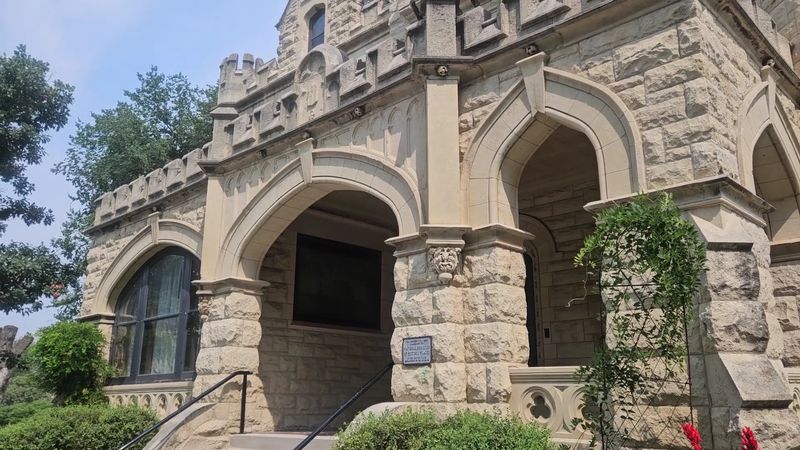
Standing in front of the castle for the first time tends to produce a double-take.
The building was designed in the Scottish Baronial Revival style, a bold architectural choice that was highly unusual for the American Midwest in the early 1900s.
Kansas Silverdale limestone was used throughout the construction of the castle and its outbuildings, giving the exterior a pale, textured quality that shifts subtly depending on the light and time of day.
Crow-stepped gables, crenellations, and small bartizans or corner turrets define the roofline and give the structure its unmistakably castle-like silhouette.
Omaha architect John McDonald designed the building, and it remains one of his most recognizable works in the city.
Landscape architect Jens Jensen contributed to the interior conservatory, designing the rock work and pools that once made that space feel like a lush indoor garden retreat.
The craftsmanship visible in the stonework alone makes a slow walk around the exterior worthwhile before ever stepping through the front door.
What Waits Inside Are Rooms That Tell A Story
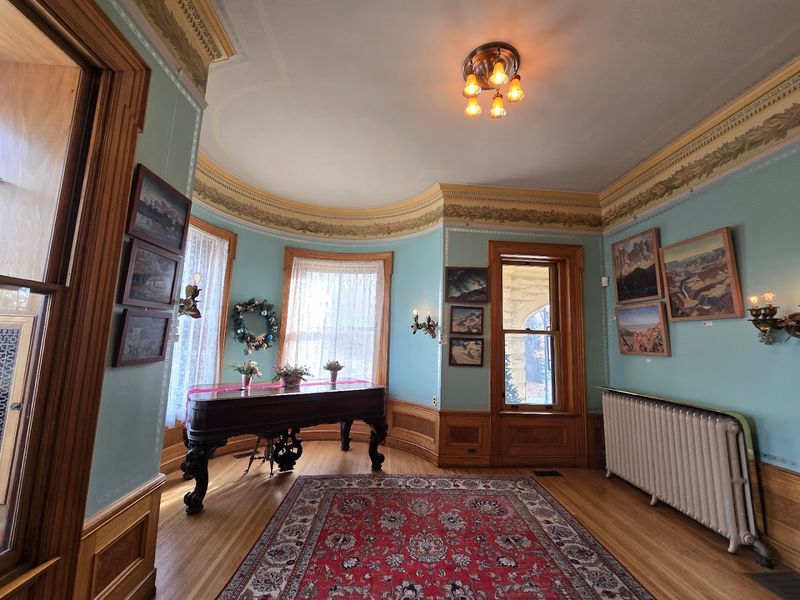
Rare and extinct woods line the walls of several rooms, and the level of craftsmanship visible throughout the interior is the kind that takes a moment to fully register.
The 19,360-square-foot home includes a reception hall, a music room, a ballroom on the third floor, a library, and a gold drawing room, each finished with carved wood, stained glass, chiseled stone, mosaic tiles, and wrought iron details.
At one point, the basement also housed a bowling alley, which gives a sense of just how fully the Joslyns committed to making the space feel complete and livable.
Original light fixtures remain on the first floor, and the chandeliers throughout the home are particularly striking.
Guided tours move through all three accessible floors, and the pace allows enough time to actually absorb what is being seen rather than rushing past it.
Many visitors describe the two-hour tour as genuinely surprising in terms of how much detail is packed into each room.
The building is not open for self-guided browsing, so a scheduled tour is the only way to experience the interior properly.
The Grounds And Gardens That Feel Like A Park
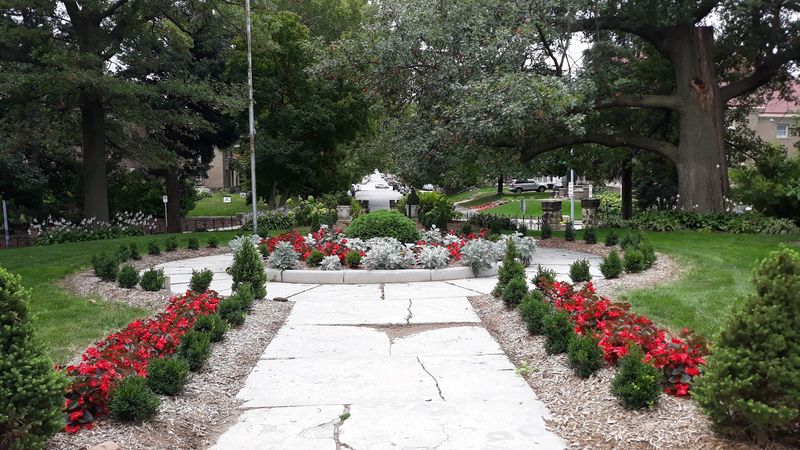
Covering 5.5 acres in the heart of Omaha, the grounds surrounding the castle feel more like a neighborhood park than a private estate.
Over 100 mature trees were planted during the development of the grounds before 1899, specifically so the Joslyns could enjoy a fully established landscape rather than waiting decades for trees to grow.
That early investment in the grounds means visitors today walk beneath a canopy of genuinely old trees that give the property a sense of quiet depth.
The estate once featured a large greenhouse, a palm house, and a lily pond, though an Omaha tornado in March 1913 destroyed much of the greenhouse and surrounding greenery.
Rather than rebuilding, the Joslyns donated the remnants to the City of Omaha for use in Hanscom Park. What remains today is still beautiful and carefully maintained.
The grounds are open daily from sunup to sundown unless a private event is scheduled, making a casual walk through the gardens a low-barrier way to experience the property without booking a tour in advance.
The National Register Of Historic Places And Local Landmark Status
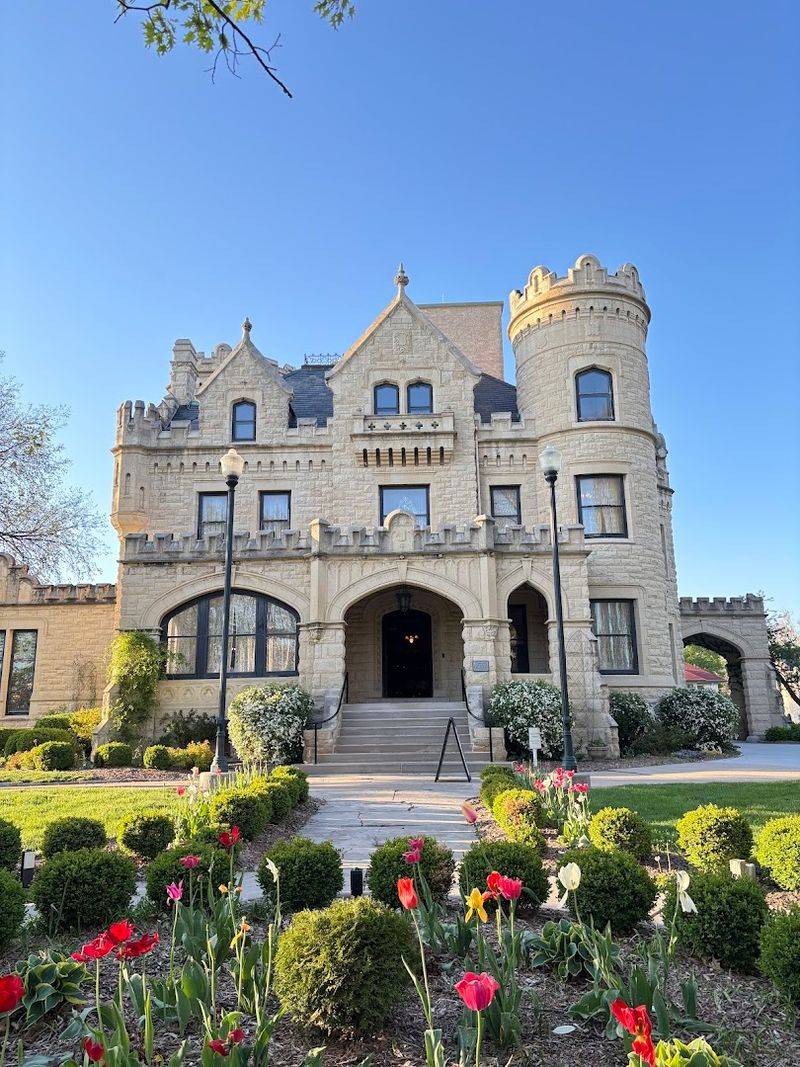
Added to the National Register of Historic Places in 1972 for National Significance, the castle holds a level of recognition that goes well beyond local pride.
That designation reflects the building’s architectural rarity, its historical importance, and the degree to which it has been preserved over more than a century.
Alongside the federal recognition, the castle also carries the status of an Omaha Landmark Historic Structure, which means it is protected at both the local and national level simultaneously.
Joslyn Castle & Gardens is located at 3902 Davenport St in Omaha, NE 68131, situated within the Gold Coast Historic District, one of Omaha’s most architecturally significant neighborhoods.
The preservation work undertaken by the non-profit organization that purchased the property in 2010 has focused on maintaining the building’s integrity while making it accessible to the public.
Restoration efforts are ongoing, and the organization is transparent about the fact that work continues on various parts of the building and grounds.
How Public Tours Actually Work
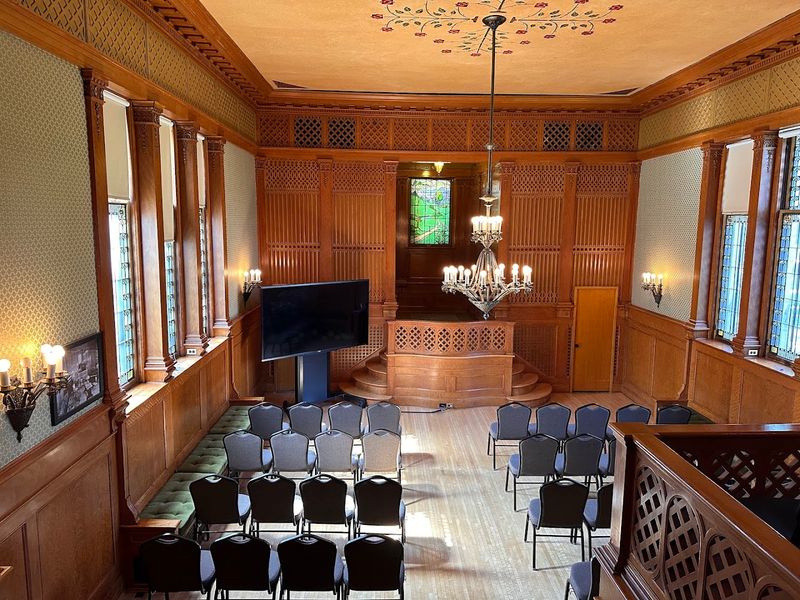
Planning a visit to the interior requires a bit more preparation than simply showing up, and knowing how the tour system works makes the experience smoother.
Public tours are offered on a scheduled basis, and the current tour calendar is listed through the official Joslyn Castle & Gardens website at joslyncastle.com.
Admission has been reported at around $17, which covers a guided experience that typically runs close to two hours depending on the group and the guide.
Arriving 10 to 15 minutes before the scheduled tour start time is strongly recommended, as tours begin at the castle steps and do not wait for latecomers.
The tour begins with a short video that provides historical context before the group moves through the accessible floors of the building.
Guides tend to be deeply knowledgeable and genuinely enthusiastic about the history, which makes the pacing feel natural rather than rushed.
Private tours can also be arranged for groups with different scheduling needs.
The castle also serves as a venue for weddings and private events, so checking the calendar before planning a visit helps avoid arriving on a day when access may be limited.
The 1913 Tornado And What It Changed Forever
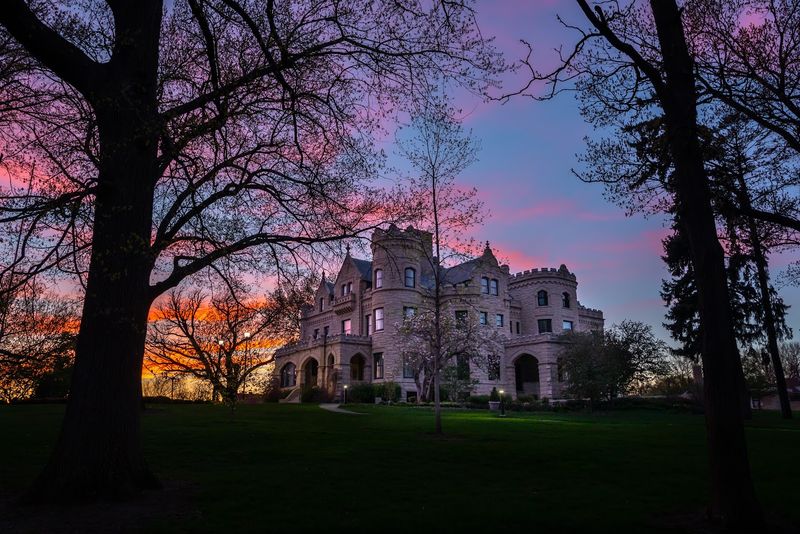
On March 23, 1913, an Omaha tornado tore through the estate and left a mark that permanently changed the character of the grounds.
The greenhouses, which had housed one of the most respected orchid collections in the entire country, were destroyed along with much of the surrounding landscaping.
The Joslyns had cultivated those orchids with serious dedication, and losing them represented far more than just physical damage to the property.
Rather than attempting to rebuild the greenhouse, the Joslyns made the decision to donate its remnants to the City of Omaha, where they were repurposed for use in Hanscom Park.
That act of generosity in the aftermath of a disaster says something about the family’s broader relationship with the city.
The estate today carries the quiet memory of what once stood in those now-open sections of the grounds, and guides on the tour typically share the story of the tornado and its aftermath.
Understanding that loss actually deepens appreciation for what was preserved and what the organization continues to restore more than a century later.
From Private Home To Public Treasure
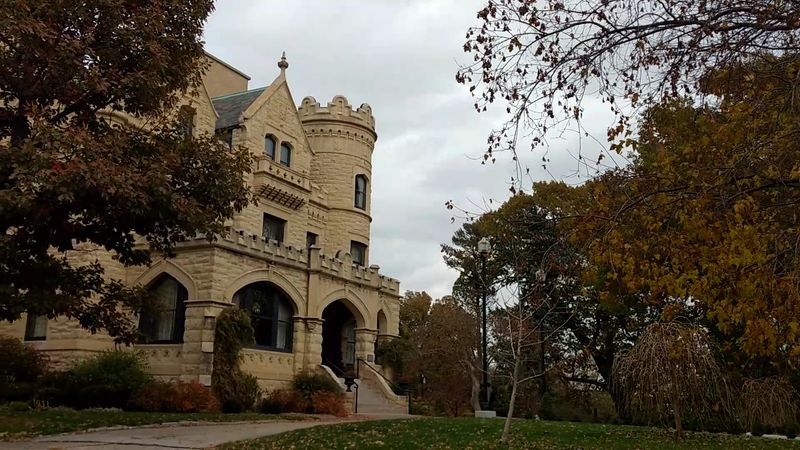
After Sarah Joslyn passed away in 1940, the castle did not sit empty or fall into disrepair. Instead, it was put to work.
From 1944 to 1989, the building served as the administrative headquarters for the Omaha Public Schools, a practical use that required some modifications including the installation of modern heating and cooling systems, an elevator, and restrooms.
Those additions changed some aspects of the interior but also helped the building survive decades of active use without major structural deterioration.
In 1989, the property reverted to the State of Nebraska, and from 1996 it became home to the Joslyn Castle Institute for Sustainable Communities.
Then in 2010, a non-profit organization purchased the castle and grounds from the state with a clear mission: to preserve the legacy of George and Sarah Joslyn through careful stewardship and diverse cultural programming.
That transition from state property to community-driven non-profit marks the beginning of the chapter visitors experience today.
The castle now draws over 50,000 visitors annually, which speaks to how much appetite exists for this kind of place when it is properly cared for and made accessible.
Events, Programming, And Why People Keep Coming Back
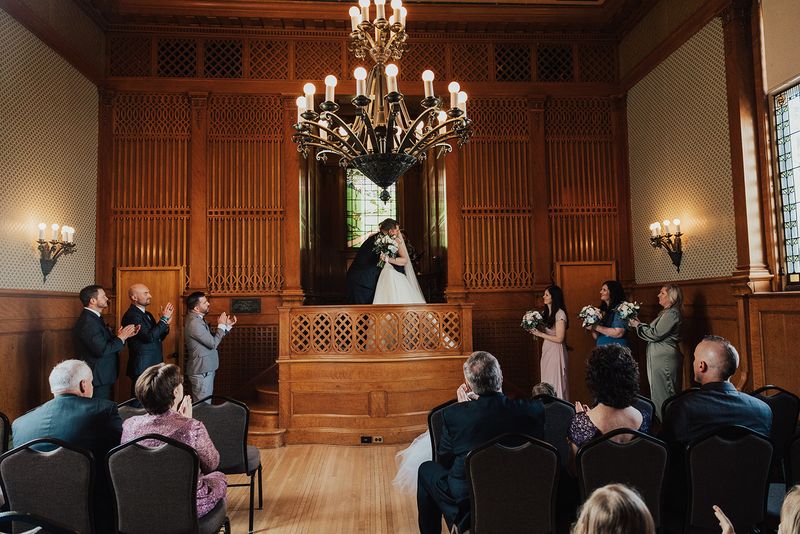
A historic building that only functions as a museum can feel static over time, but the programming at Joslyn Castle & Gardens keeps the space feeling genuinely alive throughout the year.
Events tied to theater, art, history, nature, music, architecture, and literary arts are hosted regularly on the grounds and inside the building, drawing audiences who might not otherwise consider a historic house museum part of their social calendar.
The variety of programming reflects a deliberate effort to make the space relevant to a wide range of interests rather than appealing only to history enthusiasts.
The castle also serves as a venue for private events including weddings, which means the grounds see a different kind of energy depending on the day and the season.
Checking the official events calendar before a visit helps set expectations and may reveal a program worth planning around.
For those who simply want to walk the grounds without attending a formal event, the gardens remain open daily from sunup to sundown at no charge.
That free access point makes the castle approachable for first-time visitors who want a low-commitment introduction before committing to a full guided tour.