9 Kentucky Animal Rescues And Wildlife Centers Where Every Creature Has A Story
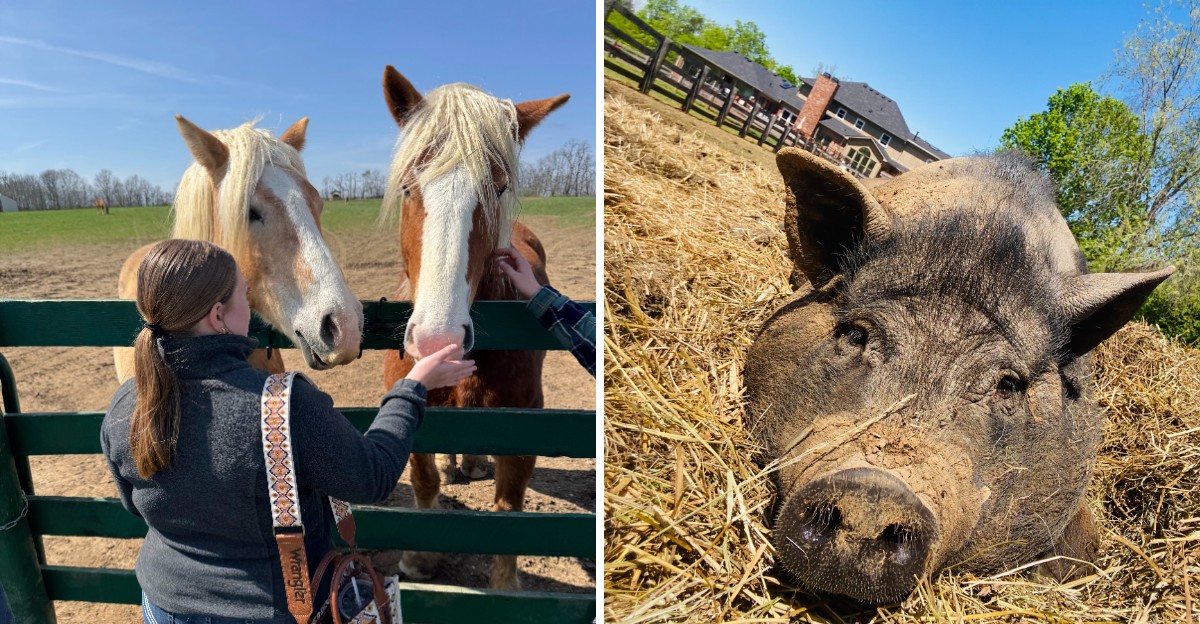
Have you ever had a goat steal your heart in under five seconds? It happens more often than you might think.
Kentucky is home to rescue farms where animals finally get the happy ending they deserve. Some arrived scared, hungry, or simply unwanted.
Today they spend their days napping in the sun and greeting friendly visitors. You might meet a pig who loves belly rubs or a horse with gentle eyes.
A chicken may follow you around like it has important news to share. Every animal here has a story, and the caretakers love sharing them.
Your kids will learn about kindness without even realizing it. You will probably leave with muddy shoes and a very full heart.
Fair warning, you may also start planning a second visit before you get home. These farms rely on people who care, and that could be you.
Let’s go meet these wonderful residents.
1. Salato Wildlife Education Center
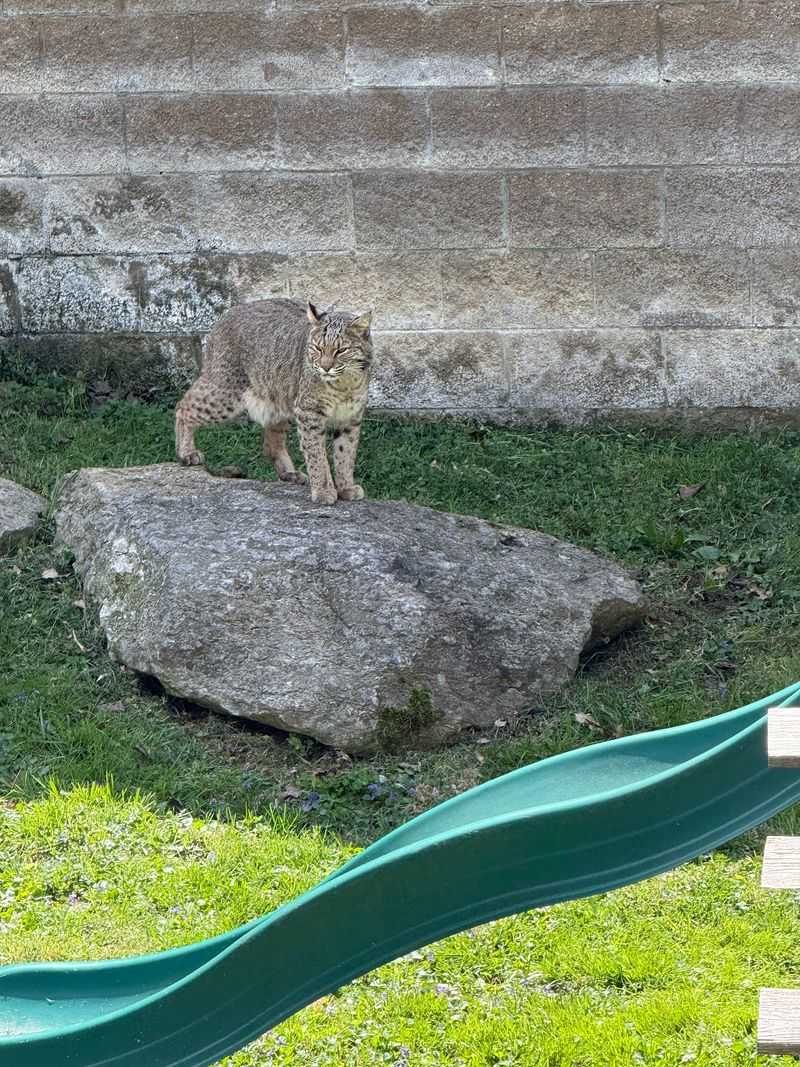
Bison, bears, and bobcats all share one address, and none of them pay rent. Welcome to the backyard of Kentucky wildlife.
The center sits at 1 Sportsman’s Ln, Frankfort, on grounds run by the state wildlife agency. Every animal here is native to Kentucky, so you meet true locals.
Start indoors with snakes, frogs, turtles, and fish in tidy exhibits. Then head outside, where paved paths lead to bigger residents in natural-looking spaces.
Eagles perch with serious faces. Elk and deer wander through their yards like they own the place, which they sort of do.
The black bears are a crowd favorite. Bobcats are harder to spot, so bring patience and sharp eyes.
Foxes, raccoons, and possums round out the cast. Ducks and squirrels add some comic relief along the way.
Timing helps here. Staff hold scheduled feedings, live trainings, and raptor encounters that bring you closer to the action.
Check the daily schedule when you arrive. A hawk on a glove beats a hawk on a far-off branch.
Paths are accessible, which makes the visit easy for strollers and wheelchairs. Families with little legs will appreciate that.
Leave time for the hiking trails and two stocked fishing lakes. Your day can stretch from animal watching to a lazy afternoon by the water.
2. Old Friends At Dream Chase Farm
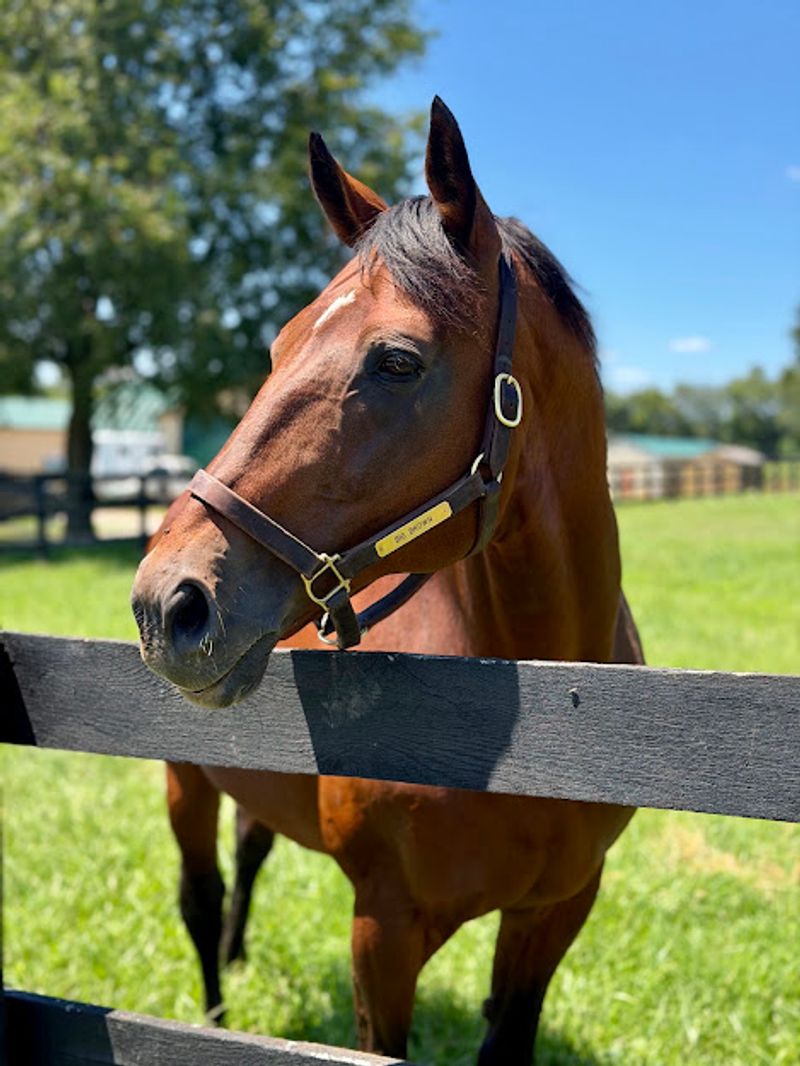
Retirement looks pretty sweet when your neighbors are racing legends. Picture green pastures, fresh carrots, and fans who still remember your big day.
Old Friends gives Thoroughbred racehorses a dignified place to rest after their careers. Some residents won Triple Crown races, and others claimed Breeders’ Cup titles.
You can find the farm at 1841 Paynes Depot Rd, Georgetown. It sits right in the heart of Kentucky horse country.
Guided tours are how you meet these stars. Guides walk you from paddock to paddock and share tales from each horse’s racing days.
The stories make every horse feel like a celebrity you know personally. One might have thundered down a famous track before you were born.
Here comes the best part. You may get the chance to feed carrots to a champion, and they rarely say no.
Plan ahead before you go. Reservations are required, and walking up without one will not work.
Several tour types are offered, so pick one that fits your group. Horse fans and curious first-timers both leave with plenty to talk about.
Wear shoes that can handle grass and a little dirt. Bring a camera, because these athletes still know how to pose.
Fame fades for most of us. Here, it comes with a lifetime supply of snacks.
3. Kentucky Equine Adoption Center
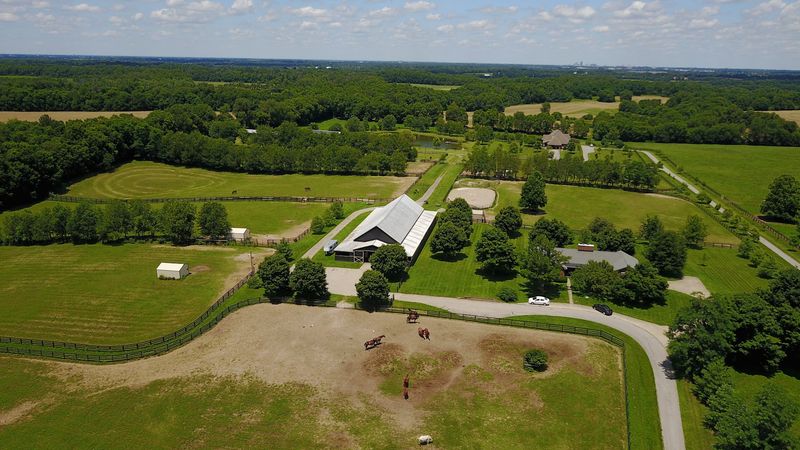
Horses, donkeys, mules, and minis walk into a barn. No punchline needed, because they all came for a fresh start.
The center ranks among the largest all-breed equine rescues in the Commonwealth of Kentucky. Breed, size, and age do not matter here.
You will find it at 1713 Catnip Hill Rd, Nicholasville. The road name alone is worth a smile.
The mission is simple and big. Staff provide shelter, humane care, retraining, and adoption for equines in need.
Retraining is a major piece of the work. Horses learn skills that help them land in the right home.
Those homes vary a lot. Some horses go on to high-level dressage, while others become calm therapy companions.
Picture a shy mule learning to trust people again. That kind of quiet progress fills the days here.
Visits are by appointment only, so call ahead before driving out. A scheduled visit also means staff can give you real attention.
Education is part of the plan too. Public programs teach people how to care for equines responsibly.
Thinking about adopting? Asking questions here is a smart first step.
Even if you leave without a new friend, you will understand rescue work better. And a donkey might steal your heart anyway.
4. Kentucky Humane Society Willow Hope Farm
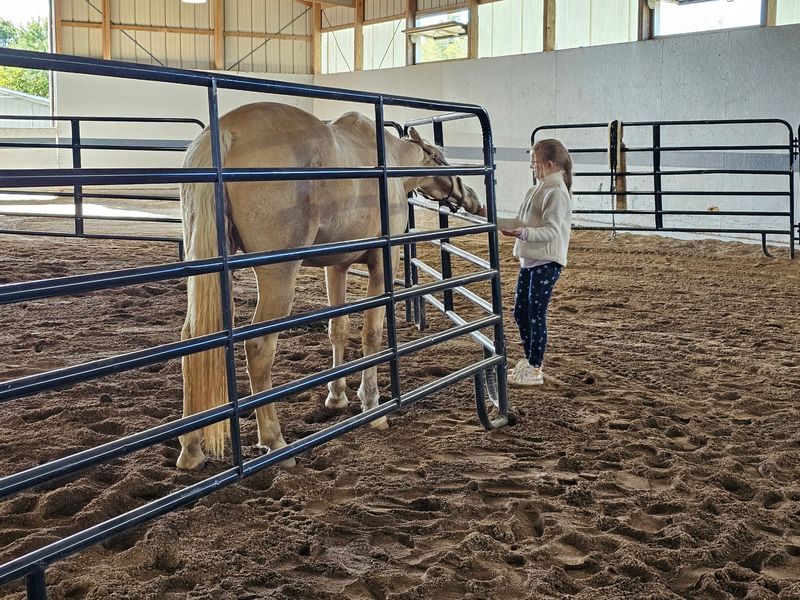
One brave horse named Willow refused to give up. Her grit inspired an entire farm.
Willow arrived abandoned and badly underweight. Her strong will to survive gave this rescue its name and its heart.
Today the farm serves as the Kentucky Humane Society’s horse rescue and adoption center. It sits at 4416 Todds Point Rd, Simpsonville.
The work runs through the Equine C.A.R.E. Program.
Those letters stand for connect, assist, rescue, and educate.
Horses of every breed come through these gates. Many are in transition, waiting for a new home or a new job.
Owners who can no longer keep a horse can get help too. The farm offers re-homing services so horses land somewhere safe.
Visiting takes a little planning. The farm is open by appointment only, and walk-ins cannot be accommodated.
Once you book, you can join an interactive, behind-the-scenes tour. You will learn how rescue works from the inside.
Nervous around big animals? No problem at all.
Every interaction happens from the ground. You do not need any riding experience to meet the herd.
Bring your questions and your curiosity. Willow’s story tends to stick with people long after the drive home.
5. Tribe Animal Sanctuary
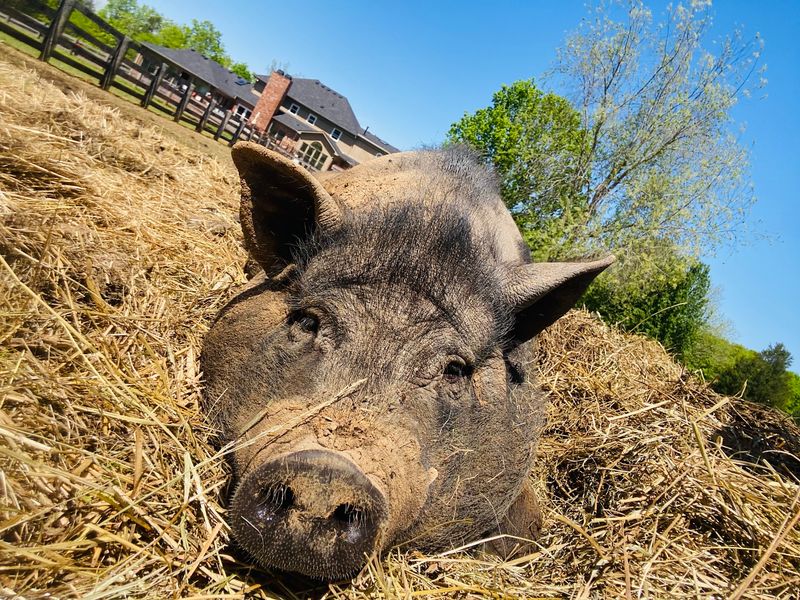
A blind goat with his own seeing-eye sheep? Yes, and it is as sweet as it sounds.
Chase the goat cannot see. His buddy Gideon the sheep helps him get around, and the pair has charmed plenty of visitors.
They live at Tribe Animal Sanctuary, 2604 Flat Rock Rd, Louisville. The farm offers a safe haven for abused, neglected, and homeless animals.
The resident list is long and lively. Cows, pigs, goats, sheep, horses, rabbits, turkeys, chickens, dogs, cats, and even a duck all share the space.
Many residents have special needs or fragile health. The sanctuary gives them permanent homes and the extra care they require.
Look for Billy the pig and Abbott the ram. Every name comes with a backstory staff love to share.
The sanctuary also has a bigger goal. It encourages a vegan lifestyle and hopes to change how people treat animals.
Land matters here too. The farm helps protect open space in a fast-growing suburban area.
Want to visit? Watch for public events like Sunday Strolls and the yearly Fall Festival.
These events include guided tours of the grounds. A donation is usually requested, and it goes straight to the animals.
Bring a friend along. Chase and Gideon prove friends make everything easier.
6. BraveHearts Equine Center
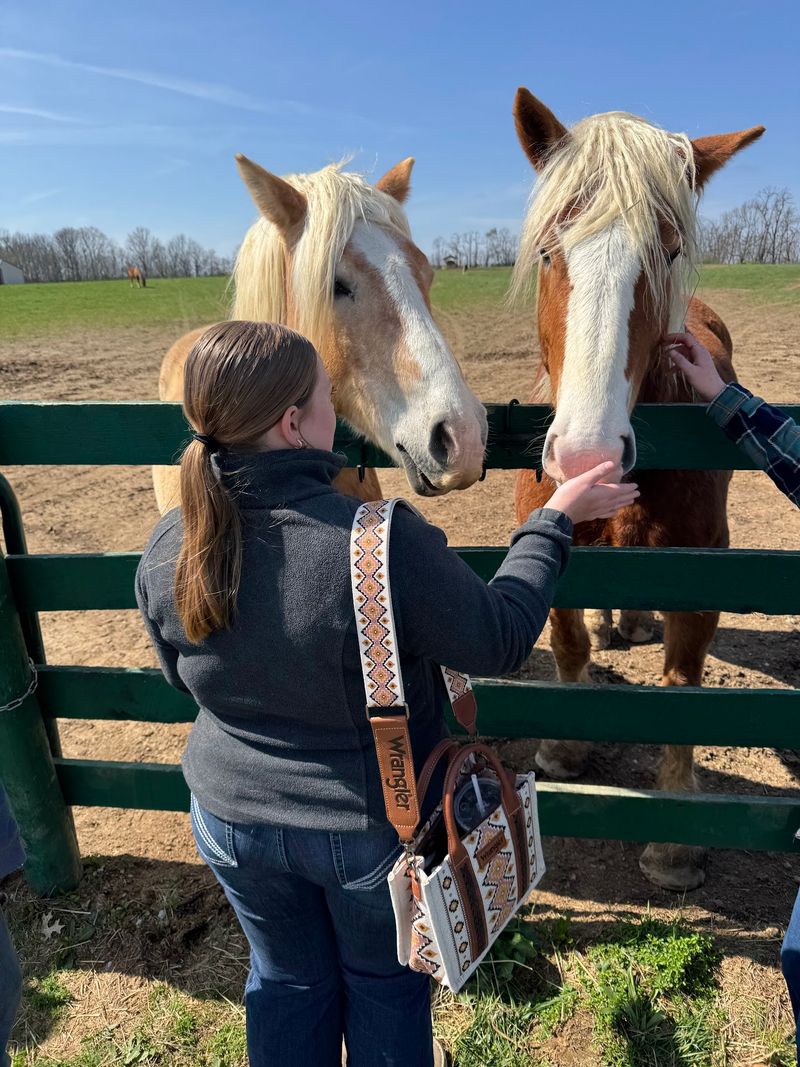
Draft horses are gentle giants with dinner-plate hooves. Standing next to one makes you feel pleasantly tiny.
BraveHearts focuses on rescuing these big workers. Burros live here too, adding some pint-sized personality to the herd.
Founders David and Ruth Waronker saw a serious need. Draft horses facing neglect had too few places to turn, so the couple built one.
The center sits at 961 Russell Cave Rd, Paris. Over the years, more than 100 equines have found shelter here.
Younger horses get rescued, rehabbed, and rehomed. Seniors and those needing special care get a lifelong place to stay.
That mix gives the farm a warm, family feel. Old-timers and newcomers graze side by side.
You can meet the draft horses up close. Tours and private experiences are available when you book ahead.
Do not just show up unannounced. Planning ensures someone is ready to introduce you to the herd.
BraveHearts also runs equine-facilitated mentoring programs. Some are designed for veterans and first responders.
Spending time with a calm, massive horse can be surprisingly soothing. Many people find it easier to relax beside one.
Tip for your visit: wear sturdy boots. Those hooves are impressive, and your toes will thank you.
7. Our Mims Retirement Haven
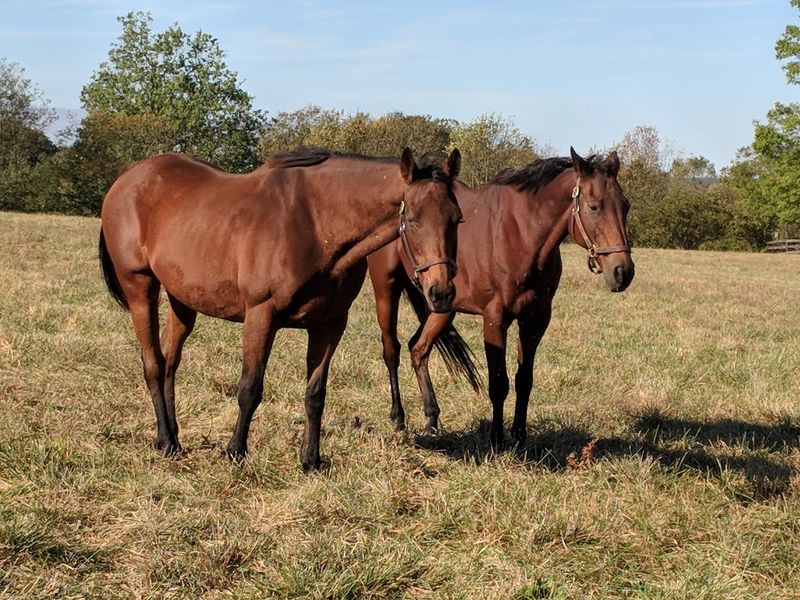
Meet The Ladies, a herd of elegant older mares who have earned their spa days. One tiny miniature horse keeps them company.
Our Mims Retirement Haven cares for retired Thoroughbred racehorses and broodmares. Many of these mares raised foals that went on to race.
The haven is located in Paris, Kentucky. The surrounding countryside suits a herd of graceful grandmothers.
Their motto says it best. The haven specializes in restoring health and spirit in aged mares.
Here is the comforting part. Once a mare arrives, she is guaranteed a home for the rest of her life.
No more moving around or wondering what comes next. She just gets good food, kind hands, and green grass.
Visits are strictly by appointment. Planning ahead lets the team prepare for you.
Tours come in two flavors. One teaches you about caring for older horses, and the other is a lively show and tell.
The show and tell shares each mare’s background. Some of their family trees read like racing history books.
Tours are free, which is a lovely surprise. Donations are greatly appreciated and help keep The Ladies comfortable.
Bring your manners, because these mares are true royalty. The miniature horse, however, might not stand on ceremony.
8. Reclaimed Ranch
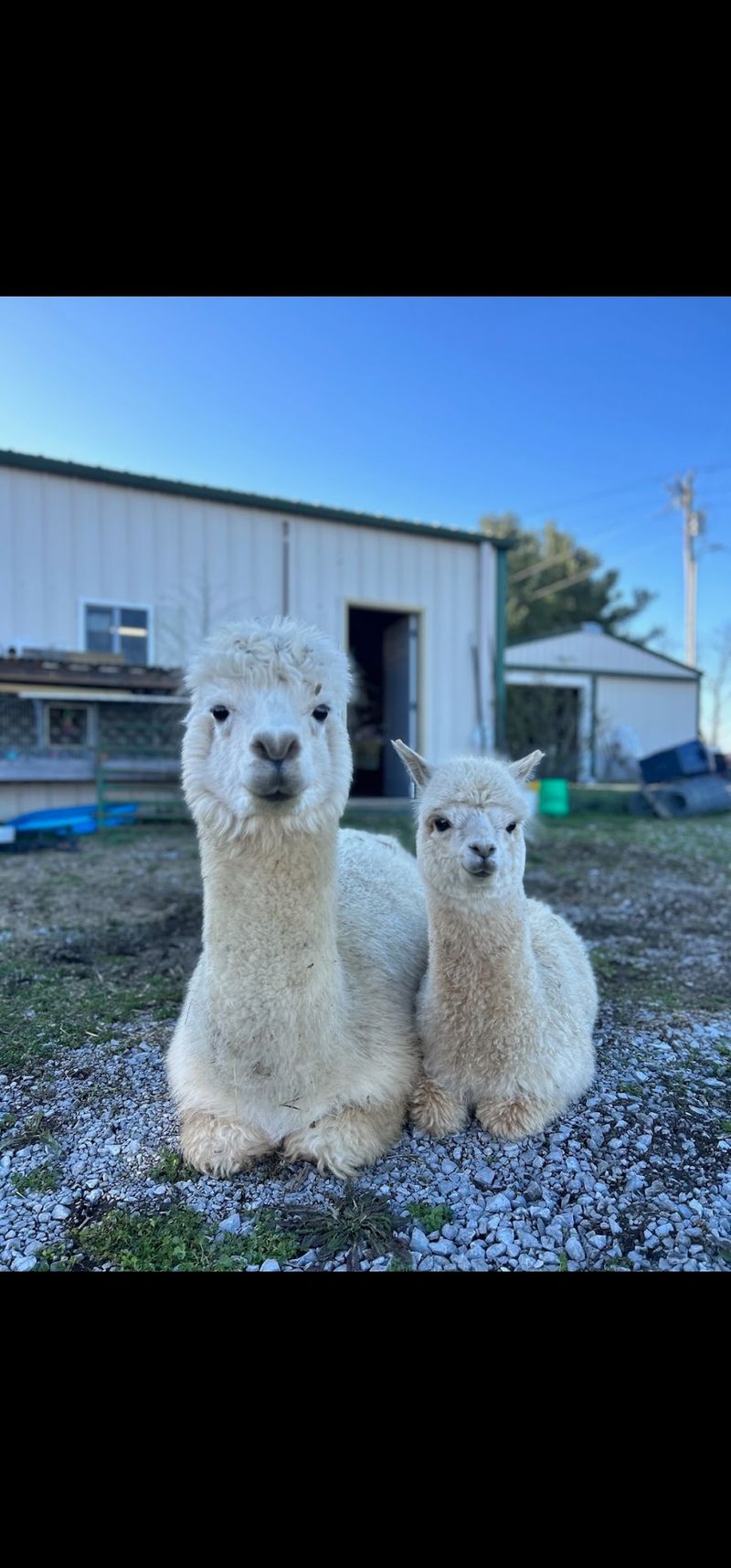
Ever had an alpaca look at you like you are holding the most important snack in the world?
That is the kind of welcome you might get at Reclaimed Ranch in Williamstown, Kentucky.
This animal rescue farm gives visitors a chance to meet some adorable residents while learning about the care that goes into keeping them happy and healthy.
Alpacas are a big part of the experience. During a scheduled tour, you can help feed them and discover just how curious these fluffy animals can be.
But they are not the only stars. Rabbits and chickens add plenty of personality, and visitors may even get a chance to hold a rabbit.
The ranch also has a working fiber mill, where natural fibers are processed into yarn and other products. It is a fascinating look at what happens after an animal gets its haircut.
Best of all, tours are free, although donations are appreciated and help support the animals and future rescue efforts.
You will find Reclaimed Ranch at 5953 Hogg Ridge Road in Williamstown. Visits must be arranged ahead of time, so call them before making the drive.
For families who love animals, this is a sweet little outing with a meaningful purpose.
9. Broadbent Wildlife Sanctuary
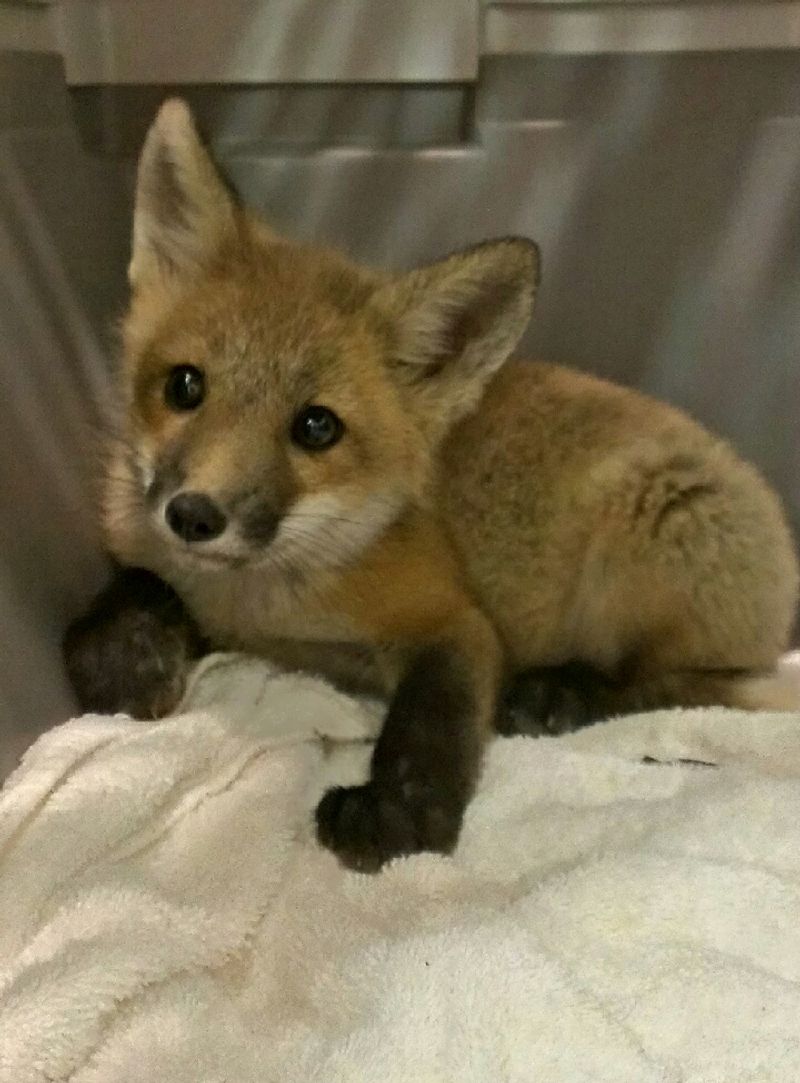
Picture a bald eagle soaring free after weeks of healing. That moment is what this sanctuary works toward every day.
Broadbent Wildlife Sanctuary rescues sick, injured, and orphaned native wildlife. The goal is always to return them to the wild.
You will find it at 100 Guston-Bewleyville Rd, Guston. The setting is quiet and rural, just right for recovering animals.
Patients include deer, foxes, raccoons, possums, ducks, and squirrels. Raptors like red-tailed hawks and bald eagles come through too.
Some birds of prey cannot go back outside. They stay on as educational ambassadors and help teach visitors.
Meeting one face to face is unforgettable. A hawk’s sharp stare can make anyone sit up straighter.
Education sits at the core of the work here. Staff explain why healthy ecosystems matter for every creature.
Programs are tailored for different ages. Kids and adults both walk away knowing more about local wildlife.
Guided tours are by appointment, usually between 11 a.m. and 2 p.m. Plan around that window when you call.
Keep an eye out for public events. Bald eagle releases draw crowds, and for good reason.
Watching a recovered bird take flight is pure joy. It is a fitting final stop on your Kentucky rescue road trip.