This Fabric Wonderland In Michigan Gives Crafters Bolts, Trims, And Endless Inspiration
Buttons can be dangerous when an entire wall of them starts giving you ideas.
This Michigan sewing shop has spent decades turning “I only need thread” into much bigger creative plans.
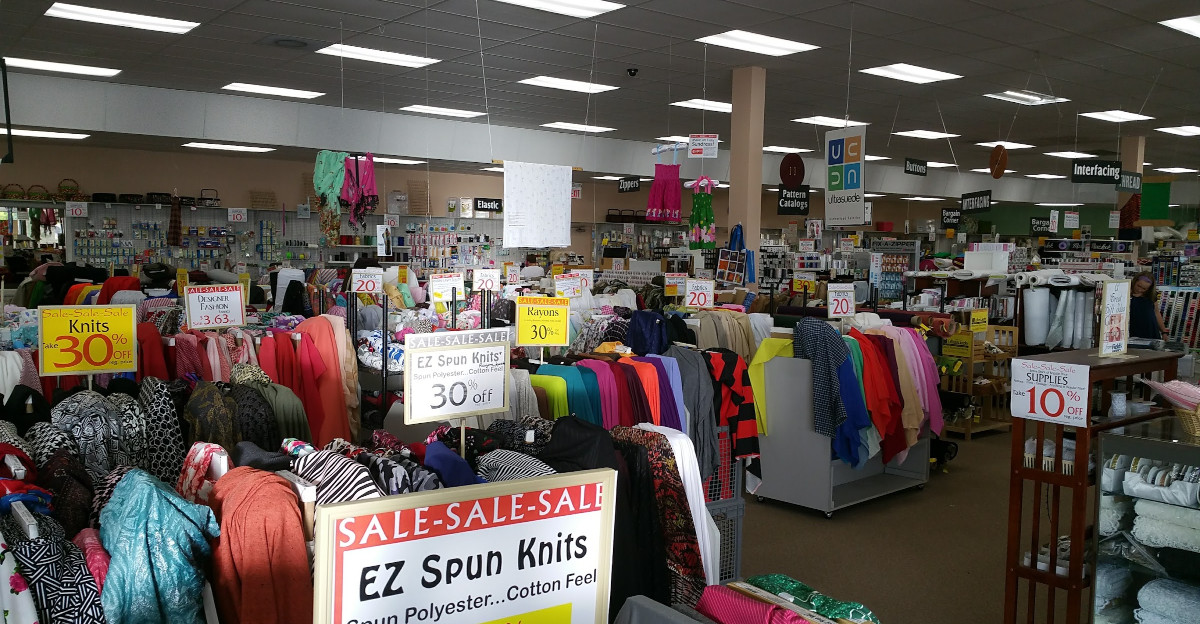
Quilters can lose time among cottons and batting, while costume makers and home sewers head straight for trims, fleece, and specialty fabrics.
The fun is in spotting something you did not know you needed.
There is history here too, but the real pull is what happens after you walk in.
One fabric sparks a project, one project sparks another, and suddenly your afternoon has a completely different agenda entirely.
A Family Story Since 1953
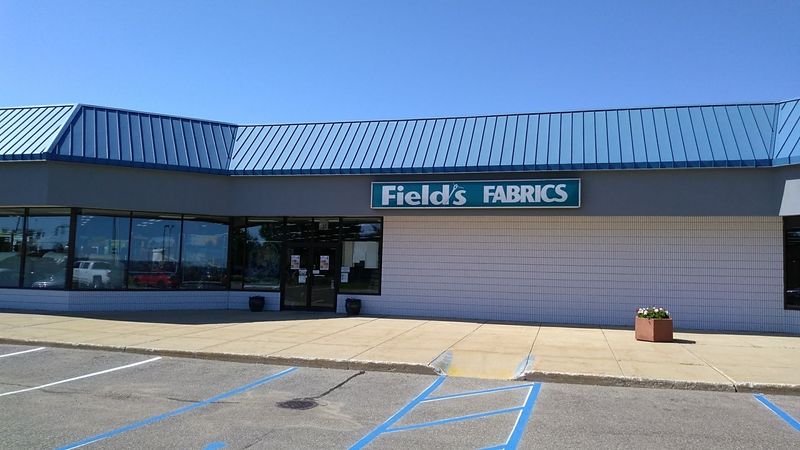
Every bolt here has a backstory, and the store itself has a good one too. Field’s Fabrics opened its doors in 1953 as a simple dry goods store. Back then, shoppers came in for all sorts of household basics.
Something interesting happened over time, though. Fabric sold especially well, and the business gradually shifted its focus toward textiles, notions, and sewing supplies.
That decision shaped the company for decades. It remains a third-generation family business with more than seventy years behind it.
The company now runs seven stores across West Michigan, each with a somewhat different mix of merchandise and displays.
The Portage-area shop stands out for its broad selection of quilting cottons, decor fabrics, fashion materials, fancy fabrics, and bridal choices.
The store’s long history also explains why its inventory reaches beyond one type of sewing. A quilter, garment maker, costume sewer, and home decorator can all come in with very different lists.
The family business remains rooted in the region while serving customers well beyond it through its online operation. The shop is at 5401 Portage Road in Portage, near the airport and I-94.
Quilting Cottons In Every Color
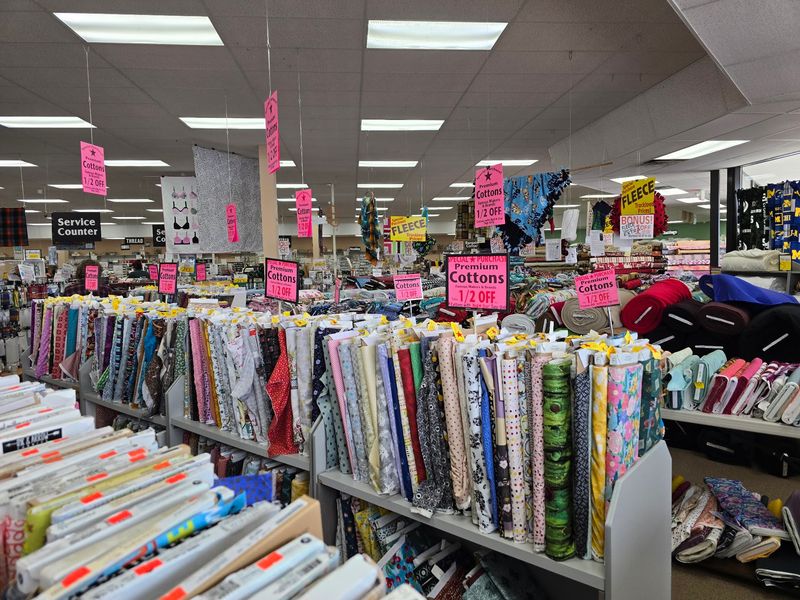
Quilters, prepare your patience, because choosing just one print is nearly impossible.
Cotton prints form one of the deepest parts of the selection.
Animal themes, batiks, florals, holiday prints, landscapes, novelty designs, historical reproductions, panels, sports fabrics, and wide quilt backings all appear within the broader cotton range.
Solid cottons and flannels expand the choices for borders, backing, piecing, and softer projects. Batiks add another layer, with mottled, hand-dyed, seasonal, and nature-inspired designs represented across the inventory.
Michigan-themed fabrics also appear, including designs tied to the state’s universities and the 2026 statewide shop hop.
That makes it easy to build a quilt, tote, pillow, or gift around a familiar regional motif without limiting the project to one color palette.
Precuts offer another route for anyone who wants coordinating pieces without starting from full bolts. Fat quarters, charm packs, layer cakes, jelly rolls, half-yard bundles, and other precut formats appear in the wider product mix.
A swatch or a photo of the project palette can make this section much easier to handle. Matching a remembered shade against rows of cotton is harder than it sounds.
Apparel Fabrics Beyond Quilting
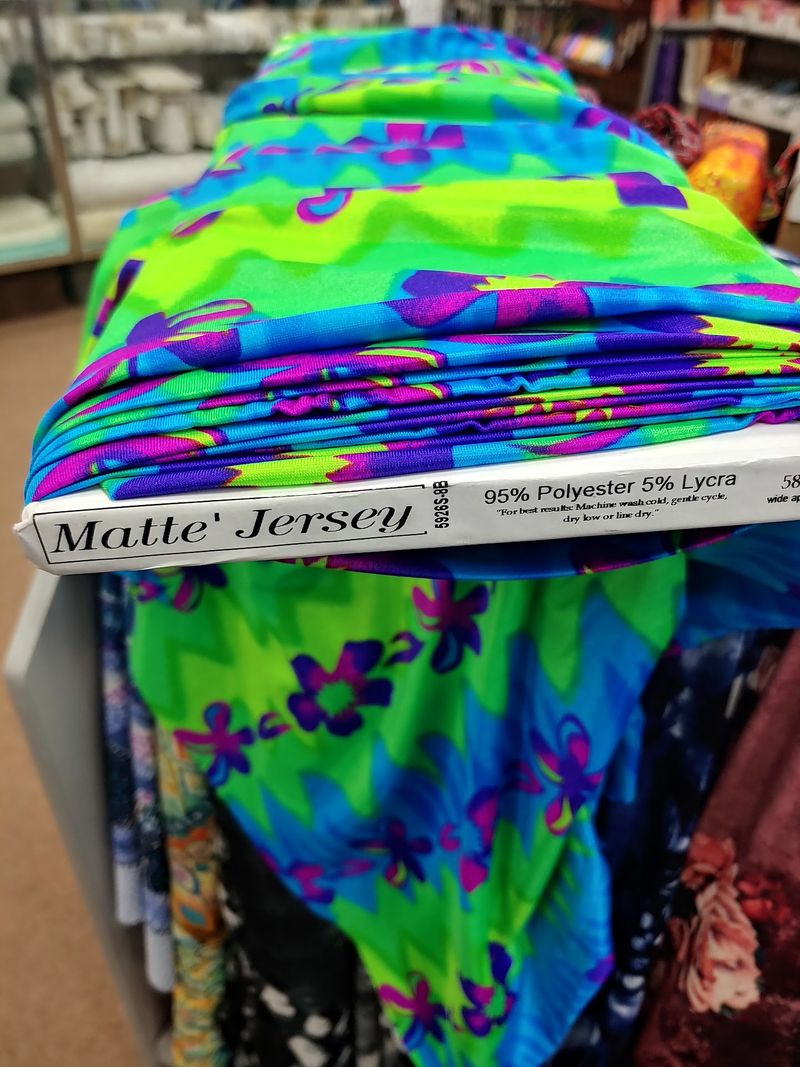
Not a quilter? No problem at all.
The Portage store also emphasizes fashion apparel, fancy, and bridal fabrics, and the broader inventory reaches well beyond basic cotton.
Knits, lace, linen and linen-look fabrics, silk, wool, satin, rayon, velvet, suiting, shirting, corduroy, crepe, and linings are all part of the apparel range.
That variety gives garment sewers room to match fabric to the structure of a project. A soft knit behaves very differently from a crisp shirting, while wool, velvet, satin, and lace each bring their own weight and finish.
Bridal and formal sewing gets its own share of options through lace, satin, sheer fabrics, taffeta, and other dressier materials.
Historical and costume projects can also draw from specialty fabrics and pattern lines that go beyond everyday clothing. Stretch fabrics cover another corner of the store’s wider assortment.
Jersey, ribbing, sweater knits, scuba knit, spandex blends, and other flexible materials can suit casual garments, active pieces, and fitted designs when the pattern calls for stretch.
Before cutting anything, check the fiber content, stretch, width, and care information for the specific fabric. Those details matter more than the color once the sewing starts.
Home Decor And Upholstery Treasures
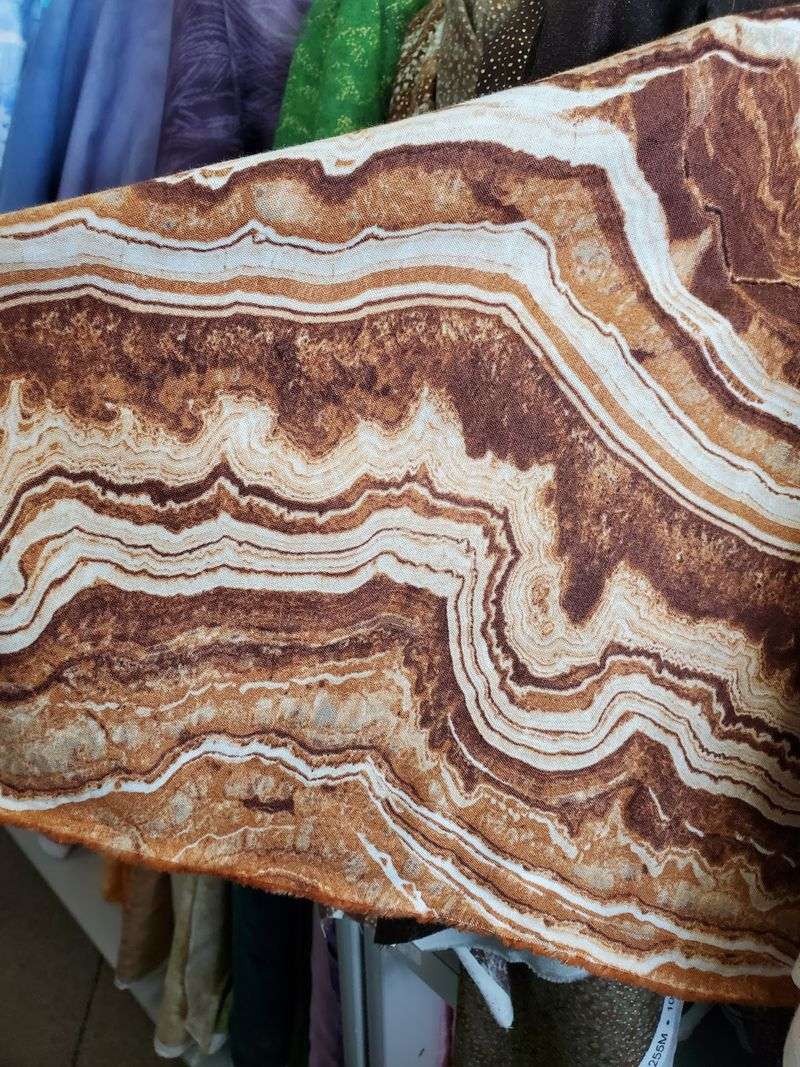
Home projects get plenty of room in the mix too.
Decorator fabrics, upholstery choices, utility cloth, indoor-outdoor materials, tapestry-style fabrics, and stabilizers open the door to curtains, cushions, table coverings, bags, furniture projects, and other practical sewing.
Upholstery fabric generally carries more weight and structure than quilting cotton, which makes it better suited to projects that need to handle regular use.
The store’s selection includes decorator-weight materials as well as fabrics intended for furniture and interior applications.
Utility fabrics add another layer. Linings, dust-cover cloth, interfacing, stabilizers, canvas, and related materials can solve the less glamorous parts of a project that still determine how well the finished piece holds its shape.
Patterns range from bold prints to quieter textures and solids, so a room does not have to be redesigned around one dramatic bolt. Sometimes the useful fabric is the one that disappears neatly into the finished project.
Measurements matter here more than inspiration. Taking accurate furniture, cushion, or window dimensions before shopping makes it much easier to estimate yardage and avoid an extra trip.
Notions, Patterns, And Sewing Supplies
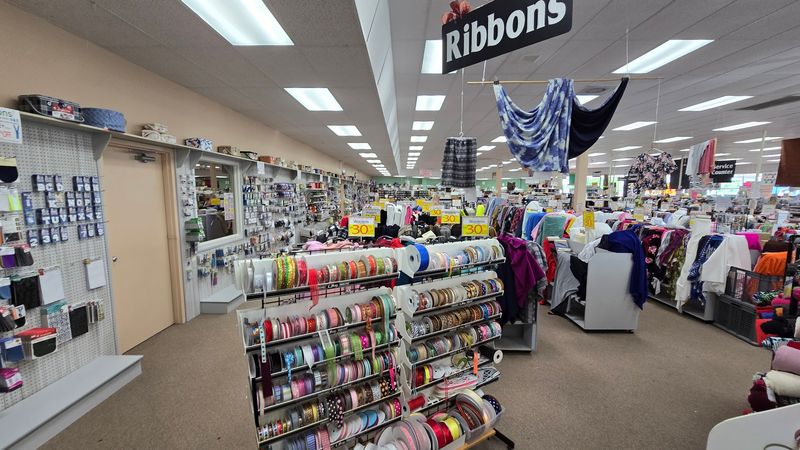
Small details can make or break a project.
The wider Field’s Fabrics inventory includes zippers, trims, ribbons, buttons, patterns, scissors, cutters, sewing notions, books, kits, and machine accessories.
That makes it possible to build much of a supply list around the fabric instead of treating notions as a separate errand.
Patterns cover clothing, costumes, vintage styles, bags, and specialty projects. Some pattern lines lean modern, while others focus on historical or traditional garments.
Trims and ribbons range from practical finishing pieces to decorative accents. Zippers come in multiple styles and lengths, and bulk buttons are part of the product mix as well.
Machine sales are available through the company, while the Portage shop’s main emphasis is fabric, notions, and sewing supplies.
Bringing the project fabric along helps when matching thread, trim, or closures. Pattern instructions are useful here too because they spell out the exact zipper length, button count, interfacing, and other supplies needed before sewing begins.
Specialty Finds Worth Hunting
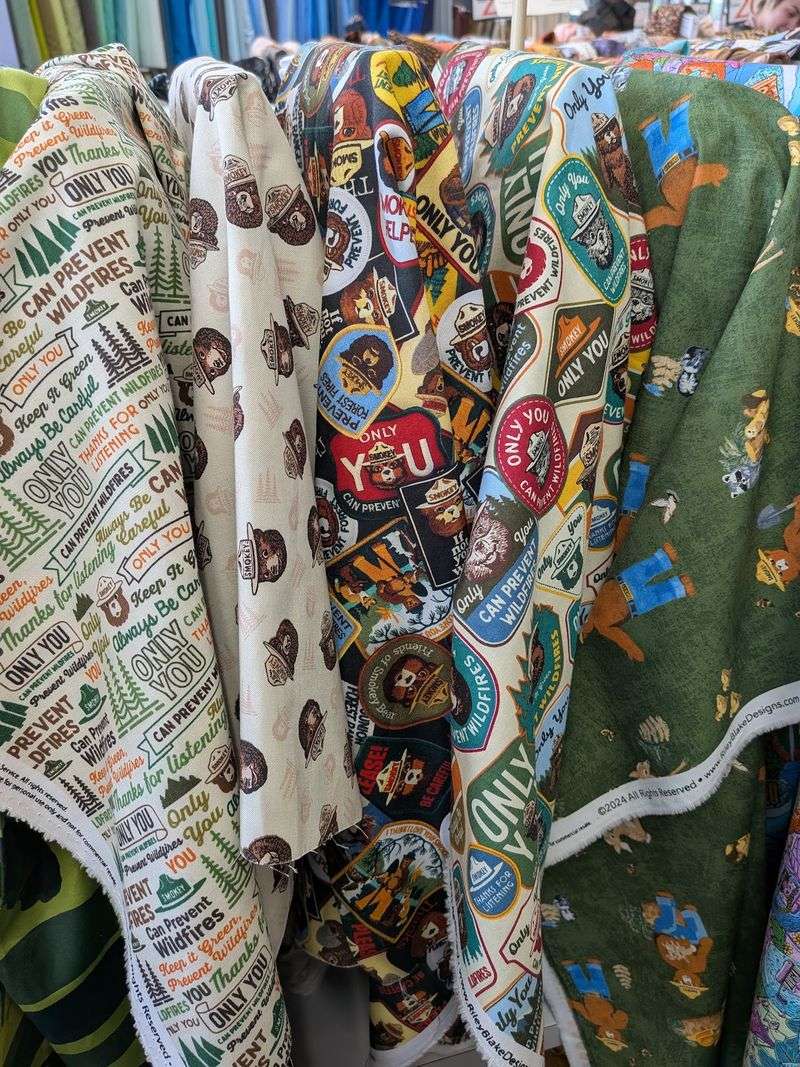
Some of the most interesting materials sit outside the standard cotton-and-linen routine.
Ultrasuede is one of the company’s longstanding specialty categories, with more than 100 colors represented across the broader selection.
The range includes yardage, samples, end-of-bolt pieces, and occasional precut or remnant formats, so smaller projects do not always require committing to a large piece.
Fleece is another major category. Solid colors, animal prints, college designs, sports themes, holiday prints, kids’ patterns, panels, and other varieties appear across the assortment.
That makes fleece useful for blankets, scarves, hats, jackets, pillows, totes, and other projects that benefit from a soft, warm fabric. End-use guidance still matters because fabrics are not interchangeable.
Clearance fabrics, remnants, and end-of-bolt pieces can also turn up useful surprises. Availability changes frequently, which is part of the appeal for anyone willing to build a project around what is actually on hand.
New fabrics and supplies are added regularly both in stores and online. A specialty material seen on one visit may not be there indefinitely.
A Creative Hub For Locals
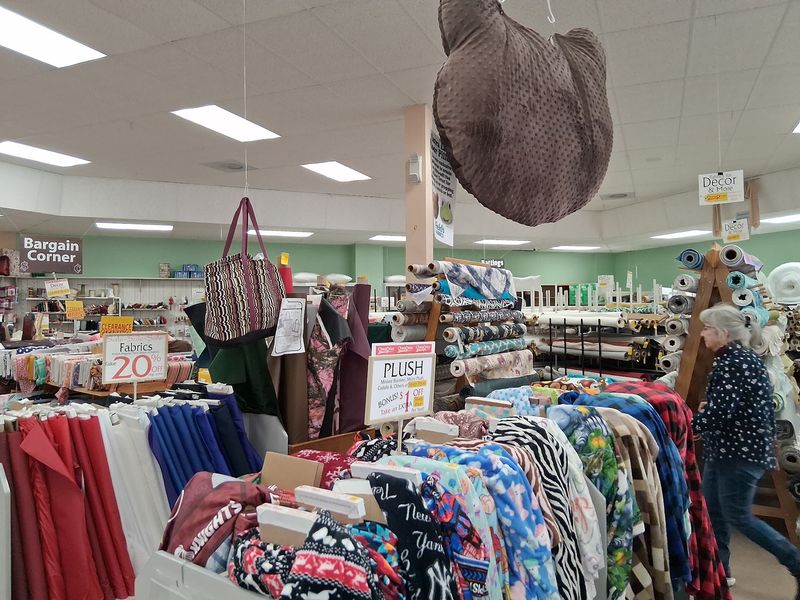
The store does more than line up bolts by color.
The Portage location is known for idea displays throughout the shop, giving shoppers examples of how different fabrics can work once they leave the bolt.
That kind of visual cue can be especially useful when a print looks interesting but the project is still undecided.
The company also participates in the All Michigan Shop Hop, with all seven retail stores taking part in the 2026 event. For quilters, that connects a single fabric stop to a much larger summer route across the state.
Classes are concentrated at selected branches elsewhere in the company, while the Portage shop focuses on fabric, displays, and sewing supplies.
Staff can help with sewing-related questions, and the retail stores carry many items beyond the online selection. Another branch may have a fabric that is unavailable locally.
Each branch carries a somewhat different mix of cottons, apparel fabrics, decor materials, and clearance pieces.
Smart Tips Before You Go
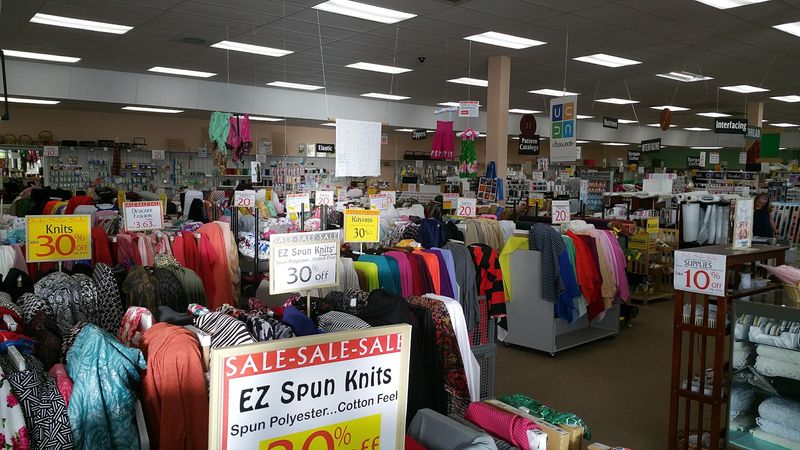
A little planning turns a good fabric trip into a better one.
The Portage store is open six days a week and closed on Sunday, with later evening hours on Monday and Thursday. Hours can change around holidays, so checking the day’s schedule before leaving is sensible.
A project list helps, especially in a store with several fabric categories competing for attention. Measurements, swatches, pattern requirements, and notes about fabric width can keep a quick supply run from becoming guesswork.
Large cuts add weight quickly, so a cart can be useful once several bolts are in play. Idea displays throughout the store also make it easier to pause, compare materials, and rethink a project before the fabric reaches the cutting counter.
In-store specials and clearance selections change over time. The useful approach is to treat them as a bonus rather than assume a particular fabric will still be available later.
The Portage shop’s mix of quilting cottons, apparel fabrics, bridal materials, decor cloth, notions, and creative displays explains why one short errand can expand quickly.