Lewis And Clark Fans In Nebraska Should See The Full-Size Keelboat Replica At This River Museum
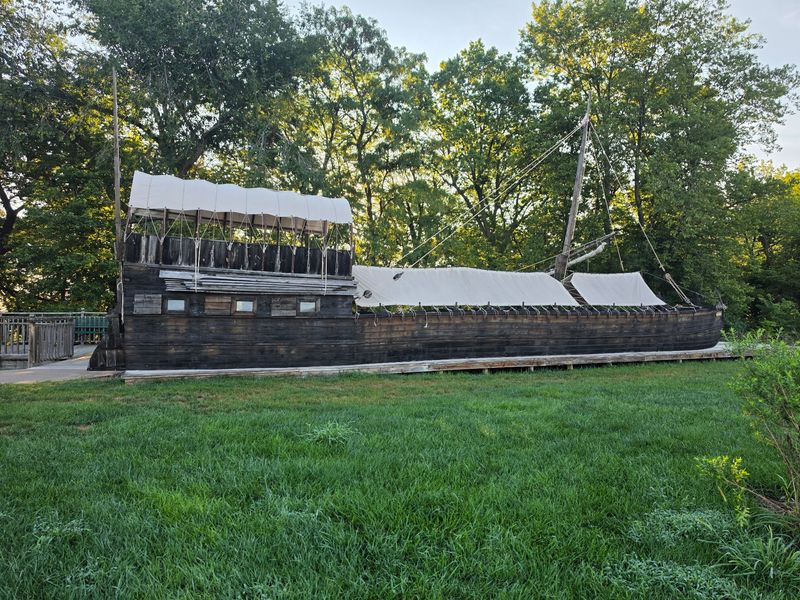
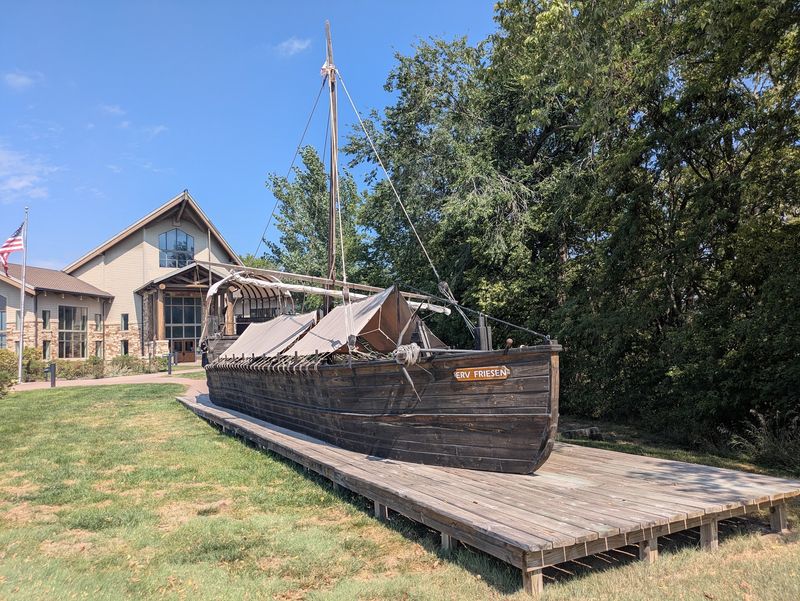
A 55-foot wooden keelboat sits on a Nebraska bluff, and you’re allowed to climb right aboard it. Better yet, it started life as a movie prop for an IMAX film before landing here for good.
That boat is a full-size replica of the vessel Lewis and Clark pushed up the Missouri River. You can stand on its deck and peek toward the cabin where the captains slept and kept their journals.
I like how that turns a dusty textbook chapter into something you can actually touch.
Inside the nearby building, three floors hold a growling grizzly, a buffalo, and a rowing exhibit that tests your arms. Out back, wooded trails lead to river views and a replica earth lodge.
I can’t imagine a better afternoon for a history buff. So why have so many Nebraskans never heard of it?
A Bluff-Top Museum Built Around One Famous Expedition
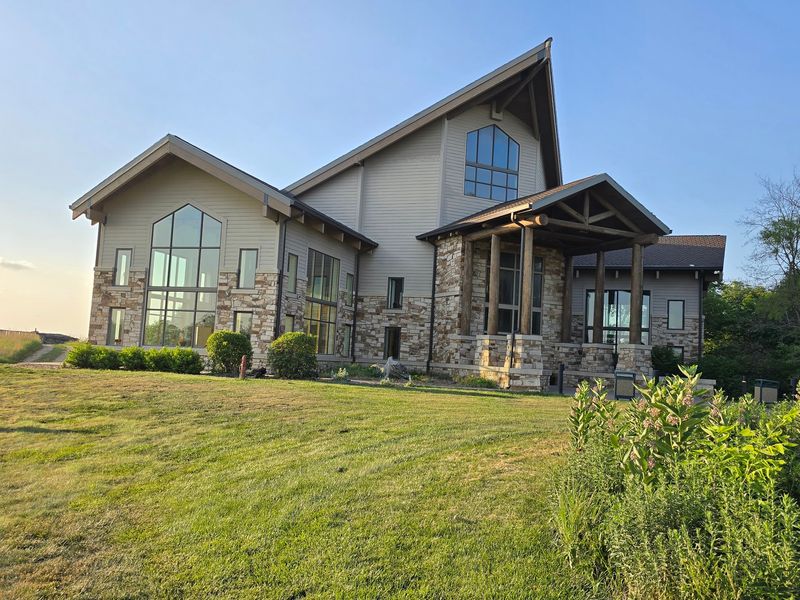
High above the Missouri River, the Missouri River Basin Lewis and Clark Interpretive Center tells one story and tells it well. Its full name is a mouthful, so most folks simply call it the Lewis and Clark Visitor Center.
The building sits on a 79-acre wooded bluff in Nebraska City. From up there, the river spreads out below much like it did for the explorers two centuries ago.
Everything here circles back to the Corps of Discovery and its journey between 1803 and 1806. The focus leans heavily on science, especially the plants and animals the expedition recorded along the way.
That angle makes the place feel different from a standard history stop. You get boats, bears, birds, fish, and a fair amount of frontier medicine, all tied to real expedition records.
It also pulls double duty as a nature spot. Trails wind through the woods and along limestone bluffs, so the outdoors gets equal billing with the exhibits.
For Nebraska families, it’s an easy way to connect a famous national story to home ground. The expedition actually camped nearby in July 1804, which makes the location feel earned rather than borrowed.
Fifty-Five Feet Of Keelboat You Can Actually Board
Most museums keep their big treasures behind velvet ropes. Here, the star attraction practically invites you to stomp across its deck.
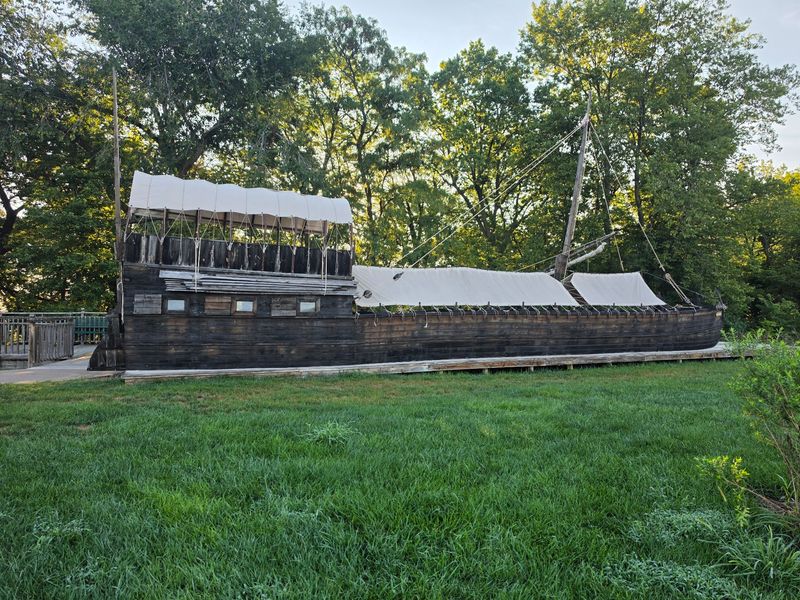
The keelboat replica measures 55 feet long and 8 feet wide, matching the scale of the boat Lewis and Clark hauled up the Missouri. Seeing it in person changes how you picture the trip, because suddenly the crew’s cramped quarters make sense.
Climb aboard and you can glimpse the cabin where the two captains slept. That same small space is where they reportedly kept up their famous journals, page after page.
Kids tend to treat the boat like a giant wooden playground, and honestly, who could blame them? Adults get the quieter thrill of standing where history’s most famous road trip took shape.
The boat sits outside, right near the building, so it’s often the first thing you’ll spot. It also makes the best photo backdrop on the property by a wide margin.
Spend a minute thinking about pushing this thing upstream against the current. Your weekend errands will suddenly feel very manageable.
From Hollywood Prop To Nebraska Landmark
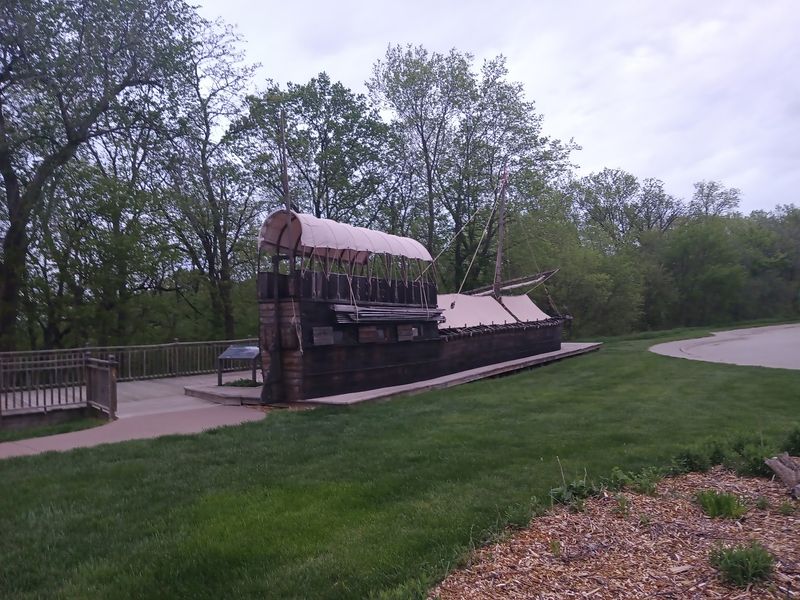
Plenty of boats have a backstory, but few can claim a film credit. The keelboat at the Lewis and Clark Visitor Center started out as a movie prop.
It was originally built for the IMAX film “The Great Journey West.” Once filming wrapped, the boat was donated to the center, where it found a permanent home on the bluff.
That origin is a fun twist for anyone who loves trivia. It means the replica was crafted to look convincing on a massive screen, which helps explain its striking level of detail.
Now it serves a far more hands-on purpose. Instead of being admired from theater seats, it gets climbed, explored, and photographed by visitors of every age.
There’s something very Nebraska about a former movie star settling down for a quieter life near the river. It traded the big screen for school groups and family road trips, and it seems to suit the role.
Next time someone asks if you’ve seen any famous props, you’ll have a solid answer. Just mention you’ve stood on one.
Grab An Oar And Feel The Upstream Struggle
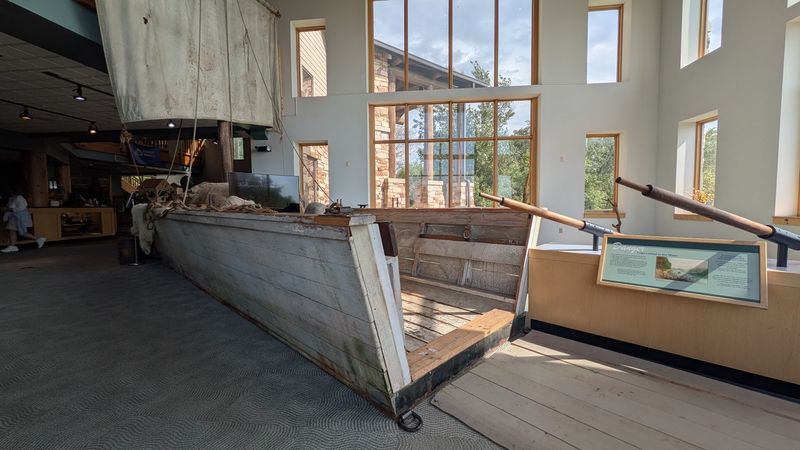
Rowing a loaded wooden boat against the Missouri sounds exhausting, and one exhibit lets you test that theory. Inside the building sits a 32-foot cutaway model of the white pirogue, complete with oars.
The pirogue was one of the smaller boats that traveled alongside the keelboat. Its cutaway design shows how the crew packed supplies and where they sat to pull.
Grab an oar and give it a go. The point is to feel how much muscle it took to move a heavily laden boat upstream, day after long day.
Children especially love this one, since pretending to row is far more fun than reading a sign. It sits on the entry level, right near the gift shop, so it’s easy to find.
A second boat waits on the lower level too, so the water theme carries through the whole building. Between the two, you’ll start to understand why the expedition took so long.
Fair warning, though. After a few strokes, you may develop a sudden and deep respect for the Corps of Discovery’s shoulders.
Three Floors Packed With 300 Scientific Discoveries
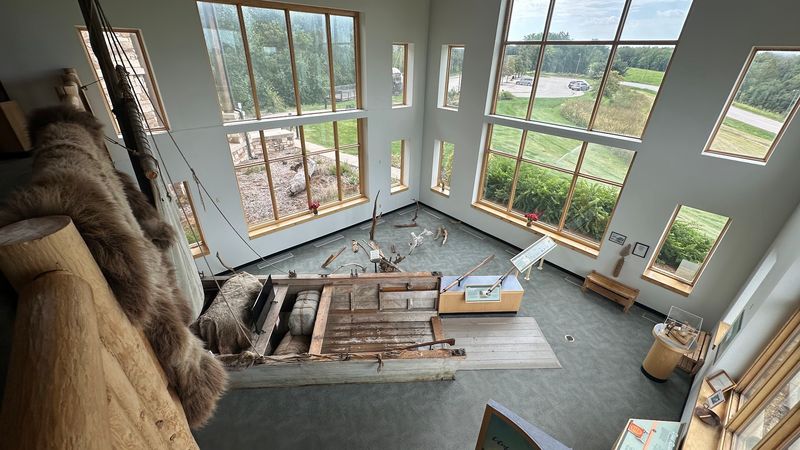
Lewis and Clark get remembered as explorers, yet they were also busy scientists. The center leans into that side of the story across three floors of exhibits.
The expedition documented more than 300 new discoveries in plants and animals. That count includes 178 plants and 122 animals first recorded for science during the journey.
Those numbers are impressive on paper, but the displays make them feel real. Interactive stations and hands-on pieces turn long lists of species into something you can poke, touch, and explore.
One standout is a hands-on cinnamon bear hide. Another is a storyboard across from the theater entrance that includes braille, a thoughtful touch for visitors with low vision.
Kids sometimes get a card to punch as they move from exhibit to exhibit. It’s a clever little scavenger hunt that keeps younger visitors moving and curious.
You’ll also spot views of the river from most levels of the building. It’s a nice reminder that the science on the walls came straight from the landscape outside the windows.
Birdsong On A Touch Screen And A Fish Exhibit With A Story
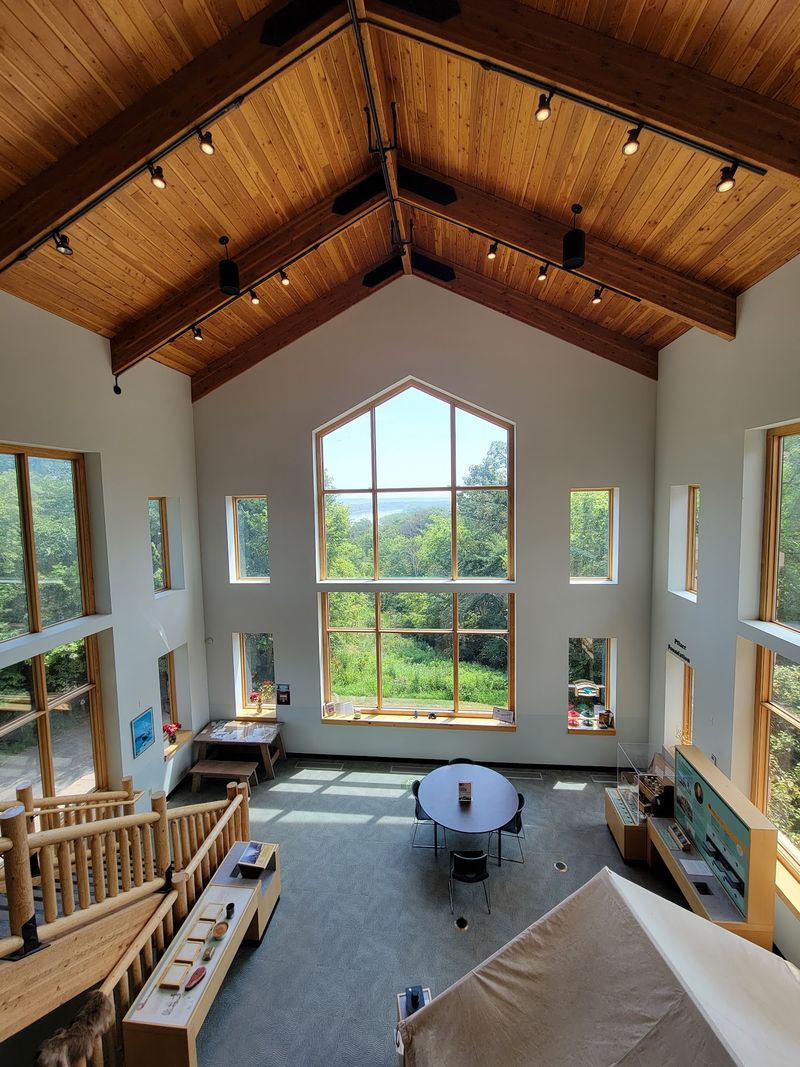
Ever wonder what the Missouri River valley sounded like in 1804? A touch-screen exhibit at the center lets you explore the sights, sounds, and migration patterns of birds the explorers noted.
Tap through and you’ll hear species the Corps encountered during its 30-month journey. It’s a surprisingly peaceful corner, especially if you’re a backyard birder.
Over on the fish side, the center tackles the species found along a river voyage of nearly 4,000 miles. Water was the expedition’s highway, so fish played a big part in daily life.
The display also highlights traditional fishing methods used by Native American tribes along the route. Even better, it was designed by Native American high school students from Idaho and Montana.
That detail gives the exhibit real heart. Young people sharing their own heritage makes the history feel personal rather than dry.
The fish exhibits live on the top level of the building. Pair them with the bird station and you’ve got a quick lesson in how rich the river valley was.
Keep An Eye On The Grizzly Behind The Trees
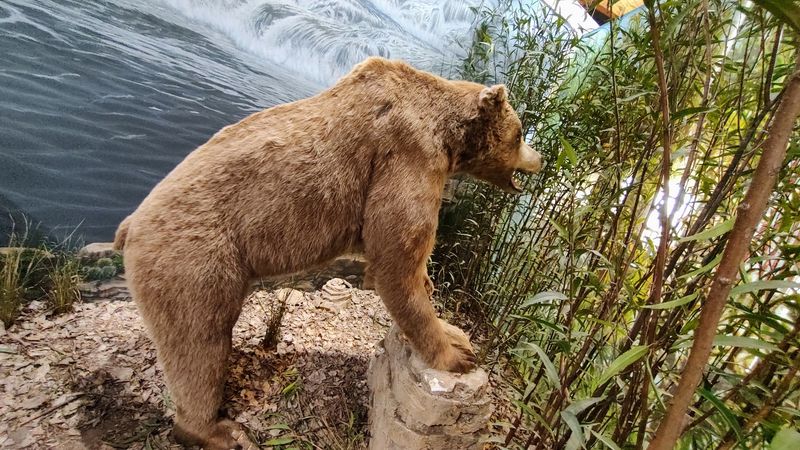
One resident of the Great Hall has a habit of growling at guests. A grizzly bear lurks behind some trees in this loft-level exhibit, ready to startle anyone who wanders too close.
Lewis himself had memorable run-ins with grizzlies, so the surprise feels fitting. Consider it a tiny taste of frontier nerves without any real danger.
The rest of the hall shows large animals posed in action. They’re arranged the way the Corps of Discovery might have seen them on the plains and bluffs along the river.
You’ll find a full-sized buffalo, a black bear with her cub, a bobcat, and a wolf. A bull elk, a Rocky Mountain goat, a mule deer, and a beaver round out the crowd.
Little ones often call this their favorite part, and the reasons are obvious. Big animals up close beat almost any screen.
It’s also a striking reminder of how wild Nebraska and its neighbors once were. Standing beside that buffalo, the old stories of huge herds suddenly feel believable.
An Earth Lodge That Rewrites What You Know About Home
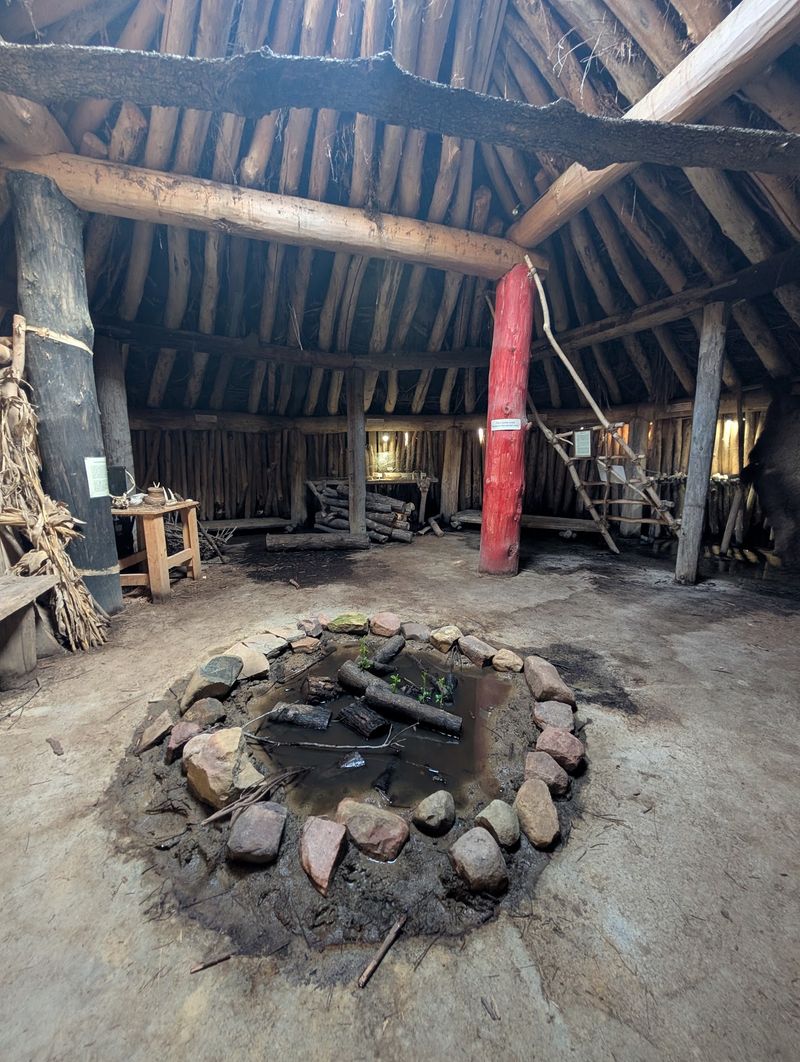
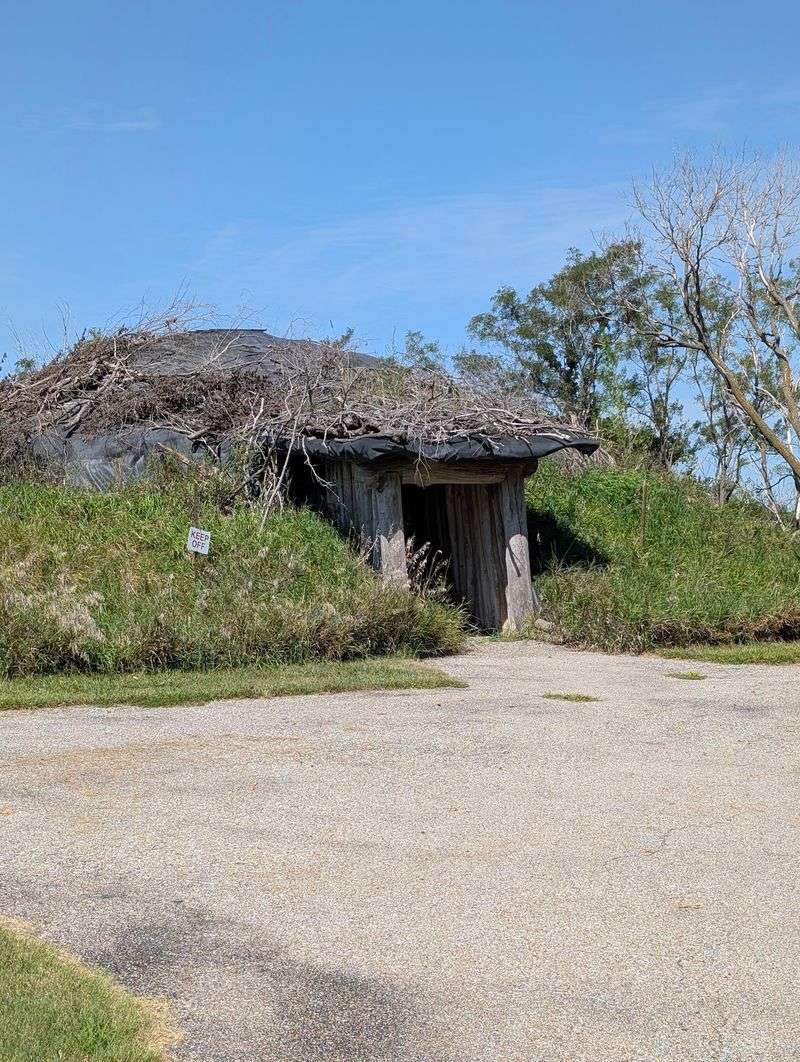
Long before central air, Plains families had a clever way to stay comfortable. A full-sized replica of a Plains Indian earth lodge shows exactly how they did it.
These homes were built to stay cool in summer and warm in winter. Thick earthen walls did the heavy lifting, with no thermostat in sight.
Step inside and you can picture several generations living together. Extended families, sometimes three or four generations, shared these roomy, round structures.
A paved trail leads from the main building to the lodge, which keeps the walk easy. That makes it a manageable stop for strollers, grandparents, and anyone not in the mood for a hike.
Plan around the seasons, though. The lodge is open in the warmer months, and access can be limited in the off-season when no one is available to supervise.
The setting carries extra weight too. The Lewis and Clark Expedition camped nearby on July 18 and 19, 1804, so the lodge connects the journey to the people who called this land home.
A Frontier Fort Rising Out Back
Construction crews and history buffs don’t usually share a job site. At this center, they’ve teamed up on a full-scale replica of Camp River Dubois, also called Wood River Camp.
Work began in the fall of 2023. The project draws partly on research used to recreate the original fort in Illinois, where the expedition spent its first winter.
The replica covers about 5,000 square feet. It joins replicas of all three forts Lewis and Clark built, giving the grounds a full picture of their camps.
Wooden structures along the walking paths add to the frontier feel. Wander out back and the whole place starts to resemble an outdoor classroom.
The camp is designed to host living history programs throughout the year. Reenactors sometimes teach skills like tomahawk throwing or carpentry, and visitors may even pose dressed as soldiers of the era.
For families in Nebraska, these programs are a big draw. Watching someone split wood the old-fashioned way sticks in a kid’s memory far longer than a worksheet.
Start With The Film, Then Peek Into The Medicine Chest
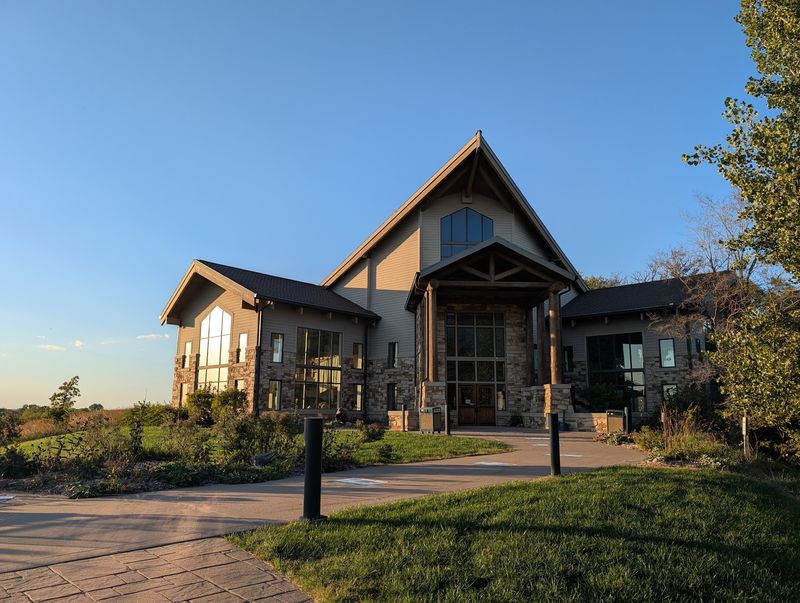
Smart visitors begin in the theater. The center screens a 32-minute film about the Lewis and Clark journey, and it sets the stage nicely for everything else.
The movie was made with help from nationally known PBS documentary filmmaker Ken Burns. It aims to capture the sights and sounds of traveling with the explorers over 200 years ago.
Watching it first gives the exhibits context. Suddenly the boats, animals, and maps feel like pieces of one big story instead of random displays.
After the credits roll, swing by one of the more eye-opening displays. A replica of Meriwether Lewis’ medicine chest and first aid kit shows what the expedition carried for health care.
Those supplies came from the nation’s leading physicians in 1802. Comparing them with modern medicine is fascinating, and maybe a little humbling.
Together, the film and the chest make a great pairing. One shows the grand adventure, while the other shows how fragile life on the trail could be, and how much preparation it took.
Wooded Trails With A Front-Row View Of The Missouri
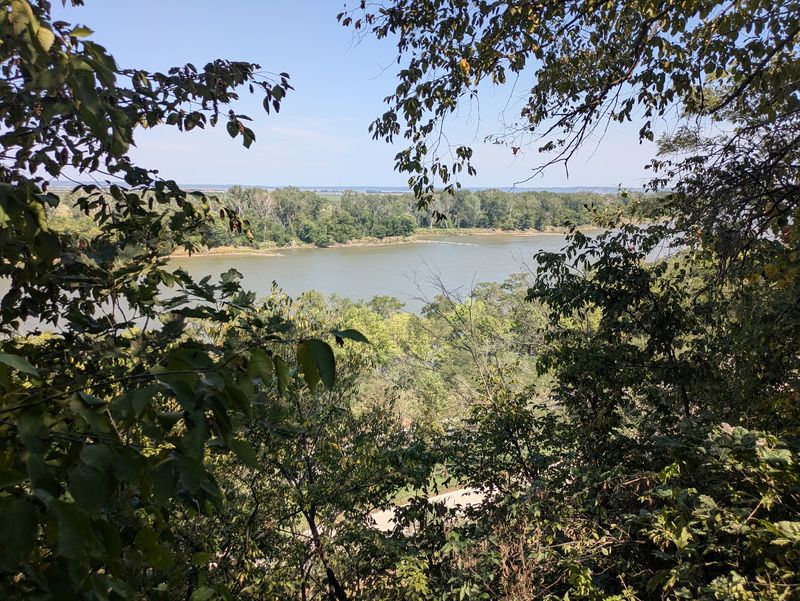
Nature lovers get their own reward here, no ticket line required for the scenery. The grounds include 2.5 miles of scenic and birding trails.
Paths wind through the woods or along limestone bluffs above the river. One trail leads down to a Missouri River overlook, and it’s a lovely spot to pause.
Depending on the time of day and season, deer, turkeys, or raccoons may cross your route. Birders will want to keep binoculars close, since the trails were built with them in mind.
A few stretches are briefly steep, and a walking stick can help. The trails are shorter loops, so anyone wanting a longer hike may need to circle around more than once.
Good news for dog owners, too. Leashed pets are welcome on the outdoor trails, so the family pup doesn’t have to wait in the car.
Well-kept grounds and outdoor seating make a picnic easy. Pack lunch, find a bench, and enjoy a river view that hasn’t changed all that much since 1804.
Plan Your Trip And Save Room For The Gift Shop
Getting there couldn’t be much simpler. The Lewis and Clark Visitor Center sits at 100 Valmont Drive, Nebraska City, NE 68410, with quick access from I-29 and Highway 2.
Parking is plentiful, and the restrooms are clean and indoors. Hours shift with the seasons, and winter brings some weekday closures, so check ahead before heading out.
The museum charges admission, with discounts for military veterans, senior citizens, and tour groups. The gift shop and restrooms are always free, which helps on a quick road-trip stop.
Speaking of that shop, look for the writing boxes and telescopes. It’s a fun place to grab a souvenir for the history fan in your family.
Plan on roughly two to three hours if you want the film, exhibits, and trails. Families who picnic and hike everything can easily stretch it into a full day.
For anyone who has ever loved the Lewis and Clark story, this spot earns a place on the Nebraska bucket list. Climb that keelboat, row the pirogue, and let the river view do the rest.