Rockhounds Hunt Blue Agate And Petrified Wood Along This Idaho Reservoir Shoreline When Water Drops In Fall
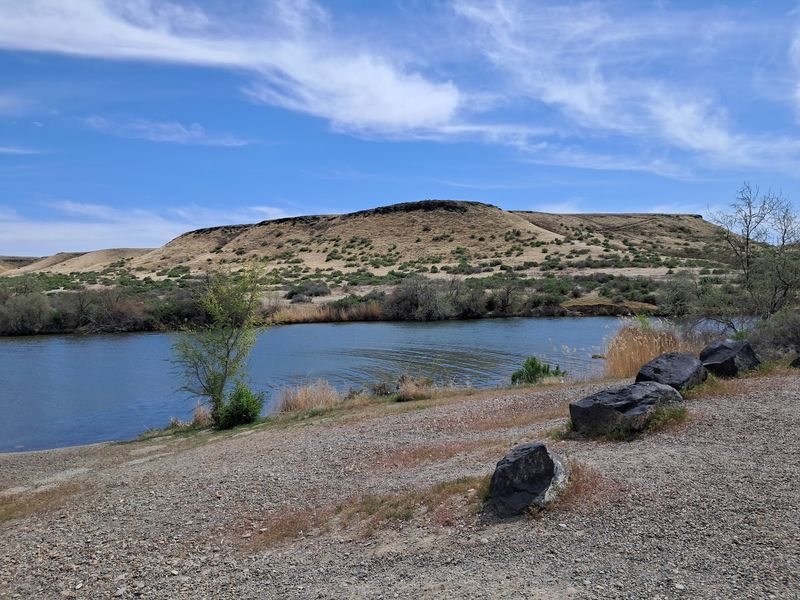
Two rivers, the Snake and the Bruneau, pour into one long desert lake in southwest Idaho. Owyhee County surrounds much of it, and rock collectors know that county for plume agate, petrified wood, and light blue agate.
That combination puts rockhounds on alert every fall. When water levels shift and gravel bars bake in the sun, people start walking slowly with their eyes on the ground.
I like how this outing asks for nothing fancy beyond a hand lens, sturdy shoes, water, and patience. Crappie anglers and campers share the same banks, so nobody blinks at someone staring hard at pebbles.
I can’t imagine a more affordable way to spend an autumn afternoon about an hour from Boise. So where should you look, and what are you actually allowed to carry home?
Where The Snake And Bruneau Rivers Share One Desert Lake
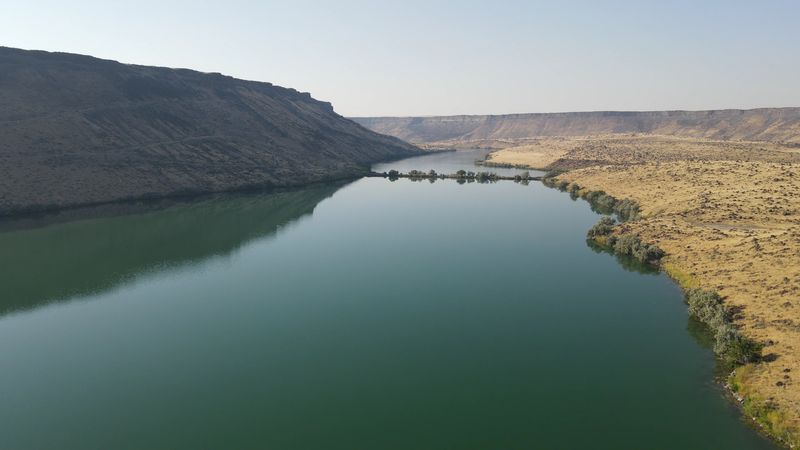
C J Strike Reservoir stretches across the high desert of southwest Idaho, where the Snake and Bruneau Rivers meet. The result is a long, branching lake framed by canyon walls, sagebrush flats, and a whole lot of open sky.
Look at a map and you’ll see the reservoir sitting near the small community of Grand View. Boise is roughly an hour away, which makes it an easy day trip for Treasure Valley folks with a free Saturday.
The reservoir is Idaho Power property, and the company runs campgrounds and day-use spots along its shores. Those developed areas pull in anglers, boaters, swimmers, and families looking for a cheap weekend outside.
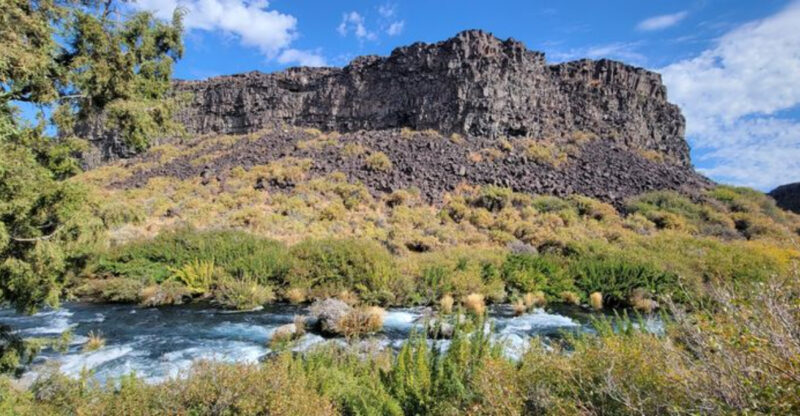
Rockhounds come for a different reason entirely. The surrounding Owyhee County landscape is volcanic, rugged, and famous among collectors for agate and petrified wood.
That geology doesn’t stop politely at the county line or the waterline. Gravel, washes, and eroded slopes around the region keep shuffling stones toward the surface year after year.
So you get a fishing lake on one side and serious rock country on the other. Not a bad pairing for anyone who likes a little treasure with their scenery.
A Dam Named For An Idaho Power Leader
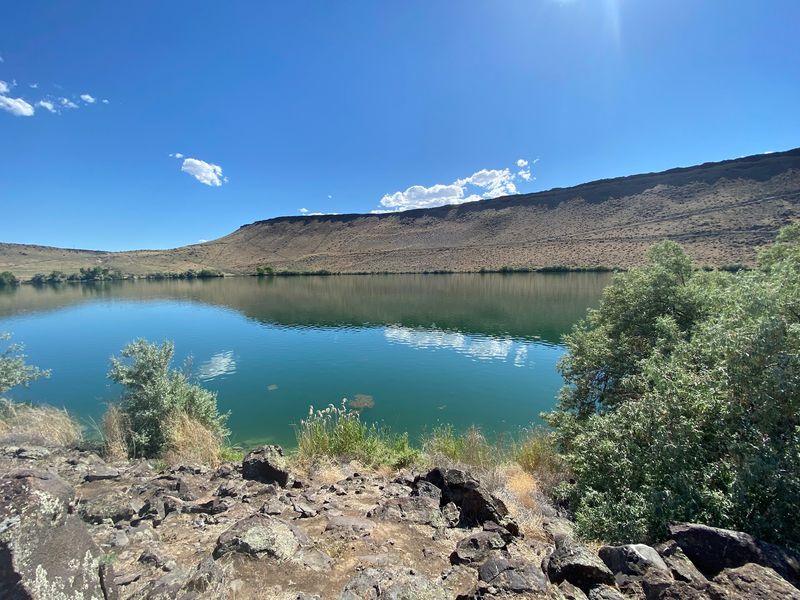
Every reservoir has a backstory, and this one starts with a hydroelectric dam on the Snake River. Idaho Power built C J Strike Dam in the early 1950s, and the lake filled in behind it.
The name honors Clifford J. Strike, a former Idaho Power president.
It’s a mouthful, so most people simply call the place C J Strike and move on to the fishing talk.
Damming the river changed this stretch of desert in a big way. Canyon floors became lakebed, and new shorelines appeared where dry ground once sat.
Those shorelines are what make the area interesting for rock lovers. Water rising and falling against gravel banks tends to sort, wash, and reveal stones over time.
Idaho Power still manages the reservoir and its recreation sites today. Campgrounds, ramps, and day-use areas all trace back to that relationship between power generation and public recreation.
I like that an engineering project ended up as one of the region’s favorite weekend escapes. A dam built for electricity now powers plenty of camping trips, crappie dinners, and slow walks along the gravel.
Why Falling Water Makes Rockhounds Restless
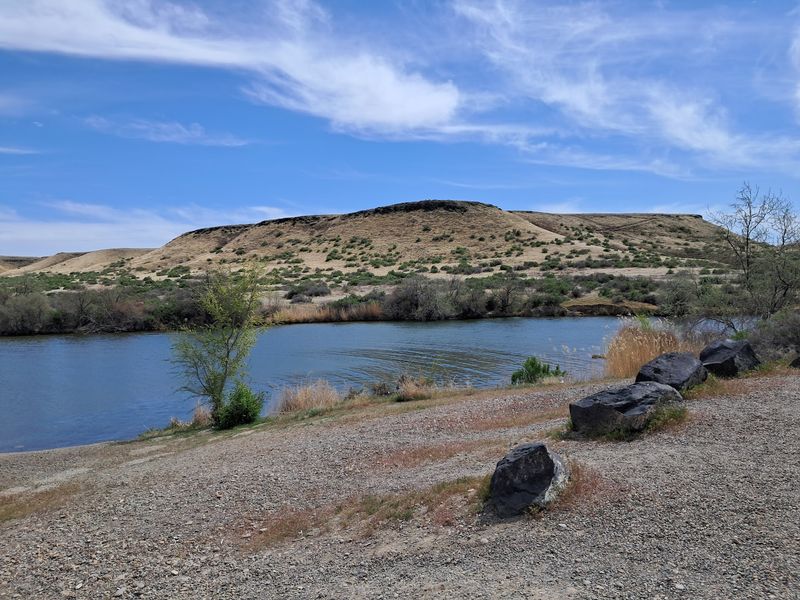
Moving water is the best free excavator in the desert. Seasonal flows chew at creek beds, gulches, and dry washes, exposing fresh material that sat hidden all summer.
That’s why late summer and fall get rockhounds so worked up in Owyhee County. As water recedes, more ground opens up, and the odds of spotting something shiny improve.
Around C J Strike Reservoir, cooler fall days also make long searches far more pleasant. Summer heat in this part of Idaho can turn a gravel walk into a sweaty slog.
Timing still matters, though, because levels and access shift from year to year. Check conditions before driving out instead of assuming the same bars will be dry each season.
Washes and gullies after rain are worth a careful look too. Erosion keeps nudging stones downhill, so a spot that looked picked over last year may surprise you.
Patience beats speed every time on this kind of ground. Walk slowly, keep the sun at your back, and watch for glassy edges or waxy shine poking out of the dull gravel.
The Agate Colors Worth Bending Over For
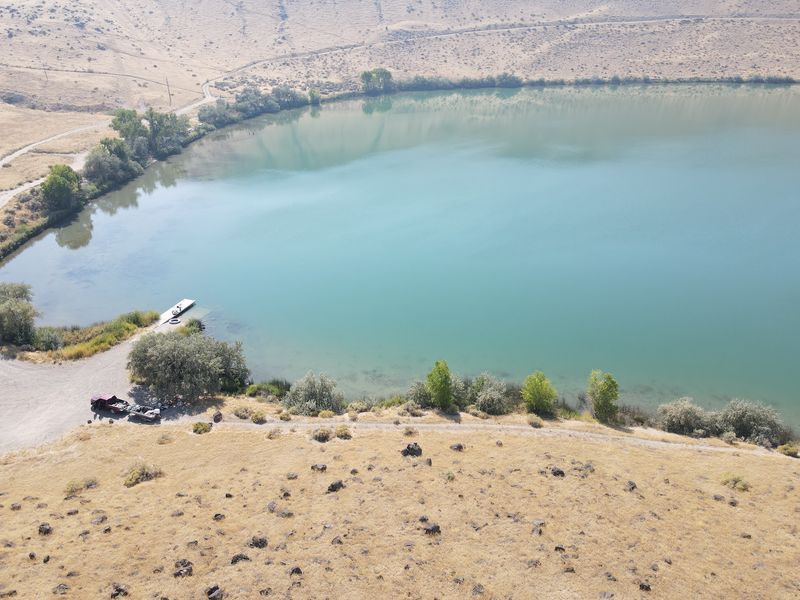
Blue is the color that gets hearts pounding, but Owyhee County agate comes in a whole palette. Collectors find white, yellow, gray, and light blue agate in the region, sometimes banded or moss-patterned.
The county also has national fame for pink and white plume agate. Banded, scenic, dendritic, sagenitic, polka dot, smoky, and moss varieties all turn up across this volcanic country.
Not every pebble near C J Strike Reservoir will be agate, of course. Most will be plain basalt or ordinary river rock, which is part of the fun of the hunt.
A good trick is looking for translucence. Hold a candidate stone up to the sun, and real agate often glows along its edges.
Rough agate can look dull and frosted on the outside. A splash of water from your bottle can reveal color and banding hiding under the dust.
Set realistic hopes and you’ll enjoy the day more. One small blue-gray chip that catches the light is a fine souvenir, and finding it yourself makes it better than anything in a rock shop.
Petrified Wood And The 25-Pound Rule
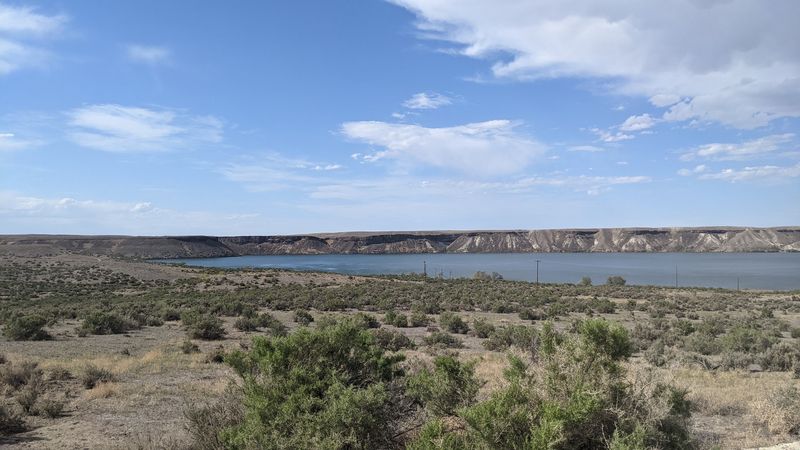
Millions of years ago, trees in this region were buried and slowly turned to stone. Today that petrified wood shows up in gravel areas, dry washes, and creek beds across Owyhee country.
Spotting it is easier than you might think. Look for stones with visible grain, ring patterns, or a bark-like texture that seems out of place among smooth river rocks.
On Bureau of Land Management ground, casual collecting for personal use needs no permit or fee. Petrified wood does carry specific limits, so it pays to know them before filling a bucket.
The daily limit on BLM land is 25 pounds plus one extra piece. The yearly maximum is 250 pounds per person, which is a lot of very heavy souvenirs.
Hand tools and metal detectors are allowed on that public land. Explosives and motorized or mechanical earthmoving equipment are strictly off the table.
Fill in any holes you dig, too. Leaving the ground tidy keeps these areas open and friendly for the next rockhound wandering along the gravel with a hopeful look.
Know Whose Ground You’re Standing On
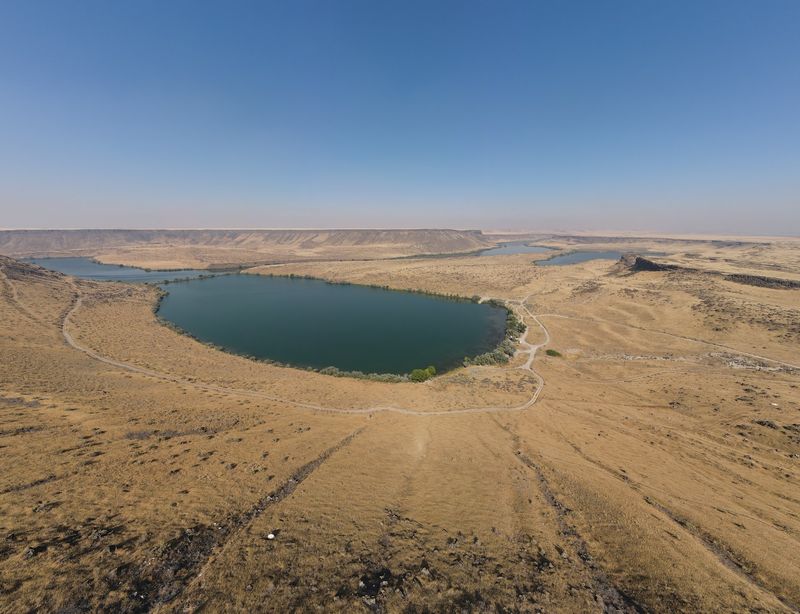
Here’s the part rockhounds skip at their own risk: land ownership. Around C J Strike Reservoir, you’ll find Idaho Power recreation sites, public land, and private property all close together.
Collecting isn’t allowed in developed recreation sites like picnic areas or campgrounds unless specifically permitted. So the gravel next to your tent isn’t fair game just because it’s handy.
Most prime rockhounding territory in the Owyhee region sits on Bureau of Land Management land. That’s where casual personal collecting is generally welcome within the rules.
Cultural artifacts are a firm no everywhere. Arrowheads, tools, and other traces of past people must stay exactly where you find them, since collecting them is illegal.
Before heading out, check a land ownership map or a BLM office for current boundaries. A few minutes of homework can save a lot of awkward conversations later.
Private claims and fenced property deserve respect as well. When in doubt, take a photo instead of the rock, and keep exploring until you’re sure you’re on open public ground.
Crappie Anglers Will Be Your Shoreline Neighbors
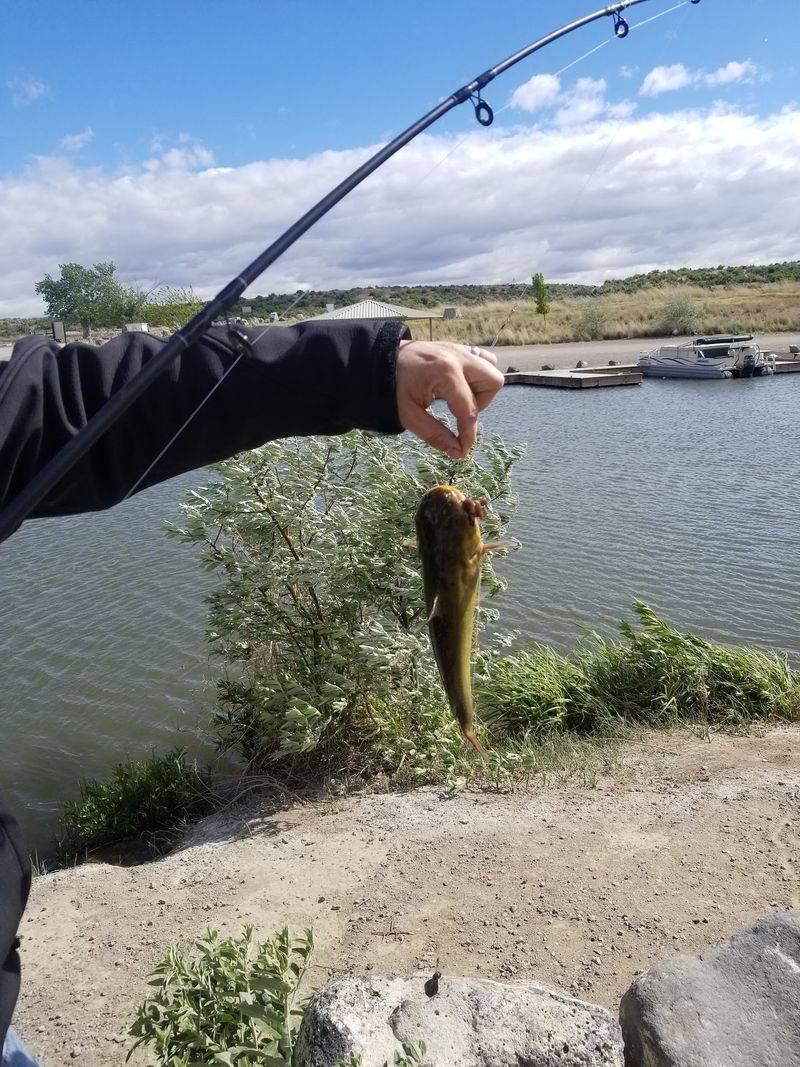
A three-person crew once pulled in more than 100 crappie in about four hours here. Stories like that explain why C J Strike Reservoir stays busy with rods and tackle boxes.
Crappie get most of the attention, but the lake also holds trout, catfish, and bass. Some anglers point out that the quality bass fishing isn’t what it once was.
Fishing near the lower dam gets plenty of praise. Calm, peaceful water also makes the reservoir a relaxed place for people who catch more sunshine than fish.
For rockhounds, all this means good company along the banks. Anglers spend hours staring at water, and you’ll spend hours staring at gravel, so everyone is happy.
Boat ramps and slips near the camping areas make launching simple. Families also wade and play in the water during warm stretches of the season.
Bring a rod along with your rock bag if you can. Splitting the day between casting and searching turns one Idaho road trip into two hobbies, and the drive home feels a lot shorter.
Campsites With Water Views And No Hookups
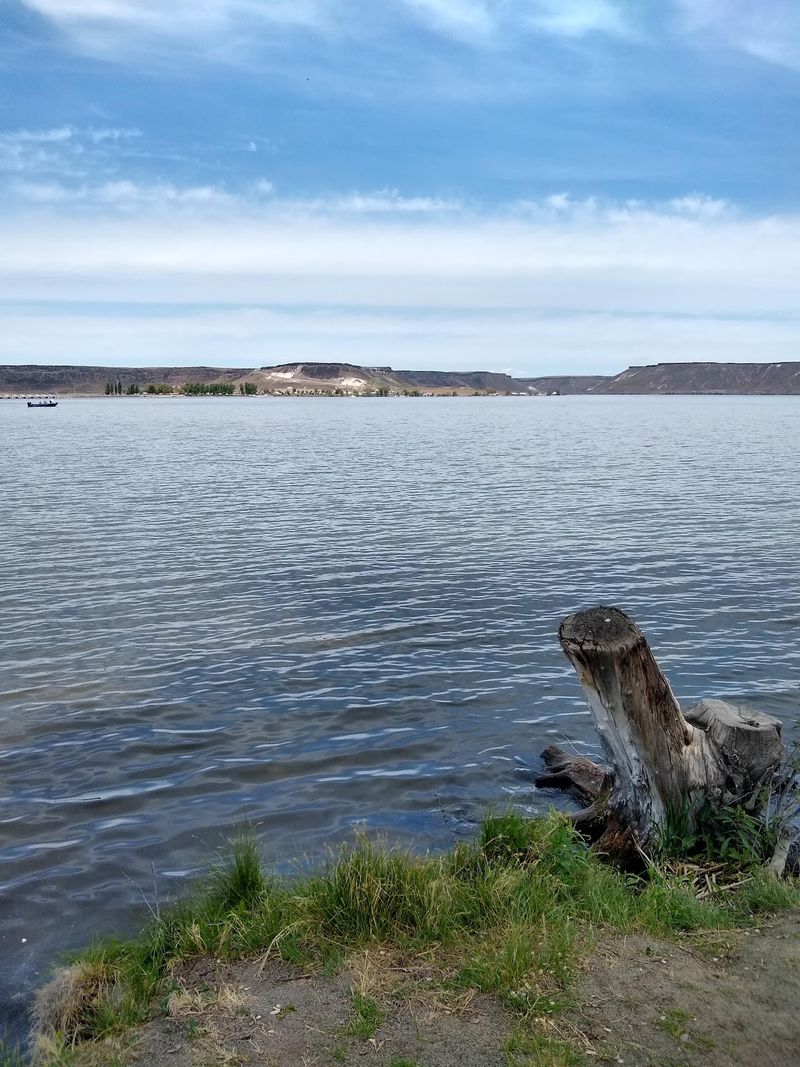
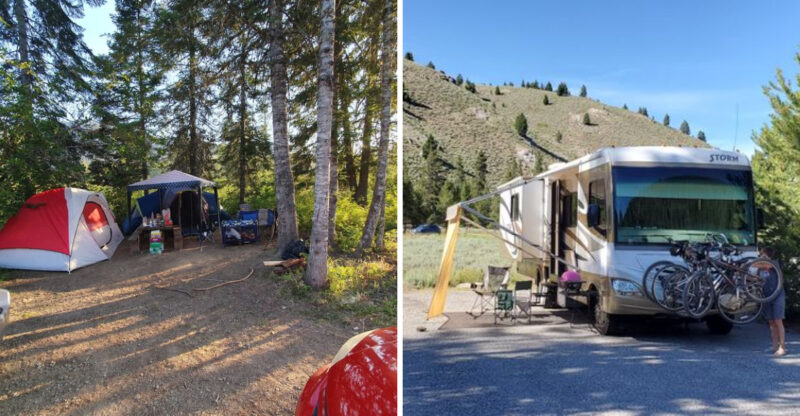
Camping is easily the most talked-about activity around C J Strike Reservoir. Idaho Power operates campgrounds here, with RV and tent spaces you can reserve online.
Sites run without hookups, so plan accordingly. Water, a dump station, and restrooms are available, and some grassy park spots open up when available.
North Park and Scout Park are two of the names you’ll hear. Free camping has also been mentioned near the upper dam across to the far side, so check current rules first.
Grassy sites look inviting, but sprinklers run on a schedule. Pitch your tent away from the lawn if you prefer waking up with dry gear.
Pet owners should look into rules before packing. At least one campground hasn’t allowed dogs, which is worth confirming ahead of time.
Generators can hum through the day in busier areas, so quieter spots may take some hunting. For rockhounds, a nearby campsite means you can search early, rest through midday, and head back out when the light gets low and the gravel starts to sparkle.
Wind, Bugs, And Very Little Shade
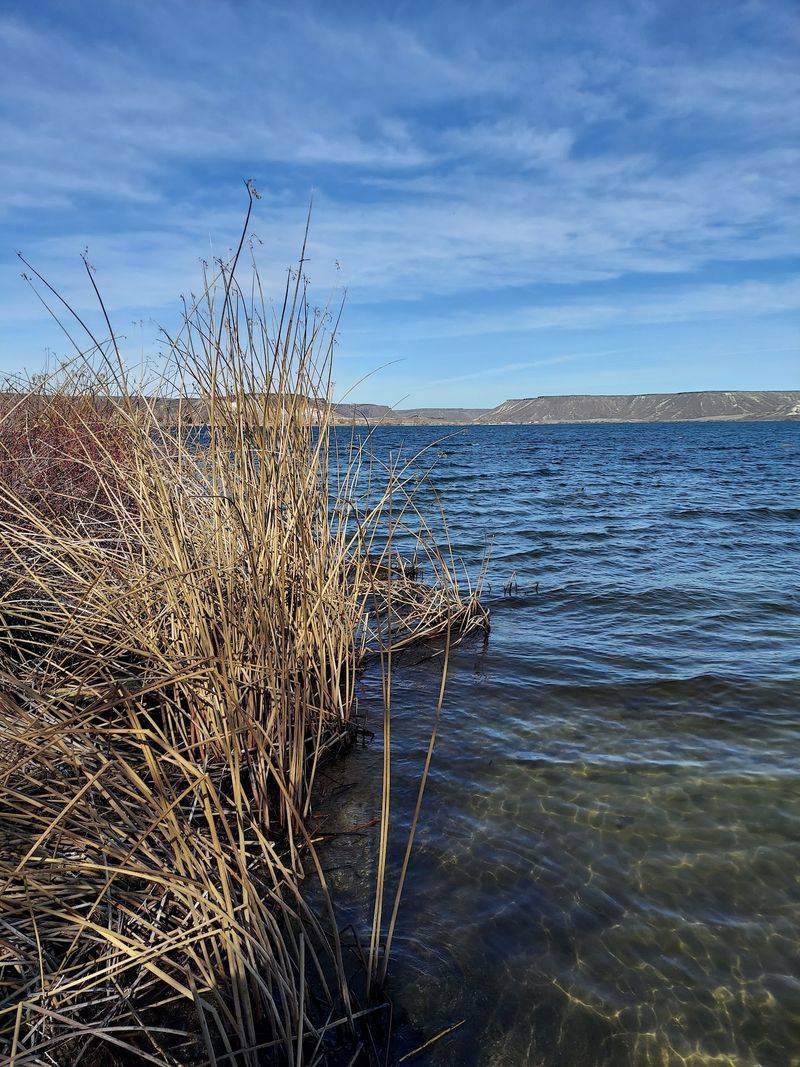
Nobody calls this place gentle on the elements. The reservoir gets windy a lot, and that open desert breeze can flip a cheap canopy in seconds.
Bugs show up in force at times too. Pack repellent and maybe a head net if you plan to linger near the water at dusk.
Shade is hard to find around the shoreline. Sunscreen, a wide-brimmed hat, and long sleeves will save your skin during a long gravel search.
Fall usually softens the heat, which is great news for rockhounds. Still, desert sun can feel strong even when the air feels crisp.
Wind has one sneaky benefit for collectors. It clears dust off exposed stones, which can make colorful pieces a bit easier to spot.
Treat the weather as part of the adventure rather than an inconvenience. Stake everything down, keep layers handy for chilly evenings, and enjoy the way the light changes across the canyon walls when clouds start racing overhead.
Canyon Walls And Wildlife Between Searches
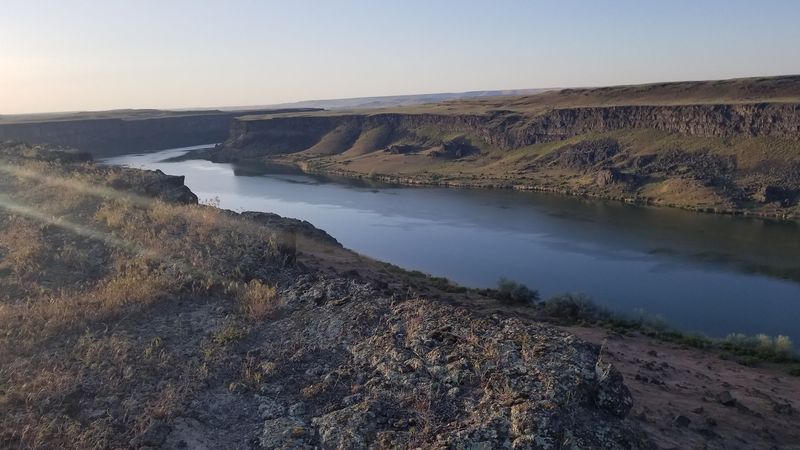
Eyes on the ground all day? Look up once in a while, because the scenery deserves it.
Canyons, cliffs, and wide vistas surround C J Strike Reservoir. Wildlife watching ranks among the favorite pastimes, and the open terrain makes spotting animals easier.
The mix of water and desert draws a variety of creatures. Bring binoculars, and you’ll have something to do while resting your knees between rock stops.
Picnicking is another popular way to spend an afternoon here. A packed lunch on the shore makes a natural break in a long day of searching.
Off-road riders have used trails in the broader area, though access rules have changed over time. County and campground restrictions apply, so check current regulations before bringing any machines.
All this variety makes the trip easy to sell to a mixed group. One person hunts agate, another fishes, someone else watches birds, and the kids splash at the edge until their sneakers are soaked through.
Getting There And What Belongs In The Truck
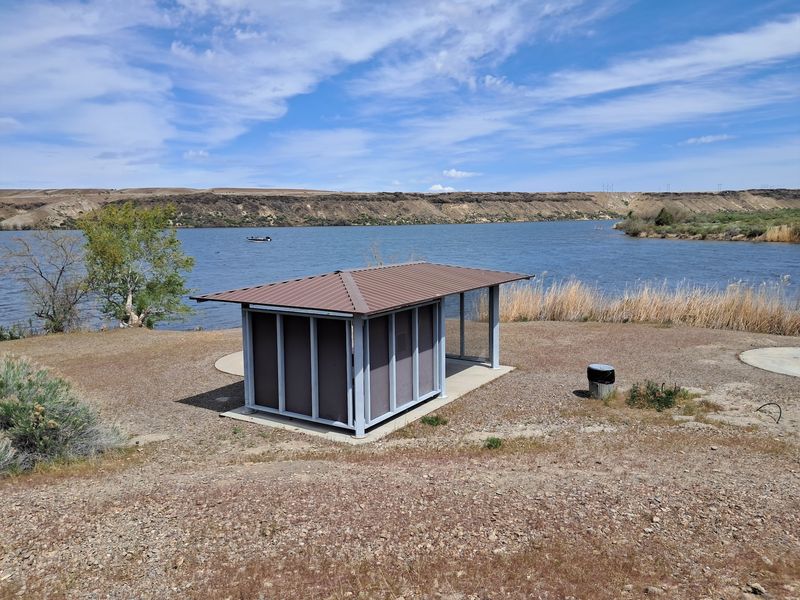
Boise to the reservoir takes about an hour, which keeps this an easy Treasure Valley escape. The reservoir sits in southwest Idaho near Grand View, on the edge of Owyhee country.
Cell service is spotty to nonexistent in parts of the area. Download maps beforehand and let someone know your plans before heading out.
Black Sands Resort near the water gets warm mentions for its friendly setup. It’s handy for supplies or a meal, but check before driving since services and seasons can change.
Pack plenty of drinking water, snacks, and sun protection. A sturdy bag, gloves, a small hand tool, and a spray bottle for wetting stones will cover most rock trips.
A basic first aid kit belongs in every desert vehicle. Remote spots mean help can take a while to arrive.
Fees for campgrounds vary, so check with Idaho Power for current details. Casual collecting on BLM land needs no permit, which keeps the hobby side of the trip refreshingly affordable.
A Fall Trip That Pays Off In Pockets Full Of Stones
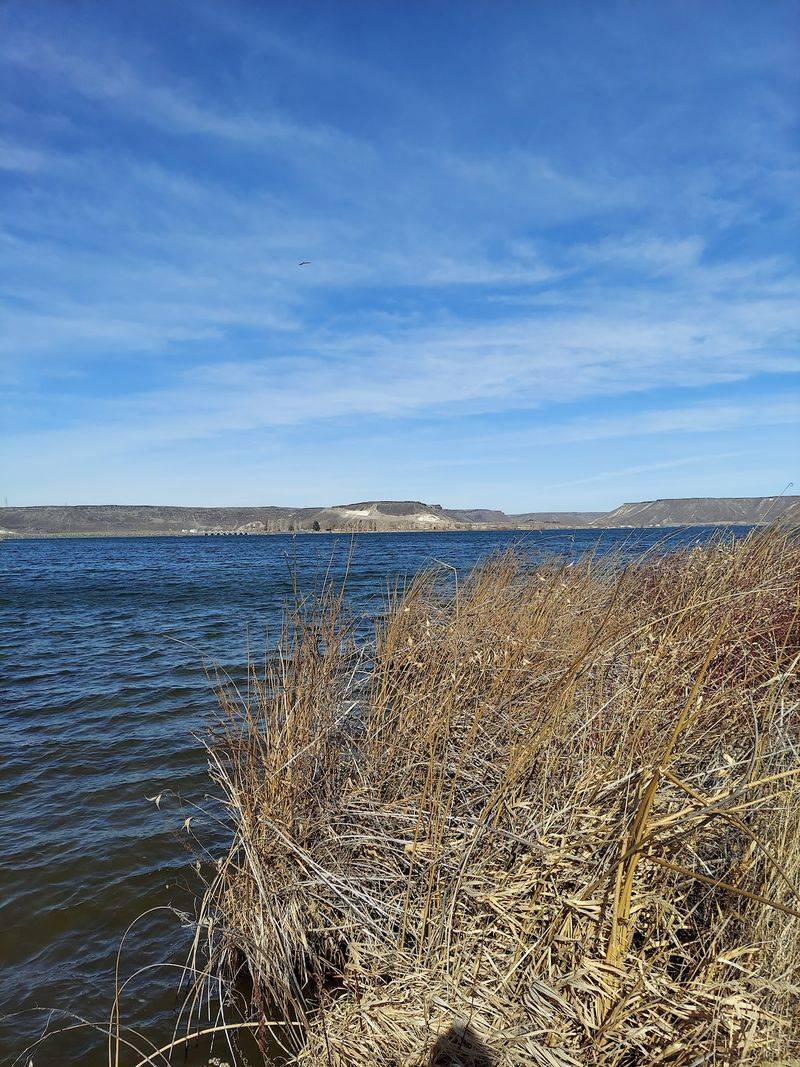
Some outings need tickets, reservations, and a big budget. A fall day at C J Strike Reservoir mostly needs good shoes and a curious streak.
The appeal comes from the mix. You get Owyhee rock country, a lake full of crappie, camping with water views, and canyon scenery all in one Idaho trip.
Will you find blue agate on your first try? Maybe not, and that’s okay, because the search itself is half the reward.
Follow the rules, stay off developed sites with your rock bag, and respect any artifacts. Those habits keep public land open for collectors for years to come.
Families will find plenty to keep everyone busy. Retirees and solo wanderers will appreciate the slower pace and wide, quiet views.
I believe the best souvenirs are the ones you earn with sore knees and dusty hands. Bring a small jar home, line it up on a windowsill, and you’ll think about that windy shoreline every time sunlight hits those stones.