This Georgia Church Holds A Rare Treasure That Few Other Churches Have
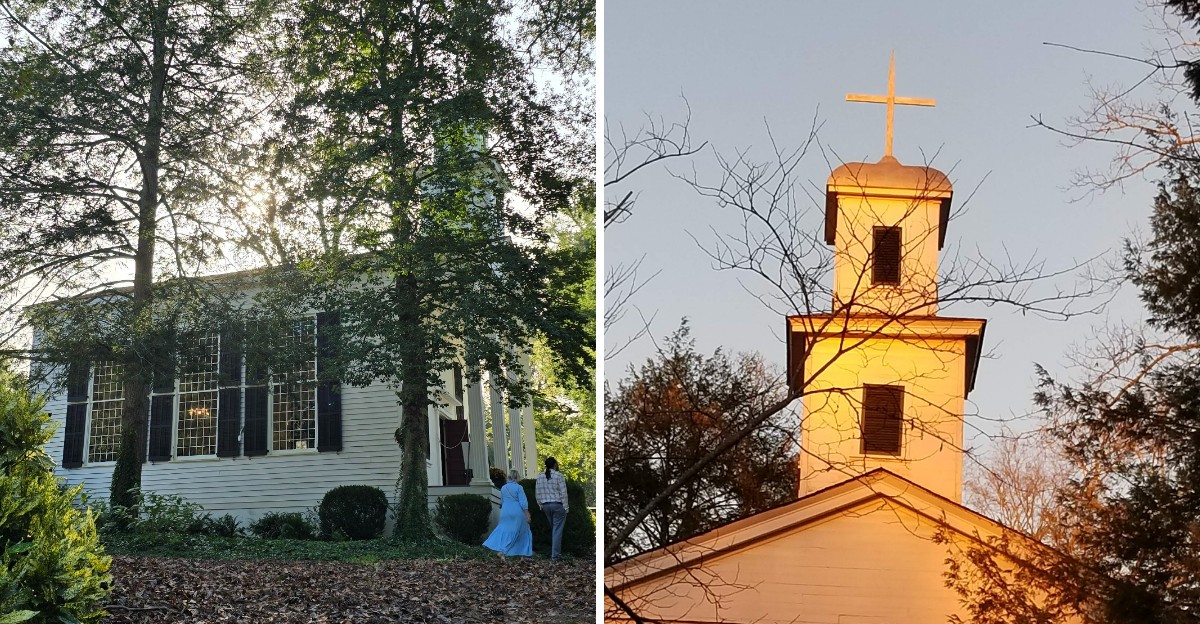
Most church treasures sit behind glass or under a velvet rope. This one waits upstairs, and it was built to make sound.
That detail alone grabbed my attention. The building looks modest at first glance.
White walls, tall columns, and the kind of steady, graceful presence Georgia does so well. You could easily drive past without a second thought.
That would be a mistake. Inside, history feels close enough to touch.
Sunlight falls across old wooden pews. The quiet has a weight to it.
And above it all sits a musical piece so rare that few churches anywhere can claim one like it. I love stories that reward a little curiosity, and this one delivers in a big way.
For anyone who enjoys history, craftsmanship, or simple beauty, this Georgia church deserves a closer look.
A Church Born From Summer Vacations
Long before road trips and snack stops, wealthy families escaped hot lowland summers in the cool hills. They needed a place to worship while they rested.
That simple need sparked something lasting in 1838. A congregation formed to serve the summer resort visitors who filled the area each year.
I love that a vacation habit led to something so permanent. Most souvenirs end up in a drawer, but this one became a church.
Picture families arriving by horse and carriage after long, dusty rides. They wanted fresh air, mountain views, and a spiritual home away from home.
The congregation grew steady roots over the following years. It soon needed a proper building to match its strong community spirit.
Plans took shape, and workers began crafting a structure built to last. Their effort still stands proudly today, nearly two centuries later.
Knowing this origin story changes how you see the building. It is not just old, it is a living record of how people once spent their summers.
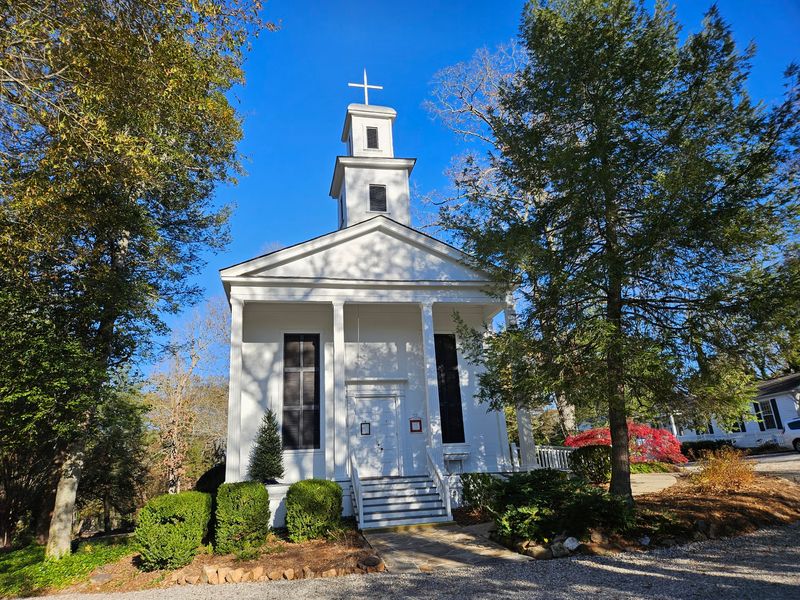
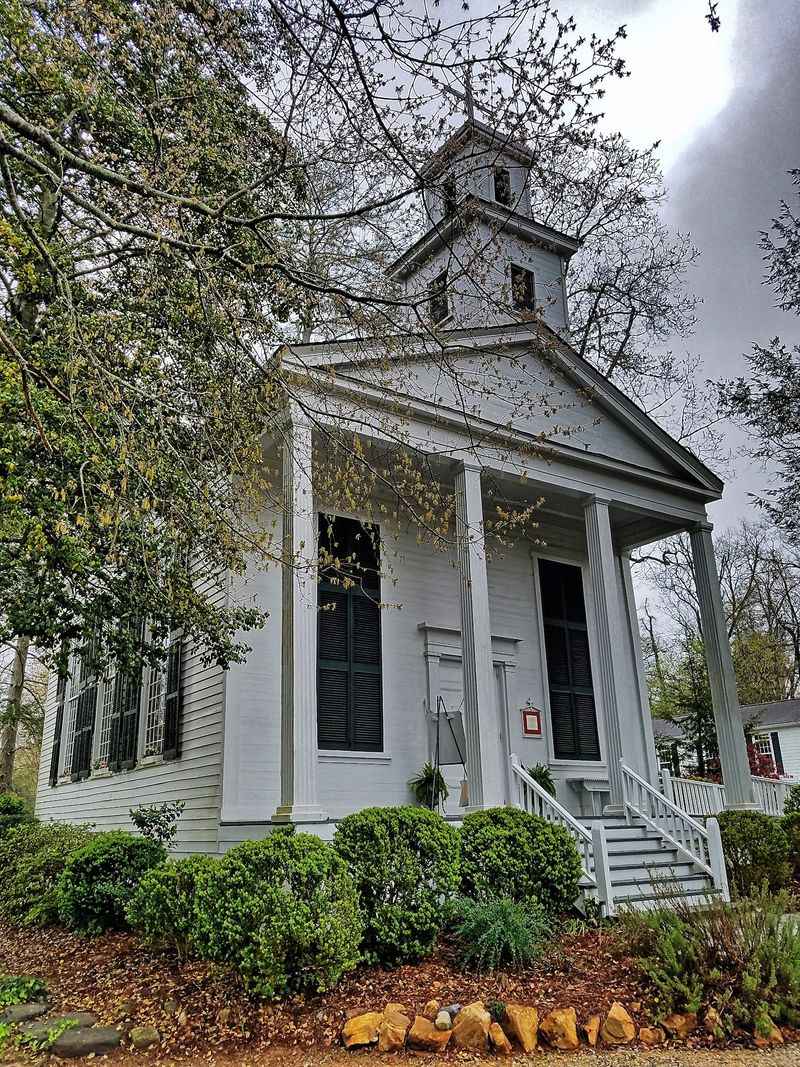
Every visit here connects you to those early travelers and their sense of purpose. That history waits quietly at Grace-Calvary Episcopal Church in Clarkesville, Georgia.
You will find the church at 260 E Green St, Clarkesville, GA 30523. Parking and a short stroll make arrival simple.
Columns That Steal The Spotlight
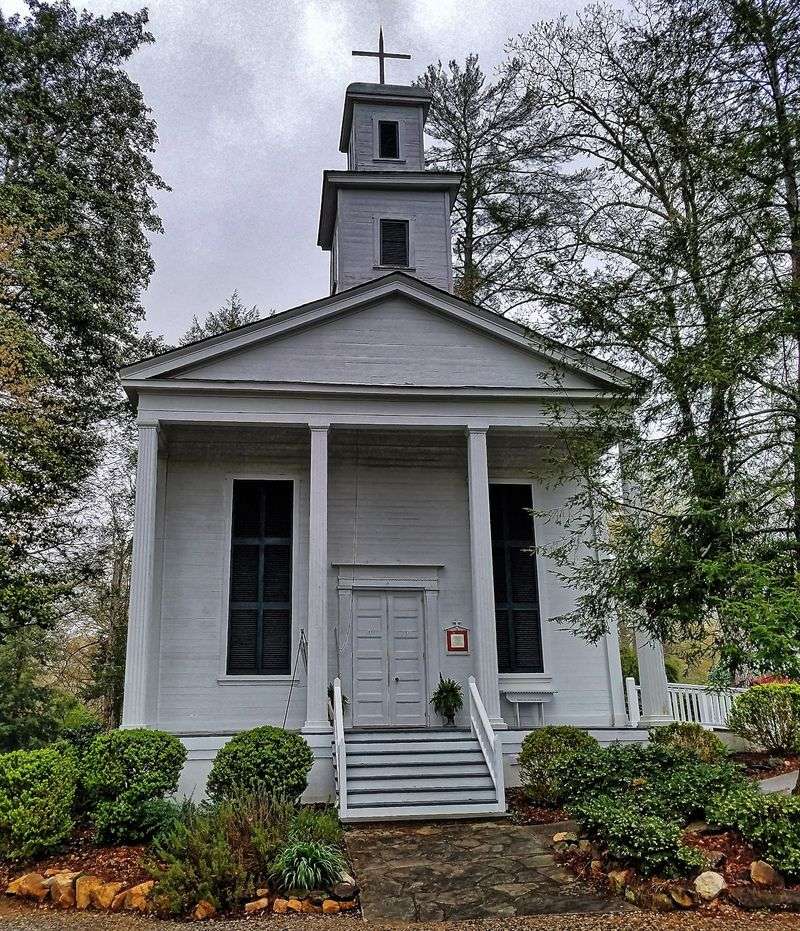
Some buildings whisper, and others clear their throats politely. Tall white columns make this one stand up straight and command attention.
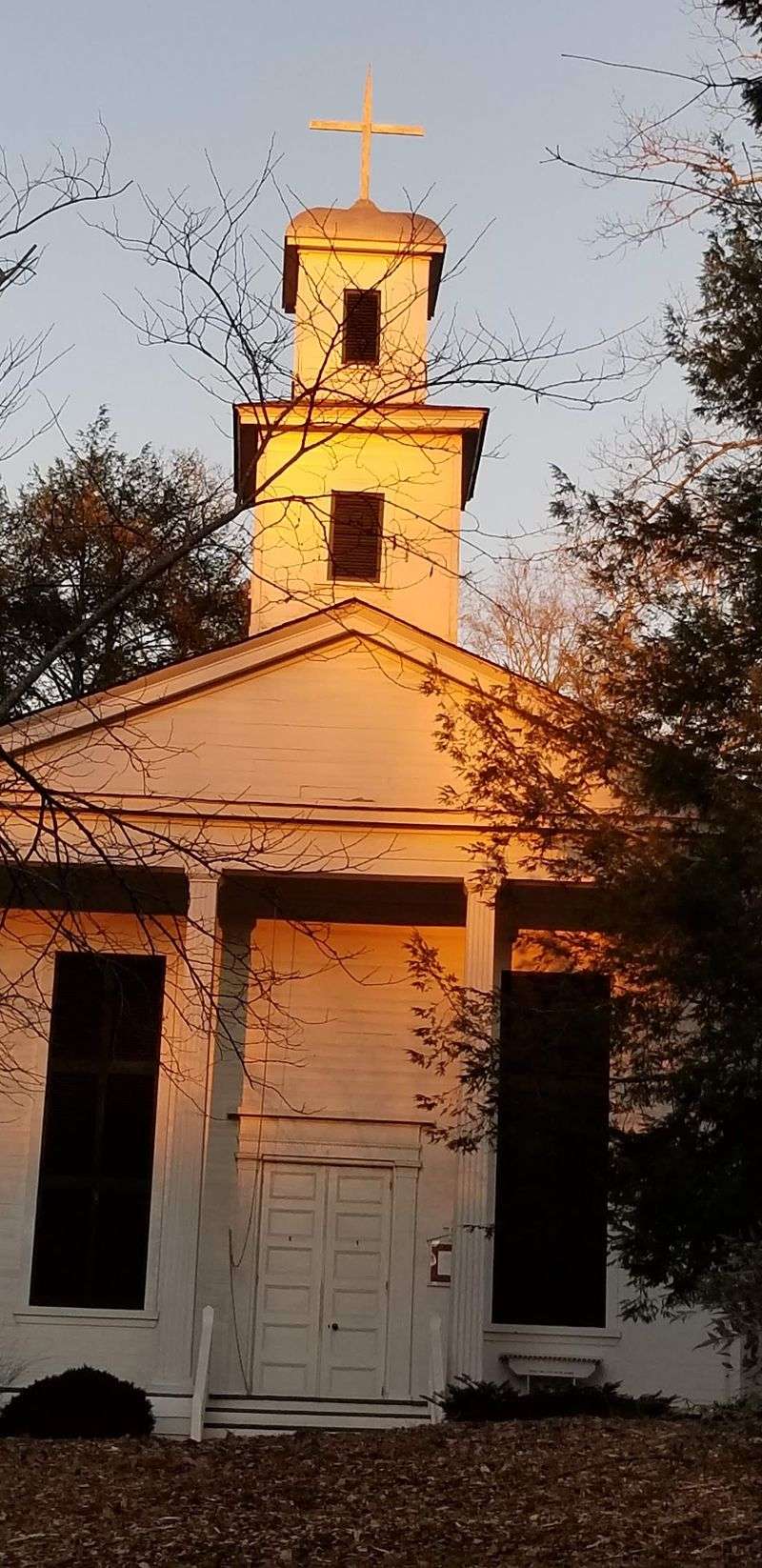
The design follows the Greek Revival style, which was very popular in the 1800s. Builders borrowed ideas from ancient Greek temples to create a sense of dignity.
Construction wrapped up in 1842, four years after the congregation formed. The result looks crisp, balanced, and calm.
A fun history bit adds sparkle to the story. Jarvis Van Buren oversaw the building, and he was a cousin of President Martin Van Buren.
That presidential link always makes me grin a little. It feels like finding out your quiet neighbor once had dinner at the White House.
Careful craftsmanship shows in the clean lines and steady proportions. Nothing feels flashy, yet everything feels thoughtful and well planned.
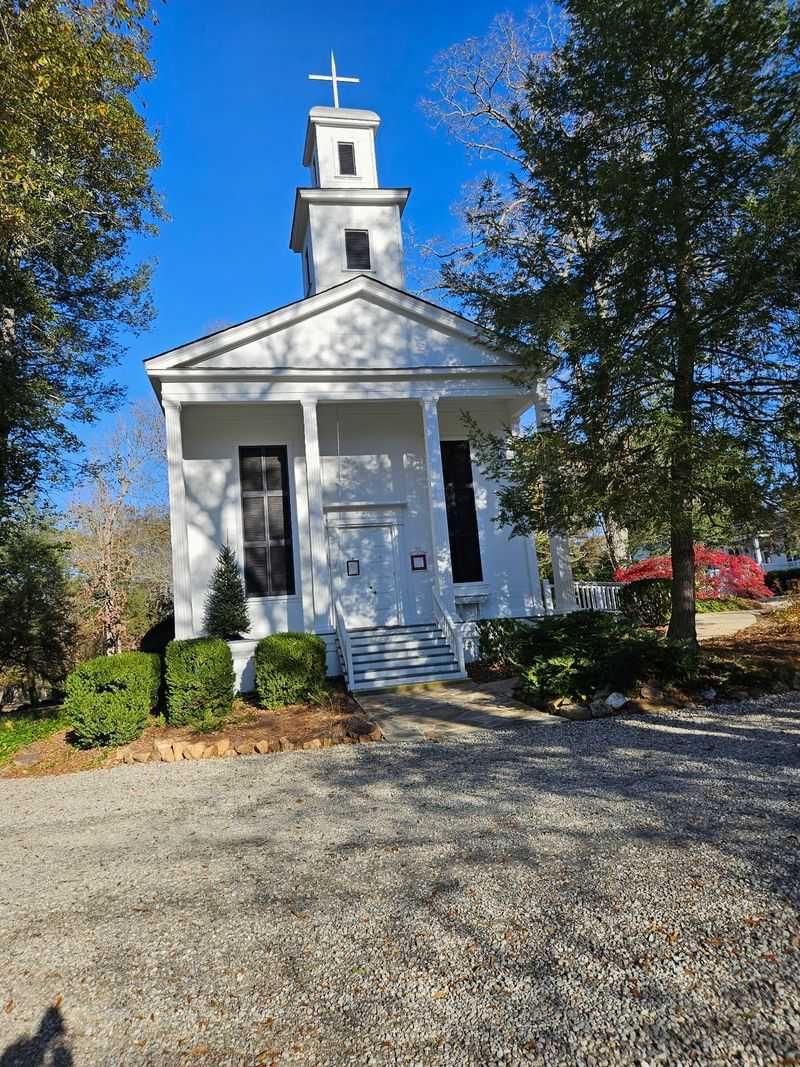
Bring a camera if you enjoy architecture photos. Soft morning light makes the white facade glow against the green trees.
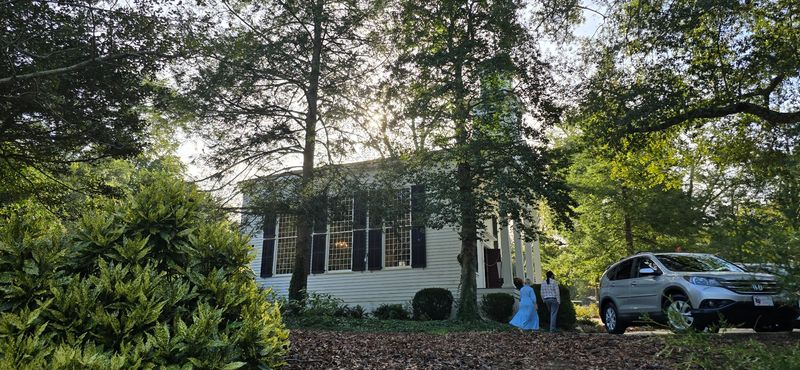
Take a moment to stand back across the lawn. From there, you can see how the simple shape still looks graceful after all these years.
A Rare Pipe Organ From 1848 Steals The Show
Here comes the treasure, and it truly deserves a drumroll. Upstairs sits an 1848 Henry Erben pipe organ.
It is known as the oldest working organ in all of Georgia. Very few churches anywhere can claim an instrument this old that still plays.
Henry Erben was a famous organ builder based in New York City. His instruments were respected for their quality and rich, lasting sound.
When I first heard about it, I expected a museum piece behind ropes. Instead, this organ still fills the room with music during services.
Think about everything that has changed since 1848. Phones, cars, and light bulbs all arrived later, yet this organ kept on singing.
Keeping such an instrument working takes care and patience. Each pipe, key, and part must be respected and maintained over many decades.
The sound carries beautifully in the small space. The room seems designed to let every note travel clearly and warmly.
If you love music or history, this is the moment to slow down. Listening to it feels like hearing a voice from another century.
A Long Trip From New York City
Shipping a sofa today can feel stressful enough. Now imagine moving a pipe organ hundreds of miles in the 1840s.
The organ traveled from New York City to north Georgia. It arrived in pieces, which was the only practical way to move it.
There were no smooth highways or moving trucks back then. Travel meant slow journeys over rough roads and long waits.
Every pipe and wooden panel had to survive the bumpy ride. Then someone needed to put the whole puzzle back together correctly.
I struggle with furniture that comes with a tiny wrench. Rebuilding an entire organ sounds like a whole new level of patience.
That journey shows how much the congregation valued music in worship. They were willing to go to great lengths for the right sound.
When you look at the organ, remember the miles behind it. Its presence here is a small triumph of planning and teamwork.
Stories like this remind me that treasures often come with adventures attached. This one earned its place through determination and a very long road.
The Organ That Was A Foot Too Tall
Measure twice, as the old saying goes. Somewhere along the way, the numbers did not quite line up.
Once the organ arrived, it proved to be a foot too tall for its spot. That is the kind of surprise nobody wants on moving day.
Rather than give up, the church found a clever fix. They created a special pit in the gallery so the organ could sit lower.
I adore this detail because it feels so human. Everyone has tried to fit something into a space that was not quite ready.
The solution kept the organ intact and working as designed. Nobody had to trim or damage the instrument to make it fit.
That pit is now part of the building’s charm and story. It quietly shows how problem solving shaped this historic space.
When visiting, look closely at how the organ sits in the gallery. Knowing the backstory makes the arrangement feel almost playful.
Small quirks like this make history feel close and relatable. They remind us that past builders faced puzzles just like we do.
Box Pews With Old-Fashioned Charm
Sitting in a pew with its own little door feels delightfully old-school. These box pews are original to the building.
Box pews were common in early American churches. Families often sat together in their enclosed sections during services.
The wooden walls helped keep people warm in chilly months. Back then, heating was limited, so every bit of shelter helped.
I sat in one and felt like I had my own private booth. It made me sit a little straighter, as if a teacher might walk by.
The pews show their age in a lovely, honest way. Years of use have given the wood a soft, lived-in look.
Very few modern churches keep seating like this. Most have switched to open benches or padded chairs.
Here, the original design helps you picture life in the 1840s. You can almost hear the rustle of long skirts and wool coats.
Take time to notice the craftsmanship in the joints and panels. Simple woodwork like this was built to last for generations.
Rippled Glass And Quiet Simplicity
Sunlight behaves a little differently through very old glass. Here, rippled clear windows give the light a soft, wavy quality.
The interior stays plain and peaceful on purpose. There are few decorations, so attention naturally drifts to the light and the space.
Windows line each side of the small room. On bright days, the whole interior feels open and gently lit.
I found myself watching the trees outside through the uneven panes. Everything looked slightly dreamy, like a painting still drying.
That simplicity creates a calm mood that is hard to find today. There is no rush, no noise, and no clutter competing for your eyes.
Many visitors find the setting restful and thoughtful. It invites you to pause, breathe, and simply be present for a while.
Bring a quiet mindset when you step inside. Talking softly helps keep the peaceful feeling intact for everyone.
Small details, like the glass, make the visit memorable. They are easy to miss, so slow down and look closely.
A Bell You Ring By Hand
Push buttons are nice, but a rope has more personality. This church has a hand pull bell that calls people together.
Ringing a bell by hand takes rhythm and a bit of muscle. Each pull sends a clear sound across the neighborhood.
Long ago, bells told people when worship was starting. They worked like a community alarm clock before phones existed.
I confess I was tempted to give it a tug. Wisely, I kept my hands in my pockets and simply admired it.
The bell adds another layer of tradition to the building. It fits perfectly with the original pews and the historic organ.
Sounds like this connect generations in a simple way. The same ringing that greeted families in the past still rings today.
If you attend a service, listen for it as you arrive. That cheerful sound sets the tone before the organ even begins.
Little traditions like this make a place feel alive. They show that history here is not frozen, but still part of daily life.