California’s Largest Lake Is Slowly Disappearing And Raising Serious Environmental Concerns
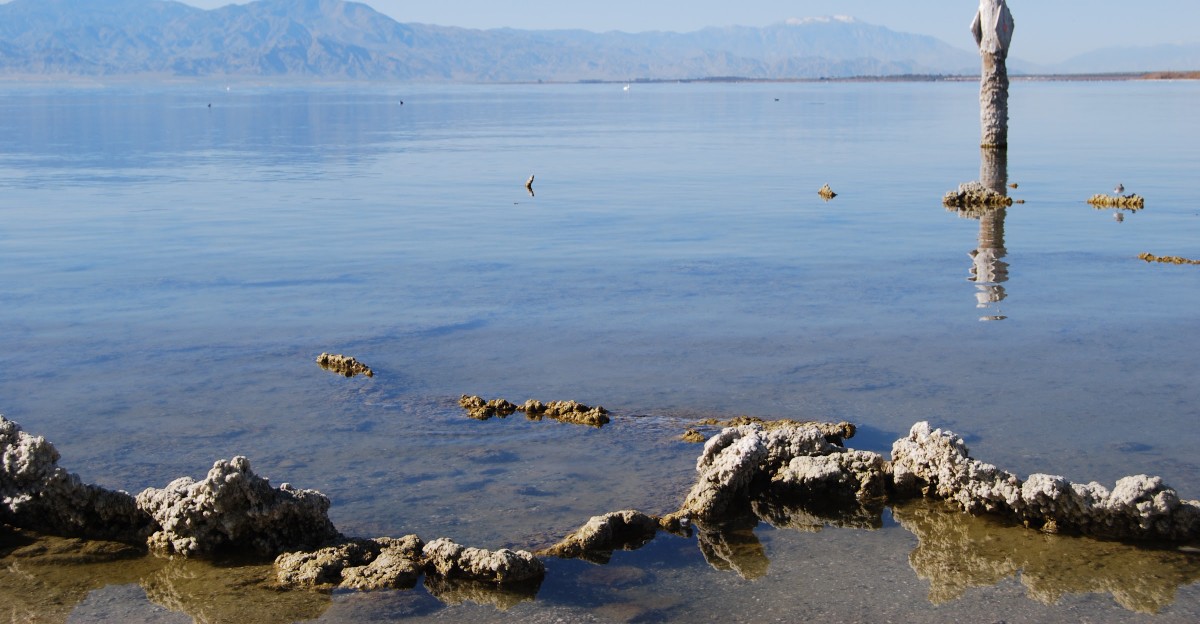
A broken irrigation canal accidentally created this lake more than a century ago. The Colorado River poured through for about two years, filling an empty desert basin with water.
Today, that accidental lake is nearly twice as salty as the Pacific Ocean. It has lost almost half its volume since 2000.
Each year, it shrinks by about 2,400 acres, which is roughly the size of a small town.
I find this story fascinating and a little heartbreaking at the same time. Over 400 bird species still depend on these salty shores.
Meanwhile, the dry ground left behind can send harmful dust into nearby California communities.
A lake this big does not vanish quietly. So what exactly is going on, and can anyone stop it?
An Engineering Mistake Gave The Desert A Surprise Sea
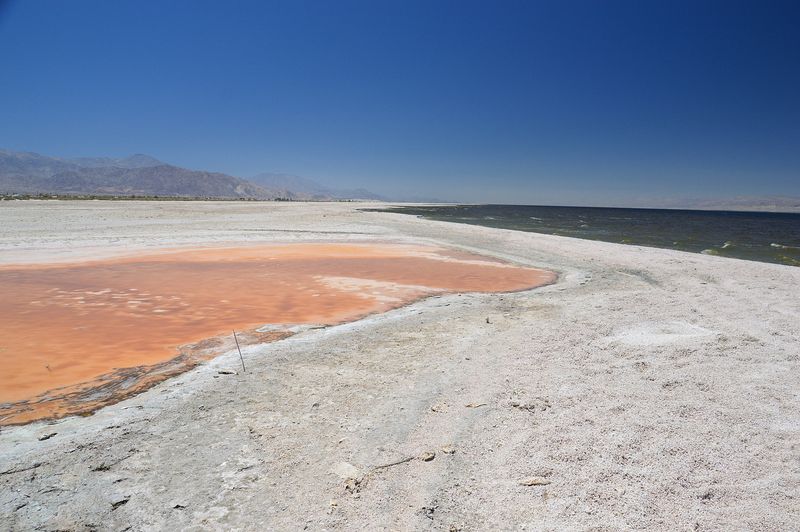
Back in 1905, the Colorado River broke through an irrigation canal. Water rushed into a dry desert basin for about two years, and the Salton Sea was born.
That sounds like a total accident, and partly it was. Still, the basin had filled and dried many times over thousands of years before that.
An ancient lake called Lake Cahuilla once covered this same low ground. It rose and fell again and again over the centuries. So nature had already tried this trick a few times.
Today the Salton Sea sits in the southern part of Riverside County and the northern part of Imperial County. It stretches about 35 miles long and 15 miles wide.
That makes it the largest lake in California by surface area.
Here is the catch, though. The lake has no natural outlet, so water only leaves by evaporating into the hot desert air.
When water evaporates, the salt stays behind. Over time, that salt keeps building up like sugar at the bottom of a forgotten glass of lemonade.
That one simple fact explains many of the problems the lake faces today.
Farm Water Kept It Alive, And Now The Supply Is Drying Up
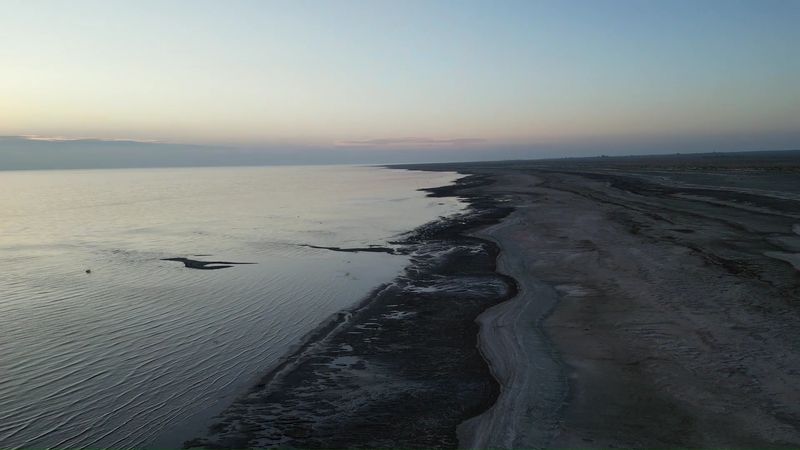
For decades, leftover water from nearby farms quietly kept the Salton Sea full. Irrigation runoff from the Imperial Valley drained into the lake and balanced out evaporation.
Then things changed. Farmers began using water more efficiently, which is great for saving water but less great for the lake.
In 2003, a water transfer deal began sending some Imperial Valley water to San Diego County. That deal became fully effective after 2019.
Less water reaching the farms meant less runoff reaching the lake. Colorado River water last flowed directly into the Salton Sea in 2018. Since then, the lake has had to survive on a smaller diet.
Meanwhile, the desert sun keeps doing its job. Evaporation pulls water away every single day, and a warming climate makes that worse.
The results are easy to measure. The lake’s surface sat around 305 square miles by early 2025, down from 318 square miles in a 2023 report.
In 2026, its elevation measured about 243.8 feet below sea level. That is a lake on a strict budget, and the math is not working in its favor.
Saltier Than The Ocean And Getting Saltier Every Year
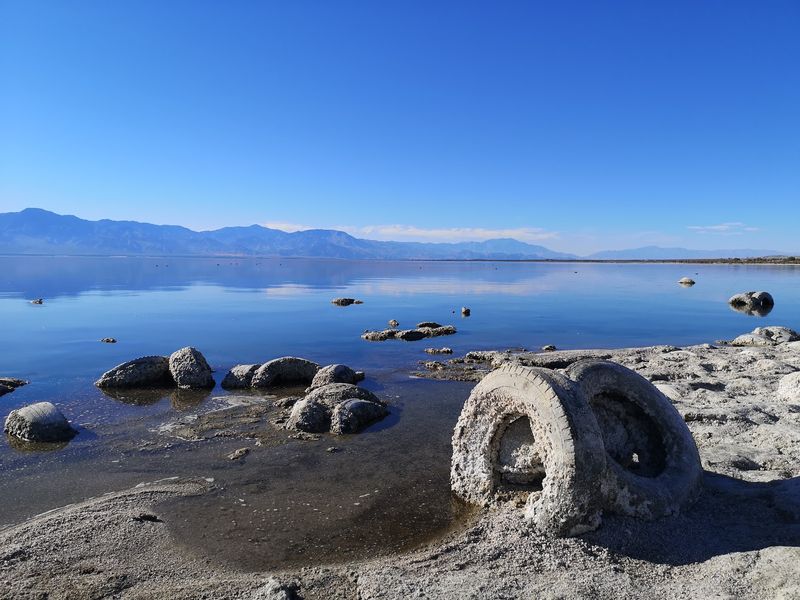
Take a sip of ocean water and you’ll grimace. Now double that saltiness, and you’re close to the Salton Sea in 2024.
The lake’s salinity reached roughly 60 grams per liter that year. The Pacific Ocean sits at about half of that.
Salt alone would be trouble enough. But the water also carries lots of nutrients from farm runoff, which feed huge algae blooms.
When those blooms break down, they use up oxygen in the water. Fish need that oxygen, and they simply can’t get enough.
Rising salinity has devastated fish populations, but some hardy species, including tilapia, have continued to survive in parts of the Salton Sea.
The shoreline tells the story too. Many beaches here are made of crushed barnacle shells and sun-bleached remains instead of soft sand.
It’s a strange sight, honestly. Pretty from far away, but clearly struggling up close.
Swimming is a bad idea, so admire the shimmering water from dry land and keep pets and kids out of it.
Dust From The Dry Lakebed Is A Real Health Problem
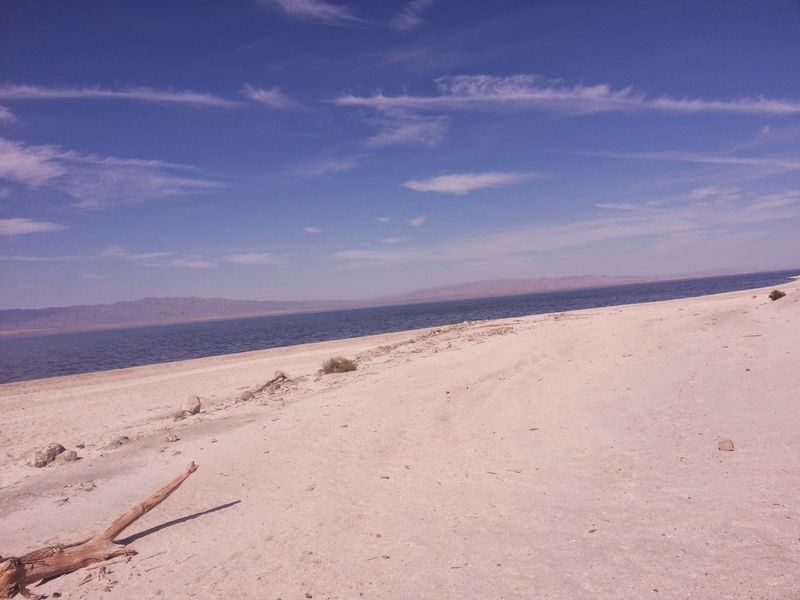
Exposed lakebed has a name: playa. Around 27,000 acres of it were uncovered by 2022, and experts expected tens of thousands more acres to follow.
That bare ground is not harmless dirt. For decades, farm chemicals, metals, arsenic, and selenium settled into the lake’s bottom sediments.
When strong desert winds blow, that old sediment can lift into the air as dust. Nearby towns then breathe it in.
Air quality in the Imperial Valley already ranks among the worst in the country. Many of the people living closest are low-income and Latino families.
Studies have linked the dust to poorer lung function and wheezing, especially in children. Some researchers have even compared it to the dust bowl lung problems of the 1930s.
There’s also a smell issue. Rotting plant and animal matter can release hydrogen sulfide, which smells like rotten eggs.
That gas can cause eye irritation, headaches, and nausea. So yes, the famous Salton Sea odor is more than a joke on a road trip.
It’s one more reason California treats this lake as a serious public health priority.
Hundreds Of Bird Species Still Count On This Salty Pit Stop
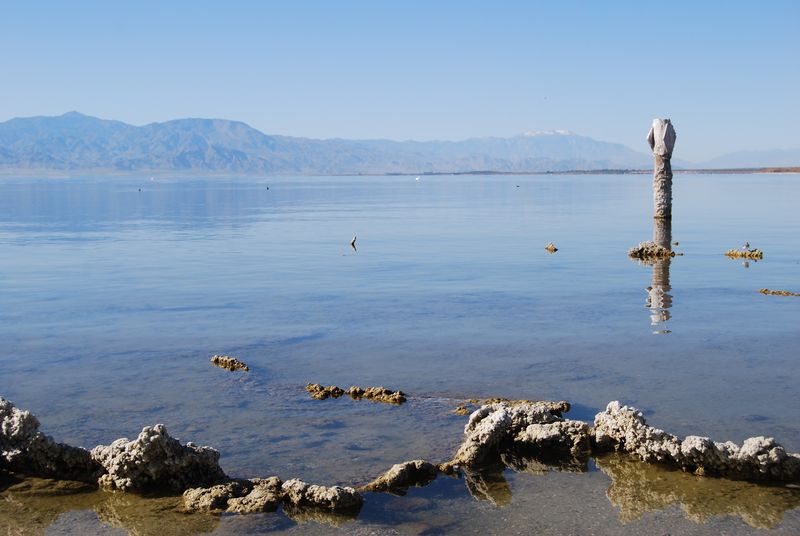
Over 400 bird species rely on the Salton Sea. That’s a wild number for a lake that can barely hold fish.
The lake sits along the Pacific Flyway, a giant migration highway in the sky. Birds traveling between Canada and Mexico stop here to rest and refuel.
California has lost most of its natural wetlands over the years. That makes this salty lake even more valuable to tired travelers with feathers.
The Sonny Bono Salton Sea National Wildlife Refuge protects key habitat along the southern shore. It was first established in 1930 and still plays a big role today.
Bring binoculars if you visit. Pelicans, ducks, and shorebirds are often easy to spot, especially in cooler months.
Of course, a shrinking lake means shrinking habitat. Less water and fewer fish leave birds with fewer food choices.
That’s why many restoration projects focus on building shallow ponds and wetlands. Birds need places to land and eat.
Protecting them protects one of the most important wildlife stops in the entire West.
Big Restoration Plans Are Finally Getting Water Moving
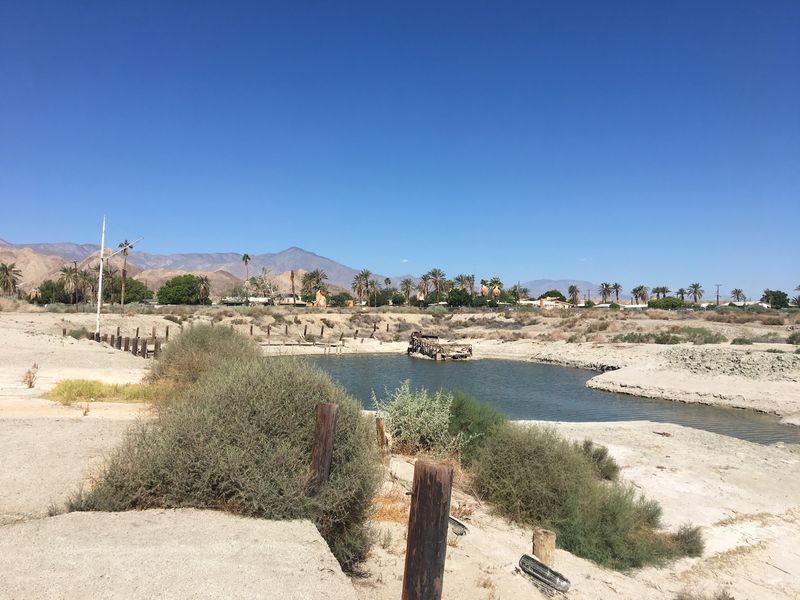
Good news does exist here. California created the Salton Sea Management Program in 2017 with a 10-year plan to fight back.
Phase I aims to add habitat and dust control across 29,800 acres of exposed lakebed by 2028. That’s a huge job.
One major effort is the Species Conservation Habitat project, which started in 2021. It plans to restore about 4,100 acres of shallow water habitat.
In 2025, water began flowing into the first 2,000 acres. Those shallow ponds give birds a place to feed and keep dust on the ground.
Other work includes planting vegetation to hold soil in place. There’s also the North Lake Project and channel restoration near Desert Shores.
Local partners matter too. The Salton Sea Authority teamed up with the Torres Martinez Desert Cahuilla Indians to complete wetlands on tribal land.
None of this will refill the whole lake overnight. Still, each finished acre means cleaner air and better habitat. Progress may be slow, but slow is a whole lot better than nothing.
Serious Money And A Brand-New State Agency Have Joined The Fight
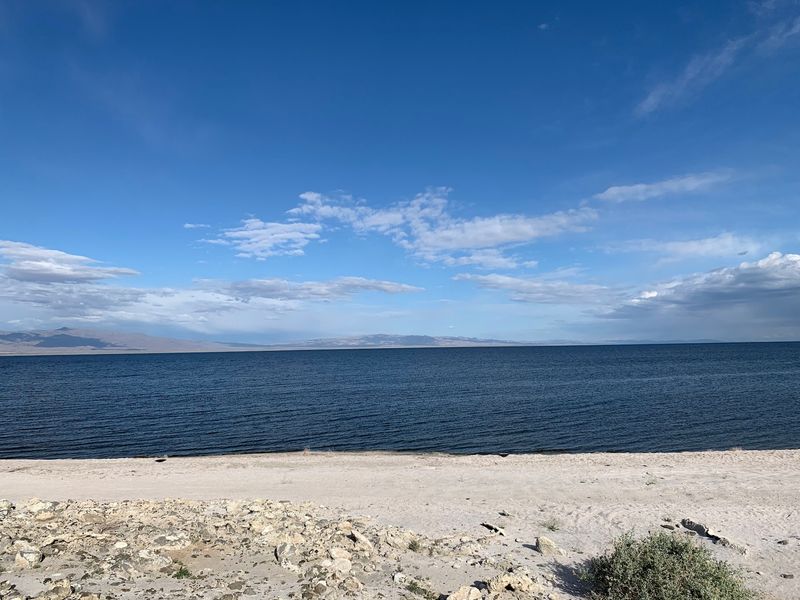
Funding has been a sticking point for years. Lately, the dollars have started to match the size of the problem.
California has committed more than half a billion dollars in state funding. On top of that, the federal Inflation Reduction Act added $250 million over five years, starting in 2023.
That federal law also set aside a much larger $4 billion for water conservation across the Colorado River Basin. The Salton Sea benefits from that broader effort.
Then, in April 2026, California launched the Salton Sea Conservancy. It’s a new state agency built just for this lake.
Its job covers restoration, habitat management, and better air quality. Having one group focused on the lake could help projects move faster.
Think of it like finally hiring a full-time manager for a messy, complicated house. Many hands were already working, but now someone owns the whole to-do list.
Will it be enough? Nobody can say for sure yet. But for the first time in a long while, the Salton Sea has real momentum behind it.
You Can Still Visit, And The Visitor Center Is A Smart First Stop
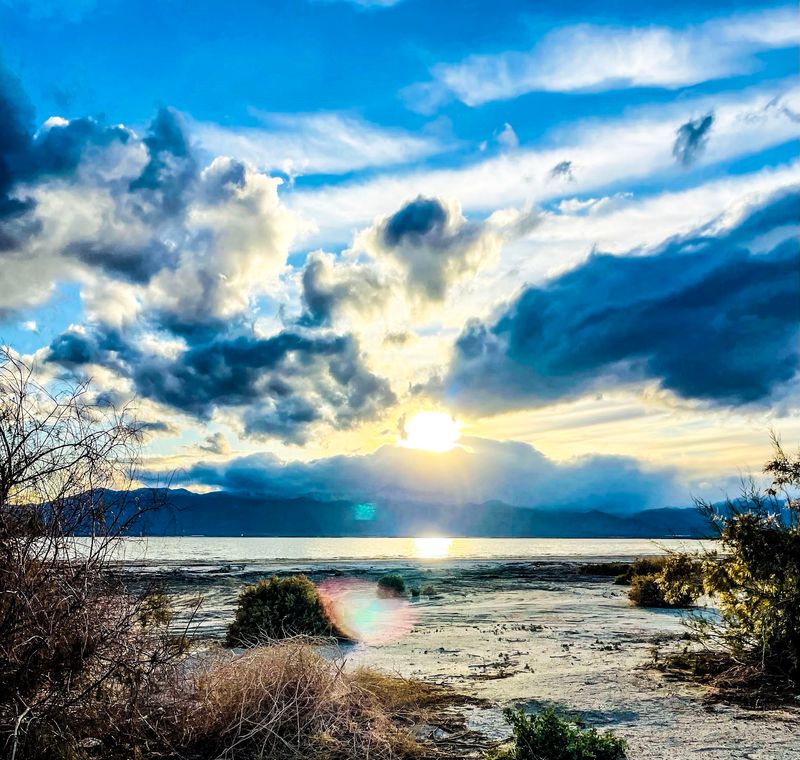
Curious travelers can see the lake for themselves at the Salton Sea State Recreation Area. It runs along 14 miles of shoreline on the northeast corner of the lake.
Start at the visitor center at 100-225 State Park Road, North Shore, CA 92254. It’s a great place to learn the lake’s history and current conditions.
Camping is available, though some areas may be closed or limited for repairs. Day use is another easy option if you’re just passing through.
Boaters should know that motorized boat access at Varner Harbor is currently closed. Non-motorized boats can still be carried down to the water.
Plan for desert weather. Summer heat in this part of California can be intense, so cooler months are usually far more comfortable.
Bring water, sunscreen, and a hat. Closed-toe shoes help too, since the shoreline can be sharp with shells.
Most of all, bring curiosity. Watching the sunset over this odd, shimmering lake is a memorable way to understand why so many people want to save it.
Quirky Neighbors Make The Lakeshore Drive Unforgettable
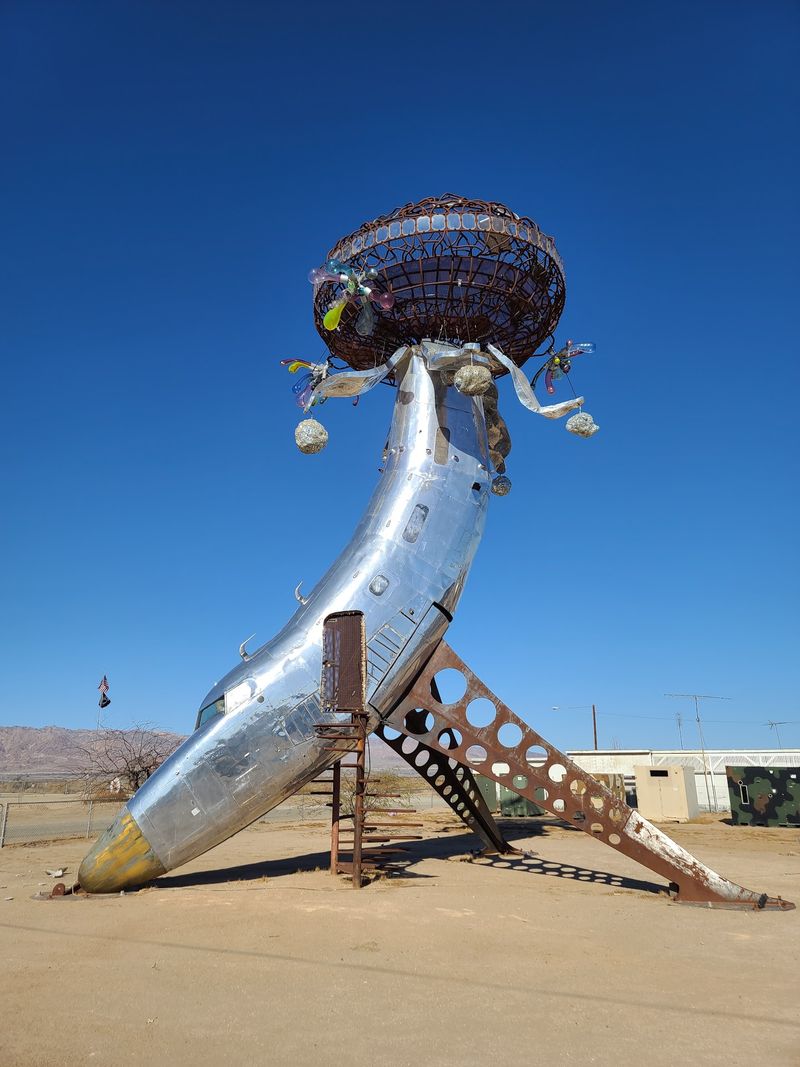
Few lakes come with neighbors as unusual as these. Small communities like Bombay Beach, Salton City, Desert Shores, Niland, and Mecca ring the shoreline.
Back in the mid-1900s, parts of the Salton Sea drew vacationers looking for a desert getaway. Today, weathered buildings in some towns hint at those busier days.
Near Niland, you’ll find Salvation Mountain, a hillside covered in bright paint and cheerful messages. It’s colorful enough to wake up any sleepy road trip.
Close by sits Slab City, an offbeat community set on old concrete slabs. Respect private spaces and people who live there.
Photographers love this whole region. Wide skies, flat water, and strange leftover structures make every shot feel a bit like a movie set.
Driving around the lake also tells the environmental story in real time. You can see the old shoreline sitting far from where the water is now.
That gap says more than any chart. The Salton Sea is still here, still weird, and still worth caring about. Let’s hope future visitors see a healthier lake than we do.