11 Forgotten California Abandoned Places That Are Actually Worth The Drive This October
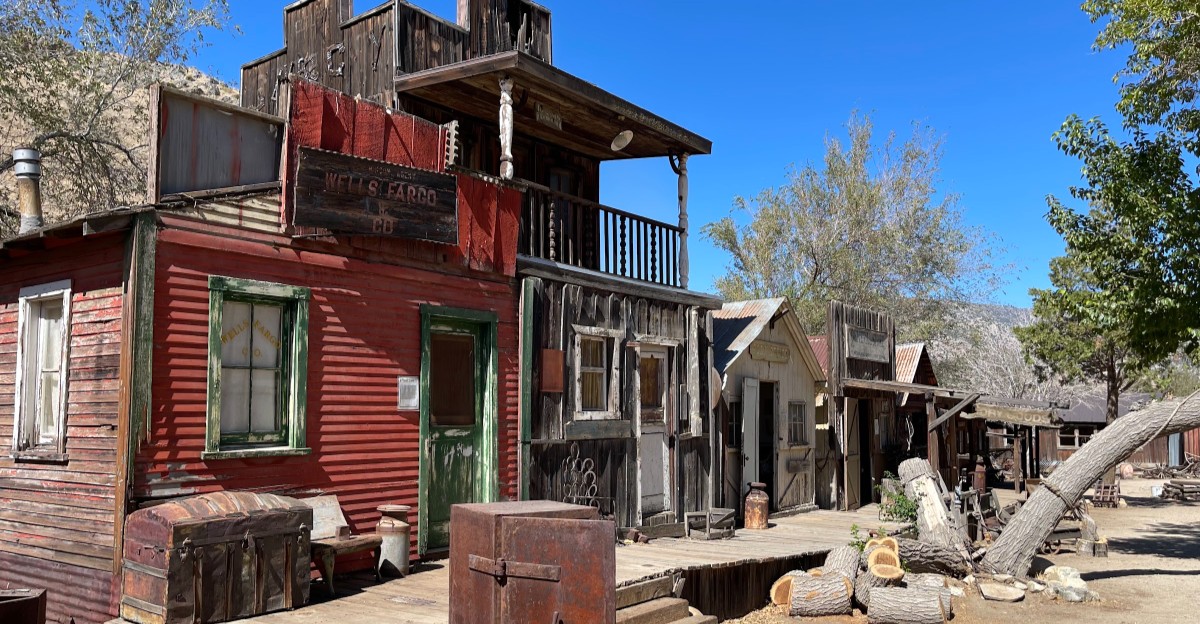
Abandoned places hit differently in October. Empty windows look a darker, rusted machinery feels more mysterious, and even an ordinary creaking building starts giving off horror-movie energy.
California has plenty of forgotten corners where mining booms, failed businesses, military history, and changing transportation routes left structures behind.
Some have been preserved enough to explore safely from designated areas, while others are best appreciated from a respectful distance.
October gives California’s abandoned places exactly the kind of atmosphere no Halloween decoration could improve.
The appeal is not simply finding something creepy. Each stop offers clues about the people who once worked, lived, or chased opportunities there, making the silence feel much more meaningful.
A few may feel eerie. Others are simply fascinating.
Either way, these forgotten places give an October road trip a much stranger destination than another pumpkin patch.
1. Bodie State Historic Park, Bridgeport Area
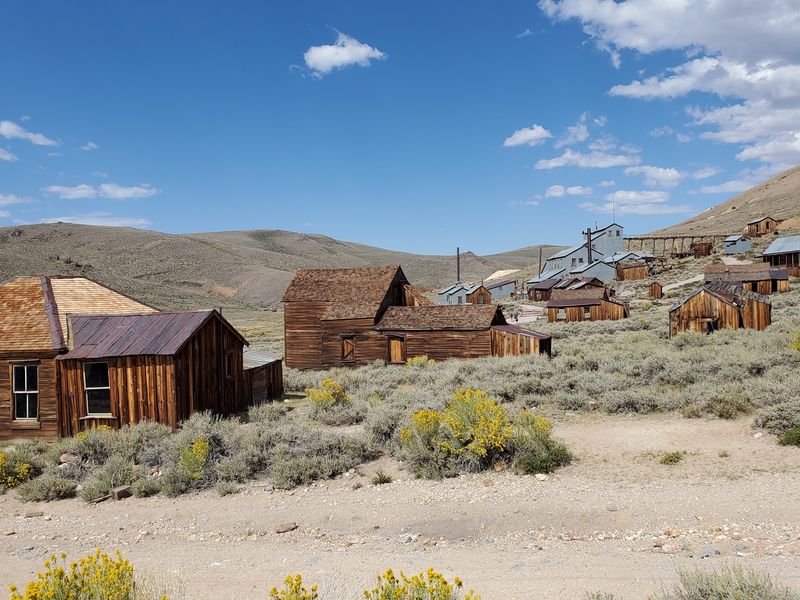
A whole town sits eerily still, with belongings left behind as though everyone simply got up and walked away.
That is part of what makes Bodie feel so unusual, almost like its former residents could return at any moment.
Nearly 200 wooden buildings remain in what park officials call “arrested decay,” meaning they are preserved as they are rather than restored to look new.
Press your nose to the dusty windows and you will spot desks in the schoolhouse, bottles in the saloon, and a barber chair waiting for a customer. The church still stands proudly, too.
Every room tells a tiny story, so take your time and look closely.
October is a sweet spot for visiting. Summer crowds are gone, and the days are usually warm and pleasant.
Bodie is open from 9 AM to 6 PM throughout October, with winter hours of 9 AM to 4 PM beginning November 1.
Here is the tricky part. Bodie sits at 8,375 feet, so the weather can flip fast. Pack layers, a warm hat, and snacks, because you will not find food or gas inside the park, though restrooms are available.
Getting there is half the fun. From Highway 395, you will drive 10 paved miles and then 3 bumpy dirt miles on State Route 270. Most cars handle it fine if you slow down.
Bringing your dog? Leashed pups can explore outside, but not inside buildings or on tours.
2. Cerro Gordo Ghost Town, Keeler
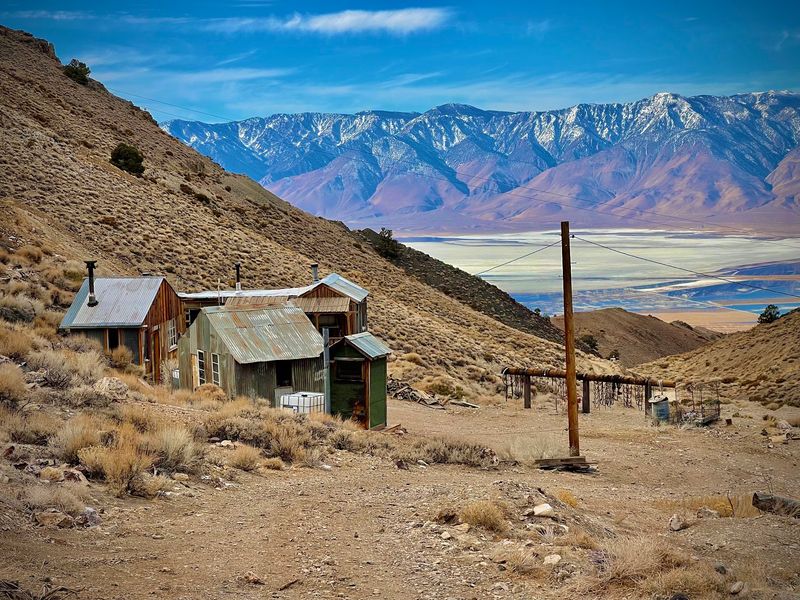
Bullet holes in the walls. A hotel from 1871.
A view that stretches all the way to Mount Whitney. Cerro Gordo packs a lot of drama into one dusty mountaintop, and it might become your favorite stop.
The name means fat hill in Spanish, which is pretty funny for a place that once pumped out tons of silver.
Today the town is privately owned, but the gates open to visitors daily from 9 AM to 5 PM. Caretakers often lead tours and love sharing wild stories about the lawless old days.
You can poke around the American Hotel, the 1904 Bunkhouse, and the 1868 Belshaw House.
The old General Store now works as a museum packed with mining gear and odd treasures. A $10 tour fee helps the Cerro Gordo Historical Foundation keep everything standing.
Now, about that road. It is an 8-mile dirt climb that gains more than 4,300 feet, ending around 8,000 feet up.
A 4WD vehicle is strongly recommended, and nervous drivers should probably let someone else take the wheel.
Why go in October? Cooler temperatures make the climb much more comfortable, and the light this time of year is magic.
Try to time your visit near sunrise or sunset, when the Sierra Nevada glows pink and orange across the valley. Bring a camera, a jacket, and plenty of water. You will want to linger.
3. Ballarat, Panamint Valley
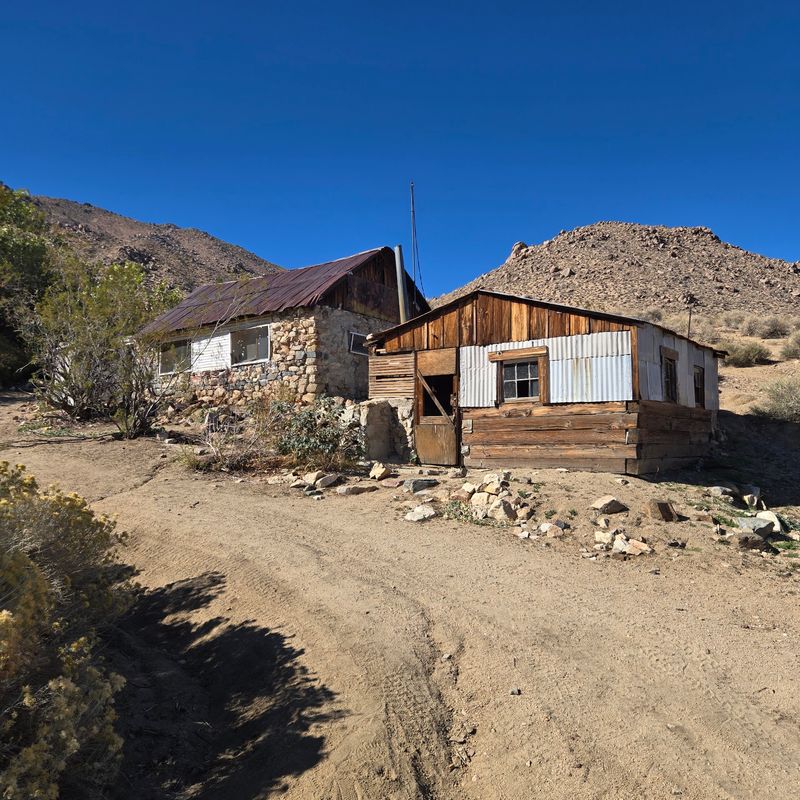
Out in the Panamint Valley, a few adobe walls bake quietly in the desert sun. Ballarat may not look like much at first glance, but stick around and the place starts talking.
Back in the late 1890s, this was a supply town for miners working the nearby canyons. At its peak, it had hotels, saloons, a jail, and a post office, but no church.
That tells you a lot about the crowd that hung out here. By the early 1900s, the mines faded and so did the town.
Today you can wander among crumbling adobe ruins, a tiny old jail, and rusty vehicles that seem frozen in time.
One famous old truck is said to have belonged to members of the Manson Family, who hid out in nearby Barker Ranch. Creepy, right? It fits the October mood perfectly.
The road in is a graded dirt route off Trona Wildrose Road, usually passable for regular cars in dry weather. Still, check conditions before you go, since desert storms can wash out sections.
October is ideal because summer here is brutal, often hotter than 110 degrees. Fall brings comfortable days and crisp, starry nights.
Bring extra water, a full gas tank, and a spare tire. Services are basically nonexistent, so you need to be your own rescue team.
Ballarat also makes a great jumping-off point for exploring the rugged canyons nearby.
4. Bombay Beach Ruins, Bombay Beach
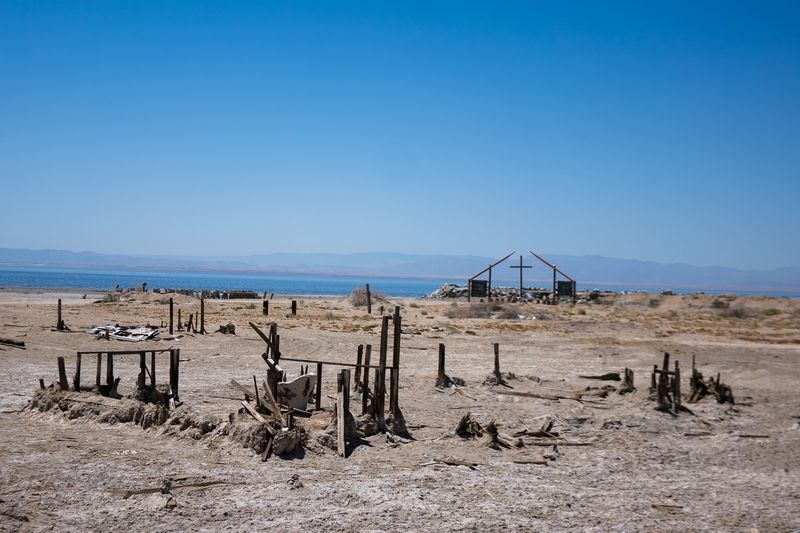
Half beach town, half art gallery, and fully strange. Bombay Beach sits on the shore of the Salton Sea, and it might be the weirdest place you visit all year.
Back in the 1950s and 1960s, the Salton Sea was a hot vacation spot. Boats zoomed across the water and families packed the shoreline.
Then the lake grew saltier, floods wrecked homes, and fish died off. Most people left, leaving behind sunken trailers and rusty frames poking out of the sand.
Here is the twist. Artists have turned the ruins into a giant outdoor playground.
You will find colorful murals, odd sculptures, and creative installations scattered among the old buildings.
It is eerie and beautiful at the same time, which makes for amazing photos.
A small community still lives here, so be respectful. Do not wander onto private property or into homes, and keep noise down. Think of it as visiting someone’s very unusual neighborhood.
Why October? Summer in this part of the desert is scorching. Fall brings mild days and stunning sunsets that turn the water pink and gold.
The smell near the shore can be strong some days, so maybe skip the picnic right by the water.
Pro tip: wear closed shoes. The beach is covered in crunchy fish bones and barnacles instead of soft sand.
5. North Bloomfield Ghost Town, Malakoff Diggins State Historic Park
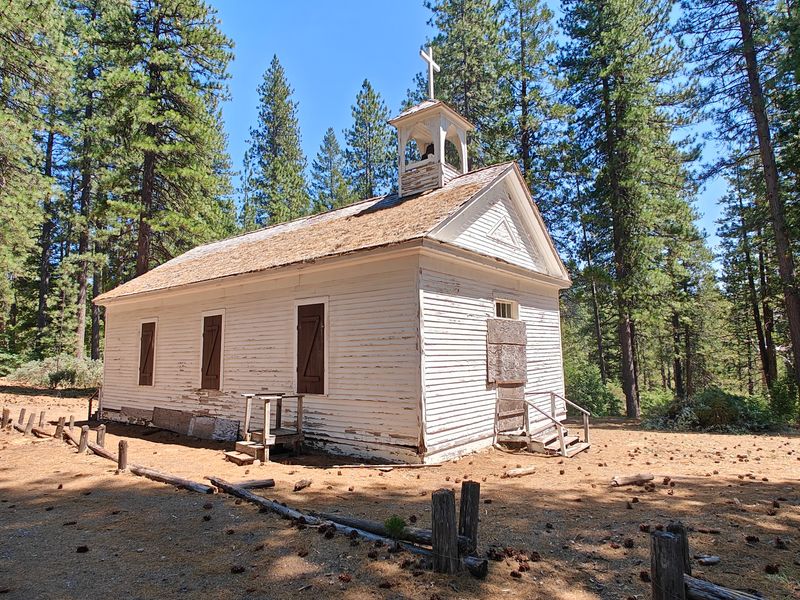
Powerful water cannons once tore into the mountainsides near North Bloomfield, washing away enormous amounts of earth in the search for gold.
The mining stopped long ago, but the massive scars it carved into the landscape are still visible today.
This sleepy town sits inside Malakoff Diggins State Historic Park in the Sierra foothills. During the 1850s through 1880s, miners used powerful hoses in a process called hydraulic mining to wash gold out of the earth.
It worked, but it also sent tons of mud down rivers and flooded farms. In 1884, a court case shut it down, one of the first big environmental rulings in the country.
Today, the leftover pit looks like a mini Grand Canyon, with pink, white, and orange cliffs. It is honestly stunning, especially in soft fall light.
In town, you can stroll past restored buildings like the drugstore, the general store, and the old church.
The museum helps explain how hydraulic mining worked, with displays of the huge water nozzles called monitors.
October brings colorful leaves to the oaks and maples, making this one of the prettiest stops on the list. Temperatures are comfy for hiking the Diggins Loop Trail, which circles the pit.
The park is open daily from sunrise to sunset, while the Visitor Center and Museum are open daily from 10 AM to 4 PM through October 31
6. Shasta Ghost Town, Shasta State Historic Park
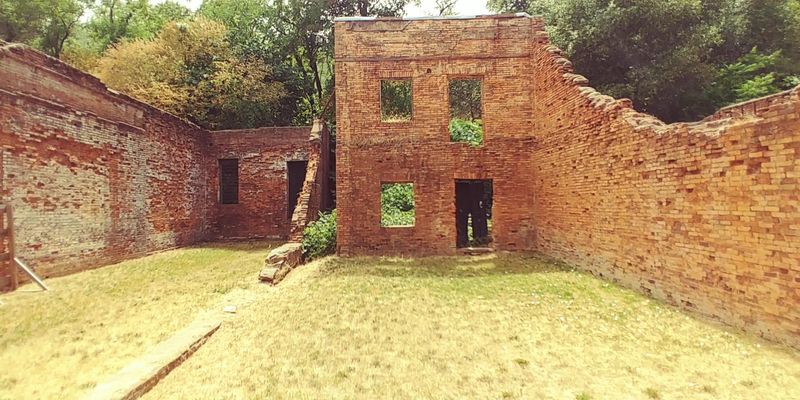
Once upon a time, Shasta was the Queen City of the Northern Mines. Today she is a little rough around the edges, but still full of charm.
Just west of Redding, this gold rush town was once a busy hub filled with hotels, breweries, and shops.
Then, in the 1880s, the railroad passed it by. Business slowly dried up, and the town faded into the quiet ruins you see now.
Walking down the old main street feels like flipping through a history book. Crumbling brick walls still have their iron shutters hanging on, rusty but stubborn.
Make time for the restored County Courthouse, which now serves as a museum and visitor center. Inside, you will find history displays and a surprising collection of California art.
The Pioneer Barn shows off an old stagecoach and farm tools, and the Litsch General Store is set up just like it looked in the 1880s.
Exploring the outdoor historic areas is free, while admission to Shasta’s Courthouse Museum costs $3 for adults, $2 for youths, and is free for children 5 and under.
October in Northern California brings golden oak leaves and comfortable hiking weather.
Easy trails loop through historic areas and woodlands, perfect for younger kids or anyone who likes a gentle walk. Dogs can join on a leash outside, though not inside the historic buildings.
7. Panamint City, Death Valley Area
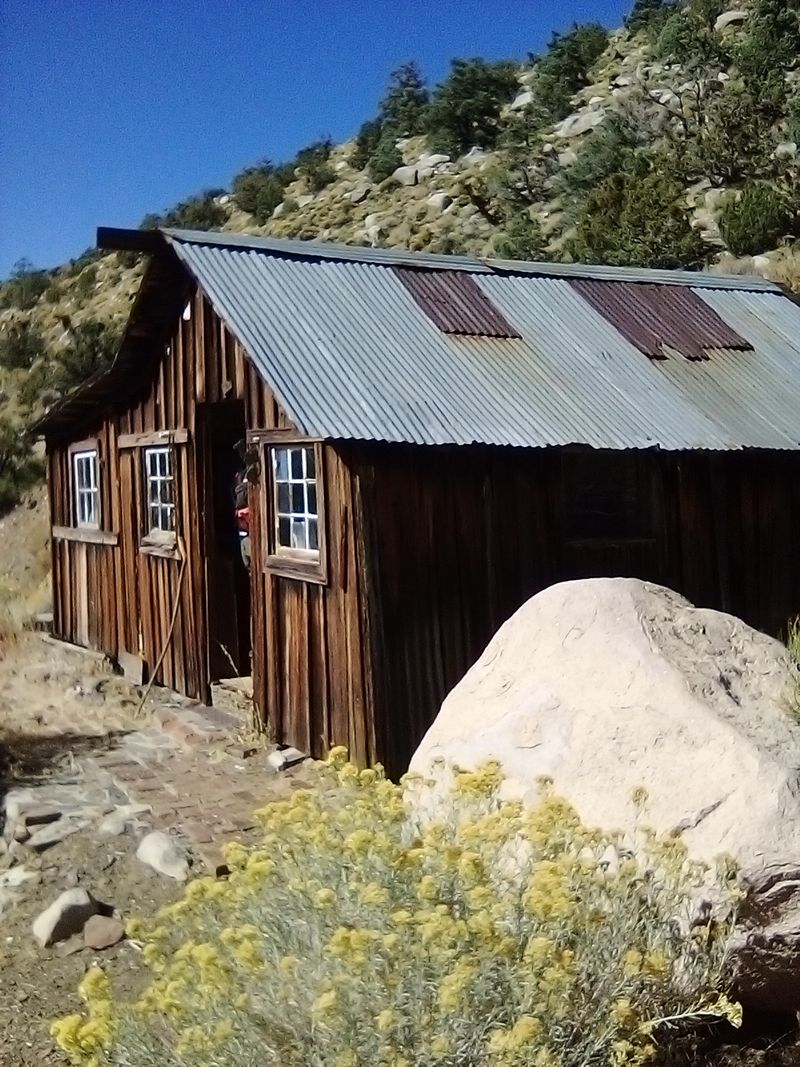
Fair warning: you cannot drive to Panamint City. You have to earn it with your own two feet, and that is exactly what makes it so special.
Founded in 1873, this silver boomtown sits high in the Panamint Mountains. It had a rough reputation, filled with outlaws and fights.
In 1876, a flash flood ripped through and wiped out much of the town. Surprisingly, small mining efforts kept popping up here all the way into the 1980s.
Getting there means a tough 15-mile round-trip hike through Surprise Canyon. You will gain thousands of feet in elevation, splash through streams, and even scramble up small waterfalls.
Summer is way too hot for this trek, so October is the perfect window. Cooler air makes the climb far more doable.
Early miles pass Limekiln and Brewery Springs, which are good water sources, but always bring a filter.
When you see a tall brick smelter smokestack, you have made it. Look around and you will find old saloon ruins, rusty antique cars, and scattered mining gear.
Some hikers stay overnight in maintained cabins. If you do, be careful about hantavirus, which can come from mouse droppings. Use your own tent if you are unsure.
8. Silver City Ghost Town, Bodfish
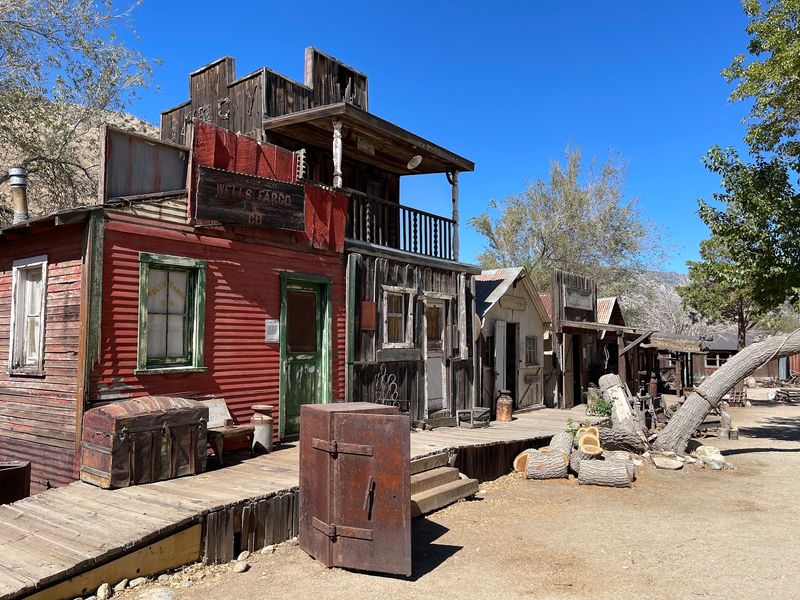
Some ghost towns sit where they always stood. Silver City is different.
It was pieced together from real old buildings rescued from mining camps around the Kern River Valley.
Located in Bodfish, near Lake Isabella, this collection features more than 20 historic structures.
Many came from towns like Keysville and Havilah, saved from rotting away and moved here so people could enjoy them.
You will see cabins, a jail, a general store, and other buildings filled with antiques and old tools.
Here is the spooky part, and it is perfect for October. Silver City has a reputation as one of the most haunted spots in the area.
Visitors and staff have reported strange noises, doors moving on their own, and odd shadows. Whether you believe it or not, it is fun to keep your eyes peeled.
The vibe is more relaxed and family friendly than some of the rugged backcountry stops. Kids can walk the dusty paths and peek inside buildings without worrying about steep cliffs or rough roads.
Hours and tour availability can change, so call or check online before heading out.
Pair your trip with a stop at Lake Isabella or a scenic drive along the Kern River. Fall colors on the cottonwoods make the whole valley glow.
9. Chinese Camp, Tuolumne County
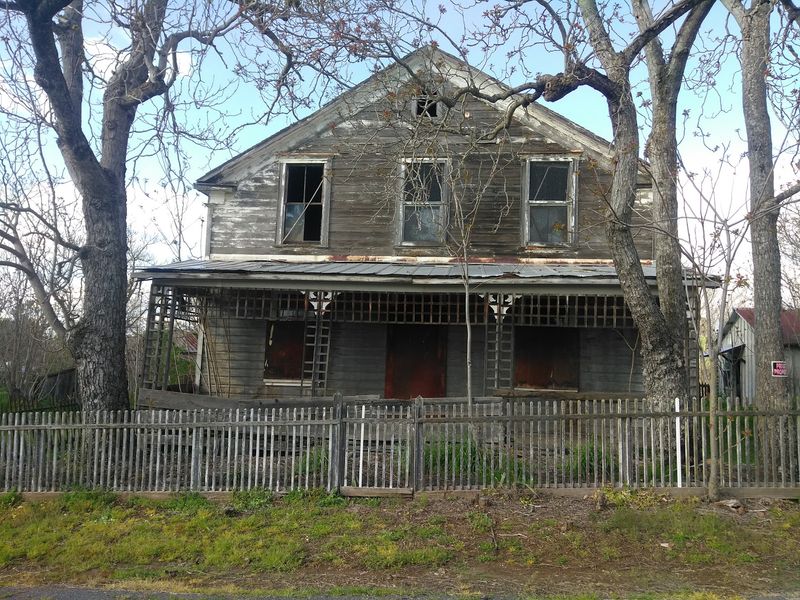
History books often skip the people who did the hardest work. Chinese Camp is where their story gets a chance to shine.
Founded around 1849 by Englishmen who hired Chinese miners, this town grew into a busy gold mining center.
By the 1850s, thousands of Chinese immigrants lived and worked here. It also became an important stop for stagecoaches moving through Gold Country.
Chinese Camp is officially California Historical Landmark number 423. It is also known as the site of the state’s first Tong War in 1856, a large fight between rival Chinese groups.
Today, the town is very quiet. The descendants of the original miners no longer live here, but some buildings remain.
The 1854 stone and brick post office still stands, and the 1855 St. Francis Xavier Catholic Church sits on a nearby hill. It was restored in 1949, and its little cemetery is worth a respectful look.
Many structures are on private land or fenced off, so admire them from the road. Bring your imagination and picture the busy streets that once filled this valley.
October is lovely here, with mild weather and golden hills.
Chinese Camp sits along the Mark Twain Bret Harte Trail, so you can easily combine it with stops in Jamestown, Sonora, or Columbia for a full Gold Country day.
10. Masonic Ghost Town, Mono County
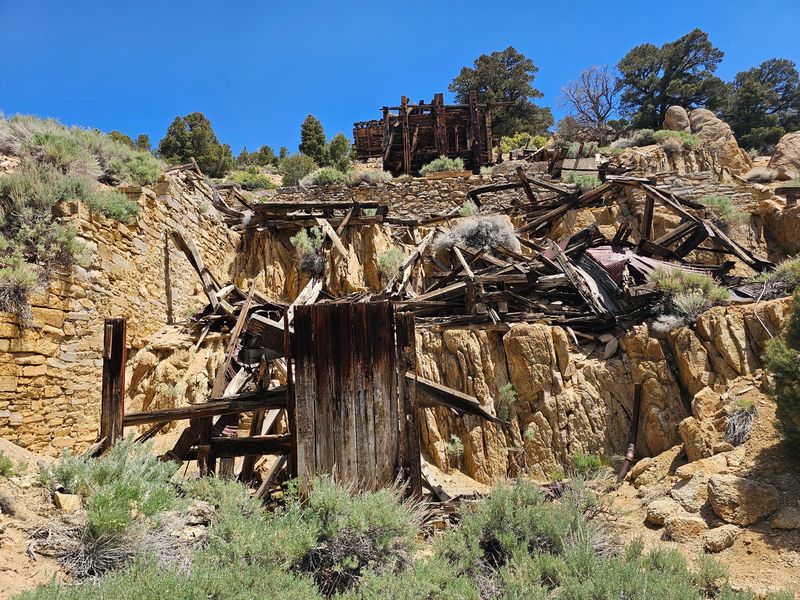
Few people have heard of Masonic, and that is exactly why it feels like a secret. In the hills northeast of Bridgeport, it rewards curious explorers who do not mind a bumpy ride.
Gold was found here around 1902, and the camp grew into three small sections called Upper, Middle, and Lower Town. At its busiest, about 1,000 people lived here.
They even built an aerial tramway to carry ore down the mountain to the mill. By the 1910s, the gold slowed down, and the town emptied out.
What is left today is raw and wild. You will find collapsed cabins, scattered foundations, and pieces of the old tramway hanging on the hillside.
Nothing has been polished up for tourists, which makes it feel more real.
The dirt roads leading in can be rough and rocky. A high-clearance vehicle is strongly recommended, and you should download offline maps, since cell service disappears fast.
October is a great time to visit before snow closes the high roads. The air is crisp, and the pinyon pines smell amazing. Still, temperatures can drop quickly at this elevation, so bring warm layers.
Here is a fun plan. Visit Masonic in the morning, then head over to Bodie in the afternoon. Together, they make a fantastic ghost town double feature without too much extra driving.
11. Garlock Ghost Town, Kern County
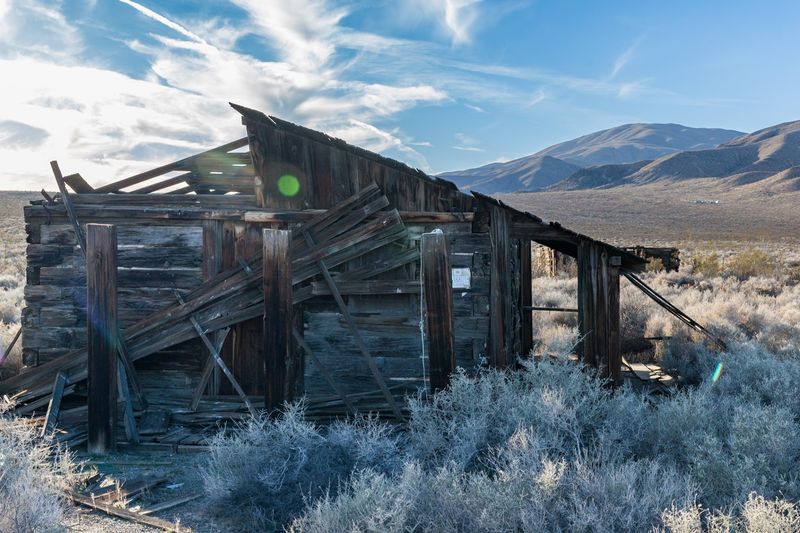
Did you know a major earthquake fault is named after a tiny ghost town? The Garlock Fault, the second-longest fault in California, takes its name from this lonely Mojave Desert spot.
The town itself started in 1894, when Eugene Garlock built a stamp mill to crush gold ore.
Since water was scarce in the desert, Garlock became an important stop that supplied water and services to nearby mines. For a while, things were humming along nicely.
Then trouble arrived. The railroad skipped town, and water got piped straight to nearby Randsburg. Without those two lifelines, Garlock slowly dried up and blew away.
Today it is California Historical Landmark number 671. Most surviving buildings sit on private land behind fences, which helps protect them from vandals.
You can still see plenty from Garlock Road, though, including the remains of homes and businesses.
Keep an eye out for the old adobe schoolhouse. Over the years, it worked as a general store, a tavern, and supposedly a secret speakeasy and brothel. Talk about a building with a colorful résumé.
October is the perfect month because desert summers here are intense. Fall days are warm but friendly. Bring water, snacks, and a camera.
Afterward, drive over to Randsburg, a quirky living ghost town with shops and a saloon, to round out your desert adventure.