Brickyards Once Shaped Every Nebraska Main Street And One Old Kiln Still Stands Open To Visitors
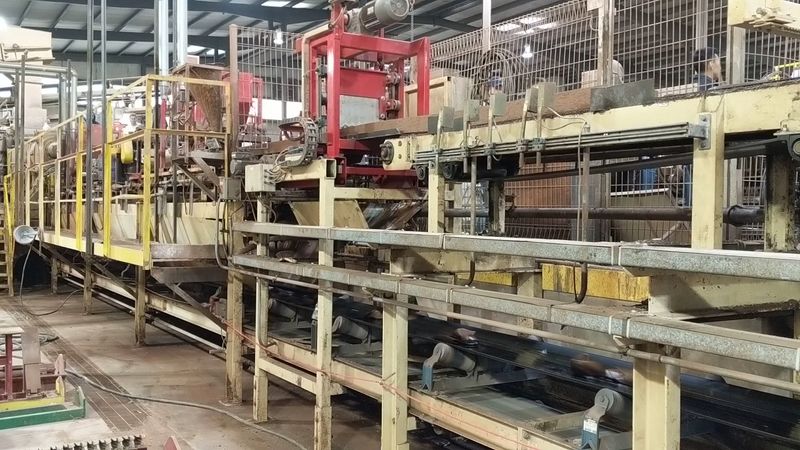
Seventy percent of all the brick made in Nebraska once came out of a single town. That same town supplied every paving brick used across the state.
Let that sink in the next time your tires rumble over an old brick street.
Those red blocks didn’t show up by accident. A downtown blaze in 1879 pushed one city to require fireproof commercial buildings.
Brickyards boomed, and main streets rose block by sturdy block.
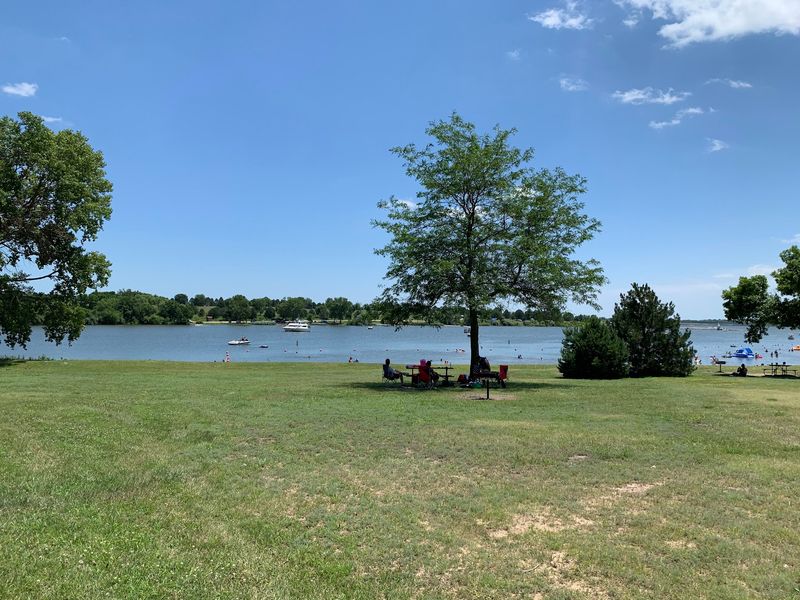
I love that this story isn’t locked away in a museum case. One old kiln still stands where families now picnic and kids zip down metal slides.
I can’t imagine a Nebraska main street without that warm red glow.
Meanwhile, a working brick supplier keeps loading trucks every weekday morning. So where does all that history meet the brick you could stack in your own backyard?
A Working Brick Yard Hiding Right Next To Lincoln’s Favorite Park
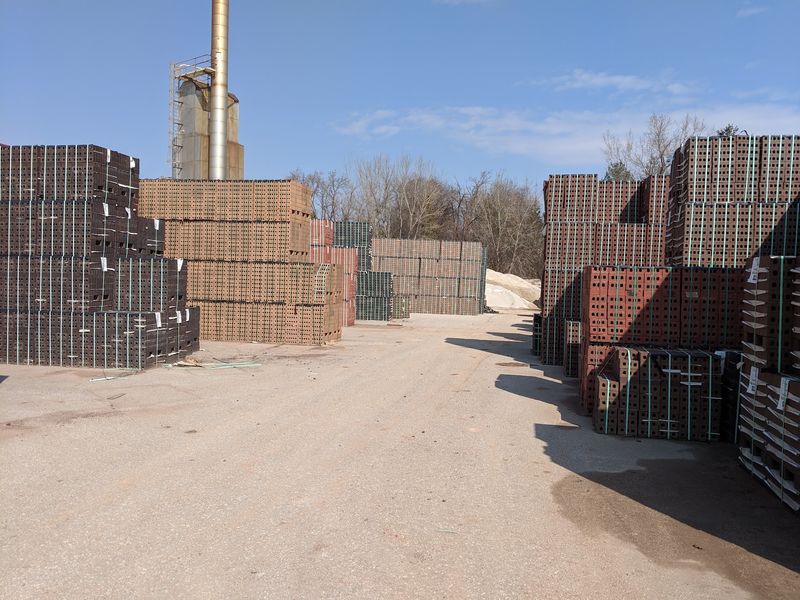
Most Lincoln folks know the city for football, the Capitol, and long drives through Pioneers Park. Fewer realize a busy brick supplier operates right next door.
Yankee Hill Brick & Tile sits on the southwest edge of Lincoln, Nebraska.
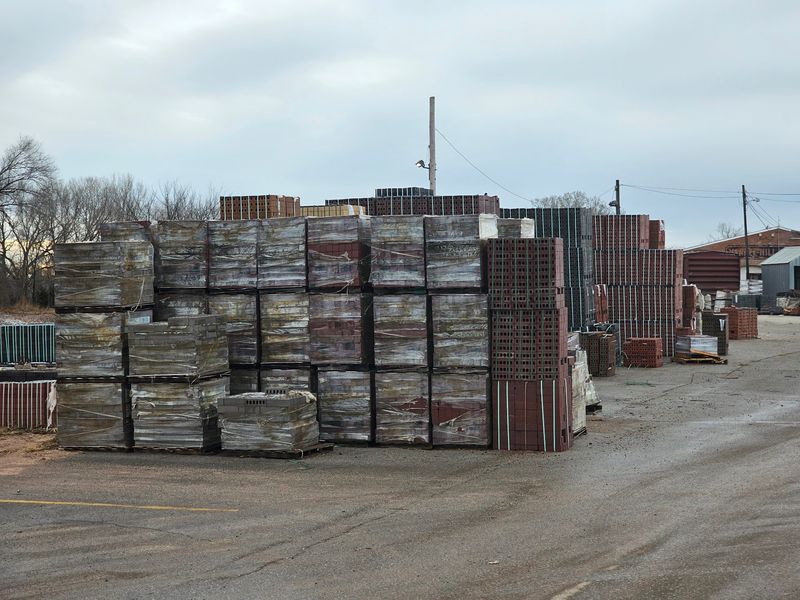
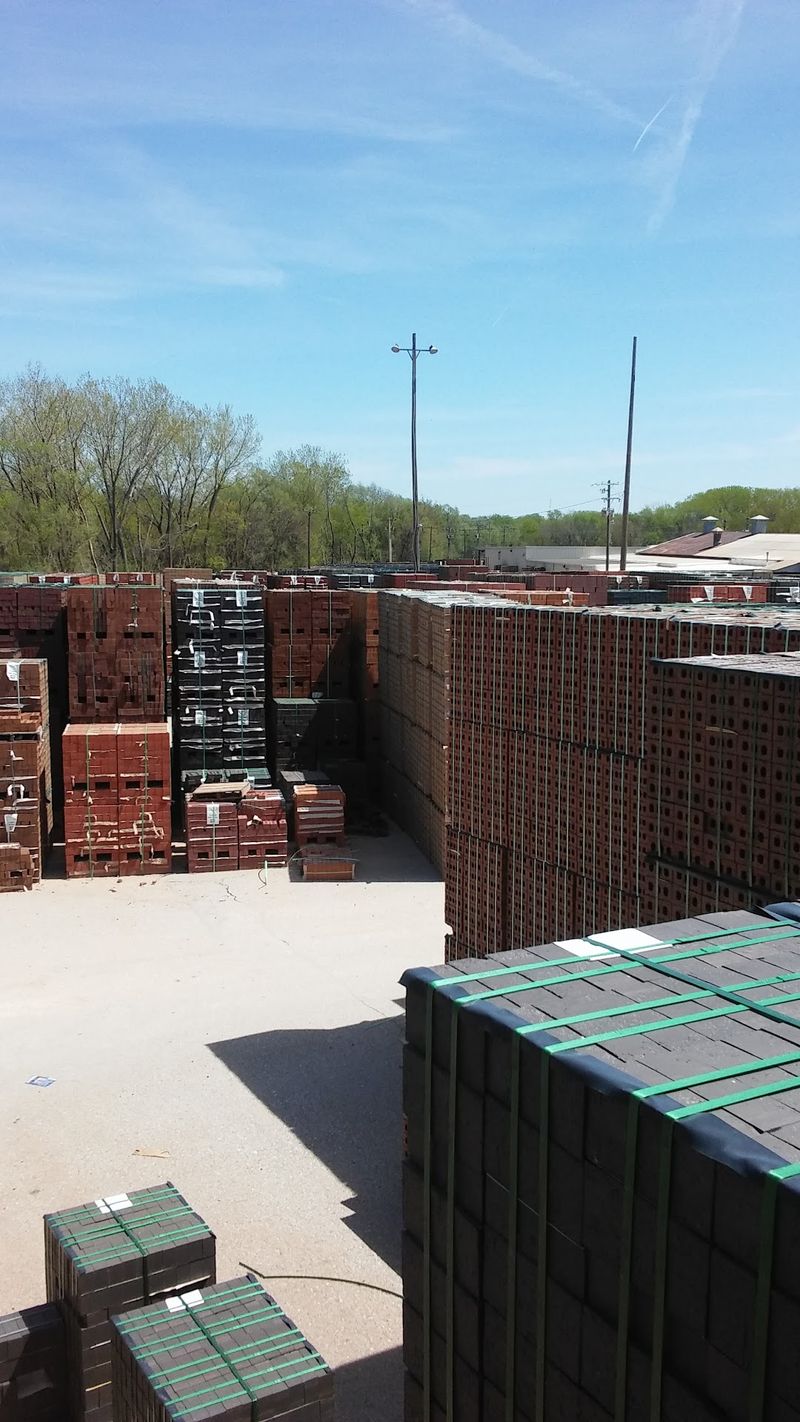
It’s a building materials store, plain and simple. Pallets of brick, a front office, and forklifts that keep the yard moving all day.
So why feature a place where people buy bricks? Because brick is the quiet backbone of Nebraska’s small-town look.
Every courthouse square and old storefront you love depends on it.
Yankee Hill Brick & Tile connects that story to the present day. Homeowners, contractors, and truck drivers all pass through its gate.
The bricks they haul end up in patios, homes, and storefronts across the region.
That makes it a living chapter in a very old Nebraska tale. The state’s brick boom started more than a century ago, and the demand never fully faded.
Think of this as a tour with two stops. One is a working yard in Lincoln, and the other is a historic kiln you can see in person.
Both tell the same sturdy story.
How One Downtown Blaze Turned Nebraska Into Brick Country
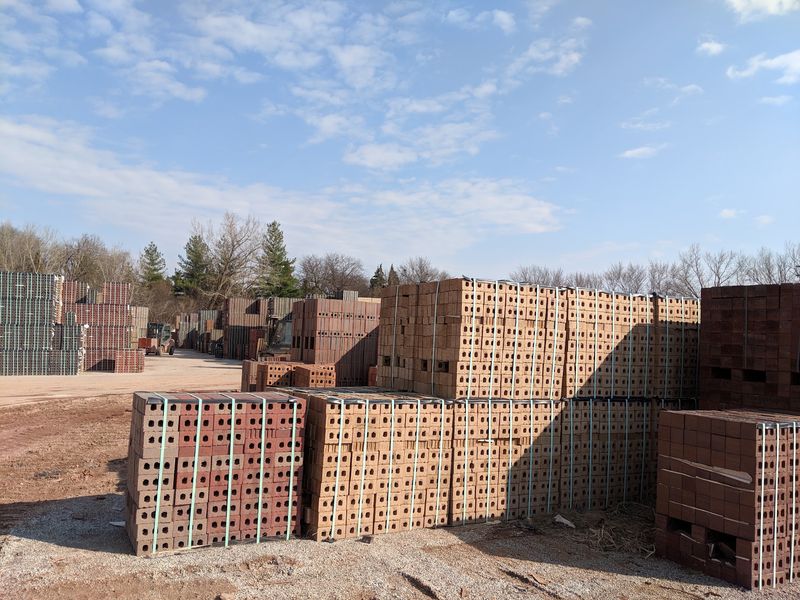
Wooden storefronts look lovely in old photos. They also burn fast, and Hastings learned that the hard way in September 1879.
A fire swept through much of the town’s downtown that fall. City leaders responded with a smart rule that changed the look of Nebraska.
New commercial buildings had to use fireproof materials. Brick suddenly became the only sensible choice for any merchant hoping to rebuild.
Local brickmaking had already started in Hastings in 1878. That was just six years after the town itself was founded.
The ordinance poured fuel on that young industry, in the best way.
Demand for locally made brick shot upward. Clay pits, kilns, and smokestacks multiplied across the area.
Workers shaped, dried, and fired brick by the thousands.
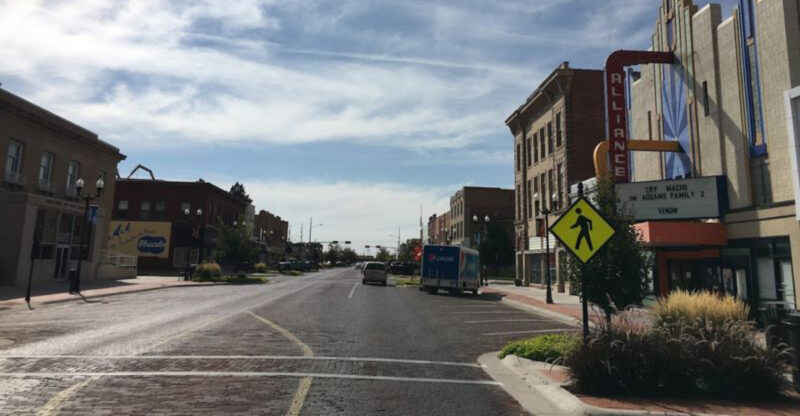
Walk down almost any older Nebraska main street today and you’ll feel the result. Those rows of red two-story buildings weren’t a style trend.
They were a practical answer to a very real danger.
It’s a good reminder that architecture often starts with problem-solving. Pretty came later.
Survival and safety came first, and brick handled both jobs beautifully.
Seventy Percent Of The State’s Brick From A Single Town
Here’s a number worth repeating at the next family dinner. At its peak, Hastings produced 70 percent of all brick made in Nebraska.
That alone would earn bragging rights. But the town went even further with one specific product.
Hastings made 100 percent of the paving brick used in the state. Every brick street rumbling under Nebraska tires came from that one community.
Picture the old roads around your hometown square. If they were paved with brick, there’s a strong chance they trace back to Hastings kilns.
One major player arrived in 1900. The Western Brick and Supply Company set up shop on land that would later become a city park.
Its operation helped cement the town’s reputation, pun fully intended.
The site kept working for decades. A fire finally destroyed the brickyard there in 1946, closing that chapter for good.
Still, the bricks themselves didn’t go anywhere. They’re still holding up storefronts, lining streets, and framing doorways all over Nebraska.
Few industries leave such a visible signature on so many towns at once.
The Old Kiln You Can Still See In Hastings
Good news for history fans who like seeing the real thing. The old Western Brick site in Hastings is now Brickyard Park, and its past is still standing.
The City of Hastings established the 27-acre park in 1977. Instead of erasing the industrial bones, the park kept them.
A smokestack, a kiln, and a clay pit remain on the grounds. Fences surround the ruins, so you view them from outside rather than climbing around.
That’s honestly the right call. Old brick structures weren’t built with curious toddlers in mind, and the fence keeps everyone safe.
The rest of the park is pure modern fun. There’s a large amphitheater that hosts events and a playground with wooden structures and metal slides.
The Hastings Museum has even held Live Sky Tonight events at the park. Stargazing beside a century-old smokestack feels like a pretty great use of public space.
The park sits near 569 South Woodland Avenue in Hastings. It’s an easy stop for anyone curious about where Nebraska’s main streets literally came from.
Where Brick Still Leaves The Yard On Flatbeds Every Weekday
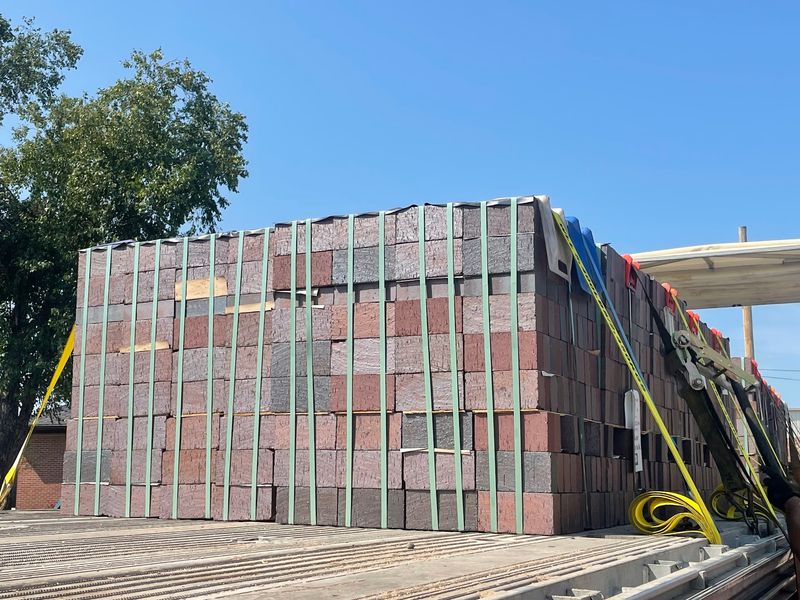
History parks are wonderful, but brick isn’t only a relic. In Lincoln, Yankee Hill Brick & Tile keeps the industry very much alive.
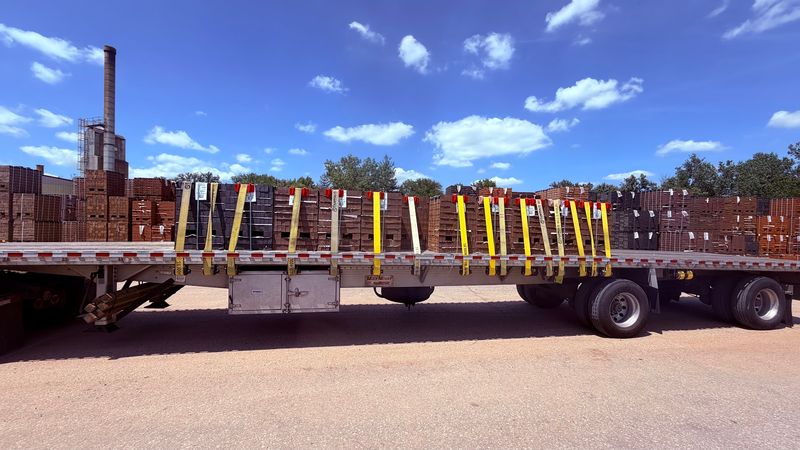
The yard runs on forklifts, flatbeds, and a steady stream of trucks. Drivers check in, wait their turn, and roll out with pallets of brick strapped down tight.
That steady traffic tells you something. Nebraska still builds with brick, and someone has to get it from the yard to the job site.
Loading is the heartbeat of the operation. Forklift crews move bundles from the stacks to waiting trucks throughout the business day.
Busy mornings can mean a line of trucks, so patience helps. Drivers who check in early generally have the smoothest day.
For regular folks, the scene is a fun reminder of how much work goes into a single wall. Every brick on a new home took a ride through a yard like this one.
It’s the modern version of those old Hastings kilns. The smokestacks have changed, but the goal stays exactly the same: get good brick where it needs to go.
Hunting For That One Brick That Matches Grandma’s House
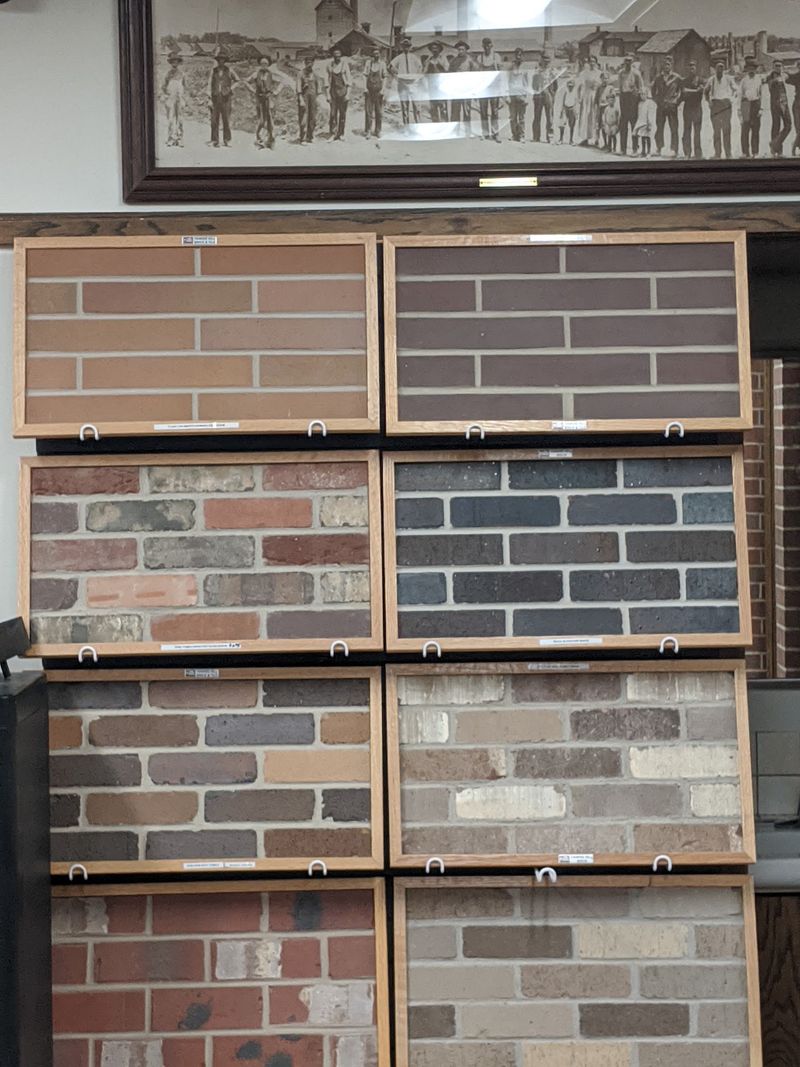
Anyone who has patched an old wall knows the struggle. Finding a brick that actually matches is harder than finding parking at a Husker game.
Selection is one of Yankee Hill Brick & Tile’s strongest calling cards. The yard is known for a wide range of brick and solid pricing.
That variety matters for repair jobs especially. A close color and texture match can make a fix disappear instead of shouting from across the yard.
Some shoppers have driven in from Omaha just to find the exact brick they needed. That’s roughly an hour on the interstate for a pallet of the right shade.
Tile is part of the name too, so the store covers more than one material. It’s a handy stop for projects that need both.
Planning ahead helps a lot here. Bring photos, measurements, or even a sample brick if you have one sitting in the garage.
Friendly staff can point you in the right direction once you explain the project. Matching a 1950s ranch house or a newer build gets easier with a real person helping.
Truck Drivers, Contractors, And Weekend Warriors All Share The Gate
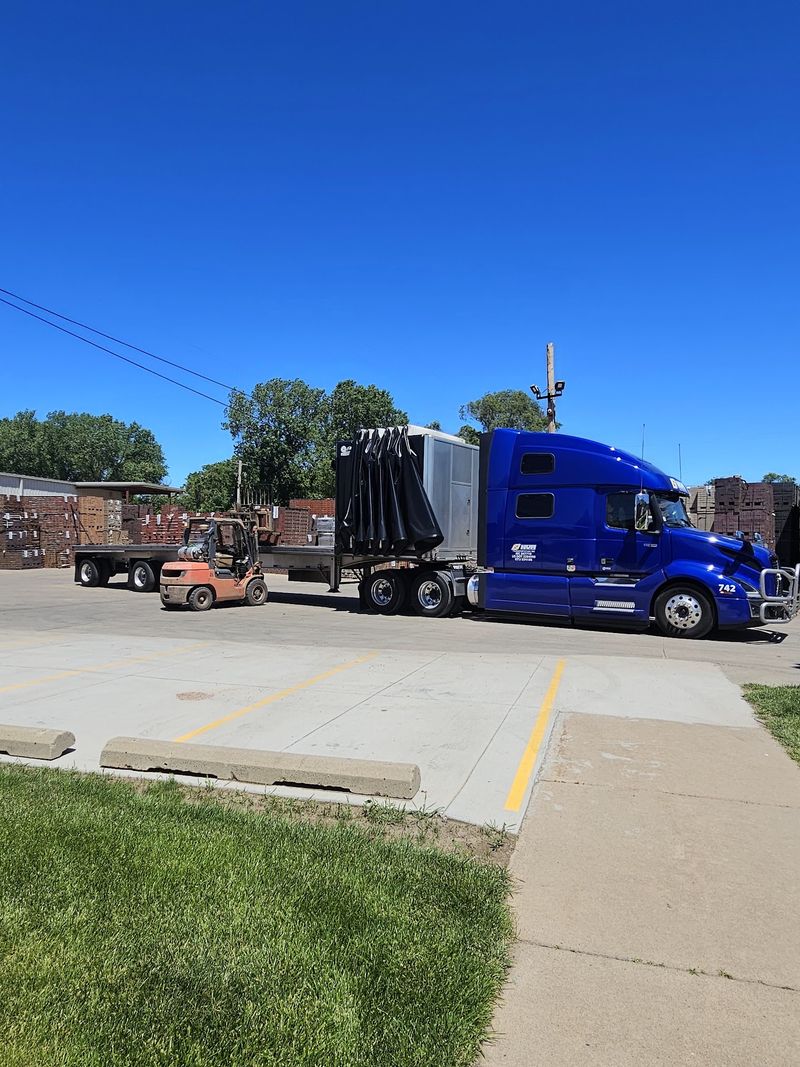
Semis, pickups, and contractor rigs all end up in the same line here. It’s a democratic little scene, as long as you don’t mind waiting your turn.
Professional drivers make up a big share of the traffic. They haul freight from Yankee Hill Brick & Tile to builders and suppliers across the region.
Contractors rely on the yard for project materials. Homeowners stop in for smaller loads, like a patio’s worth of pavers or a garden border.
The forklift drivers earn steady praise for being friendly and helpful. That kind of crew makes a busy morning feel much less stressful.
Wait times can stretch when several trucks arrive together. The yard opens early, and arriving near opening gives you the best shot at a quick load.
Bring a vehicle that can handle the weight you’re buying. Brick gets heavy fast, and a full bundle is no job for a compact car.
Families with kids should keep in mind it’s a working industrial yard. It’s a supply stop, not a sightseeing attraction, so plan accordingly.
Your GPS Might Steer You Into Pioneers Park First
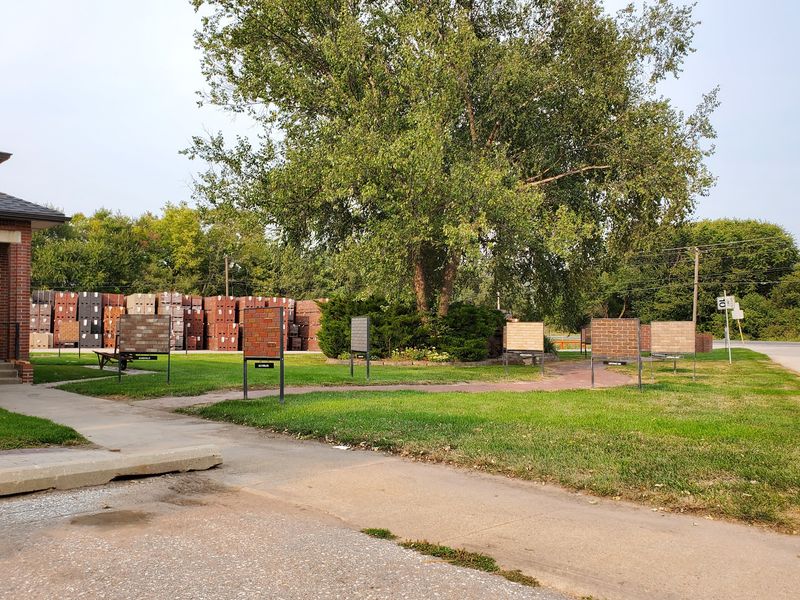
Getting lost on the way to a brick yard sounds unlikely. Yet some navigation apps have nudged drivers into Pioneers Park instead.
The address is 3705 S Coddington Ave, Lincoln, NE 68522. It sits on the southwest side of Lincoln near the city’s beloved nature park.
A past tip suggested continuing about 500 feet past the park turn before heading right. Maps may have improved since then, but it’s still smart to watch the road signs.
The neighborhood setting surprises first-timers. Trees and open land surround the area, giving a working yard a pleasant, almost rural backdrop.
Bug spray isn’t a bad idea in warm months. Mosquitoes love that green Nebraska landscape as much as people do.
Coddington Avenue also sees plenty of truck traffic. Take your time pulling in and out, since semis come and go throughout the day.
Once you know the route, it’s an easy trip from anywhere in Lincoln. Omaha drivers can make it a manageable outing too, especially when the brick they need lives here.
Weekday Mornings Are Your Best Friend
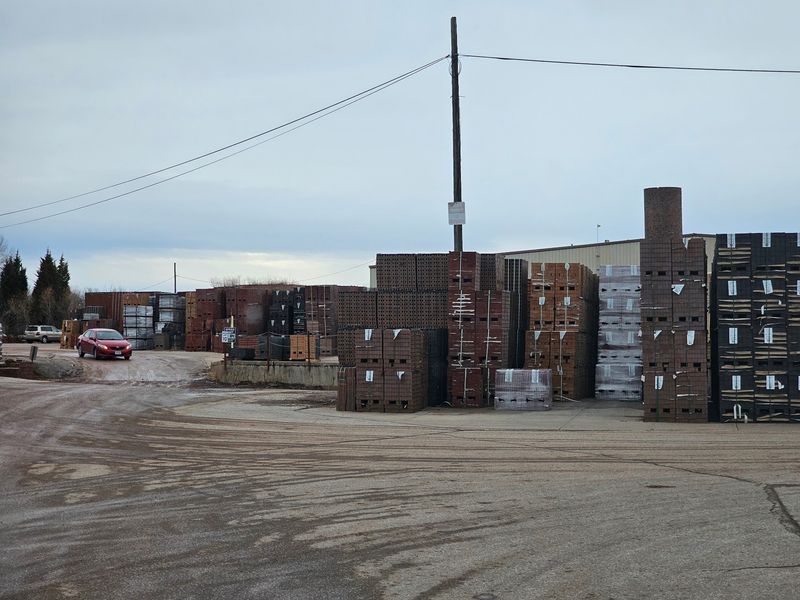
Timing your trip here matters more than you’d guess. Yankee Hill Brick & Tile keeps a weekday schedule and stays closed on Saturday and Sunday.
That means weekend project planners need to shop ahead. Grab your brick during the week, then spend Saturday stacking instead of driving.
The yard opens early in the morning and wraps up by mid-afternoon. Late arrivals risk running out of day before the forklift reaches them.
Early check-in is the golden rule for drivers. Being first or second in line can make the visit dramatically faster.
Prices vary by product and project, so call ahead or ask at the office. It’s the easiest way to avoid surprises at checkout.
Wear sturdy shoes, especially after rain. Industrial yards can get muddy, and puddles sometimes gather around pallets.
Gloves are a wise addition too. Handling brick and the sand used with it can be rough on bare hands.
A little preparation goes a long way. Come early, come ready, and the whole trip feels far more like progress than waiting.
Turning A Brick Run Into A Proper Nebraska Day Out
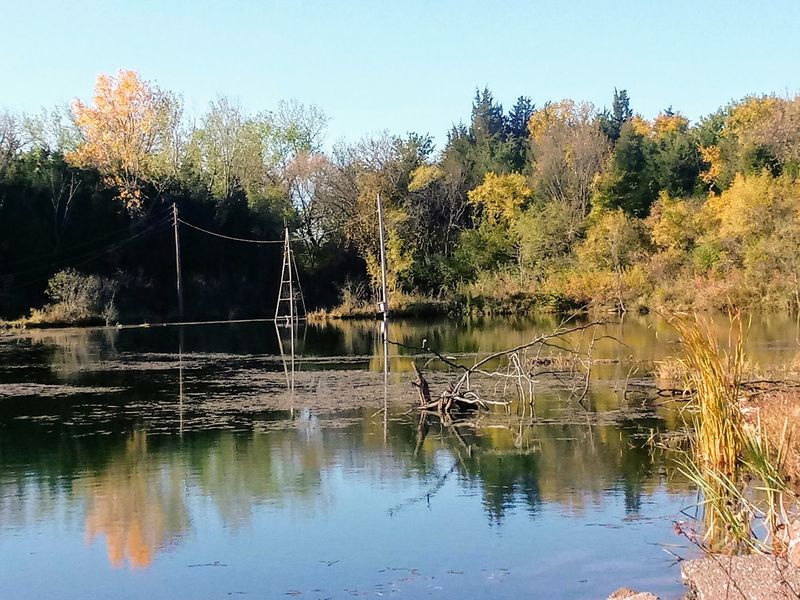
Nobody said a supply trip has to be all business. With Pioneers Park right nearby, a brick run can double as a nature break.
The park offers wooded trails and open prairie views on Lincoln’s southwest side. It’s an easy spot to stretch your legs after loading up.
History buffs can make it a bigger loop. Hastings sits roughly an hour and a half west of Lincoln, and Brickyard Park awaits there.
Seeing the old kiln and smokestack adds real meaning to the bricks in your truck bed. You’re holding the modern descendant of an industry that built Nebraska towns.
Kids will appreciate the Hastings playground with its wooden structures and metal slides. Adults can wander toward the fenced ruins and read up on the site’s past.
Check the Hastings Museum’s calendar for Live Sky Tonight events. An evening of stargazing at a former brickyard makes a memorable finish to the day.
It’s an affordable outing built around things you can see and touch. Brick, prairie, sky, and a little hometown pride.
Red Brick, Real Work, And A Story Worth Passing Down
Brick rarely gets a spotlight, and that’s a shame. It’s the material that turned scattered Nebraska settlements into lasting towns.
Hastings shows where that story started, with a fire, an ordinance, and an industry that once supplied most of the state. Its old kiln and smokestack still stand for anyone to see.
Yankee Hill Brick & Tile shows where the story continues. Trucks still line up in Lincoln, and pallets still head out to build homes and storefronts.
It isn’t a fancy showroom or a tourist stop. It’s a practical, hardworking yard with a wide selection and helpful forklift crews.
Plan around weekdays, arrive early, and bring patience on busy mornings. Those simple habits make the visit much smoother.
Next time you drive past a brick main street, take a second look. That wall might owe its existence to Hastings clay or a Lincoln loading yard.
Either way, it’s a piece of Nebraska you can lay a hand on. Not many stories hold up quite that literally, or quite that well.