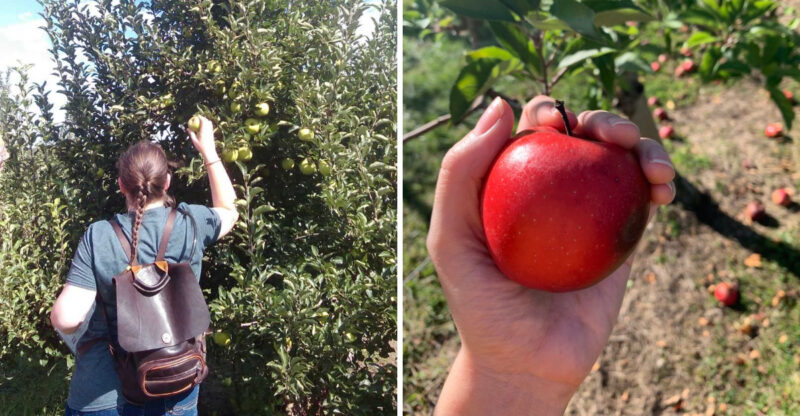
Walk Among Ancient Earthen Mounds At This Kentucky Historic Site Where A Native American Village Once Stood
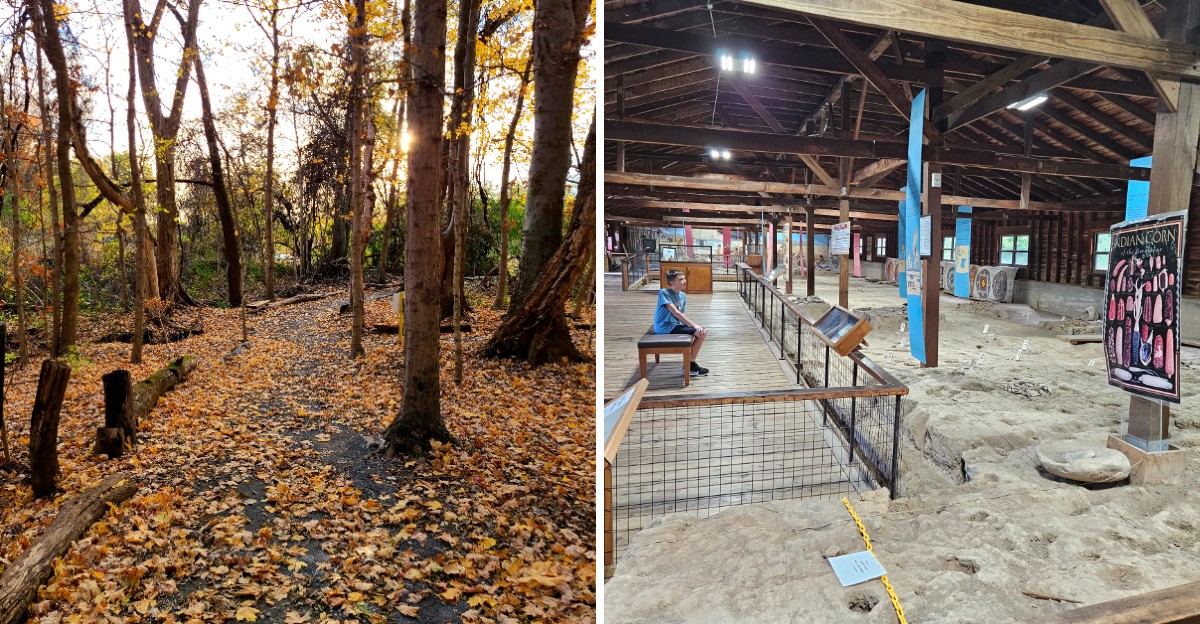
A museum here sits right on top of an excavated mound. You can look straight into the dig and see what archaeologists uncovered.
The people who built these mounds lived here roughly from A.D. 1100 to 1350. They raised earthen mounds and permanent houses around a central plaza on a bluff overlooking the Ohio River.
I like how this corner of western Kentucky lets you walk the same ground those villagers walked. I can’t imagine a better way to make old history feel close and real.
The mounds are right there, grassy and quiet, waiting for your sneakers.
Back in the 1930s, the place even drew crowds under a much flashier name. The real story turned out to be far more interesting than any old roadside sign.
So what did this village leave behind, and how much of it can you still see today?
You Can Peer Right Into The Ground At This Dig-Site Museum
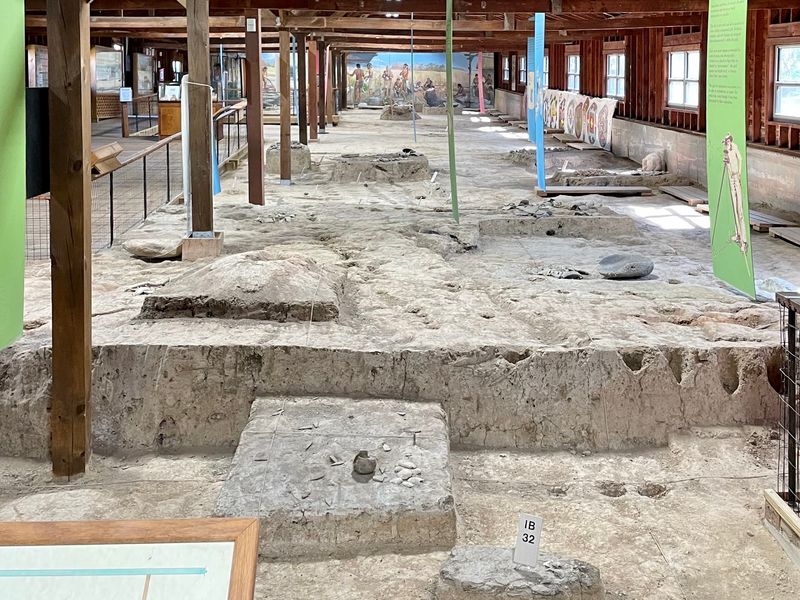
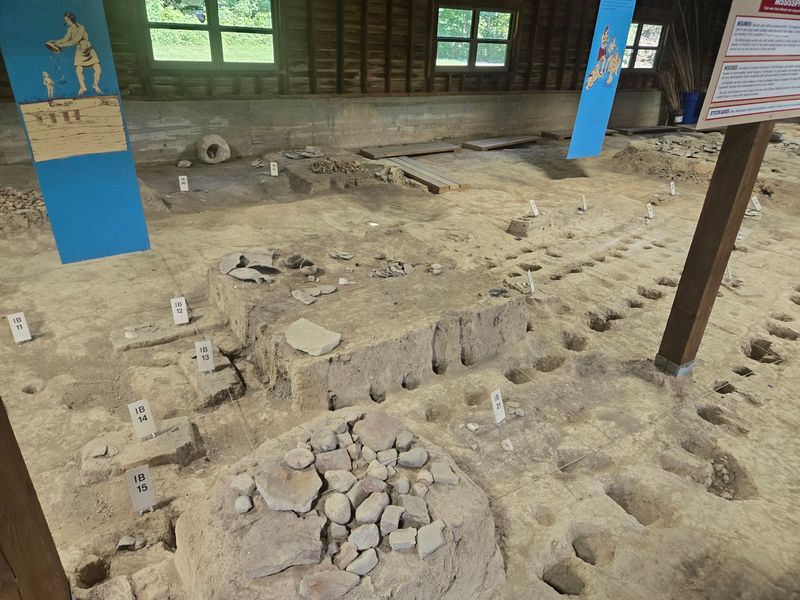
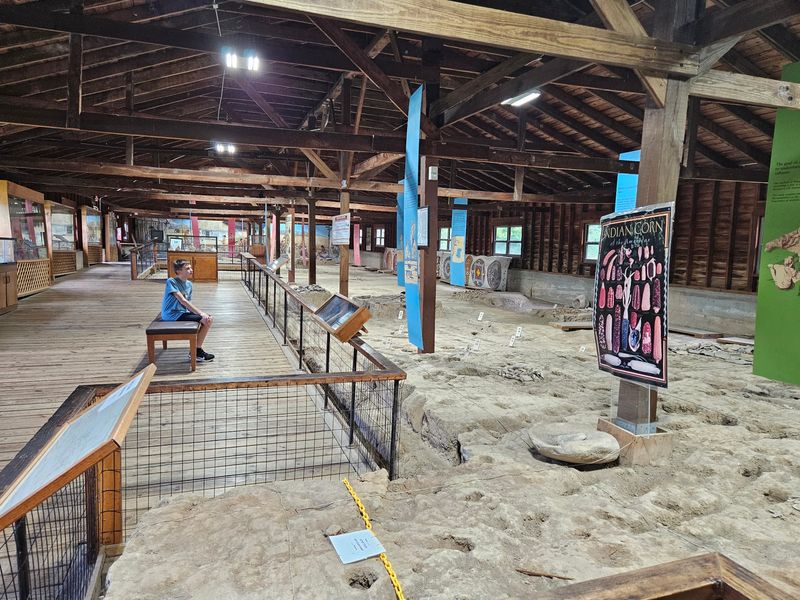
Most museums keep history behind glass. At Wickliffe Mounds State Historic Site, the museum is built right over an excavated mound.
That means the building itself protects part of the dig. You get to see the layers of earth that archaeologists carefully studied, which is rare for a mound site anywhere.
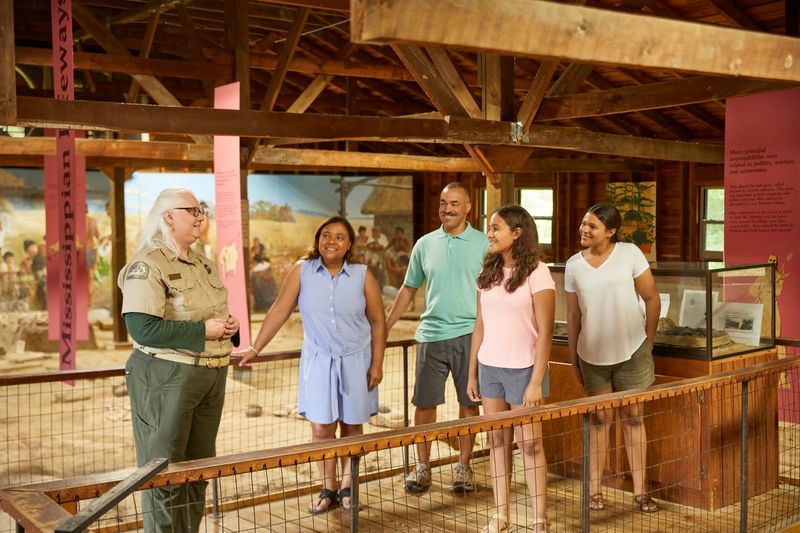
Inside, the exhibits show prehistoric artifacts found right on these grounds. Pottery, stone tools, and other everyday implements help explain how the Mississippian people lived.
The displays cover farming, art, and tool-making in a clear way. Kids and adults can both follow along without feeling buried in jargon.
Interactive displays add a hands-on side to the visit. Staff demonstrations happen too, so you might catch someone showing how an old skill actually worked.
A mural of a Mississippian village also helps fill in the picture. It turns those quiet grassy hills outside into a busy community you can almost hear.
Give yourself some unhurried time here before heading outdoors. Knowing what came out of the ground makes the mounds feel much more meaningful.
Think of the museum as your decoder ring. Once you understand the village, every bump in the landscape starts telling its own story, and suddenly a hill is never just a hill again.
You’ll find Wickliffe Mounds State Historic Site at 94 Green Street, Wickliffe, Kentucky.
Climb The Biggest Mound And Take In That Bluff View
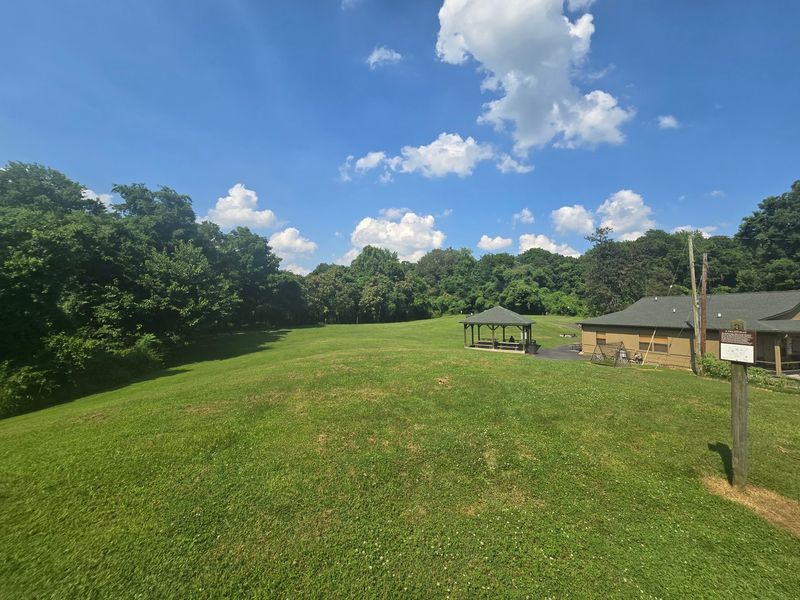
Size matters when it comes to mounds. The Ceremonial Mound is the largest one on the property, and it rewards anyone willing to walk up.
From the top, you get a sweeping look at the bluff area. The Ohio River flows nearby, and its strategic location near the Mississippi River helps explain why people settled on this high ground.
Standing up there gives you a sense of scale. The village once spread around a central plaza, and this mound helped anchor that layout.
Archaeologists believe mounds like this one held important structures or served community purposes. Exact uses varied across Mississippian towns, so the signs here help sort out what is known.
Wear comfortable shoes with decent grip. The mounds have grass and dirt surfaces, so sandals and wet mornings are not the best combination.
Bring your camera, but also put it down for a minute. The open sky and quiet grounds make it easy to slow your brain down a notch.
Early morning or late afternoon light tends to flatter the green slopes. It also keeps you out of the hottest sun during a Kentucky summer.
Bonus points if you can explain the view to your group afterward. Your inner tour guide deserves a moment to shine.
Three Named Mounds Tell Three Different Stories
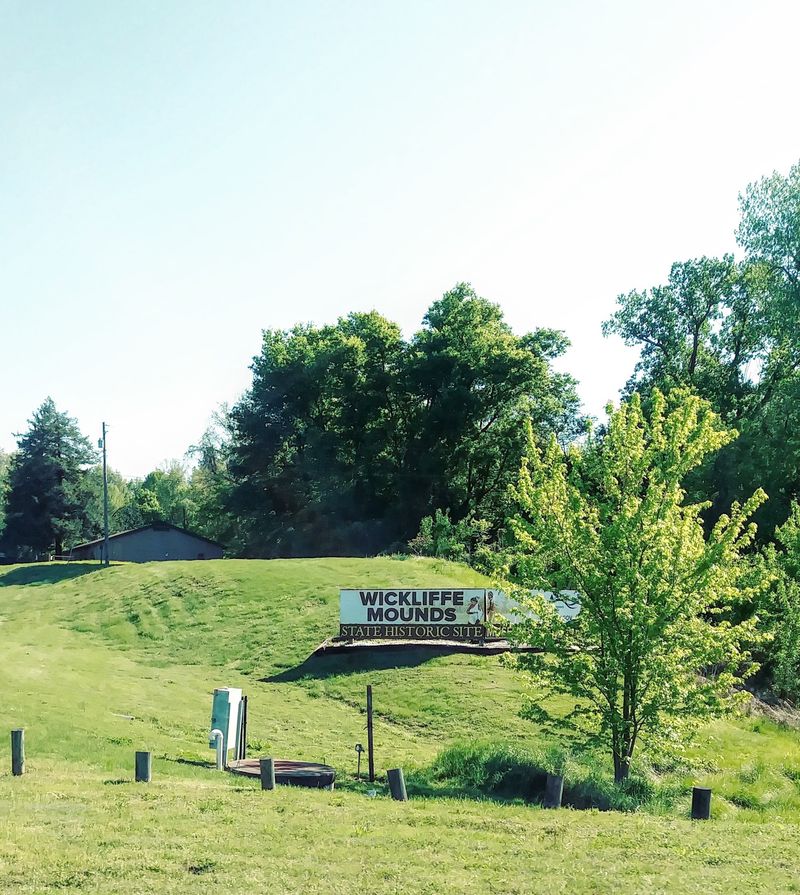
Ceremonial, Chief’s, and Burial. Those three names point to the main mounds you can explore on the grounds.
Each one had a different role in village life. Reading the signs as you walk helps you piece together how the whole community fit together.
The Chief’s Mound hints at leadership and social structure. Mississippian towns often had leaders who lived or held important roles on raised platforms.
The Burial Mound carries a more serious story. Remains found there were later reburied, a respectful step that many visitors find moving to learn about.
Walking between the mounds also shows you the shape of the old plaza. Open space like this was the heart of daily life and community gatherings.
Informative signage and markers point out where past digs took place. Those clues make the landscape feel like a giant outdoor puzzle.
Treat the grounds with care as you explore. These mounds are protected history, and they have lasted centuries thanks to people looking after them.
Families can turn the walk into a little game. Have everyone guess what each mound was for, then check the signs to see who scored the most correct answers.
Before It Was Protected, It Was Billed As An Ancient Buried City
Talk about a dramatic marketing name. After Fain King excavated the site in 1932, it opened as a tourist attraction called Ancient Buried City.
That title surely grabbed attention from passing travelers. Still, the methods back then were very different from the careful archaeology done today.
Things changed in the 1980s when Murray State University took over research at the site. Scientists studied the village with modern techniques and shared what they learned with the public.
That work revealed a great deal about the Mississippian people who lived here. It also reshaped how the site presented its history to visitors.
In 2004, the site moved under Kentucky State Parks. It became a protected State Historic Site, giving the mounds long-term care.
Today it’s listed on the National Register of Historic Places. It’s also recognized as a Kentucky Archaeological Landmark, which is a pretty impressive résumé.
Learning this backstory adds another layer to your visit. You’re seeing ancient history and also the story of how people learned to respect it.
Ask staff about the site’s journey if questions pop up. Friendly experts can turn a quick stop into a much richer afternoon.
Keep Your Eyes Up On The Short Woods Walk
A Pileated Woodpecker is a big, bold bird with a flashy red crest. It’s also shy, which makes spotting one on the Woods Walk Trail feel like winning a small prize.
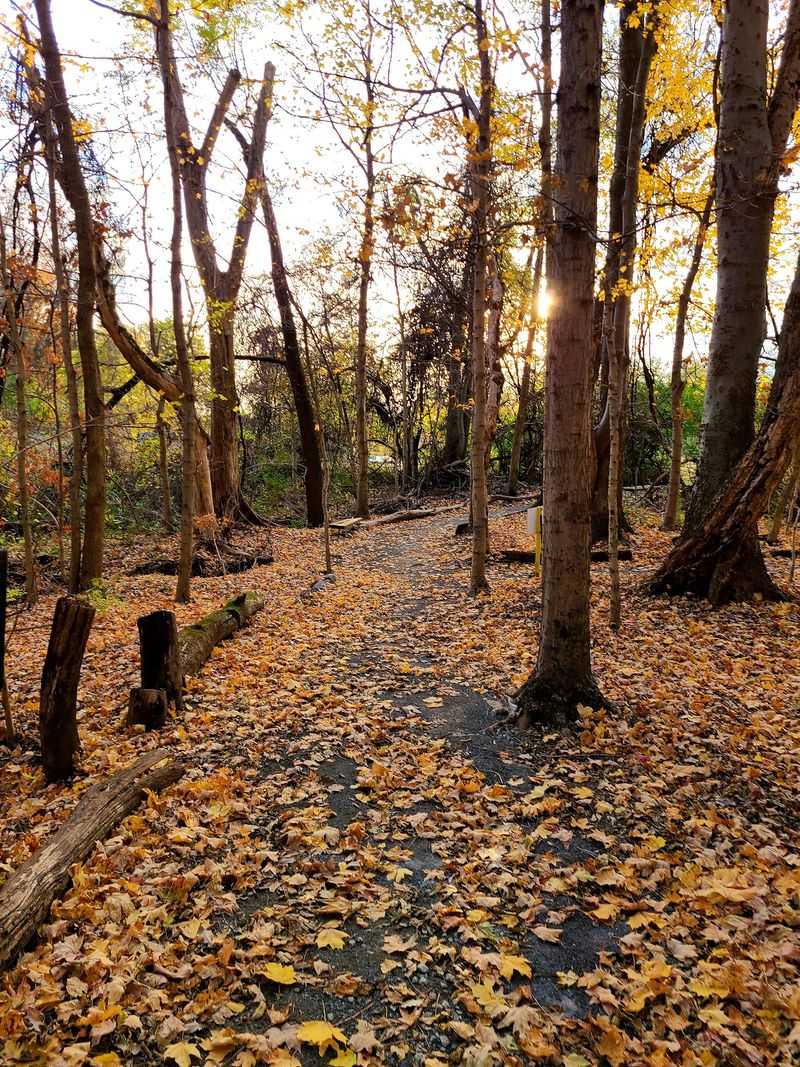
The trail is an easy 0.2-mile loop. Little legs and tired grown-ups can handle it without breaking a sweat.
Birdwatchers have plenty to look for here. Great Blue Herons and Red-winged Blackbirds are among the species that show up around the grounds.
Pick up a bird viewing pamphlet at the Welcome Center before you start. It helps beginners match names to feathers.
Move slowly and listen as much as you look. Woodpeckers often announce themselves with tapping long before you see them.
Binoculars are a smart thing to toss in the car. Even a cheap pair makes treetop spotting much easier.
The trail also offers a nice change from open mounds. Shade and quiet trees make a pleasant break on a warm day.
There’s also an Archaeology Walking Trail if you want more history with your stroll. Combining both gives you nature and the past in one tidy outing, and that’s a pretty efficient afternoon.
Pack A Lunch For The Bluff Picnic Spots
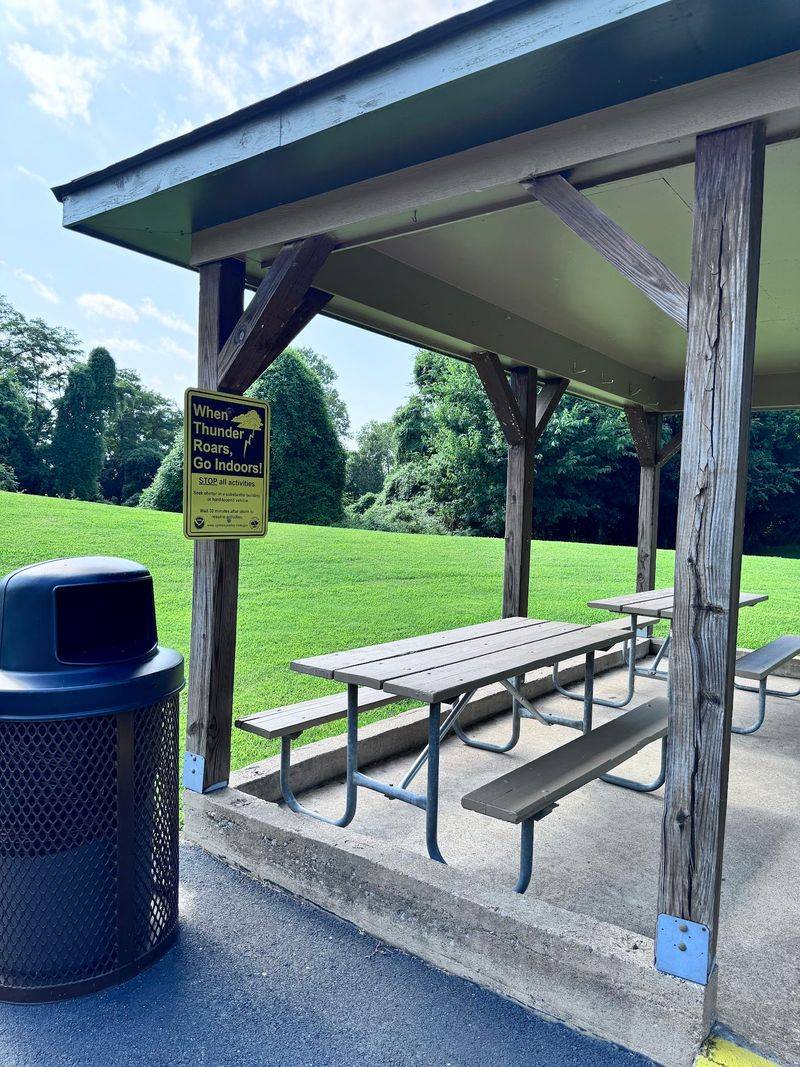
Sandwiches simply taste better with a view. The bluff picnic areas give you a relaxing place to refuel between mound climbs.
There’s a covered area with picnic tables. That’s handy on sunny days or if a light shower rolls through.
Plan ahead, because this is more of a bring-your-own spot. The Welcome Center has cold drinks and snacks, but a full packed lunch keeps everyone happy.
Picnic time also makes a great pause for questions. Kids often have the best ones right after seeing the museum.
Keep your binoculars close while you eat. The bluff areas are another good place to watch for birds.
Pets are welcome on the grounds with a leash. Just remember they can’t go inside the buildings, so plan museum time accordingly.
Pack out all your trash when you leave. Clean grounds help protect the site and the wildlife that lives around it.
A slow lunch can turn a quick history stop into a real outing. Toss in a blanket, a few snacks, and some patience for wandering birds, and you’ve got a laid-back afternoon that feels surprisingly far from busy daily life.
Save A Little Room In Your Bag For The Gift Shop
Replica artifacts make souvenirs way cooler than a keychain. The gift shop here carries those, plus books, pottery, and Native American artwork.
Regional interest items also fill the shelves. It’s a solid spot to grab something that says Kentucky without being cheesy.
Books are a smart pick for curious kids. Reading about the Mississippian culture at home keeps the learning going long after the drive.
Pottery and artwork make thoughtful gifts too. They connect nicely with what you just saw in the museum displays.
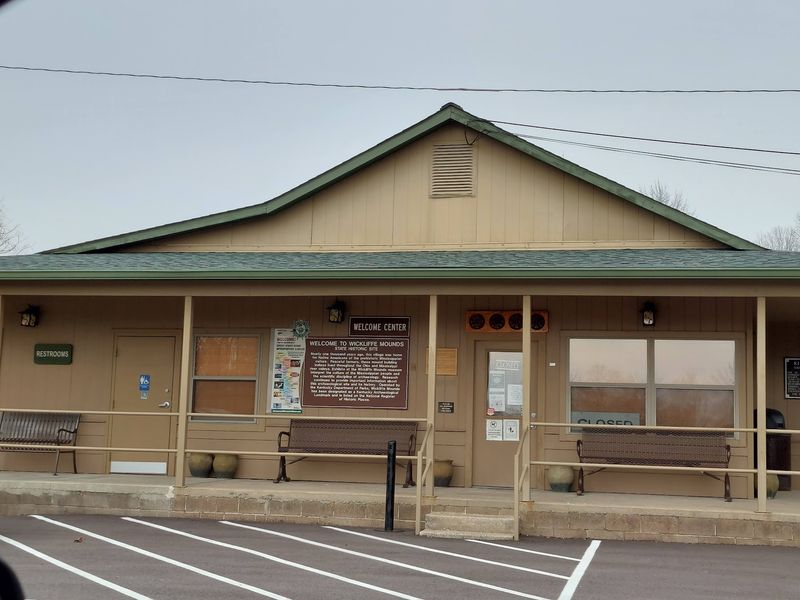
The Welcome Center itself is worth a few minutes. It has helpful information, restrooms, and those bird pamphlets for the trail.
Staff here earn a lot of praise for being friendly. They’re a great resource if you want suggestions on what to see first.
Shop near the end of your visit if you can. You’ll know which parts of the site grabbed you most and pick souvenirs that match.
Set a budget before little hands start pointing at everything. A replica tool or a picture book can make a perfect reminder of the day without draining anyone’s wallet or patience.
Time Your Trip Around Archaeology Day And Fun Programs
September brings a highlight for history fans. Archaeology Day is held each year for Kentucky Archaeology Month and is a family favorite.
The event features booths and hands-on activities. It’s a lively way to learn how archaeologists actually study the past.
Other programs pop up throughout the year. Homeschool Fridays offer structured learning for families teaching at home.
Scout Merit Badge days help young Scouts earn badges with real-world experience. Wild About Nature events focus on the plants and animals around the site.
Special exhibits and demonstrations also appear at various times. Checking the park’s event calendar before you go helps you catch something fun.
Dog owners might even find pet-friendly events. A past Bark Ranger day included a scavenger hunt around the mounds.
Events can get busier than a regular day. Arrive early to explore comfortably and grab good parking.
Even without a special event, the site stays worth the trip. Programs simply add extra sparkle, like sprinkles on an already great cupcake, so peek at the schedule and see if your dates line up with something memorable.
Plan Your Visit Along The Great River Road
Road trippers, this one sits right on your route. The site is an Interpretive Center on the Great River Road National Scenic Byway.
It’s also on the Lewis and Clark National Historic Trail Auto Tour Route. That makes it an easy and meaningful stop on a western Kentucky drive.
It’s open for the 2026 season, typically Wednesday through Sunday.
Hours can vary, and the site may close periodically. Calling ahead or checking the park page saves you from a disappointing locked door.
Most of the site is handicap accessible. The mounds and trails do have grass and dirt surfaces, so plan for uneven ground.
An hour or so covers the highlights for many visitors. Add the trail and a picnic, and you can easily stretch it into a relaxed half day.
Leashed pets can join you outdoors. Just keep them out of the buildings.
Wickliffe Mounds State Historic Site packs a lot of story into a small space. For anyone exploring Kentucky’s river country, it’s a stop that turns grassy hills into a real connection with the past.