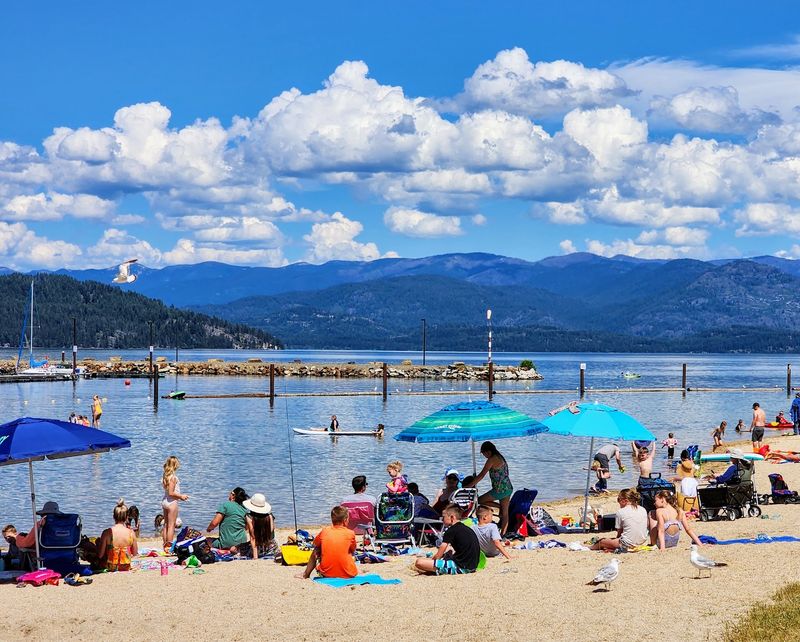
This North Idaho State Park Is So Remote That Lakeside Campers Get White Sand Beaches And No Cell Service
There’s a natural granite waterslide near this campground, and it comes with a catch line so nobody overshoots into the rock below. That detail alone tells you how wild this corner of Idaho still feels.
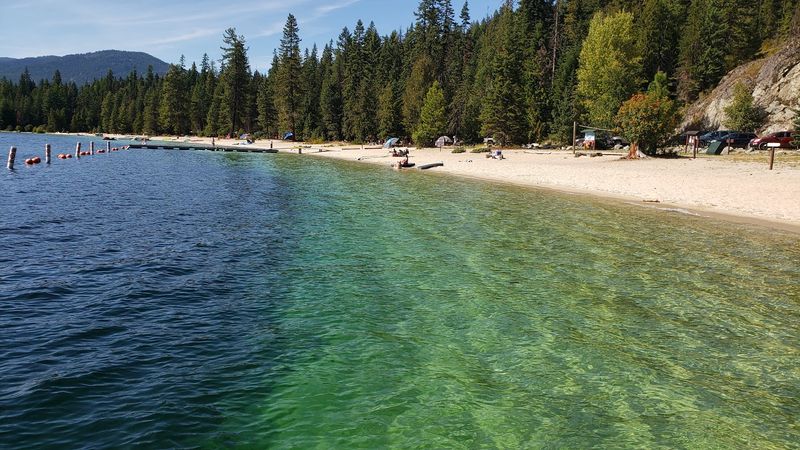
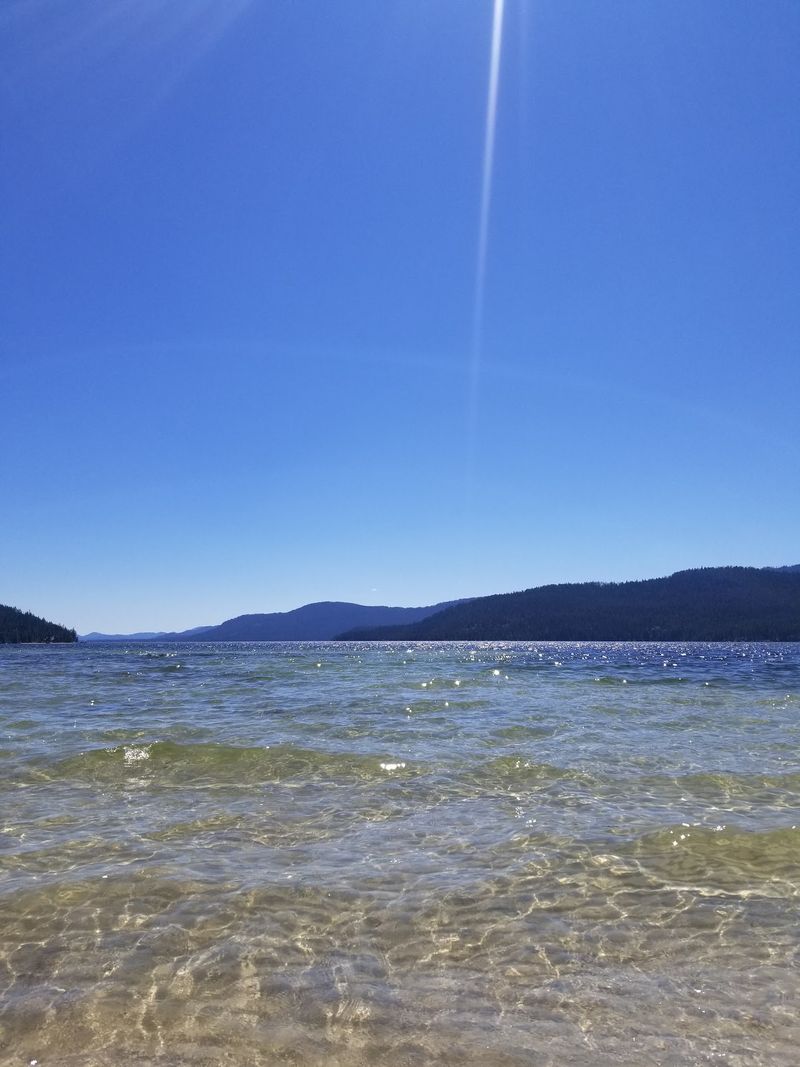
The beach is white sand. The water is clear enough to see your toes from the dock.
And your phone? It mostly becomes a very expensive flashlight.
I like how the whole place quietly ignores modern life. Mountains climb past 7,000 feet behind the lake, and campsites sit close enough to hear the water at night.
I can’t imagine a better excuse to finally finish that paperback you packed three summers ago. So where exactly is this place, and how do you snag a spot before everyone else does?
A Campground Parked At The Top Of A Very Big Lake
Priest Lake State Park Lionhead Unit sits near the northern end of Priest Lake in the Idaho Panhandle. It’s one of three units in Priest Lake State Park, along with Indian Creek and Dickensheet.
The lake itself is no puddle. It stretches about 19 miles long and runs more than 300 feet deep in places.
Lionhead is the rustic sibling of the family. Indian Creek gets the bigger, more developed campground, while Lionhead leans toward tents, firepits, and quiet lakeside sites.
The Selkirk Mountains rise right behind the shoreline. The Canadian border is only about 30 miles north, which explains the end-of-the-road feeling.
For Idaho campers, that combination is hard to beat. You get big water, sandy shoreline, and a forest that seems to absorb every bit of city noise.
The whole park covers roughly 755 acres along the eastern shore. Lionhead claims its own slice of that, set apart from the busier southern stretches of the lake.
Getting here takes some driving, and that’s a big part of the point. The farther you go, the more the trees win.
How A Lake Got Named For Traveling Missionaries
Names have a funny habit of changing around here. Priest Lake honors Jesuit missionary priests who explored the region in the 1840s.
Before the current name stuck, the lake went by Roothaan Lake. Later it became Kaniksu Lake, before finally settling on Priest Lake in the early 1900s.
That’s three names for one body of water. Somewhere a mapmaker probably sighed very loudly.
The state park story is more recent. State-managed land here dates back to 1959, and Priest Lake State Park was formally established in 1971.
So the park has been welcoming Idaho families for more than half a century. Some campers return every single year, starting from the time they were babies.
That kind of loyalty doesn’t happen by accident. It grows from summers of sandy feet, campfire smoke, and the same mountains greeting you every morning.
Knowing the history adds a nice layer to a lazy beach day. The shoreline you’re sitting on carries a long record of explorers, settlers, and families who kept coming back.
Not bad for a lake that couldn’t decide on a name.
Your Phone Becomes A Glorified Camera Up Here
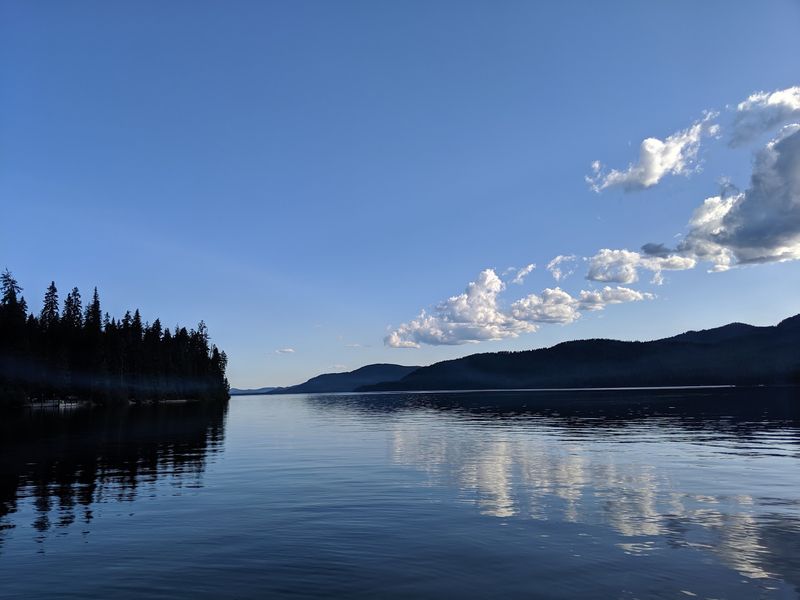
No bars. That’s the headline feature at Lionhead, and some campers treat it like a gift.
Cell reception at this unit runs from limited to nonexistent. Indian Creek offers Wi-Fi in some areas, but Lionhead doesn’t play that game.
For some people, that sounds terrifying. For others, it’s the whole reason to make the drive into the Idaho Panhandle.
Without notifications buzzing, the soundtrack changes fast. Pine needles rustle, water laps the beach, and the campfire crackles louder than you remember.
It’s smart to plan around the quiet. Download maps before you leave, tell someone your itinerary, and confirm your reservation details while you still have signal.
Families might find the disconnect especially handy. Kids can’t scroll when the screen has nothing to load, so the beach and trails get their full attention.
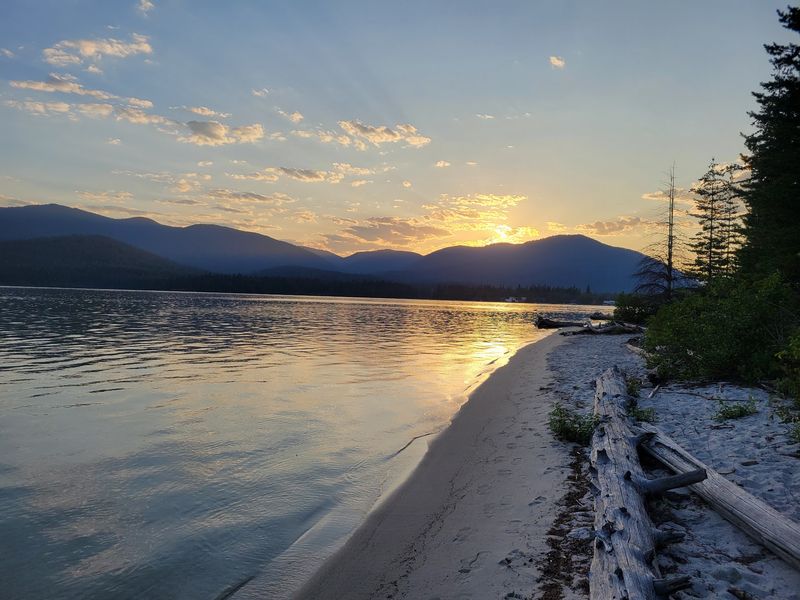
The camera still works, of course. You’ll want it for sunsets over the lake and the mountains turning pink at dusk.
Just don’t expect to post those photos until you’re back in town. Honestly, they’ll look even better after a few days of waiting.
White Sand That Feels Borrowed From Somewhere Warmer
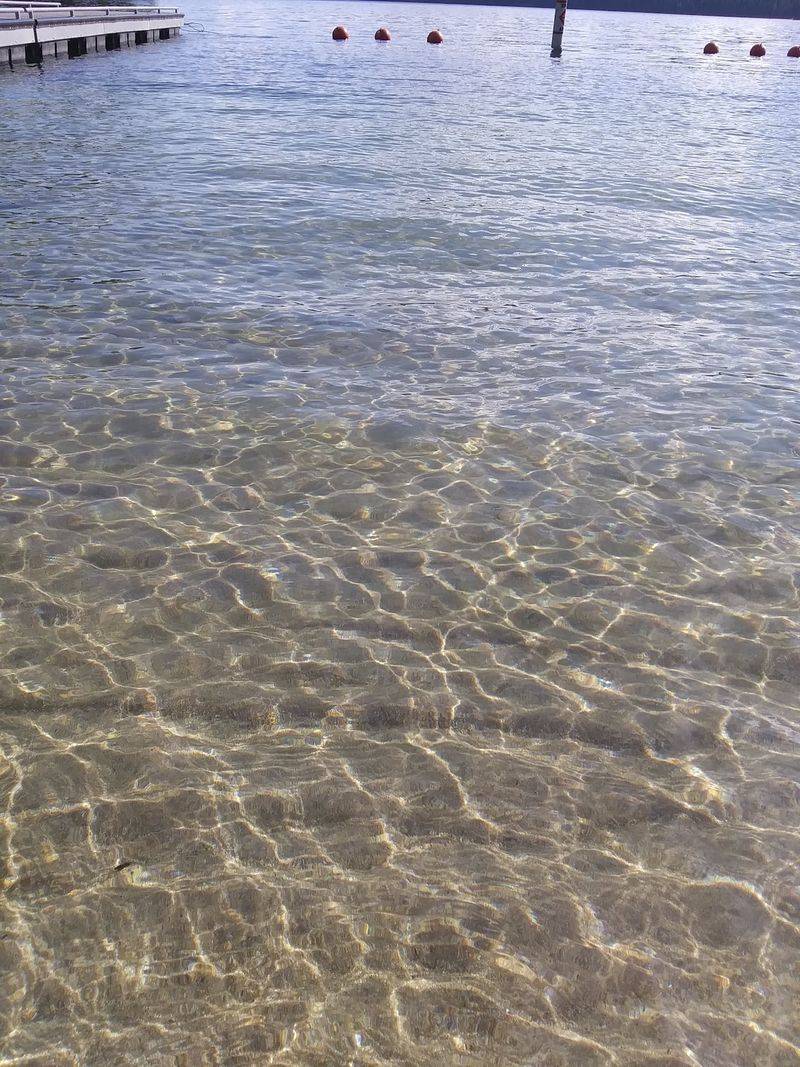
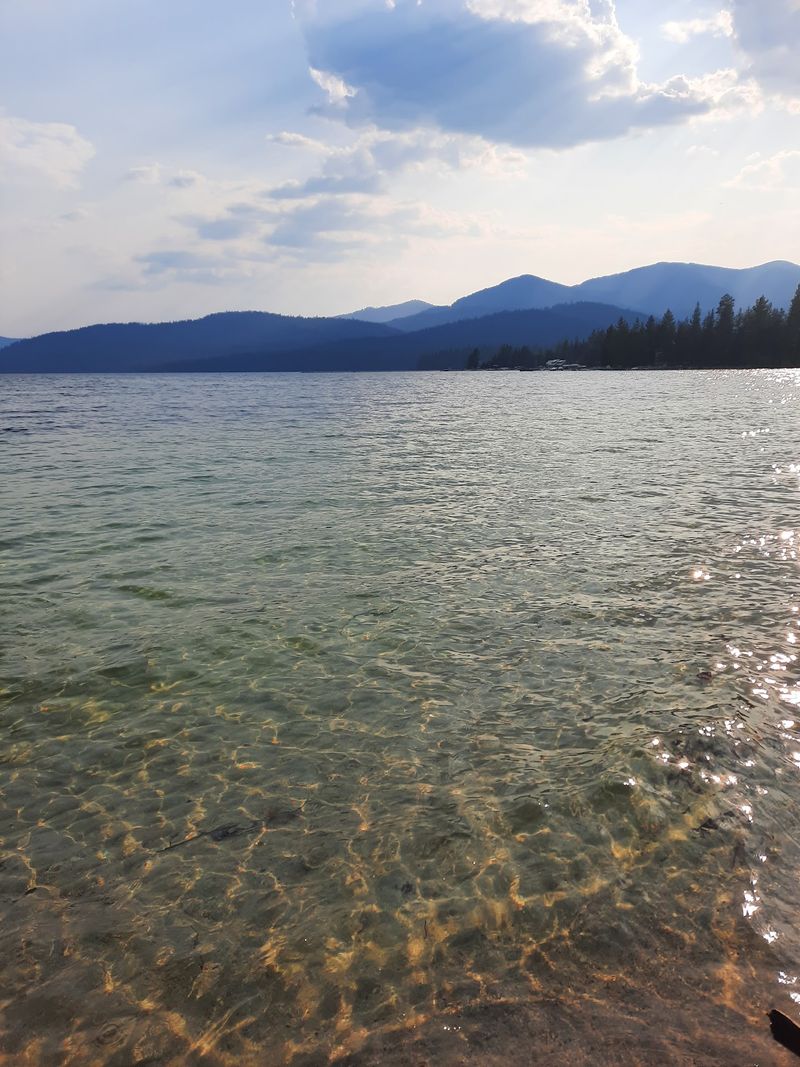
Sand this pale doesn’t usually show up beside an evergreen forest. Yet Lionhead’s beach is described as white, paired with water clear enough to look tropical.
The shoreline is broad and sandy, perfect for spreading out a towel. Mountains frame the scene, so it never quite lets you forget you’re in North Idaho.
Swimming here is a summer highlight. The water feels refreshing on hot afternoons, and its clarity makes every rock and ripple easy to spot.
Docks in the day-use area give swimmers a launch point. Jumping off them becomes a full-afternoon activity for kids and more than a few grown-ups.
Nearby restrooms by the day-use beach are a quiet bonus. They’re among the cleaner facilities in the unit.
Bring a book, a cooler, and plenty of sunscreen. Lying on the sand with a good story is a perfectly respectable way to spend a whole day.
Late June can be a sweet spot for sunshine and swimming. Bugs tend to stay manageable then, though packing spray is still a smart move.
Good luck leaving before sunset.
Granite Waterslides Carved By Nature, Not Engineers
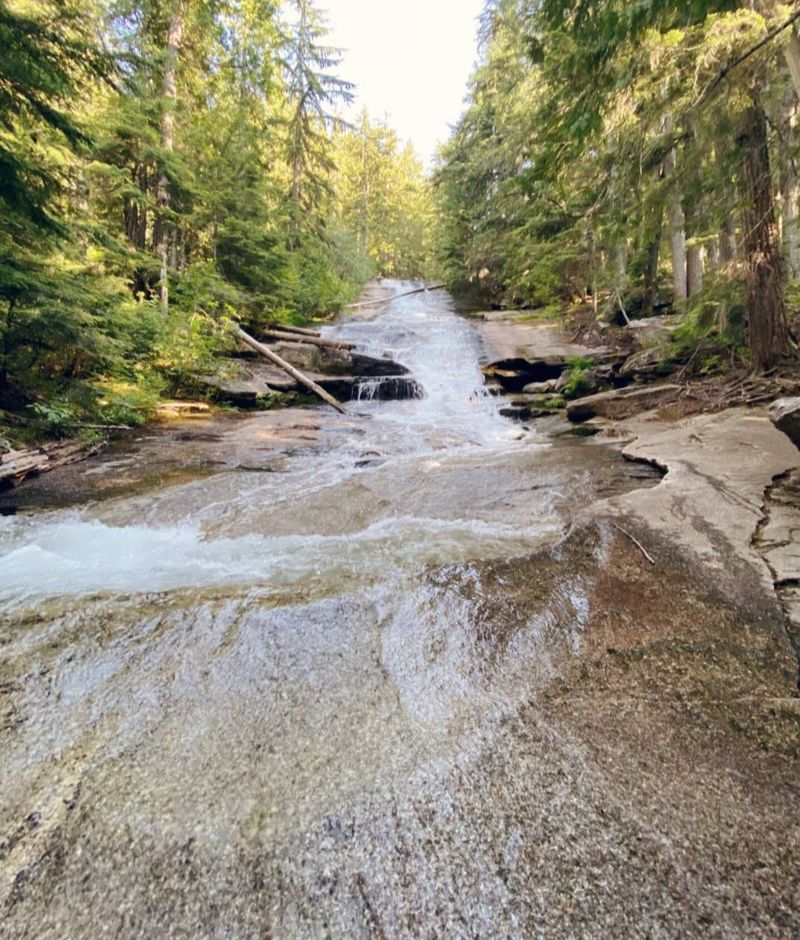
Mother Nature built her own water park near Lionhead, and it’s made of granite. The Lionhead natural waterslide sends sliders down a gently sloping, smooth rock surface.
A trail leads to the slides, and many campers consider the walk worth it. Think of it as a short hike with a splashy reward.
Safety matters here, though. A catch line hangs near the bottom, and you’ll want to grab it.
Below that line, the water drops beneath a massive rock. Missing the line isn’t part of the fun.
Bring something to slide on for a smoother ride. Granite is polished, but it’s still granite.
Leave-no-trace rules apply all the way. Pack out what you bring, and leave the area better than you found it.
Kids and adventurous adults usually love this spot the most. Still, keep a close eye on young ones and check water levels before anyone goes down.
It’s the kind of attraction no Idaho amusement park can copy. Cold creek water, slick rock, and forest all around make for a memorable afternoon.
Tent Sites That Practically Dip Their Toes In The Lake
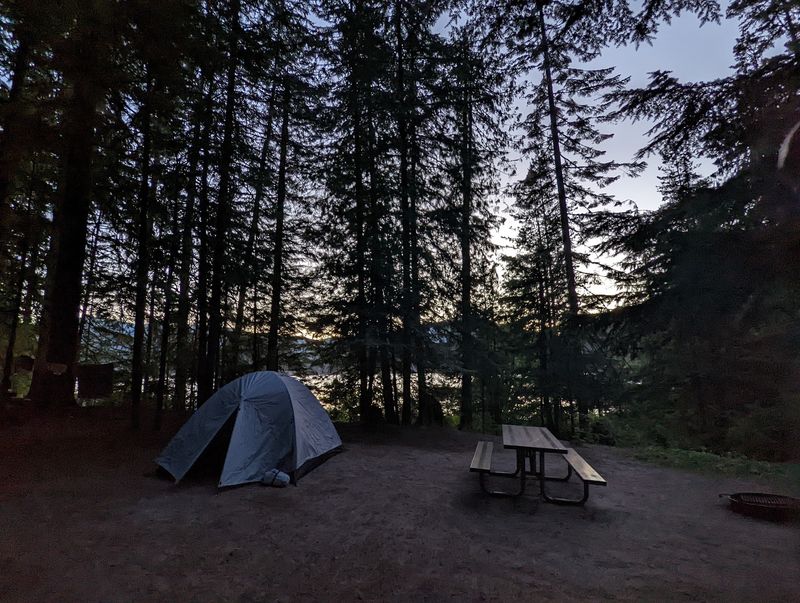
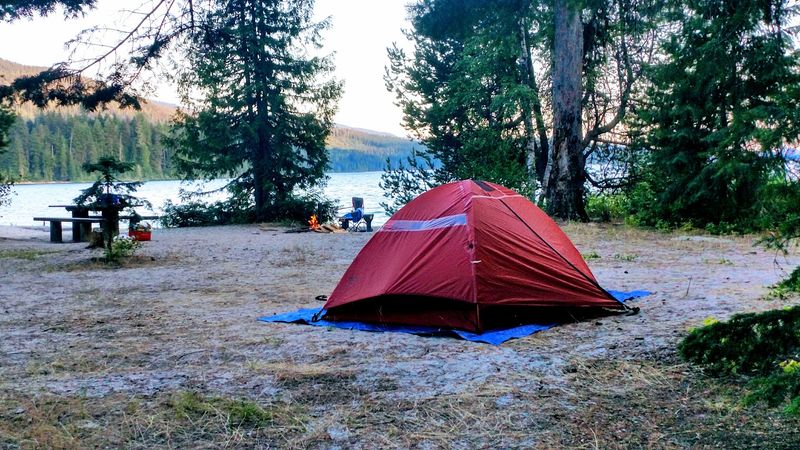
Waking up a few steps from the water is the Lionhead dream. Many campsites sit right on the lake or close to the beach.
Sites come with firepits, and fresh drinking water is available nearby. Some campers find water right by their spot, which makes cooking and cleanup much easier.
The unit leans rustic and tent-friendly. It’s less about hookups and more about sleeping bags, lanterns, and evenings by the fire.
Most sites aren’t jammed shoulder to shoulder. Some lower sites near the beach do sit below others, so neighbors may pass nearby on their way to vehicles.
Shade is worth considering when you book. Sites roughly in the 100 to 120 range were recently logged and now have little cover.
That’s useful to know during a July heat wave. A shady site can make the difference between napping and baking.
Campground hosts help keep things running smoothly. The whole place stays clean and well kept, which matters a lot after a sandy day.
Families find the sites friendly and roomy. Bring your favorite camp chairs and claim your lakeside view.
Volleyball Nets, Docks, And A Very Busy Day-Use Area
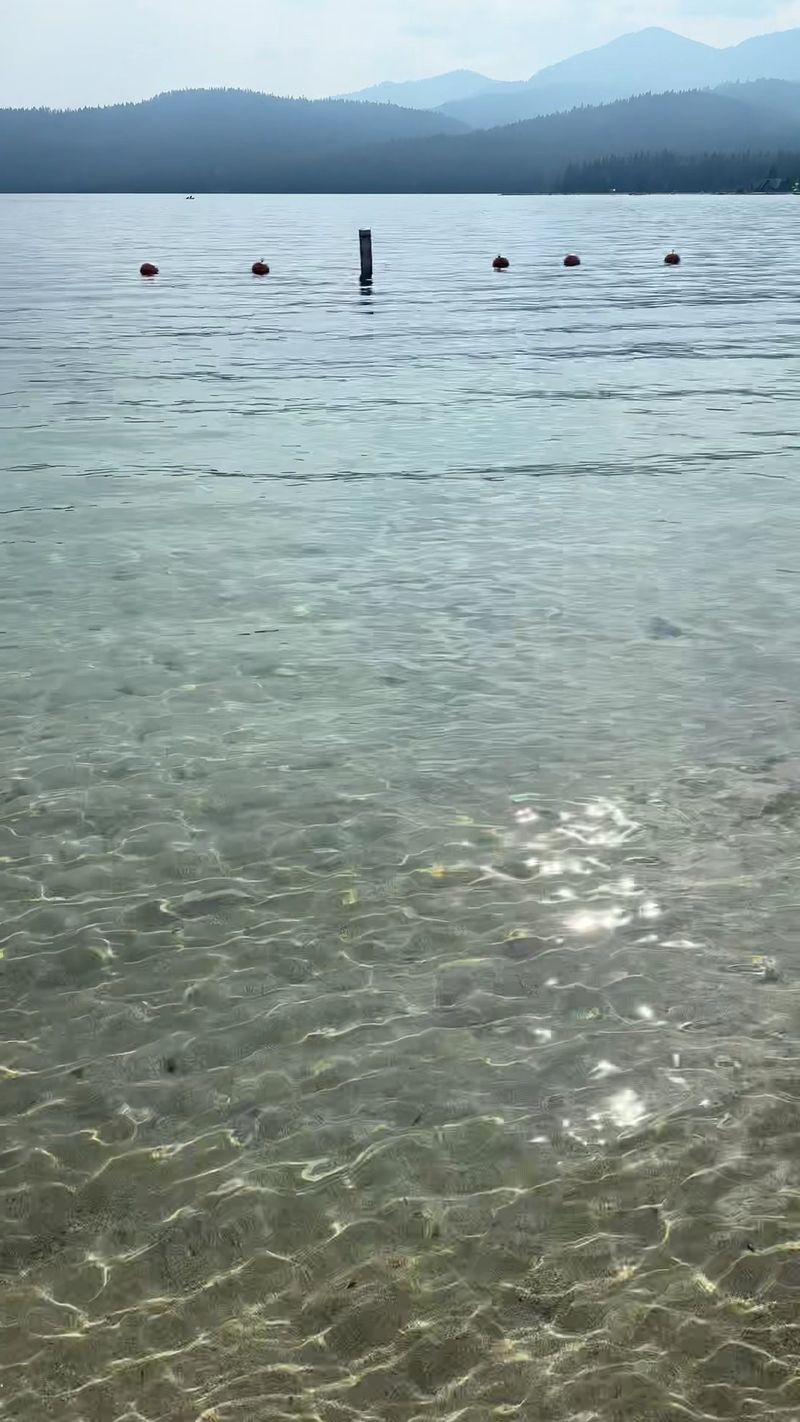
Not every visitor stays overnight. The day-use area at Lionhead gives everyone a shot at the beach, even without a campsite.
A sand volleyball court sits right there for friendly competition. Bragging rights are free, though sore calves may follow.
Docks stretch into the clear water for swimming and jumping. They also make a pleasant perch for dangling your feet and watching boats drift by.
Restrooms near the day-use beach are a highlight in their own way. They’re clean and well lit, which feels like luxury this far north.
Day trippers from around the Panhandle can make an afternoon of it. Pack a picnic, grab a spot on the sand, and let the hours slide by.
Summer weekends bring plenty of company. Arriving early helps you claim a good patch of beach before the sun climbs high.
There’s a modest day-use fee at Idaho state parks, typically just a few dollars. Check before driving so you know what to expect.
For a quick escape without camping gear, this area delivers. It’s beach time with mountains as the backdrop.
Paddling North Toward Upper Priest Lake
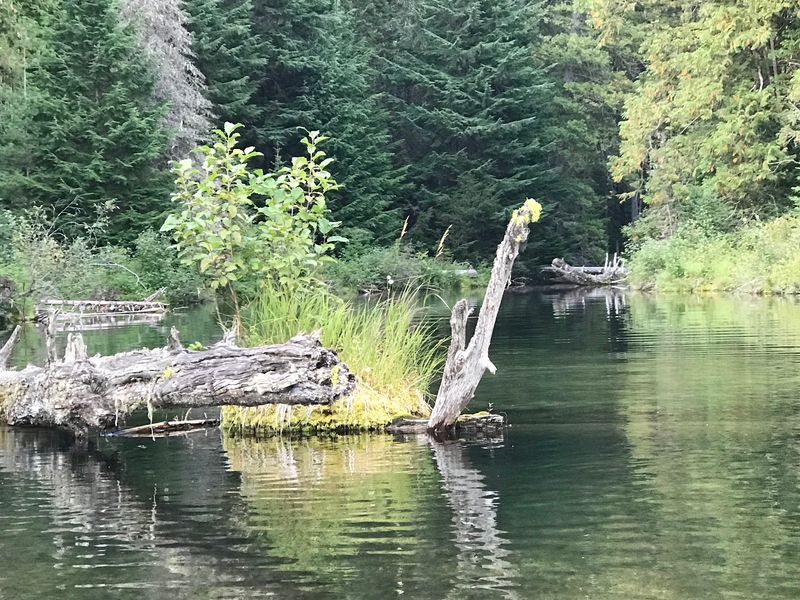
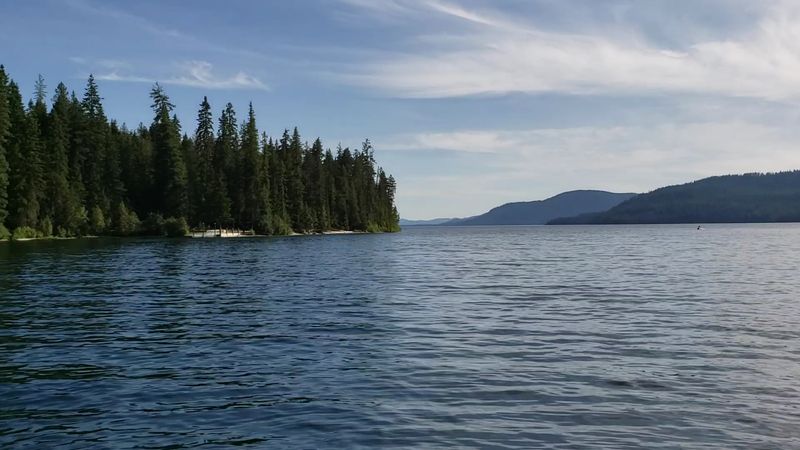
Kayaks show up a lot around Lionhead, and for good reason. The northern end of Priest Lake opens the door to some seriously quiet water.
A two-mile thoroughfare connects the main lake to Upper Priest Lake. That upper lake can only be reached by foot, mountain bike, or boat.
No roads means no traffic. Paddlers get calm water, forested shorelines, and plenty of chances to spot wildlife.
Canoes and kayaks are perfect for this trip. The thoroughfare feels like a slow-moving river winding through thick Idaho woods.
Bring water, snacks, and layers for changing weather. Mountain conditions can shift fast, even on a sunny morning.
Remember, there’s no reliable cell signal for calling a ride. Plan your route, know your limits, and tell someone when you’ll be back.
Paddling back toward camp at golden hour feels like earning dessert. The water glows, the mountains darken, and the campfire starts calling.
For anyone who loves quiet water, this trip may become the main event. The beach can wait another day.
Moose, Eagles, And Neighbors With Fur
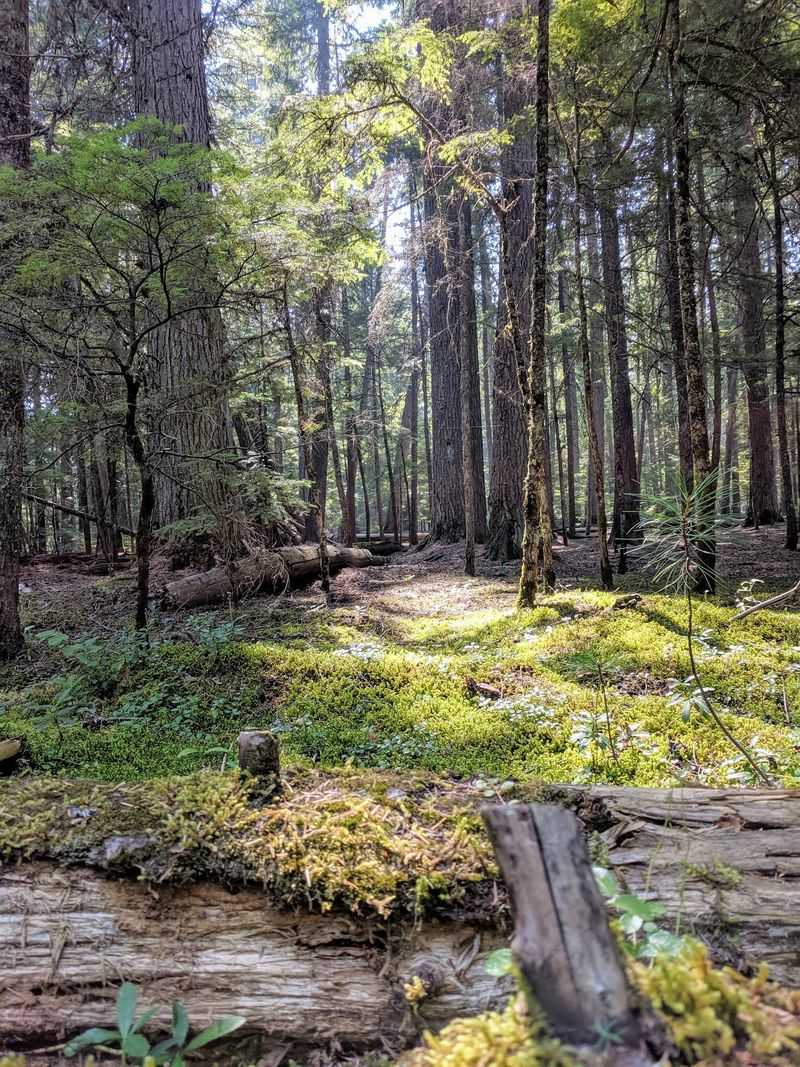
Keep your eyes open on the trails. The forests around Priest Lake shelter whitetail deer, black bear, moose, and bald eagles.
Cedar, fir, and tamarack fill the woods. In fall, tamarack needles turn golden, adding a warm glow to the shoreline.
Birdwatchers have plenty to enjoy here. Bring binoculars and scan the treetops near the water for eagles.
Bears call this country home, so camp smart. Store food properly, keep a tidy site, and follow posted park rules.
Moose deserve plenty of space too. They may look slow and goofy, but they’re big and protective.
Without phones chirping, wildlife gets easier to notice. A rustle in the brush suddenly becomes the most interesting thing around.
Early mornings and evenings are prime viewing windows. Quiet paddlers along the shore may catch sightings that busy beachgoers miss.
Kids love keeping a wildlife tally. It’s a fun game that teaches patience and turns every walk into a scavenger hunt.
Just remember the golden rule. Watch from a distance, and never feed the locals with fur.
Trails For Short Strolls And Longer Leg Workouts
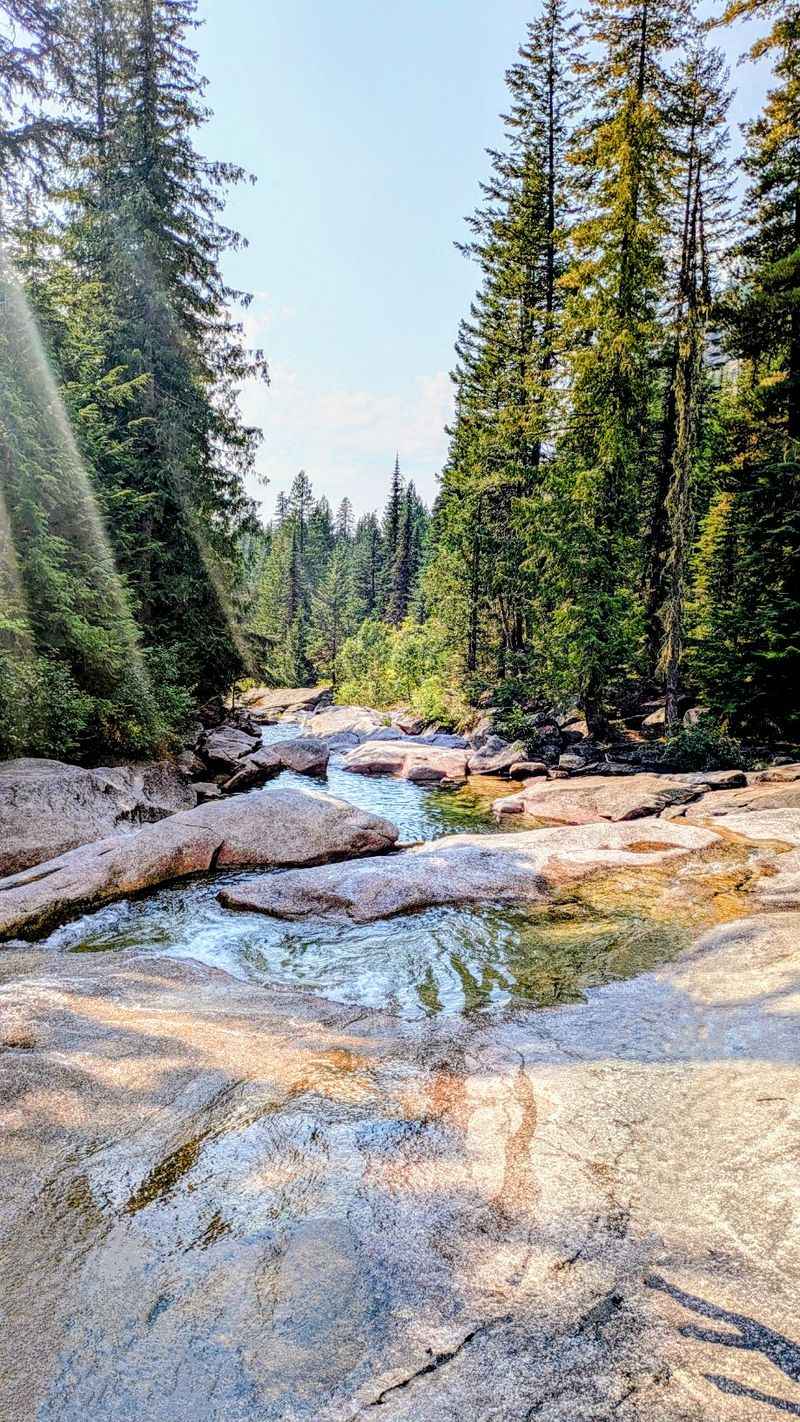
Short hike or long hike, Lionhead has options. Trails wind through dense forest, past creeks, and toward the granite slides.
Most park trails rate easy to moderate. That makes them friendly for families, casual walkers, and anyone shaking off a lazy beach morning.
Creeks tumble down from the Selkirk peaks into the lake. Following them gives you shade, sound, and a cooler breeze on hot days.
Mountains around the lake reach above 7,200 feet. Bigger adventures wait beyond the park for hikers wanting serious elevation.
Mountain bikers can enjoy the area too. It’s another way to reach quieter corners without starting an engine.
Pack water and sturdy shoes, even for shorter routes. Roots and rocks love to ambush flip-flops.
A paper map is wise since your phone may not load anything. Grab trail information at the park before heading out.
Then reward yourself afterward. Few things beat finishing a hike and walking straight into clear, cold lake water.
That swim might be the best part of the whole trail.
Snowmobiles Take Over When The Beach Goes Quiet
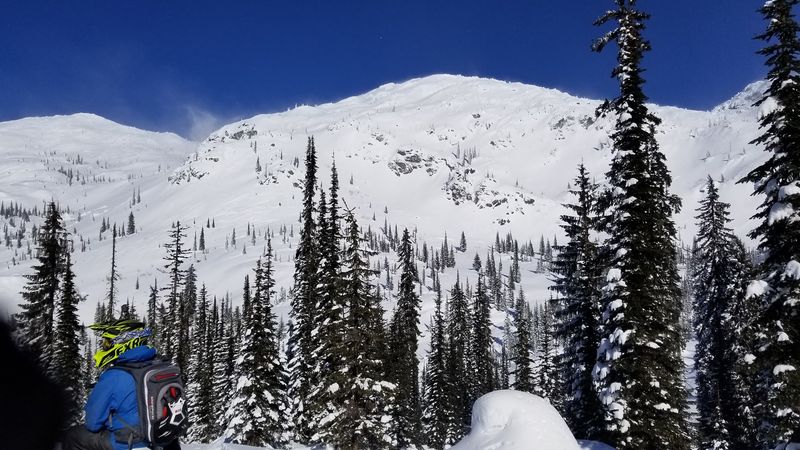
Winter flips the script completely. Lionhead becomes a launching point for snowmobiling, with the area offering hundreds of miles of groomed trails.
Priest Lake State Park stays open year-round. Some facilities, including water systems and dump stations, run only seasonally.
Many parts of Lionhead can’t be reached by vehicle in winter. That makes the unit feel even more remote under a blanket of snow.
Cross-country skiers and snowshoers find plenty to love nearby. The Indian Creek Unit offers loop trails and snowshoe rentals at its visitor center.
On winter weekends, that visitor center may even offer hot drinks. A warm mug after a snowy trail ride is hard to top.
Parking can get tight after a big riding day. Leave room for others so nobody returns to a blocked-in truck.
Dress in layers and check road conditions before leaving. North Idaho winters don’t mess around.
The beach may be buried, but the quiet gets even deeper. Snow muffles everything, turning the forest into something close to silent.
Restrooms, Showers, And The Honest Truth About Rustic
Rustic doesn’t mean bare. Lionhead offers restrooms, drinking water, and nearby outhouses throughout the campground.
Quality varies a bit by location. Restrooms near the day-use beach tend to be the cleanest and brightest of the bunch.
Some vault toilets deeper in the campground can get, well, fragrant. A quick walk to the beach facilities might be worth the extra steps.
Shower access has been limited here at times. Showers that existed haven’t always run very warm, so pack expectations along with your towel.
For full hookups and more amenities, the Indian Creek Unit is the developed option. It offers 62 RV sites with water, electric, and sewer.
Lionhead trades those comforts for a quieter, wilder feel. Many campers happily accept the tradeoff.
Bring a solar shower if you like being squeaky clean. Wet wipes and a bucket also earn their keep.
Trash planning helps too. Pack bags for garbage and keep your site tidy for wildlife reasons.
Honestly, a lake swim is the best shower anyway. Nature handles the rinse cycle.
Book Early Or Watch Someone Else Enjoy Your Campsite
Popularity is the price of paradise. Campsites at Lionhead fill fast, especially on summer weekends.
Showing up without a reservation on a Saturday is risky. Travelers have driven hours only to find every site taken.
Reservations go through the Idaho Department of Parks and Recreation. Plan months ahead for peak summer dates if possible.
Plenty of out-of-state campers make the trip too. Washington, Oregon, and California plates are a common sight in the lot.
Idaho residents, consider this your friendly nudge. Get your booking in before the neighbors do.
Shoulder seasons offer more breathing room. Early summer or September can mean easier booking and quieter beaches.
The park’s mailing address is 314 Indian Creek Park Rd, Coolin, ID 83821. That’s the main park office, located at the Indian Creek Unit.
Lionhead sits farther north along the eastern shore. Follow signs from Coolin and give yourself extra driving time on winding roads.
Fill your gas tank before the final stretch. Services thin out quickly up here.
Worth Every Mile Of That Winding Panhandle Drive
Some campgrounds feel like parking lots with trees. Priest Lake State Park Lionhead Unit feels like the opposite.
White sand, clear water, granite slides, and mountain views make a strong case. Add zero cell service, and the reset button practically presses itself.
It suits tent campers, paddlers, and families craving screen-free time. Folks needing full hookups may prefer Indian Creek instead.
Nearby resorts and restaurants around the lake offer a break from camp cooking. Hill’s and Elkins are familiar names to many Priest Lake visitors.
Bring patience for the drive and reservations booked early. The payoff comes the moment you step onto that pale sand.
For many Idaho families, Lionhead is a summer tradition. Kids grow up here, then bring their own kids back years later.
That says plenty about a place. It doesn’t need flashy attractions to earn loyalty.
Just a lake, a forest, and a campfire under a sky full of stars. Sometimes that’s exactly enough.
Pack the sunscreen and leave the charger expectations at home.