This Quiet Idaho Park Might Be The Best Place To Spot Wildlife In The Wild
I could spend an hour watching a marsh if there were even a chance a moose might appear.
Add eagles, waterfowl, and mountain scenery, and I am staying longer.
Idaho has a quiet wildlife area where wetlands, meadows, and forest create excellent conditions for patient animal watching.
Hundreds of species have been recorded across the broader habitat, giving binoculars plenty of work depending on season and timing.
Trails and viewing areas help visitors explore without needing an elaborate adventure.
The trick is not rushing. Walk slowly, listen, and give the landscape time to reveal something.
Wildlife does not operate on a visitor schedule, which makes every sighting feel more rewarding.
How The Sanctuary Began
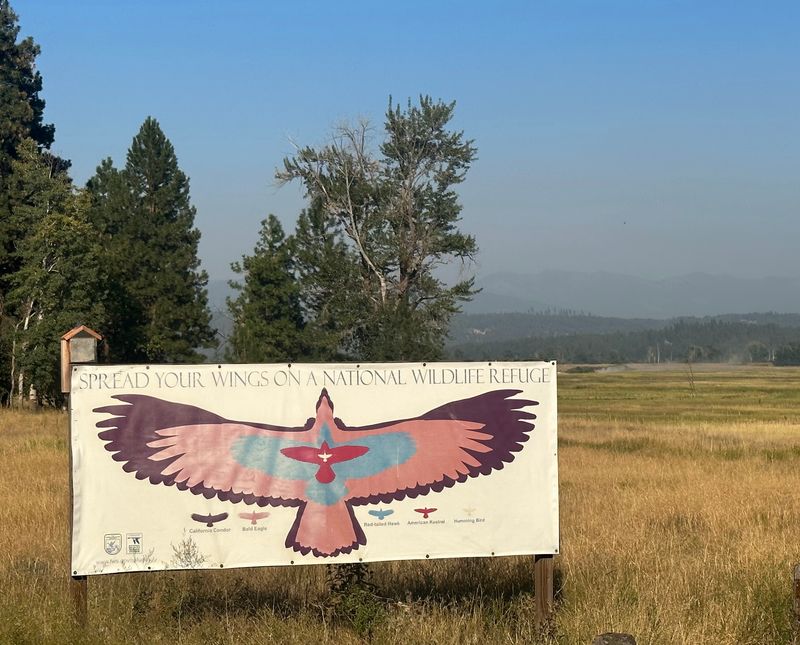
Long before I ever crunched down its gravel roads, this land was being carefully pieced together. On June 24, 1964, the Migratory Bird Conservation Commission approved land purchases here.
The first parcel measured just 117.19 acres and was bought on August 31 that same year. More tracts followed steadily between 1965 and 1985, slowly shaping the sanctuary I explored.
Its purpose fits the wider National Wildlife Refuge System mission: conserve and restore fish, wildlife, and plant resources. Today it belongs to the Inland Northwest National Wildlife Refuge Complex, sharing goals with nearby protected lands.
What I find most interesting is the management setup. The U.S. Fish and Wildlife Service manages the refuge while working with partners, including the Kootenai Tribe of Idaho, on major habitat restoration projects.
That cooperation brings different expertise into ongoing efforts to restore and protect the Kootenai River Valley. It also means decisions reflect more than one perspective on the land.
Knowing the timeline changed how I looked at every pond and field. Each acre represents a deliberate choice made decades ago by people planning for birds they would never see.
You can start your own visit at the Kootenai National Wildlife Refuge, 287 West Side Rd, Bonners Ferry, where the office sits near the refuge entrance.
Where Mountains Meet River Bottom
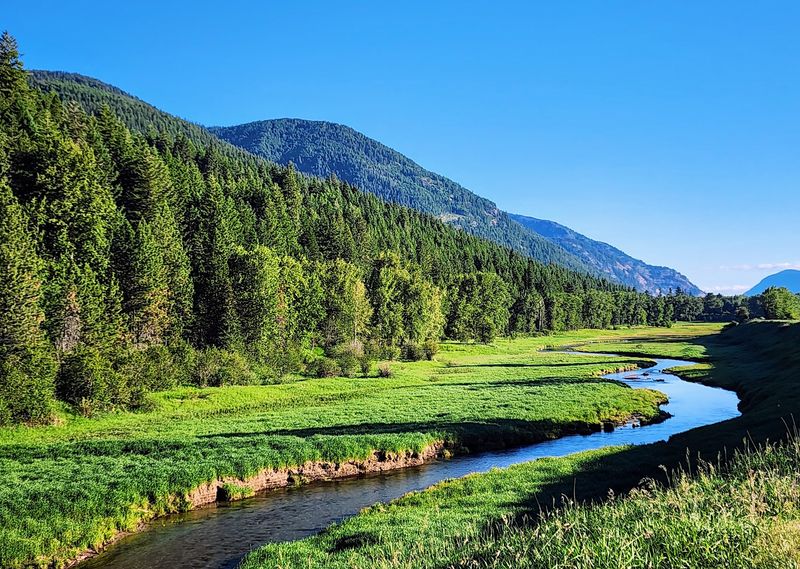
Geography does a lot of heavy lifting in this corner of Idaho. The Selkirk Mountains rise along the western edge, while the Kootenai River flows past to the east.
Between them lies a fertile valley bottom that forms much of the protected acreage. That combination of mountain slope and river flat explains the surprising variety packed into 2,774 acres.
I counted habitat types as I walked, and the list kept growing. Open water ponds hold gliding waterfowl, and seasonal cattail and bulrush marshes buzz with hidden life.
Tree-lined ponds offer shade, while creeks provide a steady background hum. Farther out, meadows spread wide and riparian forests crowd the waterways.
Climb toward the western side and the ground tilts upward into the foothills. There, quiet coniferous forest takes over and the air feels several degrees cooler.
Cultivated farm fields are scattered through the flats too, and they are not accidental. Staff manage those crops specifically to feed wildlife through demanding seasons.
Moose, Eagles, And Cranes
Bring binoculars, because the species list here is genuinely astonishing.
More than 300 wildlife species have been documented here, including more than 220 bird species, 45 mammals and 22 fish species.
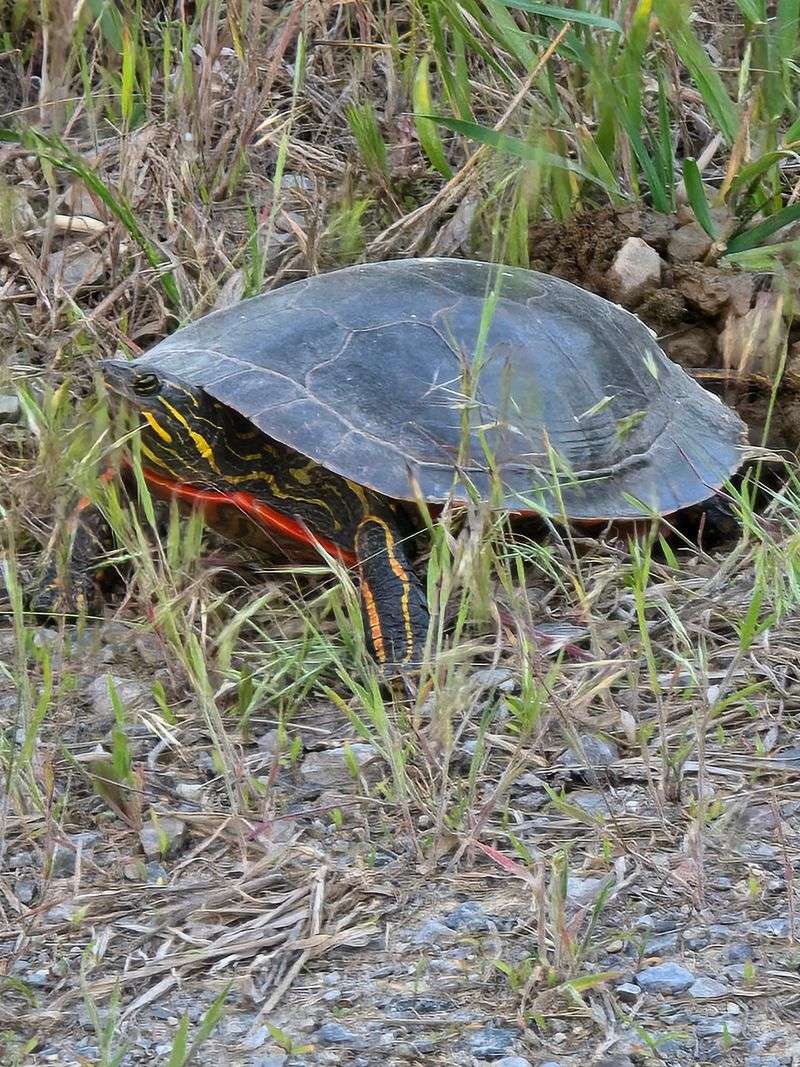
The refuge also supports amphibians and reptiles. For a compact preserve, the biodiversity punches far above its weight.
Moose are among the refuge’s best-known large mammals and may be spotted around wetlands and places such as Cascade Pond. Fall and winter bring the best chances, while calves show up in late spring.
Elk and white-tailed deer move through meadows regularly. Black bears appear occasionally, and grizzly bears remain rare and elusive visitors.
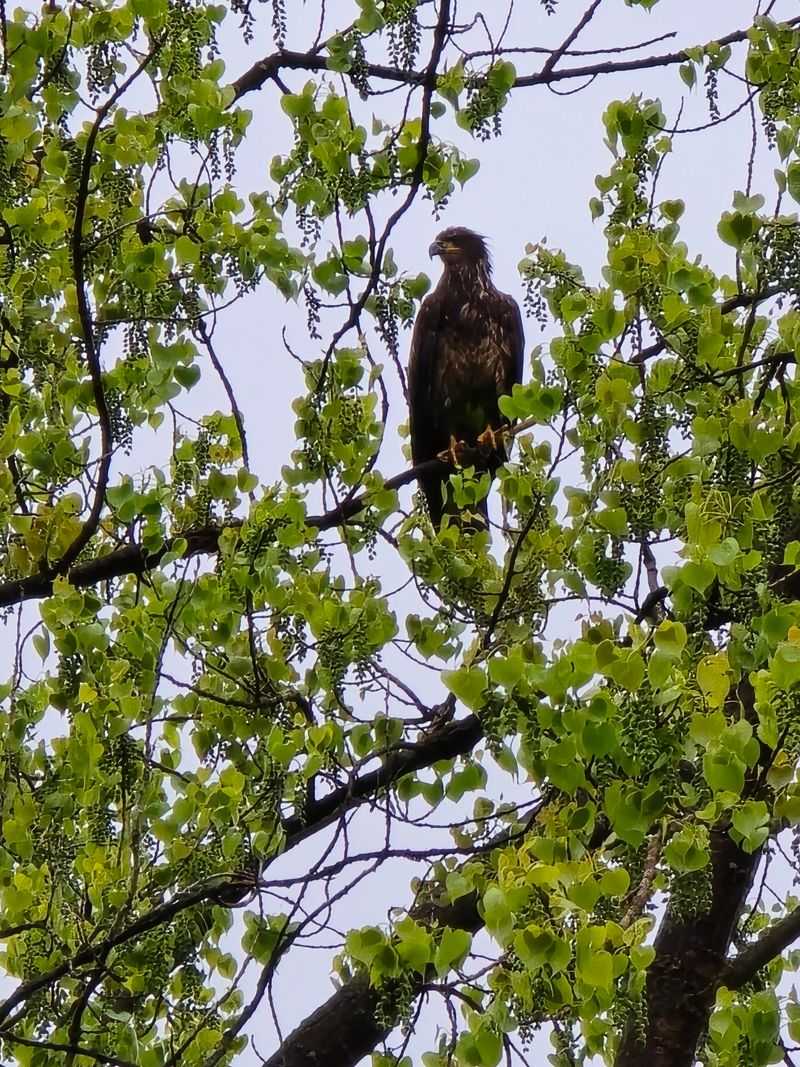
River otters dart through channels, and coyotes patrol the open fields. Overhead, bald eagles are among the refuge’s regularly documented birds, particularly around its wetlands and waterways.
Ospreys nest along the river in summer, adding constant aerial drama. Migrating waterfowl, including mallards, northern pintails and teal, use the refuge in substantial numbers during migration.
Migration seasons can bring an especially varied mix of birds to the refuge’s wetlands and fields, making these months particularly rewarding for patient wildlife watchers.
Driving The Gravel Loop
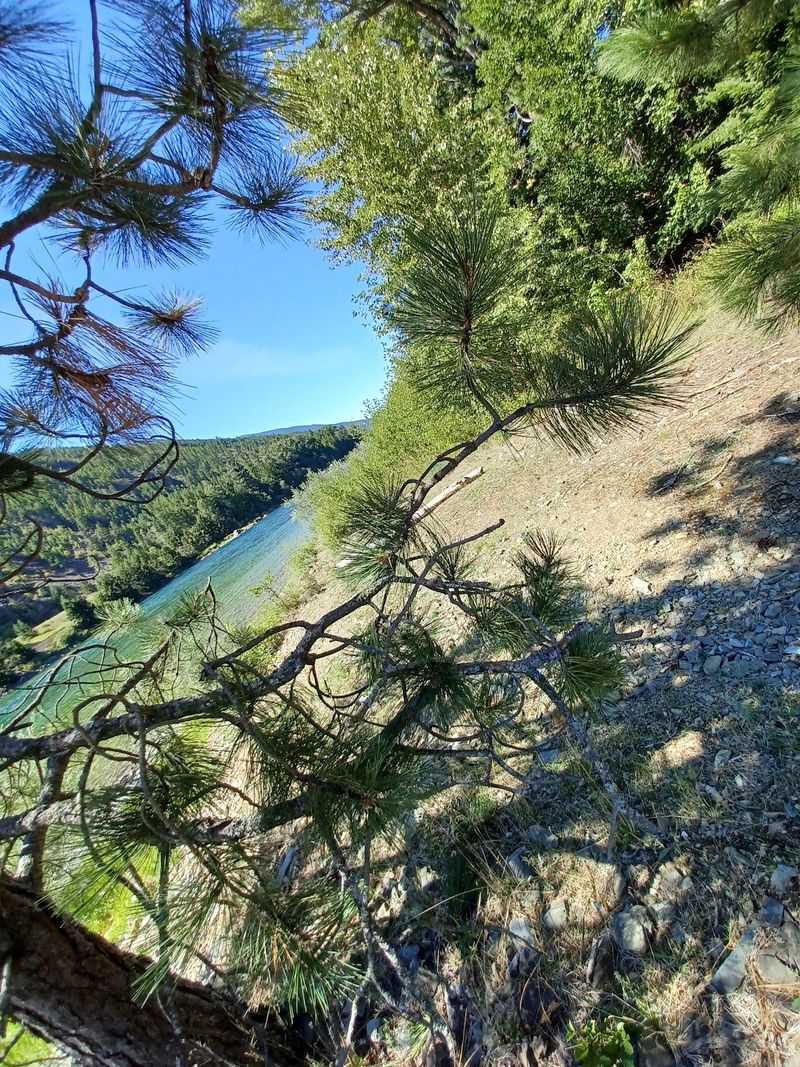
The Auto Tour Route is the classic introduction, and for good reason. It follows a 4.5-mile, one-way gravel road through wetlands, cottonwood groves, and open meadows.
Driving it takes roughly 30 minutes, though stops easily stretch that past an hour. Numerous pullouts let you park, listen, and scan the water.
I found that patience at pullouts paid better than mileage. Moose fed in the shallows, deer grazed the fields, and eagles studied the ponds from cottonwood snags.
Road work is affecting access in 2026. Beginning July 6, the Auto Tour Route closed to motor vehicles, although pedestrians and cyclists can still use it from the headquarters side.
Visitors should expect construction trucks and heavy equipment, and the route’s Deep Creek exit is closed.
Riverside Road is also closed between Lions Den Road and Deep Creek Bridge through October 30, 2026, so checking current refuge alerts before visiting is important.
Spotting scopes near the restrooms help scan open areas before you set out. Cell coverage is patchy, so a downloaded map saves frustration.
Dogs are permitted on the Auto Tour Road and must remain on a non-retractable leash no longer than six feet. Moving slowly along this loop remains one of my favorite peaceful hours anywhere in Idaho.
Trails Worth Lacing Up
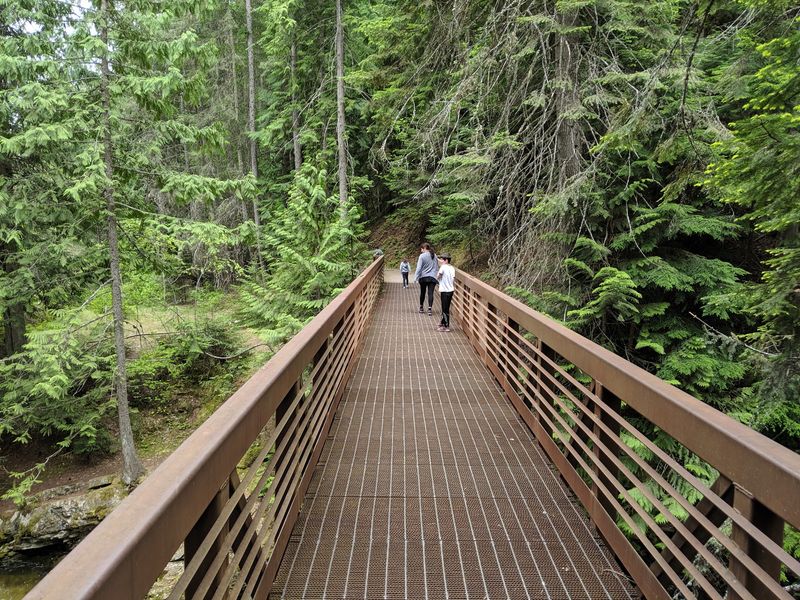
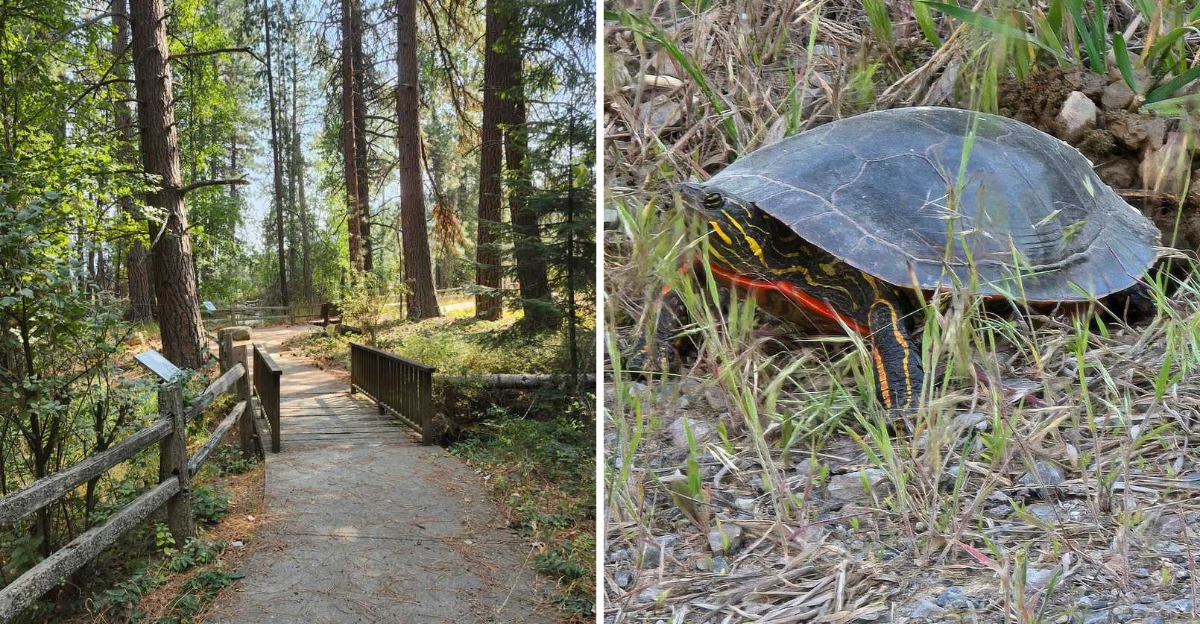
Leaving the car is where the refuge really opens up. Several trails branch off, each offering a different slice of habitat.
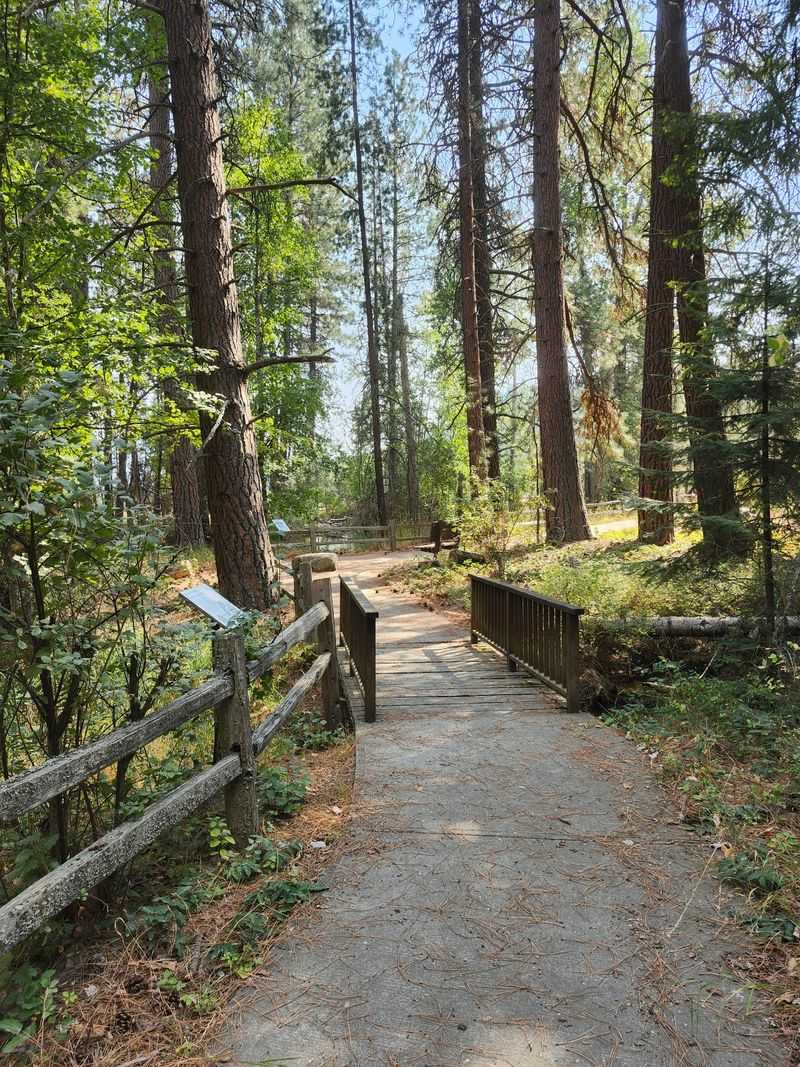
The Chickadee Trail is a paved 0.16-mile loop near refuge headquarters and is wheelchair-friendly. It makes a gentle warm-up before longer walks.
Deep Creek Trail runs about 2.16 miles along an elevated berm beside the creek and refuge wetlands. Water attracts animals, so this path rewards quiet feet and slow eyes.
Myrtle Creek Falls Trail runs about a quarter mile to an overlook of the 100-foot, multi-tiered falls.
For a more demanding walk, Ole Humpback Trail runs about 0.7 mile through pine forest before reaching the refuge boundary and connecting with National Forest trails.
A 0.5-mile Marsh Loop boardwalk floats you over sensitive wetlands without trampling them. Aquatic life carries on below, undisturbed.
The Kootenai River Dike offers yet another vantage point along the water. Together, the refuge’s official trails offer everything from a short paved stroll to a steeper forest hike.
Choosing Your Perfect Season
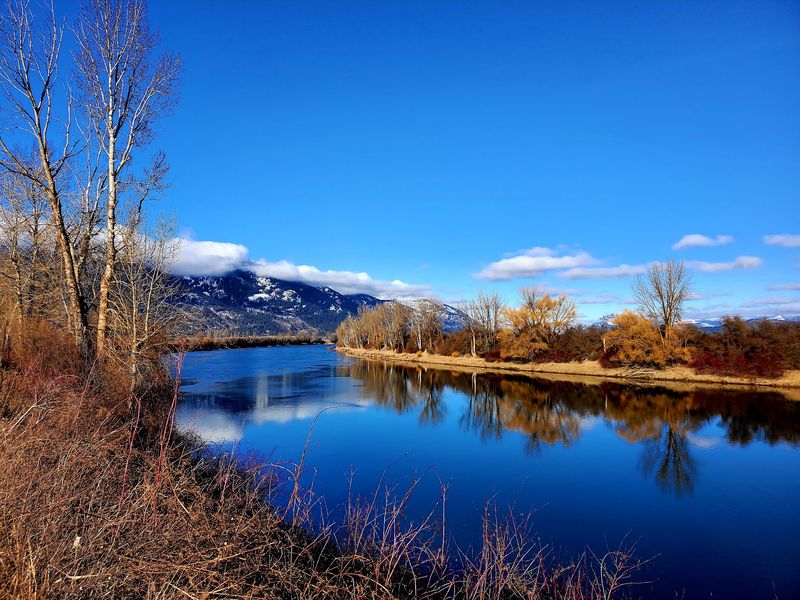
Timing shapes everything here, and each season delivers a different show. Spring floods the creeks with snowmelt, so waterfalls run full and loud.
Large mammals grow noticeably active then, with moose and elk appearing often. Thousands of returning waterfowl crowd the ponds and skies.
Summer brings long daylight and easy trail access, ideal for family outings. Midday heat pushes bigger animals into shade, so mornings and evenings work best.
Pack repellent, because mosquitoes claim their share of a northern Idaho summer. A minor annoyance, honestly, next to the greenery.
Autumn is my personal pick. Golden cottonwoods glow against crisp air, and photographers get generous light.
Fall migration can bring large numbers of waterfowl through the refuge, making the season especially rewarding for birders. Western larch adds flashes of gold to the surrounding landscape, with the timing varying by weather and elevation.
Winter narrows access as snow deepens, yet it offers a hush worth seeking. Cross-country skiers and snowshoers glide the tour route through quiet white country.
Whichever month you pick, arriving near sunrise or sunset stacks the odds in your favor. Animals move most when the light softens.
Conservation Work Behind The Scenes
Scenery here is not accidental; it is managed with real intent. Staff work to provide and enhance grasslands, wetlands, and riparian areas across the valley.
Those habitats support migratory waterfowl plus the wildlife characteristic of the Kootenai River Valley. Techniques are tailored to recover and strengthen native plant and animal values.
An ongoing floodplain-reconnection project is designed to restore connections between the Kootenai River and historic floodplain habitat inside the refuge.
Work includes levee breaches along with road raising and realignment, and the project is intended to enhance about 830 acres of riparian and wetland habitat.
Partnerships stretch the impact further. Ducks Unlimited has helped fund large-scale projects, including seasonal wetland restoration inside the refuge.
Education matters just as much as earthmoving. A renovated historic barn now serves as an environmental education center and meeting space.
Inside, taxidermy mounts, specimens, and learning materials help school groups understand what lives outside. I appreciated seeing details up close before searching for the real thing.
Practical Tips Before Arriving

A little preparation turns a good outing into a great one. Refuge trails, roads, and lands are generally open daily during daylight hours.
The headquarters office is generally open Monday through Friday from 7:30 AM to 4 PM, although it may close depending on staff availability and is closed on federal holidays.
Early morning and late evening remain the smartest windows for animal activity. Cooler hours coax moose, deer, and birds into the open.
Pack binoculars and a field guide, since identification becomes half the fun. A camera with some zoom helps too.
Leashed pets may join you on the Auto Tour Route, with leashes no longer than six feet. Keeping them close protects nesting birds.
Download maps in advance because phone signal drops in spots. Check official channels for closures, including the motor vehicle closure of the auto-tour route noted for July 6, 2026.
Several activities are prohibited to protect habitat and visitors. Camping, horseback riding, fires, firewood gathering, drones, overnight parking, swimming, and on-ice activities all fall outside the rules.