An SR-71 Blackbird Spy Plane Hangs Indoors At This Enormous Nebraska Air Museum
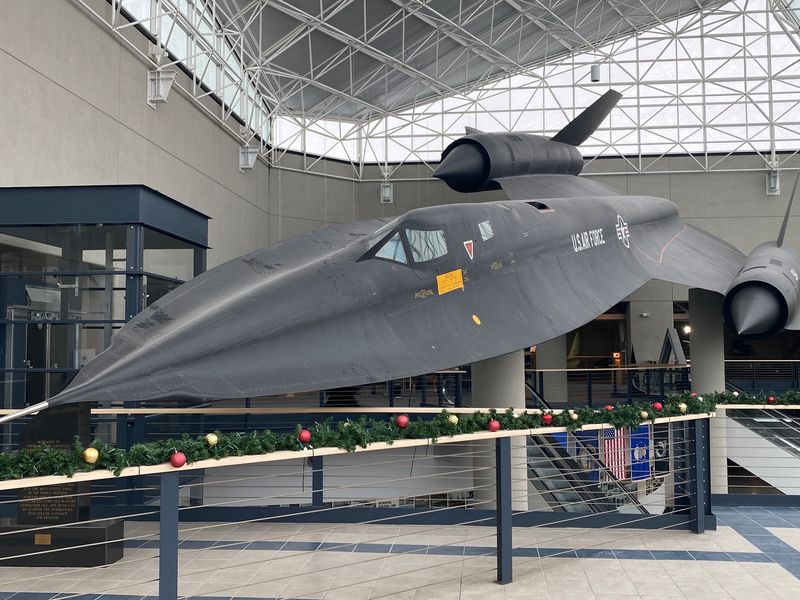
The tour starts at the nose of an SR-71 Blackbird, the jet once famous for outrunning almost everything in the sky. It sits indoors, in an atrium, close enough to study every dark curve.
That plane is only the opening act. Two giant hangars hold bombers, fighters, missiles and space artifacts, all protected from Nebraska weather.
I like how the place mixes serious Cold War history with real fun for kids. There’s a flight simulator, a planetarium and hands-on exhibits that sneak in math and science lessons.
I can’t imagine a better way to show a curious kid what speed and engineering really look like. It’s also an easy drive for a lot of families.
So what else is waiting inside those hangars?
A Massive Hangar Museum Sitting Right Between Omaha And Lincoln
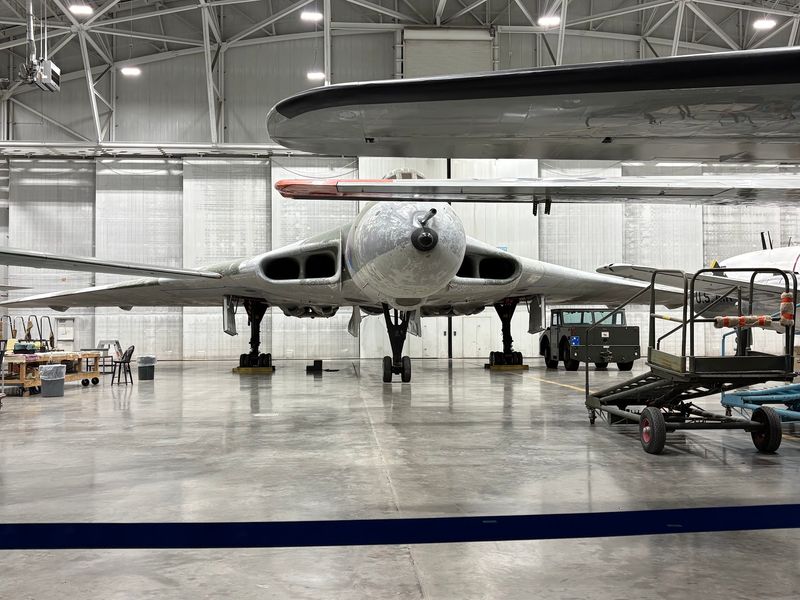
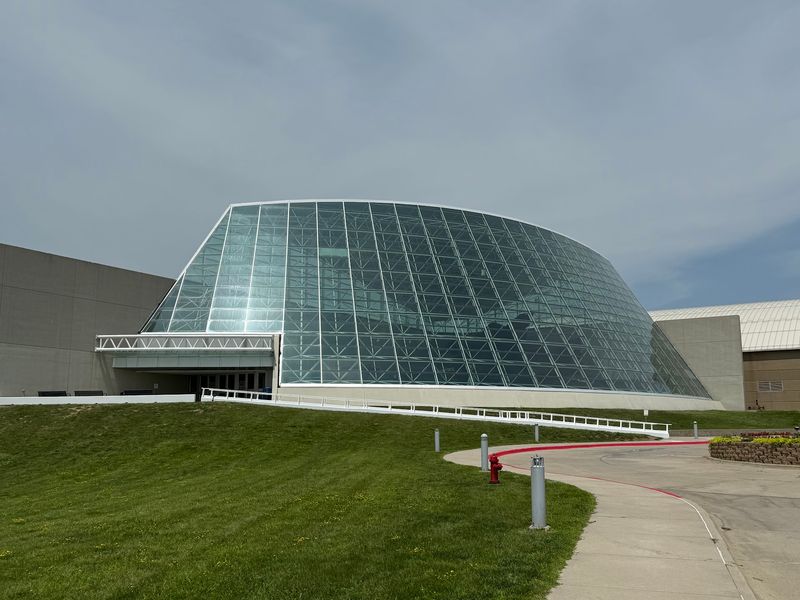
Halfway between Nebraska’s two biggest cities, a huge building holds one of the state’s most impressive collections. The Strategic Air Command & Aerospace Museum covers about 300,000 square feet near Ashland.
That size is hard to picture until you see the hangars. The museum houses what it calls the largest collection of Cold War aircraft and artifacts in the country.
It also carries a big title in the museum world. The Strategic Air Command & Aerospace Museum is a Smithsonian affiliate, which puts it in respected company.
The real magic is that almost everything sits under a roof. Bombers, fighter jets, missiles and spacecraft pieces stay out of the wind, rain and snow.
That’s a gift in a state known for wild weather swings.
Families from Omaha and Lincoln can reach it without planning a whole weekend. Travelers on Interstate 80 can turn a long drive into a memorable afternoon stop.
Inside, you’ll find two large aircraft display hangars, a restoration gallery and a 200-seat theater. A children’s gallery, a planetarium and a gift shop round things out.
It’s a lot of museum for one stop off the highway, and that’s exactly the point.
How A Base Collection Found A New Home Off The Interstate
Long before the glass and steel went up in Ashland, this collection had a military address. The museum began in 1959 at Offutt Air Force Base near Bellevue.
Offutt mattered in a big way back then. It served as headquarters for the Strategic Air Command until 1992.
SAC handled long-range bombers and missiles during the Cold War years.
For decades, many aircraft sat outdoors at the base. Sun, hail and harsh Nebraska winters are rough on old metal and paint.
Something had to change.
In 1998, the collection moved to its current indoor home in Ashland. That shift helped protect these aircraft for future generations.
It also turned the museum into a year-round destination.
The museum still honors the legacy of SAC and the people who served. You’ll find displays about service members, including stories tied to Nebraska.
Those local connections give the history a personal feel.
Today, the museum also leans hard into education. It works to spark interest in science, technology, engineering and math.
So a story that began on a military base now inspires future pilots and engineers. That’s a pretty great second chapter for any collection.
You Will Stop In Your Tracks Under The Sleek Black Blackbird
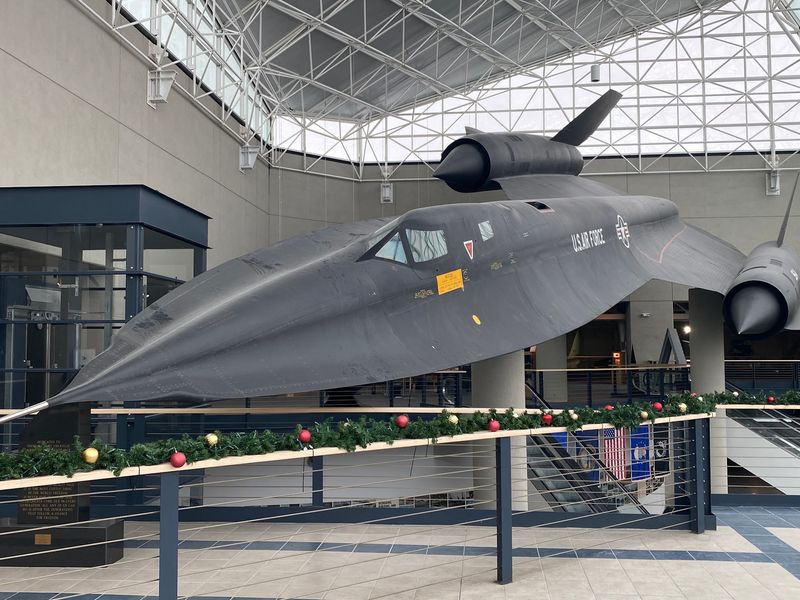
Few planes look fast while standing still. The SR-71 Blackbird pulls it off with ease, and the one in Ashland greets visitors in the atrium.
Built by Lockheed, this reconnaissance jet became a legend of the Cold War. It flew higher and faster than nearly anything of its era.
Its job was to gather information and get away quickly.
Photos online never quite capture its length or strange, flattened shape. Up close, the long nose and sharp edges feel almost like science fiction.
Then you remember people actually flew it.
Daily public tours typically begin right at the Blackbird’s nose. That’s a smart choice for a starting line.
It sets a high bar for everything that follows.
Kids tend to notice the dark color first. Adults usually notice the engineering.
The plane gives both groups something to stare at for a while.
Take a slow lap around it before moving on. Look at the engines, the shape of the wings and that impossible-looking cockpit area.
You’ll probably come back for a second look on your way out. Good luck walking past it just once.
Two Hangars Packed With Bombers You Can Walk Right Around
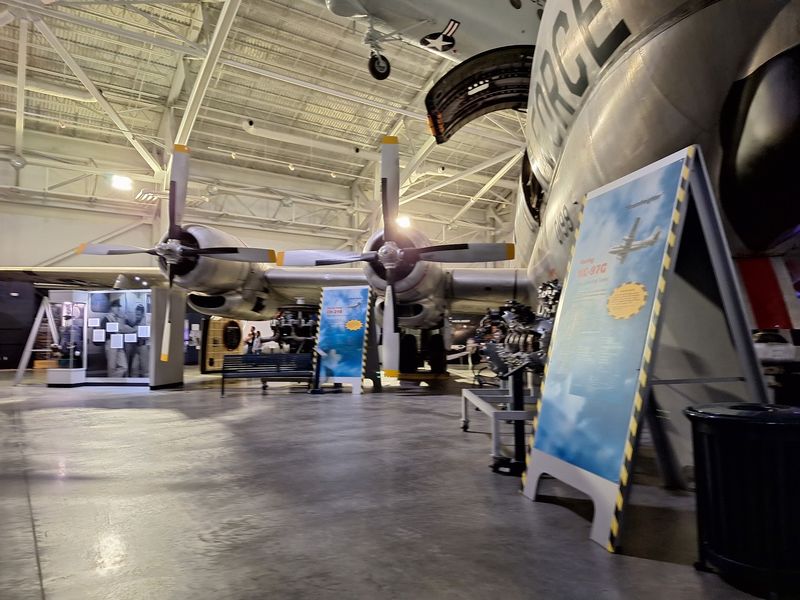
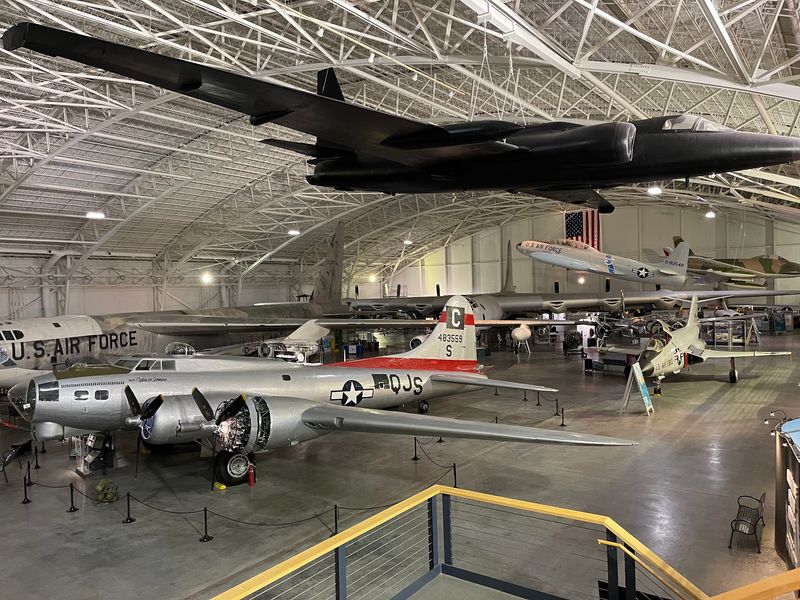
A B-52 indoors is a sight that resets your sense of scale. The Strategic Air Command & Aerospace Museum has one, along with plenty of other heavy hitters.
The lineup includes a B-36, B-29 and B-17. A British Avro Vulcan adds an international twist.
Each one represents a different chapter of aviation history.
Fighters and stealth aircraft join the bombers too. You’ll see an F-117 Nighthawk and an F-4 Phantom.
A B-1A bomber also sits in the collection.
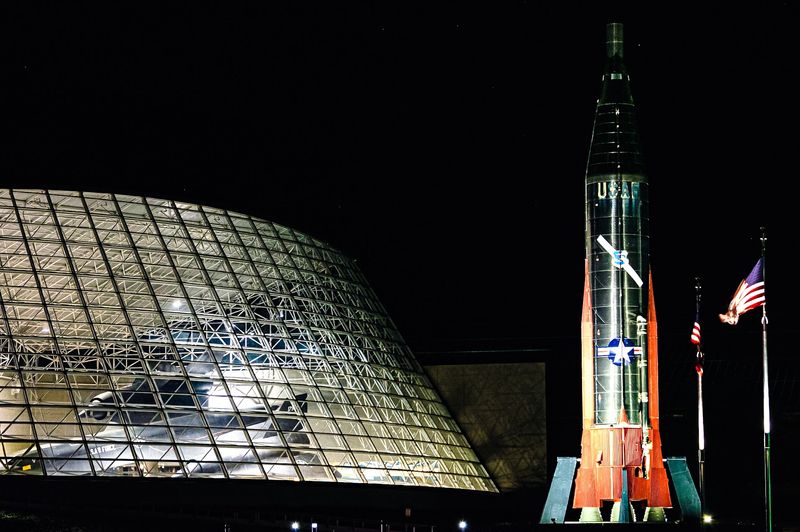
Several intercontinental ballistic missiles stand among the aircraft. Their size alone tells you a lot about the era.
The Cold War suddenly feels much less abstract.
Walking around these planes lets you study details up close. Engines, landing gear and fuselage shapes all become easier to understand.
Wingspans stretch farther than most people expect.
Exhibits also cover the Korean and Vietnam eras and World War II. A display on U-2 pilot Francis Gary Powers tells one of the most famous spy plane stories.
There’s even an Enigma machine on display. Plan on a few hours, because these hangars aren’t built for a quick peek.
Restorers At Work Give You A Behind-The-Scenes Peek
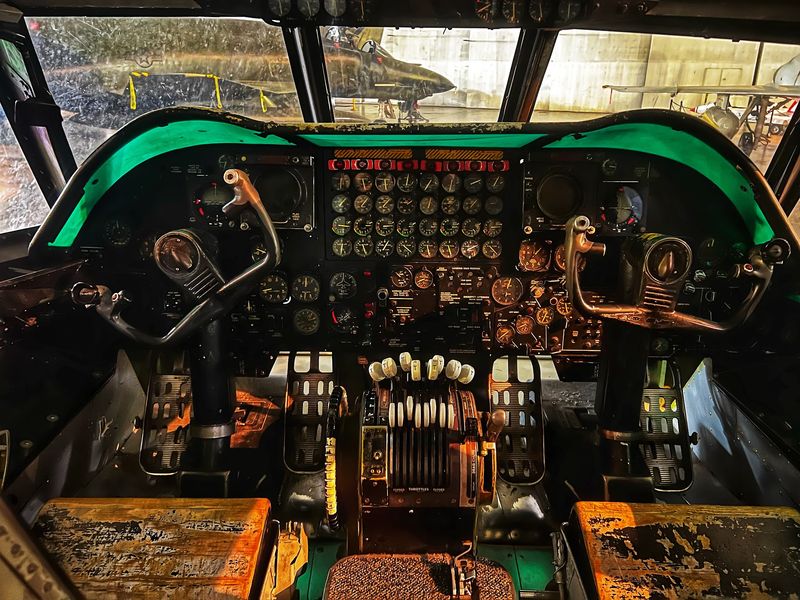
Most museums hide their unfinished work. Here, the restoration gallery puts it right out in the open.
Aircraft in this space are in the middle of being brought back to life. You can see planes in various stages of repair and rebuilding.
Parts, panels and frames reveal how these machines fit together.
That view adds something the polished hangars can’t. A finished plane looks perfect and complete.
A plane under restoration shows the patience it takes to get there.
It’s especially fun for anyone who likes to tinker. Gearheads, mechanics and curious kids will all find something to study.
You get a better sense of rivets, skins and structure.
The gallery also explains part of the museum’s mission. Preserving aircraft isn’t only about parking them indoors.
It takes skilled, careful hands and many hours.
Restoration projects change over time, so there may be something new on a return trip. That gives repeat visitors a reason to check back.
You might spot a plane you saw in pieces now gleaming in the main hangars. Watching history get rebuilt one piece at a time is oddly satisfying.
Flight Simulators And A Planetarium Keep Young Pilots Busy
Looking at planes is great. Pretending to fly one is even better, and the museum knows it.
Flight simulators sit among the most popular extras here. Some let riders try out World War II-era aircraft.
Virtual reality flight experiences are also part of the lineup. These usually cost a little extra beyond admission.
Younger visitors get their own space too. An interactive children’s gallery offers hands-on activities built for smaller explorers.
Some displays even let kids climb inside.
The planetarium shifts the focus from the sky to outer space. It pairs nicely with the museum’s spacecraft artifacts.
Suddenly the trip covers both aviation and astronomy.
Math lovers might be surprised by the interactive exhibits. Some show how basic math connects to flight and engineering.
Earthquake build-and-test games let kids experiment with structures. It’s sneaky learning at its finest.
The 200-seat theater adds films and presentations to the mix. Traveling exhibits rotate through as well, so the lineup can change from season to season.
Grandparents, parents and kids can all find a corner that fits. That makes the whole outing far easier to plan for a mixed-age crowd.
Snacks, Souvenirs And Some Surprisingly Memorable Restrooms
Hangar walking builds an appetite fast. Luckily, there’s a spot inside for a snack break.
The museum has a cafe and snack bar area for quick bites. It’s handy when little legs need a rest.
You won’t have to leave the building to refuel.
The gift shop sits upstairs and is hard to skip. Model planes, space gear and aviation souvenirs fill the shelves.
It’s a natural final stop before heading home.
Upstairs, you’ll also find an area dedicated to the World Trade Center. It adds a reflective moment to the visit.
The space offers a quieter pace than the busy hangars.
Then there are the restrooms, which have earned a quirky reputation. They’re decorated with an aviation theme, including rivet details upstairs.
Who knew a bathroom could fit a museum’s personality so well?
Little touches like that make the day feel thoughtful. Clean, comfortable spaces matter when you’re spending hours in one place.
Families with young kids will appreciate it most. Just budget a few minutes for the gift shop, because someone will want a model plane.
Timing Your Trip So Tuesday Does Not Ground Your Plans
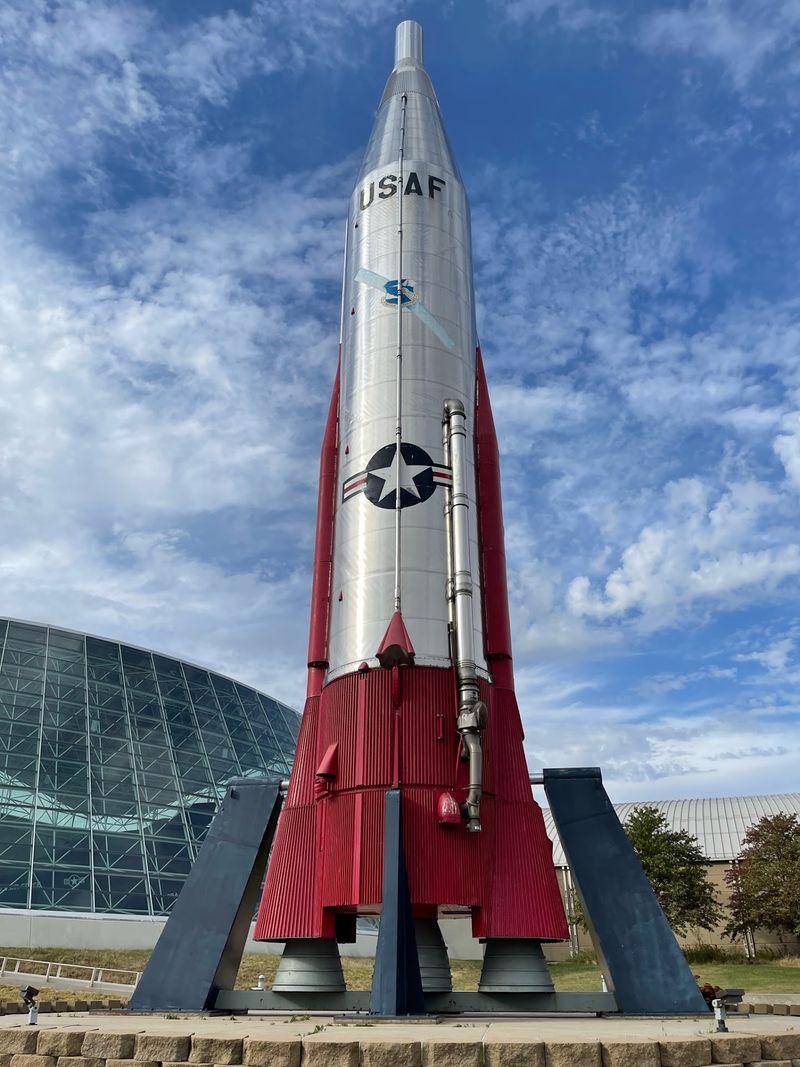
Tuesday is the one day to avoid. The museum closes that day each week, which can catch road-trippers by surprise.
On most other days, doors open in the morning. Sundays start later, around late morning.
Weekend hours generally run a bit longer than weekdays. Schedules can shift by season, so check before you leave.
You’ll find the museum at 28210 W Park Hwy, Ashland, NE 68003. It sits right off Interstate 80.
The drive is roughly half an hour from Omaha.
Lincoln families have an easy trip too. The location between the two cities makes it a natural day-out for much of eastern Nebraska.
Admission is priced reasonably, and veterans and military members can find discounts. Simulators and some extras cost more.
Online deals sometimes pop up for add-on experiences.
Plan for at least two to three hours. Aviation fans could easily stay longer.
Arriving early gives you time for a tour, a snack and a simulator ride. Daily public tours start at the Blackbird, so ask about times when you arrive.
Comfortable shoes are a smart call for those big hangars.
Why This Cold War Treasure Belongs On Every Nebraska Bucket List
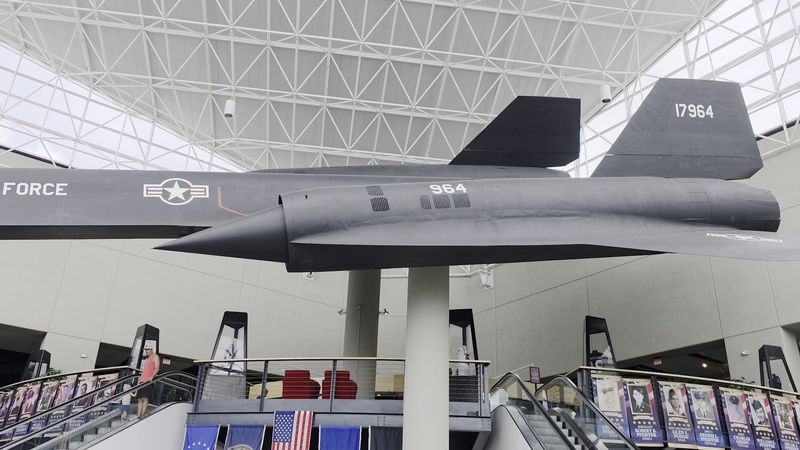
Nebraska played a starring role in Cold War history, and plenty of folks never knew it. The Strategic Air Command & Aerospace Museum tells that story in a way you can see and feel.
The SR-71 Blackbird alone makes the trip worthwhile. Add towering bombers, missiles and spacecraft, and the day fills up quickly.
The museum works for a wide range of people. Veterans can connect with the aircraft and stories from their era.
Kids can fly simulators and climb into displays. Grandparents can share memories while wandering the hangars.
It also reflects Nebraska pride in a big way. SAC headquarters sat at Offutt for decades.
Many local families have ties to that history, whether through service or friends who worked on base.
Rainy day, frosty day or blazing summer day, everything stays indoors. That makes it a reliable plan any time of year.
So next time you’re cruising I-80 near Ashland, take the exit. Give yourself a few unhurried hours.
Start at the nose of the Blackbird and follow the story from there. You might leave knowing far more about your home state than you expected.