Fly Fishermen From Across The Country Make The Pilgrimage To Silver Creek Preserve Near Bellevue, Idaho
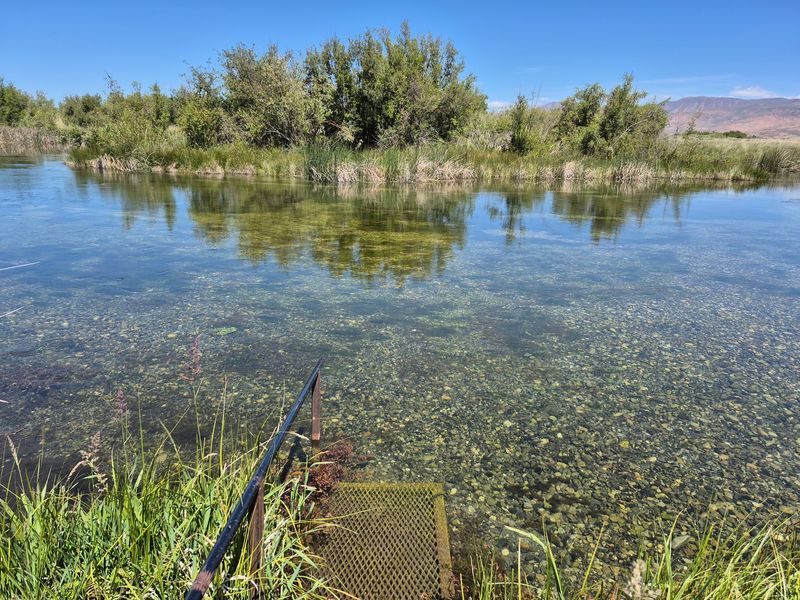
The trout here are so wary that even expert anglers walk away humbled. The water runs so clear you can watch a fish inspect your fly and politely decline it.
And every fish goes back. Anglers use a single barbless hook, and the whole stream runs on catch-and-release.
That rule says a lot about how much people treasure this spring creek.
I like that the place has a famous backstory too. Ernest Hemingway hunted and fished these waters in the 1930s.
His son Jack later chased the same picky trout.
Today, people drive across the country to try their luck in Idaho’s high desert. Moose wander the willows, and sandhill cranes call from the meadows.
I can’t imagine a better place to get outsmarted by a fish. So what keeps them all coming back?
A Spring Creek In The High Desert That Anglers Plan Trips Around
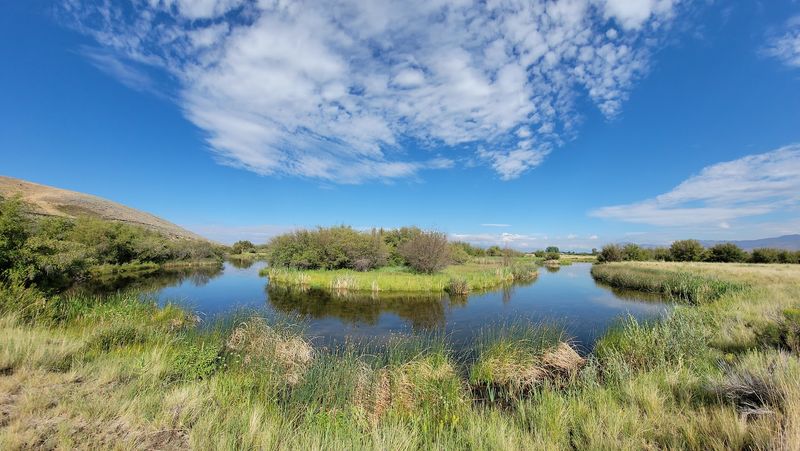
Silver Creek Preserve sits south of Bellevue, near the little town of Picabo, in Idaho’s high desert. The Nature Conservancy manages it, and the preserve covers roughly 880 acres along a famous spring creek.
Spring-fed water changes everything for a stream. Silver Creek moves slowly, runs remarkably clear, and supports a huge density of aquatic insects.
Those insects feed rainbow and brown trout that grow fat and very, very cautious. That combination turned this creek into a bucket-list stop for fly anglers nationwide.
The preserve also stretches beyond its own boundary lines. The Nature Conservancy has protected more than 12,600 acres in the wider Silver Creek watershed through conservation easements.
Those easements matter because a creek is only as healthy as the land around it. Private landowners along the valley have partnered to keep the whole system working.
Fishing is only part of the draw, though. Hikers, birders, photographers, and families wander the trails while anglers stare at rising fish.
Most of Idaho knows Sun Valley for skiing and summer crowds. Head a little south, and this quieter, wetter world opens up in the sagebrush, ready for anyone curious enough to stop.
From Worn-Out Cattle Ranch To Restored Trout Water
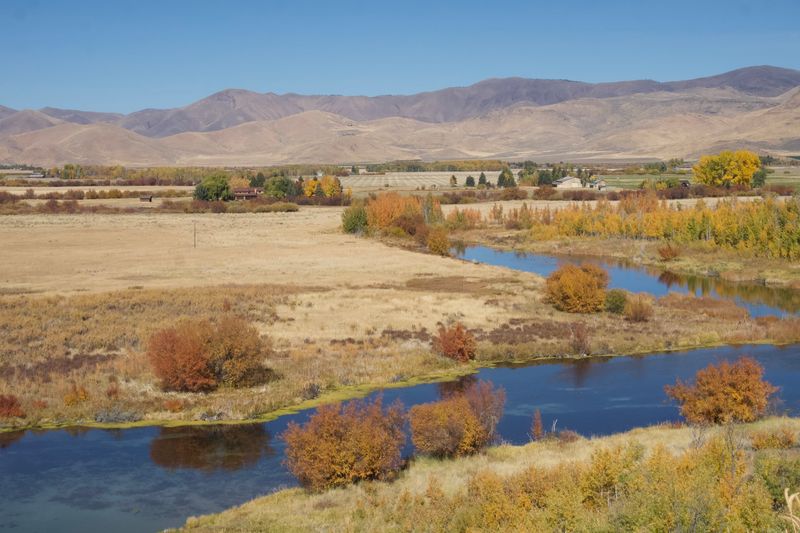
Cattle once trampled these banks. Before it became a preserve, the property was the Sun Valley Ranch, and overgrazing caused runoff and erosion that hurt the creek.
Local people noticed, and they pushed for change. In 1976, The Nature Conservancy bought 479 acres with strong community encouragement and support.
Hemingway’s name runs through the story as well. He reportedly sought help protecting the area, and his son Jack knew Silver Creek’s selective trout well.
That early purchase grew into something bigger than one property. The Silver Creek project became a well-known model for community-based conservation and landowner stewardship.
Restoration work has continued for decades since then. Those efforts helped bring the stream back into a thriving fishery and a healthy ecosystem.
The job still isn’t finished, and that’s part of the appeal. Ongoing projects on Stalker Creek and Loving Creek focus on stream function, aquatic habitat, and fish passage.
I believe Idahoans can feel proud of this one. A ranch that was losing its creek became a place people now cross the country to see.
That’s a pretty good comeback for a patch of high-desert pasture near Picabo.
Why The Trout Here Will Humble Your Best Cast
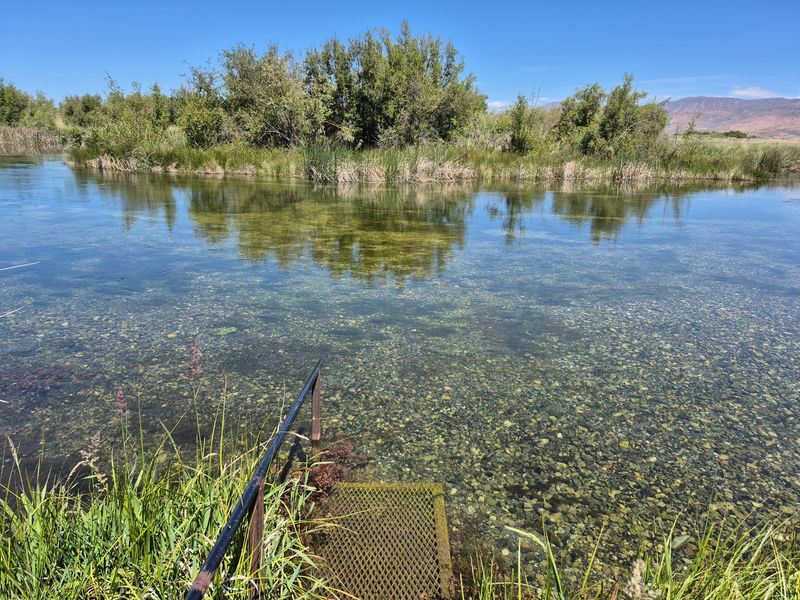
Ever been ignored by a fish? Silver Creek’s rainbows and browns have turned it into an art form, and anglers keep coming back for more.
Clear, slow water gives trout a long, careful look at every fly. A sloppy cast or a dragging line can send them sulking under the weeds.
Precise technique matters more than fancy gear here. Even experienced fly fishers describe these conditions as demanding, which is exactly why they travel so far to try.
Every fish is released, too. Silver Creek Preserve runs on catch-and-release rules, and anglers use a single barbless hook.
Fishing is seasonal on the preserve. The window typically opens Memorial Day weekend and runs through November 30, so check before driving.
Designated areas allow wading, which keeps the banks and stream bottom protected. Anglers who want to cover more water often use float tubes instead.
Don’t expect fish to line up for you. Some days the trout simply won’t cooperate.
That challenge is the whole point, and landing one here feels like earning a small Idaho diploma in patience and stealth.
The Brown Drake Hatch Draws Anglers Like A Dinner Bell
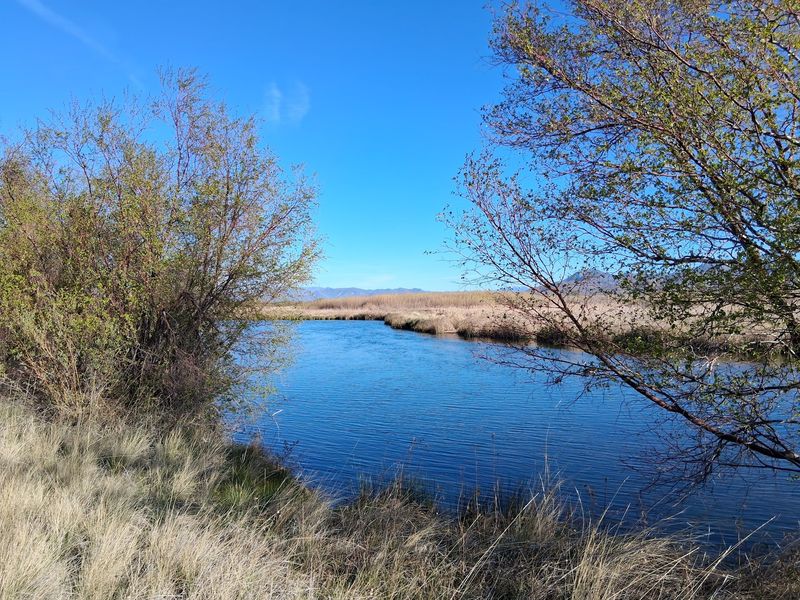
Insects run the show at Silver Creek. The creek’s high density of stream bugs creates prolific hatches throughout the year.
One hatch gets talked about more than the rest. The Brown Drake hatch arrives in late May and early June, and it carries legendary status among fly anglers.
Brown drakes are big mayflies, and big bugs get the attention of big trout. When they show up, wary fish suddenly look a little less picky.
Timing that window is a real Idaho day-out puzzle. The hatch lines up neatly with the opening of fishing season on the preserve.
Other hatches keep things interesting long after the drakes fade. Anglers match flies to whatever bugs are on the water that day.
Bring patience along with your fly box. Hatches don’t follow a printed schedule, and the trout read the water better than any of us.
Non-anglers benefit from the bug buffet too. All those insects feed swallows, flycatchers, and other birds working the air above the creek.
And yes, pack bug spray. A creek famous for insects will happily share them with you on the trail.
Float Tubes, Wading Spots, And A Bridge Project To Know About
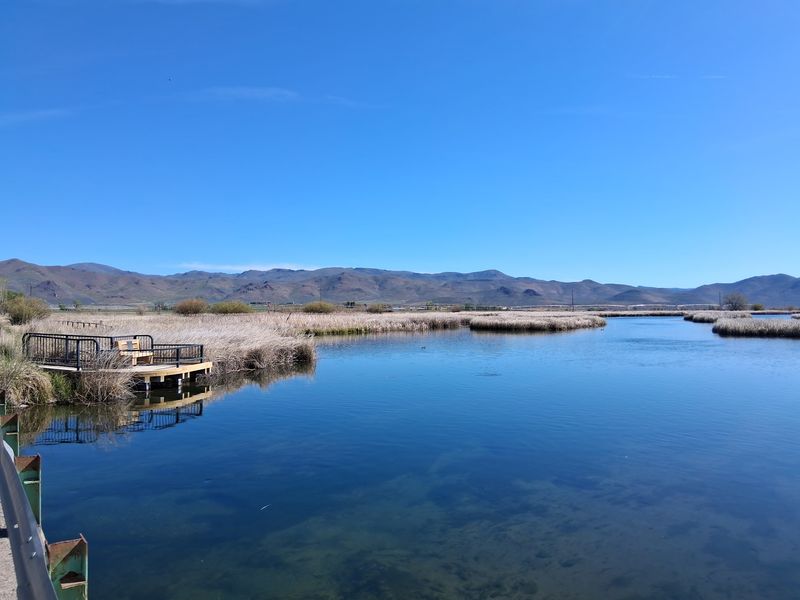
Float tubes are a favorite way to reach different stretches of Silver Creek. Anglers kick slowly across the glassy water and fish spots the banks can’t reach.
Wading works too, but only in designated areas. Those rules help protect the stream bottom that makes this fishery so productive.
Right now there’s a construction twist to plan around. Blaine County is replacing the Kilpatrick bridge, and that has closed Kilpatrick Pond downstream from Float Tube Access 1.
Float tube fishing is limited to the stretch between Float Tube Access 1 and Float Tube Access 4 during the project. The downstream take-out for recreational floaters is also closed through September 30.
That doesn’t shut down the fun. It simply narrows the water you can tube, so plan your route before launching.
Canoeing is another way to enjoy the creek from the water. Paddlers get the same slow current and wide-open views without needing a fly rod.
Check alerts before heading out, since project timelines can shift. A quick look saves a long walk with a float tube on your back and nowhere to put in.
Moose In The Willows And Cranes In The Meadows
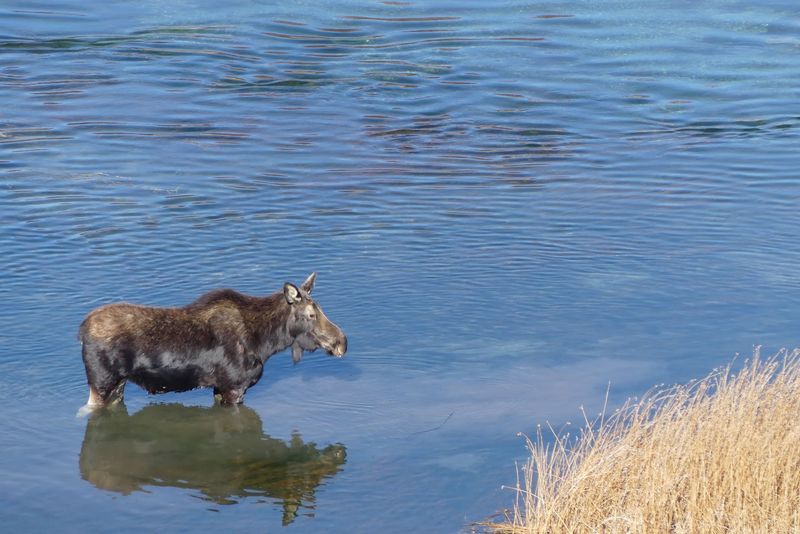
Moose steal the spotlight for a lot of visitors. The big browsers find refuge along the creek and its willow-lined corridors.
Sightings aren’t guaranteed, which only makes them sweeter. Keep plenty of distance, because a moose deserves lots of personal space.
Elk, coyotes, bobcats, and mountain lions also use the riparian habitat here. Most of them stay shy, so spotting one is a genuine treat.
Birders get even better odds. More than 150 bird species visit Silver Creek Preserve, making it critical habitat in this part of Idaho.
Waterfowl, eagles, and hawks show up regularly. Sandhill cranes, American bitterns, and long-billed curlews round out a seriously impressive checklist.
Summer brings colorful songbirds like lazuli buntings and Bullock’s orioles to the brush. Kingbirds and willow flycatchers snap up the creek’s endless insects.
Binoculars belong in your bag even if you came to fish. Somebody in your group will want to know what that bird was.
Early mornings and evenings often feel calmest along the water. That quiet stretch of day suits patient wildlife watchers, and it suits patient anglers too.
Trails, An Audio Tour, And Mariel Hemingway As Your Guide
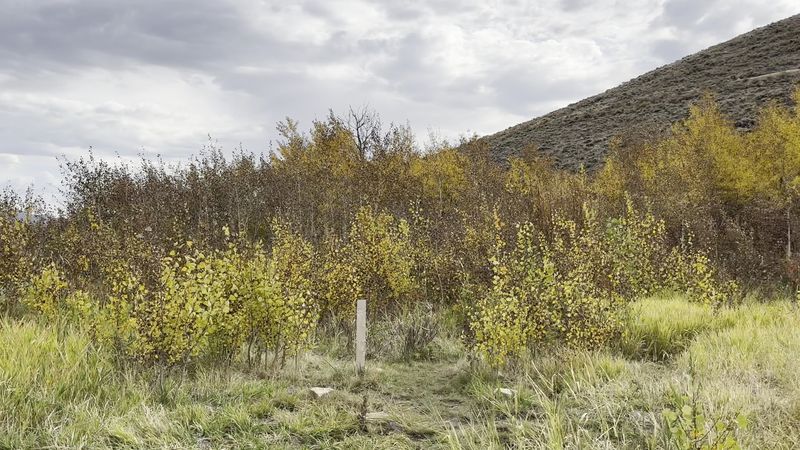
Mariel Hemingway narrates the self-guided audio tour here. Hearing a Hemingway talk about a place her family loved adds a nice personal layer.
The tour covers the preserve’s unique ecosystem and its history. It’s an easy way to learn while you stroll at your own pace.
A self-guided nature trail begins at the visitor center. Other walking trails wind through meadows and along the creek.
Some paths are narrow, and lower sections can turn muddy since the hills are fed by groundwater. Sturdy shoes make the walk more pleasant.
Families with curious kids fit right in. Bugs, birds, and maybe a bunny keep young hikers busy, so pack binoculars and repellent.
A good sun hat helps too. The high desert sun doesn’t take breaks just because you’re near water.
Winter changes the routine without ending it. Seasonal snowshoeing turns the quiet preserve into a cold-weather outing worth bundling up for.
Photographers have plenty to work with year-round. Glassy water, wide skies, and wildlife give every season its own look in this corner of Idaho.
A Newer Education Center With A Creek-View Deck
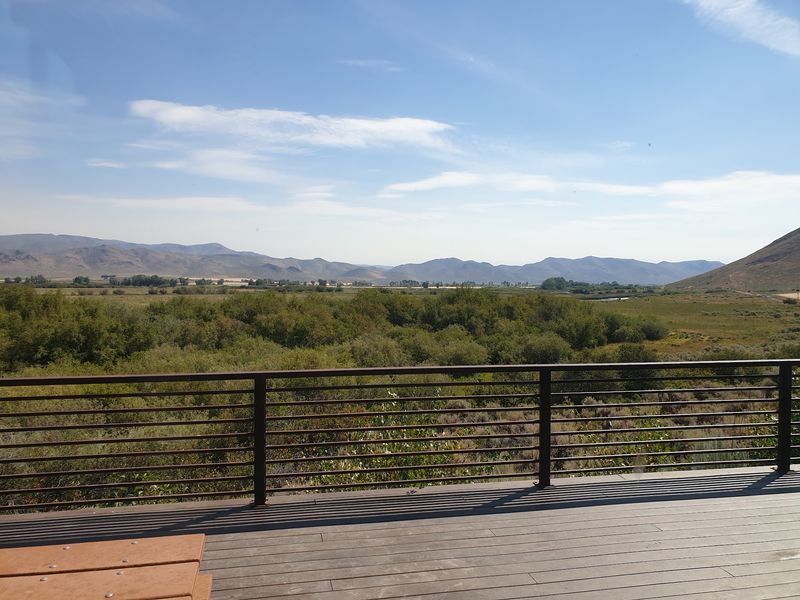
Completed in 2022, the Conservation and Education Center gave Silver Creek Preserve a fresh home base. It’s free to visit, which makes it an easy first stop.
Inside, exhibits explain the creek, its wildlife, and the conservation story. A classroom and an outdoor amphitheater support educational programs.
School field trips help teach younger Idahoans why protecting places like this matters. That mission feels right for a preserve built on community effort.
The observation deck might be the best perch on the property. It offers views of the creek without getting your boots wet.
Center hours differ from preserve hours. The building closes on Mondays and seasonally on Tuesdays, so check before driving if exhibits are on your list.
Even when the doors are shut, the trails stay available. The preserve itself remains open from dawn to dusk.
Vault toilets are available at the visitor center area. Volunteers often staff the building during its open season, ready to help newcomers get oriented.
Spend a few minutes here first. Knowing what you’re looking at makes every moose track and mayfly more interesting.
Plan The Drive, Sign In, And Let The Creek Do The Rest
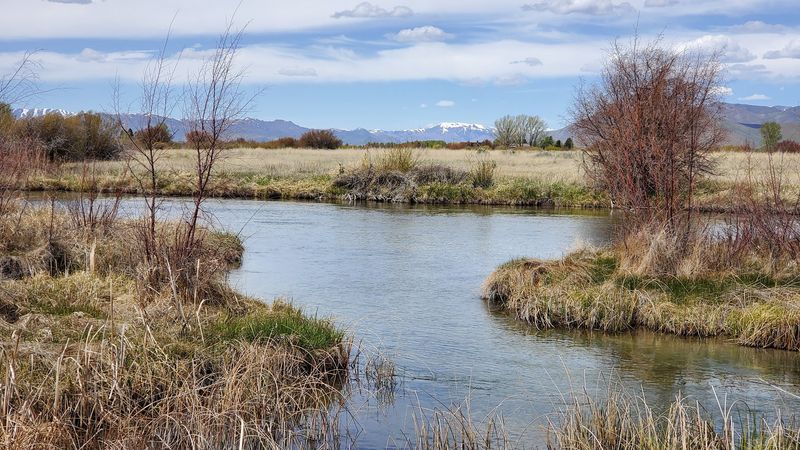
Getting here is part of the fun. Silver Creek Preserve sits at 165 Kilpatrick Bridge Road, Bellevue, ID 83313, south of Bellevue near Picabo off Highway 20.
A dirt and gravel road leads in, so drive with patience. The preserve is open year-round from dawn to dusk.
Every visitor must sign in electronically before entering. Look for the QR code at the kiosk and take care of it right away.
Hunting season adds a few rules. Waterfowl hunting is allowed on Wednesdays, Saturdays, and Sundays by boat or canoe only, with sign-in at the Kilpatrick Bridge kiosk.
Know those days if you plan to hike in fall. A little awareness keeps everyone comfortable.
Access is free, and donations help support the work. Considering decades of restoration, a few dollars feels like a fair trade.
So who should go? Anglers chasing a challenge, birders, families, and anyone craving a calm Idaho afternoon will find something here.
The trout might snub you. The moose might hide.
I still believe this creek earns every mile of the trip.