This Pennsylvania Bakery Still Pulls Soft Pretzels Out Of A Century-Old Brick Oven
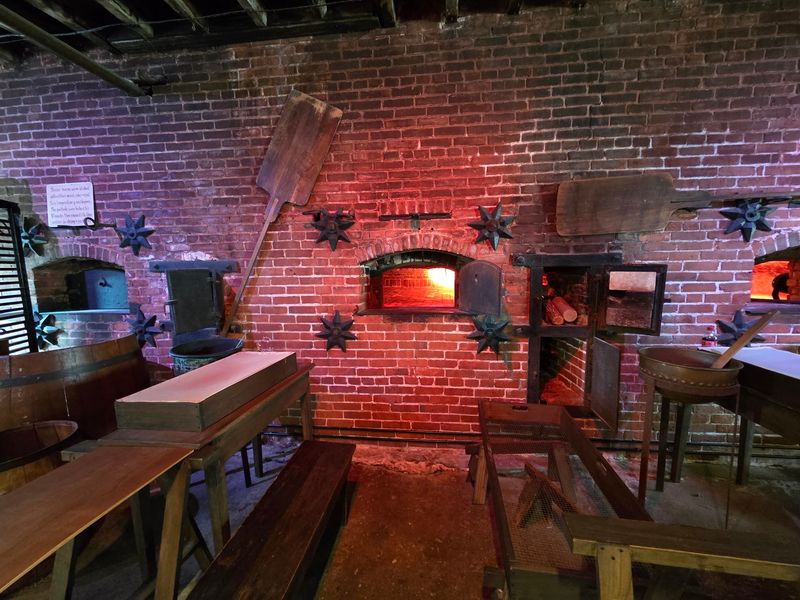
A small stone bakery opened in 1861 and calls itself the very first commercial pretzel bakery in America. The building around it is even older, dating all the way back to 1784.
Inside, the big brick ovens that launched the whole operation are still standing. A guide hands you a lump of dough and walks you through the classic twist, one fold at a time.
Then you find out how fast the old bakers worked, and your own lopsided loop suddenly feels humble.
I like how personal the whole thing feels. It is a short tour in a couple of rooms, followed by a shop packed with pretzels in more shapes than seem reasonable.
Pennsylvania takes its pretzels very seriously, and this old house helped make that true. So how would your twist stack up against theirs?
America’s Pretzel Story Starts In A Stone House
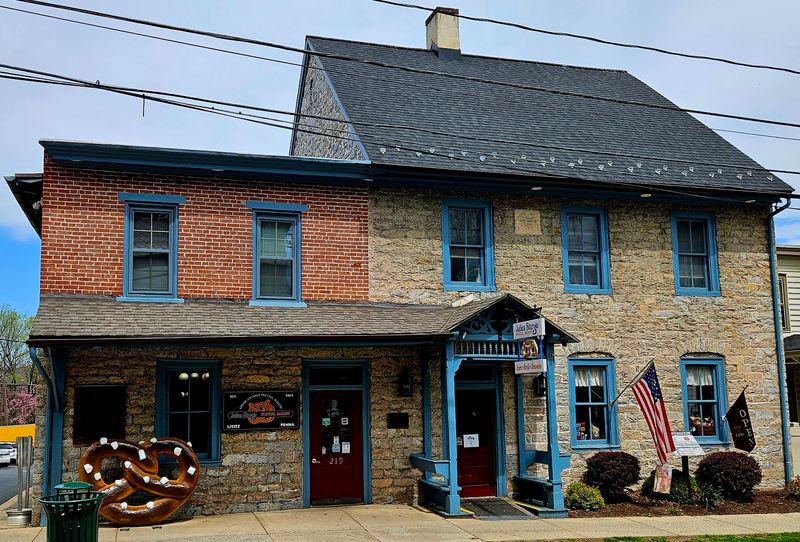
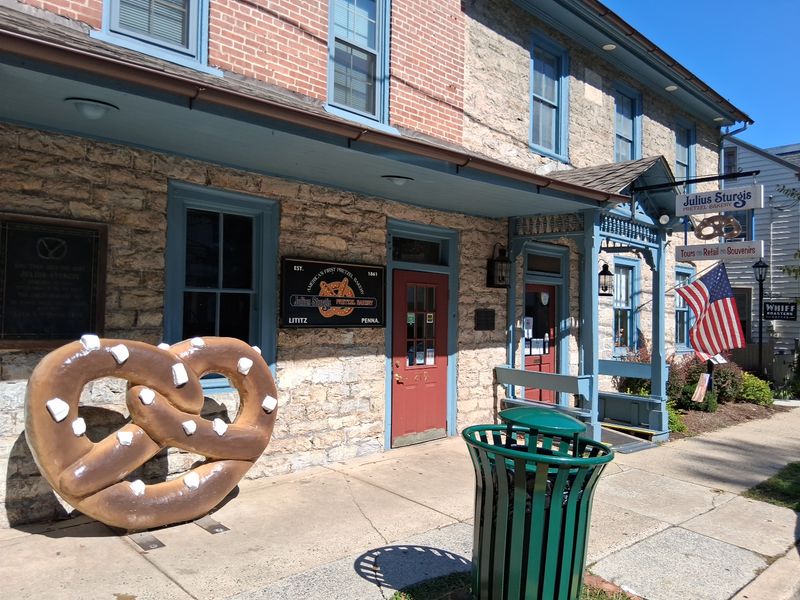
Plenty of bakeries brag about being old, but few can claim to be first. The Julius Sturgis Pretzel Bakery in Lititz, Pennsylvania, opened in 1861 and calls itself the first commercial pretzel bakery in the United States.
That is a big title for a modest stone building. Still, the history backs it up, and the place leans into that story with real pride.
Today it works as part museum, part hands-on workshop, and part snack shop. You can learn how pretzels were made here long ago, then buy a warm one before heading out.
The setup is refreshingly simple. Visitors take a guided tour of the old bakery rooms, try their hand at twisting dough, and finish in a shop full of pretzel treats.
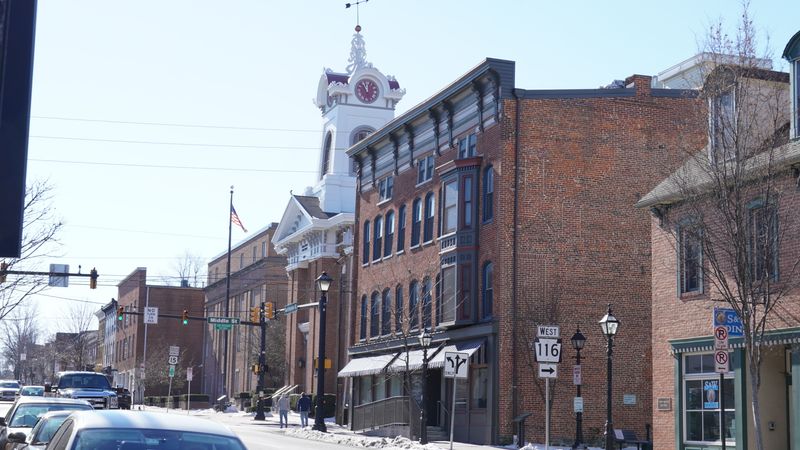
Lititz sits in Lancaster County, an easy drive for a lot of Pennsylvania families. The bakery makes a natural anchor for a day spent wandering a small, walkable main street.
Kids get a lesson that feels like play. Grown-ups get a slice of food history that explains why so many pretzel bags in your pantry might trace back to this state.
Not bad for a building that predates the pretzel business itself by decades.
A Building That Was Old Before The First Twist
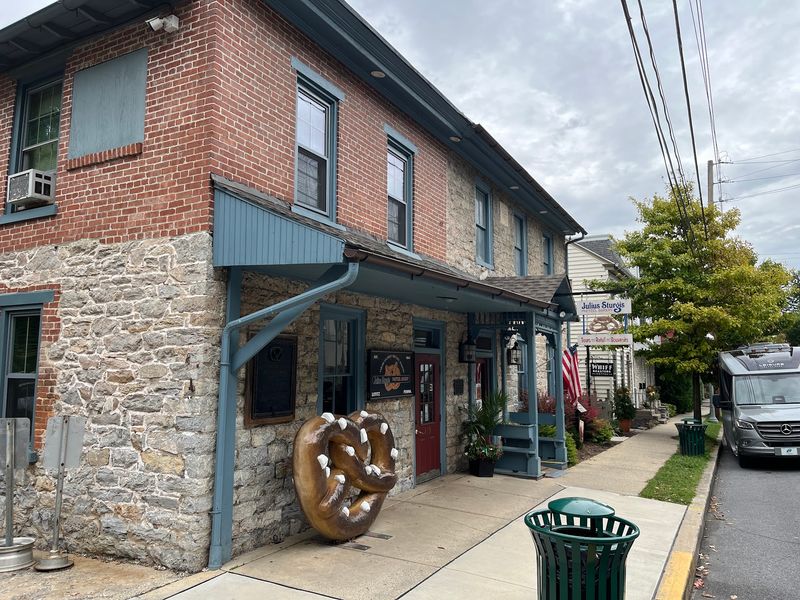
The stone walls went up in 1784, back when the young country was still sorting itself out. Julius Sturgis did not start baking pretzels inside until 1861, so the house had a long first act.
That age shows in the best way. Thick stone construction gives the building a sturdy, rooted look that newer shops simply cannot fake.
The bakery is listed on the National Register of Historic Places. That honor recognizes both the structure and the role it played in American food history.
Inside, the walls carry pictures and historical placards about the business. Even if you skip the tour, a quick look around fills in plenty of the backstory.
You will find it at 219 E. Main St. in Lititz, right along the town’s main drag.
Out front stands a giant pretzel that makes the easiest photo stop in town.
I can’t imagine walking past without snapping at least one picture. It is the kind of landmark that tells you exactly what happens inside without saying a word.
Old houses often get turned into gift shops or offices. This one kept its original purpose close, and that makes all the difference.
Those Hulking Brick Ovens Steal The Show
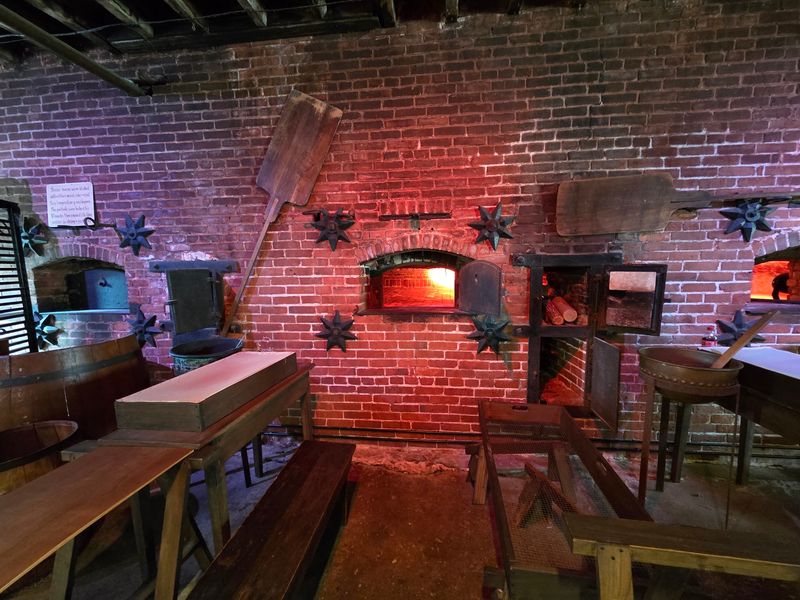
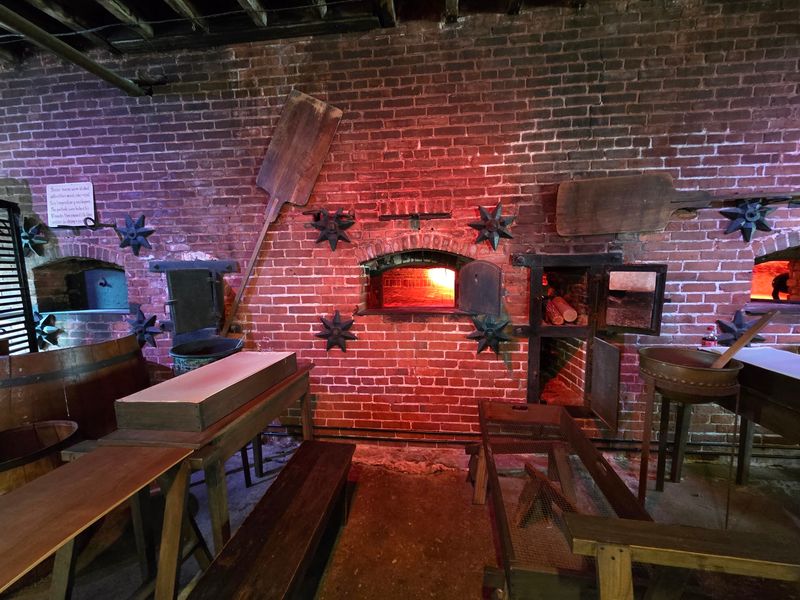
Massive is the right word here. The original brick ovens built for Julius Sturgis still stand inside the bakery, and they look nothing like the tidy appliance in your kitchen.
Bakers once slid pretzels in and out using a long, flat wooden tool. Think of a pizza peel with serious ambition and a much longer handle.
Here is a detail worth knowing before you go. The historic ovens are no longer fired, so they serve as the centerpiece of the story rather than a working kitchen.
That honesty actually makes them more fun to study. You get to stand close and imagine the heat, the speed, and the rhythm of a working nineteenth-century bakery.
The guide explains how the old process moved from dough table to oven. Hearing it next to the actual brick makes the history feel less like a textbook and more like a scene.
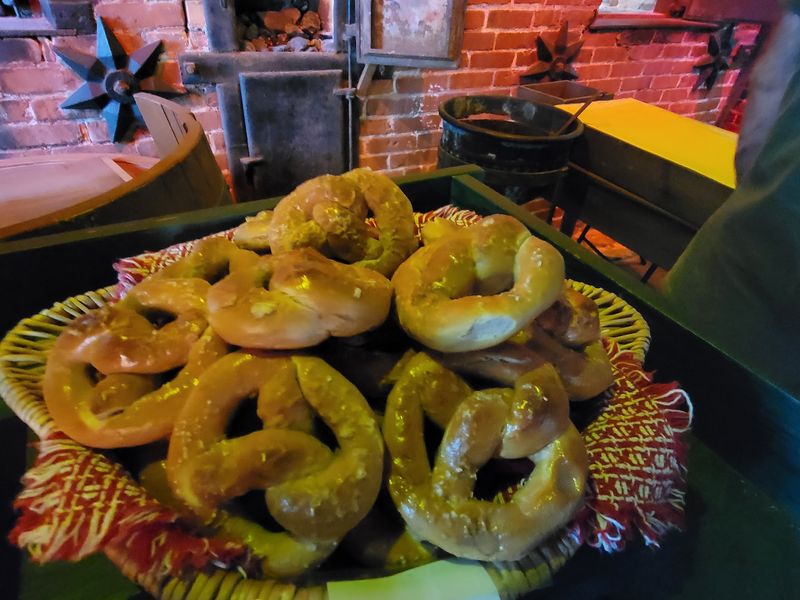
Freshly baked soft pretzels are still sold in the shop, so the smell of warm dough has not left the building. Good luck resisting that once the tour wraps up.
Few places let you stand beside the very ovens where an American food tradition began.
Your Pretzel Twisting Skills Are About To Be Tested
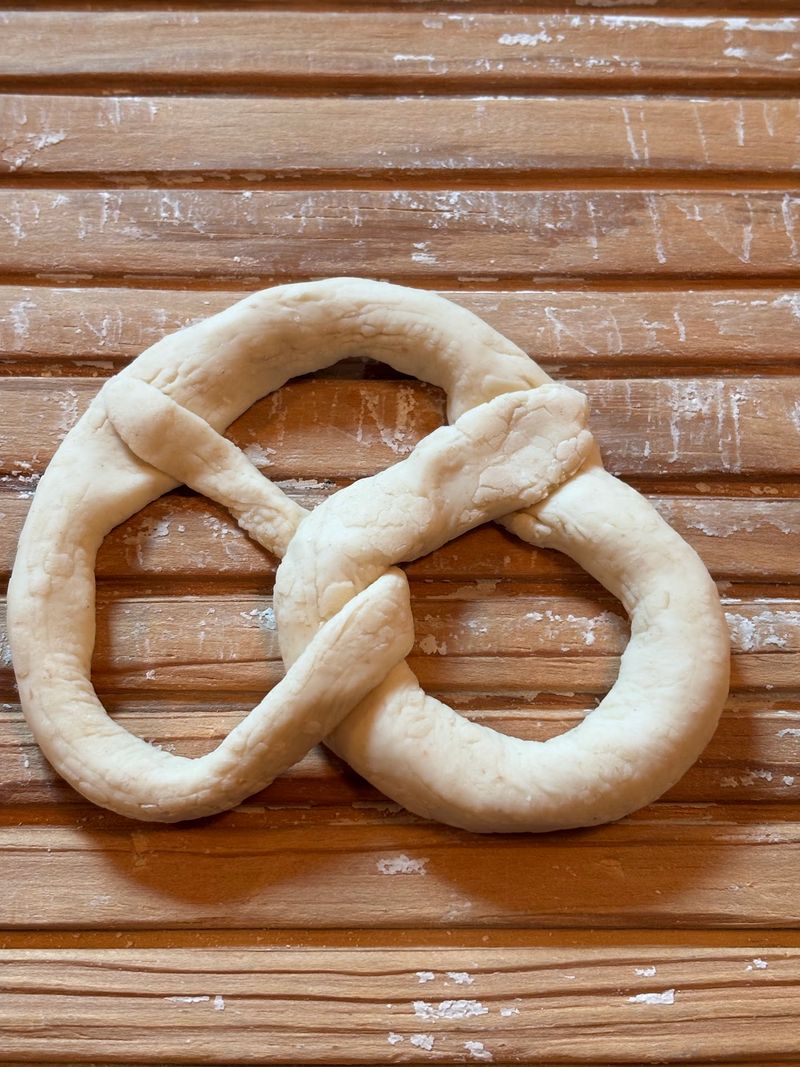
Fifty pretzels a minute. That is the pace guides describe for the bakers who once worked here, and it sounds wild until you try to twist just one.
Every tour includes a hands-on lesson with a piece of dough. You roll it into a rope, then shape it step by step into the familiar knot.
The fold happens in three moves. Guides share a sweet bit of symbolism behind each step, tying the shape to prayer, marriage, and family.
Your first attempt may look more like modern art than a snack. That is part of the fun, and nobody expects perfection from beginners.
One catch keeps things realistic. Health rules mean the pretzel you twist does not get baked or eaten, so set your expectations before your stomach does.
Visitors do leave with a little certificate for their effort. It is a small keepsake that makes kids feel like official bakers for the day.
I believe this is the moment that sticks with people long after the trip. Holding the dough yourself turns a history lesson into something your hands actually remember.
Short Tour, Big Payoff, Free Snack
Short attention spans are welcome here. The tour runs roughly half an hour, which makes it easy to fit between lunch and a stroll around town.
Everything happens in a couple of connected rooms. There is very little walking involved, so grandparents and folks who move a bit slower can enjoy it comfortably.
Guides cover the Sturgis family story, the old baking process, and how the business grew. Questions are encouraged, so curious kids can quiz away.
Photos are allowed, though video is not. Grab your pictures of the ovens and the dough table, then put the phone down and enjoy the lesson.
Everyone gets a small bag of hard pretzels at the end. Call it a reward for your twisting efforts, even if your knot looked a little lopsided.
The ticket price stays friendly on the wallet, making this one of the more affordable history outings around. Families with several kids will appreciate that math.
Summer visits can get warm inside the old rooms. Cooler months may feel more comfortable, especially if you plan to linger near the ovens and displays.
The Gift Shop Is Basically A Pretzel Wonderland
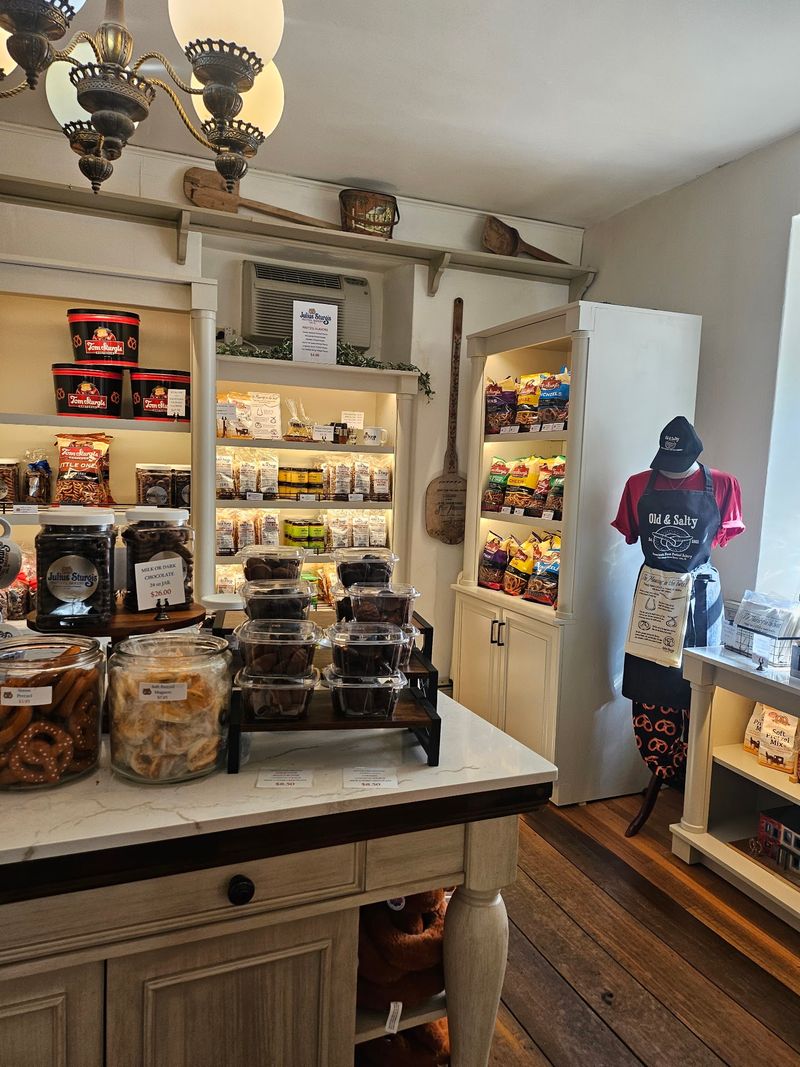
Warm soft pretzels come out fresh in the shop, and that alone justifies the stop. They make a quick, cheap snack you can enjoy right on site.
The hard pretzel shelves go deep. Many come from Tom Sturgis Pretzels, a business run by descendants of Julius Sturgis, so the family name still sits on the bag.
Flavor options can include classic styles plus seasoned picks like honey mustard and onion. Flavored minis also make easy road-trip fuel for the ride home.
Sweet tooths get their turn too. Chocolate-covered pretzels show up in the mix, including versions paired with peanut butter or caramel.
Pretzels even come in fun shapes, including a little Amish buggy. That one feels made for the souvenir bag.
Beyond snacks, you will find T-shirts, mugs, postcards, and magnets. There is also a pressed penny machine, which counts as a mandatory stop for collectors.
Shopping here can sneak up on you. One bag for the car becomes three for the relatives, and suddenly the trunk smells like a bakery.
A Pretzel That Plays By Its Own Rules
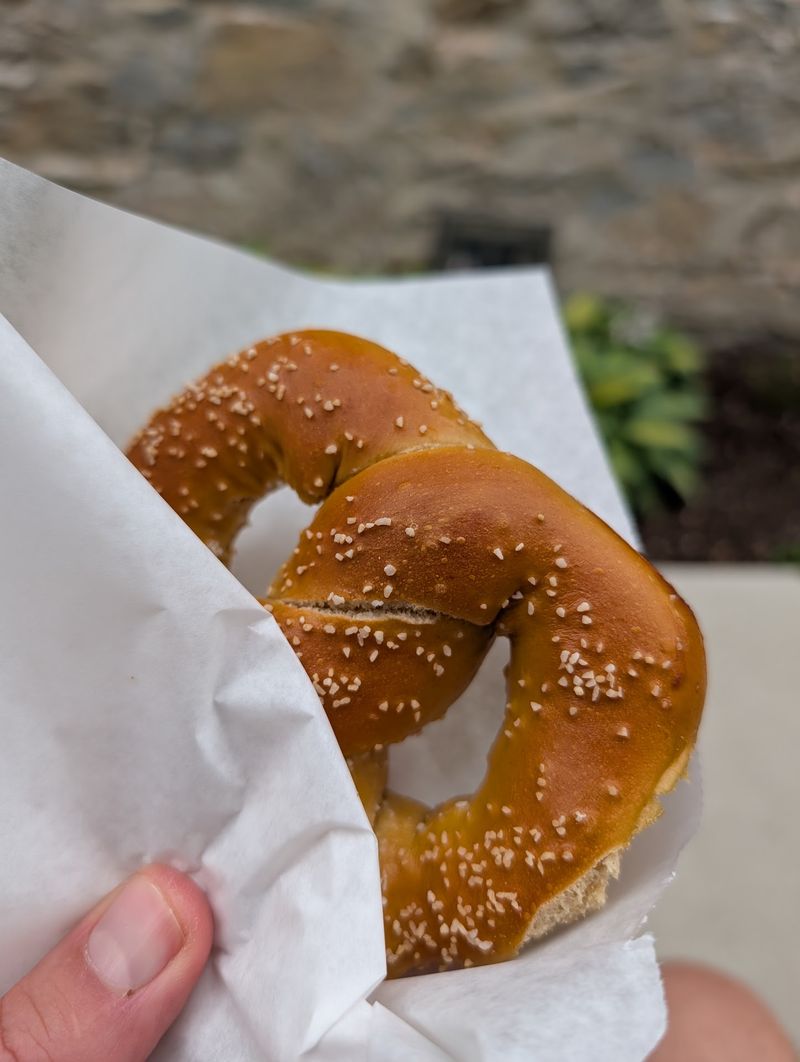
Philadelphia folks know their soft pretzels. The version sold here takes a different path, coming out softer and doughier than the classic street-corner figure eight.
That difference is the point. Pennsylvania has room for more than one pretzel personality, and this one leans toward the bready, comforting side.
Fun fact for your next trivia night. Hard pretzels became a big deal partly because baking them longer helped them keep much better than soft ones.
That shelf life helped pretzels travel far beyond town. It is one reason the Sturgis name stretched well past this little house over the years.
The soft ones are still the easiest way to taste the place. They are inexpensive, simple, and best eaten while they are still warm.
Timing can matter if you want one fresh. Batches sometimes run low, so grabbing one before or right after your tour is a smart move.
Pair a soft pretzel with a bag of hard ones and you get the full story in snack form. Old method, new bite, same family legacy.
Smart Moves Before You Make The Drive
Tickets can sell out, especially on weekends. Booking online ahead of time saves you from a disappointing walk back to the car.
The bakery opens late morning on most days and keeps shorter hours on Sundays. Hours can shift, so check ahead before making the drive.
Tours generally run through the day until a little before closing. Catching an earlier slot leaves time to browse the shop afterward without feeling rushed.
Parking can take a little patience on Main Street. Give yourself a few extra minutes so you are not sprinting to the start of your tour.
Bring a Lancaster County visitor passport if you have one. It may come with a perk on soft pretzels, which is a lovely bonus for planners.
Families with young children will find the pace manageable. The short format keeps little ones engaged before restlessness sets in.
Prices for the tour and pretzels stay modest, generally well under what most attractions charge. That makes it an easy add-on to any Lancaster County afternoon.
Why This Little Bakery Earns A Spot On Your Weekend
Simple pleasures still win. A warm pretzel, a short history lesson, and a lumpy knot of dough you shaped yourself add up to a genuinely good afternoon.
The Julius Sturgis Pretzel Bakery does not try to be flashy. It tells its story plainly and lets the old ovens and stone walls do the talking.
Families get an affordable outing that keeps kids busy and curious. Retirees get a comfortable, low-walking tour packed with real history.
Day-trippers get a reason to explore Lititz once the pretzels are gone. The town’s main street makes a friendly place to stretch your legs afterward.
I like that the place honors its past without freezing in it. Fresh soft pretzels still come out warm, and the family name still sits on the hard ones.
Pennsylvania has many food landmarks, but few can say they started a national habit. This one can, and it does so with a smile and a free snack bag.
Go for the history, stay for the twist. Just maybe practice your knot at home first.