This Free Georgia Festival Brings Persian Food, Art, Music, And A Stunning New Statue To Atlanta
A bronze Cyrus the Great is about to rise in Atlanta, holding a replica of one of the oldest human rights documents on Earth. That alone made me stop scrolling.
The statue debuts at a free festival on October 24, 2026. Persian food, classical music, a DJ set, and hands-on crafts all share the same park that day.
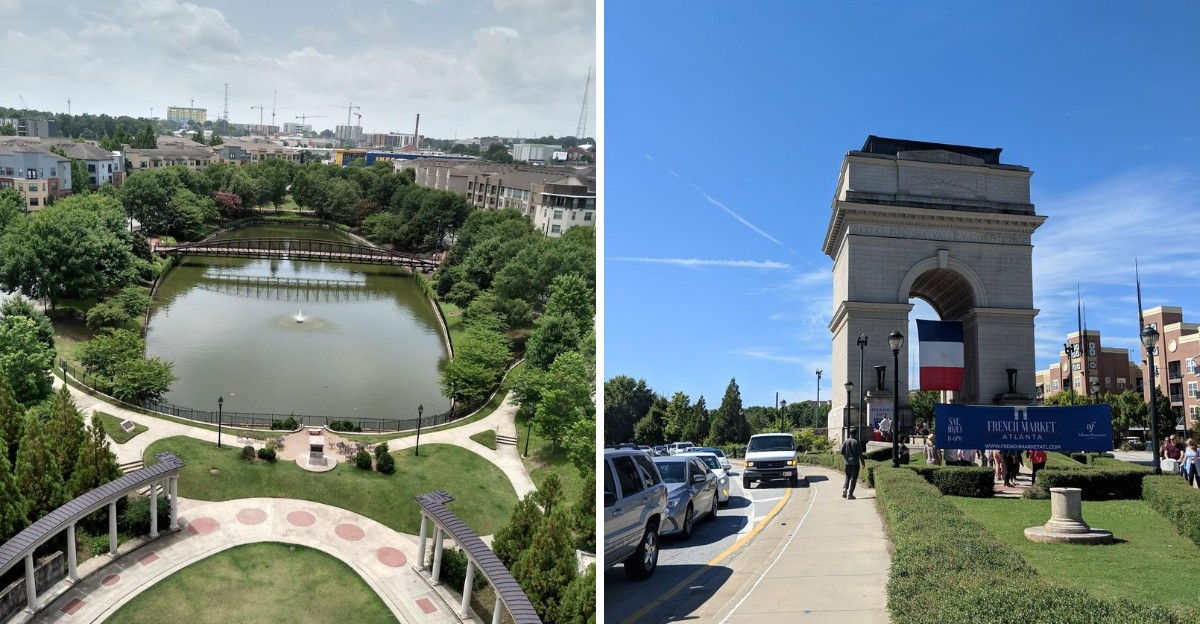
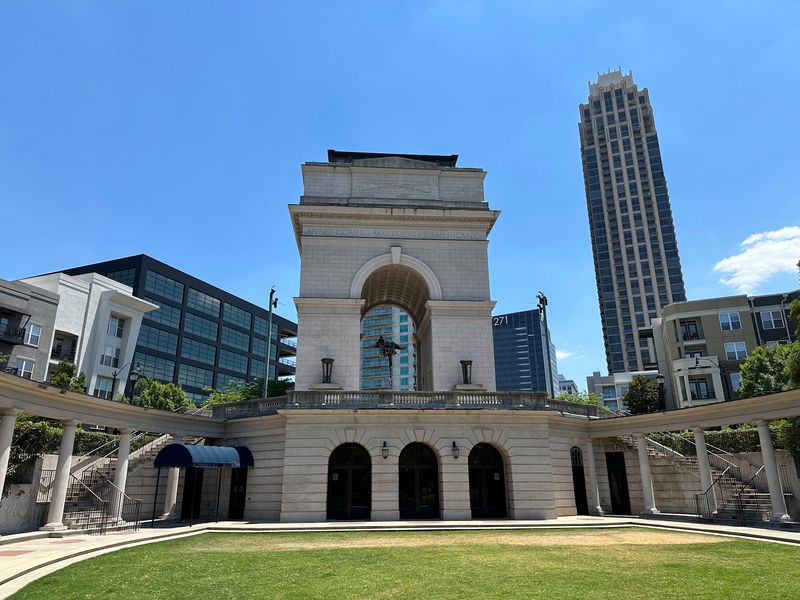
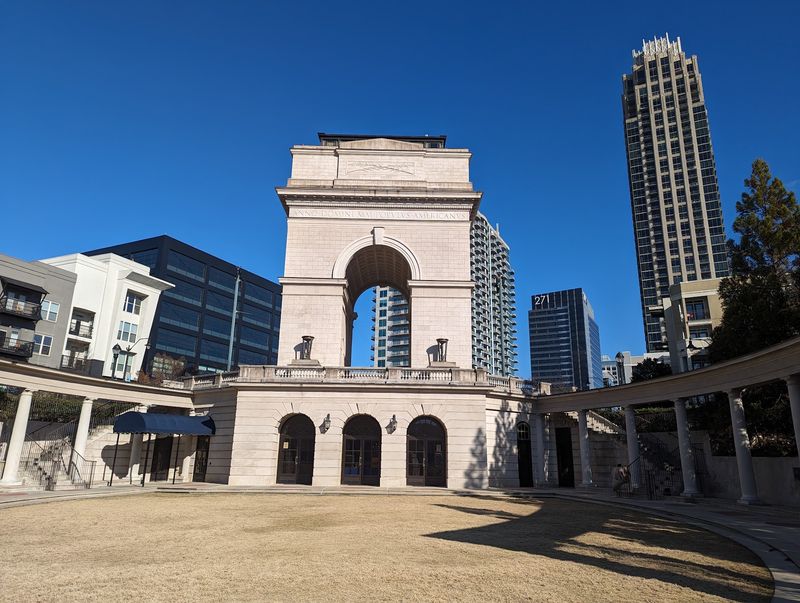
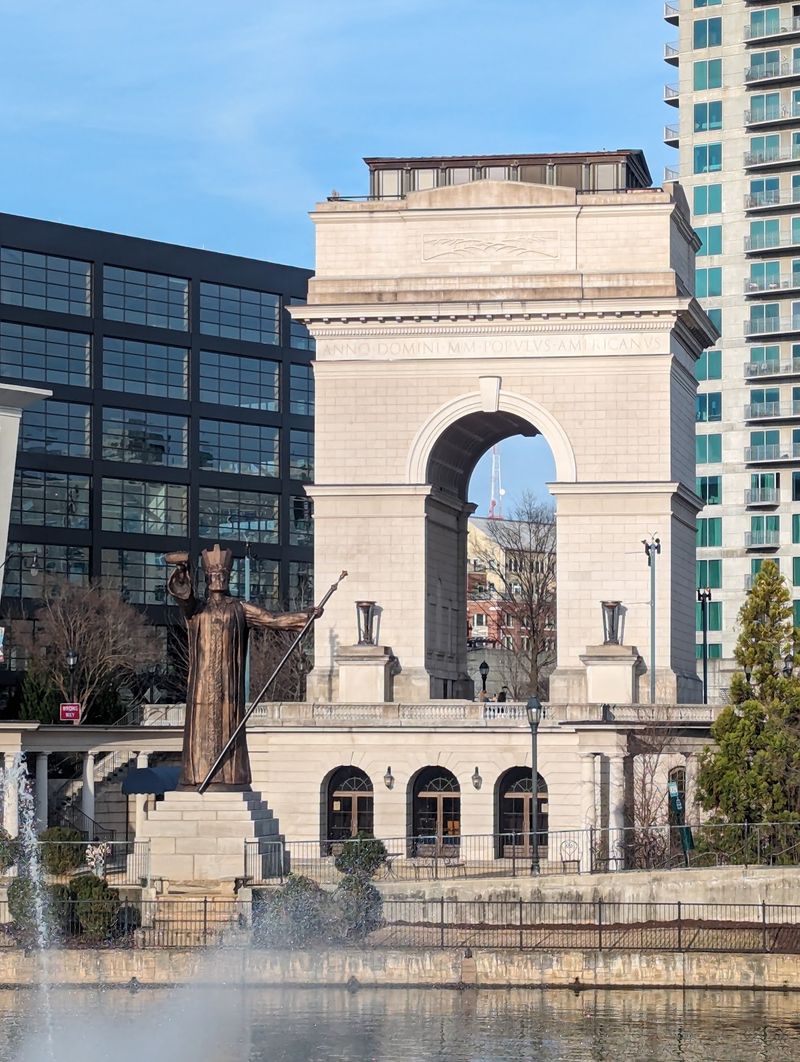
I like how the setting adds its own drama. The whole party unfolds beside a classical stone arch that looks borrowed from Europe, right in the middle of Georgia.
There’s art spanning thousands of years, from ancient pottery to modern Iranian cinema. Traditional games are on the list too.
I can’t imagine a more delicious way to spend a fall Saturday learning something new. So what exactly is waiting under that arch?
A Bronze Cyrus The Great Is Getting A Permanent Atlanta Address
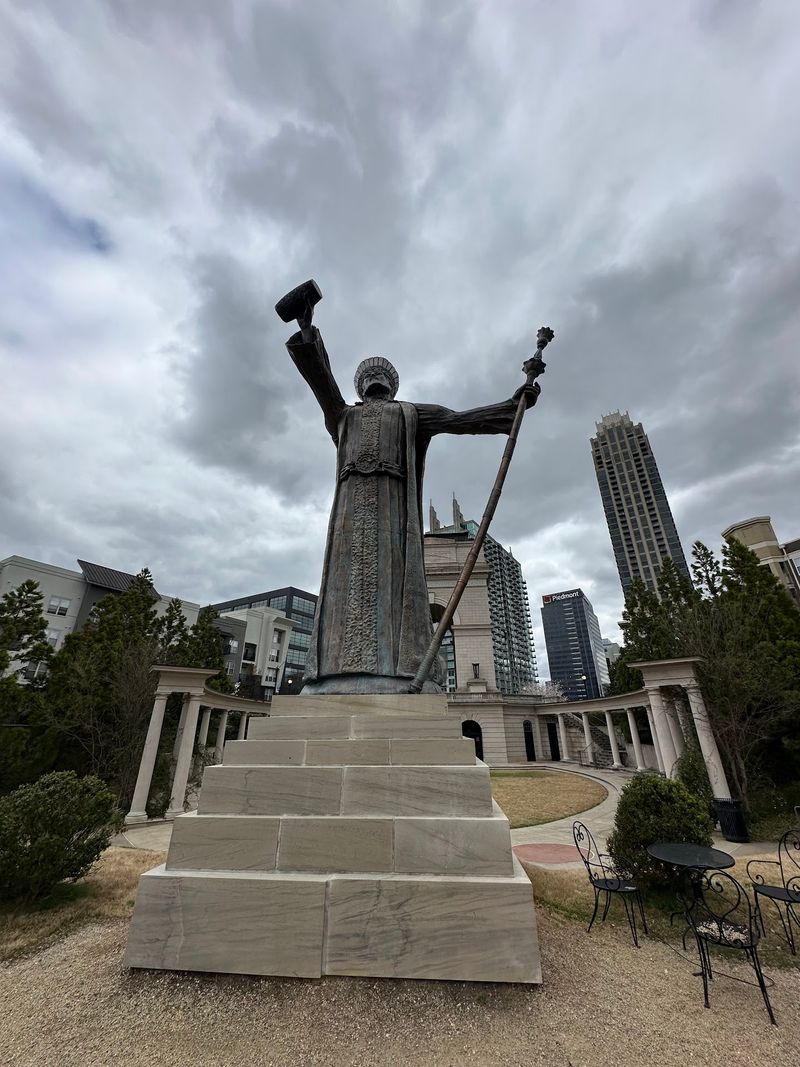
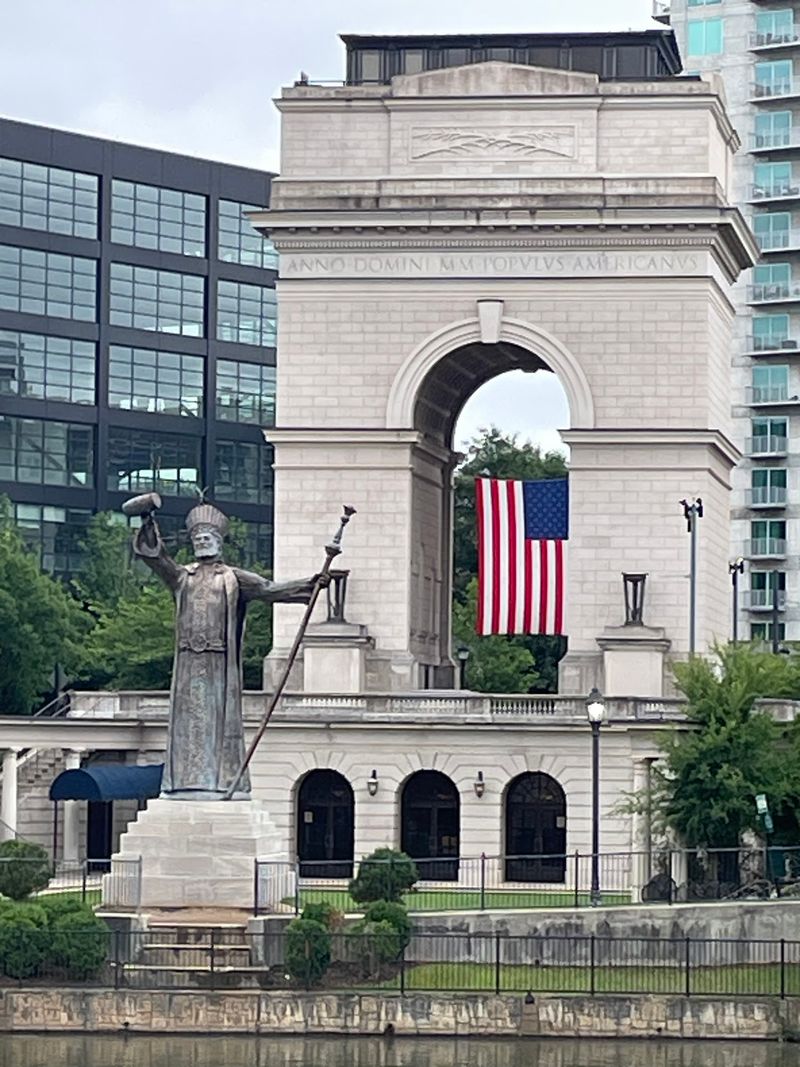
Few statues arrive carrying a document older than most countries. The new bronze figure at the Millennium Gate Museum does exactly that, holding a replica of the Cyrus Cylinder.
Sculptor Stan Mullins created the piece. It will be unveiled during the free Iran Unveiled Festival on October 24, 2026.
Cyrus the Great founded the Achaemenid Persian Empire and conquered Babylon in 539 BCE. He is remembered for policies of religious tolerance and allowing some displaced communities to return to their homelands.
His legacy is often associated with religious tolerance and comparatively inclusive policies, although modern interpretations of his achievements remain debated.
The cylinder he holds is an ancient clay object. Many consider it one of the earliest declarations of human rights.
The Cyrus Cylinder is sometimes compared to later human rights documents, although historians caution against interpreting it as a direct predecessor of modern constitutional rights.
The statue isn’t a temporary festival prop, either. It will stand permanently in Pardis Park, so you can visit long after the music fades.
Still, catching the unveiling has its perks. Being there on day one means you saw Atlanta history happen, not just read about it later.
Your Free Ticket Is Simply Showing Up
Free is the best price tag in any city. The Iran Unveiled Festival costs nothing to attend, which makes the planning part wonderfully easy.
Mark Saturday, October 24, 2026, on your calendar. The event takes place at Pardis Park, the green space at the Millennium Gate Museum.
Three groups team up to host it. Nimruz is an Iranian diaspora art and education non-profit that leads much of the cultural programming.
The Persian Cultural Center of Atlanta joins in as well. The National Monuments Foundation, which operates both the park and the museum, rounds out the trio.
That partnership matters. It means the festival blends community knowledge with a venue already built around history and art.
Free events can fill your day fast, so plan to stay a while. Between food, music, workshops, and the exhibition, there’s plenty to fill an afternoon.
Bring a friend who claims they don’t like museums. An outdoor festival with snacks is a sneaky, effective way to change their mind.
Comfortable shoes are a smart idea too. You’ll want to wander the park, browse vendors, and circle back for seconds without sore feet slowing you down.
Follow Your Nose Straight To The Persian Food
Saffron, herbs, and grilled goodness tend to pull people across a park faster than any sign. Food is a big part of this celebration.
The festival promises Persian and Persian-inspired dishes. That second category leaves room for some creative twists on classic flavors.
Exact menus haven’t been posted yet. So arrive curious and ready to try whatever looks most tempting at each stand.
Persian cuisine has a long tradition of careful cooking and bright flavors. A festival is a low-pressure place to sample it for the first time.
Got picky eaters in your group? Walk the whole food area first before choosing, since variety is part of the fun here.
Eating outdoors beside the Millennium Gate Museum adds a little extra charm. Few lunch spots in Georgia come with a classical arch as the backdrop.
A good strategy is to share plates with friends. You’ll taste more dishes and still have room for anything sweet you spot later.
Food also opens great conversations. Asking a vendor about a dish is a friendly way to learn something about Iranian culture between bites.
Classical Melodies By Day, A DJ Set To Keep Things Moving
Ancient instruments and modern beats sharing one stage sounds like a fun experiment. The festival lineup includes both, and that range feels very fitting.
Live classical Persian music is on the schedule. It’s a chance to hear a tradition many Atlantans have never heard performed in person.
Persian classical music carries centuries of history. Listening outdoors, with the breeze and the park around you, makes it feel even more alive.
Later, a lively DJ set changes the mood. Think of it as the festival loosening its collar a bit.
Families with kids might appreciate that shift. Little ones who wiggle during quieter performances usually find their groove once the DJ starts.
Music is one of the easiest ways into any culture. You don’t need to know the language to feel a rhythm or enjoy a melody.
Find a spot with a good view of the stage area. A picnic blanket could be handy if lawn seating is allowed.
Then let the sounds guide your afternoon. Wandering between performances and vendors creates a soundtrack you won’t find on any playlist.
Thousands Of Years Of Art Fit Into One Exhibition
Ancient pottery and Iranian movies rarely appear on the same timeline. The Iranian Art Through Time exhibition connects them in one walk.
Early pieces include pottery and rhytons. A rhyton is a decorative drinking vessel, often shaped like an animal, from the ancient world.
From there, the story moves into poetry and miniature painting. Miniatures are known for tiny, careful details that reward a slow, close look.
Calligraphy gets its moment too. In Persian art, beautiful writing is treated as a serious art form, not just handwriting.
Architecture and Persian rugs also appear in the exhibition. Rugs alone could fill a semester of study, with patterns that carry deep meaning.
The journey ends with contemporary Iranian cinema. That’s a clever finish, showing creativity that’s still growing today.
Give yourself time here. Rushing through thousands of years of art is like speed-reading your favorite book.
Students might find this section especially useful. It covers history, art, and storytelling in a way textbooks rarely manage, and the Georgia setting makes it surprisingly accessible.
Roll Up Your Sleeves For Crafts, Workshops, And Games
Hands get busy at this festival, not just eyes. Interactive workshops are part of the plan, so you can learn by doing.
Hands-on arts and crafts sessions are also scheduled. Kids and adults alike can make something to carry home as a souvenir.
Traditional Iranian games add another layer of fun. Learning a game from another culture is a great icebreaker with strangers.
Specific workshop topics haven’t been listed yet. Check the festival’s announcements closer to the date for any schedule details.
Families should treat this area as home base. Children often remember what they made far longer than what they read on a sign.
Adults, don’t be shy about joining in. Nobody grades your craft project, and creativity is more fun than standing on the sidelines.
Workshops also pair nicely with the exhibition. Seeing calligraphy or patterns, then trying something hands-on, makes the art click.
Bring a tote bag for your creations and vendor finds. Juggling a fresh craft and a snack is a balancing act best avoided.
Artisan Vendors Make Souvenir Shopping Way More Interesting
Shopping with a story attached beats grabbing a random keychain. Artisan vendors will set up at the festival, offering handmade and specialty goods.
The exact vendor list hasn’t been shared. That makes browsing feel a bit like a treasure hunt.
Artisans often love talking about their work. Asking how something was made can turn a quick purchase into a memorable conversation.
Supporting small makers is a nice bonus too. Your purchase goes straight to creative people rather than a giant chain.
Set a budget before you start browsing. Beautiful handmade items have a sneaky way of multiplying in your arms.
Gifts are another smart angle. Holiday season isn’t far after late October, so you could check off a few names early.
Carry some cash along with cards. Not every small vendor may take every payment type.
Shopping also helps you slow down and look closely. Patterns and craftsmanship you notice at a booth might echo pieces in the exhibition, connecting the past to the present.
A Park Built To Honor Freedom Sets The Stage
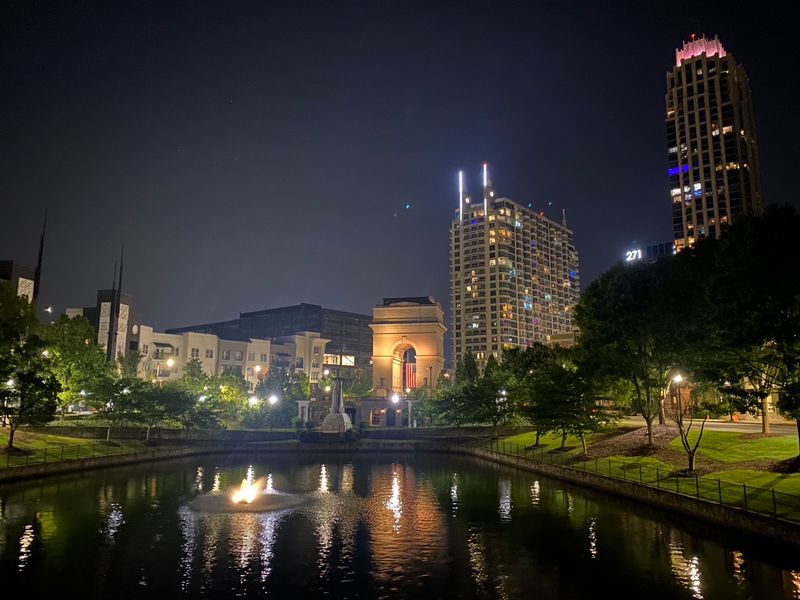
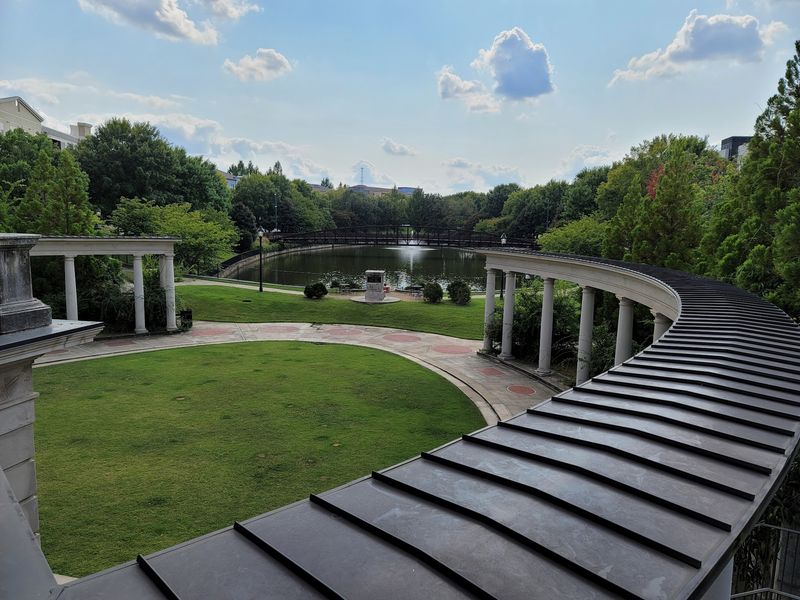
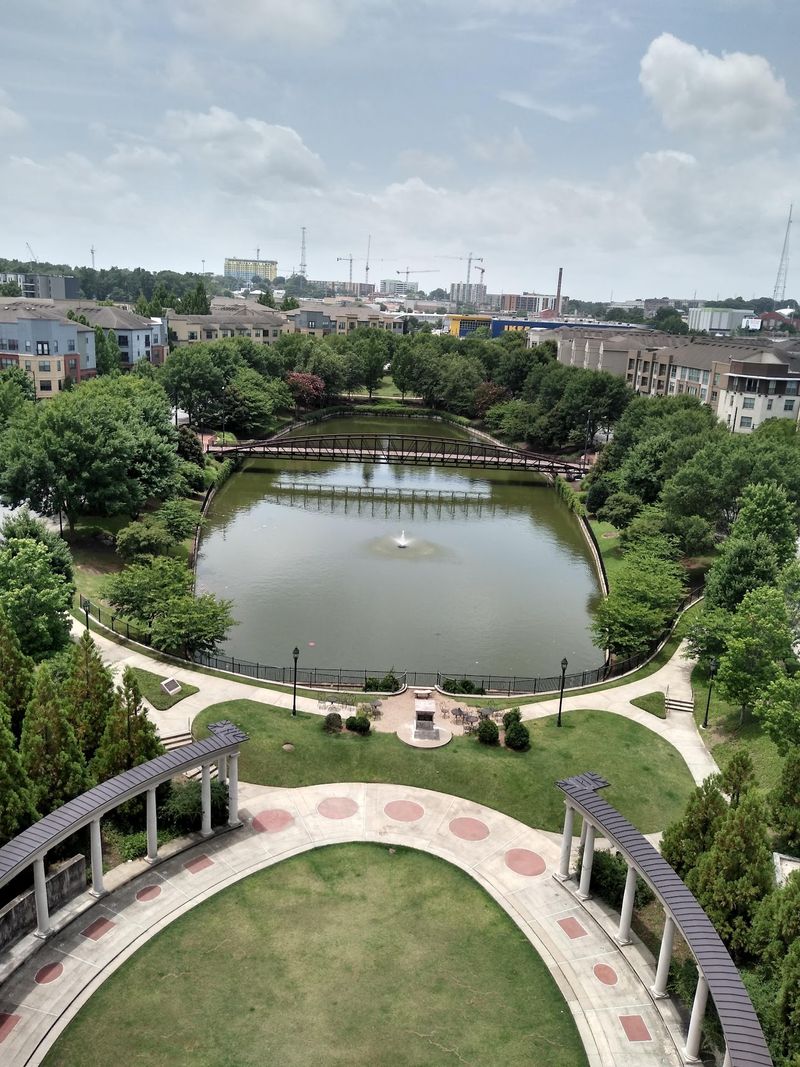
Some parks are just pretty, but this one carries a purpose. Pardis Park, also called Nimruz Park, is dedicated to the Iranian people and their pursuit of freedom.
That meaning makes it the right home for the Cyrus statue. A figure tied to human rights belongs in a space built around liberty.
The park sits right beside the Millennium Gate Museum. Both are operated by the National Monuments Foundation.
You’ll find it at 395 17th St NW, Atlanta, GA 30363. It’s in the Atlantic Station area of the city.
Parking isn’t directly at the museum, so plan ahead. The nearby Atlantic Station garage is a common option for visitors.
The grounds include water features and walking space. They make a peaceful break between festival activities.
Photographers, take note. The arch and greenery are a popular spot for photo shoots and special occasions.
After the festival, the park remains a quiet place to visit. Returning to see the statue on an ordinary day could feel just as meaningful as the big unveiling.
Save Time To Explore The Arch-Shaped Museum Itself
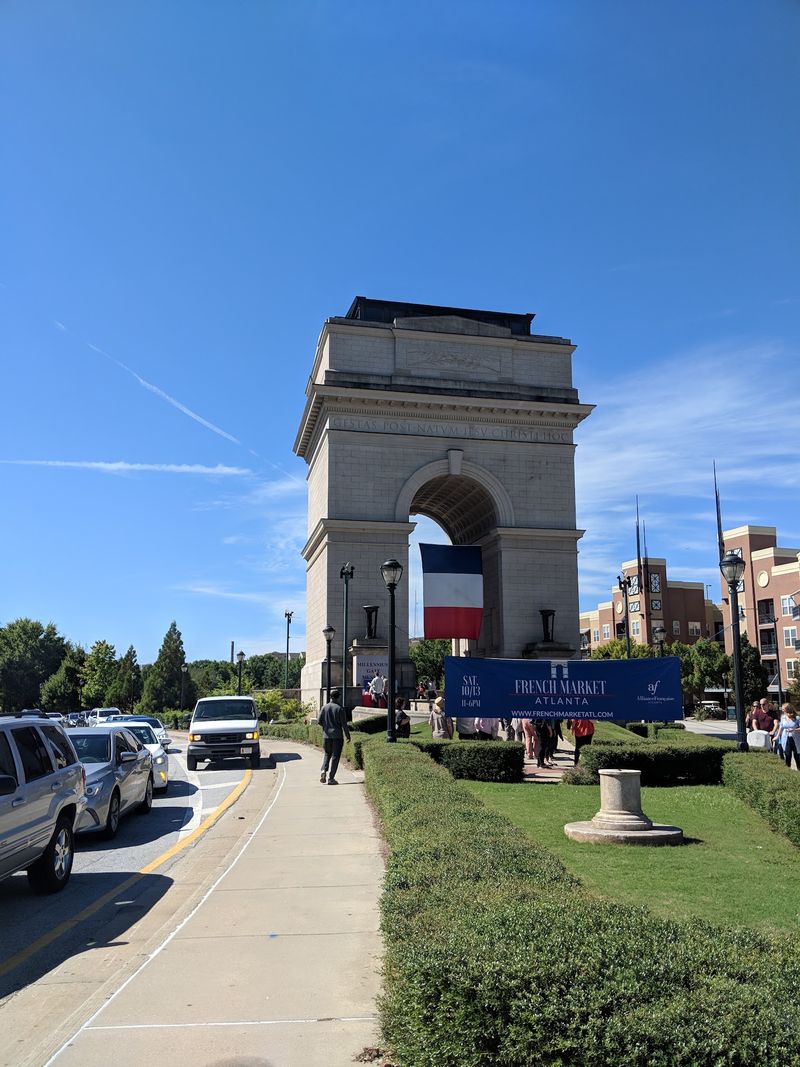
A triumphal arch in Atlanta often makes first-time visitors double-take. The Millennium Gate Museum looks like it belongs in Europe, but it’s proudly Georgia.
Inside the arch is a 12,000-square-foot interactive museum. It focuses on Georgia history, art, and culture.
Exhibits trace the people and families who shaped the region. The museum has also displayed the Bodmer Papyri, ancient texts written on papyrus.
Guided tours are available and add helpful context. Docents can point out stories you might miss on your own.
Regular hours run Tuesday through Saturday, 10 am to 5 pm. The museum closes Sundays and Mondays, so plan accordingly.
Festival day is a Saturday, which helps with timing. Check ahead to confirm museum access during the event.
Don’t skip a peek at the rooftop if it’s open. Views from the upper level look out over the city skyline.
Pairing the festival with the museum makes a full day. You’ll travel from ancient Persia to Georgia history without leaving one city block, making for a memorable Saturday of cultural discovery.