Inside This Idaho Museum, The Shoshone-Bannock Tribes Share The History Of Life On The Fort Hall Reservation
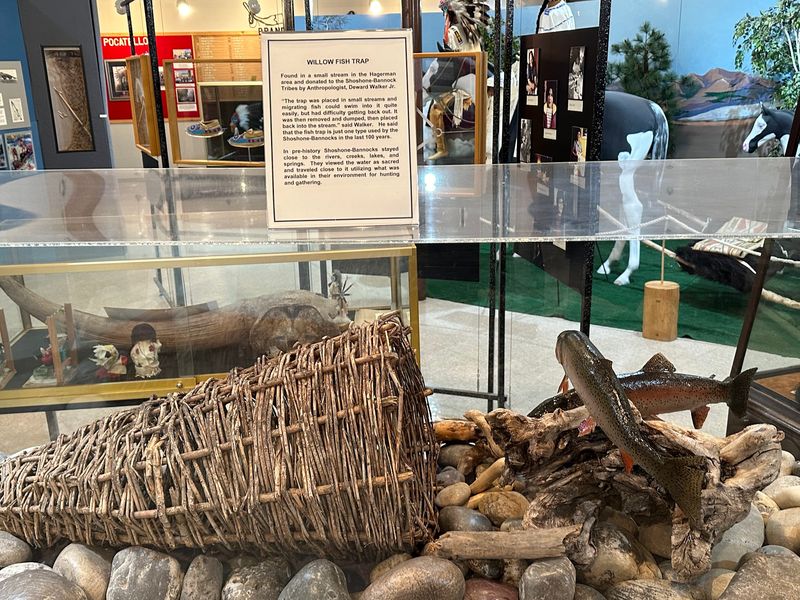
Portraits taken between 1895 and 1912 hang inside a small building just off I-15. The faces belong to Shoshone and Bannock people, and their own tribes tell the story around them.
I love that detail more than I can explain.
This museum sits on land in southeastern Idaho that once drew fur trappers, traders, and wagon pioneers. The tribes now use that same crossroads to share their history in their own words.
That shift in who tells the story matters.
Inside, you’ll find beadwork, artifacts from an old trading post, and exhibits on a famous chief. The tribe also keeps its own buffalo herd, which is a sentence I never tire of writing.
I believe few roadside stops pack this much meaning into so few rooms.
So why do so many drivers zoom right past it?
A Small Museum With A Very Big Story Off I-15
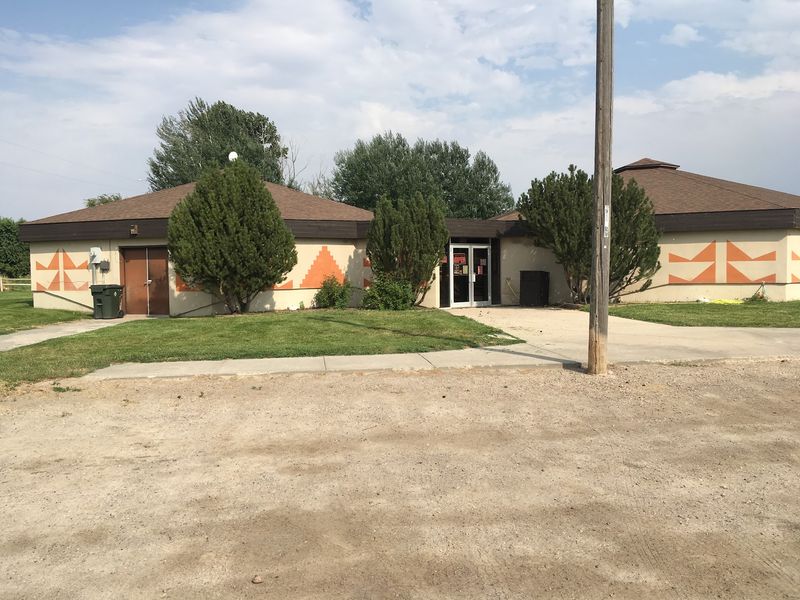
Plenty of travelers on I-15 notice a modest building near the Fort Hall exit and keep driving. The Shoshone Bannock Tribal Museum deserves a much better fate than a quick glance through the windshield.
Run by the Shoshone-Bannock Tribes, the museum sits on the Fort Hall Reservation in southeastern Idaho. It tells the history of tribal life here, from long before wagon ruts to the present day.
The setting carries its own weight. The museum stands near the old Fort Hall trading post area, which was a busy crossroads in the 1800s.
Fur trappers, Native people, traders, and pioneers all passed through this stretch of the Snake River Plain. Today the tribes use that same ground to explain what all that traffic meant for the people who already lived here.
It’s a small museum, and nobody pretends otherwise. The exhibits still cover a lot of ground, including tribal government, treaty history, crafts, and daily life.
Think of it as a compact, focused history lesson with a point of view. You get the story from the community that lived it, not from a distant textbook author.
How 1.8 Million Acres Shrank Into Today’s Reservation
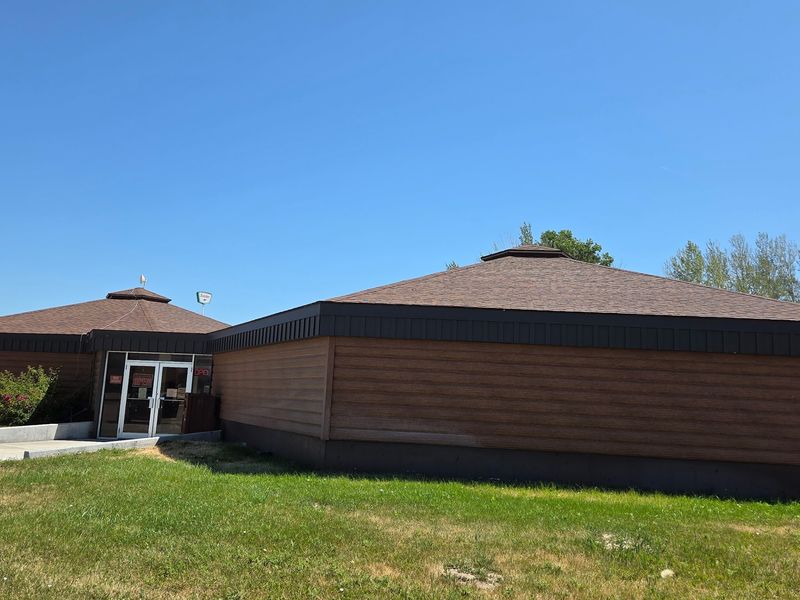
Numbers tell a sharp story at the Shoshone Bannock Tribal Museum. The Fort Bridger Treaty of 1868 set aside about 1.8 million acres in eastern Idaho for the Shoshone and Bannock people.
That figure didn’t last long. In 1872, a survey error cut the reservation to roughly 1.2 million acres.
Later legislation trimmed it even further. Today the Fort Hall Reservation covers almost 544 thousand acres, a fraction of the original promise.
Seeing those numbers laid out in a museum hits differently than reading them online. You start to understand how land, treaties, and paperwork shaped every generation that followed.
The exhibits also trace tribal government over time. They follow the story from the signers of the Fort Bridger Treaty to current generations of leaders.
That thread gives the whole museum its backbone. It shows a community that kept organizing, adapting, and governing itself through enormous change.
I appreciate that the history here doesn’t stop at the 1800s. The tribes clearly want visitors to see a living nation, not a chapter that closed long ago.
Faces From 1895 Staring Back Through Benedicte Wrensted’s Lens
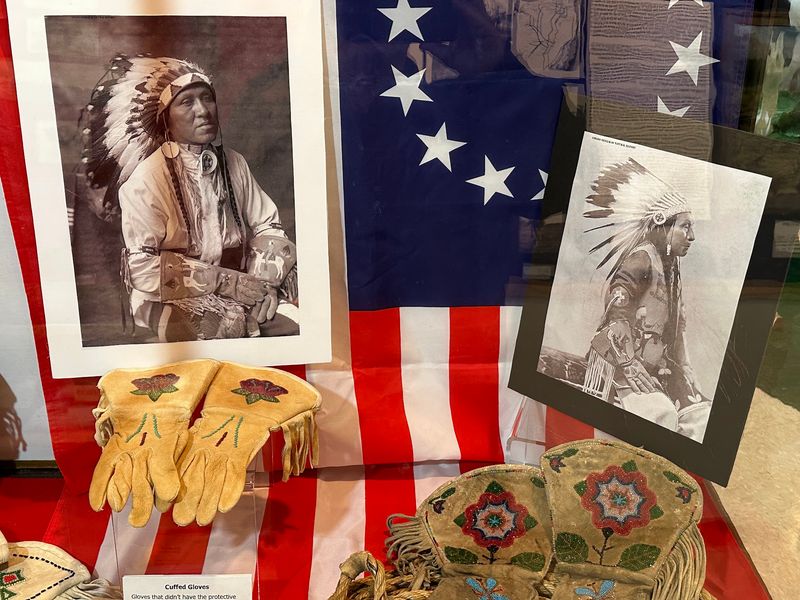
Old photographs can feel distant, but these ones look right at you. The Benedicte Wrensted collection includes images dating from 1895 through 1912.
Wrensted was a photographer who worked in the Pocatello area during that era. Many of the photos show Shoshone and Bannock people from the reservation, captured in studio portraits and everyday moments.
Those years were a time of huge change for the tribes. The reservation had already shrunk, and new rules from outside were reshaping daily life.
The portraits give that period a human face. Clothing, hairstyles, and expressions all offer clues about how people carried their identity forward.
Slow down in front of them. A quick glance won’t do these images justice, and the details reward patience.
For Idaho history fans, the collection is a real treat. It’s rare to see this many images from one community during such a pivotal stretch of years.
Bring curiosity and maybe a few questions. The staff can often add context that makes the photographs feel even more personal.
Beadwork That Makes You Lean In Closer
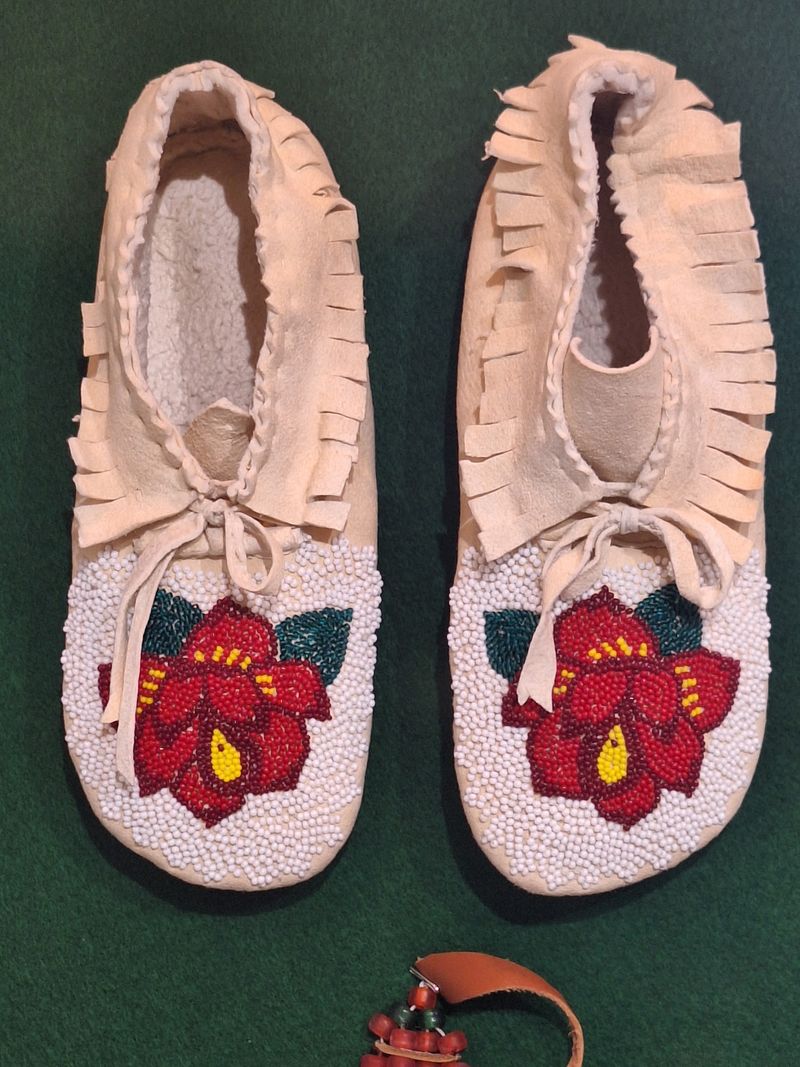
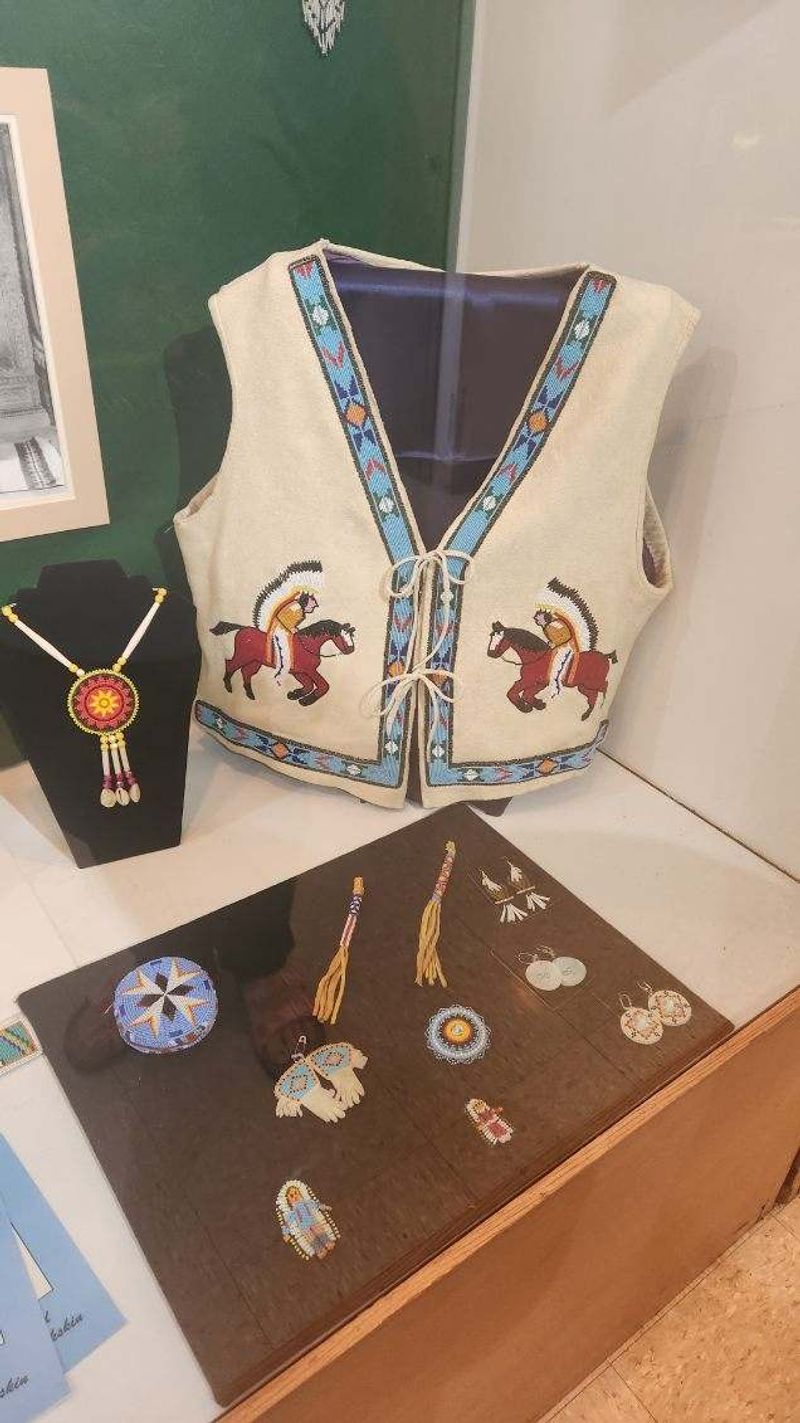
Tiny glass beads, thousands of them, arranged with patience most of us can only dream about. The beadwork displays at the Shoshone Bannock Tribal Museum are some of its most eye-catching pieces.
Beadwork holds a special place in Shoshone-Bannock culture. The museum showcases distinctive examples that show both skill and tradition.
You’ll want to get close to the glass for these. The patterns and color choices are the kind of detail you miss from across the room.
Alongside the beadwork, the museum displays artifacts from the original Fort Hall. Those objects connect the trading post era to the tribes who lived around it.
Together, the pieces tell a story about trade, craft, and change. New materials arrived through the post, and tribal artists made them their own.
That idea of adapting without losing yourself runs through the whole museum. The beadwork just happens to make the point in brilliant color.
Fair warning for crafty visitors. You may leave with a sudden urge to try beading, followed quickly by a new respect for anyone who does it well.
Chief Pocatello, The Oregon Trail, And The Bands Behind Them
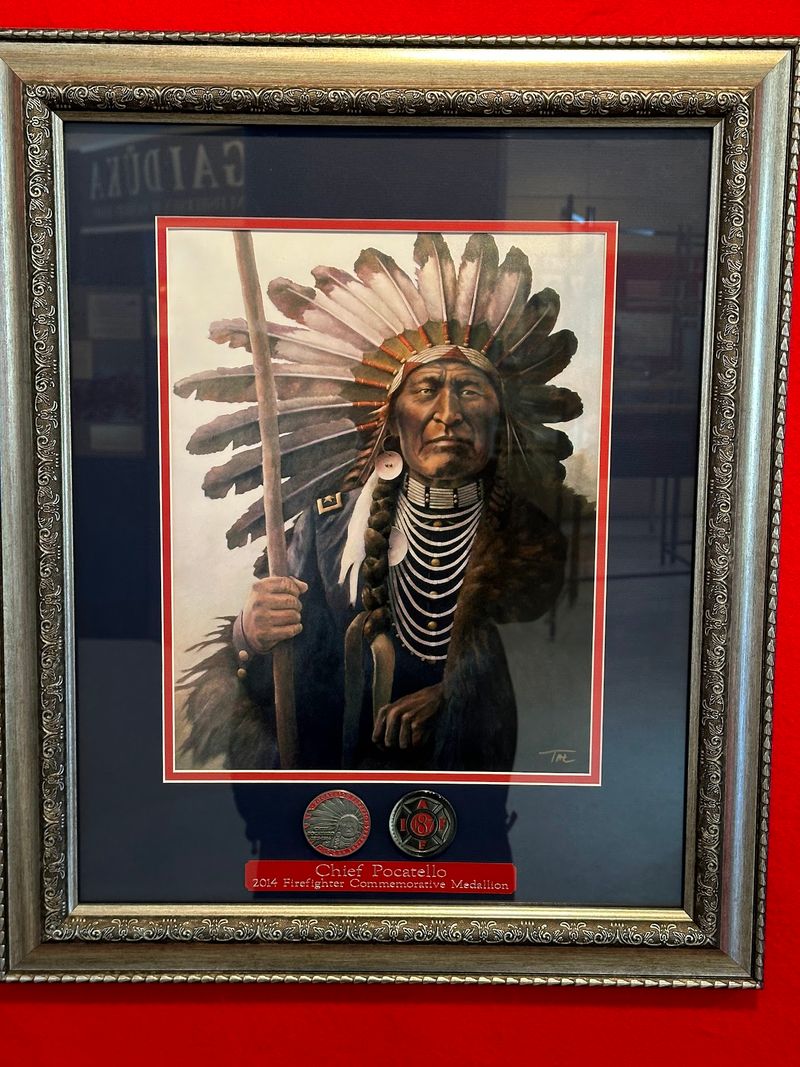
Most Idahoans know the name Pocatello from a city sign or a college sweatshirt. Several exhibits here introduce the man behind it, Chief Pocatello.
Learning his story inside a tribal museum adds real depth. It’s a nice reminder that a familiar place name started with an actual leader and his people.
The Oregon Trail gets its own attention too. Wagon trains rolled through this region, and the exhibits show how that traffic affected tribal land and life.
Here’s a perspective many school lessons skipped. The pioneers had a story, but so did the people watching thousands of wagons cross their homeland.
The museum also offers historical overviews of several bands. Those include the Lemhi, Boise Valley, Weiser, and Southwestern Shoshone.
Those names span a big piece of Idaho geography. Seeing them together helps explain how people from different regions came to share the Fort Hall Reservation.
I like how the exhibits widen the lens beyond one valley. You walk out with a better map of tribal history across the whole state.
Buffalo, Books, And A Gift Shop Worth Browsing
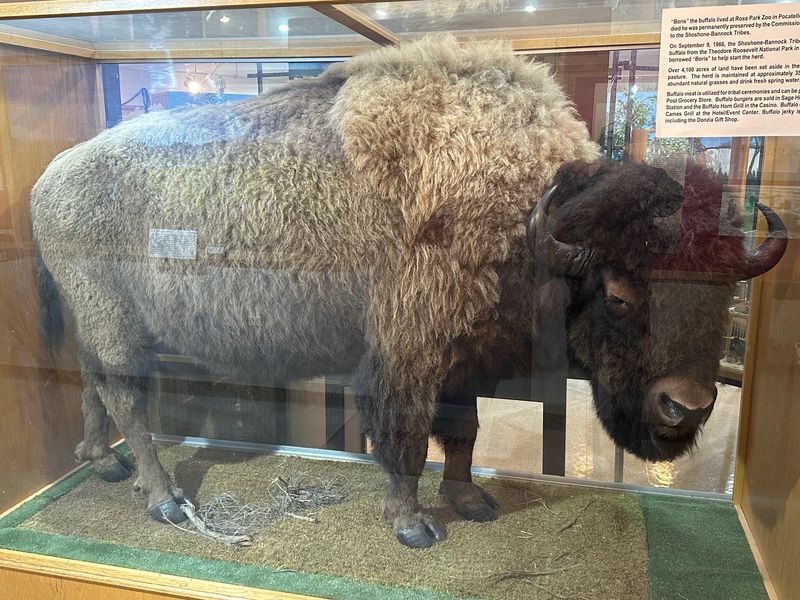
Not every museum can mention its own buffalo herd. The Shoshone-Bannock Tribes keep one, and tourism sources note a buffalo is sometimes seen near the museum in summer.
Don’t build your whole trip around a sighting, though. The herd isn’t always where the public can easily see it, so treat any buffalo as a bonus.
The museum store is a more reliable payoff. It stocks Native American books, music, calendars, and tribal artwork.
The real highlight is the handmade work. Beadwork and jewelry crafted by Shoshone-Bannock tribal members fill part of the shop.
Buying something here means supporting tribal artists directly. That beats a mass-produced souvenir from a highway gas station any day.
Book lovers should budget extra browsing time. The selection leans toward Native history and culture, so it’s a good place to keep learning after you leave.
One practical tip helps a lot. Bring cash, since recent visitors report the museum doesn’t take cards for admission.
The Perfect Detour For Curious Families And History Buffs
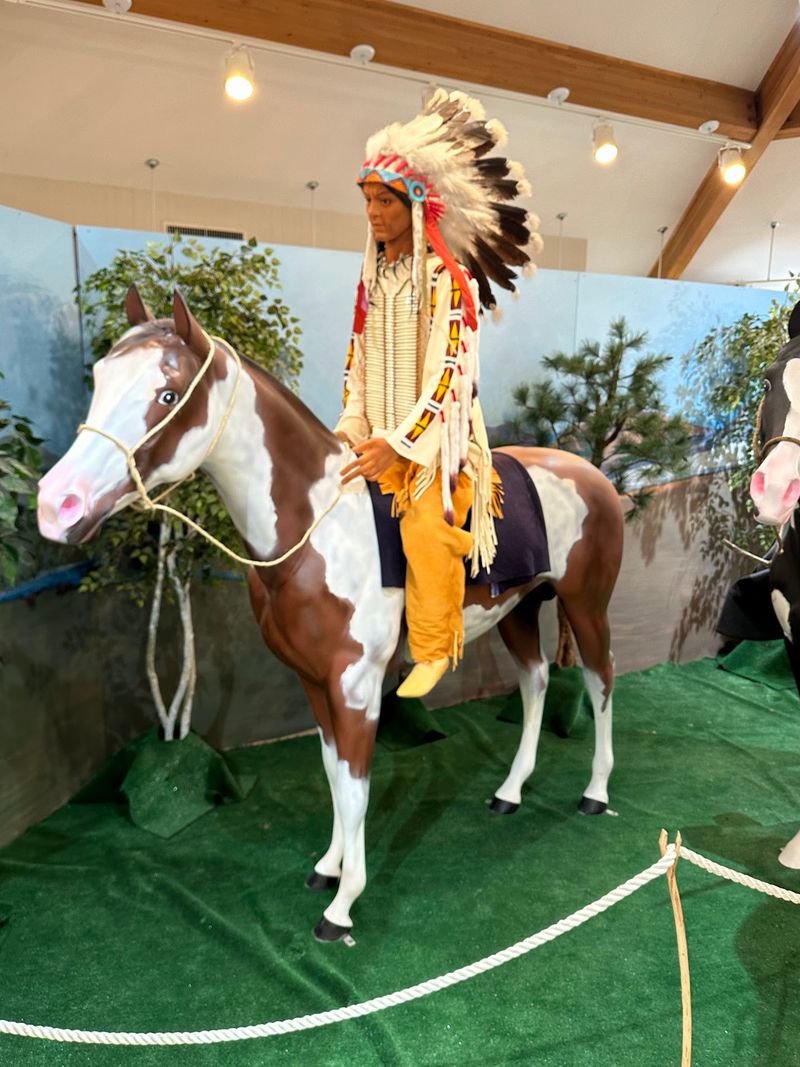
Got a carload of restless kids and a long stretch of I-15 ahead? A stop here breaks up the drive with something genuinely worth remembering.
The size works in your favor. You can see the whole museum without anyone melting down halfway through.
History buffs will find plenty to chew on. Treaty records, old photographs, and tribal government exhibits give serious depth for a small space.
Staff members often share background that goes beyond the display labels. That kind of conversation can turn a quick visit into the highlight of your afternoon.
It’s also a solid fit for near-retirees and budget travelers. Admission is a small charge, and tribal members with a tribal ID get in free.
Day-trippers from Pocatello, Blackfoot, or Idaho Falls can easily reach it. It makes a strong half-day outing paired with lunch nearby.
Teachers and homeschool families should take note too. Few places in Idaho let students hear tribal history from the tribes themselves, and that makes a lasting impression.
What To Know Before You Pull Off At Exit 80
Getting there is the easy part. The Shoshone Bannock Tribal Museum sits near I-15 Exit 80 at 30 E Ross Fork Rd #2, Pocatello, ID 83202.
It’s on the Fort Hall Reservation, just a short drive north of Pocatello. Parking is available on site.
Timing takes a little more care. The museum runs on a weekday schedule for much of the year, with expanded summer days listed by tourism sources.
It also closes on federal and tribal holidays. Schedules can shift, so check before driving, especially if you’re coming from across Idaho.
Hungry afterward? Food options sit right across the street, which makes planning lunch refreshingly simple.
Remember that cash tip for admission too. A few dollars in your pocket saves an awkward trip back to the car.
So is it worth the stop? I’d say yes, especially for anyone who loves Idaho history told honestly.
Give it an hour and some attention. You’ll leave seeing that stretch of the Snake River Plain in a whole new way.