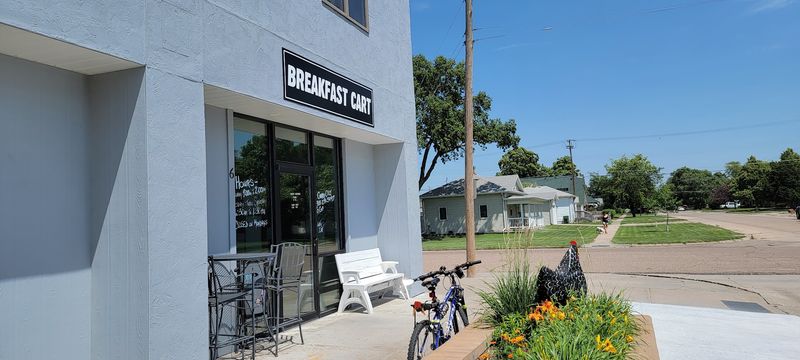
Sauerkraut Pies Have Rolled Out Of Ovens At This Nebraska Volga German Festival For Generations
A humble bread pocket stuffed with cabbage, onion, and sometimes sauerkraut has a whole heritage campus standing behind it in Nebraska. The dish is the bierock, and yes, it’s the ancestor of the runza you probably grabbed after a ballgame.
Volga German families carried that recipe from the Russian steppe to the Great Plains. By 1914, more than a third of one Nebraska city’s residents were these immigrants or their descendants.
I like how their story still has a real home, complete with a chapel, a general store, and a blacksmith shop out back. Each fall, a family-friendly festival there pulls games, tours, and hearty food into one cheerful afternoon.
I can’t imagine a tastier excuse to learn where your lunch came from. So who first folded cabbage into dough somewhere on your family tree?
A Lincoln Campus Built Around One Very Specific Family Story
Few organizations get to call a quiet Lincoln block their worldwide base. The American Historical Society of Germans From Russia does exactly that, serving as the international headquarters for a community scattered across the globe.
The name makes some people chuckle the first time they drive past. Germans from Russia?
It sounds like a geography riddle, but it’s a real and remarkable chapter of Nebraska history.
Here’s the short version. Germanic settlers moved into the Russian Empire, many along the Volga River, and their descendants later crossed to America.
The society exists to discover, collect, and preserve everything tied to that heritage. That includes documents, artifacts, family records, and plenty of recipes that still show up on Nebraska tables.
Inside you’ll find a museum and a genealogy research library. Outside sits a cluster of period buildings that turn the story into something you can walk through.
It’s a small campus, and that works in its favor. You can take in the main building, the grounds, and the history without needing a full weekend or a map.
Think of it as a family album that grew legs. Then it built a chapel and a general store.
Why Volga German Farmers Chose The Great Plains
Flat land, big sky, and harsh winters sounded like home to these families. That familiar climate was one big reason Volga Germans headed for the Great Plains.
They didn’t arrive by accident. The Homestead Act promised land, and railroads actively recruited settlers to fill the open prairie along their lines.
Their roots stretched back to the 1760s. That’s when Germanic settlers first moved into the Russian Empire, building farming villages that held onto their language, faith, and food.
Generations later, many packed up again. Nebraska became one of the places where they planted wheat, built churches, and started over.
The numbers still raise eyebrows. By 1914, more than a third of Lincoln’s population consisted of these immigrants and their descendants.
That changes how you see the city. Whole neighborhoods grew from this migration, and plenty of Lincoln families can trace their surnames straight back to Volga villages.
The American Historical Society of Germans From Russia tells this journey in detail. A short film inside lays out why families left Russia, which makes a smart first stop before exploring the rest of the campus.
The Cabbage Pocket That Became A Nebraska Obsession
Soft yeast dough wrapped around ground meat, onion, cabbage, and sometimes sauerkraut. That’s the bierock, and Volga Germans carried it all the way to Nebraska.
Call it a sauerkraut pie if you like. It’s really a handheld meal baked into a tidy bun, built for farm days and packed lunches.
Sound familiar? Nebraskans know a close cousin as the runza, which makes this one of the state’s sneakiest immigrant food legacies.
The society treats food as heritage worth saving. Its heritage and culture materials highlight traditional dishes like kuchen, pickles, sausage, and schwartzbeeren.
Kuchen, a sweet yeast cake, balances out all that savory cabbage nicely. The pickles and sausage tell you plenty about how these families stocked up for long Plains winters.
Better yet, the American Historical Society of Germans From Russia shares step-by-step videos for select recipes. Strawberry verenika and cucumber salad are among them, so your kitchen can join the lesson.
Food may be the friendliest door into any culture. One bite of a homemade bierock explains a lot about the people who refused to leave the recipe behind.
Fall Brings Games, Tours, And Plenty Of Hearty Food
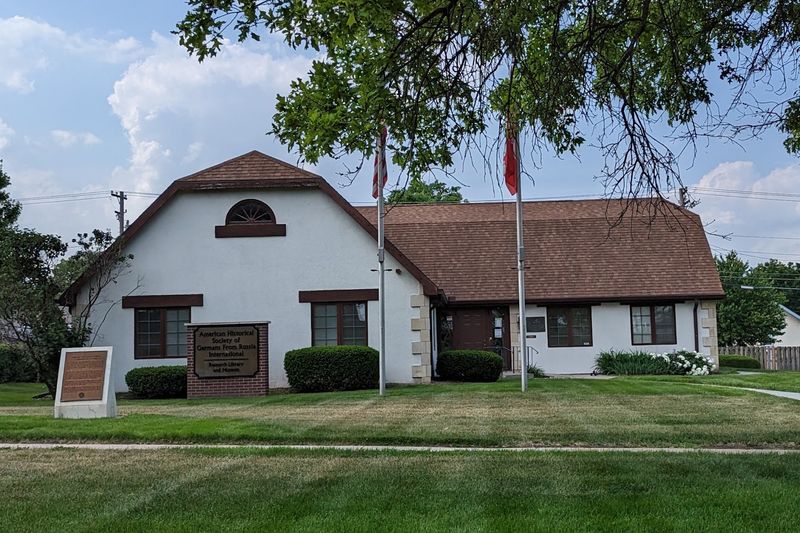
Autumn on D Street means the grounds fill with families. The society’s annual Oktoberfest is a family-friendly gathering built around heritage instead of hoopla.
Expect German Russian games that kids can jump into. Museum tours run alongside them, so grandparents can share stories while younger visitors burn off energy.
And the food? Popular Nebraska staples like runzas have shown up as part of the fun, a fitting nod to the bierock’s family tree.
The festival spirit embraces traditional German Russian cooking overall. It’s a reminder that the cabbage pocket never really left this community’s ovens.
Festivals aren’t the only gathering on the calendar. The society has also held an annual convention exploring Germanic settler history since 1970.
That’s more than five decades of descendants comparing notes and swapping family stories. Some arrive with folders of research, while others simply want to hear the old songs and names again.
Event details shift from year to year. Checking the American Historical Society of Germans From Russia calendar before you go keeps you from showing up a week late with an empty stomach.
A Short Film And A Second Floor Full Of Stories
Start with the movie. A short film inside the main building explains why so many families left Russia, and it frames everything that follows.
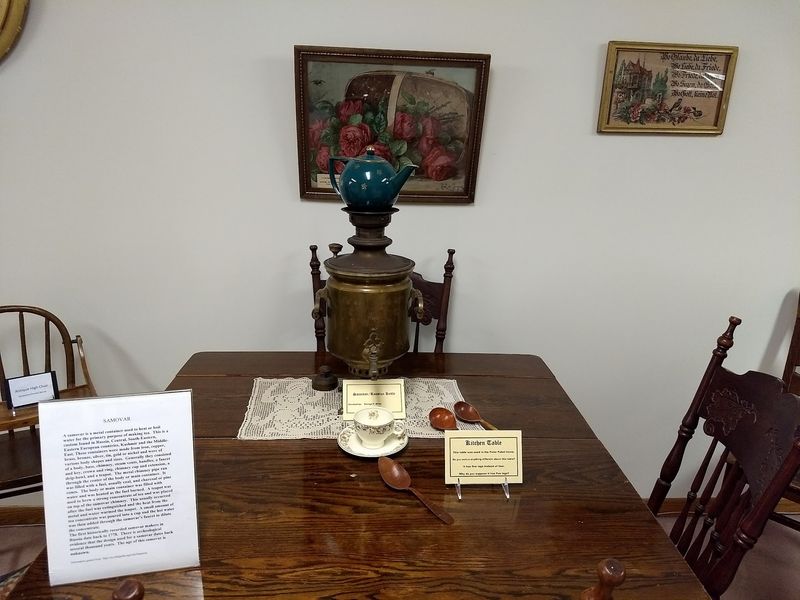
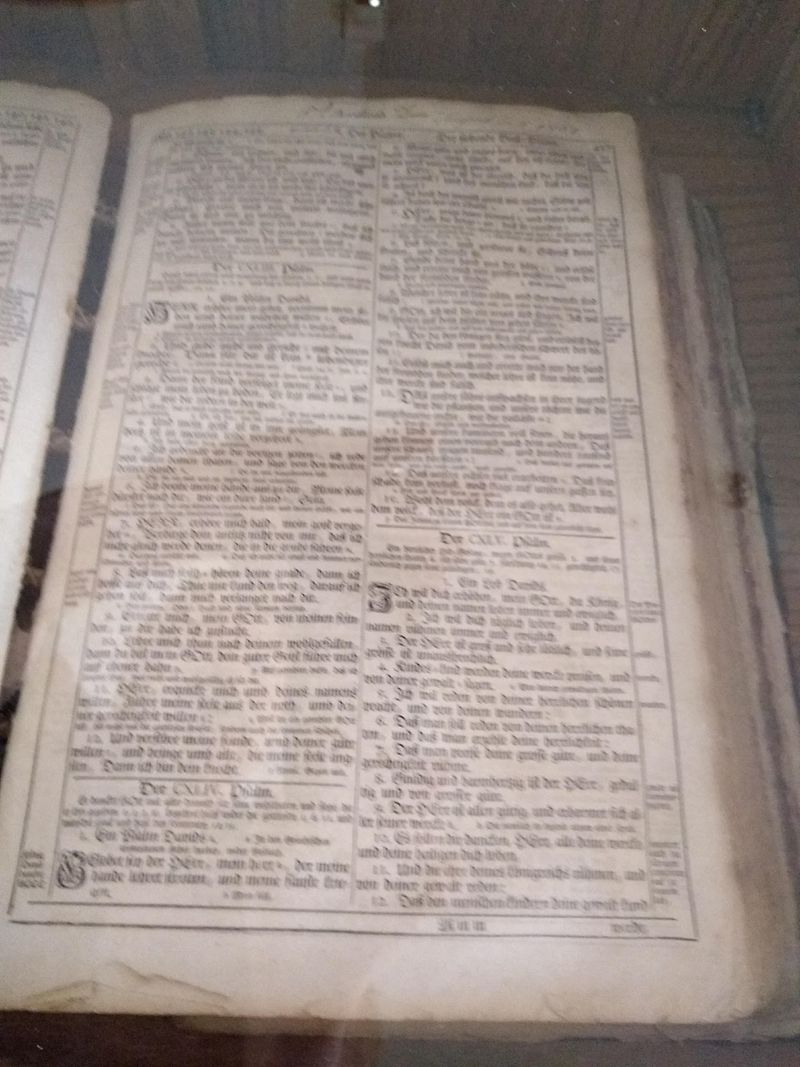
Most of the displays sit on the second floor. Artifacts, instruments, and old German books fill the space with pieces of everyday life.
Instruments hint at the music that filled village gatherings. Books show how stubbornly these families held onto their language across two continents.
The museum is small, and that’s honestly part of its appeal. You can take your time with each display instead of racing through endless halls.
Lincoln history buffs get a bonus here. The film and exhibits connect the immigrant story to neighborhoods that still stand across town today.
It also suits anyone who just took an ancestry test. Discovering a Volga River branch on your family tree makes these rooms feel suddenly personal.
Younger kids may prefer the outdoor buildings, since the indoor exhibits lean toward patient readers. Teens with a history assignment, however, will find plenty of material in a single visit.
Pace yourself and save energy. There’s still a whole village waiting out back.
Step Out Back And The Village Comes To Life
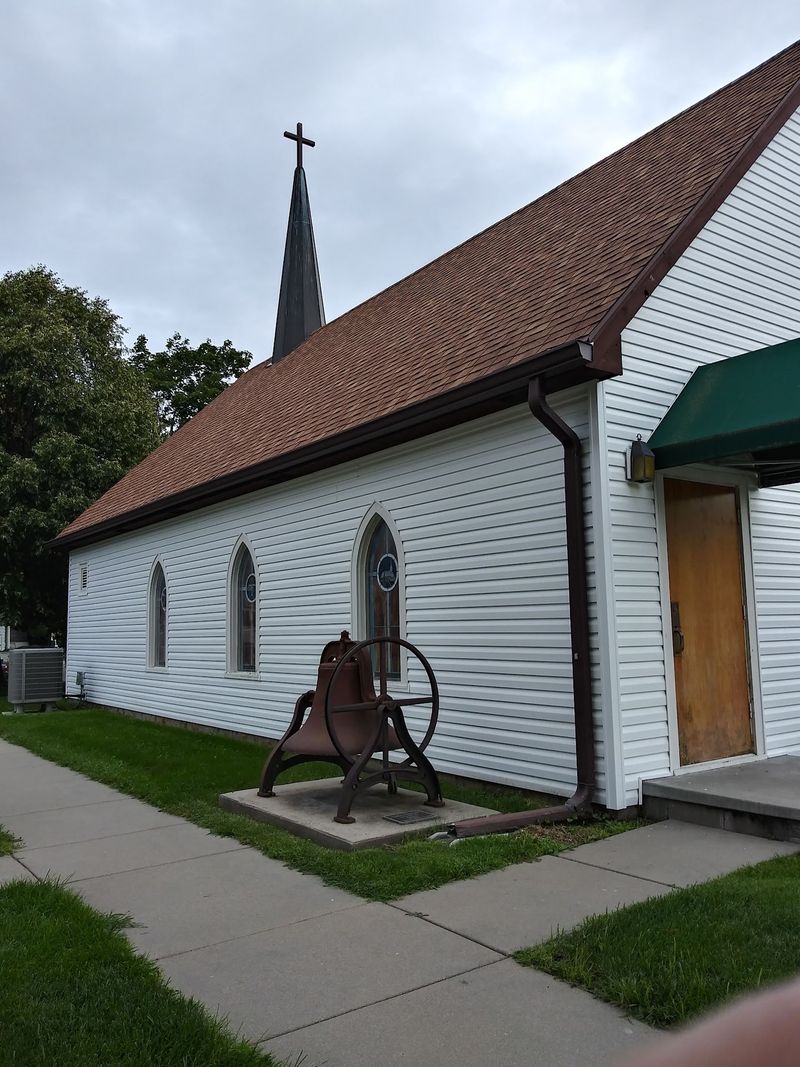
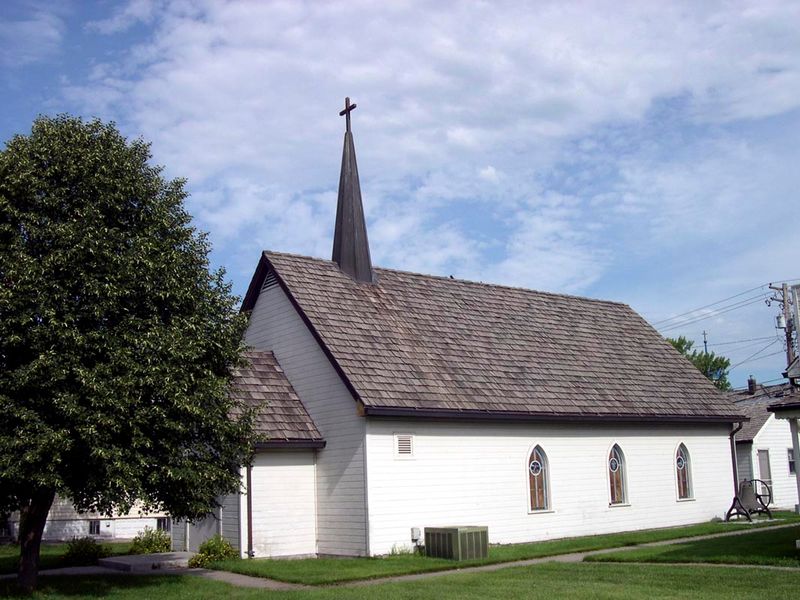
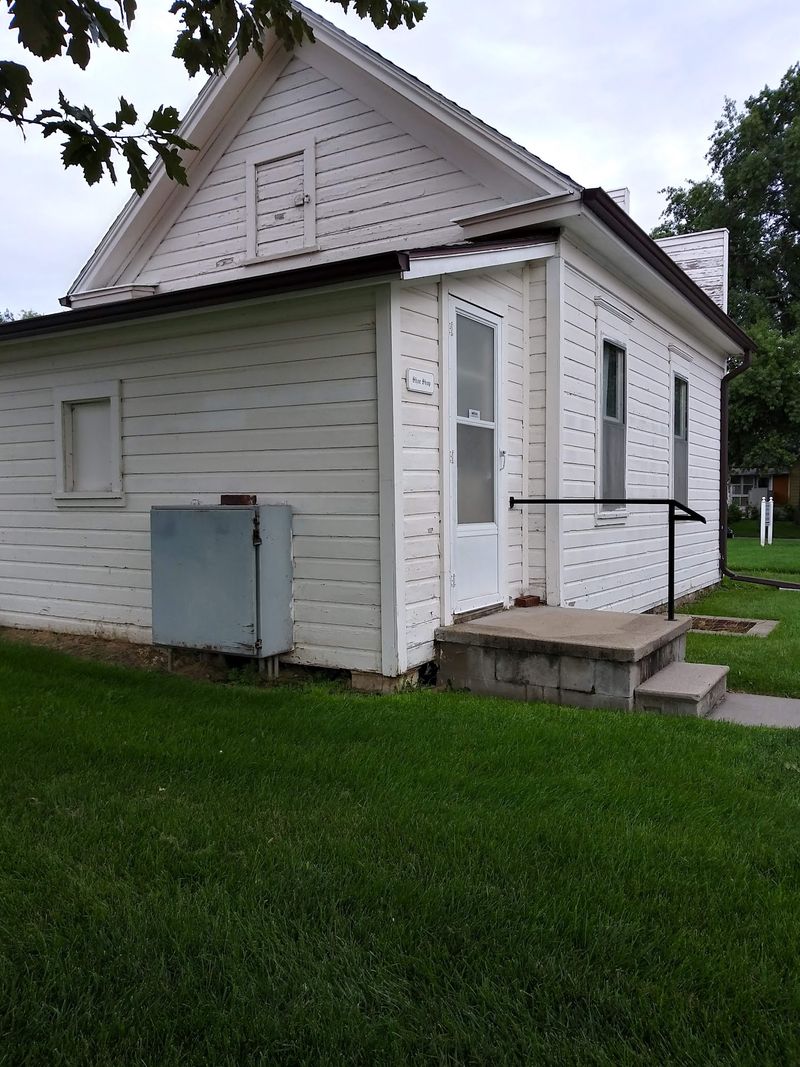
A chapel, a general store, and a blacksmith shop sit behind the main building. It’s a pocket-sized village that makes the immigrant story feel tangible.
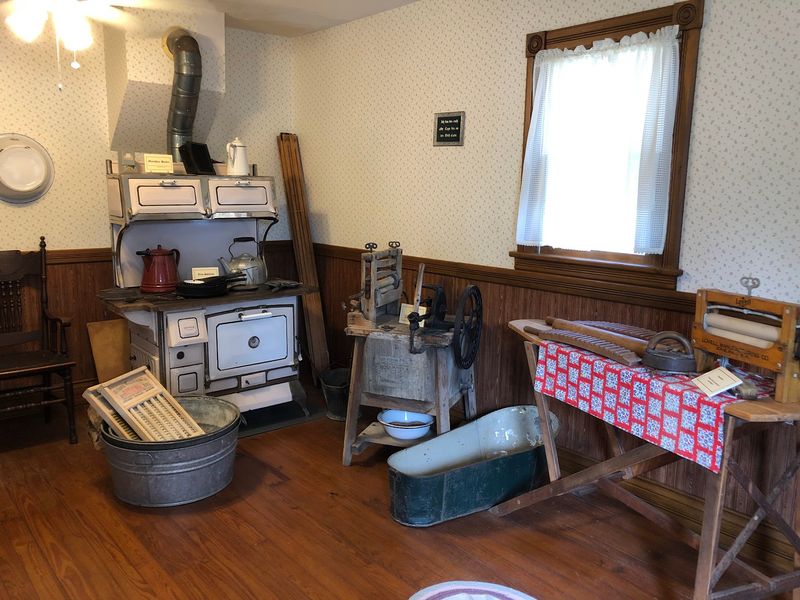
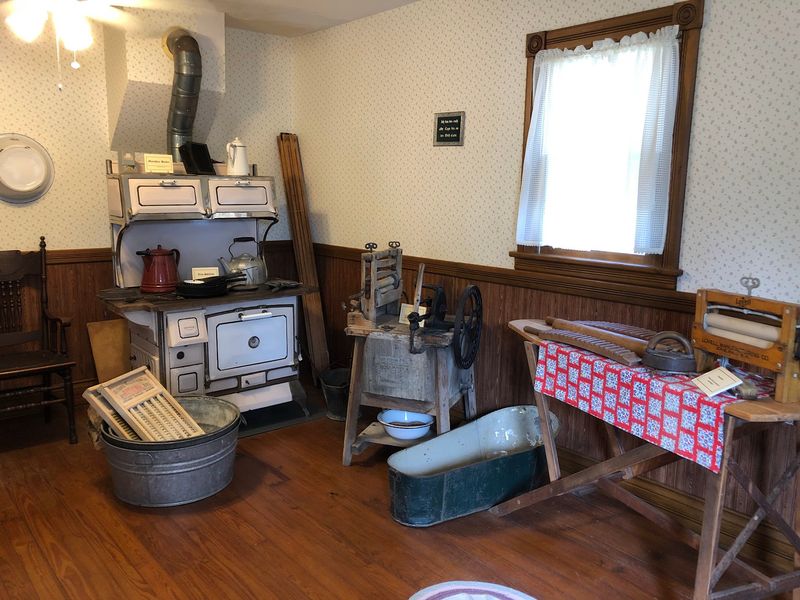
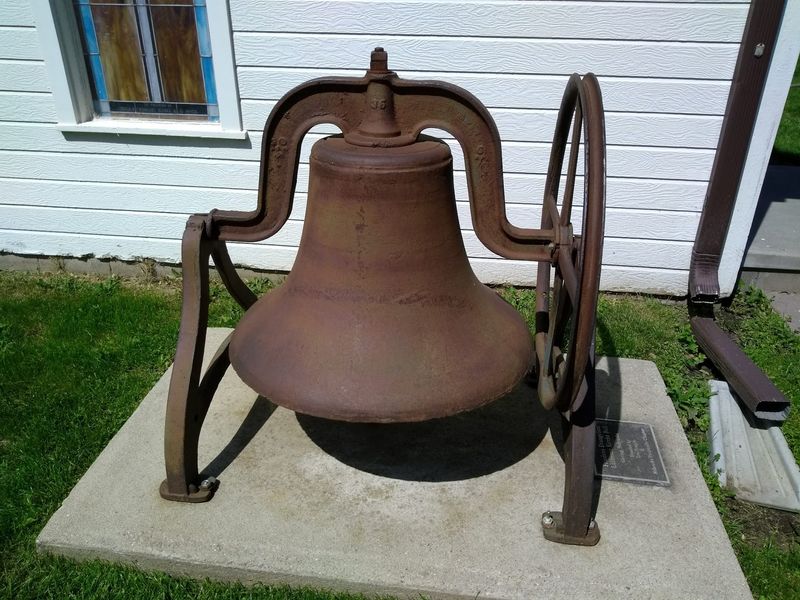
The campus includes full-scale mock-ups of a Lutheran church and a period kitchen. Animal storage buildings round out the farmstead feel.
The kitchen deserves a lingering look. It’s easy to imagine bierock dough rising there while snow piled up outside.
Guided tours of the campus buildings run from April through October. They’re offered on weekday afternoons, weather permitting, so a stormy Nebraska sky can change plans.
Timing matters more than you’d think. In the off-season, the outbuildings close, and you’ll only see the main building.
A guide adds stories you’d never pick up from a sign. The blacksmith shop and general store suddenly make sense when someone explains how families actually used them.
Families with restless kids should aim straight for this part. Wide grass, real doors to walk through, and old tools to spot hold attention far better than glass cases.
For many guests at the American Historical Society of Germans From Russia, these period buildings become the highlight.
Family Tree Hunters Will Want To Head Downstairs
Here’s a claim worth bragging about. The research library holds the largest collection of Volga German documentation and literature in the entire country.
It sits in the basement of the main building. Thousands of records cover Germans living in Russia from the 1760s onward, plus those who migrated to the United States.
Got a great-grandmother from a village nobody can pronounce? The archive may hold the paper trail you’ve been chasing for years.
Staff members bring real know-how to the search. The librarian has earned a strong reputation for helping researchers untangle difficult Volga family lines.
Library use carries a separate fee, and membership can add perks for serious researchers. Calling ahead to set an appointment can save time and frustration.
This space suits retirees with genealogy binders and curious newcomers alike. A DNA test result pointing to the Volga River makes a perfectly good reason to stop by.
Plan for a longer stay than you expect. Old German books and immigration files tend to swallow afternoons whole.
Few Nebraska spots let you hold your family history in your hands quite like this one.
Plan Around Weekdays And You’ll Leave Hungry For More
Mark your calendar carefully, because weekends won’t work. The American Historical Society of Germans From Russia opens Monday, Tuesday, Thursday, and Friday during daytime hours, closing Wednesdays and weekends.
You’ll find it at 631 D St, Lincoln, NE 68502. It’s an easy hop from downtown Lincoln.
Admission to explore isn’t a big hurdle. Donations support the work, and a suggested donation is welcomed for tours.
Visit between April and October if the outbuildings top your list. Winter trips still offer the film, museum, and library.
Want a fuller Nebraska heritage day? Homestead National Historical Park in Beatrice adds broader context about the land promises that drew these families west.
So who will love it most? Volga German descendants, Lincoln history fans, and anyone who has ever wondered why runzas exist.
It’s modest, specific, and proudly niche. That focus is exactly what makes it memorable.
Go for the history and stay for the stories behind those cabbage pockets. Then head home and bake a batch, because nobody leaves without craving a bierock.