Idaho Is Home To A Snake River Bridge With A Canyon View Most Drivers Never Stop To See
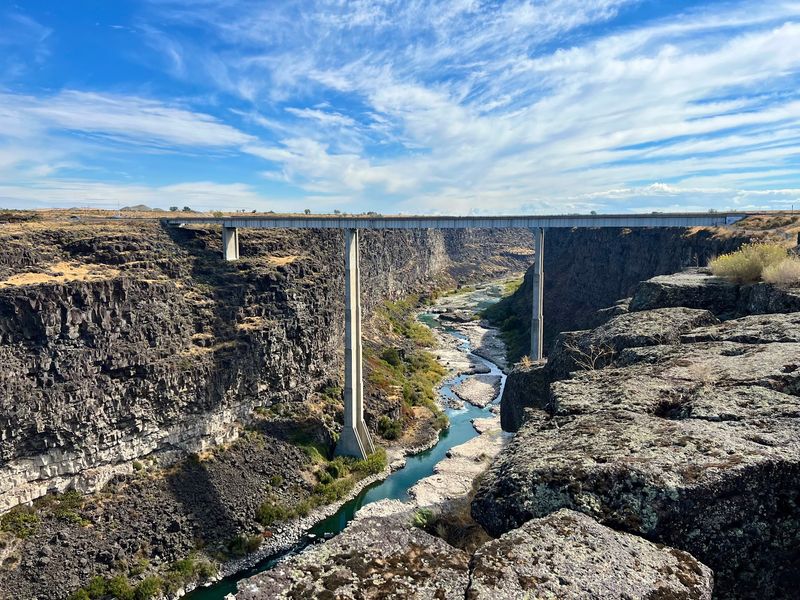
Less than a mile off the interstate, flat farm fields suddenly split open into a canyon roughly 400 feet deep. Most drivers zip right over it.
They never realize what’s beneath their tires.
The bridge crossing that gap replaced an older suspension bridge. Today a tiny roadside pullout tells that story on weathered signs.
A short path leads to a fenced edge that drops straight into the gorge.
I like how unplanned this stop feels. There’s no gift shop, no ticket booth, and no big billboard begging you to pull over.
Just a small parking area, a quiet rim, and the Snake River far below.
This corner of southern Idaho rewards anyone willing to tap the brakes. I can’t imagine a cheaper way to stretch your legs and see something this big.
So why do so many people keep driving?
A Quick Exit Off I-84 Leads Somewhere Surprisingly Deep
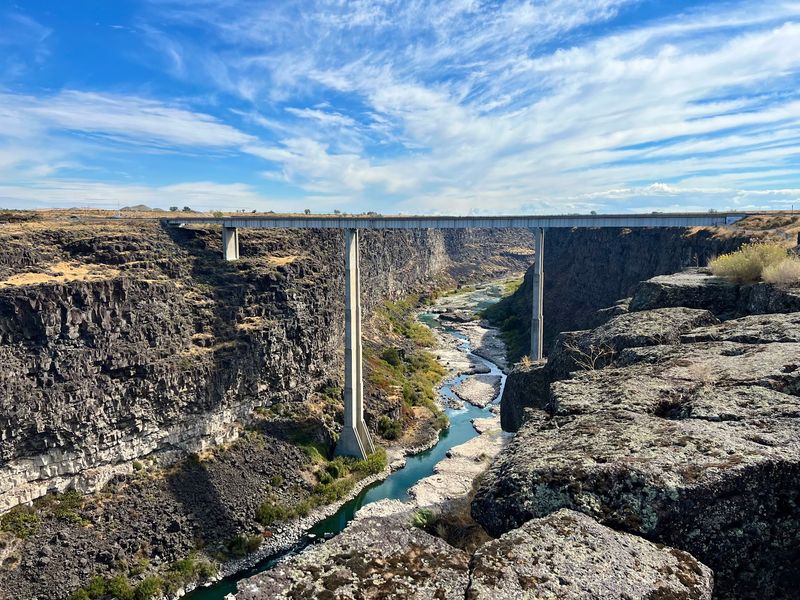
Hansen Bridge sits just south of Interstate 84 in the Magic Valley. It carries traffic across the Snake River Canyon near the small town of Hansen.
Getting there is almost too easy. Take exit 182, head toward Twin Falls, and you’ll reach the bridge in less than a mile.
The river below forms a natural line between Jerome County and Twin Falls County. So one quick drive technically puts you in two counties within seconds.
That convenience is exactly why so many people miss it. Folks are usually hurrying toward Twin Falls, Boise, or somewhere farther down the road.
The bridge itself looks like a practical piece of highway. Nothing about the approach shouts that a dramatic gorge waits right below the deck.
That modest setup is part of the fun. You’re crossing a working Idaho road, not a polished tourist attraction with signs every quarter mile.
Keep your eyes open as you near the canyon. The small pullout comes up fast, and blinking means another U-turn.
Flat Farmland Gives Way To A Canyon Out Of Nowhere
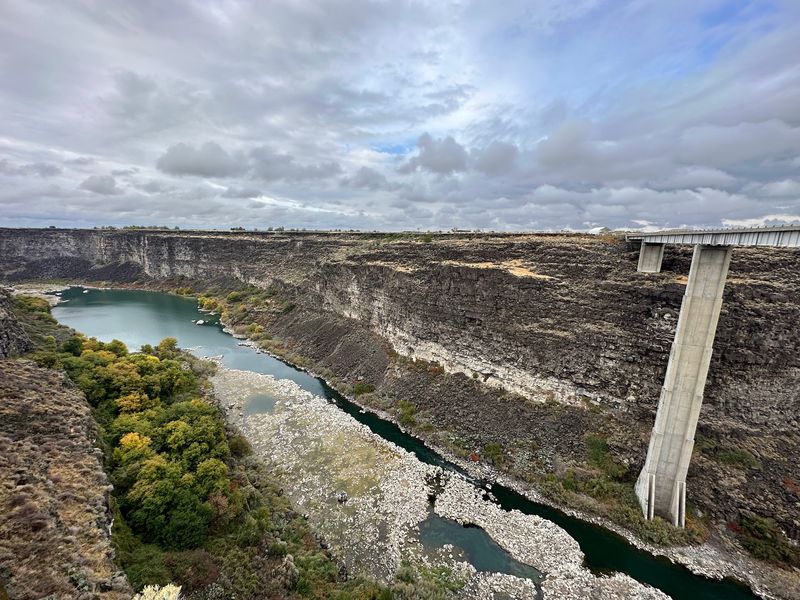
Southern Idaho farmland stretches so flat here that a canyon seems impossible. Then the ground simply drops away beneath the road.
That sudden reveal is the real magic of this spot. One moment you see fields and fences, and the next you’re staring into dark rock walls.
The gorge is steep and narrow at this crossing. Its sheer sides make the depth feel even bigger than the numbers suggest.
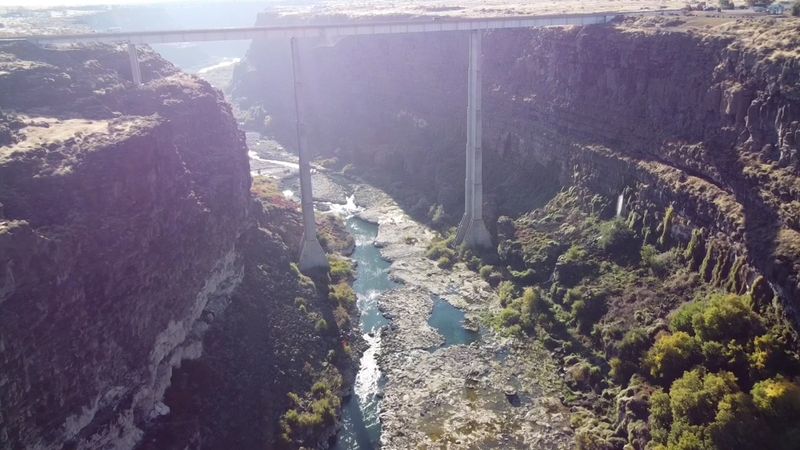
Drone pilots love the scale from above. From the air, the canyon’s cut through the Snake River Plain looks almost unreal.
Down at ground level, you get a different thrill. Standing at the rim, the quiet farmland behind you makes the drop ahead feel even more dramatic.
Some people compare it to a mini Grand Canyon. That’s a bold comparison, but the layered cliffs and green patches on the rock help explain it.
Nothing here requires a long hike or special gear. A few steps from your car put you face to face with one of the most striking cuts in the Snake River Plain.
A Suspension Bridge Once Swayed Over This Same Gap
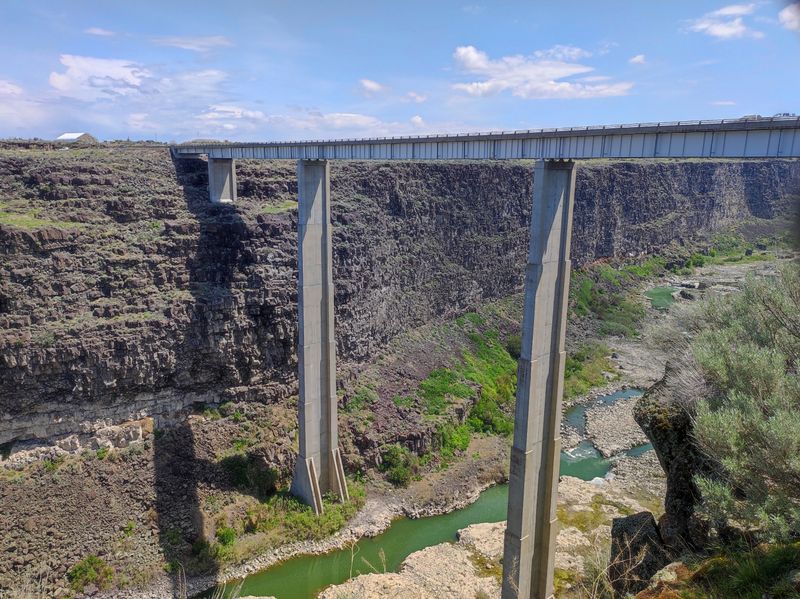
Long before today’s sturdy span, a suspension bridge crossed this canyon. It linked farm communities on both sides of the Snake River.
Picture early drivers trusting cables strung across that drop. It took real nerve, and probably a firm grip on the steering wheel.
That older bridge eventually gave way to the modern crossing you drive today. Heavier traffic needed something far more solid than swaying cables.
The current Hansen Bridge now handles a steady stream of cars and trucks. It sits roughly 400 feet above the river, which still feels wild to think about.
I love that the history isn’t hidden in a museum somewhere. It’s posted right at the canyon’s edge, steps from the very spot it describes.
Change is a big theme in Idaho towns these days. This crossing shows that even the roads people use every day have a backstory worth knowing.
So the next time you roll across, remember the cables that came first. The view hasn’t changed much, but the ride sure has.
Roadside Signs Turn A Pit Stop Into A History Lesson
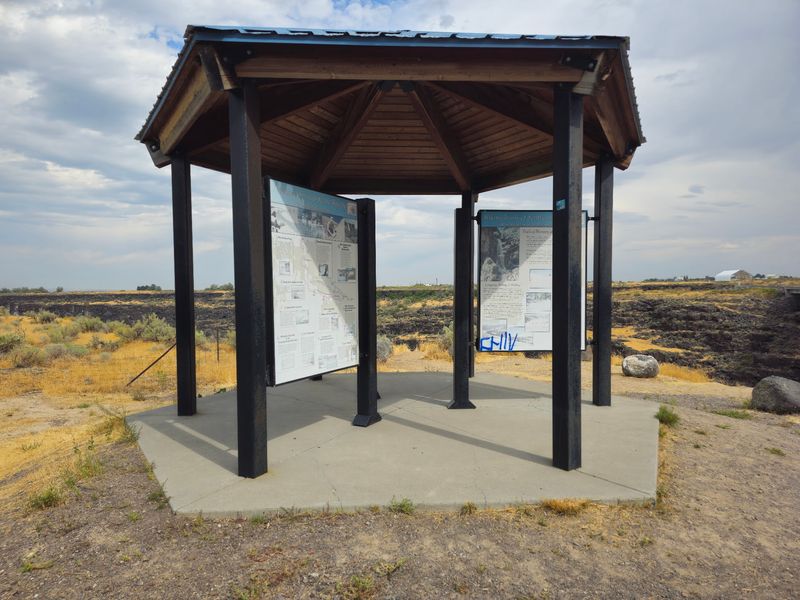
History buffs, this part is for you. A small protective shelter near the parking area holds a set of interpretive signs.
These panels explain the story of the crossing and the earlier suspension bridge. They turn a quick leg stretch into a genuinely interesting few minutes.
The signs sit on the southwest side of the bridge. That puts them right next to the parking area, so nobody needs to wander far.
Some panels show their age a bit. A few could use some fresh maintenance, but the information still comes through clearly.
Kids might roll their eyes at first. Then they realize people once crossed a canyon this deep on a hanging bridge, and suddenly they’re curious.
It’s a solid example of a historic site done on a small scale. No admission desk, no audio tour, just good stories posted outdoors.
Give yourself time to read a few panels before heading to the rim. The view means a lot more once you know what used to stretch across it.
The Pullout Comes Up Faster Than You Expect
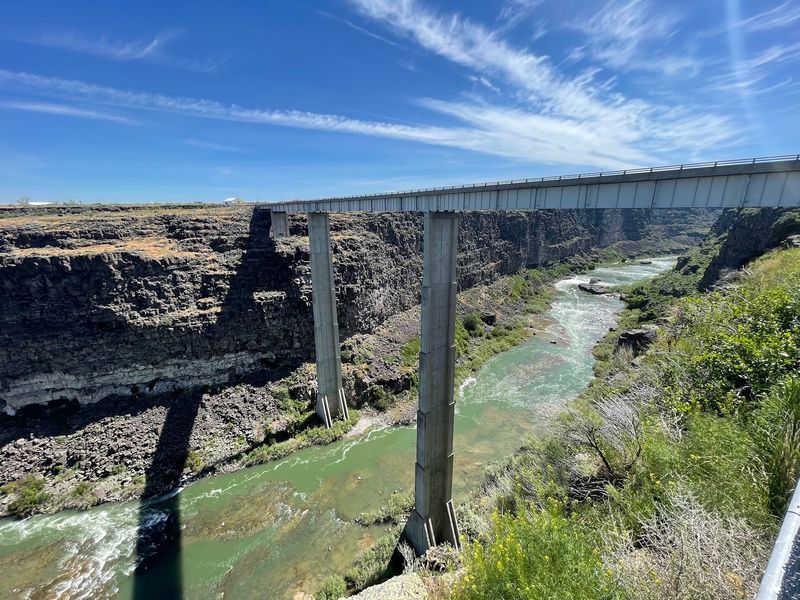
Blink and you’ll miss it. The parking area right after the bridge is small and easy to pass if you aren’t watching.
It sits on the southwest side of the crossing. Pull in, park, and the canyon rim is just a short walk away.
Don’t expect a giant lot. Space is limited, so big RVs and trailers may have a tougher time squeezing in.
The upside is that it rarely feels busy. A handful of cars is a normal sight, leaving plenty of quiet for everyone there.
Paths lead from the lot straight toward the edge of the gorge. The walk is short enough for most folks, including grandparents and little ones.
There’s also a pull-off nearby where you can walk down a bit for a deeper look into the canyon. It’s worth the extra few steps if you have time.
Slow down well before you reach the bridge. Your future self, happily parked instead of circling back, will thank you.
That Chain-Link Fence Is There For A Very Good Reason
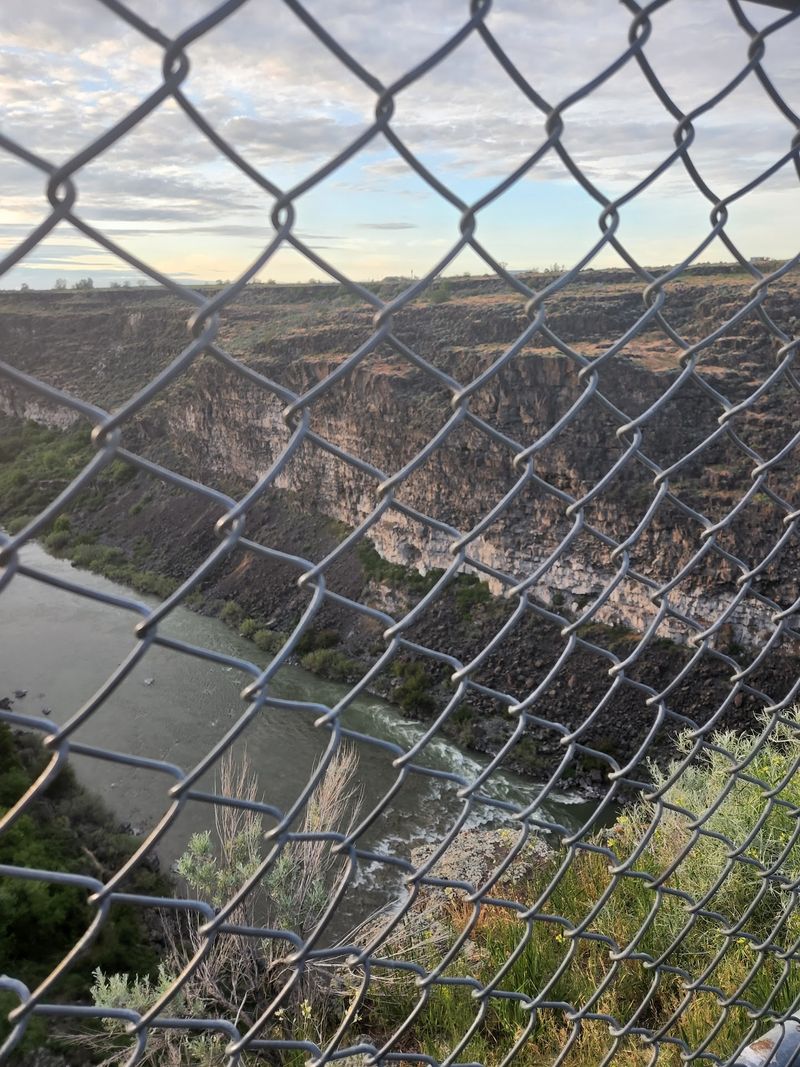
Let’s talk about the fence. A chain-link barrier runs along the edge, and it sits right on the lip of the cliff.
Photographers grumble about it, and that’s fair. It does make clean shots of the canyon tricky.
Still, nobody should argue with its purpose. The drop here is straight down, and one wrong step would be a very bad day.
Some folks try holding cameras over the top for a clearer frame. Just know that anything you drop is gone for good.
A phone wrist strap suddenly looks like a brilliant investment. So does a firm grip and a little patience.
You can also aim your lens through the gaps in the mesh. With a bit of trial and error, the fence nearly disappears from the shot.
Honestly, the barrier lets you stand closer to the gorge than you’d dare otherwise. That trade feels worth a few imperfect photos.
Keep kids close and leave the climbing to the canyon wrens. Enjoy the edge from the safe side of the wire.
Turn Around For The Best Look At The Bridge Itself
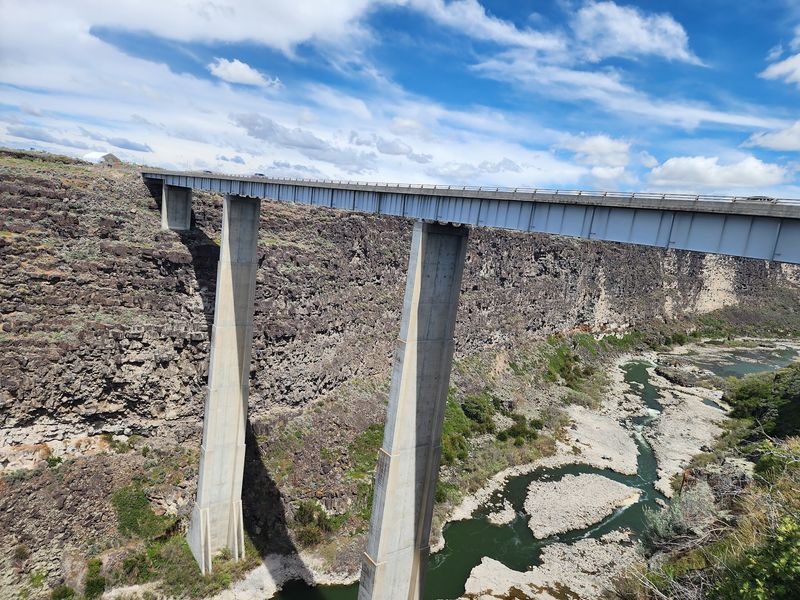
Funny thing about crossing a bridge. You never actually see it while you’re driving on it.
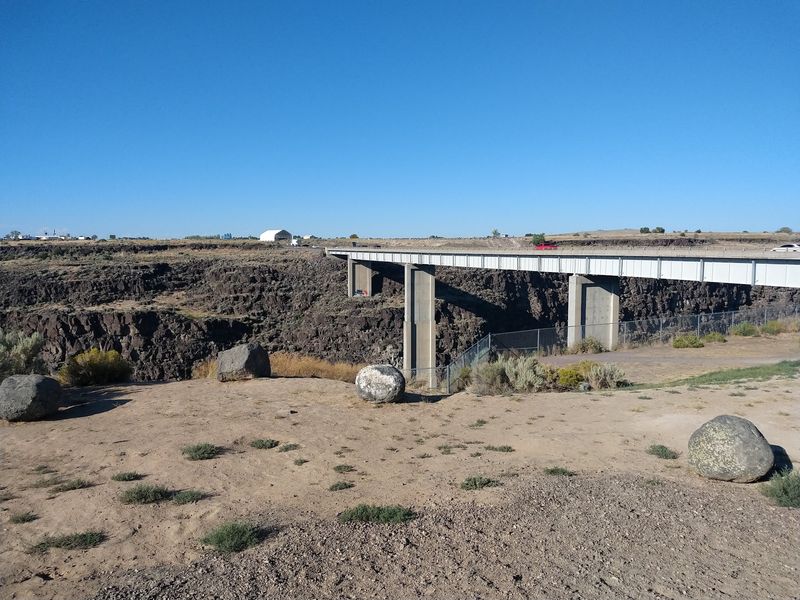
The overlook fixes that problem nicely. From the rim, you get a side view of the span stretching across the gorge.
Seeing it from this angle changes everything. Suddenly the 400-foot gap below the deck feels very real.
Trucks rumbling across look tiny against the cliffs. That sense of scale is half the reason to stop.
The spot does have limits. From this location, you can’t always capture the whole bridge and the full gorge in one frame.
Some people find the views on the other side of the road a must. Exploring both angles gives you a fuller picture of the crossing.
Bring a wide-angle lens if you have one. Even a phone’s wide setting helps squeeze in more of the steel and stone.
And yes, riding across a bridge is always a little fun. Riding across one you just admired from below is even better.
Green Rock And A Thirsty River Far Below
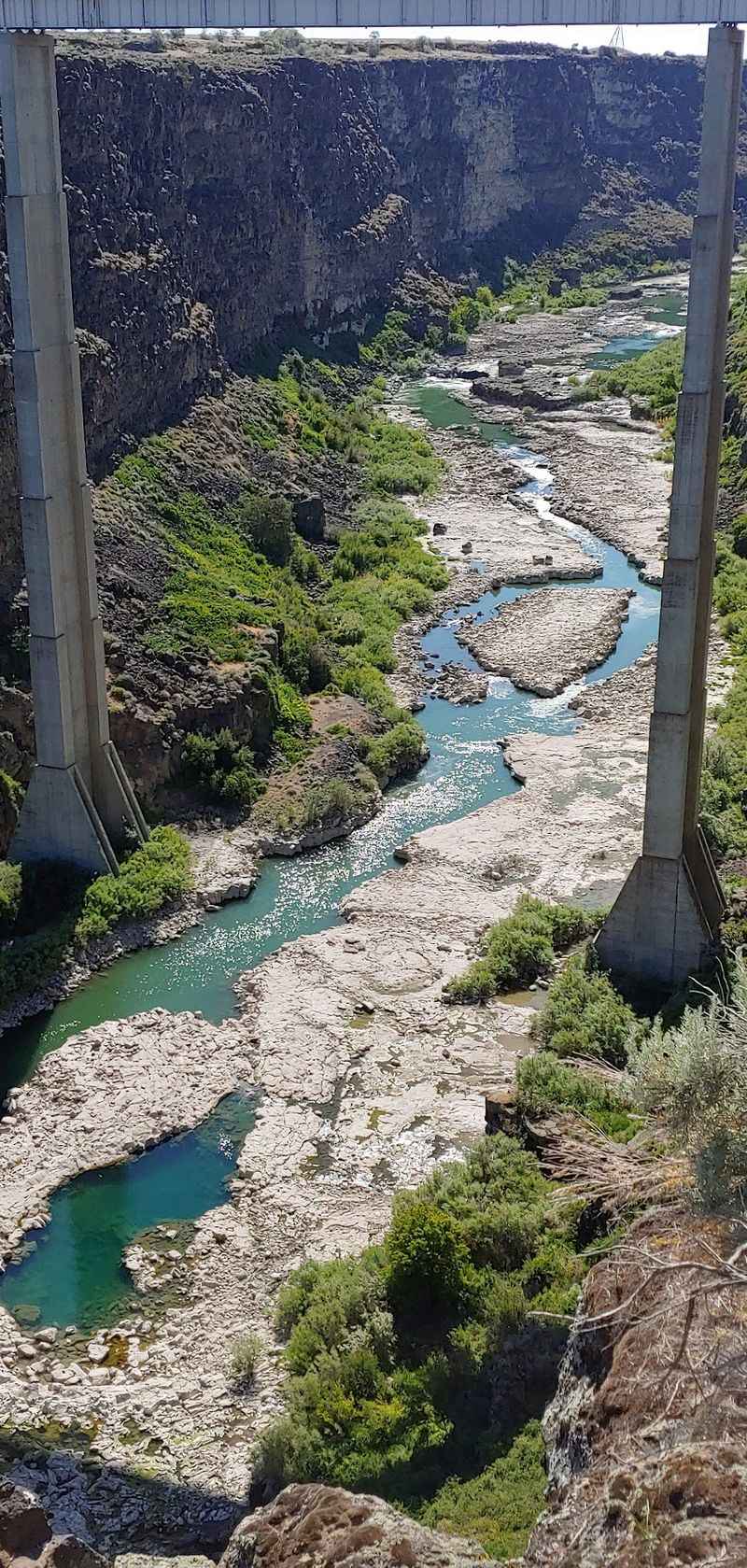
Green is the color that surprises people most. Patches of it cling to the dark canyon walls, softening all that rugged rock.
The water below can look green too. Against the shadowy cliffs, it makes for a peaceful scene.
Don’t expect a roaring torrent every time, though. The Snake gets heavily diverted for irrigation upstream, so flow can run low here.
That’s part of the Magic Valley story. The same water that feeds those flat farm fields leaves its mark on the canyon floor.
Paddlers sometimes drift along this stretch. Spotting a kayak from 400 feet up feels like finding a tiny toy in a giant sandbox.
Graffiti shows up in spots, which is a shame. Nature still wins the scene, but a little respect would go a long way.
Visit at different times of year if you can. River levels and vegetation shift, so the canyon rarely looks exactly the same twice.
A Quiet Lunch Break With A Canyon For A View
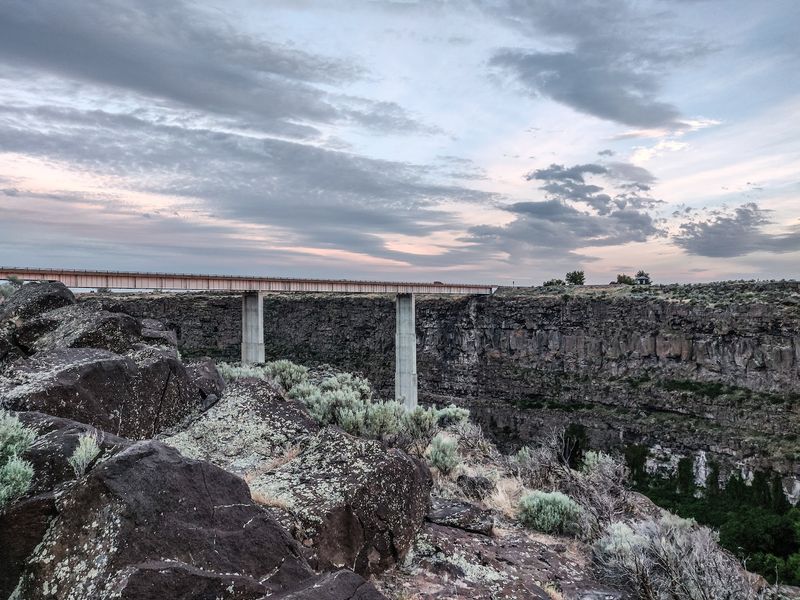
Sandwiches taste better with a canyon nearby. That’s not science, but it sure feels true here.
This pullout works nicely for a packed lunch. It’s quiet, uncrowded, and close enough to the freeway for a quick reset.
Long-haul travelers appreciate that kind of break. Crossing Idaho on I-84 can feel endless, and a few minutes at the rim helps.
There aren’t any food services at the site. Pack your own snacks, or grab something at a nearby stop along the interstate before you exit.
Calm is the main ingredient. With only a couple of cars around, the loudest sound might be passing traffic on the bridge.
Some people come back again and again just to relax. That says a lot about a spot without a single vendor or bench of fame.
Bring a folding chair if you want to linger. Then enjoy a slow lunch while the canyon does all the entertaining.
Road-Trippers, Families, And Drone Fans Will Feel Right At Home
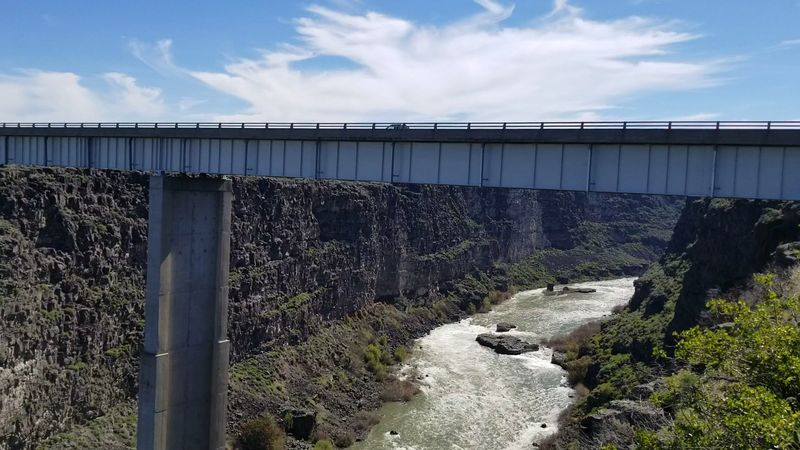
Road-trippers are the natural audience here. Anyone crossing southern Idaho on I-84 can add this stop without wrecking the schedule.
Families get an easy win too. The walk is short, the scenery is huge, and nobody has to buy tickets.
Little hands need watching, of course. The fence helps, but parents will still want kids close to the edge.
Retirees looking for a low-cost outing will like it as well. Pair it with a Twin Falls day and you’ve got a full afternoon.
Drone hobbyists see the canyon from its best angle. Just check current flight rules before launching near a busy highway bridge.
History lovers get their signs, and photographers get their challenge. Even the fence becomes part of the creative puzzle.
People who crave crowds and gift shops may feel a little bored. Everyone else will probably wonder why they skipped it for so long.
It also makes a great surprise stop. Tell passengers nothing, park, and let the canyon do the talking.
What To Know Before You Pull Off The Highway
Good news first. The overlook is open around the clock, and parking is free.
Point your map to Hansen Bridge, Hansen, ID 83334. From I-84, take exit 182 and head toward Twin Falls.
The pullout sits on the southwest side of the bridge. Watch for it right after you cross the canyon.
Plan around a few gaps. There are no restrooms and no services at this stop.
Hit a gas station before you exit if anyone in the car needs one. Trust me, the canyon is less enjoyable during a bathroom emergency.
Pack out everything you bring. Trash has been an issue here, and a clean rim makes the stop better for everyone.
The parking area is small, so bigger rigs should plan carefully. Daylight is the best time to see the canyon walls clearly.
Weather in this part of Idaho can swing quickly. Bring a jacket for wind on the rim, even when the drive feels warm.
Ten Minutes Here Beats Another Hour Of Freeway
Sometimes the best stops are the ones nobody planned. This little canyon overlook fits that idea perfectly.
It isn’t fancy, and that’s fine. Hansen Bridge offers big scenery, a slice of history, and a quiet place to breathe.
The fence will test your photo skills. The missing restroom will test your planning.
Yet the payoff feels bigger than the effort. A few steps from your car, the Snake River Canyon opens up beneath you.
I believe stops like this make a road trip memorable. You’ll remember the gorge long after the gas station snacks are forgotten.
Locals who cross it every day might shrug. Out-of-state travelers often can’t believe it sits so close to the freeway.
Next time you’re cruising through the Magic Valley, take exit 182. Give the canyon ten minutes and see if it earns more.
Odds are you’ll drive away planning a return trip. Maybe next time with a sandwich, a wide-angle lens, and a friend who’s never seen it.