This Idaho Border Sign Near Victor Is The Road Trip View People Never Forget
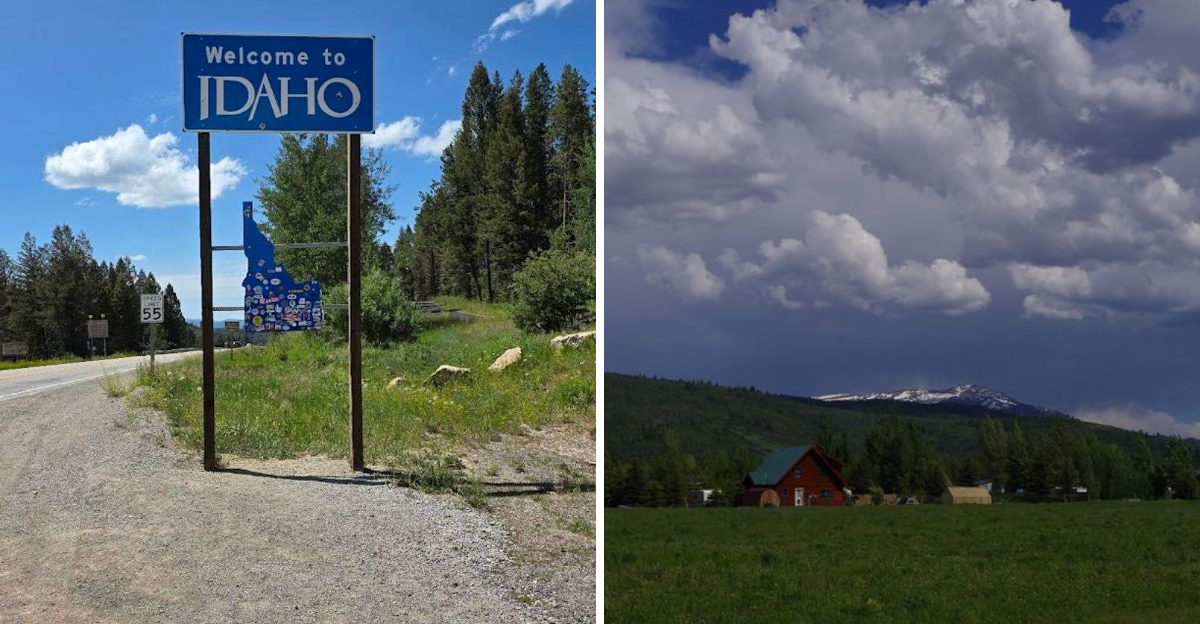
Right at the edge of the mountains, the road seems to hold its breath for a second before welcoming travelers into Idaho.
Near Victor, the border crossing has a quiet kind of drama, as if the landscape knows it is about to make an introduction.
After the climb through Teton Pass, that blue sign feels less like a marker and more like a friendly secret waiting at the end of the road.
The valley opens wide around it, giving the whole stop a strange mix of mystery and warmth.
Nothing about it needs to shout.
You arrive, slow down, and suddenly the journey feels like it has crossed into a new chapter.
This Border Sign Feels Like The Trip Just Changed
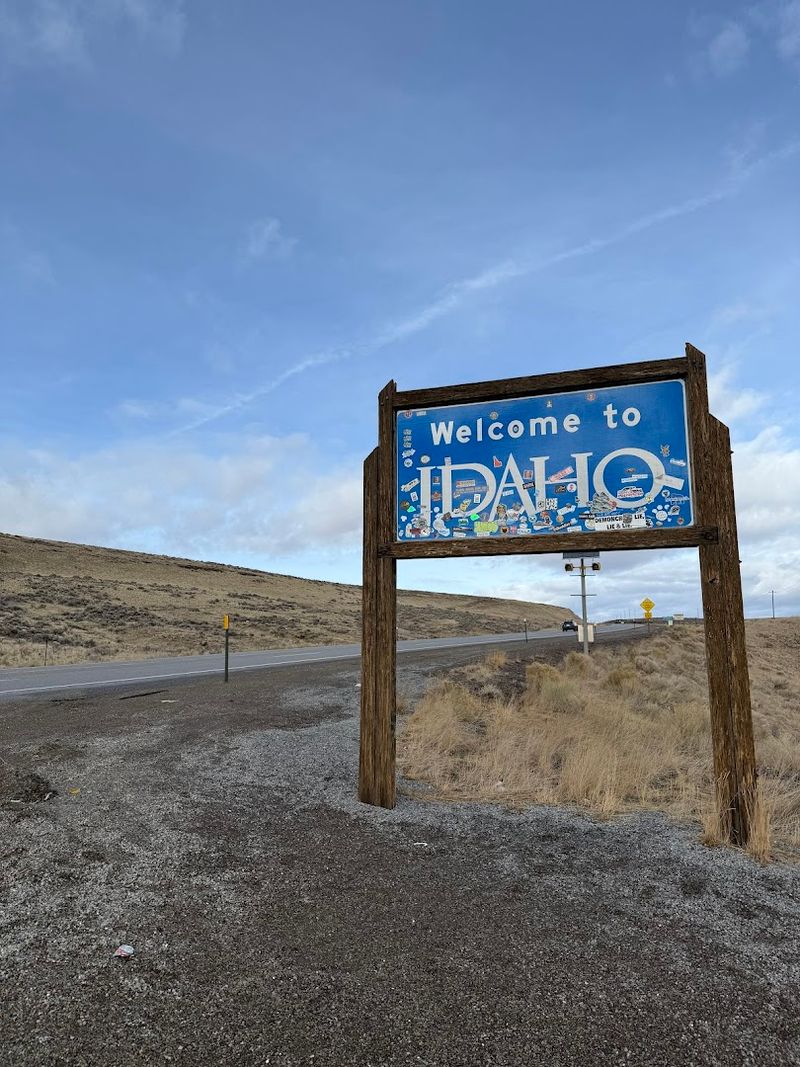
Crossing into Idaho here does not feel like the average blink-and-you-missed-it state line. By the time the welcome sign appears, the drive has already done plenty of storytelling.
The road has climbed, curved, narrowed attention, and made everyone in the car aware that they are moving through serious mountain country. Then the landscape begins to open, and the blue sign marks the moment when the trip’s mood changes.
WY-22 is the Teton Pass Highway, connecting Jackson with the Idaho state line, and Idaho Highway 33 continues west toward the Teton Valley communities on the other side. That transition gives the sign more emotional weight than a normal roadside marker.
Drivers coming from Wyoming have just handled one of the region’s most famous mountain crossings. Passengers have probably been watching the turns, the slopes, and the views build for miles.
Seeing Idaho suddenly appear in official letters feels like a small reward. The valley ahead looks wider.
The sky seems to loosen. The road trip, which may have started in Jackson, Yellowstone country, or somewhere even farther away, suddenly feels like it has entered a new chapter.
The sign is simple, but the timing is perfect. That is why people remember it.
The Teton Pass Backdrop Makes It More Than A Sign
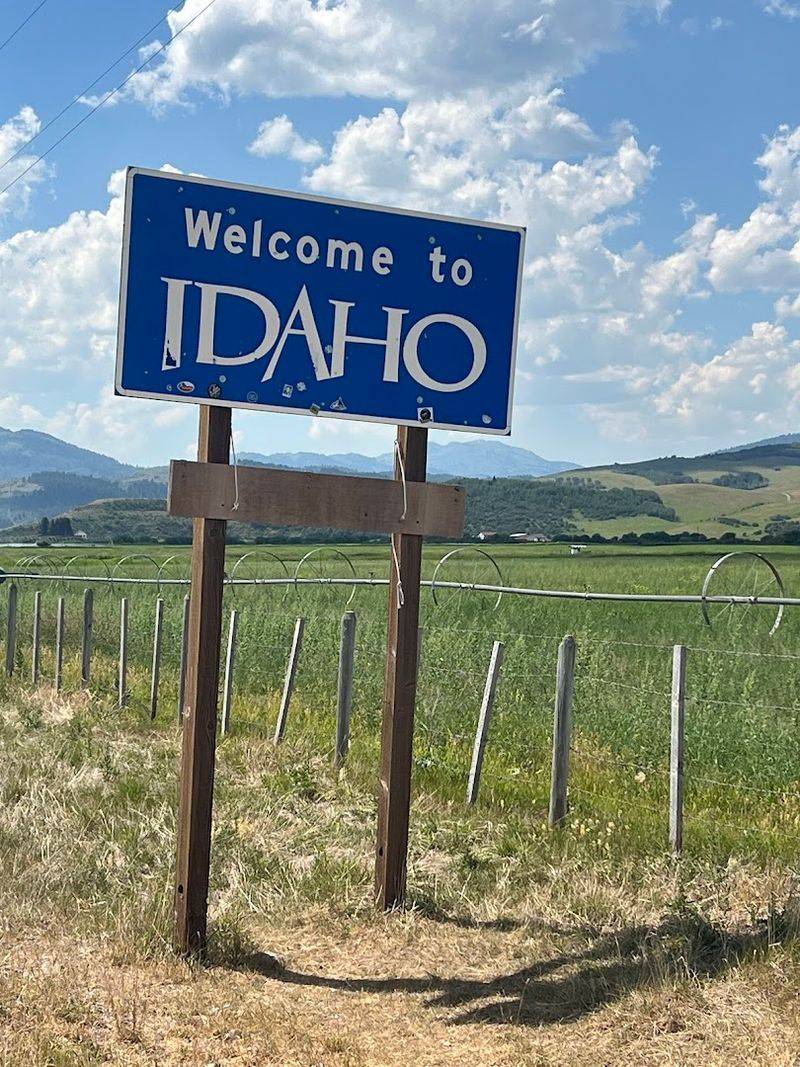
Scenery does the heavy lifting here. A welcome sign on a flat highway can be fun, but this one arrives with Teton Pass behind it and Teton Valley ahead, which gives the whole stop a cinematic edge.
Teton Pass sits between Wilson, Wyoming, and Victor, Idaho, and reaches an elevation of about 8,431 feet, making it a high mountain crossing with real presence.
The road is known for steep grades, changing weather, and serious driving conditions, so the sense of arrival feels earned rather than decorative.
Wyoming Highway Patrol notes that a maximum weight restriction is in effect at all times on WY-22 between Wilson and the Idaho state line, and that no trailers are allowed on the pass from November 15 through April 1 each winter. Those rules are not just technical details.
They help explain why the road feels like a bigger deal than an ordinary scenic highway. During good weather, the pass can be spectacular, with mountain views unfolding around the turns and the valley opening below.
During winter or storms, it demands far more caution. Either way, the welcome sign benefits from everything the pass makes travelers feel before they reach it.
The backdrop turns a basic state marker into a genuine road trip milestone.
You Know Idaho Has Arrived Before Victor Does
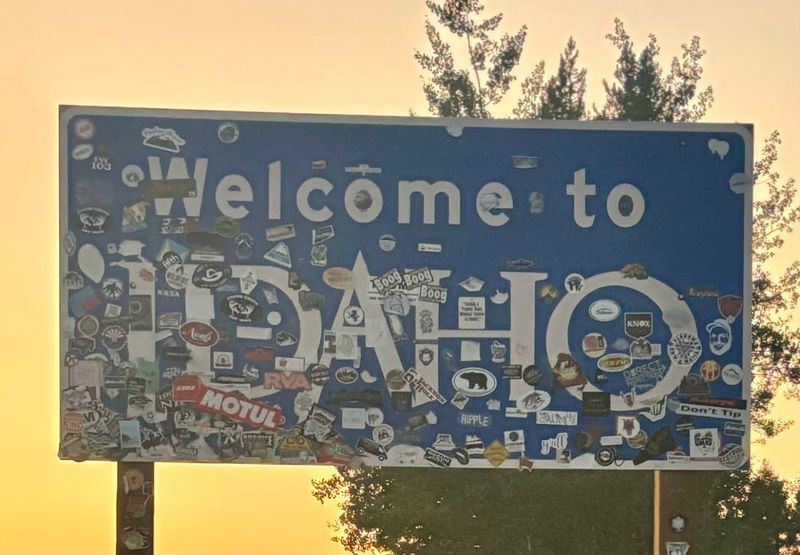
Long before downtown Victor comes into view, the valley starts announcing that the scenery has changed. The tight mountain-drive tension softens as the road moves toward broader land, bigger sky, and a gentler sense of space.
Travelers crossing from Wyoming enter the Teton Valley side of the route before reaching Victor, with the road designation shifting from WY-22 to Highway 33 after the pass and state-line crossing. That small highway-number change comes with a much bigger visual shift.
The drive begins to feel less like a mountain challenge and more like an invitation to slow down. Fields, foothills, ranchland, and open views make the arrival feel spacious after the sharper drama of the pass.
Victor is only a short drive beyond the state line, but the welcome sign gives travelers the feeling of entering the town’s wider landscape before they actually reach its streets. The sign becomes the first sentence in this new part of the trip.
It tells you the crossing is complete, but the best stretch may still be unfolding. For road trippers, that matters.
Some views are pretty. Others make the journey feel like it has changed personality.
This one does the second thing.
The Road From Jackson Turns Dramatic Fast
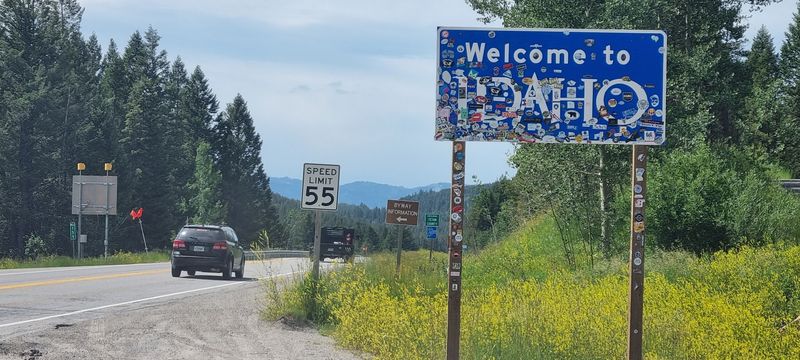
Leaving Jackson can start like a regular scenic drive, but the road does not stay casual for long. WY-22 heads west from the Jackson area toward Teton Pass, climbing into terrain that demands attention from drivers and plenty of window-watching from passengers.
Route information for Wyoming Highway 22 places the highway at roughly 17.5 miles from Jackson to the western state line, yet that short distance carries a lot of drama.
The drive moves from town edge to mountain approach, then into climbing grades, switchbacks, summit views, and a steep descent toward Teton Valley.
Wyoming Highway Patrol advises drivers to use lower gears to maintain safe speeds on steep grades, and winter can bring closures, snow conditions, chain requirements, and avalanche concerns. That makes the route feel adventurous before the scenery even gets involved.
It is not a road to treat carelessly, especially with trailers or in rough weather. In good conditions, though, the drive can feel unforgettable in the best possible way.
Views open and disappear with the curves. The mountains keep changing shape.
By the time the welcome sign appears, it feels like the final note at the end of a very dramatic stretch of road.
This State-Line View Has Real Photo-Stop Energy
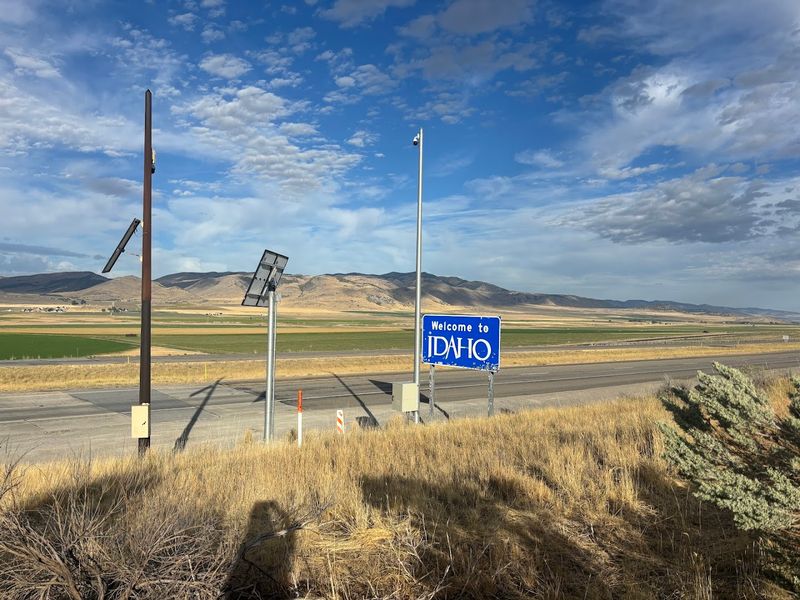
Plenty of travelers collect state-line photos, but not every sign gives them this much to work with. Near Victor, the welcome into Idaho comes with mountain-road context, open valley scenery, and the emotional timing of arriving after Teton Pass.
Stock-photo captions often place this Idaho sign at the Wyoming border in the Tetons near Victor, just after crossing Teton Pass. That positioning helps explain why it has become a recognizable road-trip image.
The sign itself is straightforward, but the setting gives the photo depth.
Instead of a flat roadside shoulder with nothing around it, the scene carries the feeling of the route that led there. Travelers can capture the proof of arrival and the mood of the landscape in the same frame.
Morning and late afternoon light can make the valley feel especially warm, while clouds moving over the mountains add a little extra drama.
Anyone stopping should do it carefully, use only safe pullout areas, and stay aware of traffic, because scenic enthusiasm should never overrule mountain-road common sense.
Still, the urge to pause is easy to understand. A good road trip photo is not only about showing where you were.
It is about remembering how the moment felt. This sign does both better than most.
Mountain Air Makes The Welcome Feel Bigger
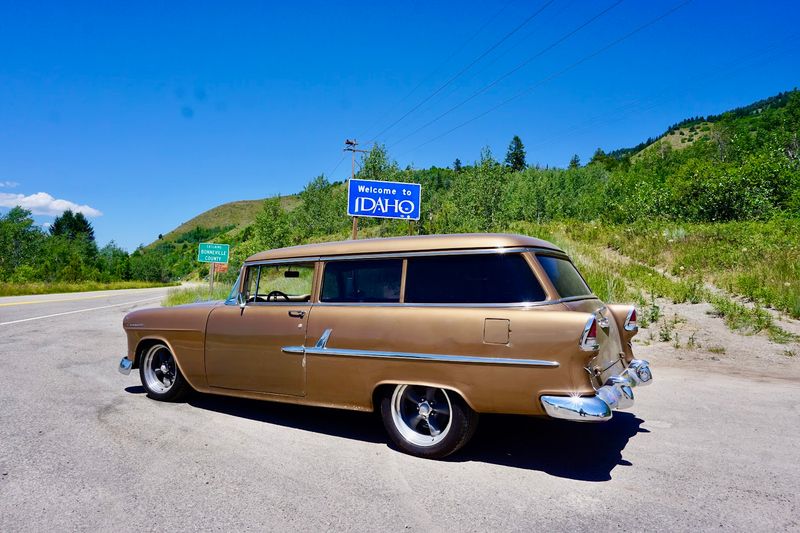
Stepping out near the border can make the arrival feel even sharper. The air has that high-country cleanness people remember from mountain drives, especially after a stretch of focused driving over Teton Pass.
The pass itself reaches more than 8,400 feet above sea level, and the route connects the Jackson Hole side of Wyoming with the Teton Valley side of Idaho.
That elevation and terrain help create the sensory shift: cooler air, wider views, stronger light, and a landscape that seems to make every ordinary detail feel more noticeable.
Weather can change quickly in this region, so the experience may be bright and golden one hour, then cloudy, windy, or snow-dusted another time of year.
Wyoming road information frequently emphasizes checking restrictions and conditions for WY-22, especially because weight limits, winter trailer bans, chain laws, and closures can affect travel.
For travelers who time the drive well, the freshness of the stop becomes part of the memory. A few minutes outside the car can reset the whole body after the curves and grades.
Stretching, breathing, looking back toward the pass, then forward toward Idaho gives the sign more than visual appeal. It becomes a full arrival moment, carried by air, elevation, and space.
The Simple Sign Marks A Big Road Trip Moment
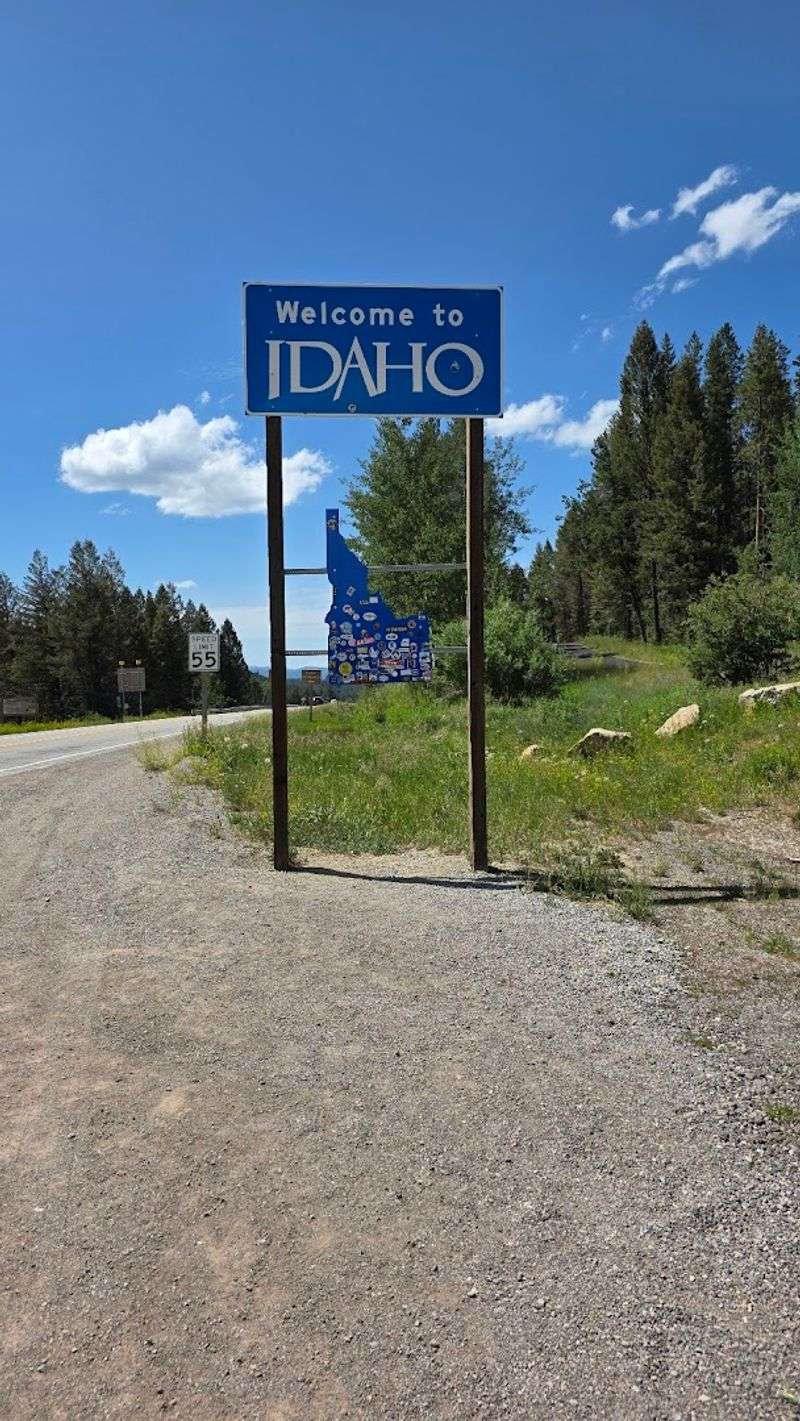
State welcome signs work because they make travel feel official in a way a phone map never can. A GPS notification might quietly tell you that you crossed a line, but a big roadside sign lets everyone in the car participate.
Near Victor, that feeling is amplified by the route. Wyoming Highway 22 ends at the western state line, where Highway 33 continues into Teton Valley, so the sign marks both a border crossing and a road-name change.
That makes it feel like a clean break between chapters. Behind you is the climb and descent of Teton Pass.
Ahead are valley scenery, Victor, Driggs, and the broader Teton Valley. The sign itself may be simple, but road trips are built from simple moments that land at exactly the right time.
A bend in the road. A sudden overlook. A new name on a sign. A view that makes conversation stop for a few seconds.
This is one of those moments. It does not need music swelling in the background, though it would probably deserve it.
The welcome sign turns a highway crossing into a memory because it gives travelers something visible to attach the feeling to. Later, people may forget the exact mile marker, but they remember the blue sign and the valley waiting beyond it.
Victor Feels Even Closer After This View
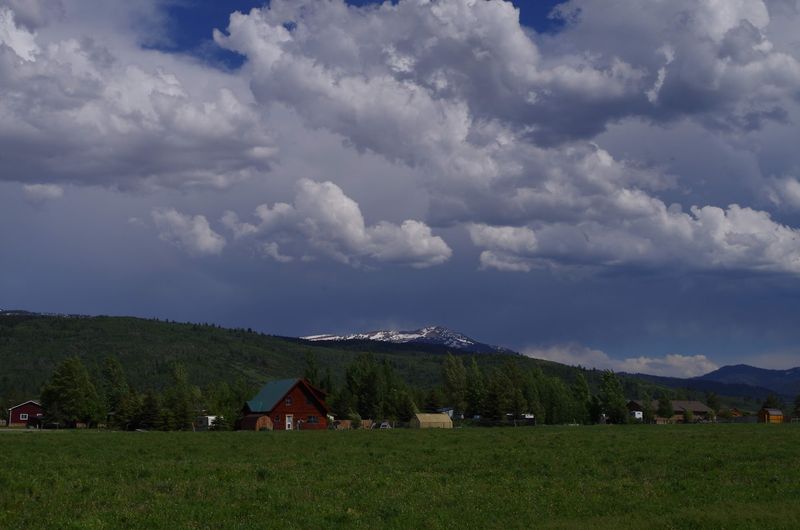
Continuing west after the sign brings the trip into the softer side of Teton Valley, where the drama of the pass gives way to open land and small-town arrival.
Victor sits just beyond the Wyoming line along Highway 33, reached after the drive from Jackson over Teton Pass drops into the western side of the valley before continuing toward Driggs farther north.
That makes the welcome sign feel like a natural prelude to town rather than an isolated roadside detail. The crossing happens where WY-22 becomes Highway 33, close to Victor and the wider valley beyond.
After the sign, the road feels calmer, the land stretches wider, and Victor starts to feel less like a dot on the map and more like the next easy breath after a mountain drive.
Travelers can continue toward food, lodging, outdoor adventure, Grand Targhee access through Driggs, or a slower exploration of the region.
The sign sets the tone for all of it. It says the hard curves are behind you for now, the valley is opening, and a new stretch of the trip has officially begun.