More Than 300 Handmade Quilts By One Artist Fill This Idaho Museum On The Palouse
One quilt in this collection shows a black steam engine puffing smoke made from dryer lint. Yes, actual dryer lint.
I love that someone looked at the lint trap and saw art supplies.
That quilt is one of hundreds, and every single one came from the same pair of hands. The artist started quilting back in 1975.
She never stopped, and she never sells a piece.
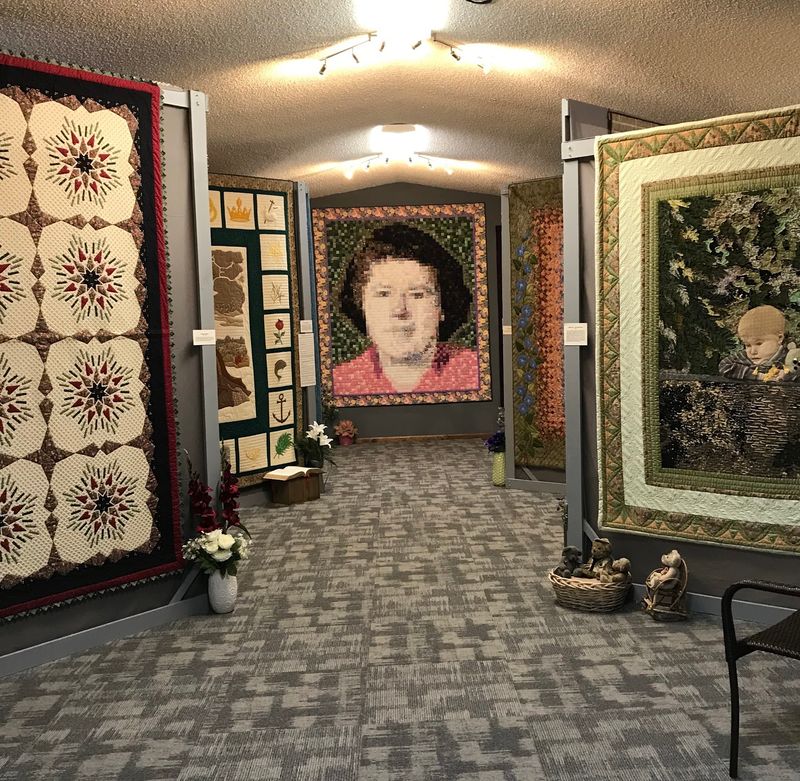
Today her work fills an entire two-story building in a small Idaho farm town. Quilts hang upstairs, downstairs, and even in the bathrooms.
Most of them are stitched by hand, which makes my fingers ache just thinking about it.
I can’t imagine a better reason to point the car toward the wheat fields. The real question is how one person found the time, the patience, and that much fabric.
One Artist, One Old Lodge, And Hundreds Of Quilts On The Walls
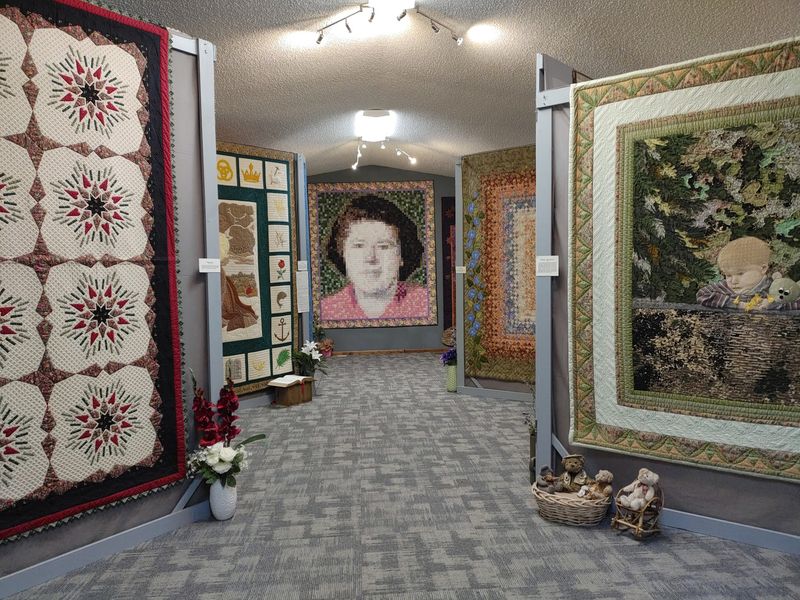
Kascha Quilts sits in Genesee, a quiet farm town on the Idaho Palouse. It’s a museum built around a single quilter, Karen Schoepflin Hagen, and her decades of work.
The numbers alone are enough to make you blink. Counts have climbed past 300, then 350, and more recent tallies put the collection above 400 pieces.
Every one of those quilts was made by Karen herself. No guest curators padded the count, and no auction house shipped anything in.
The setting adds to the surprise. Genesee is surrounded by rolling wheat and lentil country, the kind of landscape that looks like it was quilted by giant hands already.
So a building packed with fabric art feels oddly right here. The Palouse has always been about patterns, and Karen simply brought them indoors.
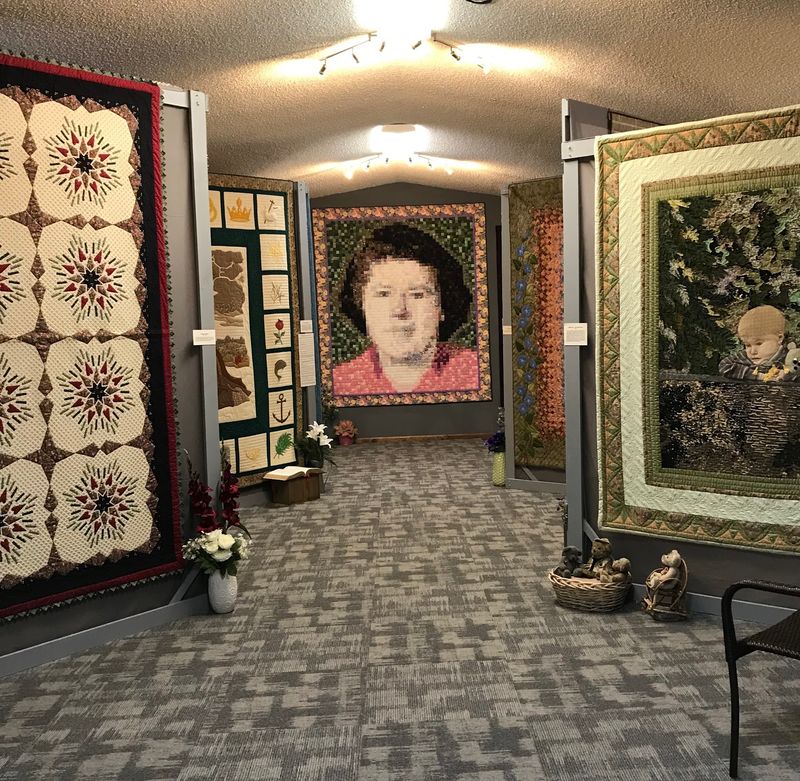
What makes the place different from a typical gallery is its personal scale. You’re stepping into one woman’s lifelong project, arranged across two floors of a donated building.
Kascha Quilts also runs as a non-profit with an educational mission. That means the doors stay open for curious travelers, school groups, and anyone who wants to see what thread can really do.
A Community Club Sparked Fifty Years Of Stitching
Karen didn’t grow up planning to fill a museum. She picked up quilting in her thirties, back in 1975.
The spark came from the Viola Community Club, a group near her home on the Palouse. Many of the women there were quilters, and the craft grabbed her right away.
That’s a lovely origin for such a big collection. A friendly club meeting turned into five decades of steady work.
Fifty years is a long time to keep any hobby going. Most of us can’t stick with a new exercise plan past February.
Karen, though, kept cutting, piecing, and stitching year after year. The result is a body of work that spans styles, sizes, and themes you wouldn’t expect from one person.
She has spent her life in the area, which gives the museum a strong local heart. Her quilts carry Palouse fields, family faces, and plenty of humor sewn right in.
Knowing that backstory changes how the collection feels. Each piece becomes a chapter in a long, colorful life, not just an object on a wall.
And that life is still being stitched. A work in progress has been on view on the lower level.
Quilts From The Basement Clear Up To The Bathrooms
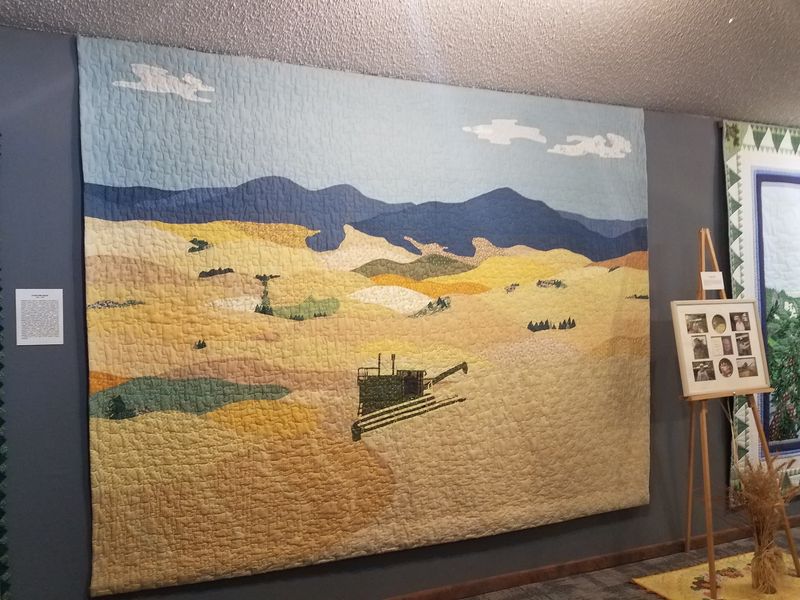
Former Masonic Lodges usually keep their secrets behind closed doors. This one throws them wide open and covers every wall in fabric.
The building was donated to the cause, and it now houses the collection across two floors. Quilts fill the main level and continue down a staircase into the basement.
Then there are the bathrooms. Yes, Karen hung quilts in there too, so even a quick break counts as gallery time.
Around 4,000 square feet of space holds the display. That sounds roomy until you realize how many quilts need a spot.
The pieces are arranged with space and lighting that let them read like paintings. Large wall hangings sit near smaller works, and the variety keeps your eyes moving.
It’s a smart second life for an old lodge. A building once used for private meetings now welcomes anyone who walks through the door.
Idaho has plenty of repurposed buildings, but few carry this much color. Grain elevators and old schools get new jobs all the time, yet a quilt-stuffed lodge is a rare twist.
Give yourself time to go floor by floor. Rushing through would be like speed-reading a scrapbook.
Nearly Every Stitch Here Was Made By Hand
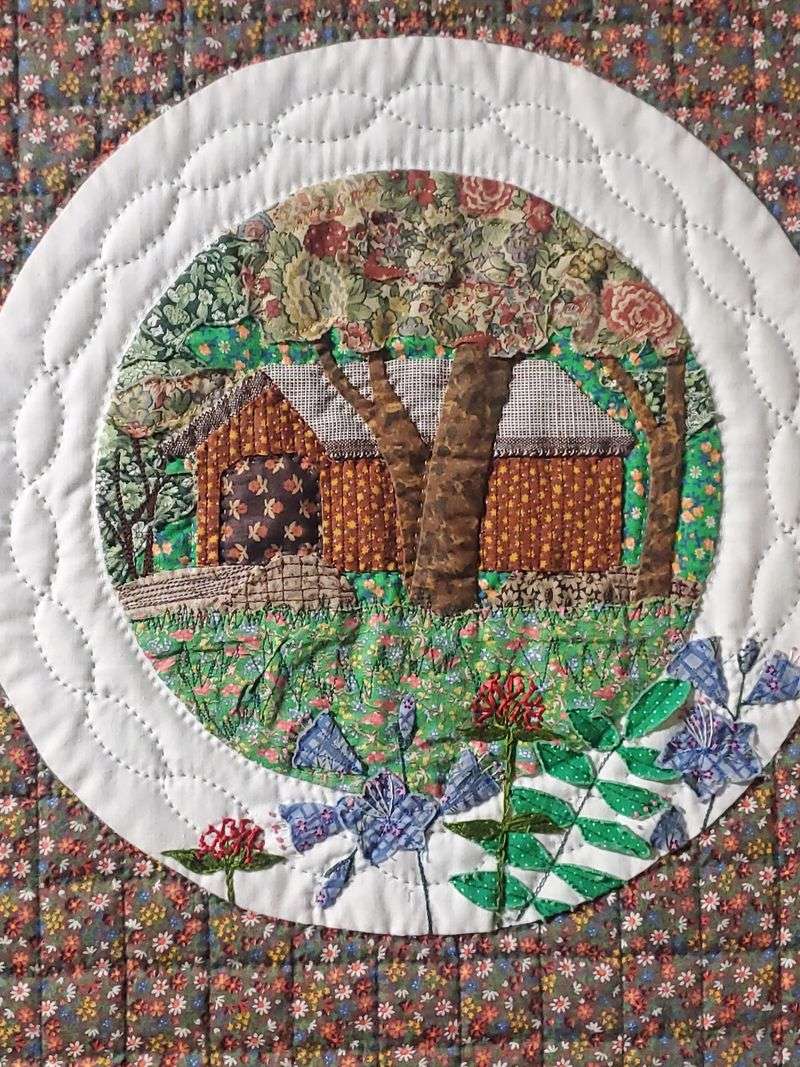
Machines can quilt a bed-sized piece in an afternoon. Karen chose the slow road for almost all of hers.
Nearly every quilt in the collection is hand quilted. That’s the stitching added after the top is pieced, the part that holds the layers together and adds texture.
Doing it by hand means thousands of tiny, even stitches. Multiply that by hundreds of quilts, and the math gets a little dizzying.
One piece stands out as a showcase of the technique. It uses hand quilting in a Navajo-inspired style, letting the stitch patterns themselves become the design.
Hand work gives a quilt a softer, more personal surface. You can see small rhythms in the lines that a machine would smooth away.
That detail matters even if you’ve never threaded a needle. It’s the difference between a printed poster and a hand-painted sign.
Serious quilters tend to linger over this part of the museum. Casual visitors usually end up leaning closer too, trying to count stitches and giving up fast.
Either way, the dedication is hard to miss. Patience might be the most impressive material in the whole building.
A Map Of America Blooming With State Flowers
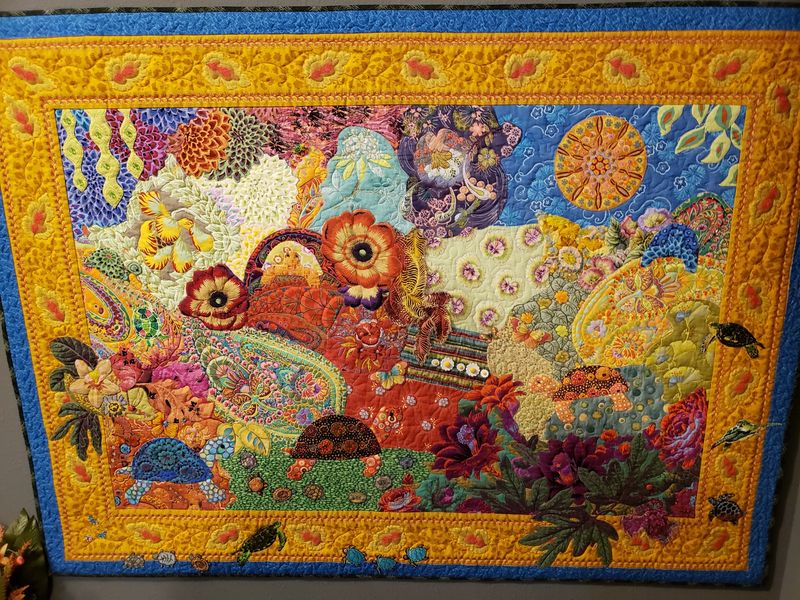
Geography class would’ve been more fun with this quilt on the wall. Karen made a giant map of the United States out of fabric.
Each state is cut from material printed with its own state flower. That means 50 different floral pieces, all fitted together like a botanical puzzle.
Finding the right fabric for every state sounds like a scavenger hunt. Some flowers are common prints, while others must have taken real searching.
Of course, you’ll want to find Idaho first. The syringa is the state flower, so it’s fun to hunt for that small white bloom up near the top.
Kids tend to love this one because it turns into a game. Grown-ups often end up quizzing each other on which flower belongs to which state.
The quilt also shows Karen’s knack for blending skill with play. It’s precise enough to work as a map, yet playful enough to make you grin.
Pieces like this explain why the museum appeals beyond the quilting crowd. You don’t need to know a log cabin block from a nine-patch to enjoy it.
Just bring a little trivia energy. You’ll probably leave knowing a few new state flowers.
Dryer Lint Never Looked So Good
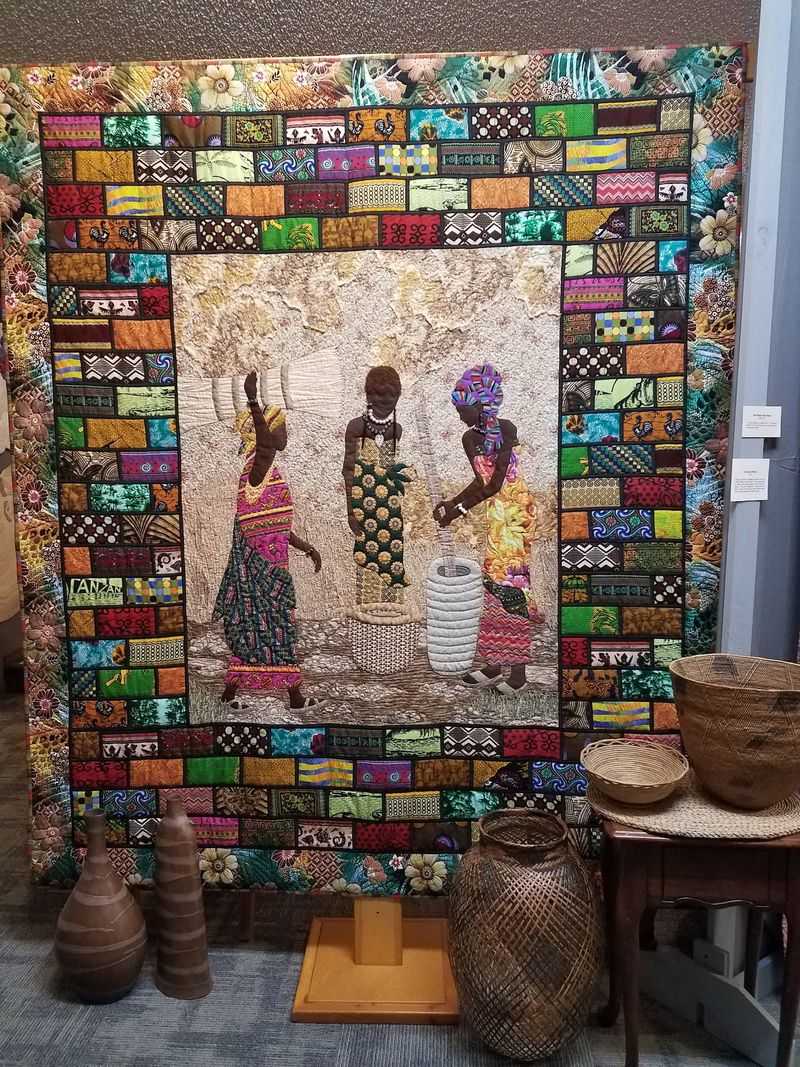
Most people toss dryer lint without a second thought. Karen saved hers and turned it into steam.
One of the collection’s most talked-about pieces shows an old black steam engine. The smoke billowing from its stack is made from dryer lint.
It’s a clever trick when you think about it. Lint is soft, gray, and fluffy, which is exactly how locomotive smoke looks drifting into the sky.
The quilt sums up Karen’s whole approach in one image. She looks at everyday materials and asks what else they could become.
Railroads carried Palouse grain out of these hills for generations. A steam engine quilt fits right into that farm-country story.
Up close, the texture is the real show. The lint gives the smoke a puffy, three-dimensional feel that flat fabric couldn’t match.
You may never look at your laundry room the same way again. Somewhere, a lint trap is quietly feeling underappreciated.
This is also a great piece to point out to younger visitors. Learning that art can come from household leftovers tends to stick with kids.
And it might inspire a craft project at home. Just warn the family before you start hoarding lint.
Fifty-Two Cards And Two Alphabets Worth Studying
Card players, this table is your moment. A long display holds 52 small quilts, each representing a card from a standard deck.
Every card gets its own creative image. Instead of plain hearts and spades, Karen designed little works of art for the whole set.
Walking the length of the table feels like dealing a very slow, very pretty hand. You’ll want to stop at each one and figure out the idea behind it.
Letters get the same treatment elsewhere in the museum. Karen made two separate alphabet quilts, interpreting every letter from A to Z.
Two alphabets might sound like overkill. Yet seeing how differently she handled the same 26 letters is half the fun.
These series pieces show a different side of her talent. They demand planning, consistency, and a steady supply of fresh ideas.
Coming up with 52 unique card designs takes serious imagination. Doing an alphabet twice suggests she simply wasn’t done playing.
Families with young readers will find plenty to talk about here. Spotting the letters, matching the cards, and guessing the themes can fill a good chunk of the visit.
Van Gogh Vibes And A Persian Rug Made Of Thread
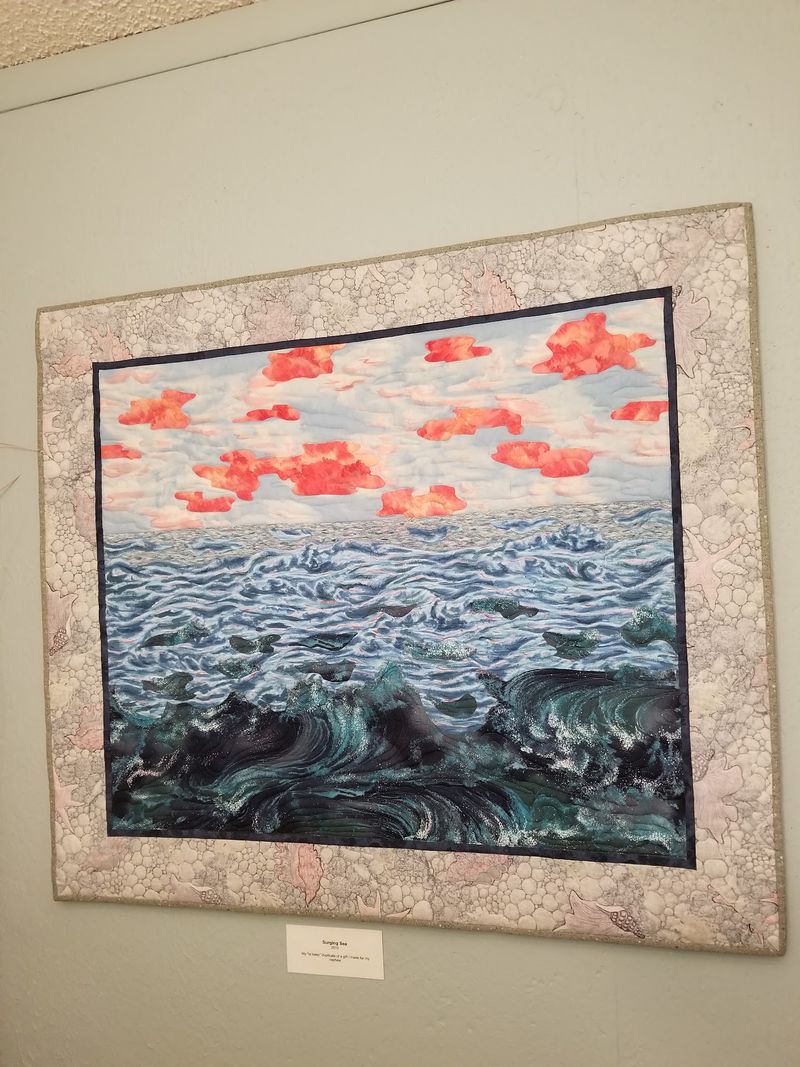
Swirling skies and bold strokes usually belong on canvas. Karen borrowed that energy for a quilt done in the style of Van Gogh.
It isn’t a copy of one of his paintings. Instead, she captured his look and feel with fabric and created an original scene.
That’s a tougher challenge than it sounds. Fabric doesn’t blend like paint, so every swirl has to be built from pieces and stitches.
Another quilt takes inspiration from a Persian rug. The intricate borders and repeating motifs translate surprisingly well into cloth.
Rugs and quilts are cousins in a way. Both are textiles meant to bring pattern and warmth into a home.
Seeing one craft imitate the other is a fun twist. It’s like watching a pianist play a guitar solo and nail it.
The range here is what catches people off guard. One wall leans painterly, the next leans ornamental, and the next might be pure whimsy.
Clowns, swans, classic dolls, and Palouse grain fields all show up too. If you came expecting rows of traditional bed quilts, prepare to adjust that picture.
Art lovers often find this room hard to leave.
Step Back And Watch A Portrait Come Into Focus
Some art rewards a closer look. One of Karen’s portraits works best when you back away.
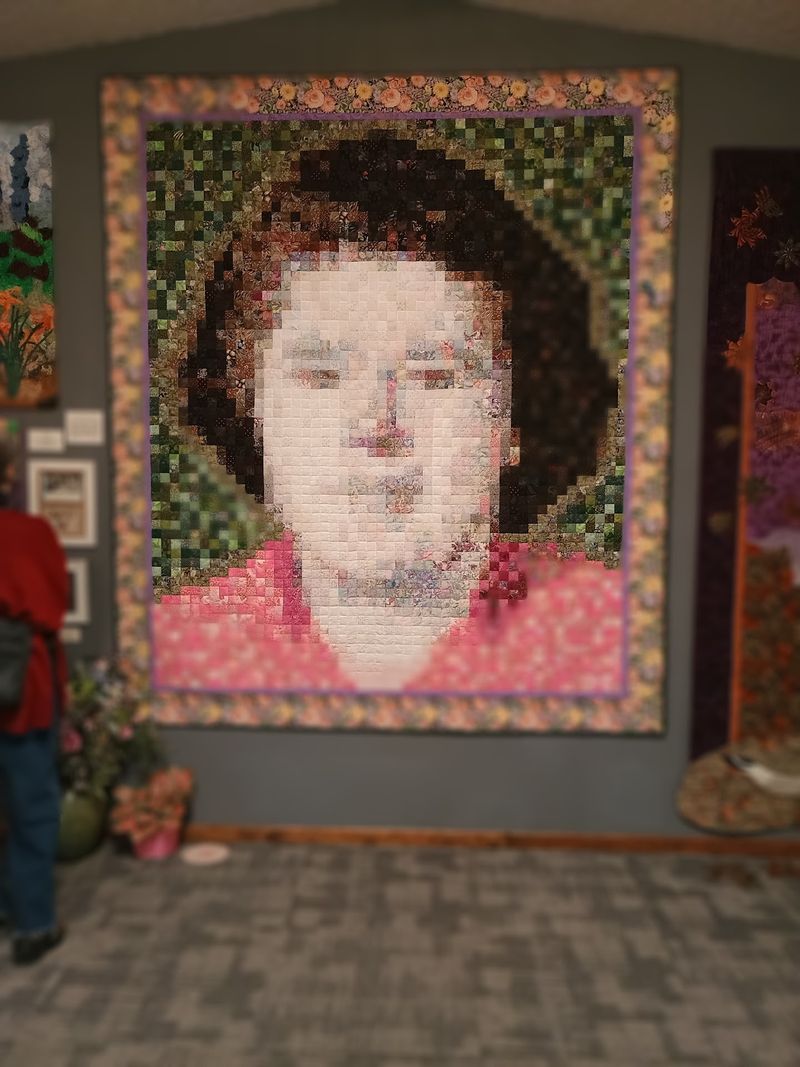
She made a likeness of her mother using one-inch squares of fabric. Up close, it looks like a grid of color blocks.
Take a few steps back, though, and the face sharpens. It’s an impressionist trick done entirely with cloth, and it feels a bit like magic.
The piece also carries an obvious tenderness. Spending that many hours on a mother’s face says plenty without a single word.
Across the room, Lady Liberty makes a strong appearance. Karen’s Statue of Liberty quilt uses fabric to create the look of a solid, three-dimensional figure.
Getting folds, shadows, and depth from flat material takes real skill. The result shows how far quilting can stretch beyond geometric blocks.
Faith shows up in the collection as well. One quilt depicts Christ in the Garden of Gethsemane, surrounded by Christian symbols.
Together, these pieces reveal the emotional side of the museum. Not everything is a clever joke, and some quilts are quietly moving.
Plan a pause here. These works deserve a slower look.
Go Ahead And Touch The Art Here
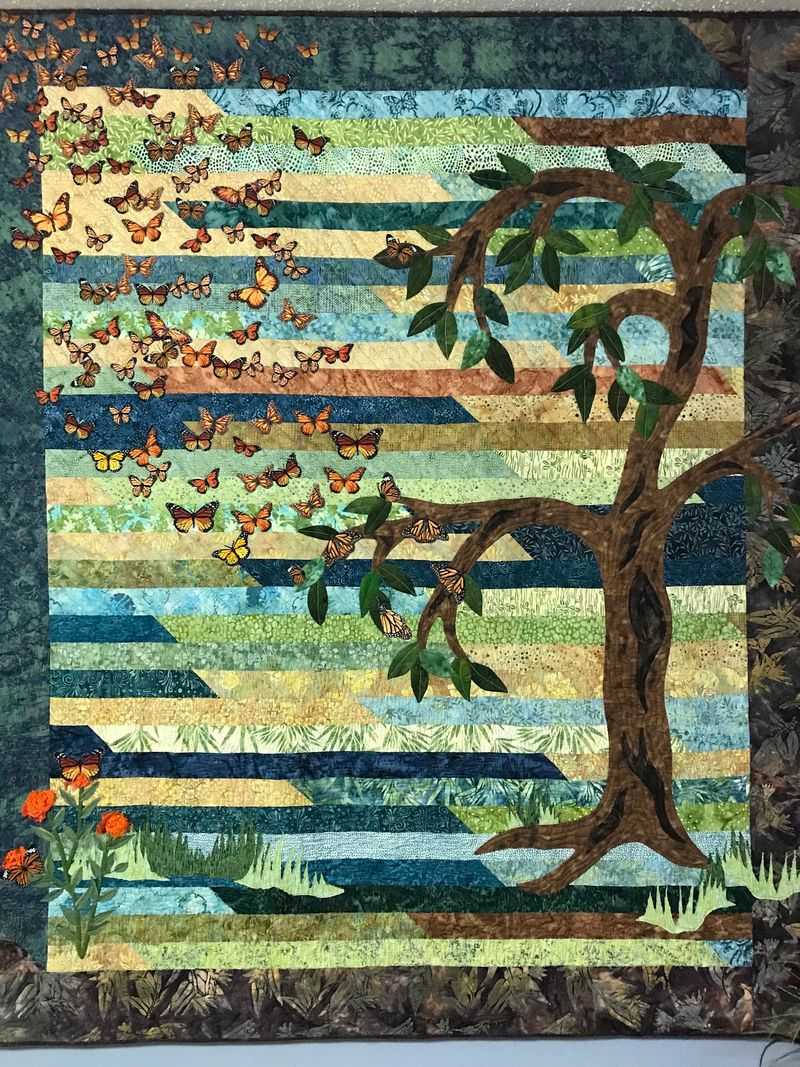
Most museums keep you a polite distance from the art. At Kascha Quilts, Karen encourages visitors to feel the fabrics.
That changes the whole experience. You can run your fingers over embroidery, stitching, and textures that photos can’t capture.
Quilts were always meant to be handled. Letting people touch them honors what they are, even when they hang on a wall.
Karen often hosts in person too. She’ll walk guests through the collection and share the stories, symbolism, and humor hidden in each piece.
Hearing the artist explain her own work is a rare treat. It’s like getting director’s commentary on a favorite movie.
Many quilts hold details you’d miss on your own. A quick explanation can reveal a joke, a family reference, or a clever technique tucked into the design.
Her energy is a big part of the visit. She’s spent her life in the area and clearly loves sharing her craft with others.
The hosting can’t be guaranteed every time, of course. Still, chances are good you’ll meet the woman behind the needle.
Bring questions. She has fifty years of answers stored up.
A Rotating Guest Wall And A Classroom Spirit
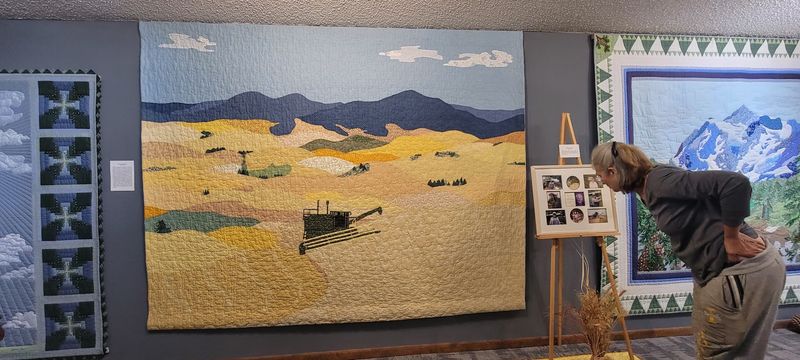
Even a one-artist museum makes room for friends. A special wall highlights featured guests from the surrounding area.
That display changes periodically. It gives other Palouse quilters a spotlight and gives returning visitors something new to see.
It’s a generous move from an artist with plenty of her own work to show. Karen clearly enjoys lifting up the wider quilting community.
Education sits at the heart of the non-profit, too. Kascha Quilts hosts field trips and educational activities for groups, including school classes.
Students have visited and joined in hands-on activities during their trips. For kids who mostly know screens, seeing art made from fabric can be eye-opening.
Plans have included quilting classes with local schools. The idea is for children to create themed miniature quilts inspired by books their teachers read.
Pairing stories with stitching is a clever way to teach both. Young readers get to turn a favorite book into something they can hold.
Teachers and group leaders should reach out ahead of time to arrange a visit. Out here in Idaho farm country, a field trip this creative doesn’t come along every day.
Your Game Plan For Reaching Genesee
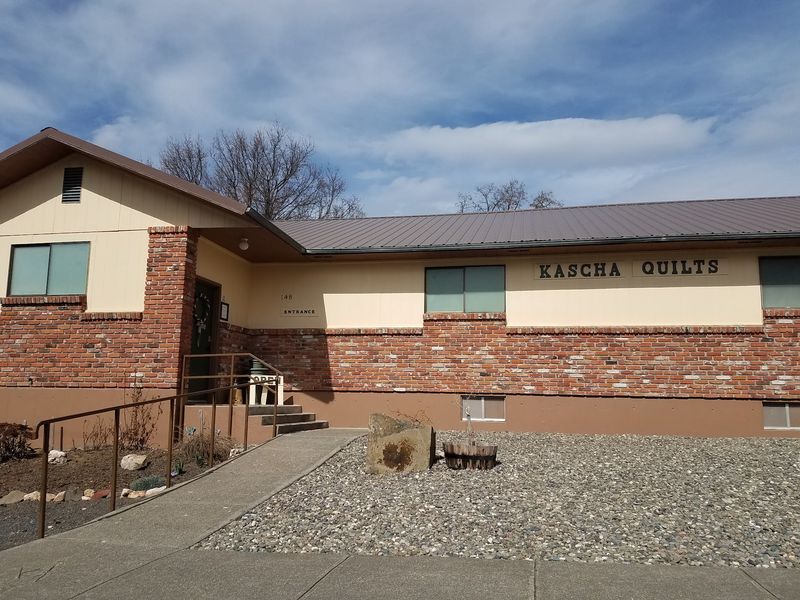
Finding the museum is easier than finding a matching thread color. Kascha Quilts sits at 148 E Ash Ave, Genesee, ID 83832, at the corner of Ash Avenue and Laurel Street.
Genesee lies roughly midway between Lewiston and Moscow. Watch for the Cow Creek Road turnoff, about 18 miles from Lewiston and 14 miles from Moscow.
That makes it an easy add-on for a north-central Idaho day trip. University of Idaho families visiting Moscow can swing by without much detour.
The museum keeps a short weekly schedule late in the week, plus visits by appointment. Hours can shift, so check before driving.
Admission is free, which feels almost unfair given what’s inside. As a non-profit, the museum gladly accepts freewill donations to keep things running.
None of the quilts are for sale. Karen shares them purely for people to enjoy, so leave the checkbook idea at home.
Plan on stairs. There are a few steps into the first floor and a staircase down to the basement.
Give yourself at least a couple of hours. Many art lovers end up staying much longer than planned.
Why This Stop Earns A Spot On Your Palouse Calendar
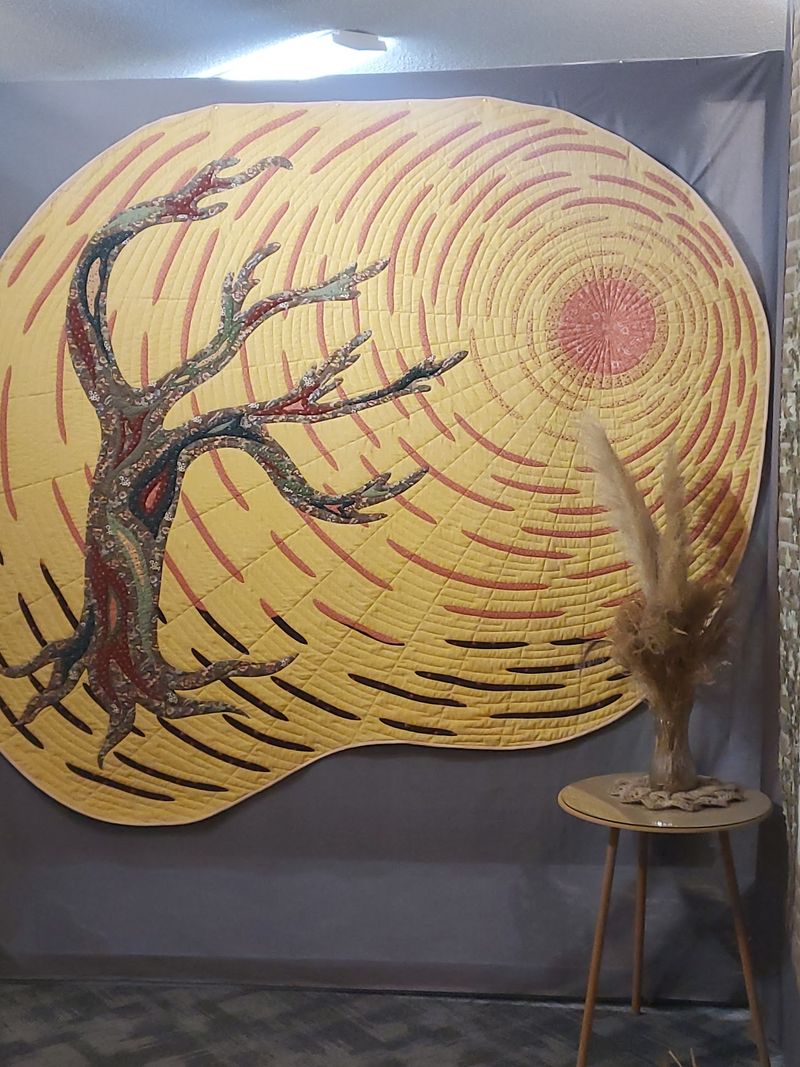
Big cities don’t have a monopoly on great art. Sometimes it’s hanging in an old lodge in a tiny wheat town.
Kascha Quilts proves that point in every room. One woman, fifty years, and hundreds of quilts add up to something you won’t find anywhere else in Idaho.
The appeal stretches well past the quilting crowd. Art fans, history buffs, curious kids, and road trippers all find something to talk about.
Maybe it’s the dryer lint smoke or the portrait that sharpens from across the room. Maybe it’s the card table, the alphabets, or the quilts waiting in the bathrooms.
For many, the highlight is Karen herself. Meeting the artist and hearing her stories turns a museum stop into a real connection.
Free admission makes it an easy yes for families and retirees. A donation in the jar is a nice way to say thanks.
One visit probably won’t cover it all. The collection is big enough that a second trip will turn up pieces you somehow missed.
So check the schedule and point the car toward Genesee. The Palouse hills will set the mood on the way in.