Moose Wander Down Into Idaho River Bottoms As Willows Drop Their Leaves This Month
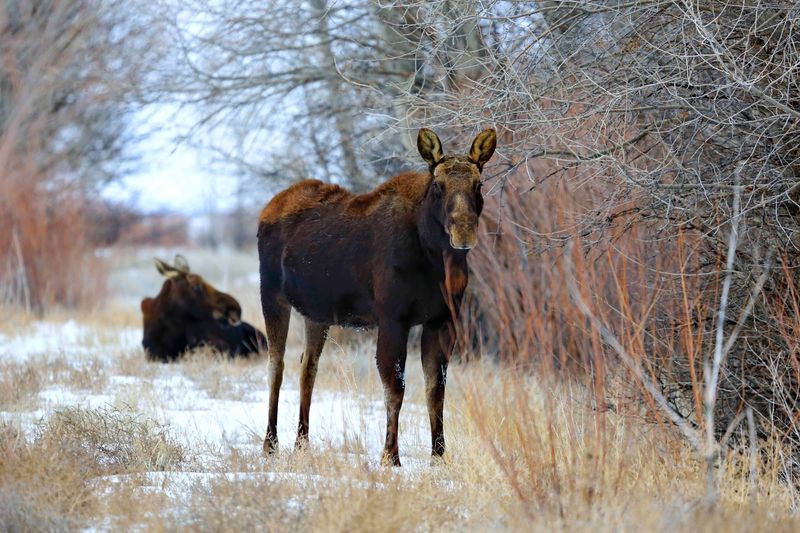
The word moose comes from an Algonquian term that means twig eater. Honestly, I love that the name is basically a menu.
And right now, that menu is changing across Idaho.
An adult moose can eat 40 to 50 pounds of plants a day. In summer, a lot of that is willow leaves.
Once the leaves turn gold and fall, moose switch to chewing willow twigs instead.
Snow also starts piling up in the high country. That pushes moose down into lower drainages, valley floors, and river bottoms.
Thick willow patches near water become the best buffet in town.
That timing makes this one of the easiest windows of the year to spot a moose. I can’t think of a better reason to grab a thermos and binoculars.
So where should you actually look?
1. Harriman State Park
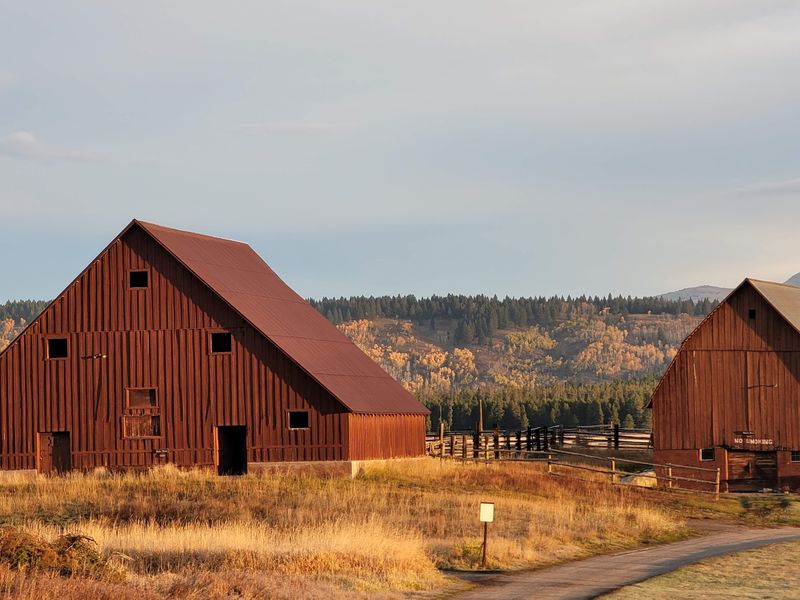
Old ranch country makes a fine moose lounge. Harriman State Park sits on the former Railroad Ranch along the Henry’s Fork of the Snake River.
The river winds through open meadows lined with willows. That mix of water and shrubs is exactly what a hungry moose wants when the leaves drop.
You’re in eastern Idaho’s Island Park country here, near the Yellowstone border. Snow arrives early at this elevation, so plan your trip around the weather.
The park also serves as a wildlife refuge, which means animals get room to roam. Trumpeter swans spend winters on the river too, so bring a long lens.
Trails here follow the river and loop through meadows and forest. Many become cross-country ski and snowshoe routes once winter settles over the ranch.
Keep your distance from any moose you spot. They look calm while munching, but they can charge quickly if they feel crowded.
Check road and trail conditions before driving up from Ashton or Rexburg. A parking pass is required, so have that sorted before you go.
The historic ranch buildings make a nice backdrop for photos. A moose in front of them would be a pretty great bonus.
Address: 3489 Green Canyon Road, Island Park, ID 83429
2. Kootenai National Wildlife Refuge
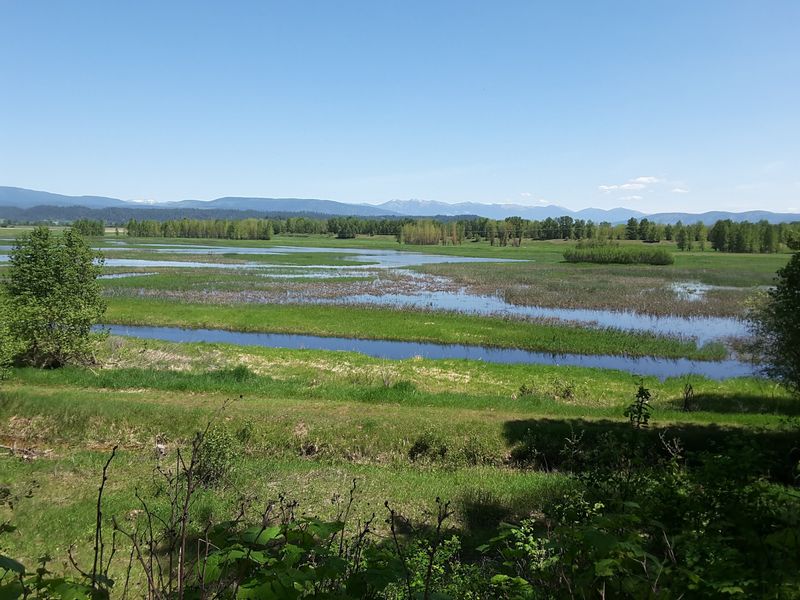
Up in the Panhandle, the Kootenai River valley does flat ground the way the Selkirks do peaks. Kootenai National Wildlife Refuge was established in 1964 on that valley floor.
The refuge covers about 2,774 acres west of Bonners Ferry. Wetlands, meadows, and forest edges pack a lot of habitat into a small space.
Moose use the refuge, and willow thickets near the ponds are worth scanning. Look low and slow, since a dark moose against bare branches can blend in surprisingly well.
A roughly 4.5-mile auto tour route loops through the refuge. Your car works as a handy wildlife blind, which keeps both you and the animals comfortable.
Short walking trails branch off from the route too. Myrtle Falls is a quick favorite if you want to stretch your legs.
Fall also brings migrating waterfowl through the valley. So even on a moose-free afternoon, the trip rarely feels empty.
The Selkirk Mountains rise right behind the wetlands. Snow on those peaks is a good hint that moose are heading downhill.
Dress in layers, since North Idaho mornings can turn chilly fast. Check refuge conditions before you go.
Address: 287 Westside Road, Bonners Ferry, ID 83805
3. Camas National Wildlife Refuge
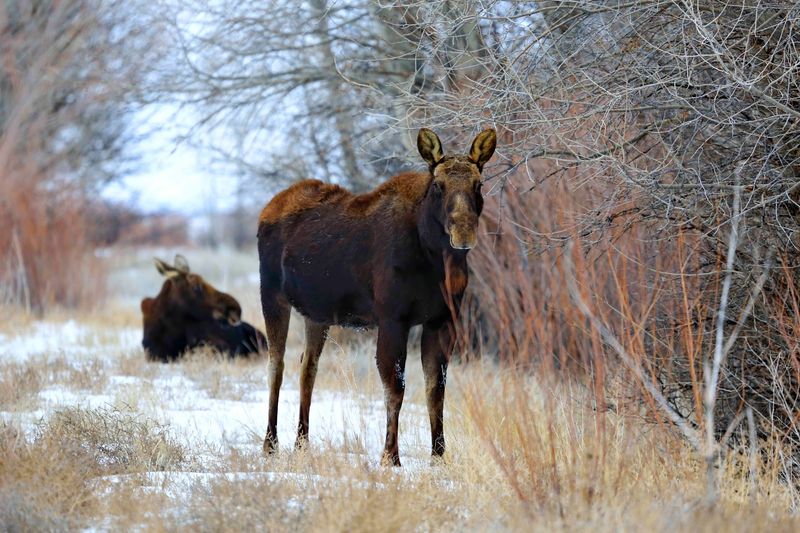
Out on the Snake River Plain, a strip of green along a creek is a big deal. Camas National Wildlife Refuge has been protecting that kind of habitat since 1937.
The refuge covers about 10,578 acres near Hamer, north of Idaho Falls. Camas Creek runs through it, feeding lakes, ponds, and marshes.
Willows and cottonwoods line parts of the creek. In a landscape of sagebrush and farmland, that shrub cover pulls in wildlife from miles around.
Moose are among the animals that use the refuge. Scan the creek corridors early or late in the day for your best shot.
The refuge is famous with birders for waterfowl and other migrants. Fall migration lines up nicely with willow season, so double up your checklist.
A gravel road route lets you tour much of the refuge by car. That’s a nice perk when the wind kicks up across the plain.
It’s an easy detour from Interstate 15. Pack snacks, because services are limited out here.
Watch for seasonal closures in certain areas. A quick check before driving saves you a surprise gate.
Address: 2150 E 2350 N, Hamer, ID 83425
4. Grays Lake National Wildlife Refuge
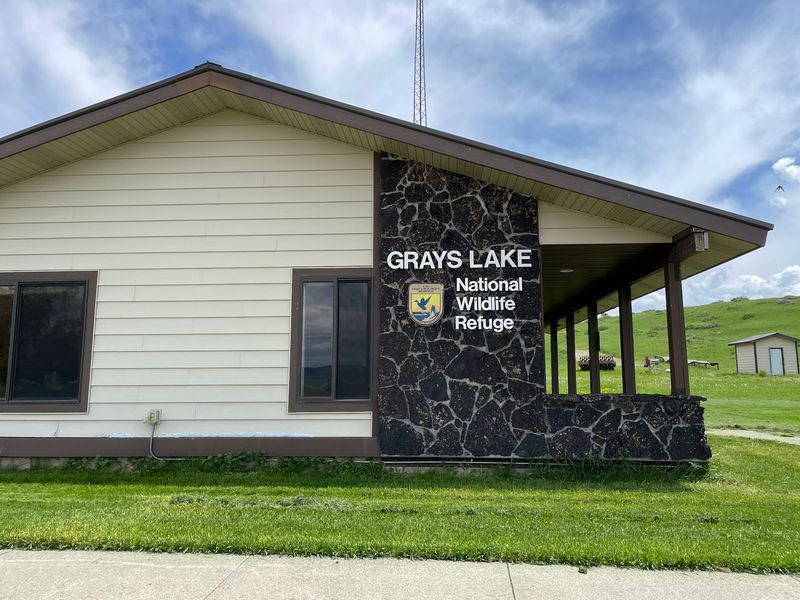
Ever seen a marsh so big it holds a record? Grays Lake National Wildlife Refuge protects the largest hardstem bulrush marsh in North America.
The refuge sits in a high mountain valley in southeast Idaho, north of Soda Springs. Its elevation means fall arrives early and snow follows close behind.
Sandhill cranes made this place famous, since a large breeding population nests here. By late fall, though, many of those cranes have flown south.
That’s when you can shift your attention to the edges. Willow patches along the marsh and nearby creeks are prime moose browsing ground.
The visitor center area offers views across the wetland. Bring binoculars, because the marsh stretches far into the distance.
Roads around the valley give you different angles on the habitat. Drive slowly and pull fully off the road before stopping to look.
Weather here can turn quickly as the season changes. Check road conditions before heading up, especially once snow starts.
The views of the Caribou Range help too. Even a quiet day still comes with a big landscape.
Address: 74 Grays Lake Road, Wayan, ID 83285
5. Ponderosa State Park
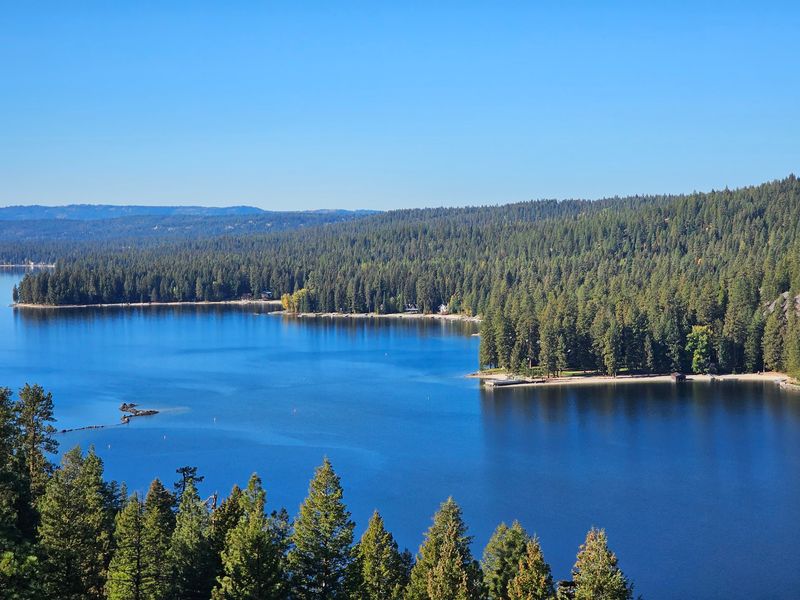
McCall gets a lot of attention for its lake, but the moose seem to like the soggy bits. Ponderosa State Park sits on a peninsula jutting into Payette Lake.
The park covers roughly 1,000 acres of forest, meadow, and wetland. Big ponderosa pines give the park its name.
Marshy areas and willow-lined spots offer good browse. Moose sightings in and around McCall are common enough that the town treats them like neighbors.
A scenic road and trails lead toward the tip of the peninsula. Lake views open up along the way, and some stretches overlook marshland.
Fall brings golden willows and quieter trails after summer crowds leave. Winter turns the park into a spot for cross-country skiing and snowshoeing.
Give moose plenty of room on trails, especially with dogs along. A startled moose can react quickly.
West Central Idaho’s mountains surround the area, and snow comes early. Check conditions before driving Highway 55 north from the Treasure Valley.
A motor vehicle entry fee applies here. Grab your pass, then take your time scanning the wet edges.
Address: 1920 N Davis Avenue, McCall, ID 83638
6. Farragut State Park
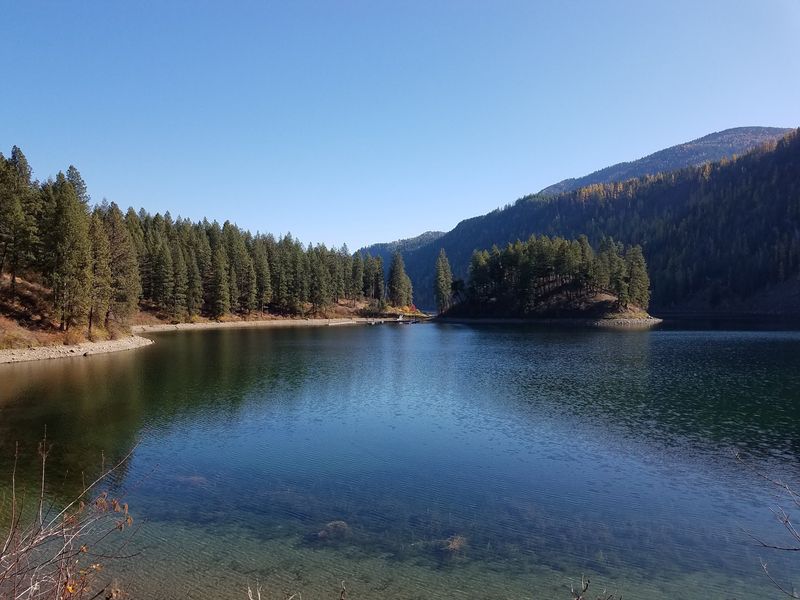
A World War II training base might seem like an odd place for moose. Farragut State Park sits on land that once held the Farragut Naval Training Station.
The park stretches along the southern tip of Lake Pend Oreille, Idaho’s largest lake. It covers roughly 4,000 acres of forest and shoreline.
Moose roam this part of the Panhandle, and the park sees them regularly. Wetter low spots and brushy edges are worth a careful look.
A museum in the old brig shares the base’s history. It’s a fun stop for anyone who likes a side of history with their wildlife watching.
Miles of trails wind through the woods. Some are open to hiking, biking, and horseback riding, depending on the season.
Fall paints the forest edges in gold as leaves drop. That thinning cover can make spotting a moose a little easier.
Keep a respectful distance and never approach for a photo. A zoom lens is your best friend here.
The park sits near Athol, a short drive from Coeur d’Alene. Check seasonal access before heading out.
Address: 13550 E Highway 54, Athol, ID 83801
7. Heyburn State Park
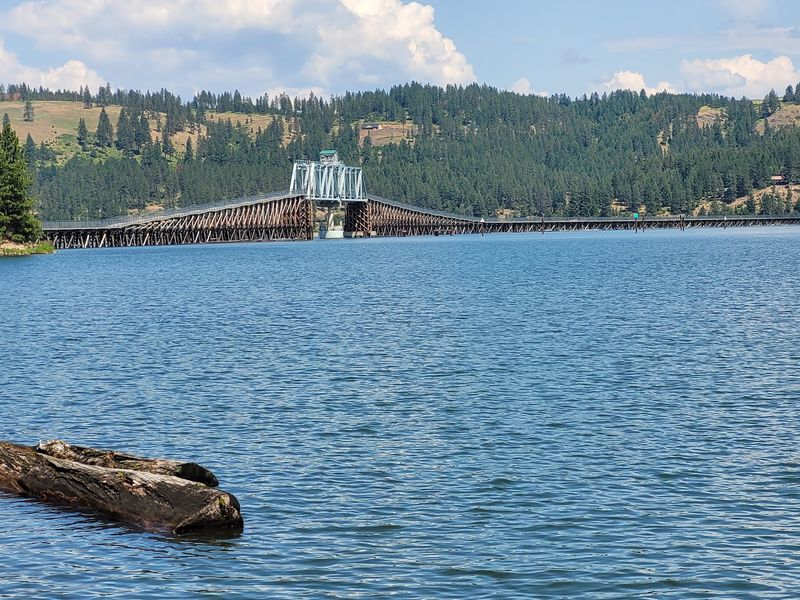
Bragging rights come easy here. Heyburn State Park, founded in 1908, is the oldest state park in the Pacific Northwest.
It wraps around Chatcolet Lake and parts of the southern end of Lake Coeur d’Alene. The St. Joe River area nearby adds even more wet, brushy ground.
Those marshes and shorelines make solid moose habitat. Willow and shrub edges along the water are where your binoculars should linger.
The Trail of the Coeur d’Alenes runs through the park. That paved trail crosses the water on a long bridge with wide views.
Walking or biking a section lets you scan wetlands from a safe distance. Just remember the trail is shared, so pull aside before stopping.
The park sits within the Coeur d’Alene Reservation near Plummer. It’s a scenic drive south from the city of Coeur d’Alene.
Cooler months bring quieter trails. That calm can work in your favor when wildlife is moving.
Bring layers and check conditions before driving. North Idaho weather loves a plot twist.
Address: 57 Chatcolet Road, Plummer, ID 83851
8. Mesa Falls Scenic Byway
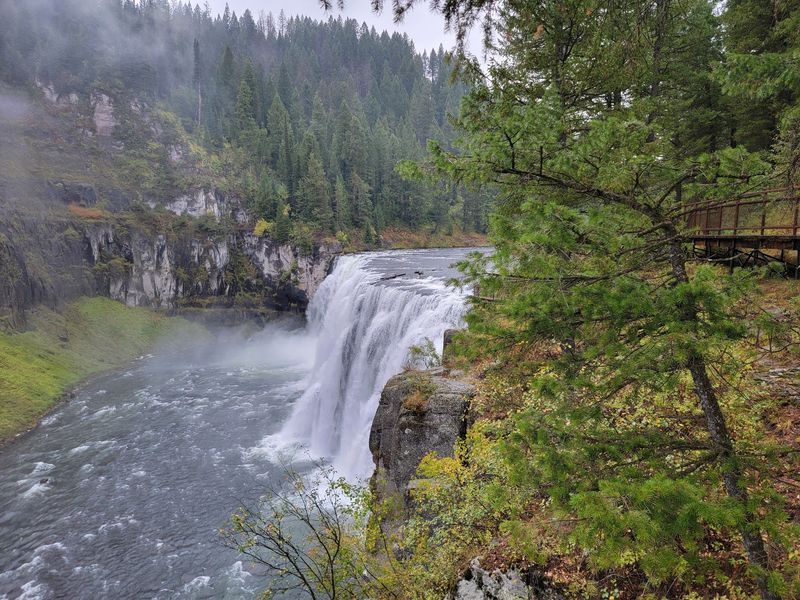
Sometimes the best moose spot is the road between two other moose spots. The Mesa Falls Scenic Byway follows Highway 47 between Ashton and Island Park.
The route runs along the Henry’s Fork through the Caribou-Targhee National Forest. Forest, river corridors, and meadows line much of the drive.
Its main stop is Upper Mesa Falls, where the Henry’s Fork drops more than 100 feet. Boardwalks lead to viewpoints near the falls.
Big Falls Inn, a historic building at the site, serves as a visitor center. Seasonal hours apply, so check ahead.
Moose cross roads in this part of eastern Idaho. Drive slowly, especially near dawn and dusk.
Willow pockets along creeks and wet meadows deserve a second look. A dark shape that doesn’t move like a stump probably isn’t one.
Parts of the byway close or become snowmobile routes in winter. That makes late fall a sweet window before the snow takes over.
Pair it with a stop at Harriman for a full moose loop. Your thermos will thank you.
Address: Upper Mesa Falls, Highway 47, Ashton, ID 83420