Idaho Is Home To The Only Place In North America Where Visitors Pick Up Six-Sided Opal-Like Hexagons Called Emerald Creek Garnets
A gemstone found in only two places on Earth sits in gravel piles in the Idaho woods, and you’re allowed to sift for it yourself. The other known source is in India.
That’s quite a commute if you miss this one.
The stones are star garnets. Cut and polished the right way, many show a glowing star that floats across the surface.
Some rough crystals grow as big as golf balls.
Nobody hands you a souvenir from a gift shop here. You scoop the dirt, shake the screen, and rinse the rocks in cold water.
Then a deep red gem winks back at you from the mud.
I like how the payoff depends entirely on your own two hands. I can’t think of a better way to spend a summer morning in the forest.
So where exactly is this dirt pile of dreams?
A Forest Service Dig Site Deep In The Panhandle Woods
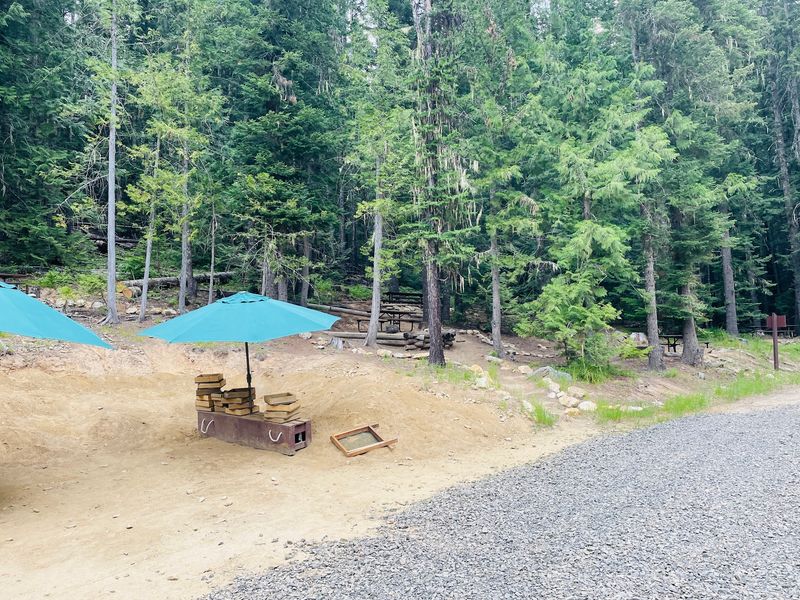
Rockhounds, grab your buckets. The Emerald Creek Garnet Area is a U.S.
Forest Service site inside the Idaho Panhandle National Forests.
It sits in Benewah County, between the small towns of Clarkia and St. Maries. That puts it in quiet North Idaho timber country, far from any city traffic.
The concept is wonderfully simple. You show up, work through garnet-bearing gravel, and keep what you find within the daily limit.
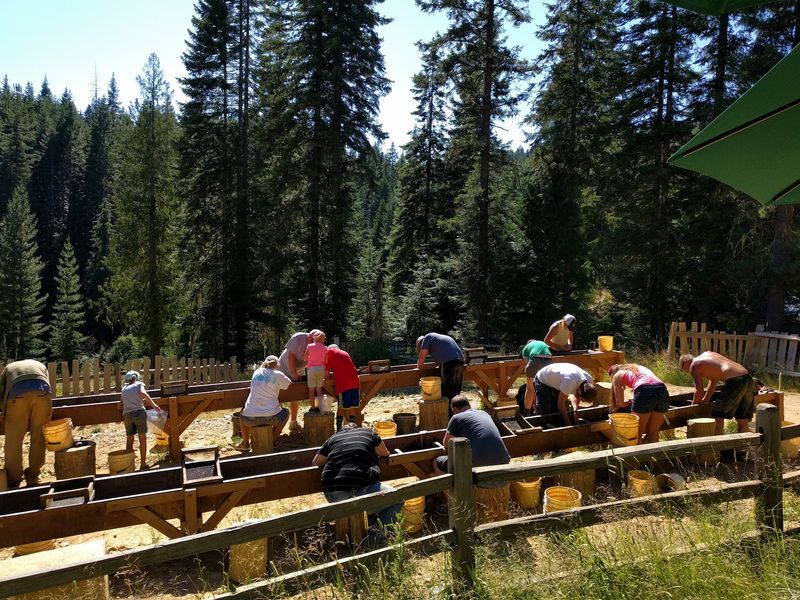
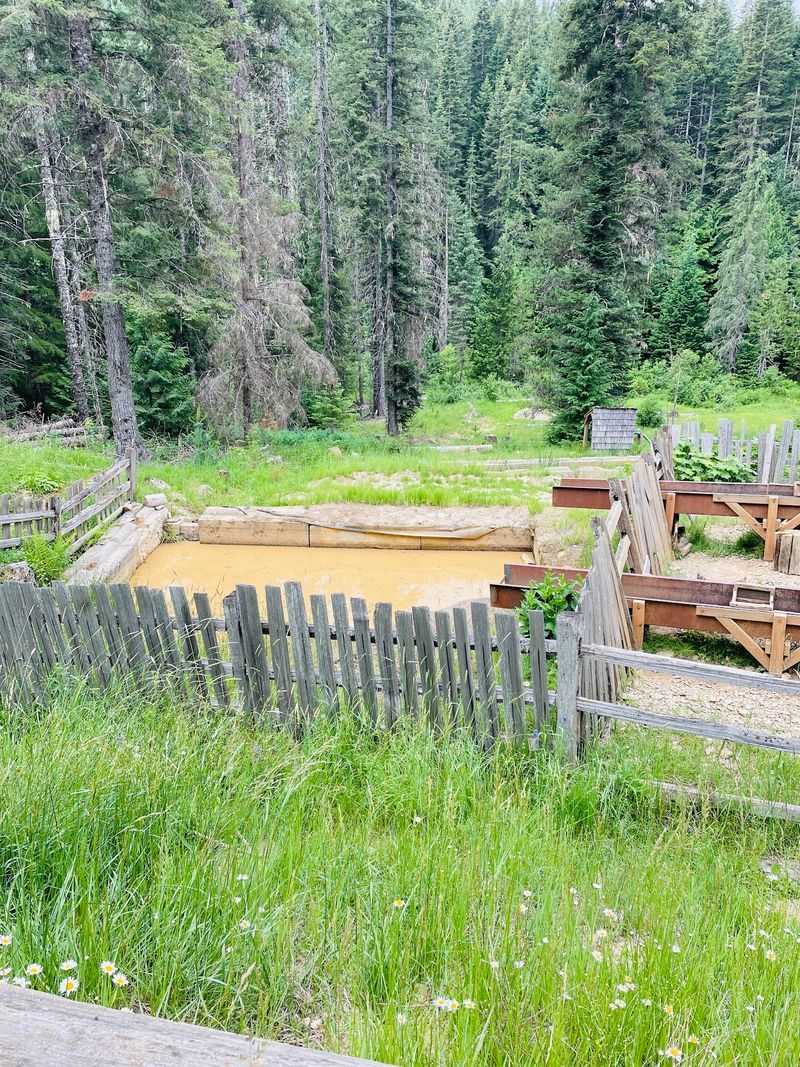
Rangers run the whole operation, so nobody is scrambling along a creek bank. Everything happens at a managed sluicing area built for public collecting.
The headliner is the star garnet, Idaho’s official state gem. Forest Service and tourism sources describe this area as one of just two places on Earth where these stones turn up.
I love that a national forest doubles as a public treasure chest. It feels like the kind of place every Idaho kid should get to brag about at least once.
The season is short and the permits are limited. Planning ahead matters more here than at almost any other day trip in the state.
Only India Shares This Particular Bragging Right
India holds the only other significant deposit of star garnets on the planet. Idaho holds the one you can reach with a tank of gas.
That rarity is the whole reason people drive these winding forest roads. A regular garnet is pretty, but a star garnet carries a secret inside.
The secret has a name, and it’s asterism. Tiny needle-like inclusions inside the stone catch the light and bounce it back in a star pattern.
The effect depends on the cut. When a skilled lapidarist shapes the stone into a smooth dome called a cabochon, a four-rayed or six-rayed star can appear.
Those six-rayed stars are probably where the famous six-sided reputation comes from. The rough crystals themselves actually have far more than six faces, which the next section covers.
Either way, the glow is the reward for patience. Raw garnets from the sluice won’t show the star until someone cuts and polishes them.
So think of each find as a sealed envelope. You won’t know what’s written inside until it meets a lapidary wheel.
Twelve Sides, Twenty-Four Sides, And A Lot Of Red
Geometry class finally pays off. The rough garnets here often form as 12-sided dodecahedrons or 24-sided trapezohedrons.
Hold one up and the faces look almost machined. Nature did that work long before anyone thought of a sluice box.
Size varies a lot. Finds range from tiny grains to crystals larger than a golf ball, so every screen is a small lottery ticket.
Color ranges from deep red to purplish tones. Even uncut, a clean crystal can look like a drop of dark huckleberry jam frozen in stone.
Don’t expect sparkle straight out of the gravel, though. Many rough stones look dull and dusty until they’re washed and examined closely.
Rangers on site show newcomers what to look for. That quick lesson makes it much easier to spot a garnet among ordinary pebbles.
You’ll also notice other rocks in the mix, including shiny flakes of schist. They make a nice bonus for young collectors who like anything that glitters.
Bring a small container for the keepers. Those angular little crystals have a habit of vanishing into jacket pockets and car seats.
An Official State Gem With Billion-Year Roots
Lawmakers made it official in 1967. That year, the star garnet became Idaho’s state gem, and the Emerald Creek area is its home turf.
Interest in the garnets here goes back to the 1930s. Commercial and public curiosity has kept the area busy ever since.
The real backstory is far older. The garnets formed in Precambrian metamorphic rocks of the Belt Supergroup, roughly 1.4 to 1.5 billion years ago.
Heat and pressure did the slow work. Over time, erosion freed the crystals and washed them into the creek gravels where people now find them.
That timeline is a little dizzying. The stone in your bucket is older than nearly anything else you’ll touch all summer.
I believe that’s what makes the trip feel bigger than a typical outing. You’re not just collecting a pretty rock, you’re holding a slice of deep Idaho history.
It’s a great talking point for curious kids. Few science lessons come with a souvenir they dug up themselves.
Why Nobody Digs In The Creek Anymore
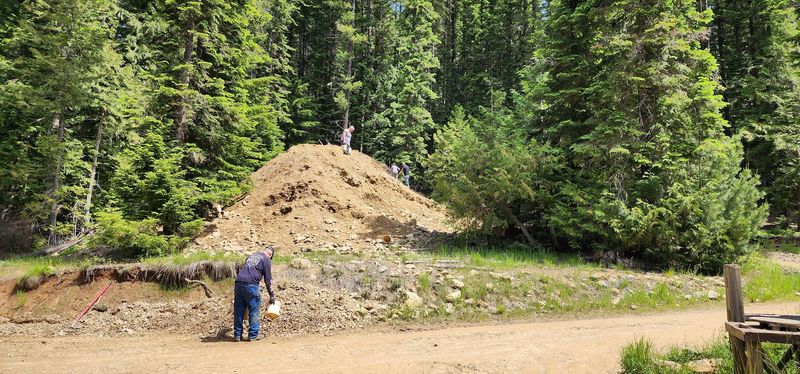
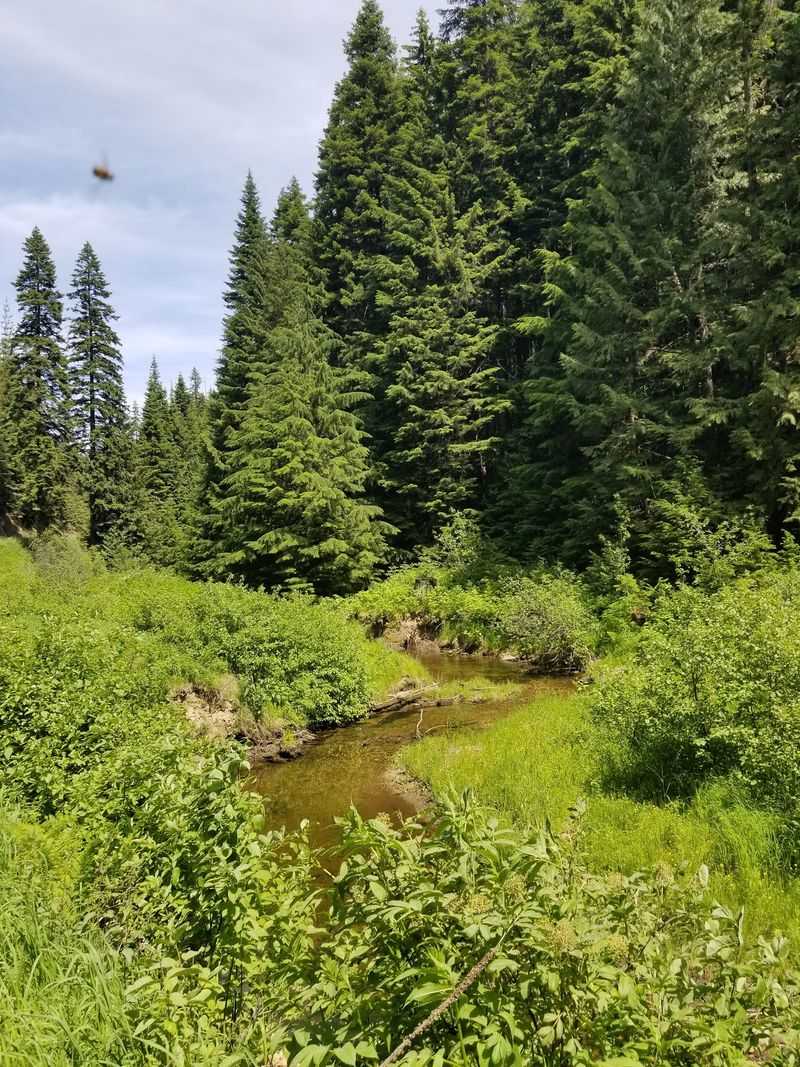
Old-timers may remember digging right in the creek bed. Those days are over, and for good reasons.
The U.S. Forest Service changed the system to protect water quality and aquatic habitat.
Public safety played a part in the decision too.
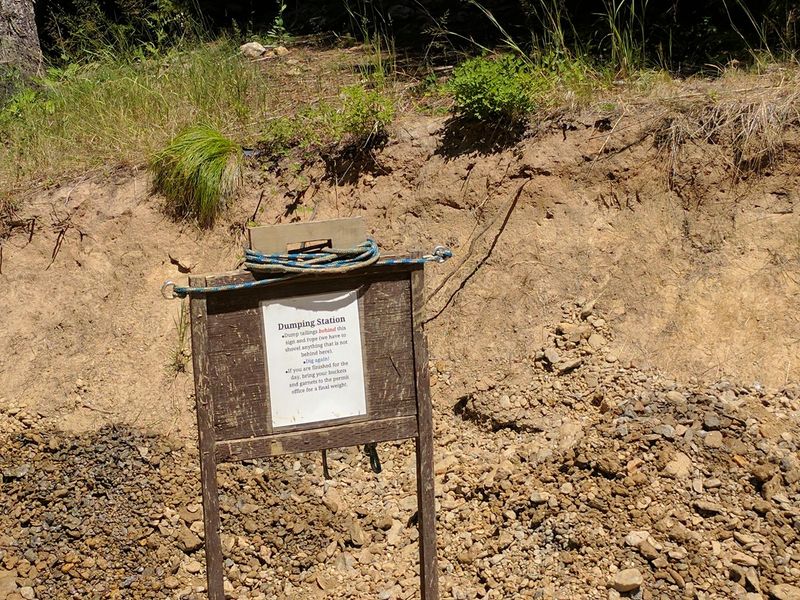
Now the Forest Service hauls in stockpiles of garnet-bearing gravel. Visitors work from those piles instead of tearing up the stream banks.
It sounds less romantic, but it works. The material is the same native gravel, just moved to a spot where everyone can reach it safely.
A quick tip helps here. Stick to the designated pile and stay out of the walls or edges of the dig area.
The gravel can be dry and dusty in late summer or sticky with clay after rain. Either way, expect your arms to get a real workout.
I like how the setup keeps Emerald Creek itself clean for the fish and wildlife. The garnets get shared, and the stream gets a break.
It’s a fair trade for a hobby that thrives on dirt.
Scoop, Shake, Rinse, Repeat
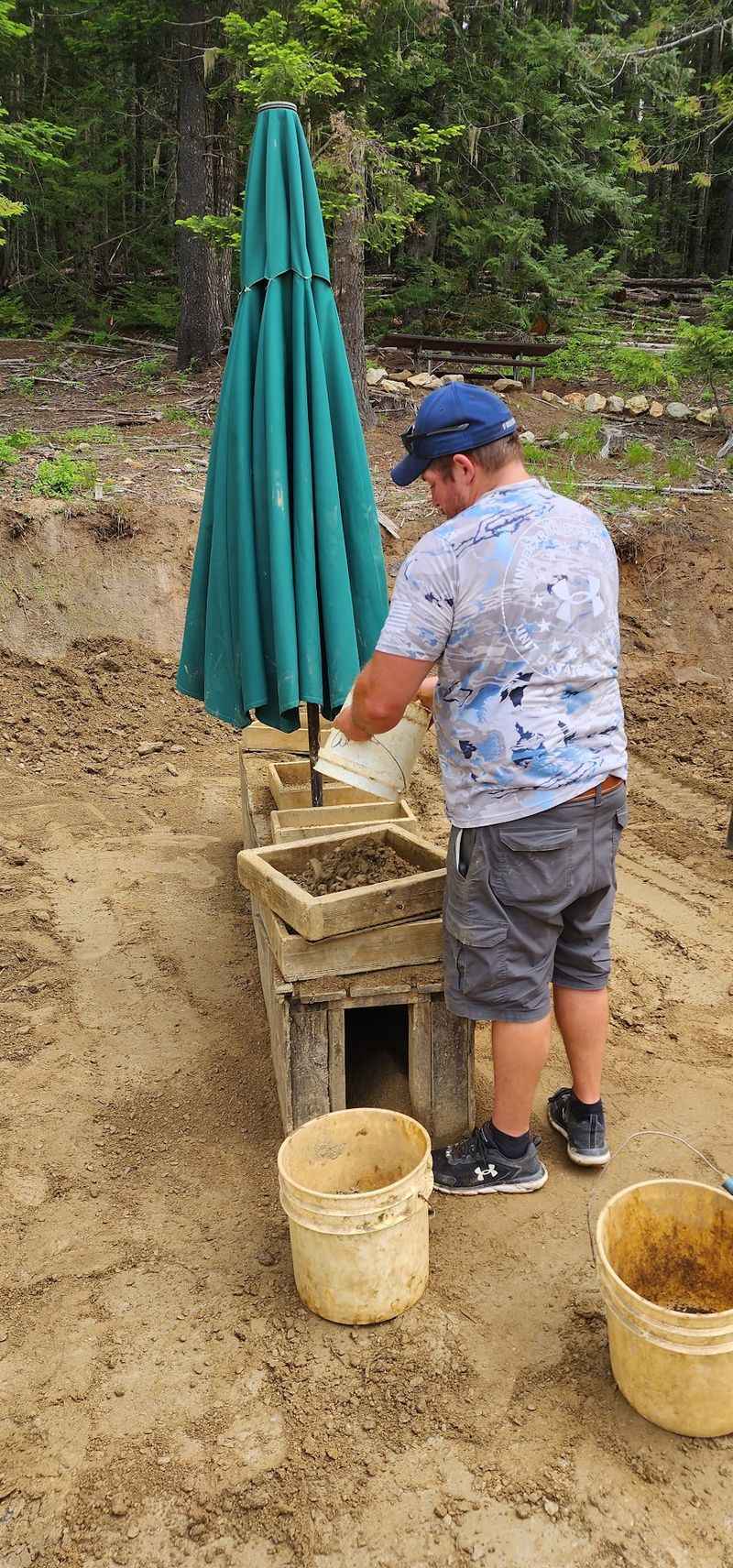
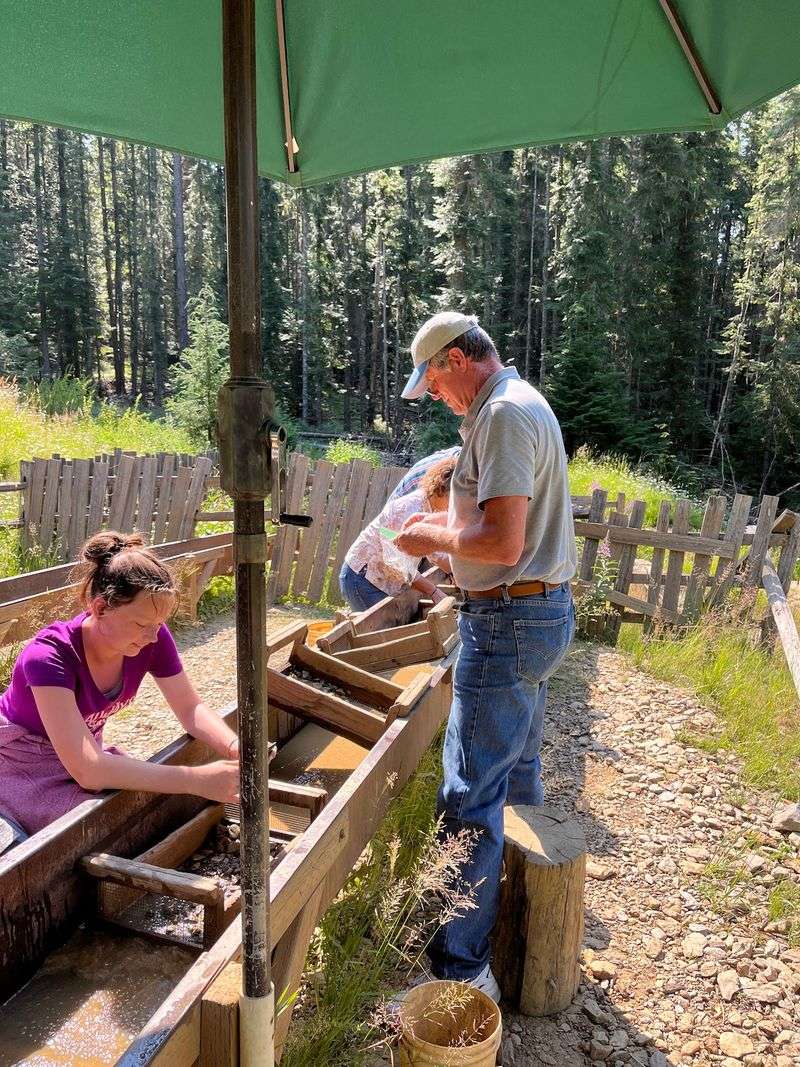
Here’s the rhythm in a nutshell. Fill a bucket from the pile, shake out the loose dirt, then rinse what’s left in running water.
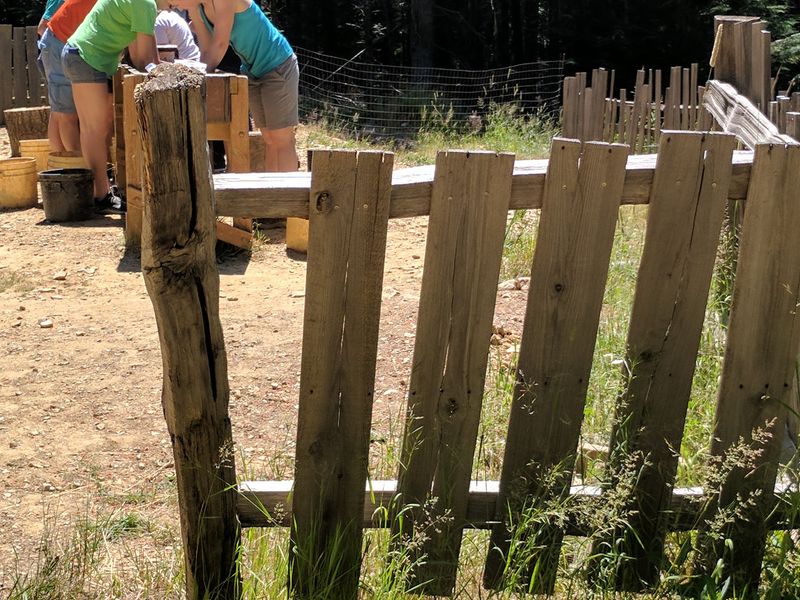
The Forest Service provides the buckets and screens. You don’t need to haul your own shovels or homemade sifters into the forest.
The washing happens at sluice boxes on site. Water clears away the mud so dark garnets stand out against lighter rocks.
Then comes the fun part. You pick through the wet gravel and pluck out anything red, purple, or suspiciously angular.
Shade umbrellas sit over the sifting and sluicing areas. That relief matters when the summer sun hits the top of the hill.
The water is cold, so thin gloves are a smart idea. Your fingertips will thank you after a few rounds.
A spoon or small scoop helps you comb through the screen. It saves your hands from scraping through sharp gravel for hours.
Expect to repeat the cycle many times. The process is simple, satisfying, and a little addictive once the first garnet shows up.
Two Pounds Of Treasure Is Plenty
Every permit holder can take home up to two pounds of garnet material per day. That’s more than most people manage in one session.
Two pounds might not sound like much. Picture a heavy coffee mug full of crystals, and it starts to feel generous.
The trick is deciding what to keep. Tiny grains add weight fast, so many collectors save the bigger, cleaner crystals.
What happens after the trip is up to you. Some people tumble their stones, while others look for a lapidarist who can cut a cabochon.
Cutting is where the star might appear. Not every stone will show one, so it pays to choose the clearest pieces you find.
Plenty of folks are happy with rough crystals in a jar. They make a cheerful shelf display and a great reminder of a summer day in Idaho.
Kids especially love sorting finds by size. A muffin tin turns into a museum case in about five minutes.
However you use them, these garnets come with a story attached.
Highway 3, A Forest Road, And A Short Uphill Hike
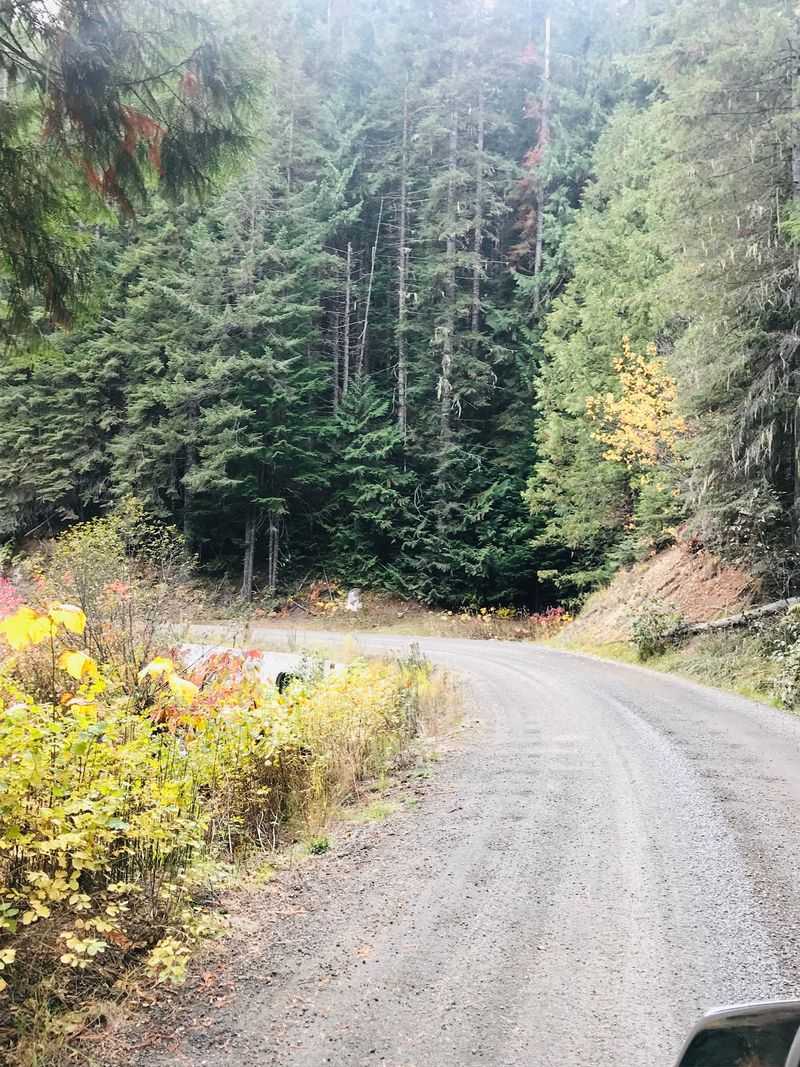
Directions start in St. Maries. Follow Idaho Highway 3 south for about 24 miles, then turn onto Forest Road 447.
The mapping address is Emerald Creek Rd, Fernwood, ID 83830. Forest Service directions are worth printing, since this stretch of the Panhandle is remote.
Cell service fades well before you arrive. Don’t count on your phone to rescue you from a wrong turn.
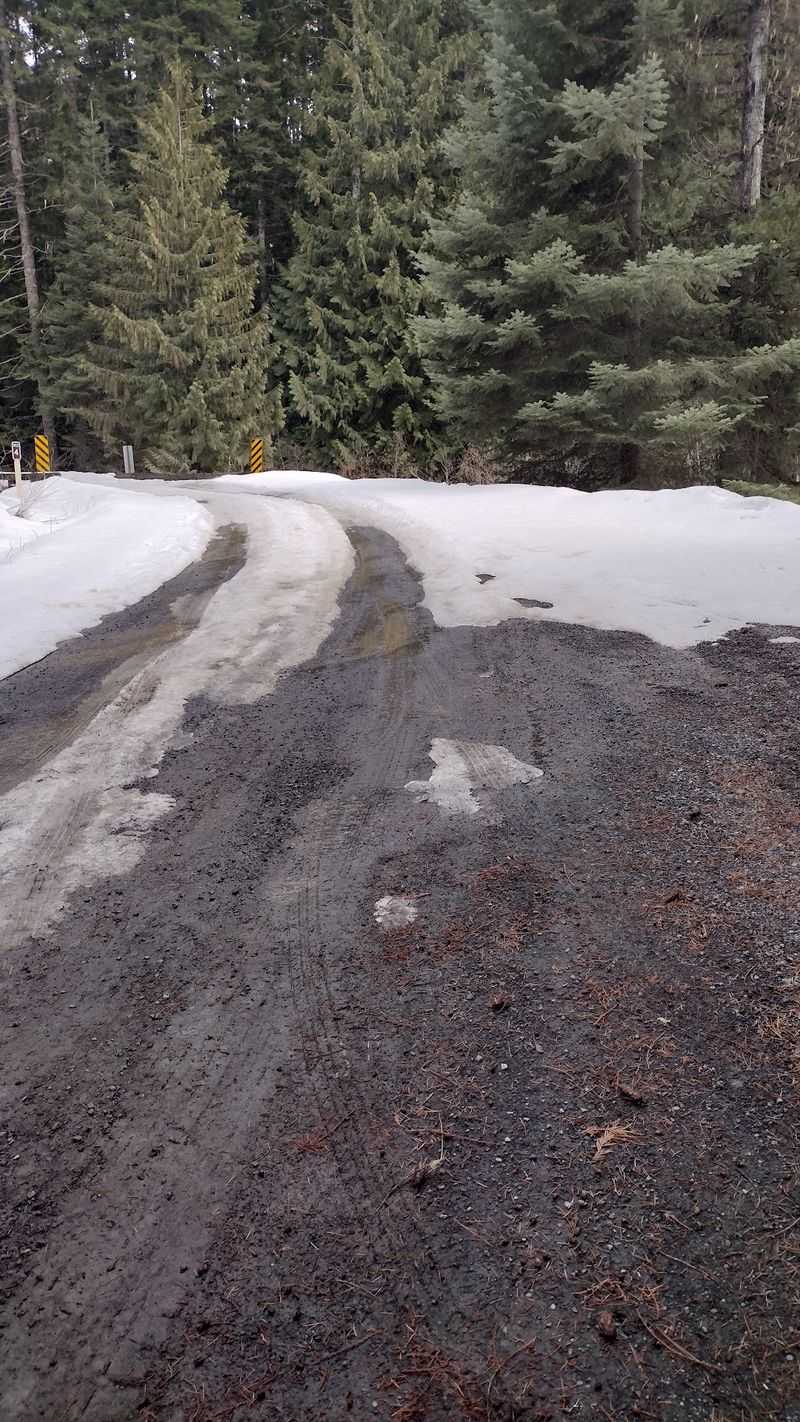
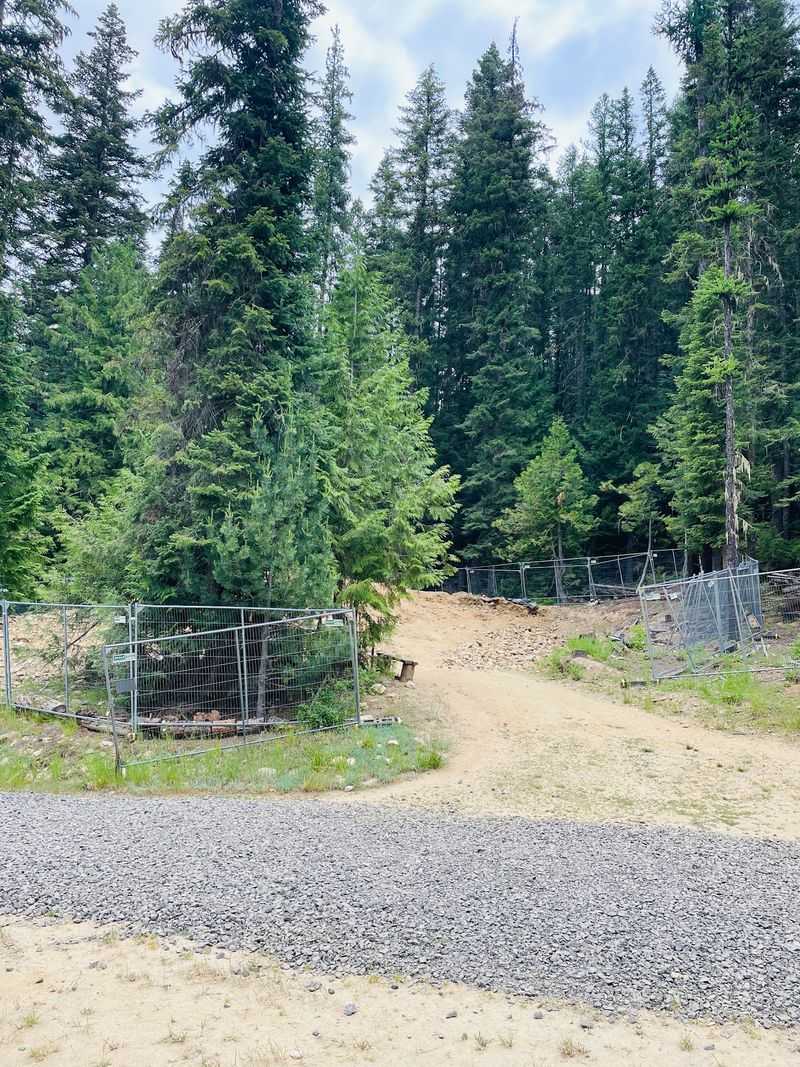
After parking, there’s one more step. A half-mile walk up a gated access road leads to the check-in and sluicing area.
The climb is uphill the whole way, but it’s short. Wildflowers can line the route in early summer, which makes the effort easier to forgive.
The best news comes later. After three hours of sifting, the return trip to the car is all downhill.
Anyone with mobility concerns should contact the ranger district before visiting. They can explain what access options are available on site.
Leave a little extra time for the drive. Forest roads reward patience more than speed.
Grandkids, Grown-Ups, And First-Time Rockhounds All Fit
Some outings are a science lesson in disguise. This one adds a treasure hunt and lots of mud.
The Emerald Creek Garnet Area works well for families with kids. Little ones get to dig, splash, and inspect rocks without anyone telling them to stay clean.
Grown-ups get hooked too. Even folks who have never cared about geology tend to light up at their first deep red find.
It’s honest work, though. Hauling and shaking wet gravel takes muscle, and three hours can leave everyone pleasantly worn out.
Picnic tables offer a spot to rest and eat. Splitting the job into shifts keeps younger diggers from fading too early.
Generations can team up nicely here. One person scoops, another shakes, and the sharpest eyes in the group handle the picking.
I can’t imagine a better excuse to put the phones away. There’s no signal anyway, so the decision is already made.
Patient rangers help everyone understand what they’re seeing. That support turns beginners into confident rockhounds by the end of a single session.
Pack As If The Nearest Store Is Far Away
Short answer: it is far away. The dig site has limited amenities, so your backpack becomes your general store.
Bring plenty of drinking water first. Vault toilets are available, but potable water is not.
Snacks or a packed lunch keep energy up. Sifting heavy gravel burns more fuel than most people expect.
Sun protection is a must. Grab a hat and sunscreen, since the hilltop can get hot even with umbrellas over the work areas.
Wear clothes you’re happy to sacrifice to the mud. Sturdy shoes matter too, especially after rain turns the clay slick.
A change of clothes waiting in the car is a gift to your future self. Your upholstery will appreciate it as well.
Thin gloves protect hands from cold water and rough rocks. Bug spray is also smart, since mosquitoes can show up in the forest.
Finally, print your reservation confirmation before leaving home. Cell service is unreliable in this part of Idaho, and paper never runs out of battery.
Reservations Rule This Short Summer Window
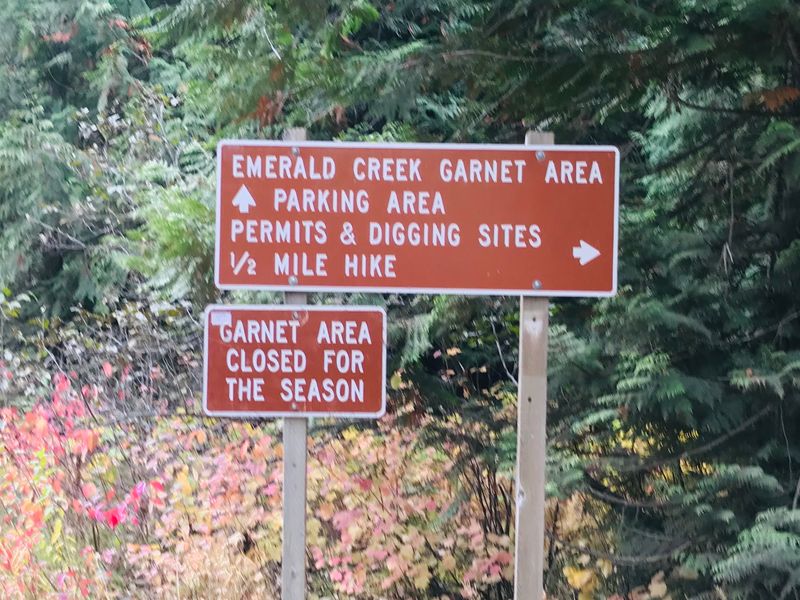
Spontaneous road trippers, take note. Access to the Emerald Creek Garnet Area is by reservation only, with no walk-up permits.
Tickets are booked in advance through Recreation.gov. Popular dates can sell out, so earlier planning gives you more choices.
The season typically runs from Memorial Day weekend through Labor Day weekend. Outside that window, the sluicing area is closed.
Each permit covers a three-hour time slot. That’s enough time to get muddy, find a handful of garnets, and still make it home for supper.
The cost stays modest, usually just a few dollars plus booking fees. Check current rates and rules before driving, since details can change year to year.
Arriving on time helps you use every minute of your slot. Remember to factor in the half-mile walk from parking to check-in.
Road work or weather can occasionally affect opening dates. A quick look at the Forest Service page saves a long drive for nothing.
Treat it like concert tickets for rock lovers. Good planning gets you the best seat at the gravel pile.
A Muddy Morning That Earns Its Place On The Summer List
Few day trips end with a pocket full of state gems. That alone puts this one near the top of any Idaho summer plan.
The Emerald Creek Garnet Area isn’t fancy, and that’s part of the appeal. You get dirt, cold water, tall trees, and a real shot at finding something rare.
It does ask for effort. Booking ahead, hiking uphill, and hauling gravel all come with the ticket.
The reward feels earned because of that. A garnet you washed yourself means more than any polished stone in a shop window.
I believe it’s best suited to people who enjoy a little work with their wonder. Families, curious retirees, and budding geologists will all find plenty to love.
Pair the dig with time around St. Maries or the scenic St. Joe River. That turns a three-hour slot into a full Panhandle day.
Bring patience, sunscreen, and a container you won’t mind filling. Then see how many tiny pieces of ancient Idaho you can carry home.